

The space between wall studs can provide useful storage without taking up valuable floor area. From a recessed spice rack to a built-in ironing board cupboard, these narrow wall cavities offer options for organizing everyday essentials in kitchens, bathrooms, entryways, offices, and more. Before adding a niche or cabinet, check what is inside the wall and confirm that the planned opening is appropriate for your home.
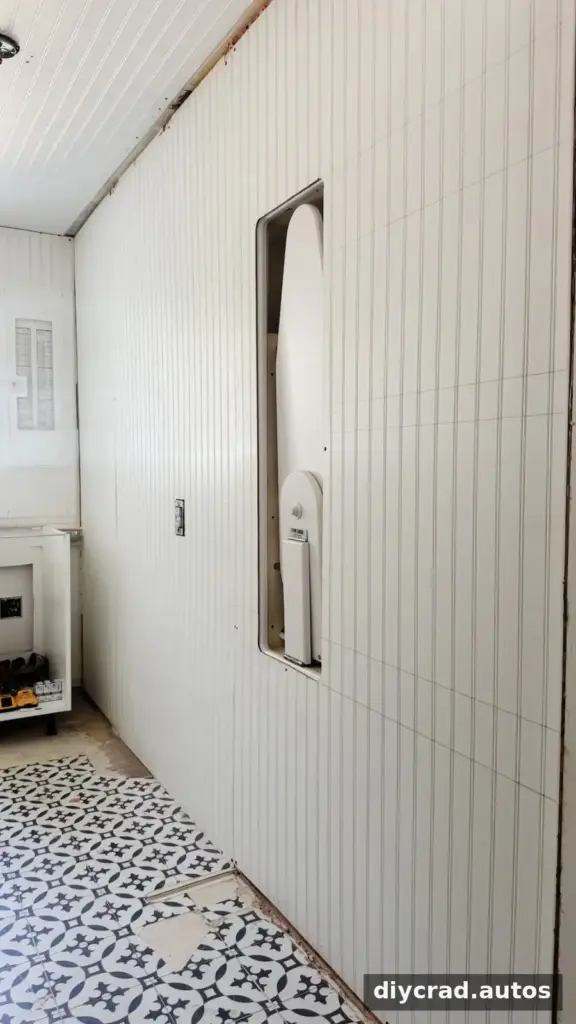
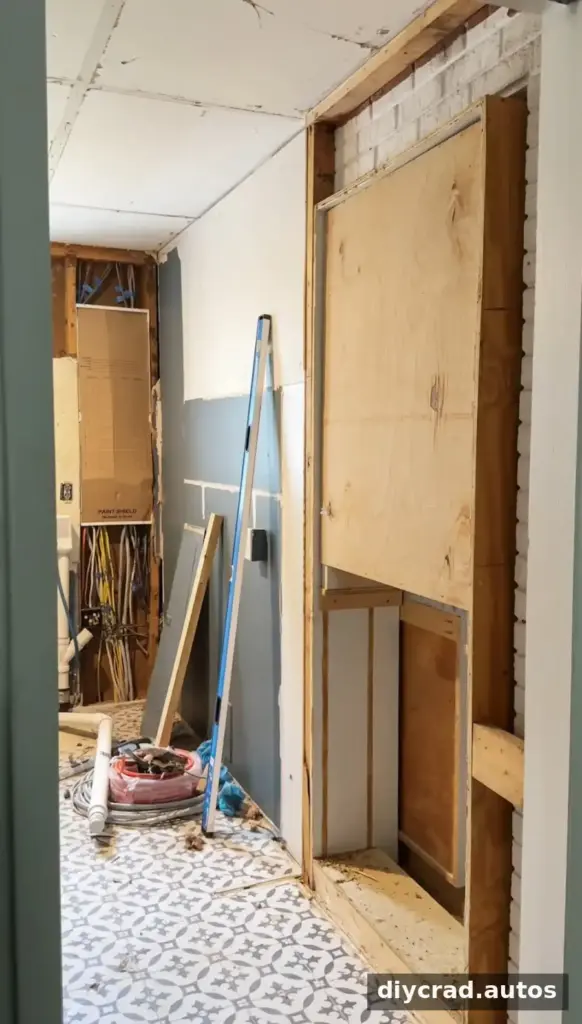
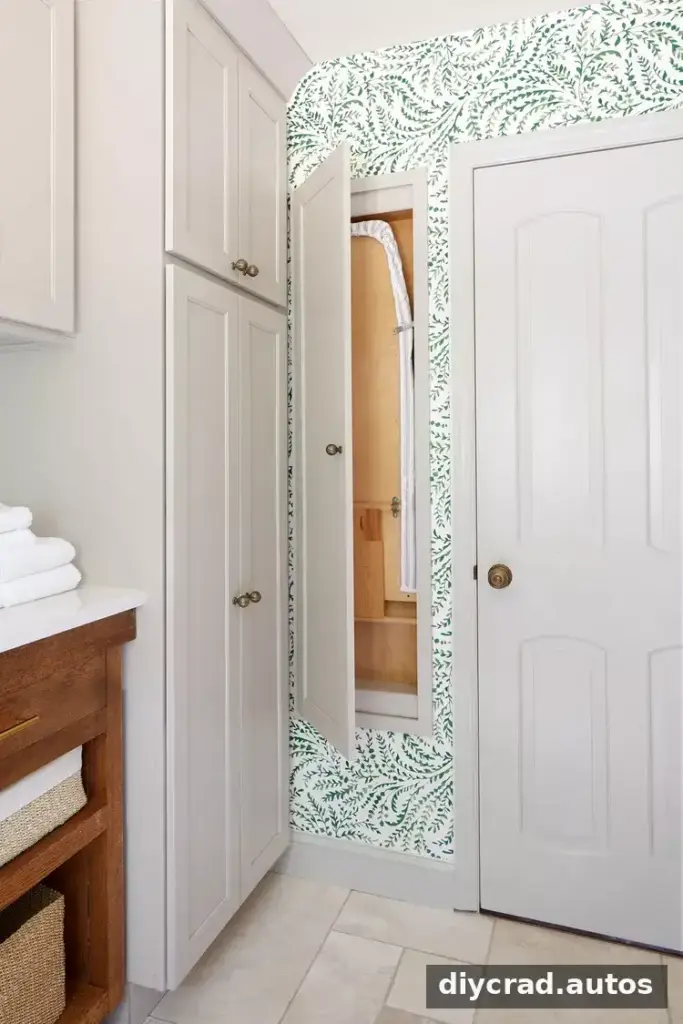
A laundry room remodel can reveal opportunities such as an unused doorway or an existing recess. A between-stud ironing board cupboard is one example of turning an overlooked area into practical storage.
Recessed storage has been used in homes for many years. The ideas below show how the space between wall studs can serve different needs, whether the goal is to clear a countertop, create a display, or make a compact room work harder.
Source: Vanessa Ferro
Everyday Ideas for the Space Between Wall Studs
Near an entryway or bedside, a shallow built-in can keep small essentials close at hand. Measure the available depth and choose items that fit without obstructing doors or walkways.
- Key and mail drop zone: A recessed organizer by the door can help keep mail and keys off countertops.
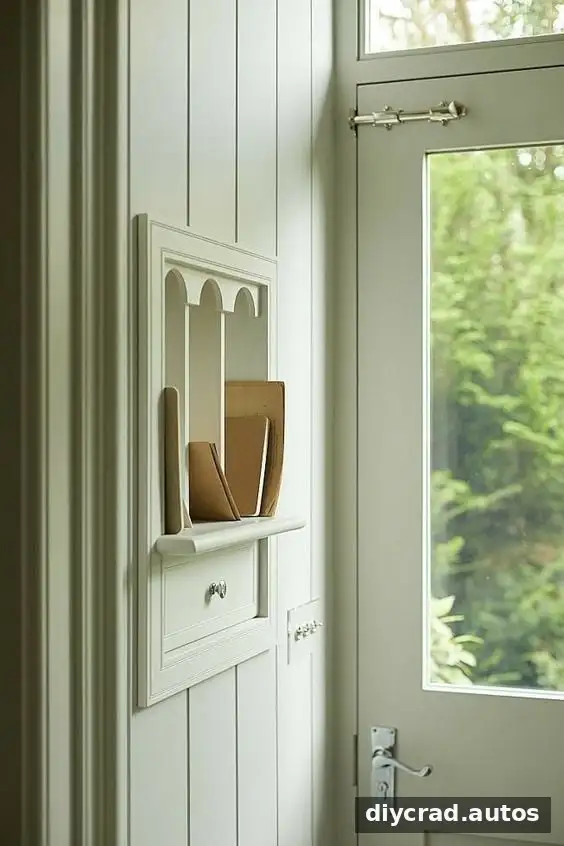
Source: Lindsey Hanson Design
- Hidden charging station: A recessed shelf with a suitable outlet or USB hub can give phones and tablets a designated place. Electrical work should be planned and completed safely.
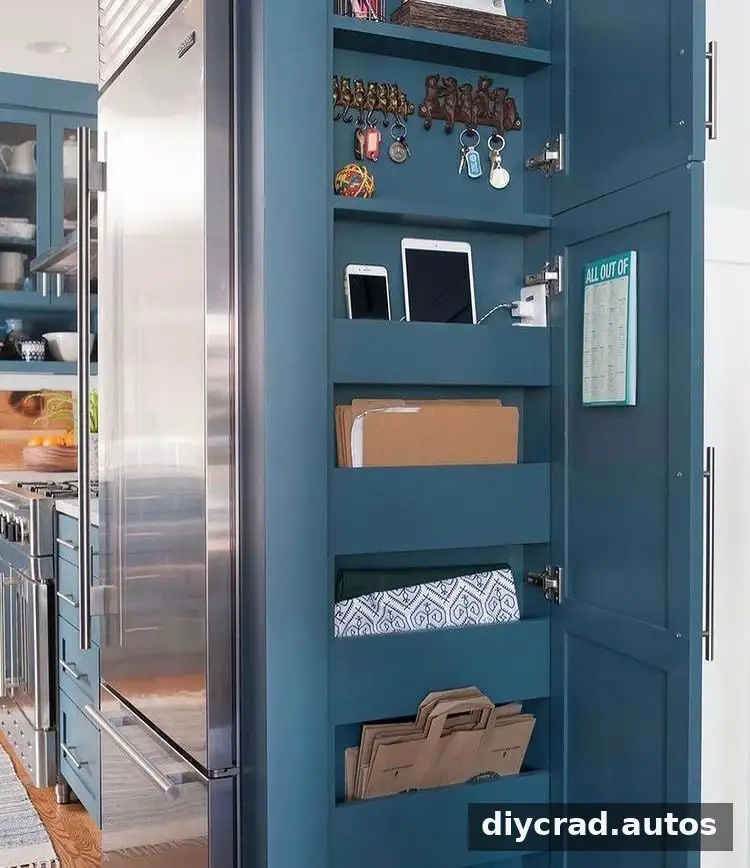
Source: Better Homes & Gardens
- Umbrella or shoe cubby: A narrow niche may suit umbrellas or a small number of shoes. Keep it clear of any required exit path.
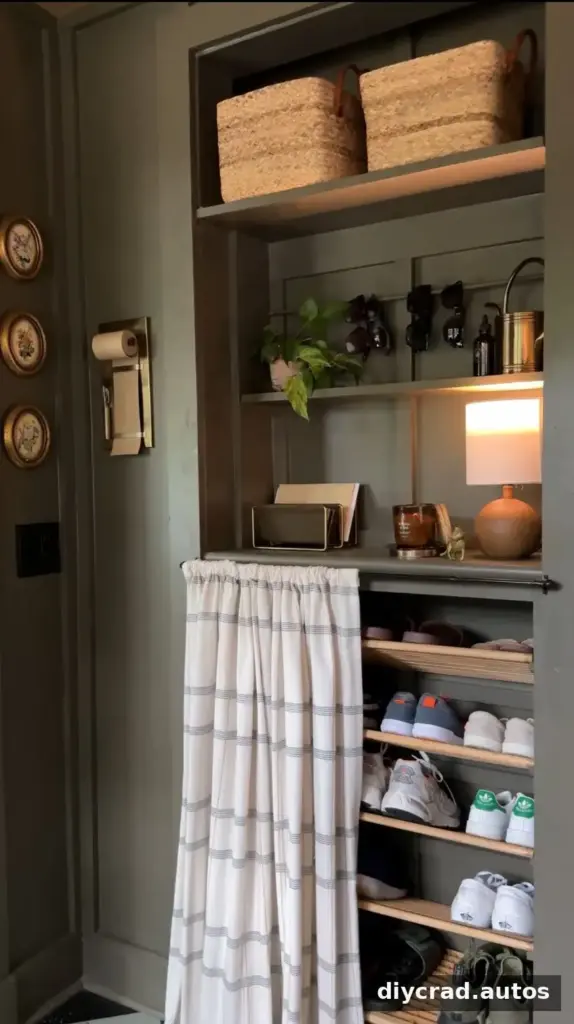
Source: Made By Carli
- Nightstand niche: A built-in shelf can hold a book, glasses, or a phone when there is little room for a table.
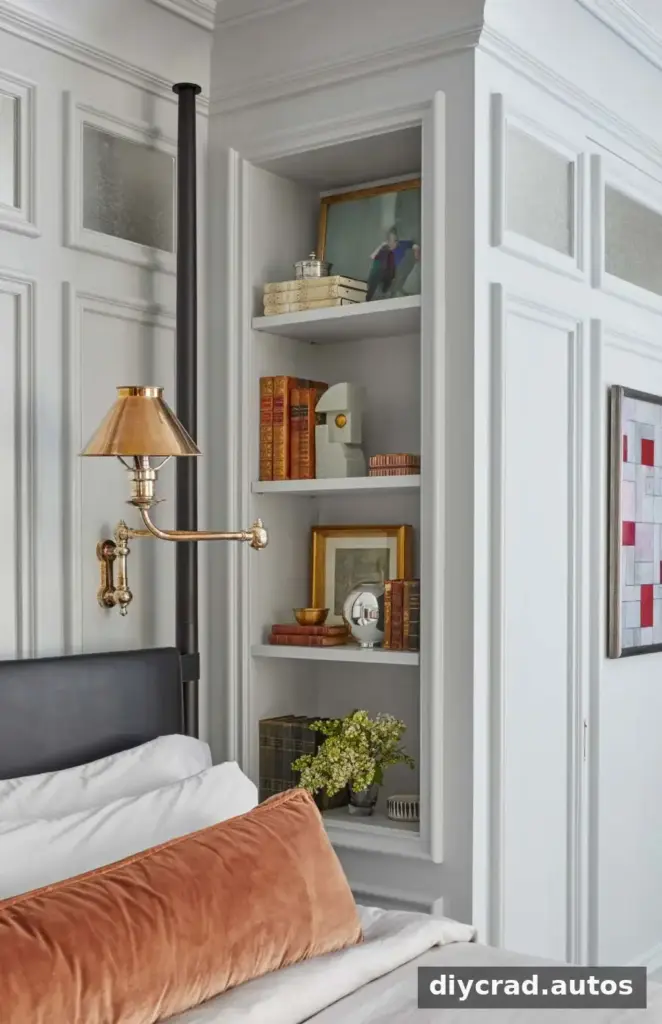
Source: Summer Thornton Design
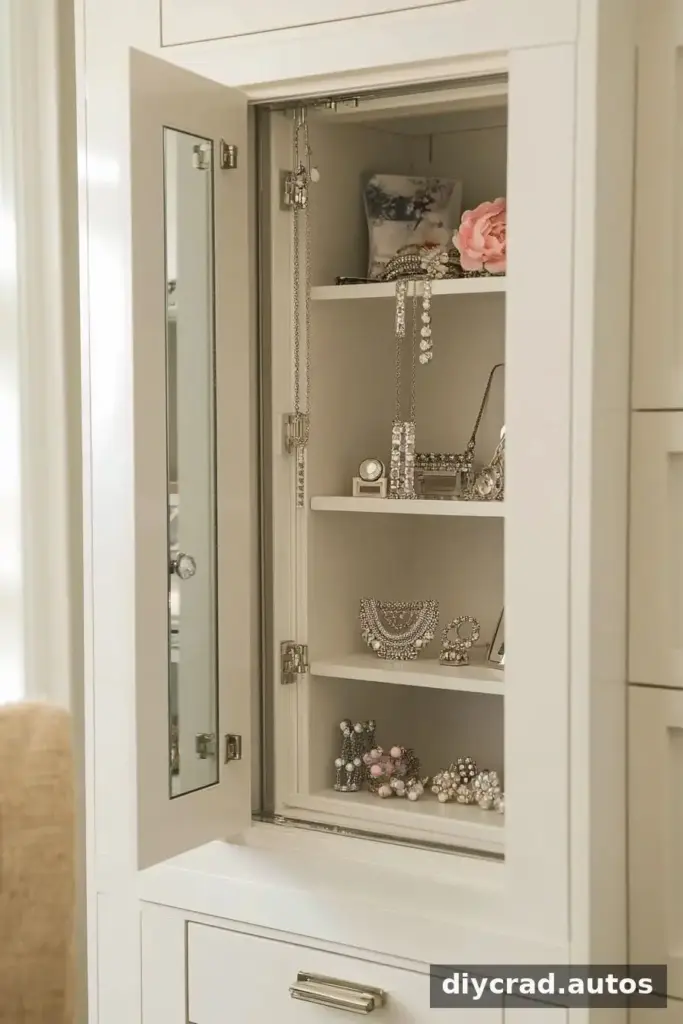
- Jewelry cupboard: A shallow, fitted cabinet can organize jewelry while keeping it out of sight.
Kitchen Storage and Display
Kitchen niches can free up counter or cabinet space, but consider how easy each item will be to reach and clean. Avoid placing storage where it could interfere with cooking or create a hazard.
- Spice rack: Shallow shelves keep spice jars visible and accessible.
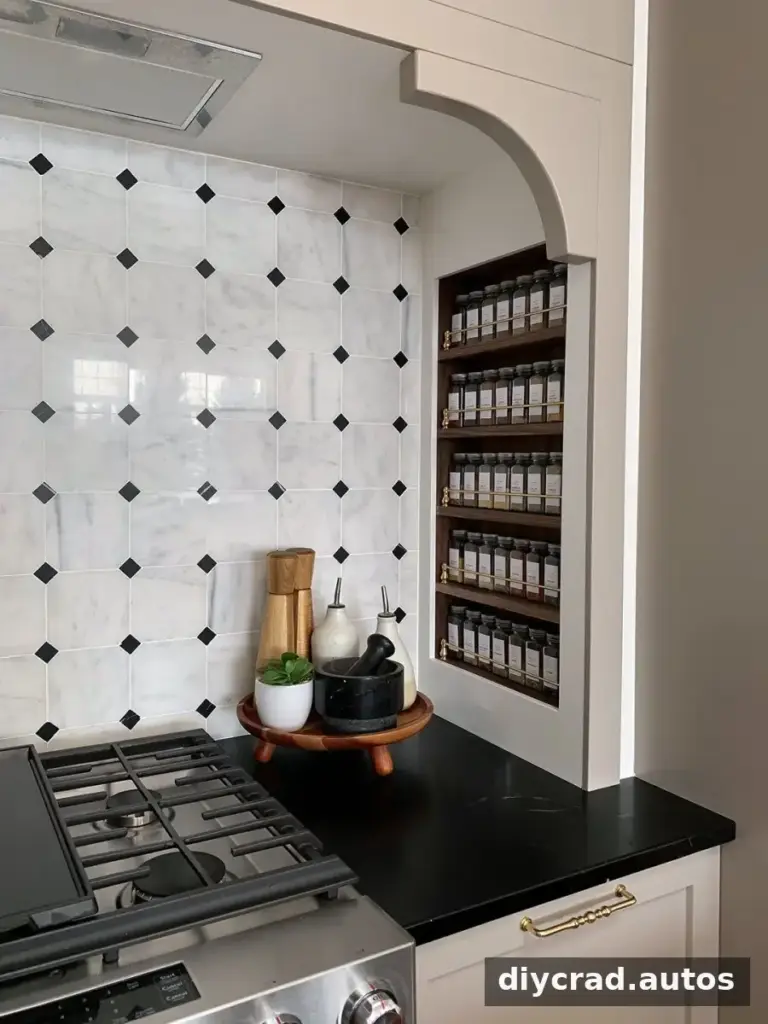
Source: Erin Zubot Design
- Pantry shelves: Slim shelves can hold cans and jars, provided the niche is sized for the items you use.
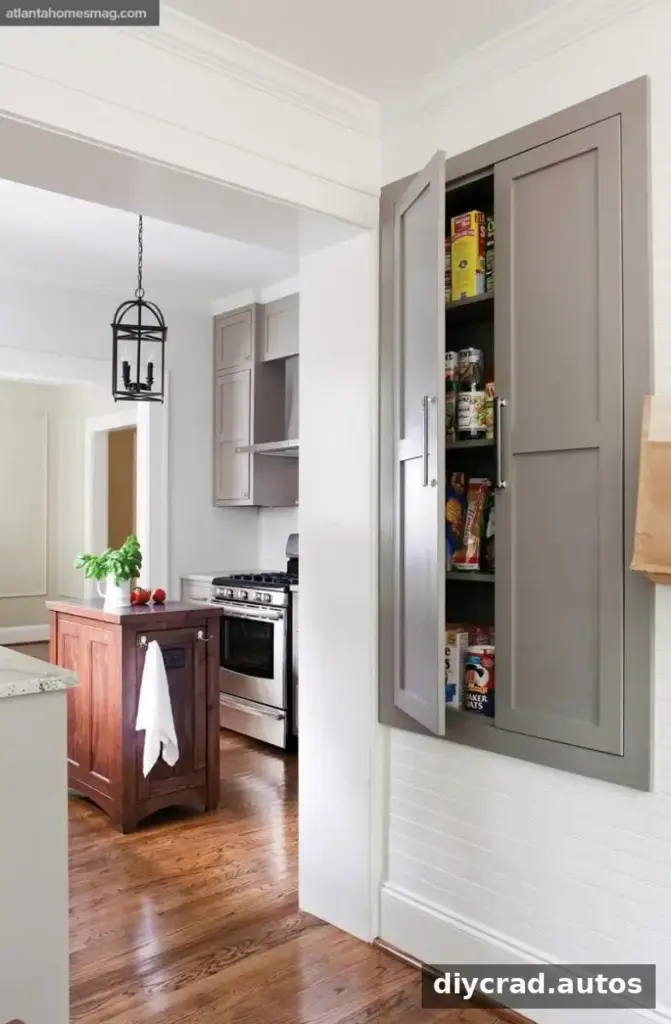
Source: Atlanta Homes Mag
- Knife block niche: A recessed magnetic strip or wooden block can store knives. Position it securely and away from children’s reach.
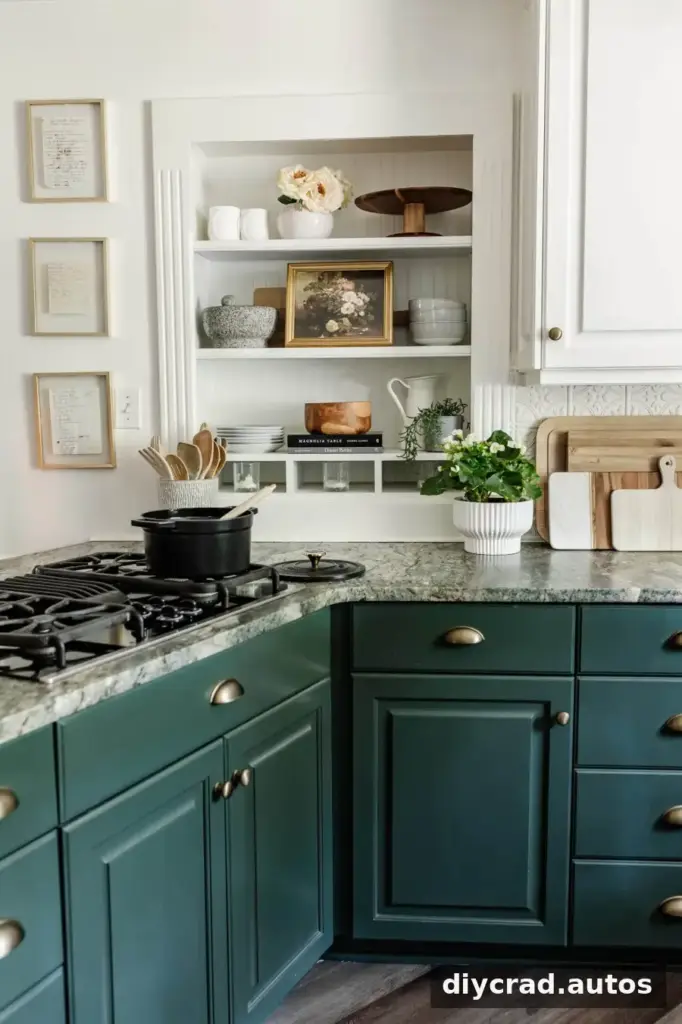
- Cookbook cubby: Shallow shelves can keep favorite cookbooks off the counter. Recessed shelves can also hold serving pieces.
- Wine rack: Vertical bottle cubbies create dedicated storage; make sure the structure is secure and suitable for the bottles’ weight.
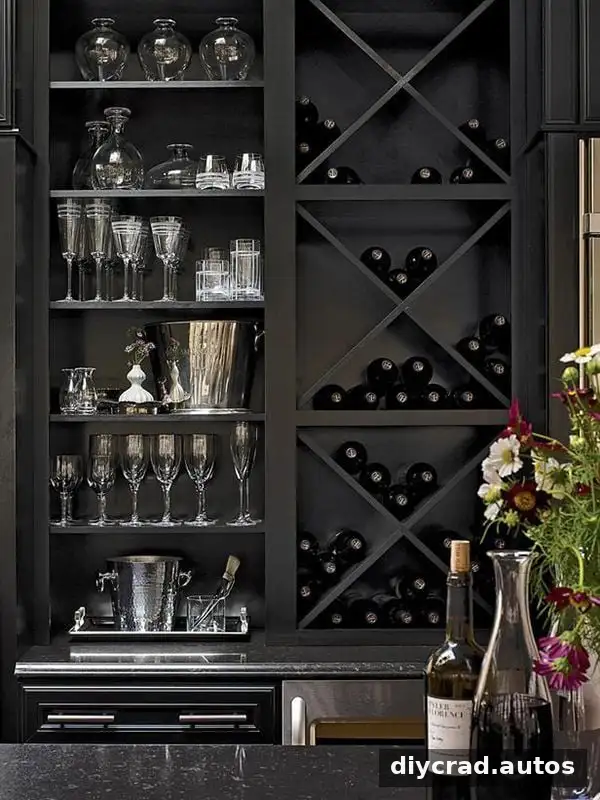
Source: HGTV
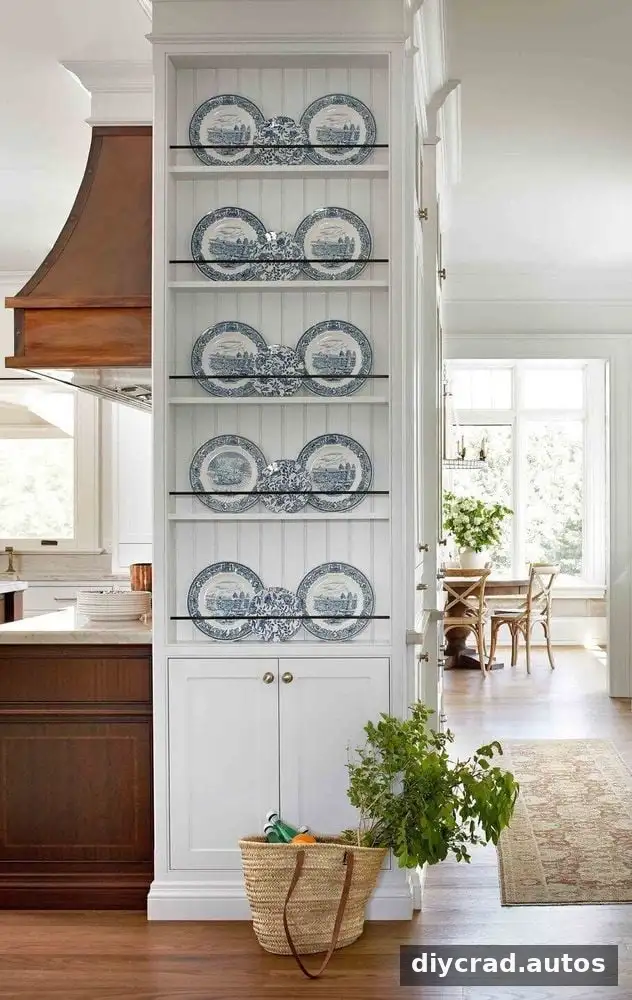
- Plate rack: Use a niche to display decorative or frequently used dishes, with shelves designed to support them.
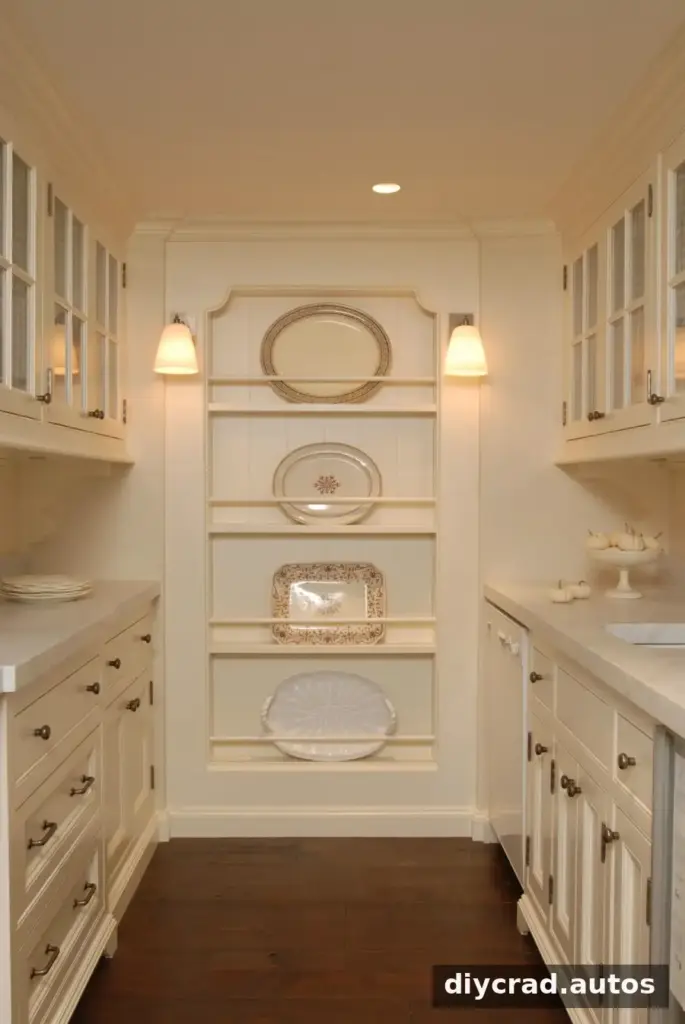
Source: Brooks & Falotico
Bathroom and Laundry Room Niches
Recessed storage is especially useful in compact bathrooms and laundry areas. In wet locations, choose materials and construction methods appropriate for moisture, and make sure shower niches are properly waterproofed.
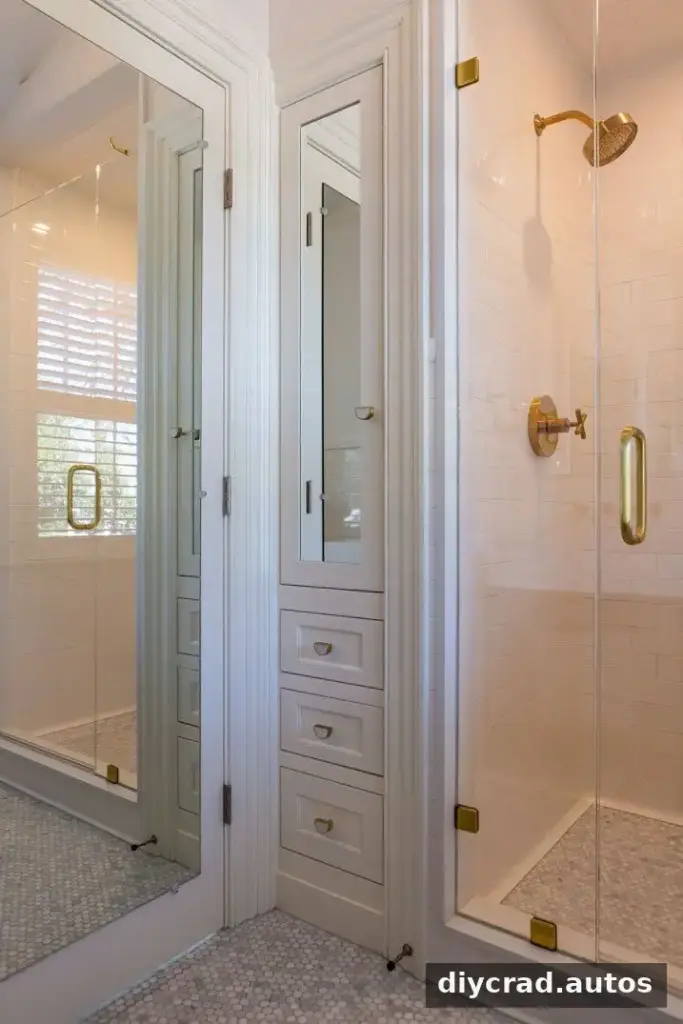
- Medicine cabinet: A recessed cabinet stores daily essentials without projecting far into the room.
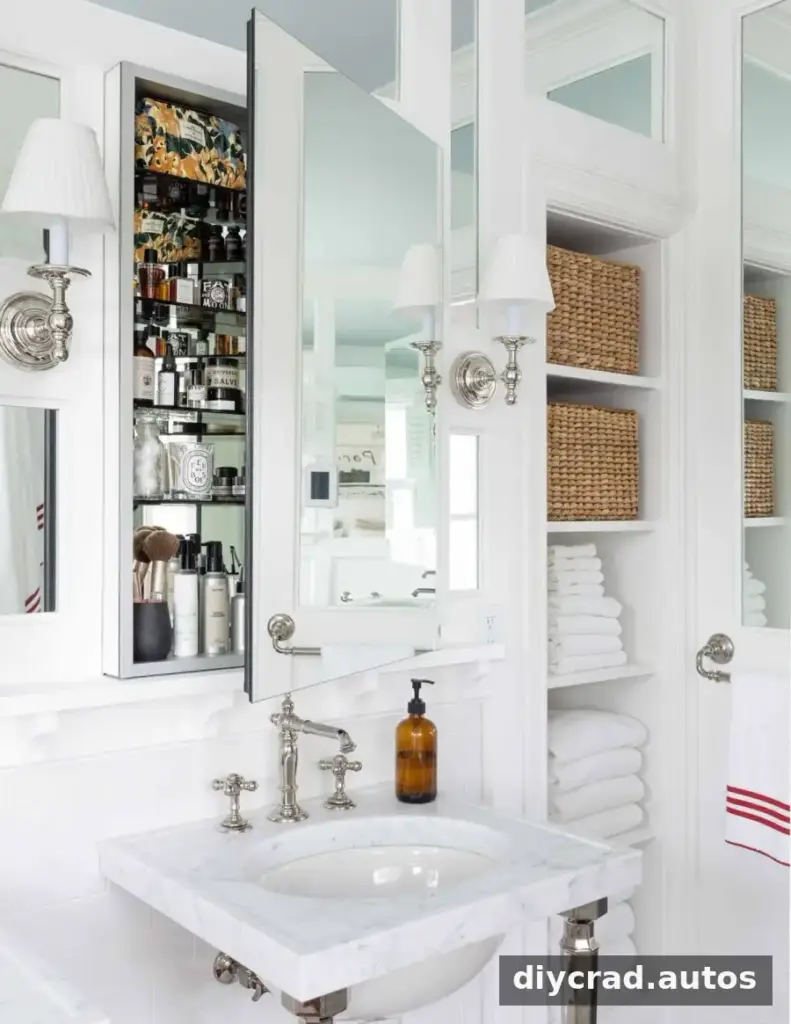
Source: Lonny
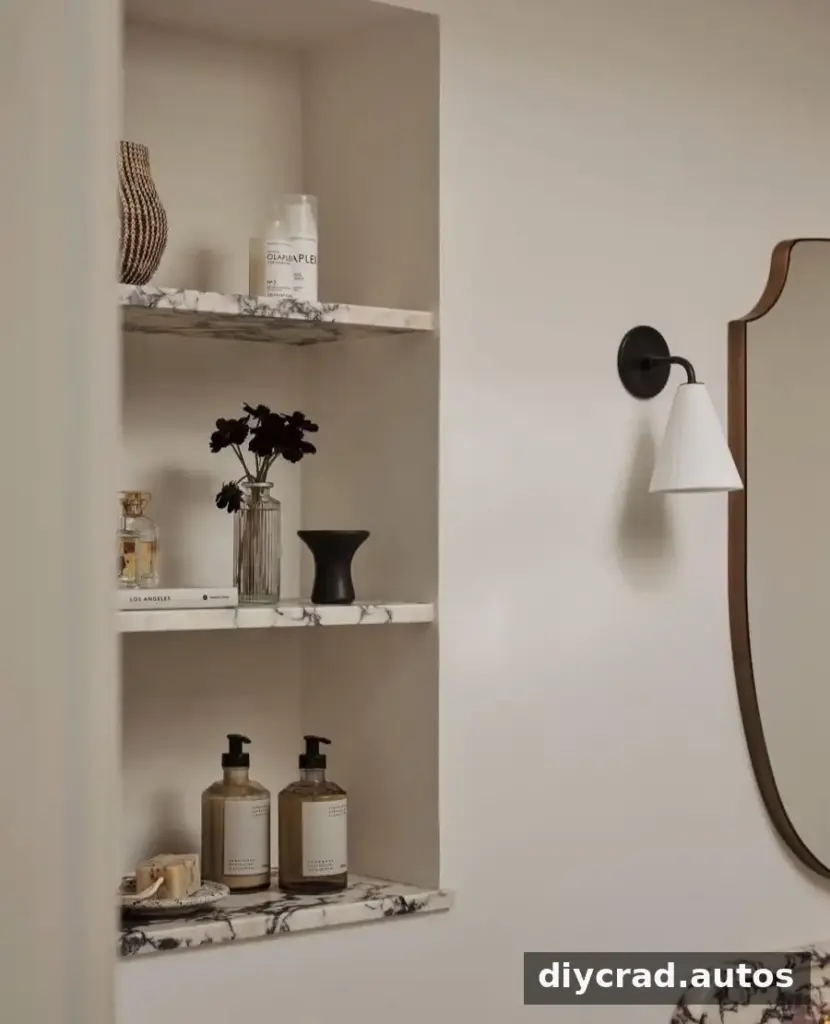
- Shower niche: A built-in shelf keeps soap and shampoo within reach. Plan its position and waterproofing before installation.
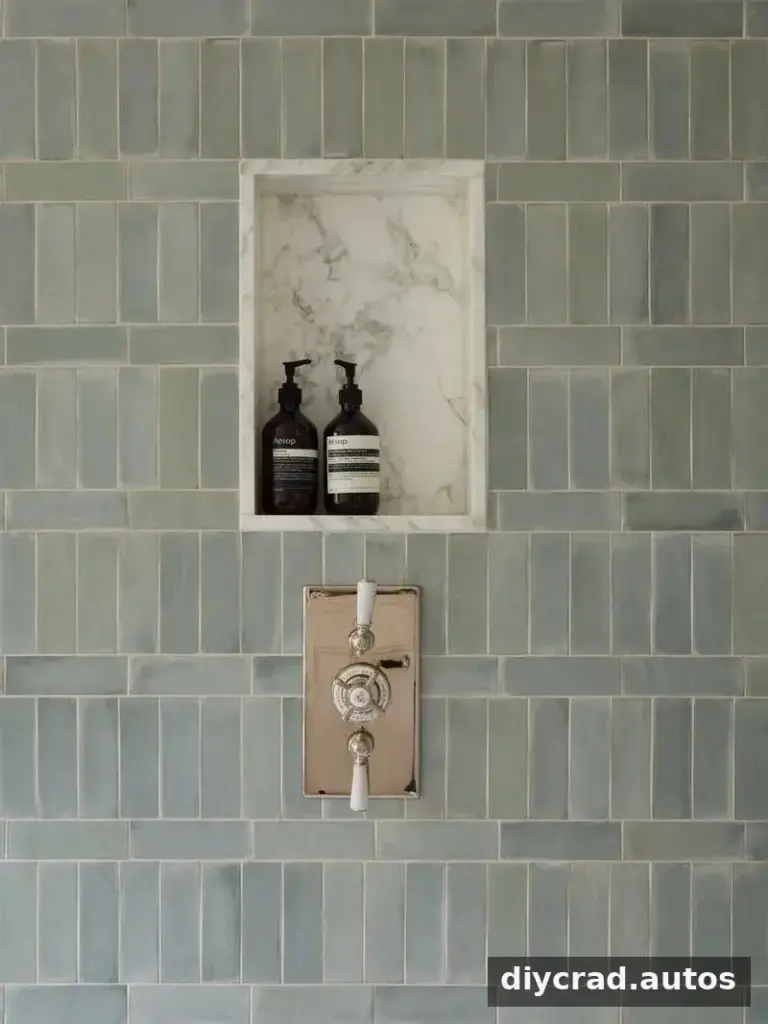
Source: Anna Haines
- Towel cubby: A recessed opening can hold neatly folded towels.
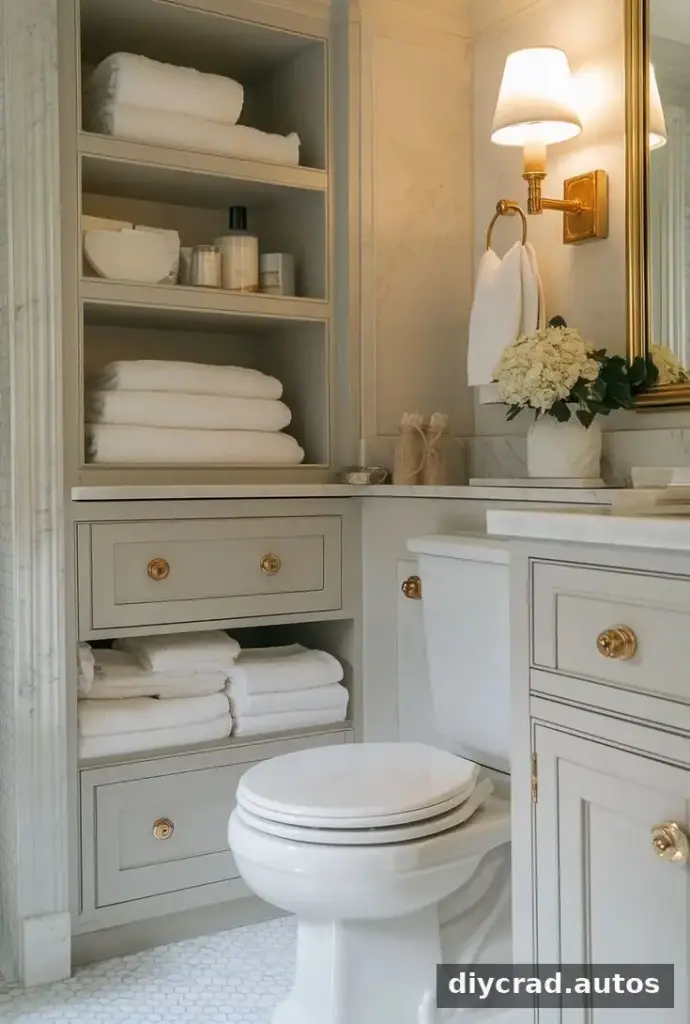
- Towel drying rack: Recessed towel bars can reduce how far the rack projects into a walkway.
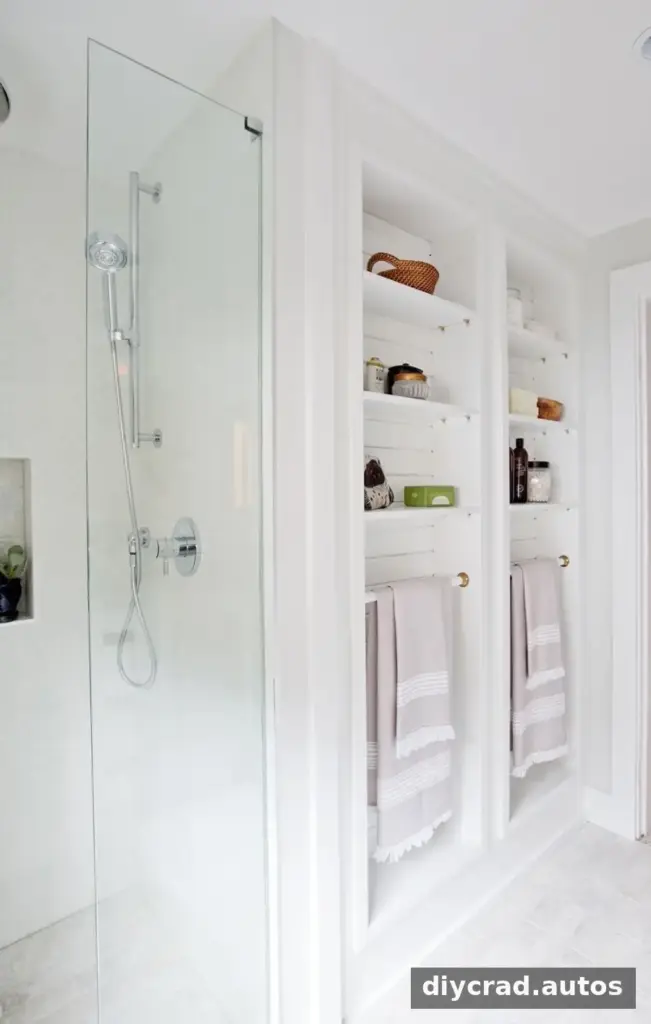
Source: Better Homes & Gardens
- Toilet paper niche: A small cubby beside the toilet provides a convenient place for spare rolls.
- Toiletry station: Keep lotions and cotton swabs organized in a reachable shelf or cabinet.
- Laundry chute: Where the floor plan allows, a chute can move laundry between levels. Check local requirements and the building layout before considering one.
- Built-in hamper niche: A pull-out basket or bag can keep laundry out of sight while remaining accessible.
Source: Jess O’Grady
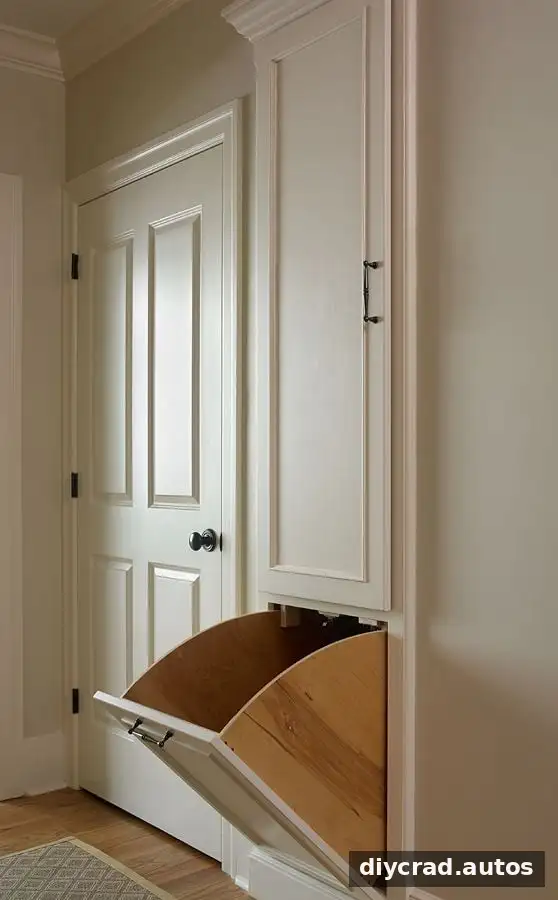
Source: Tillman Long Interiors
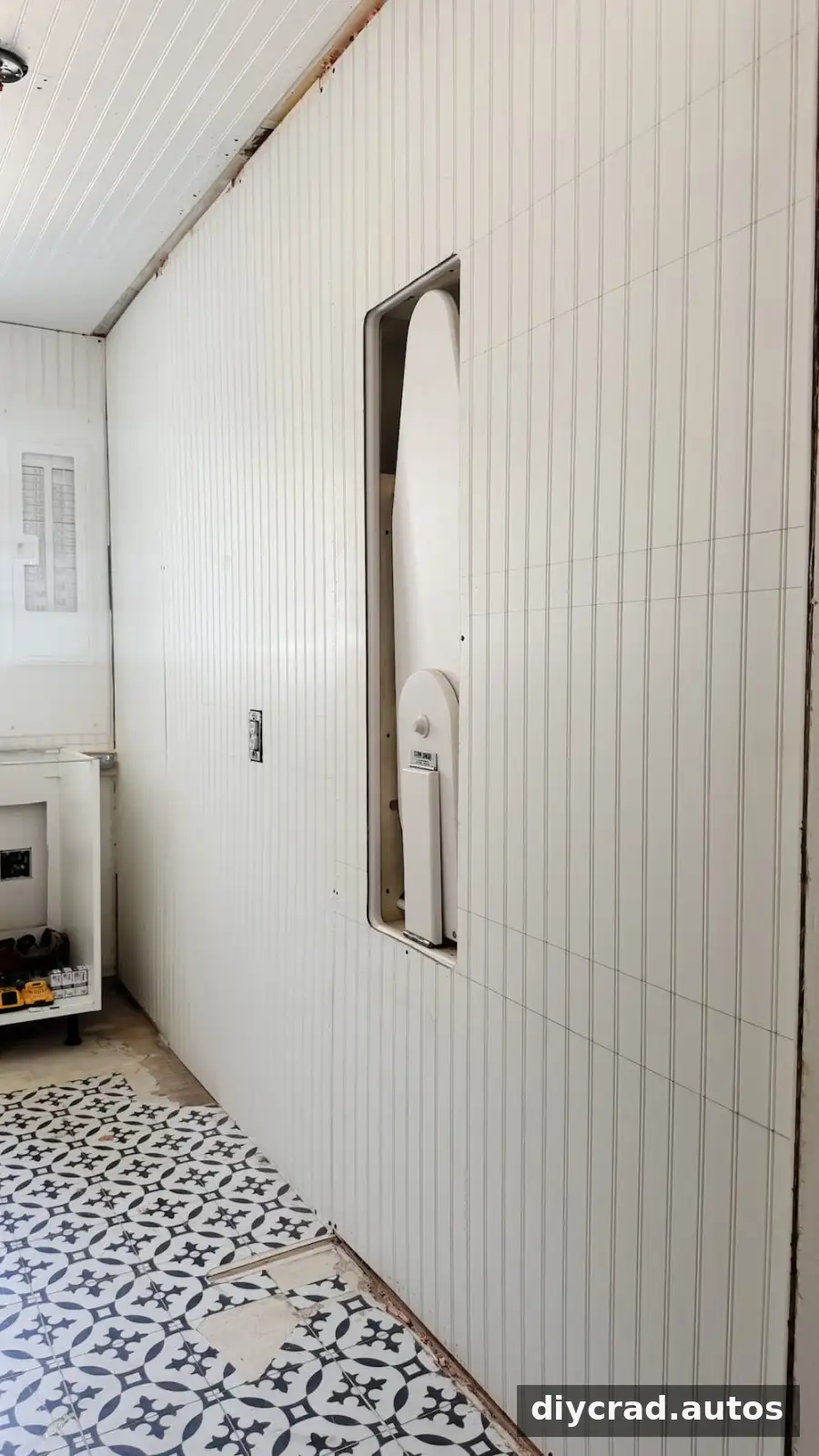
- Ironing board cupboard: A fitted cabinet can store a folding ironing board and help keep laundry equipment out of the way.
Source: Better Homes and Gardens
Office, Craft, and Utility Storage
In work areas, recessed organizers can make supplies easier to sort without crowding desks or shelves. Think about access, ventilation, and how often you need to reach each item.
- Message center: A recessed chalkboard, corkboard, or dry-erase panel can combine reminders with a useful wall feature.
- Filing cubbies: Vertical slots can sort mail, homework, and important papers.
Source: Domino
- Craft supply organizer: Cubbies can group spools, brushes, scissors, and other small tools.
- Printer or tech niche: A dedicated recess can reduce desk clutter. Allow enough space for ventilation and cables.
- In-wall speakers: Built-in speakers can save surface space; plan wiring and placement before closing the wall.
Source: Sarah Karon Interiors
- Cleaning supply cabinet: A shallow cabinet can keep household supplies organized. Store hazardous products securely and out of children’s reach.
- Smart home hub: A discreet location can keep a hub accessible while reducing visual clutter.
- Locking safe: A concealed safe may provide a less visible place for valuables; choose and install it with the wall structure in mind.
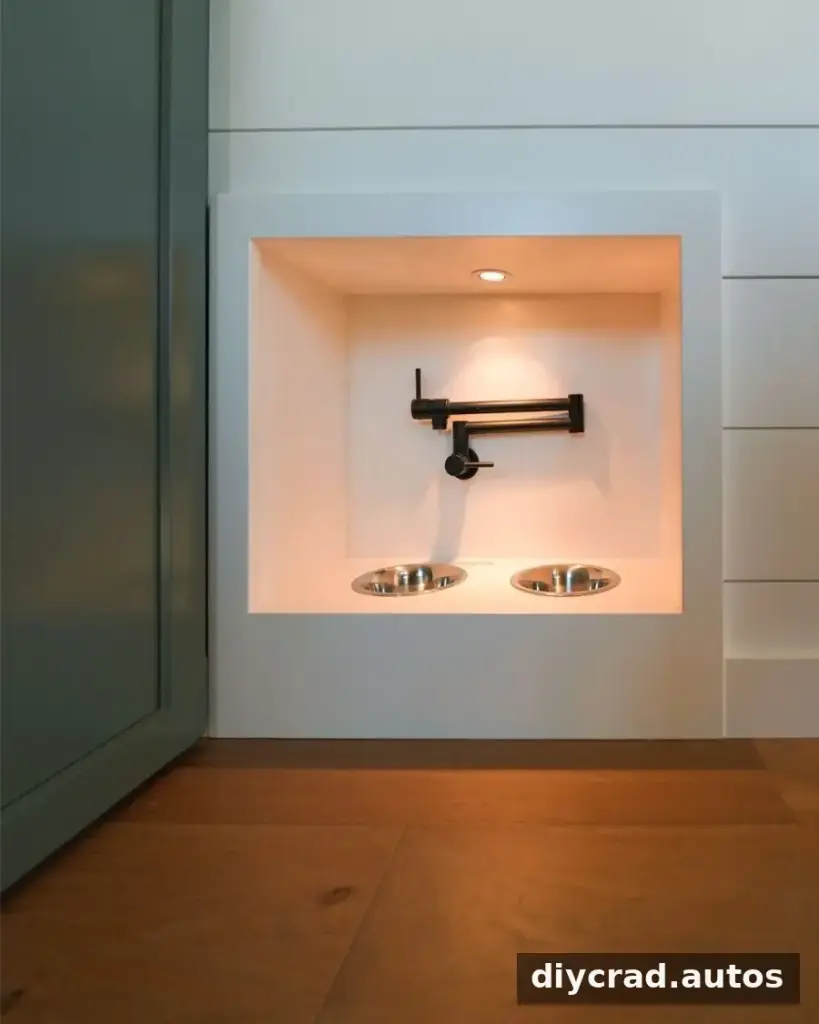
- Pet feeding station: Recessed food and water bowls at baseboard height can keep feeding areas compact. Make sure the bowls are easy to remove and clean.
Source: Timber Craft Tiny Homes
- Fold-out desk or vanity: A shallow cavity can conceal a drop-down work surface for a laptop or makeup items.
- Toy or game cabinet: A recessed cupboard can store board games, puzzles, or building toys.
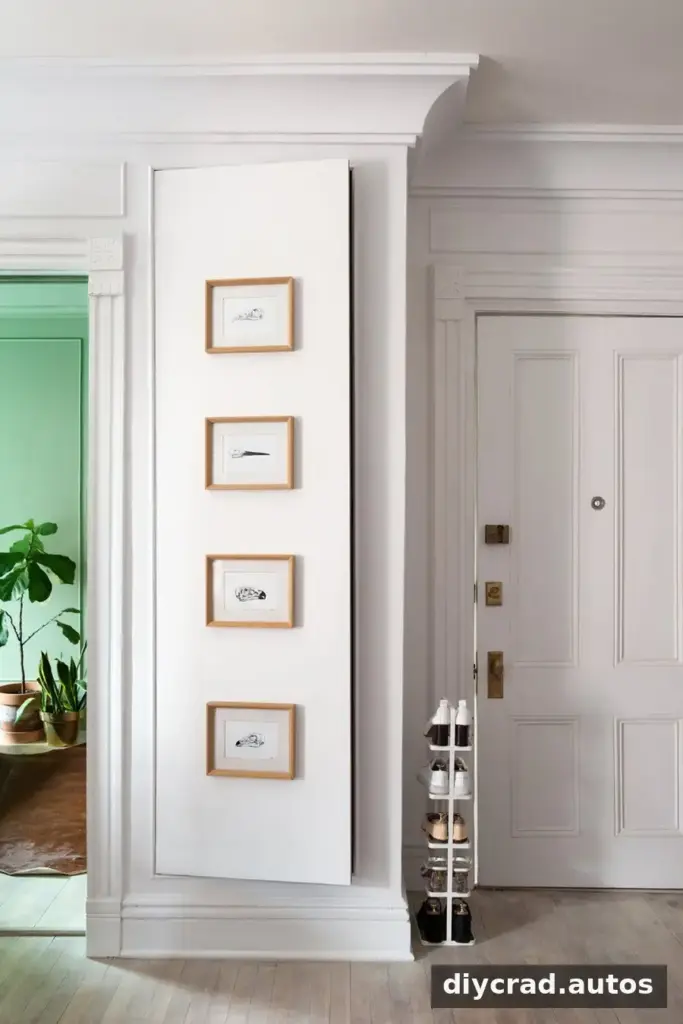
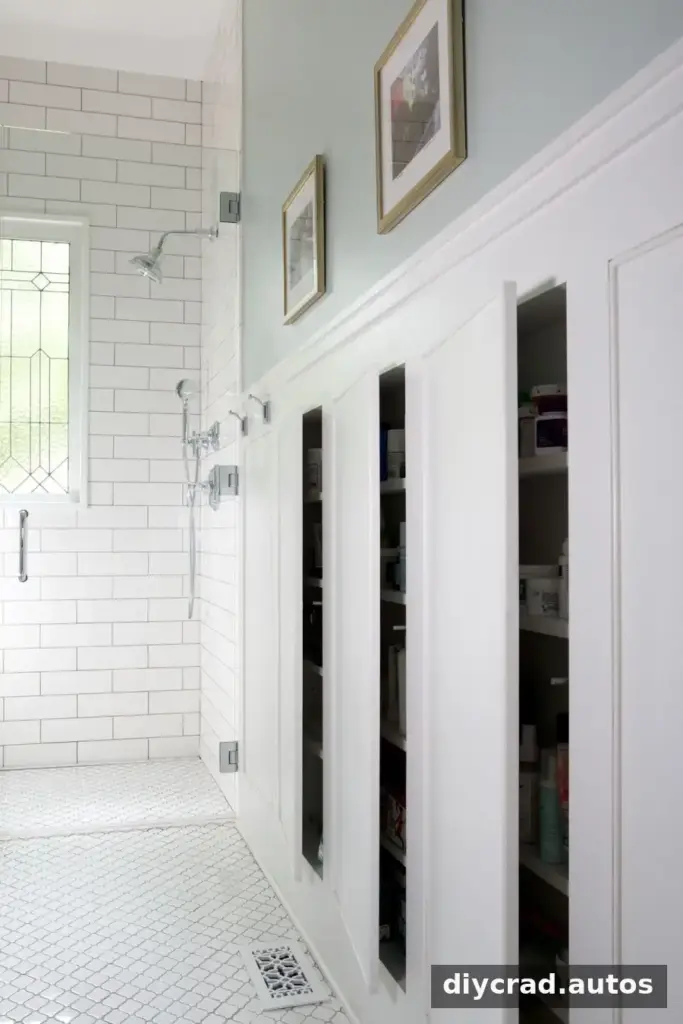
- Secret compartment: A concealed door behind trim, wainscoting, or artwork can create hidden storage. Keep access practical and do not conceal equipment that needs inspection.
Source: Copper Sky Design
Plan Before Opening a Wall
Wall cavities are not always empty. Wiring, plumbing, insulation, pipes, and structural elements may affect where and how a recess can be built. Before cutting into drywall, identify what is behind it and check whether the wall or proposed opening has structural significance. If you are unsure, consult a qualified professional.
Measure the cavity and the objects you plan to store, and account for shelves, doors, and trim. In bathrooms and other damp areas, use suitable materials and proper moisture protection. These checks can help prevent a convenient storage idea from becoming a costly repair.
Make the Space Between Wall Studs Work for You
The space between wall studs can become a practical storage feature in nearly any room, from a compact entryway organizer to a laundry cupboard or kitchen shelf. Choose an idea that suits the room, verify what is inside the wall, and plan for safe, accessible installation. With careful preparation, a narrow recess can add useful function without taking up floor space.

