The right home organizing items can make everyday routines easier by giving frequently used belongings a clear place to go. You don’t need a perfectly tidy house or a major makeover to get started: a few useful storage solutions and consistent habits can make it quicker to put things away and reset a room.
Start by noticing where clutter repeatedly collects, then choose an organizer that suits the items and the space. Measure shelves, drawers, and wall areas before buying anything, and avoid storing belongings in containers that are difficult to reach or use.
20 Home Organizing Items for a Tidy Space
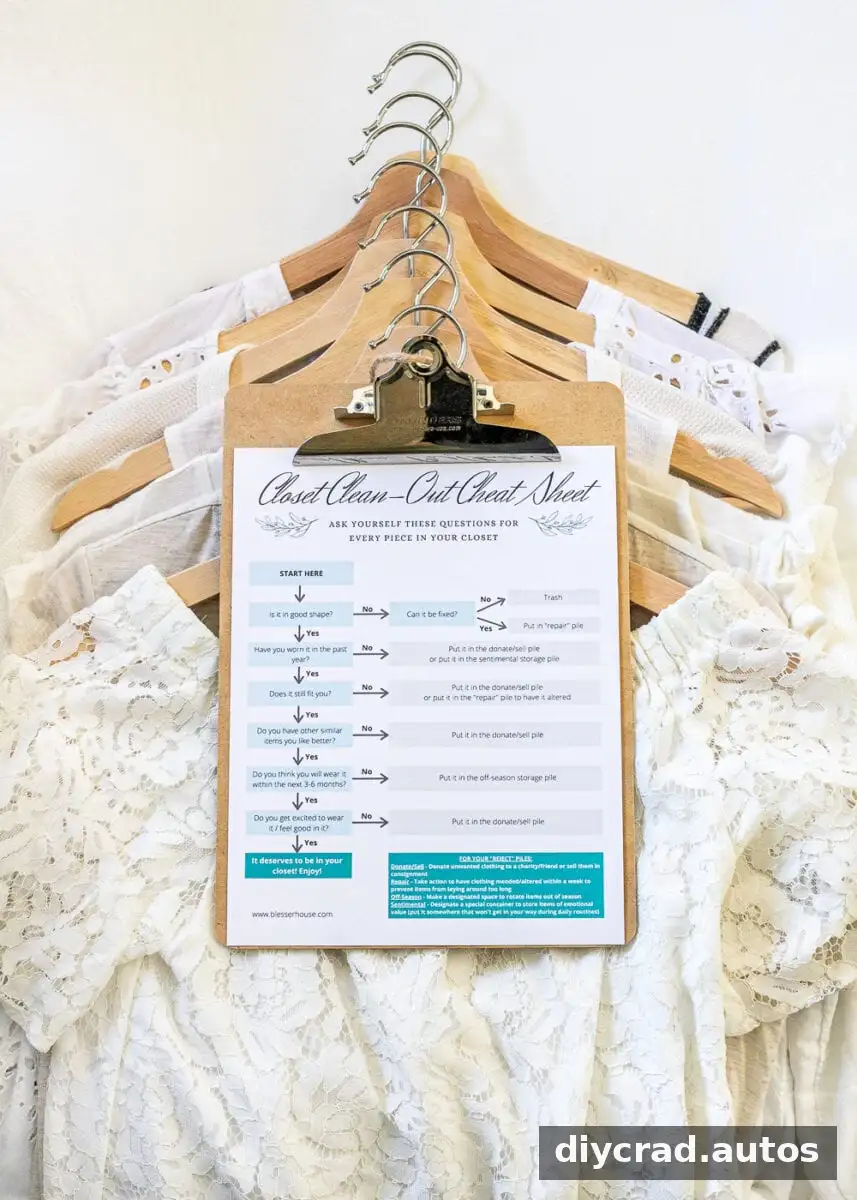
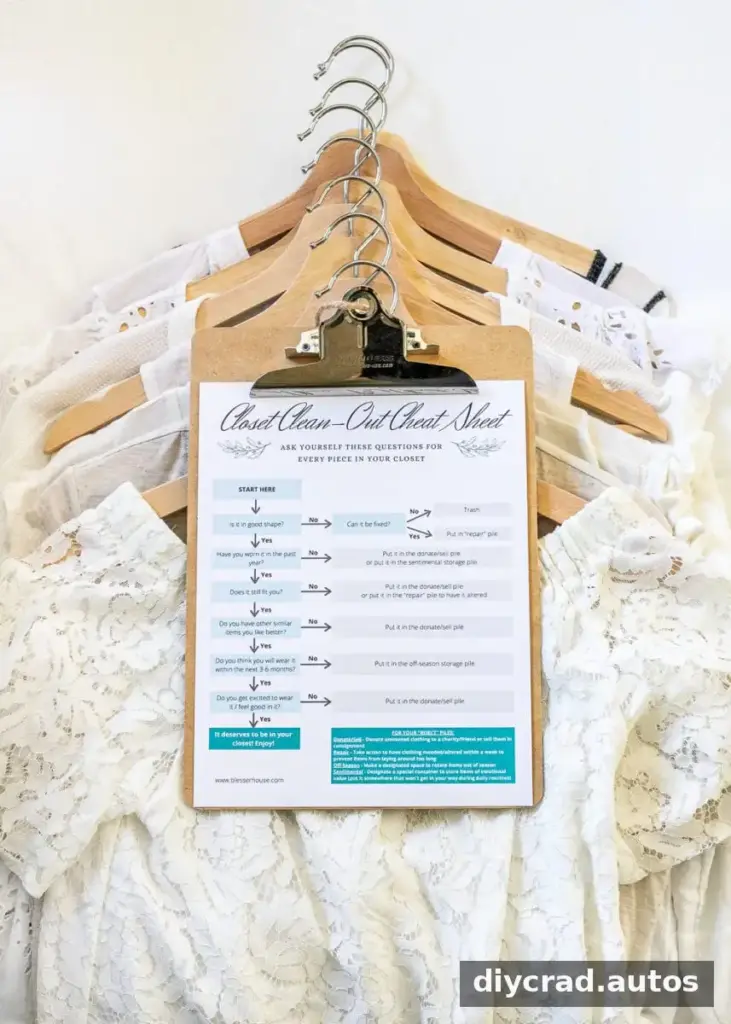
1. A Closet Clean-Out Checklist
A checklist can make it easier to decide which clothes to keep, donate, or remove from your wardrobe. Consider whether an item fits, is comfortable, suits your current routine, and has been worn recently. Sort one section at a time to keep the task manageable, and set aside donations in a bag rather than returning them to the closet.
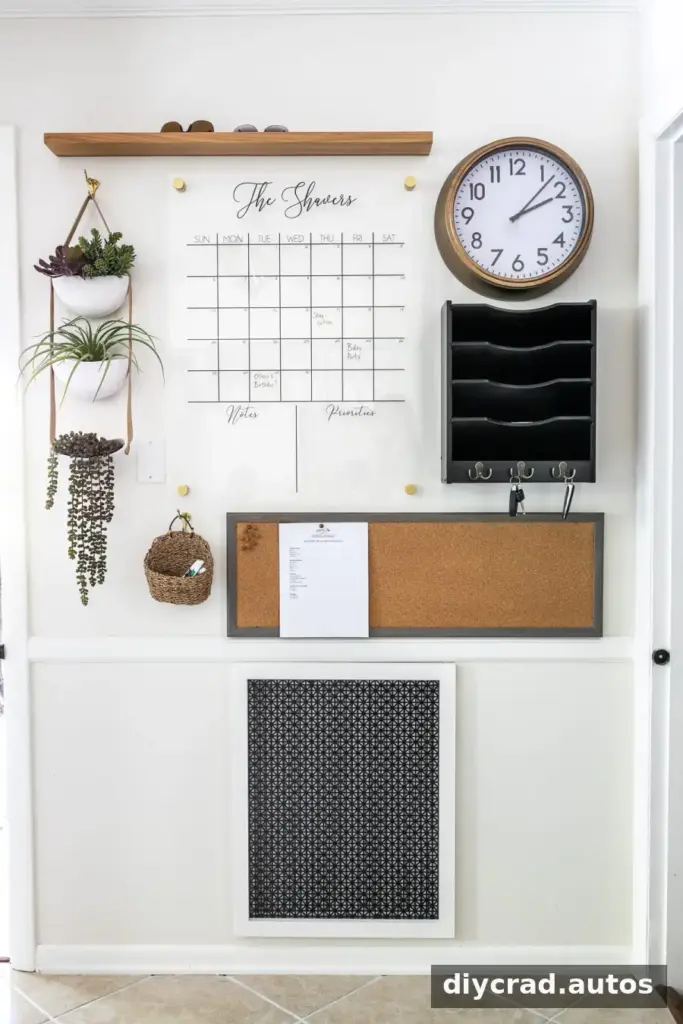
2. A Calendar, Mail Sorter, and Memo Board
Create a simple home command center near an entryway or another frequently used spot. A calendar can hold schedules and reminders, a mail sorter can separate incoming papers, and a memo board can display items that need attention. A small shelf or key rack can also help keep everyday essentials together.
Choose a location everyone in the household can reach, and make a habit of sorting mail regularly so the area doesn’t become another catch-all surface.
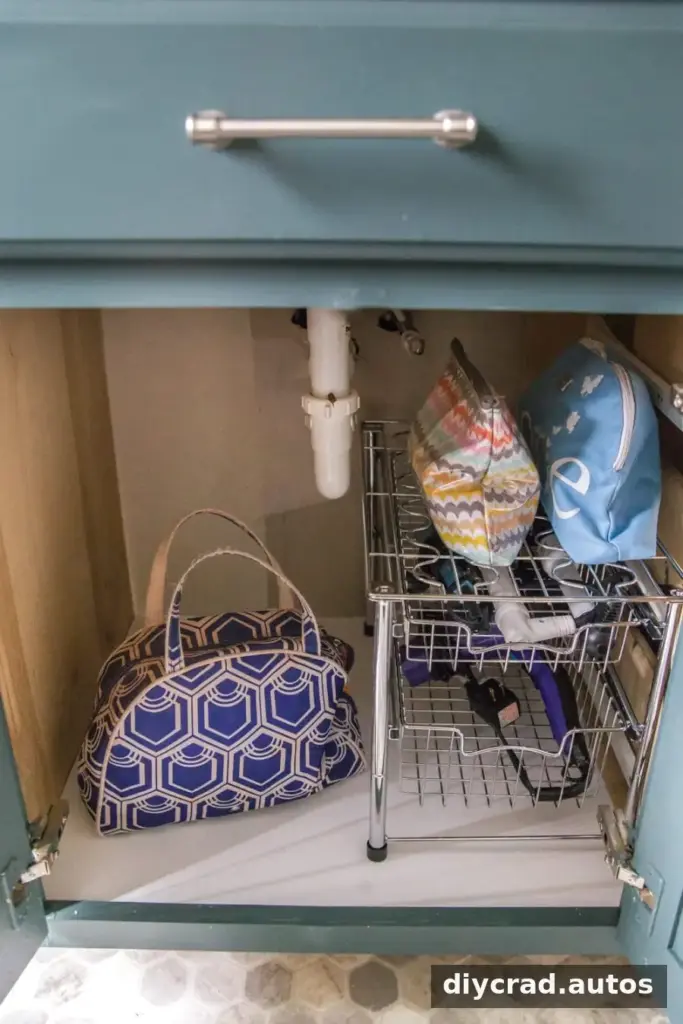
3. Shelf Risers and Stackable Drawers
Shelf risers and stackable drawers use vertical space in cabinets, under sinks, and on open shelves. They can make smaller items easier to see instead of letting them disappear behind taller products. Before setting them up, check the shelf height and leave enough room to remove items comfortably.
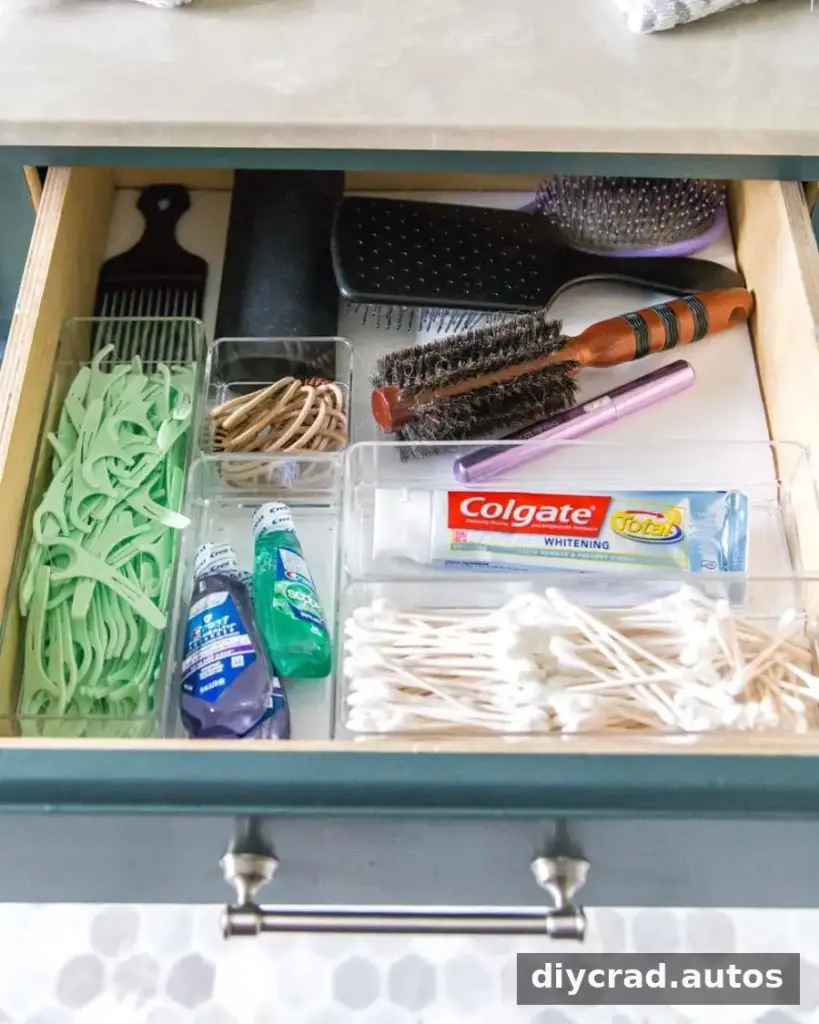
4. Drawer Organizers
Dividers and organizer inserts keep small items from shifting into mixed-up piles. Use them for utensils, office supplies, toiletries, or accessories, and choose compartments that match what you actually store. For a no-cost trial, clean cardboard boxes can temporarily divide a drawer; replace them if they become worn or are exposed to moisture.
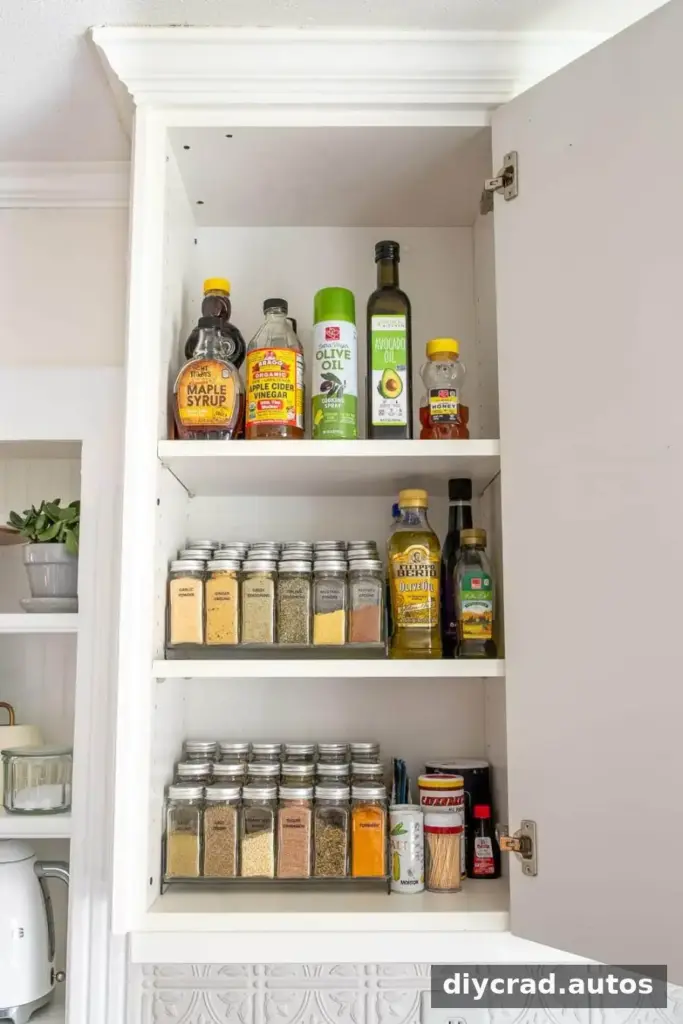
5. Tiered Shelves
Tiered shelves raise items at the back so they’re easier to spot and reach. They work well for spices, cans, and other small containers. Group similar items together, and place the items used most often at the front or at a comfortable height.
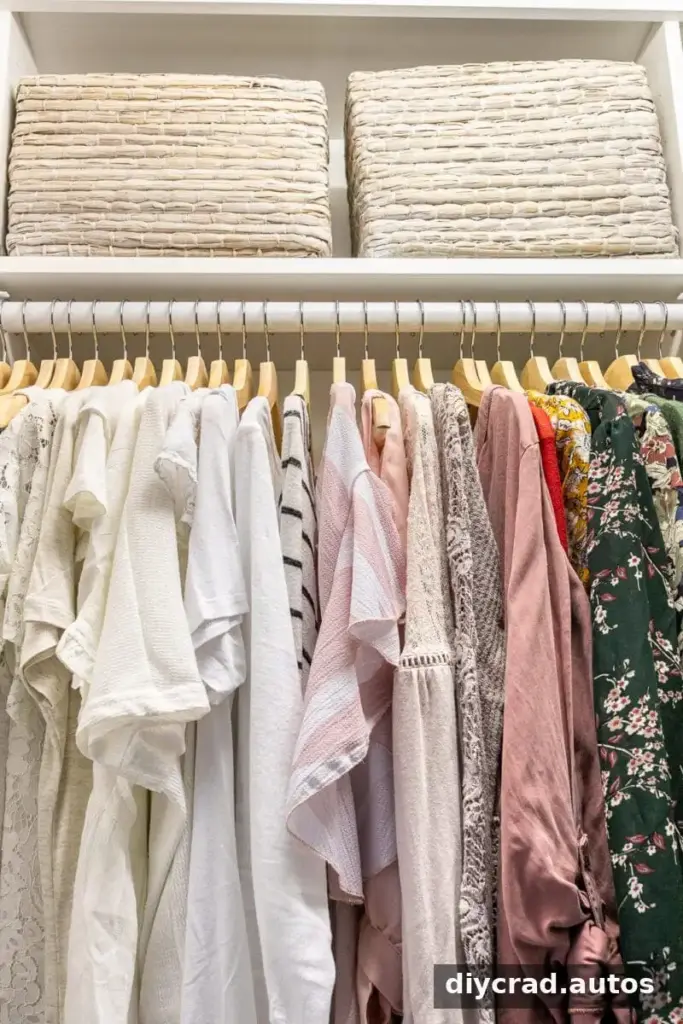
6. Matching Hangers
Using hangers of a similar shape can create a more orderly-looking closet and help clothes hang evenly. Check that the hanger style suits the garment: sturdy options are useful for heavier clothing, while slimmer hangers can save space for lighter items. Avoid packing clothes so tightly that they’re difficult to remove.
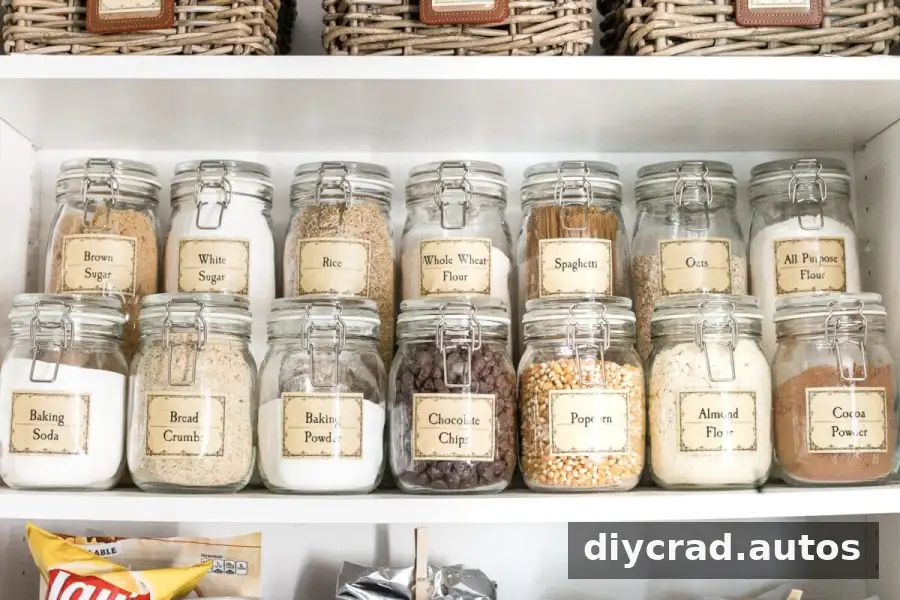
7. Clear Canisters
Transparent, airtight canisters make dry goods easy to identify and can help keep them fresh when sealed properly. Add a label with the food name and, when useful, its opening date. Store food safely, keep containers clean and dry, and follow the product’s storage guidance.
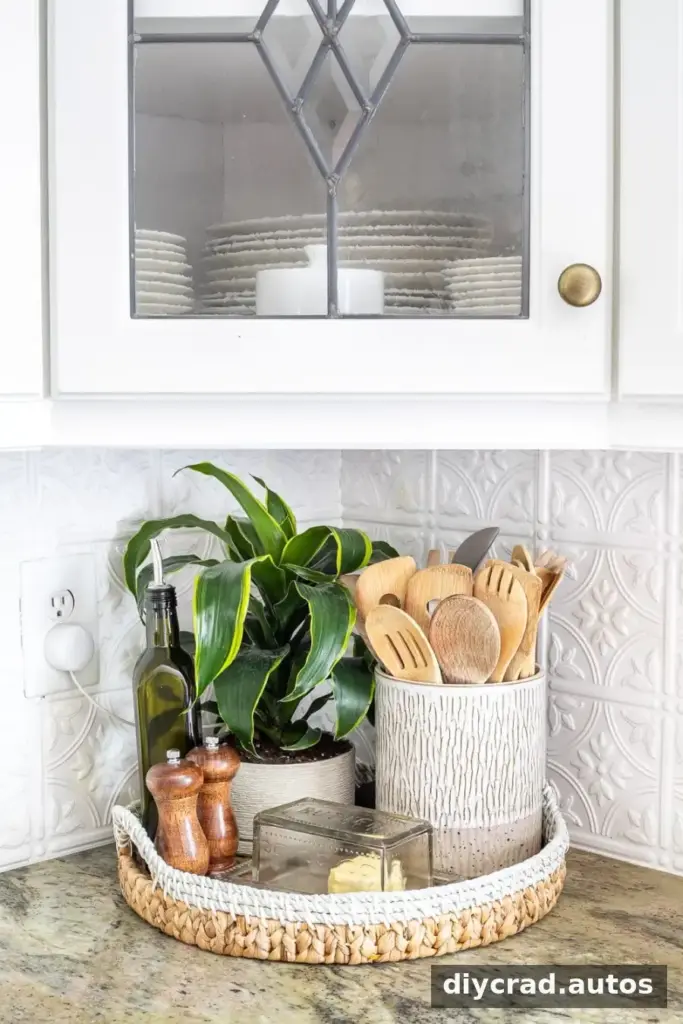
8. A Countertop Caddy for Cooking Staples
A tray or caddy can group commonly used cooking items, such as utensils, oil, salt, and pepper, while keeping the rest of the counter clearer for food preparation. A rotating tray can make items easier to reach, but leave space around the cooking area and keep the caddy away from heat and splashes.
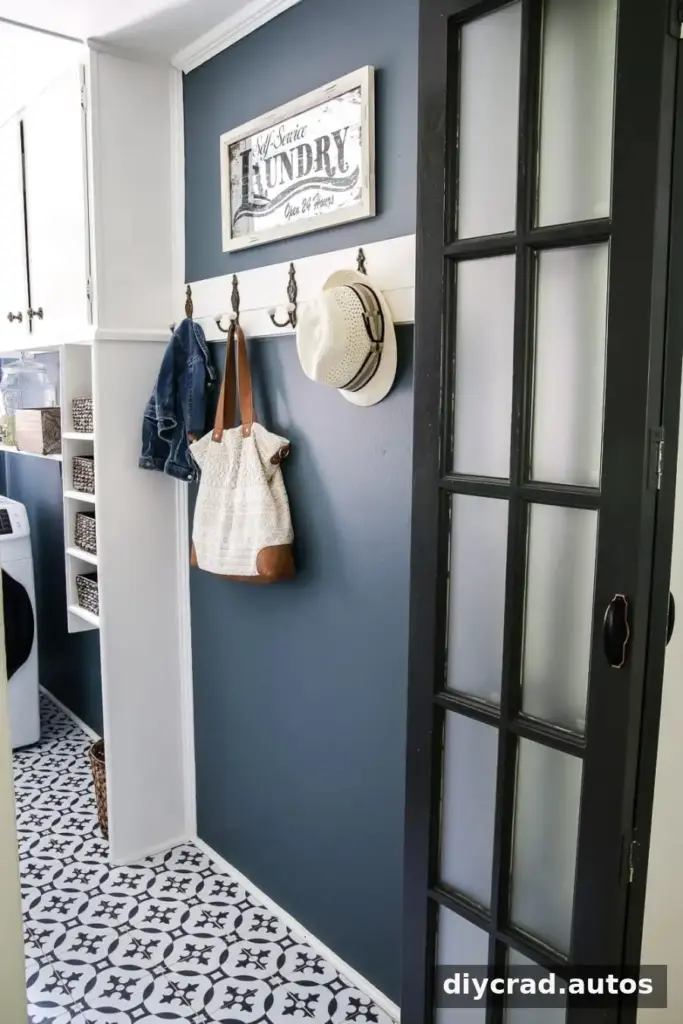
9. Wall Hooks by a Frequently Used Door
Hooks near the door can give coats, bags, and other daily essentials a designated place instead of letting them spread through the house. Install hooks at a height that works for the people using them, and use suitable wall fixings for the wall type and expected load.
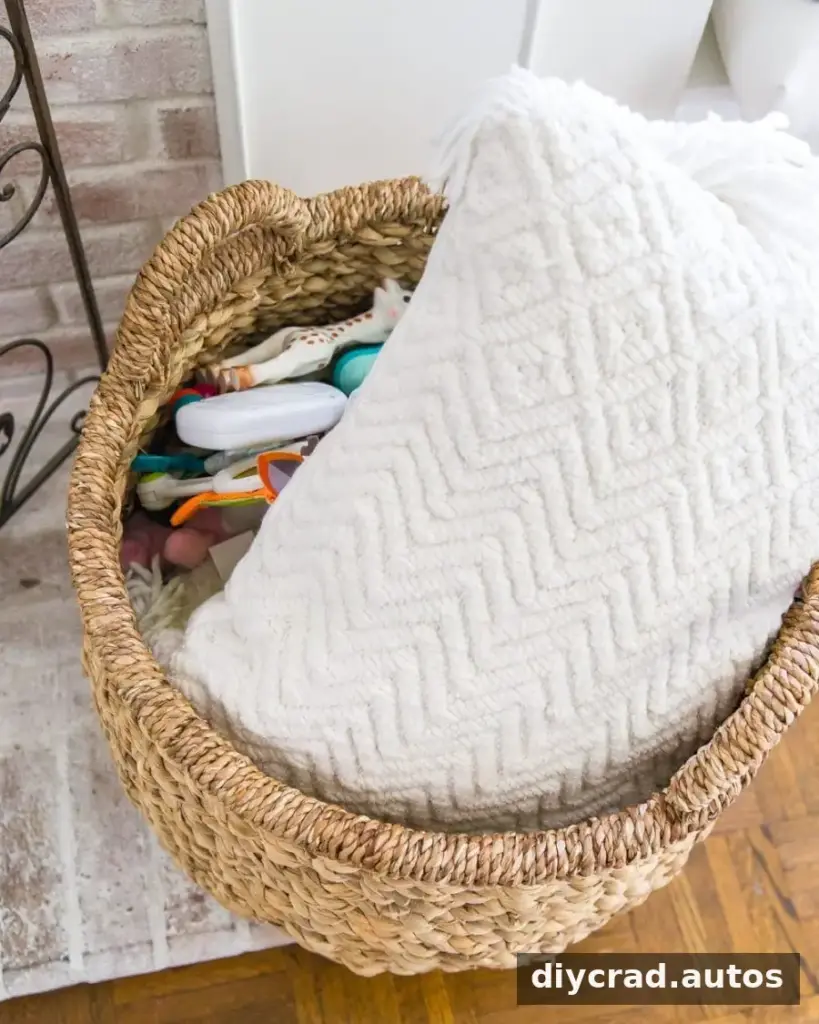
10. A Toy Basket in the Living Room
A basket or bin offers a quick place to gather toys when they’re not in use, especially in homes where play areas overlap with shared living spaces. Choose a container children can use safely and easily. A simple end-of-day tidy-up can help return toys to their designated spot.

11. Cord Covers
Cord covers can make exposed cables look neater and reduce the chance of cords being pulled or snagged. Select a cover that fits the cable and follow its installation instructions. Keep cords away from heat sources and avoid overloading electrical outlets.
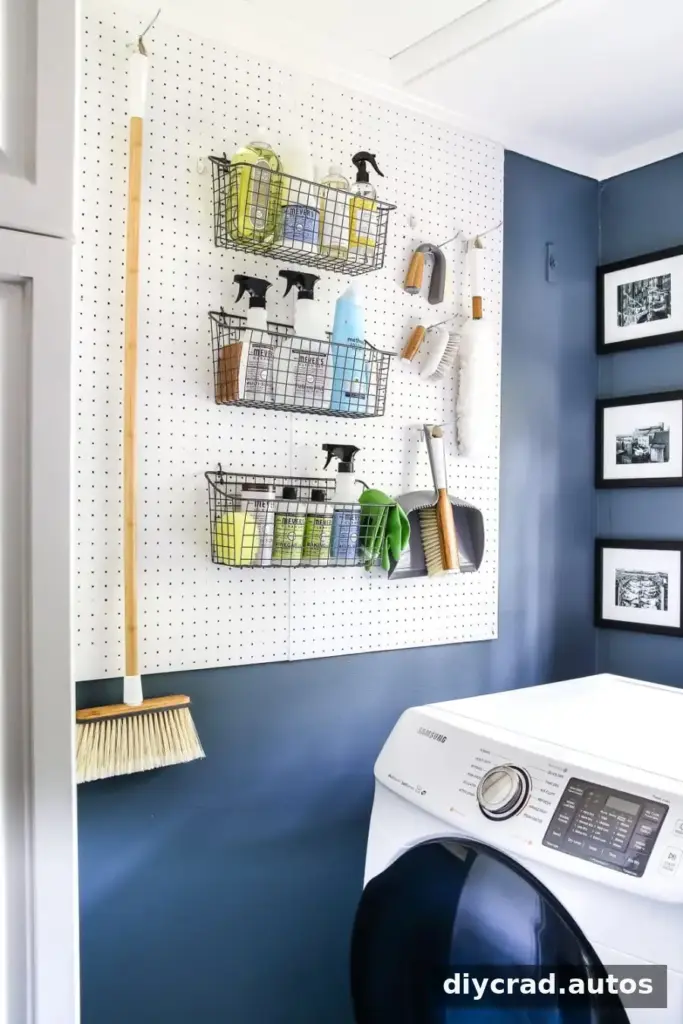
12. Pegboards
Pegboards make frequently used tools and supplies visible and easy to access in spaces such as craft areas, garages, offices, or laundry rooms. Arrange hooks and baskets around the items you need to store, and make sure the board is secured appropriately before hanging heavier objects.
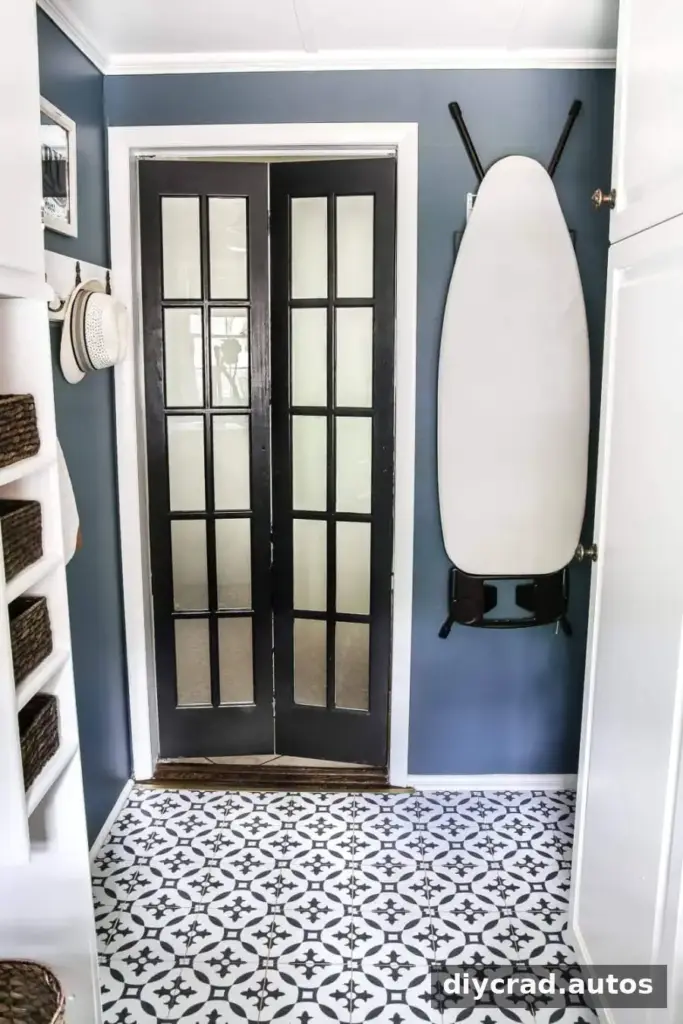
13. Ironing Board Hooks
A wall hook can keep an ironing board off the floor and free up closet space. Choose a location that’s easy to reach but doesn’t obstruct a doorway or walkway. Check the hook’s weight guidance and install it with hardware suited to the wall.
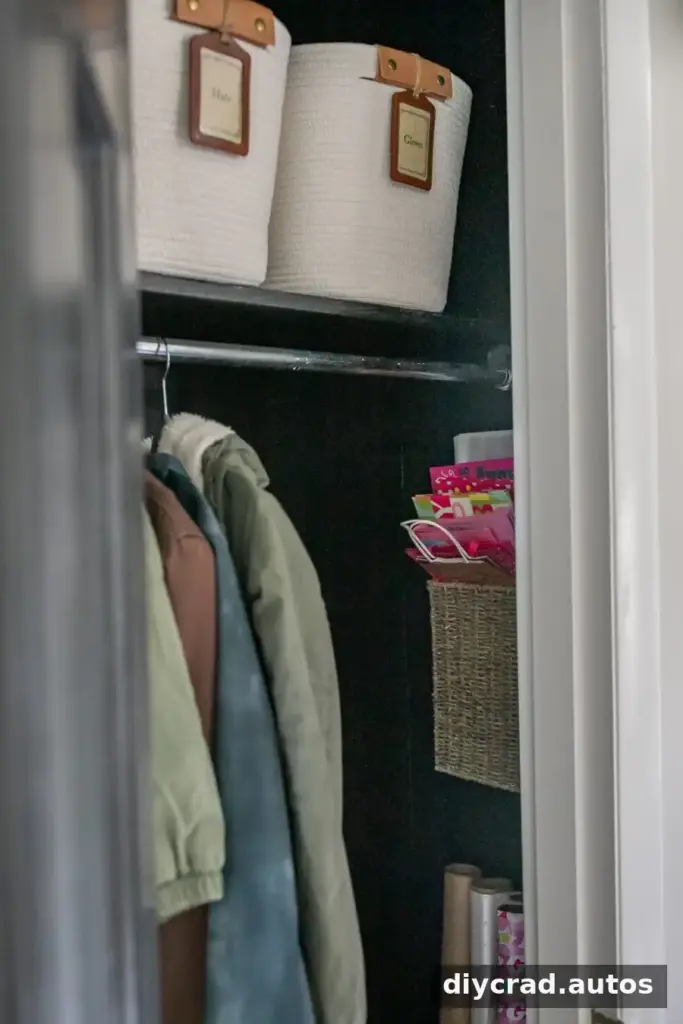
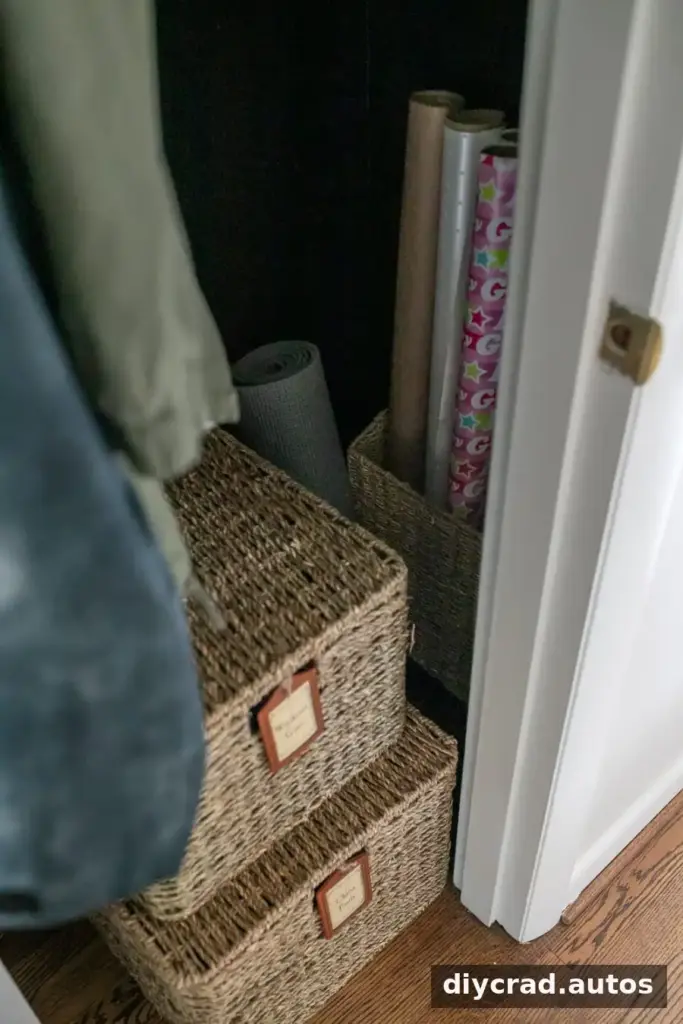
14. Wall Baskets Inside a Closet
Wall-mounted baskets can store gift wrap, umbrellas, gloves, or other small accessories without taking up as much floor or shelf space. Use clear categories and avoid overfilling baskets so items remain easy to find. Make sure the mounting method is suitable for both the wall and the stored items.
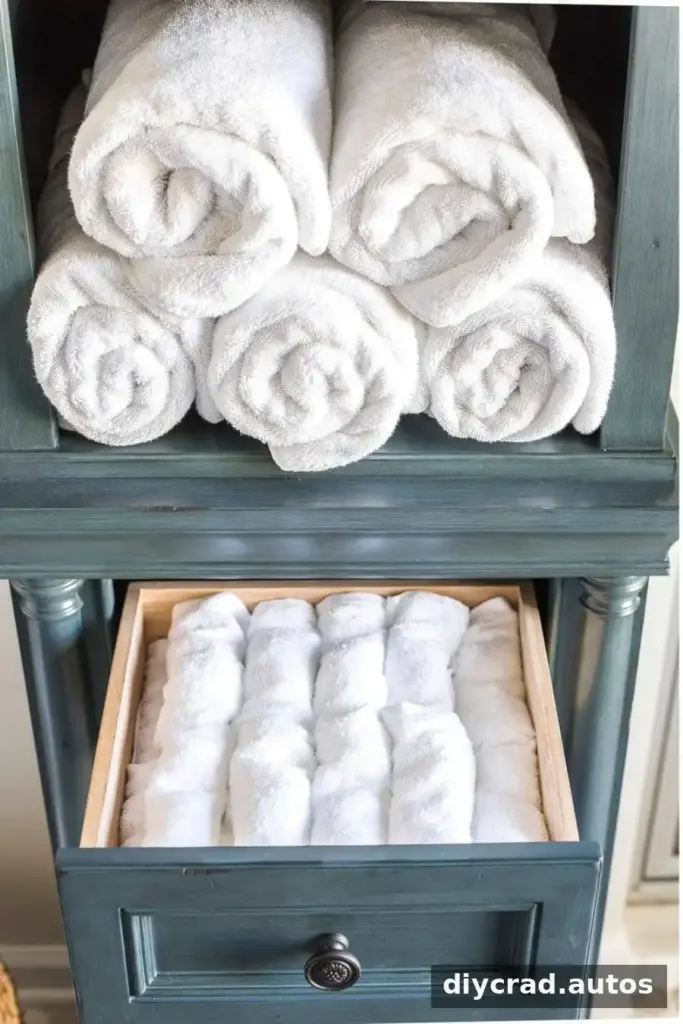
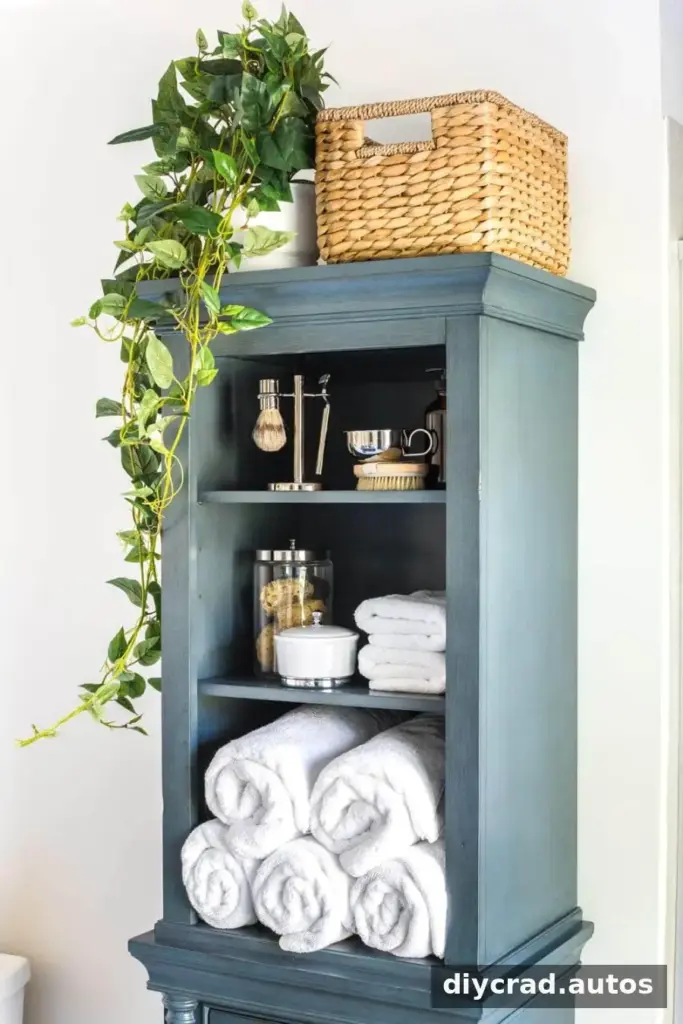
15. Rolled Towels and Washcloths
Rolling towels can make them easier to arrange on a shelf or in a basket, particularly where storage space is limited. Keeping towels in a consistent color can also make a bathroom feel visually calm. Allow damp towels to dry fully before storing them to help prevent musty odors.
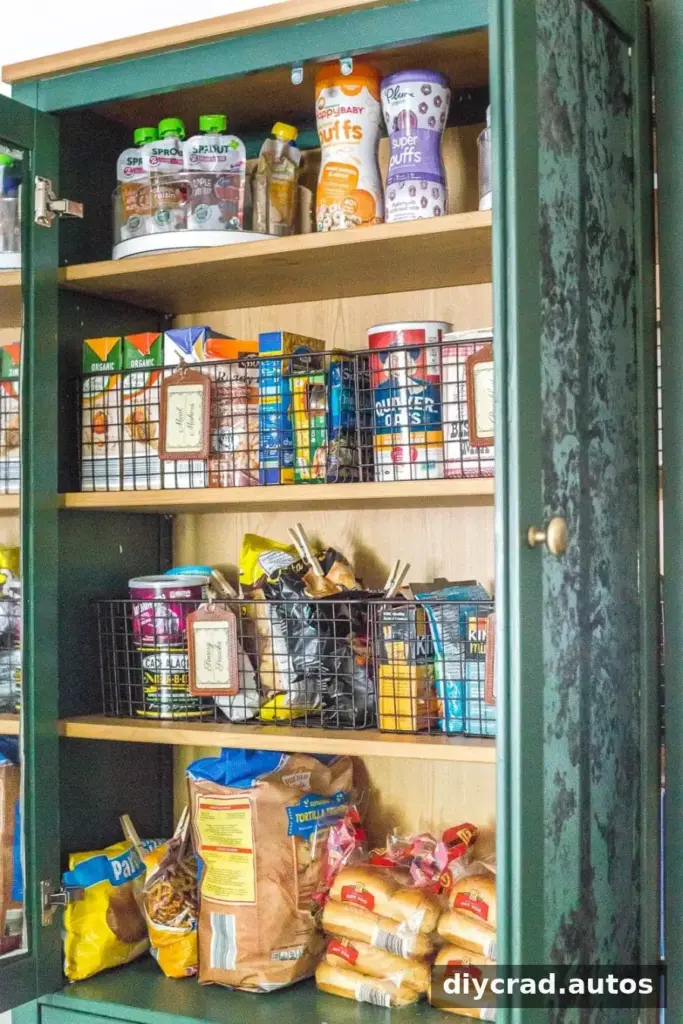
16. Wire Baskets in a Pantry
Wire baskets let you see many of their contents at a glance and can group similar pantry items together. Use separate baskets for categories such as snacks or baking supplies, and place heavier items on lower shelves. Check stored food dates during regular pantry cleanouts.
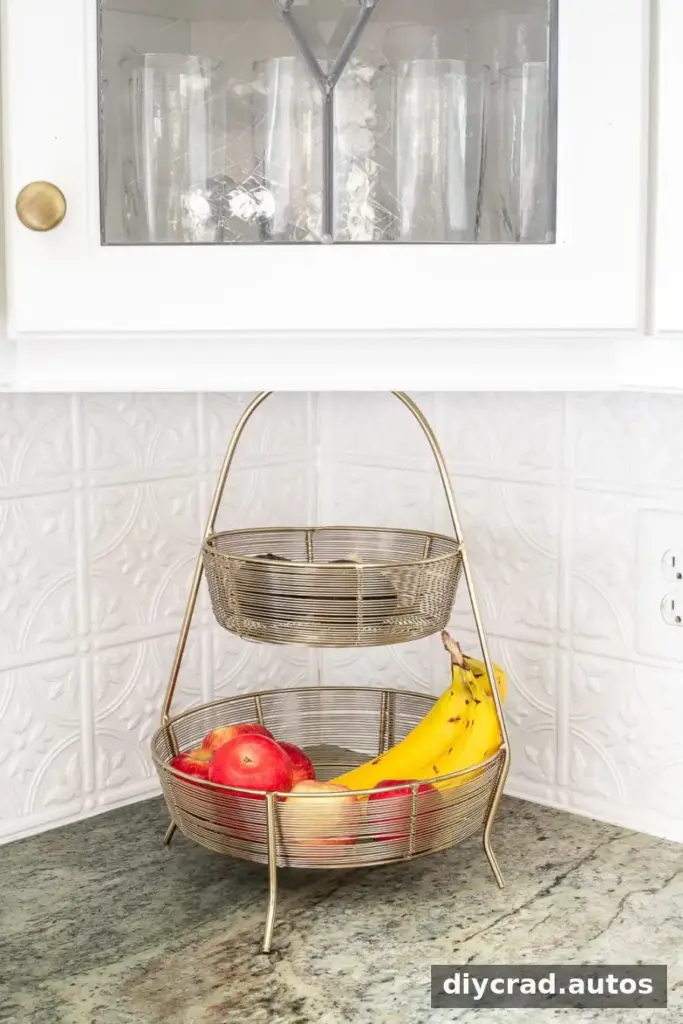
17. A Tiered Produce Basket
A tiered basket can keep some produce organized and clear counter space. Sort produce according to its storage needs, since different fruits and vegetables may require different conditions. Avoid overcrowding the basket, and check its contents regularly so items don’t get forgotten.
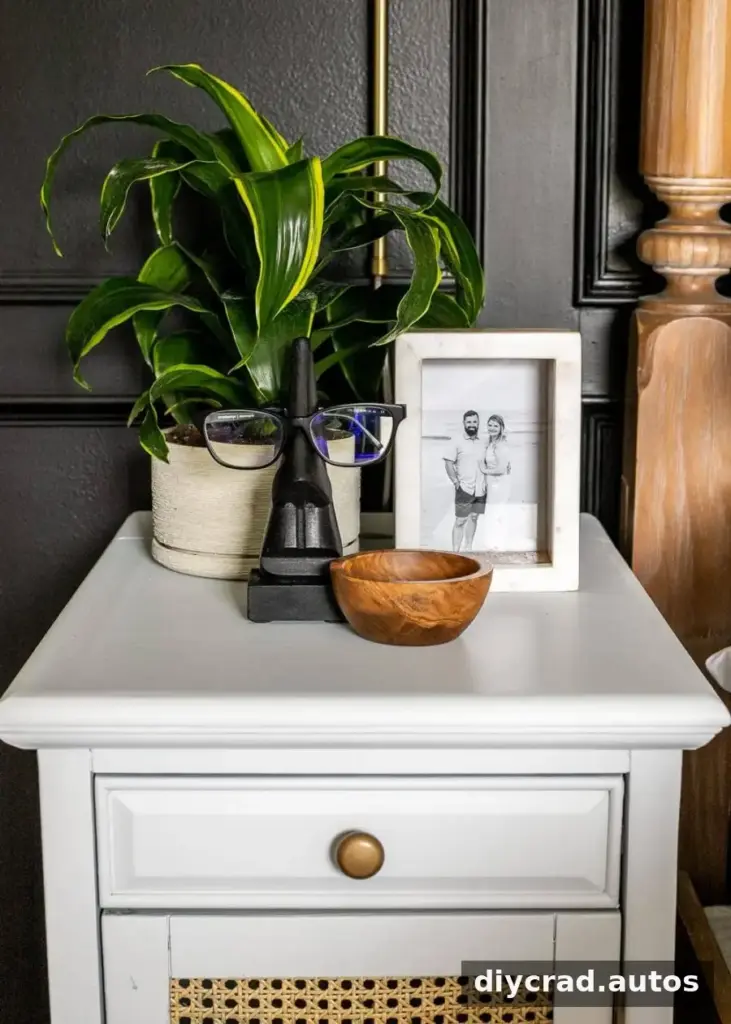
18. A Glasses Holder and Trinket Bowl
A glasses holder and small bowl on a nightstand provide a consistent place for eyewear, jewelry, and other small items at the end of the day. Keep the surface limited to what you use regularly, and place delicate or valuable belongings somewhere secure when they’re not being worn.
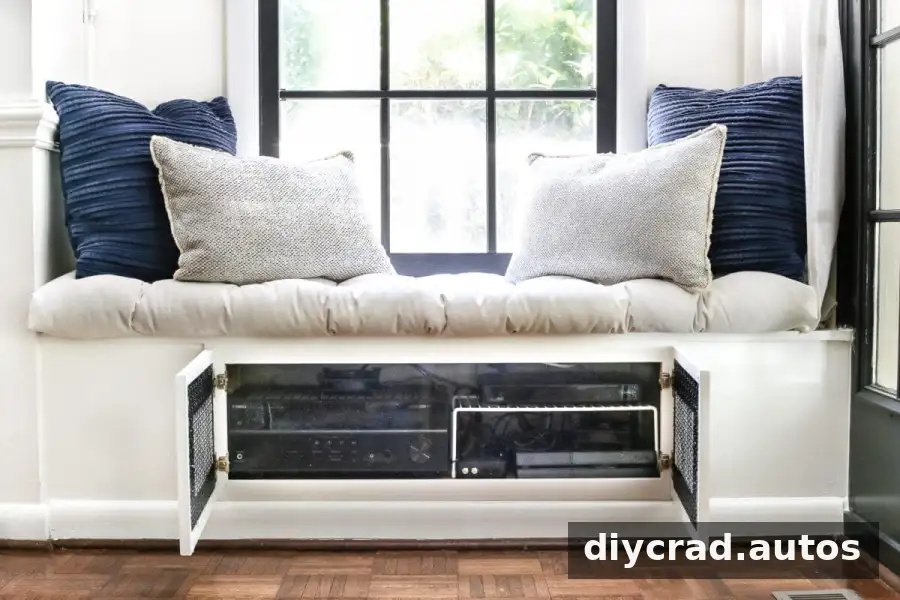
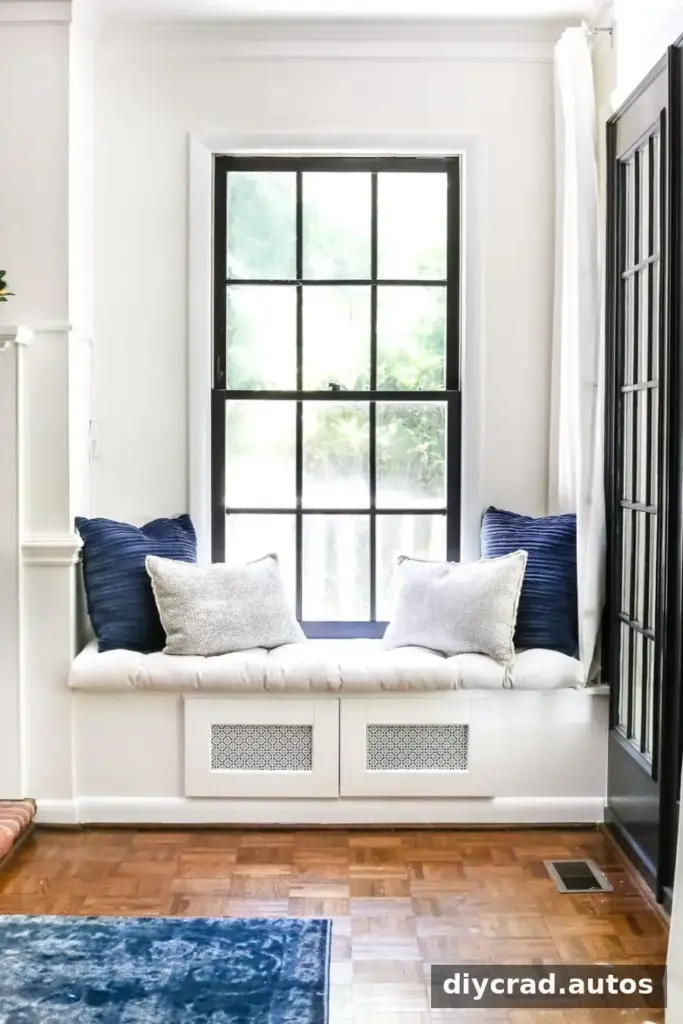
19. A Cabinet with Mesh Doors for Electronics
Mesh-front storage can conceal gaming consoles and TV equipment while allowing airflow and, depending on the device and setup, remote-control signals to pass through. Check the device manufacturer’s ventilation requirements and leave enough space for cables and heat to escape. Avoid tightly enclosing electronics.
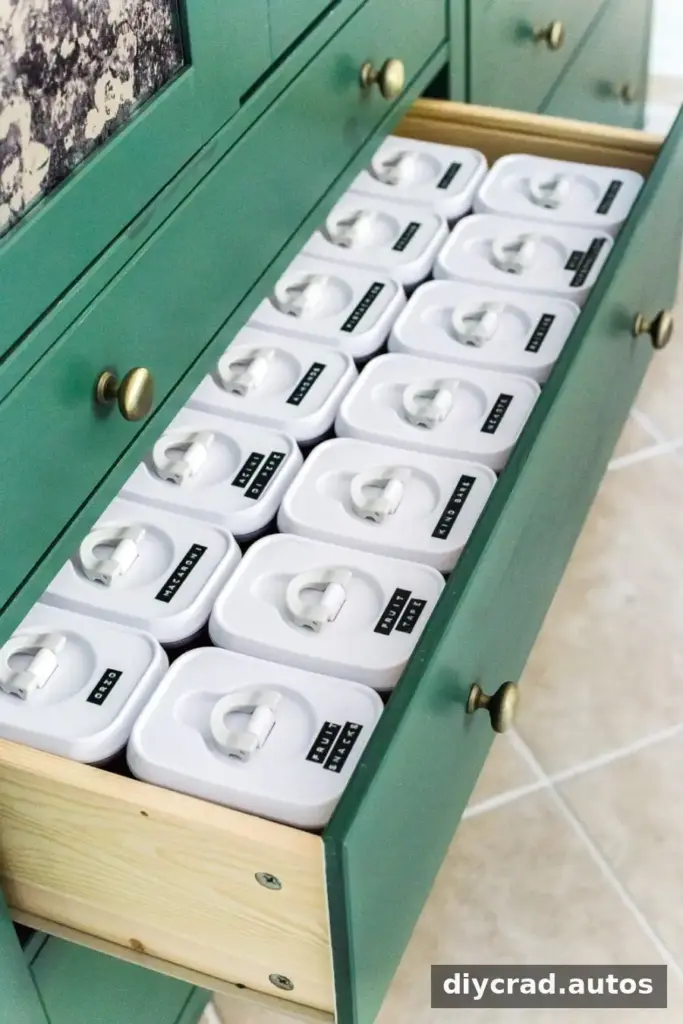
20. A Label Maker
Labels help household members see where items belong and can make shared storage easier to maintain. Label bins, drawers, and shelves with clear, simple categories. Keep labels accurate as contents change, and consider removable labels for spaces that need frequent updates.
Make Your Organizing System Easy to Maintain
Storage works best when it matches your daily habits. Start with one clutter-prone area, choose a practical home for each item, and make sure the organizers are easy to use. A brief reset at the end of the day can help keep frequently used spaces under control without requiring a full-house tidy-up.
These home organizing items can support a more functional home, but the most useful solution is the one that fits your space, budget, and routine. Begin with the areas that cause the most frustration, then adjust your system as your needs change.