To layer lighting effectively, combine different types of light so a room feels comfortable, works well for everyday tasks, and has visual depth. Instead of relying on a single ceiling fixture, consider how general, focused, and decorative light can work together. A thoughtful plan can also help reduce glare and make it easier to adjust the mood throughout the day.
How to Layer Lighting Like an Interior Designer
A balanced lighting scheme usually includes three layers: ambient light for overall visibility, task light for specific activities, and accent light to highlight features. You do not need a fixture for every corner. Start with what you do in the room, then add light where it improves comfort or draws attention to an important detail.
1. Start with ambient lighting
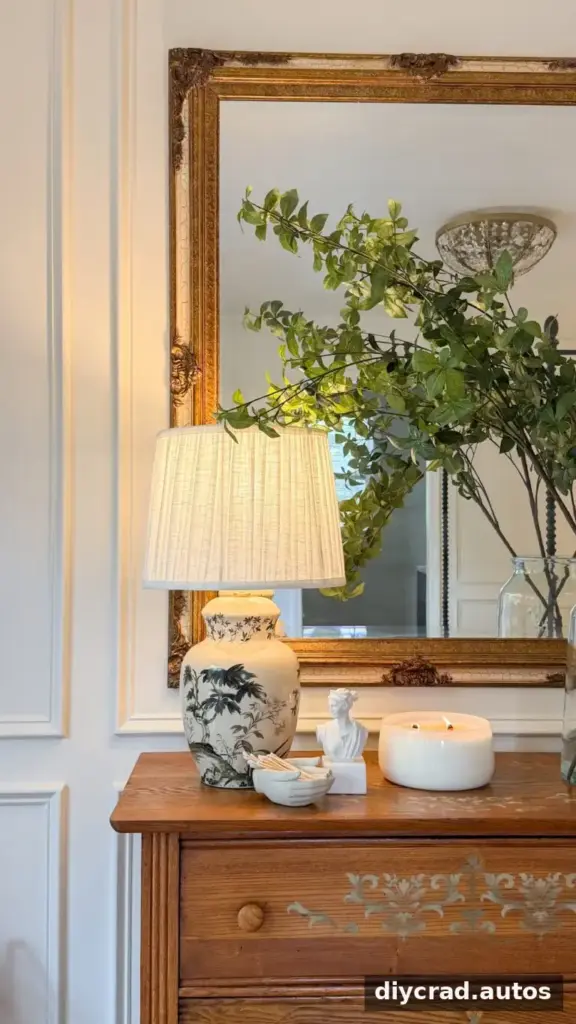
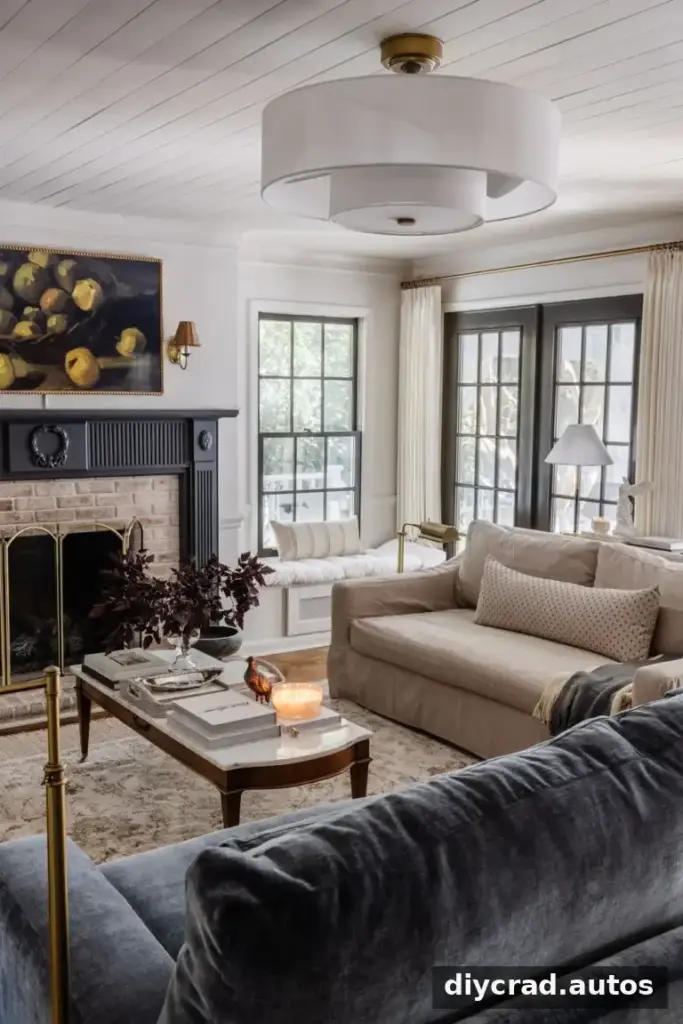
Ambient lighting provides the room’s general illumination. It may come from ceiling fixtures, recessed lights, wall sconces, or light reflected from a nearby surface. The goal is an even base layer, not a bright spot directly overhead.
- Consider the room’s size, ceiling height, and natural daylight when choosing fixtures.
- Use more than one source in larger rooms so light is not concentrated in a single area.
- Choose dimmable fixtures where practical to make the room easier to adapt from daytime to evening.
2. Add task lighting where activities happen
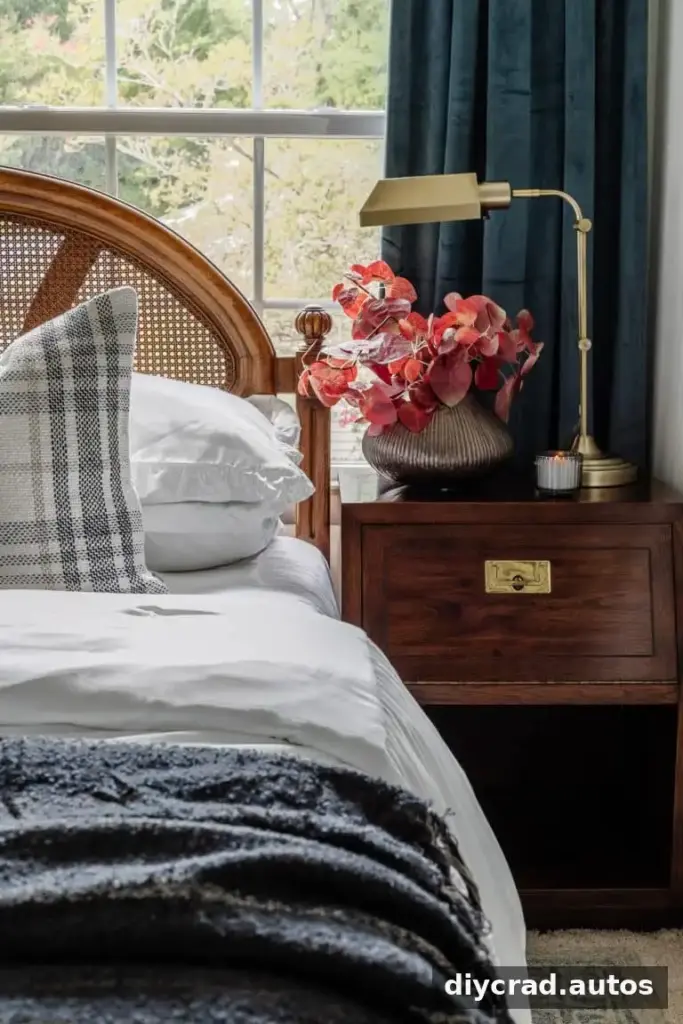
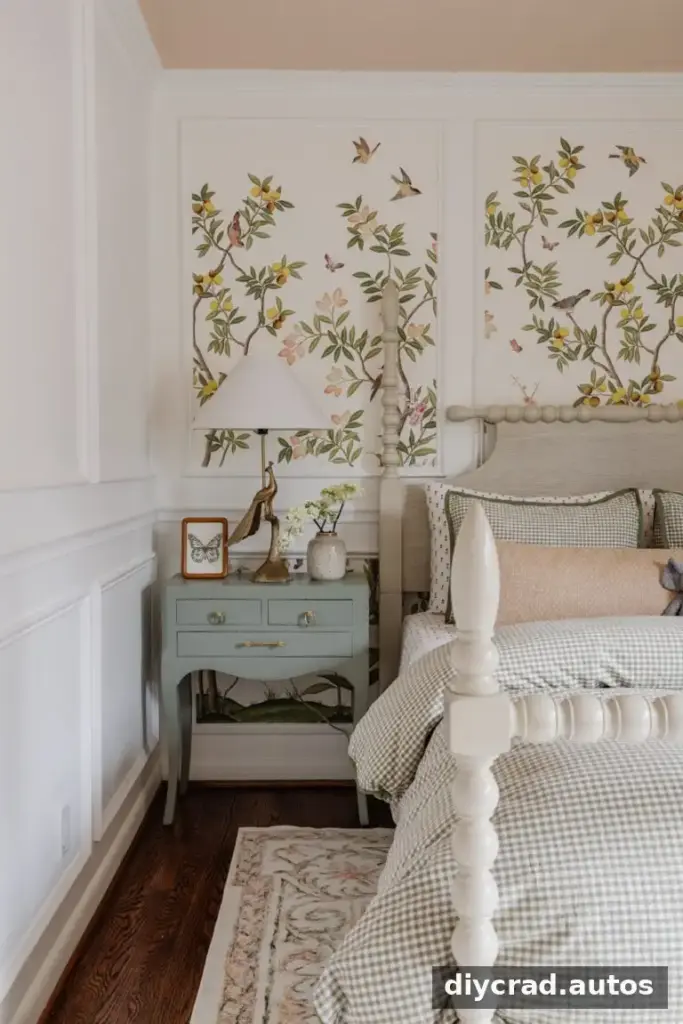
Task lighting directs light onto a work surface or reading area. Examples include a desk lamp, a reading light beside a chair, under-cabinet lighting, or pendants over a kitchen island. Position the light to illuminate the task without shining directly into your eyes or creating strong shadows.
For reading or detailed work, check the light from your usual seated or standing position. A shade or adjustable arm can help direct the beam while limiting glare.
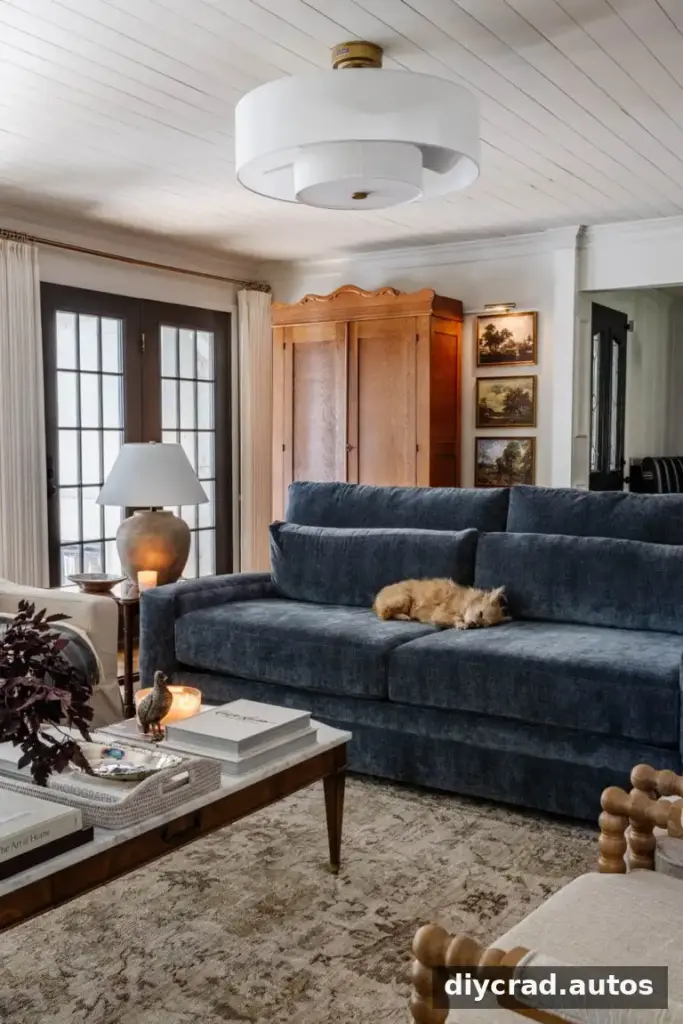
3. Use accent lighting to add depth
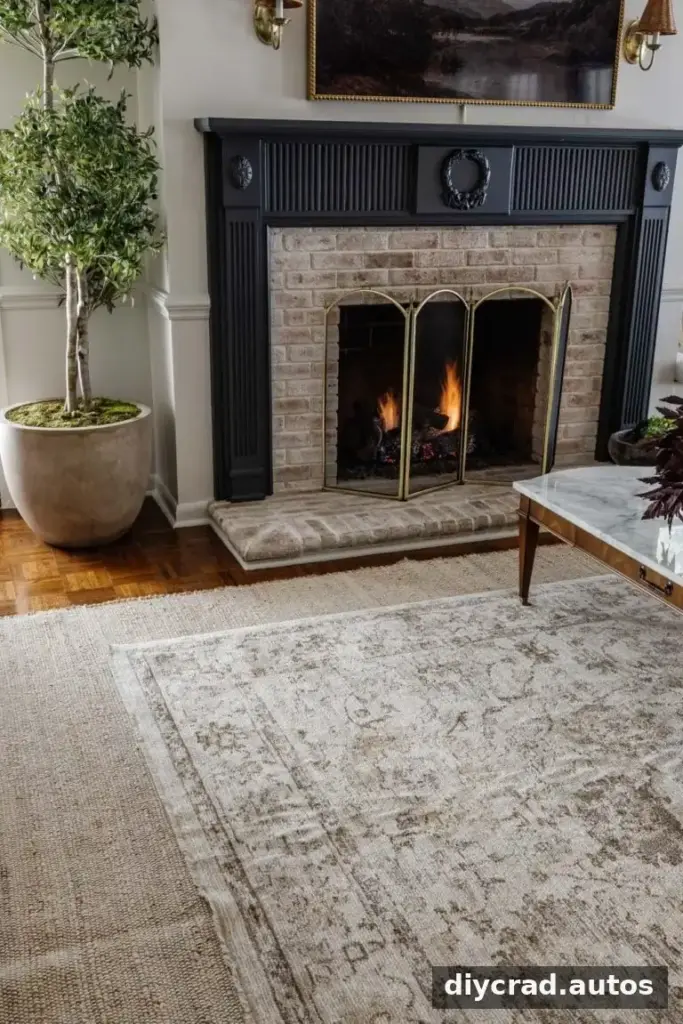
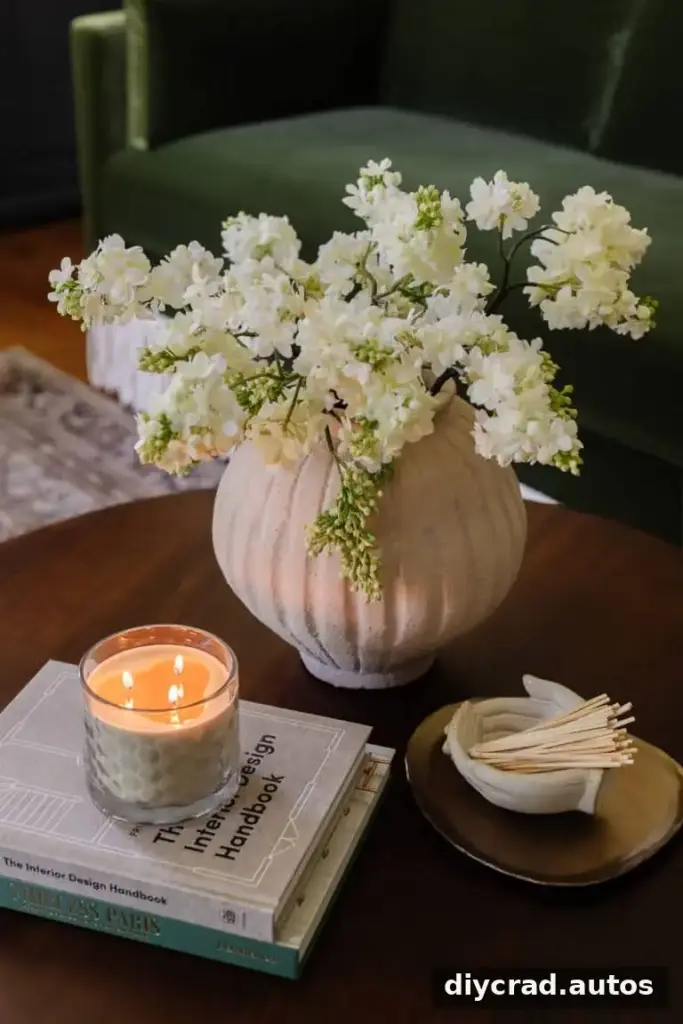
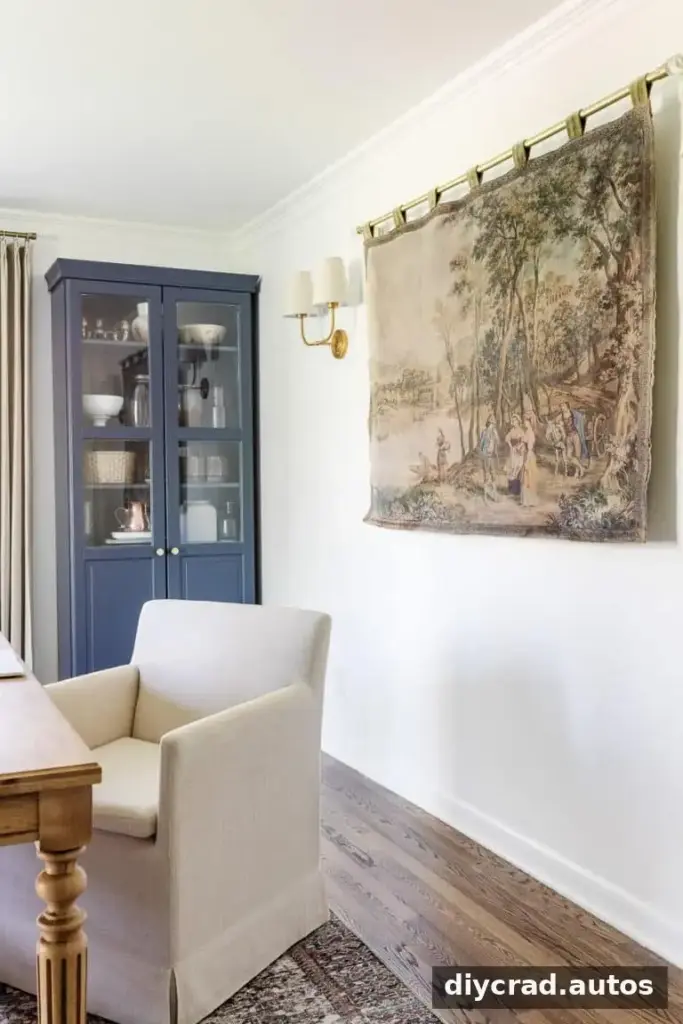
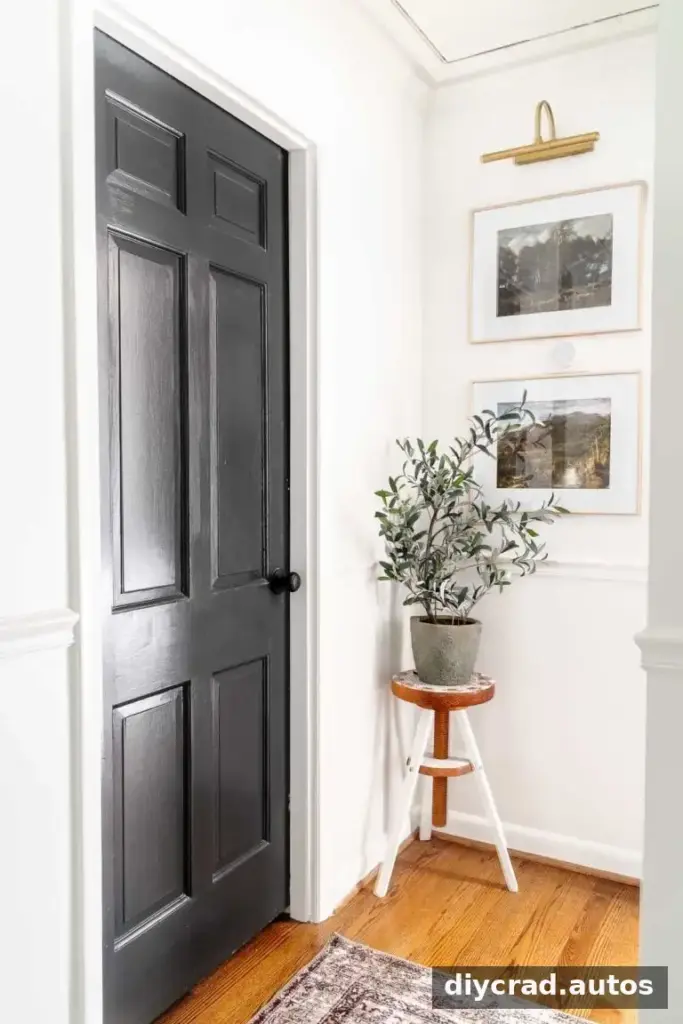
Accent lighting draws attention to a feature, such as artwork, shelving, a textured wall, or an architectural detail. Picture lights, small directional spotlights, and discreet shelf lights can all serve this purpose. Aim for a noticeable but comfortable contrast rather than a harsh beam.
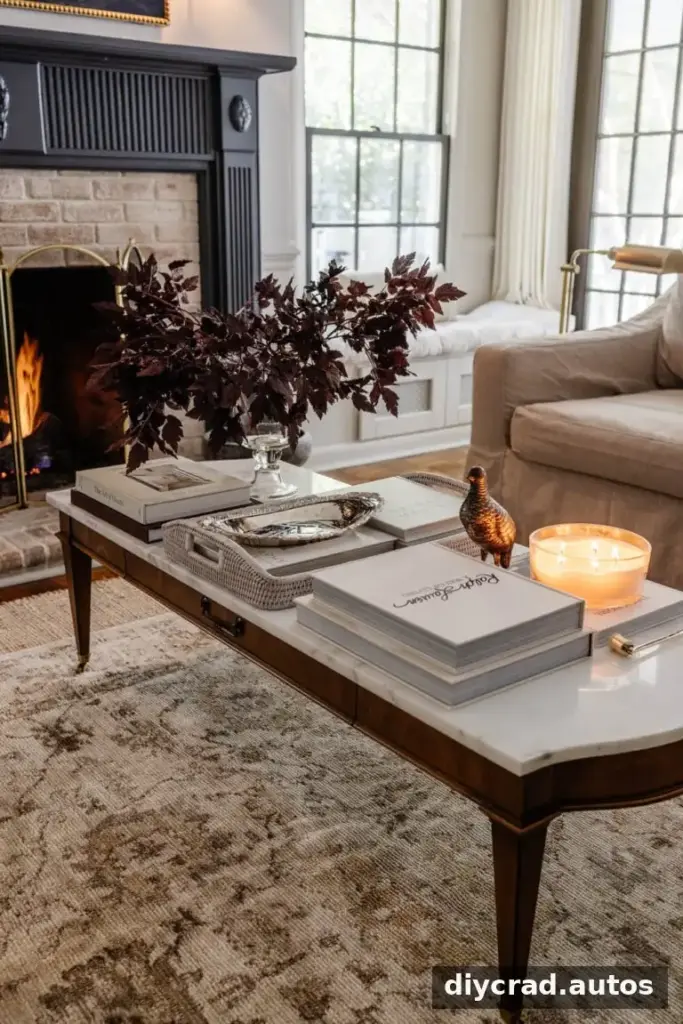
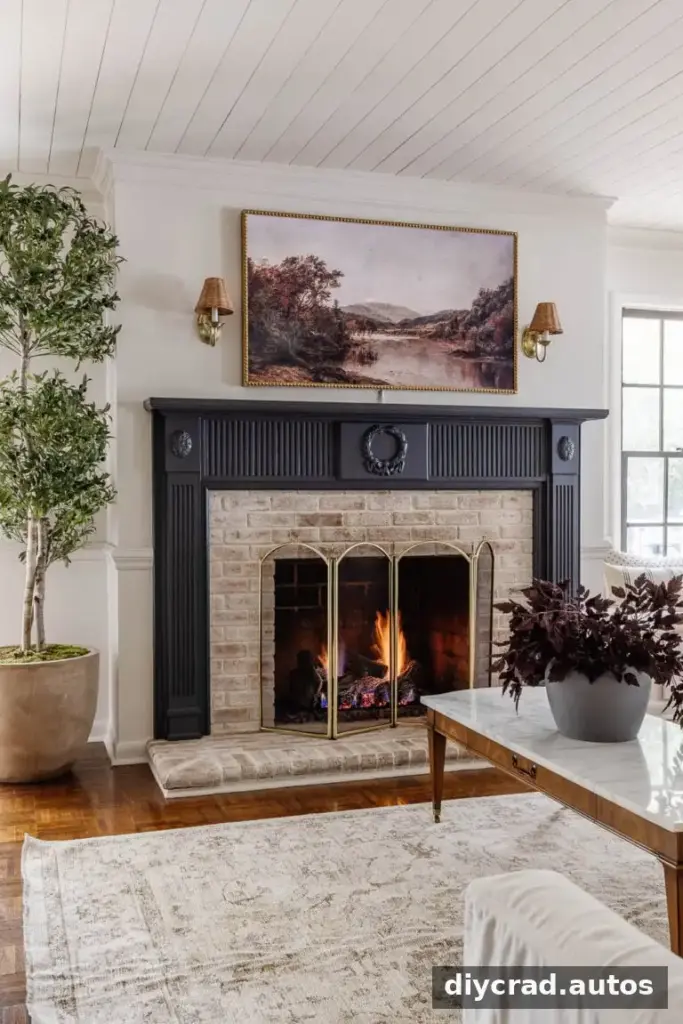
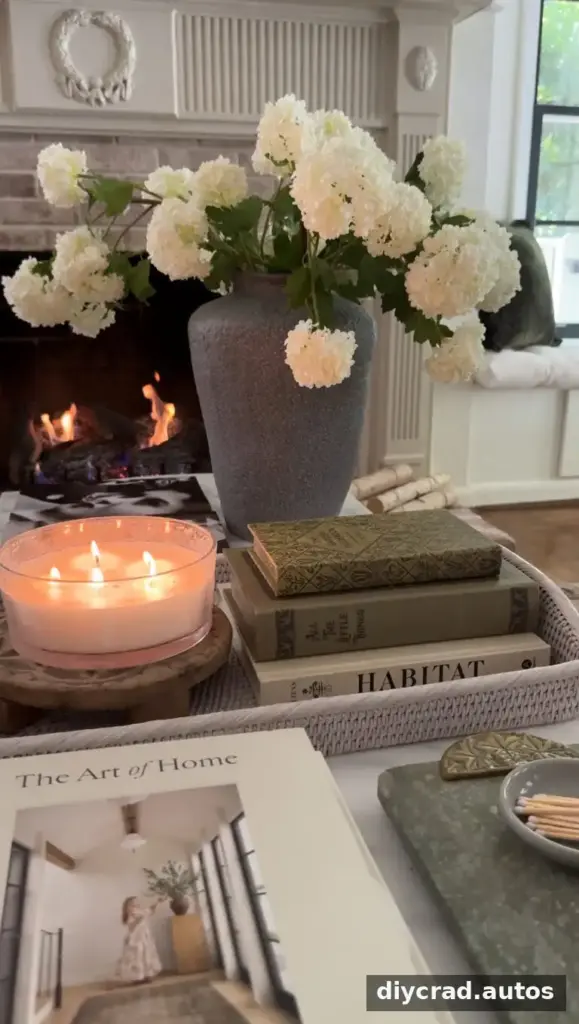
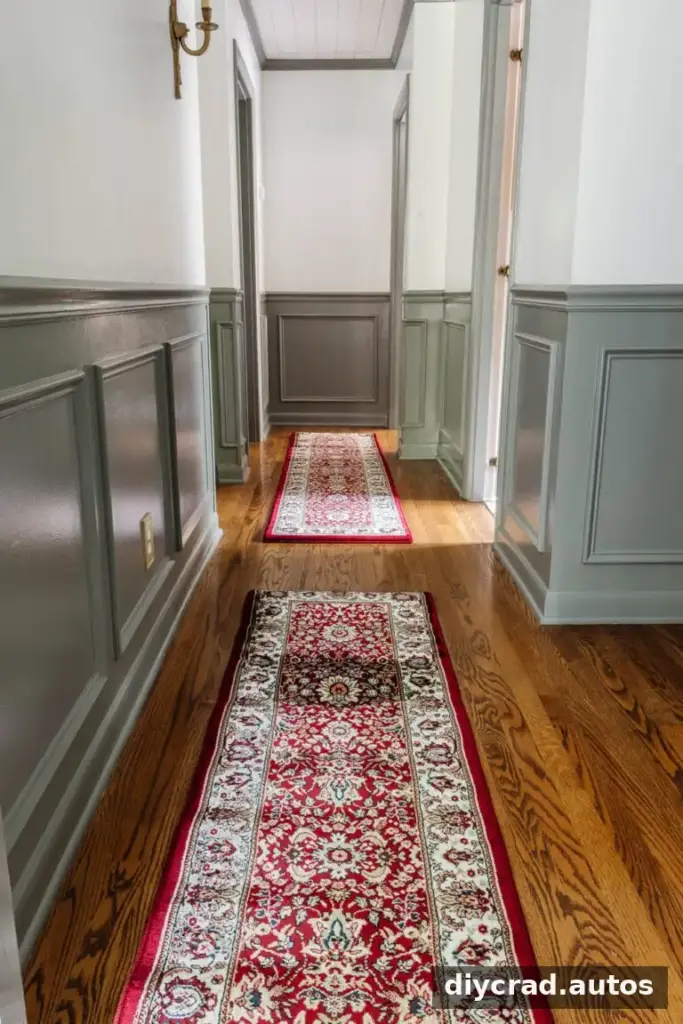
4. Vary fixture height and placement
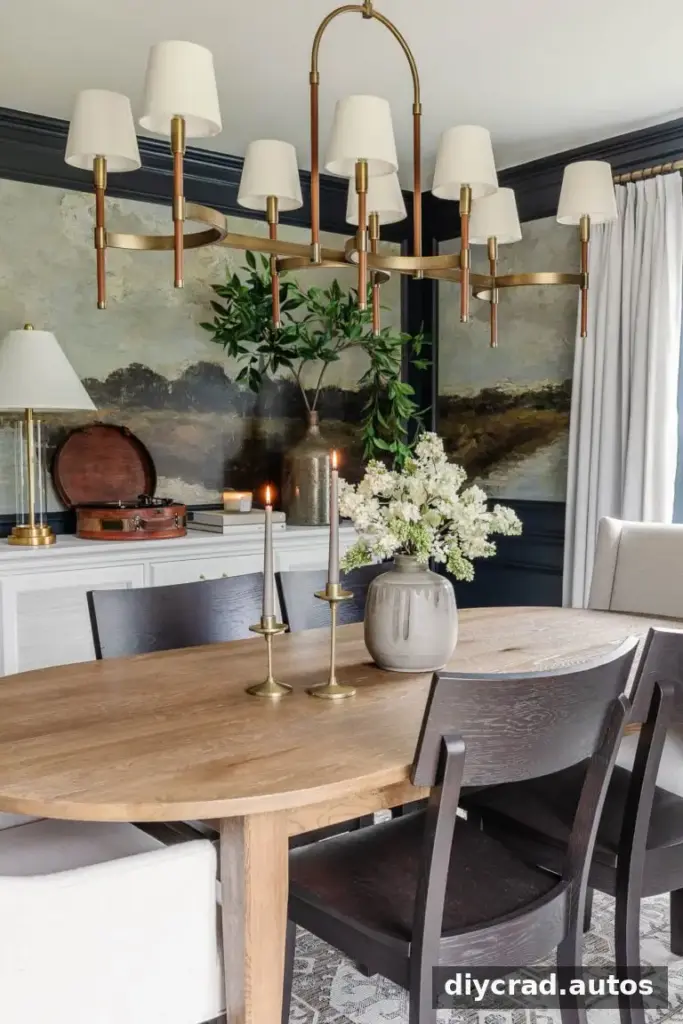
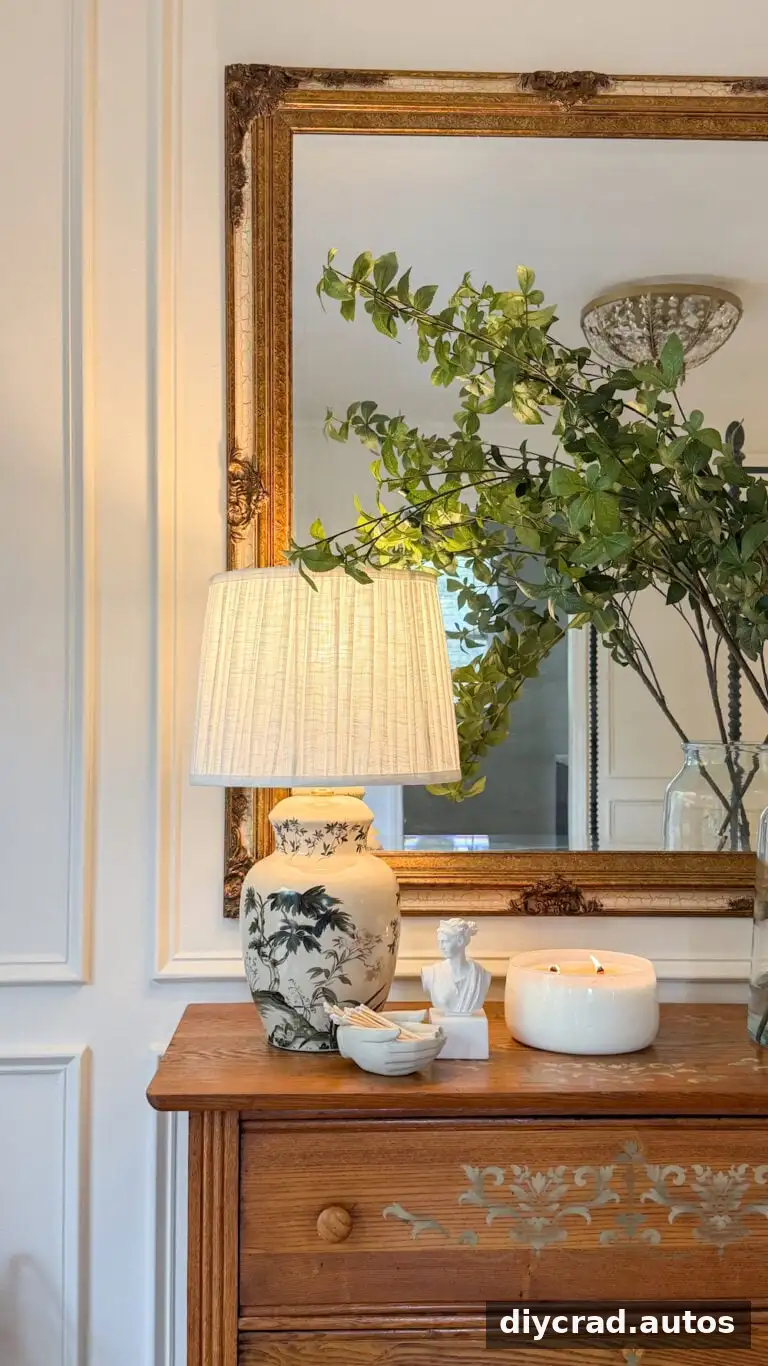
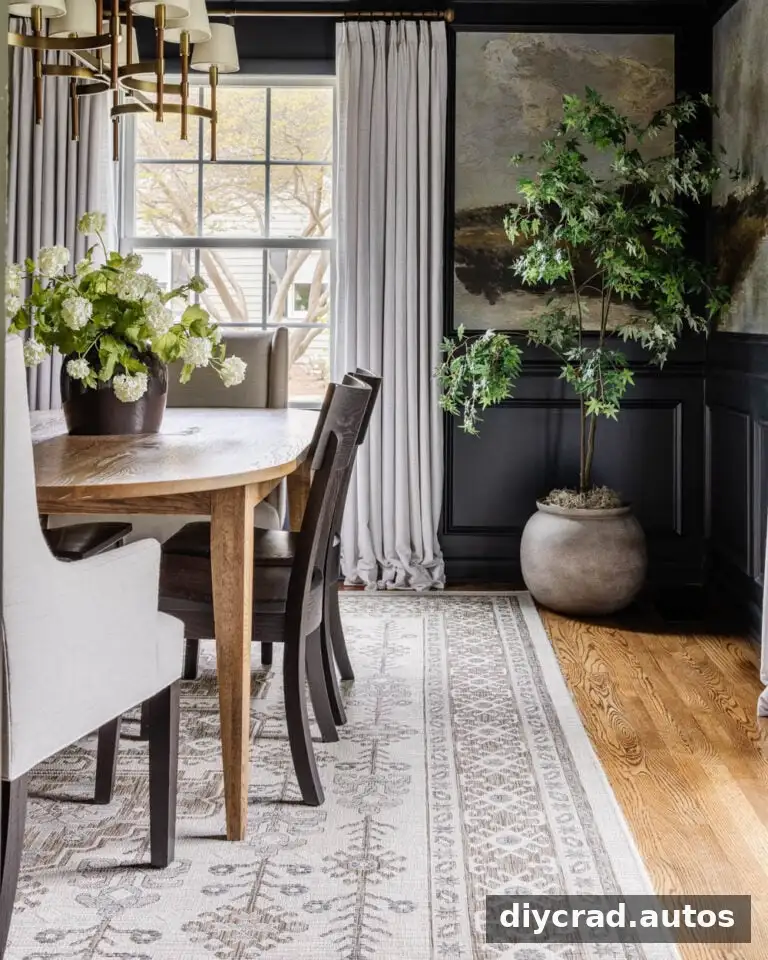
Lighting feels more balanced when sources sit at different heights. Combine overhead fixtures with table lamps, floor lamps, and wall-mounted lights where suitable. This spreads illumination through the room and can make a large space feel more inviting.
Before buying a fixture, consider where its light will fall and whether furniture, doors, or walkways could block it. Keep cords safely routed and make sure floor lamps do not obstruct paths.
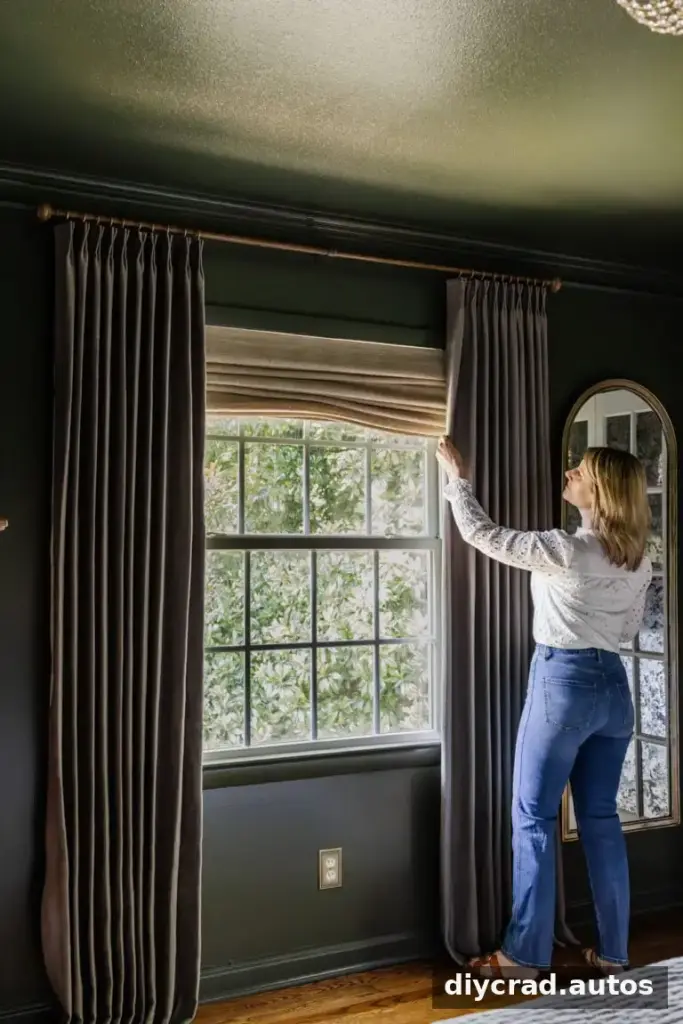

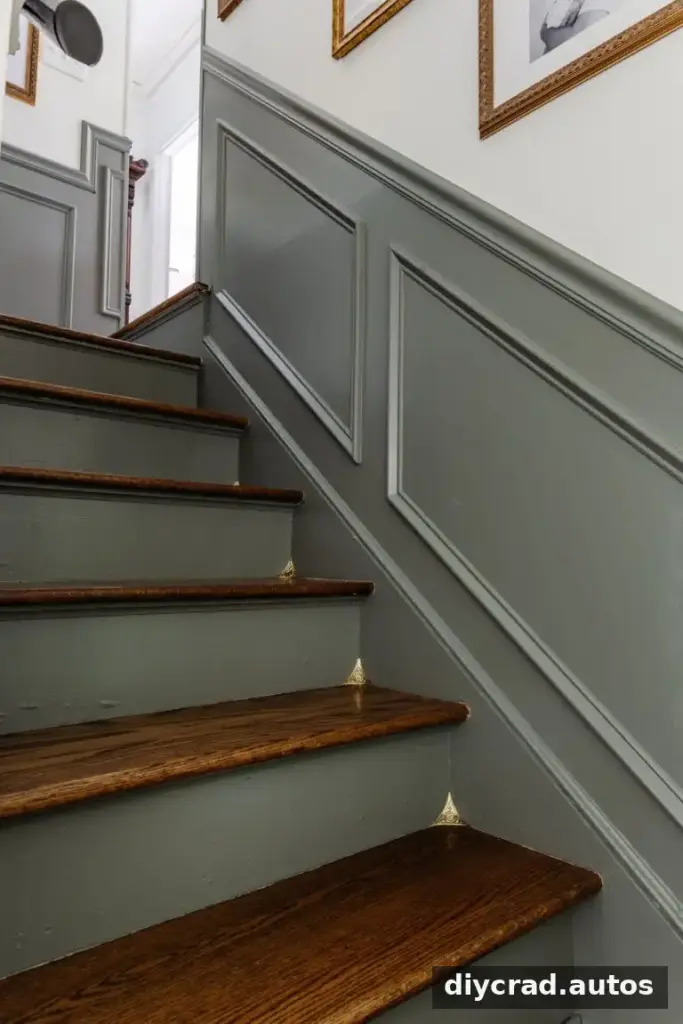
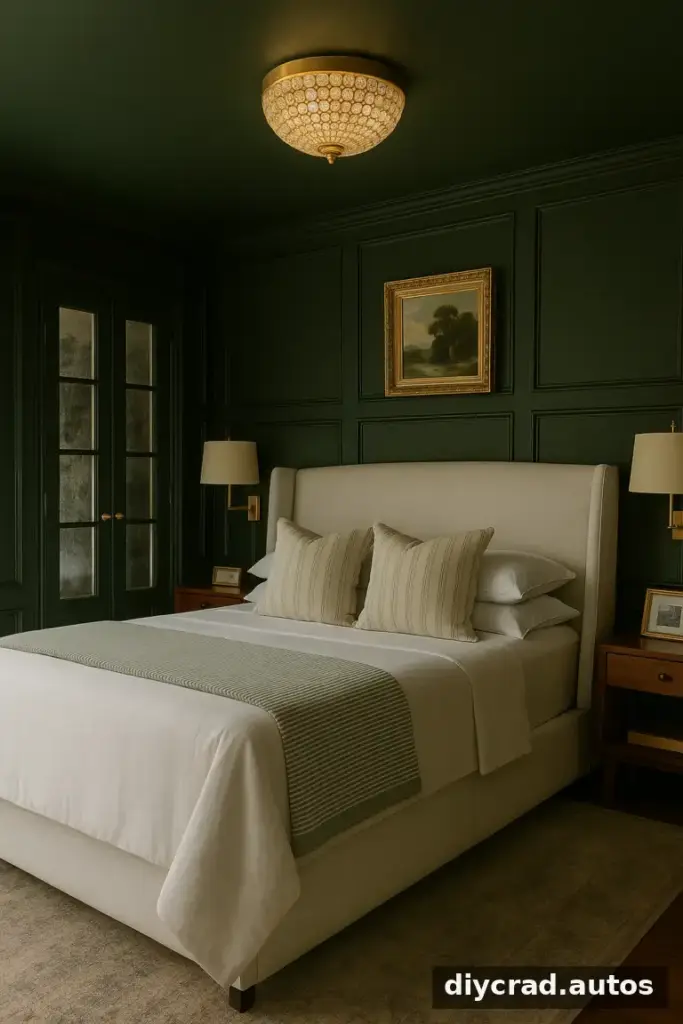
5. Choose light color and brightness thoughtfully
Bulb brightness and color appearance affect how a room feels. Check the bulb’s specifications and compare options in the room where they will be used, since wall color and surrounding materials can change how light appears. Consistency between nearby fixtures can make an open-plan area feel more connected.
Use the fixture’s recommended bulb type and maximum wattage, and confirm that bulbs are compatible with any dimmer. A dimmer only works correctly with bulbs designed for dimming.

6. Plan controls for convenience
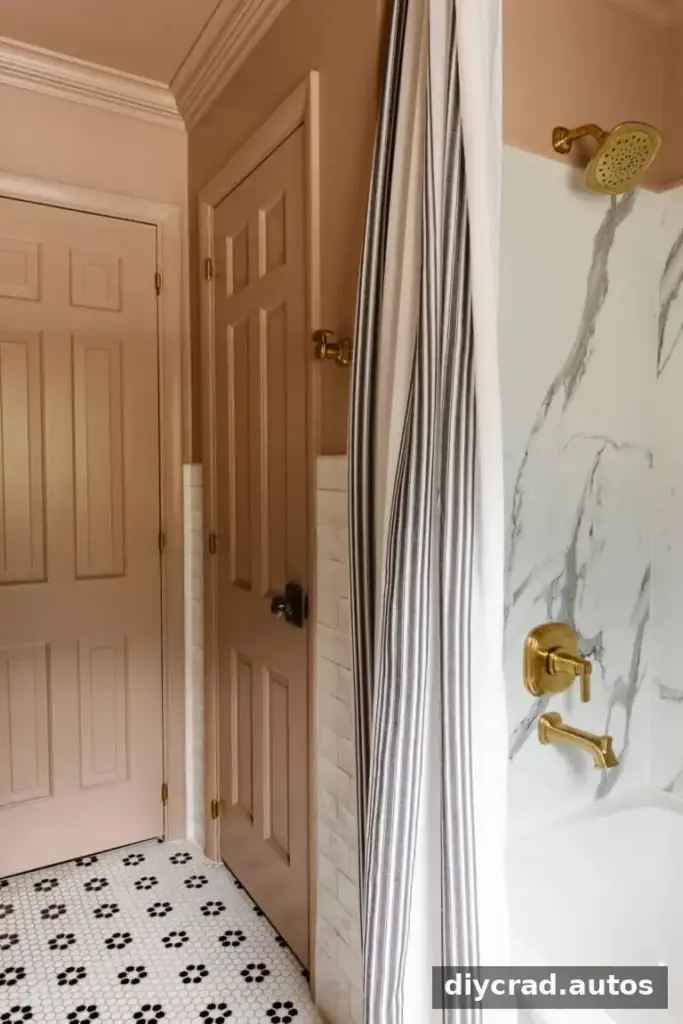
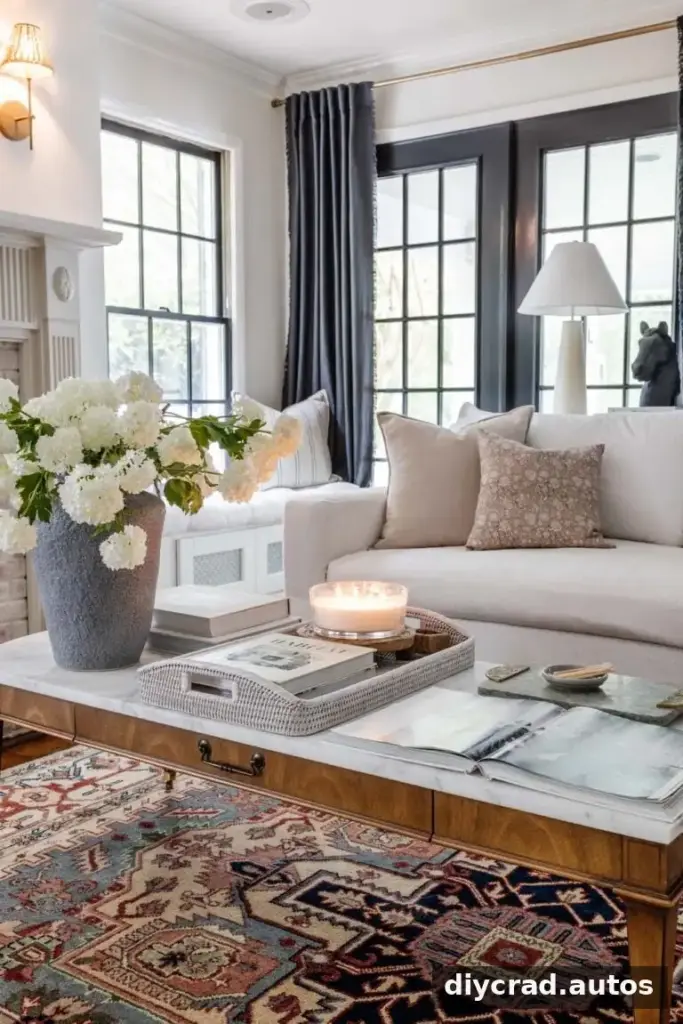
Think about how you want to operate each layer. Separate switches or controls make it possible to use bright ambient light for cleaning, task light for focused work, or softer accent lighting in the evening. If a room has several light sources, convenient controls can make the whole plan easier to use.
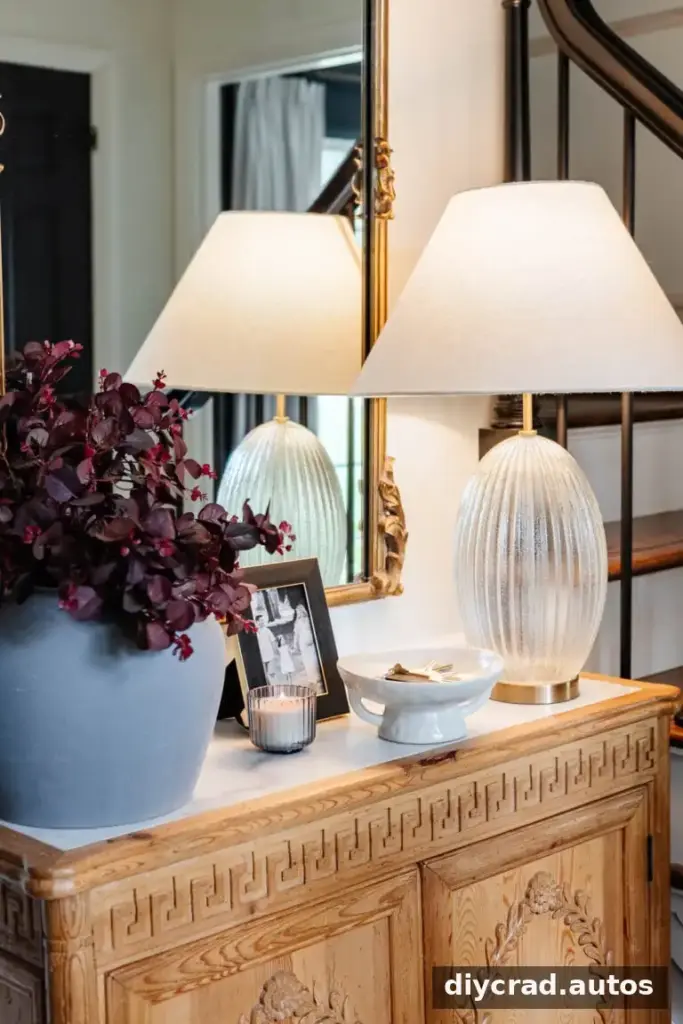
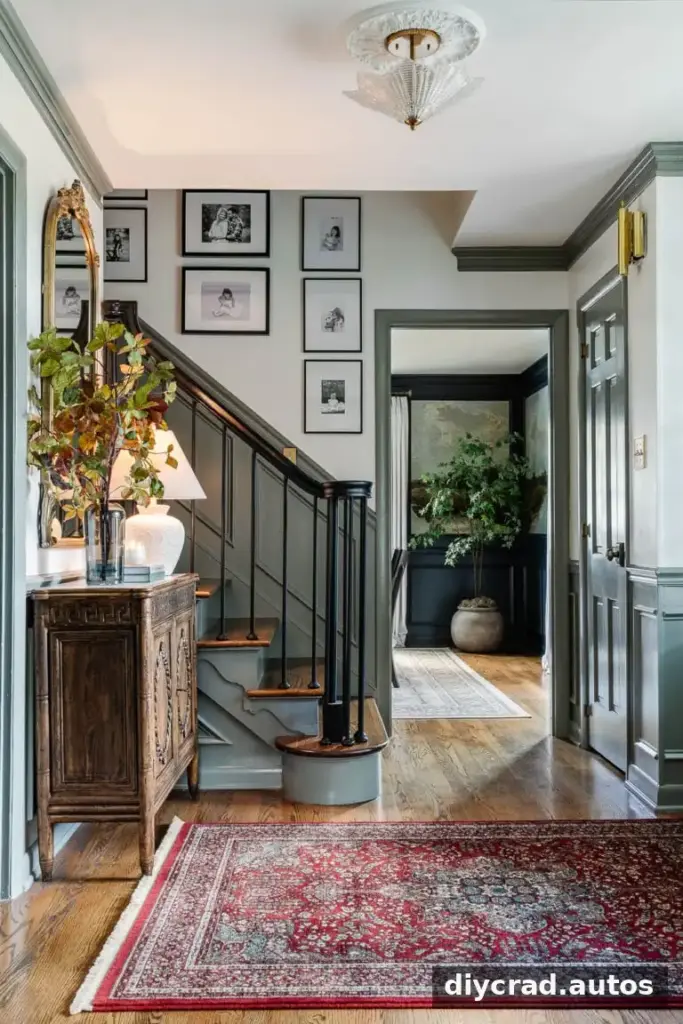

7. Test the room after dark
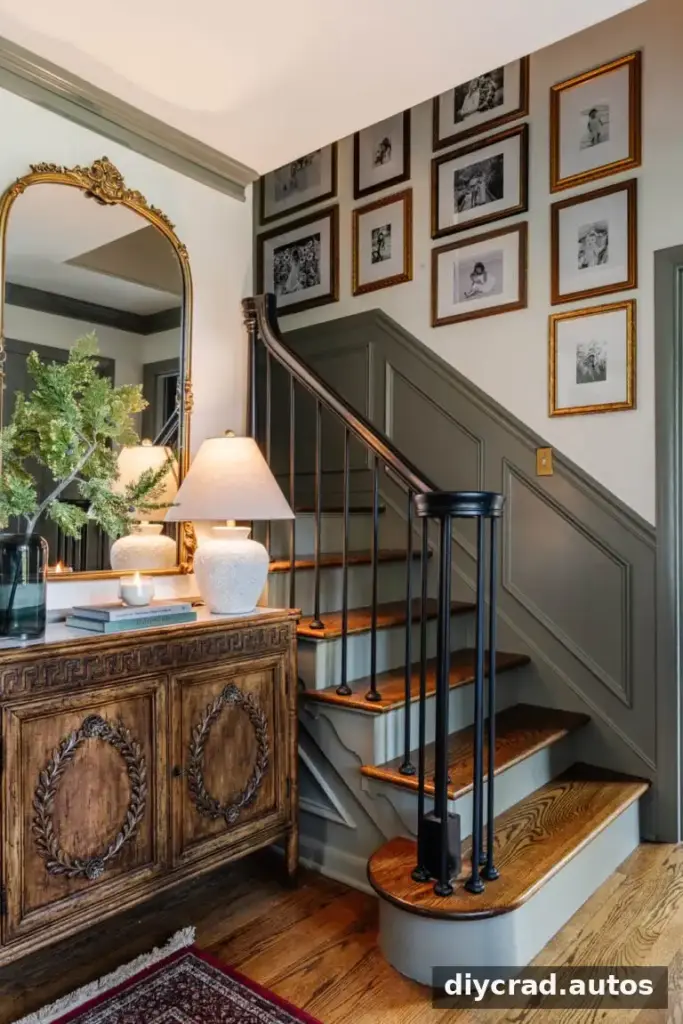
Once the fixtures are in place, switch them on at night and assess the room from different positions. Look for dark areas, glare, reflections on screens, or light that misses its intended surface. Adjust lamp positions or aiming where possible before deciding that you need another fixture.
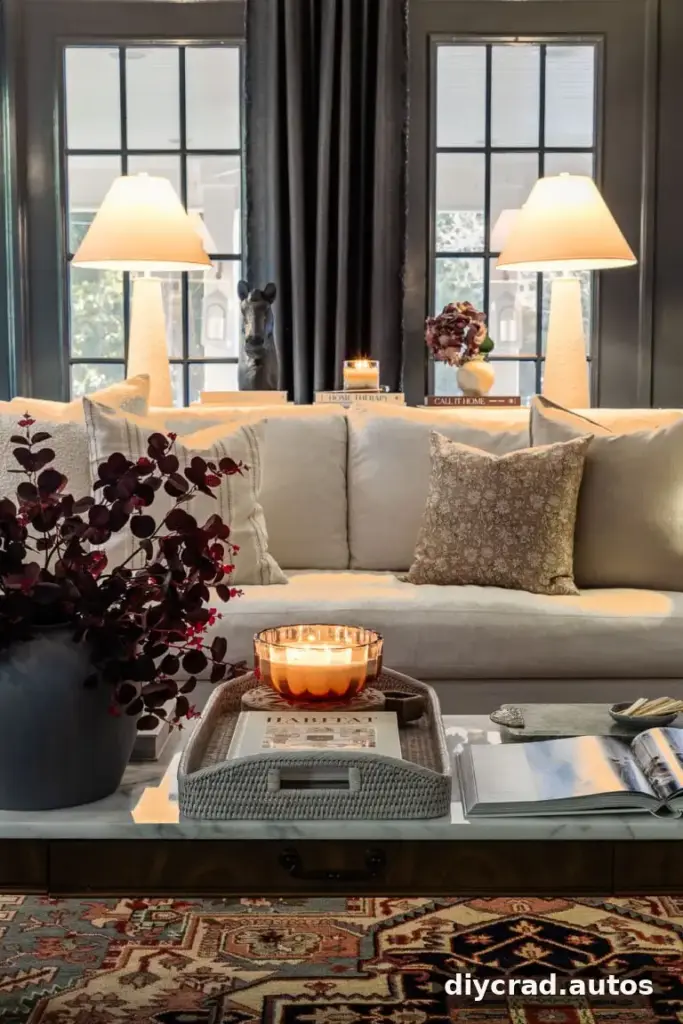
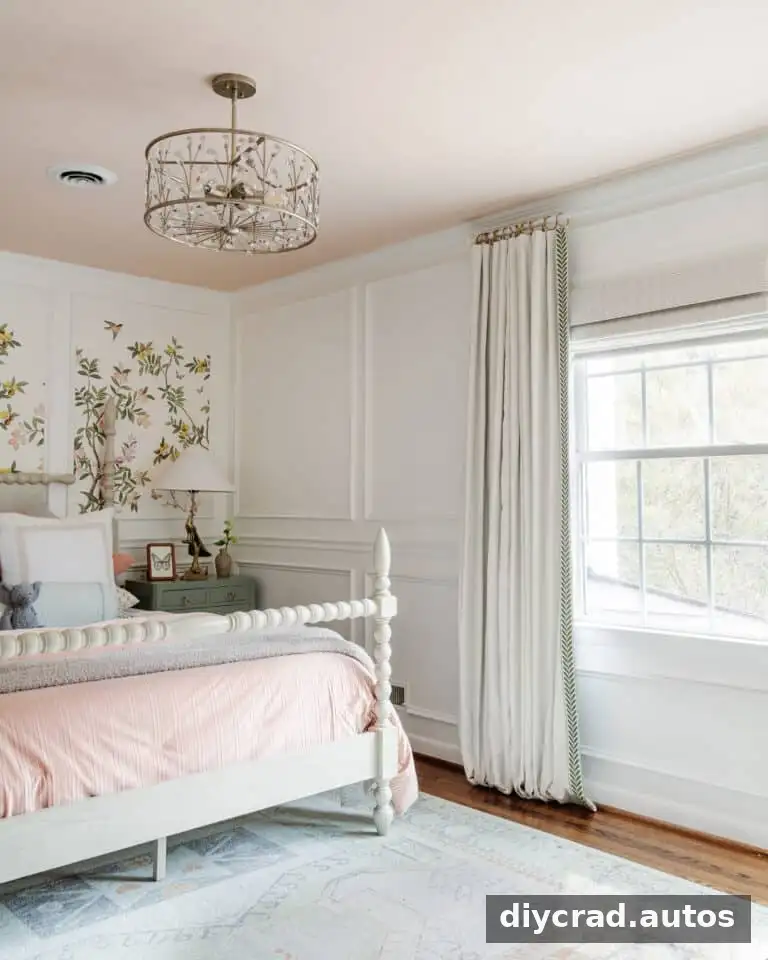
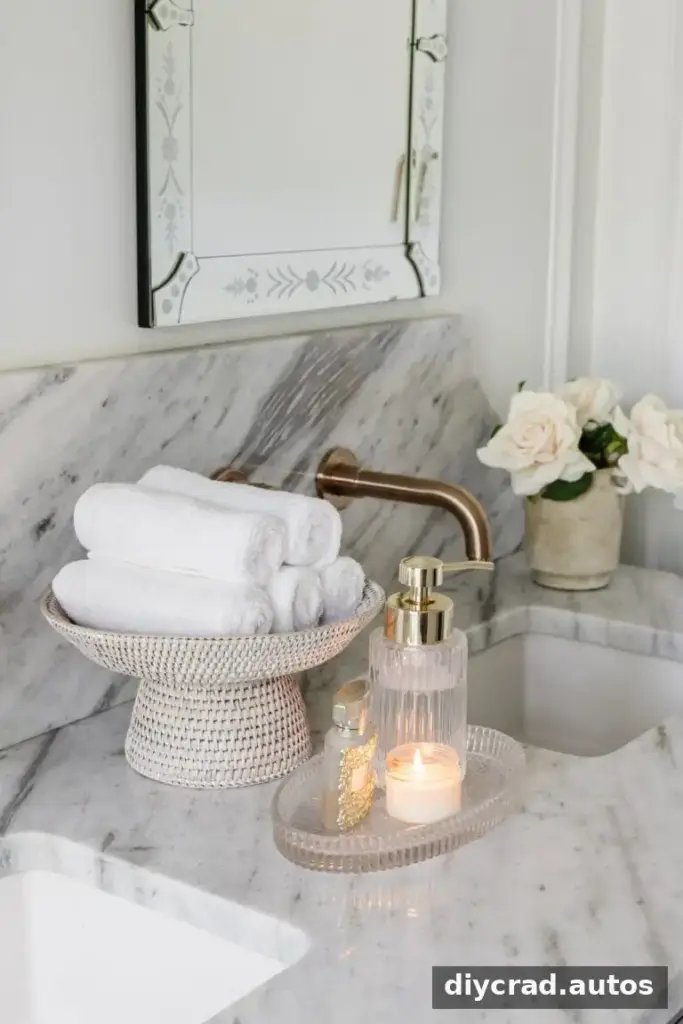
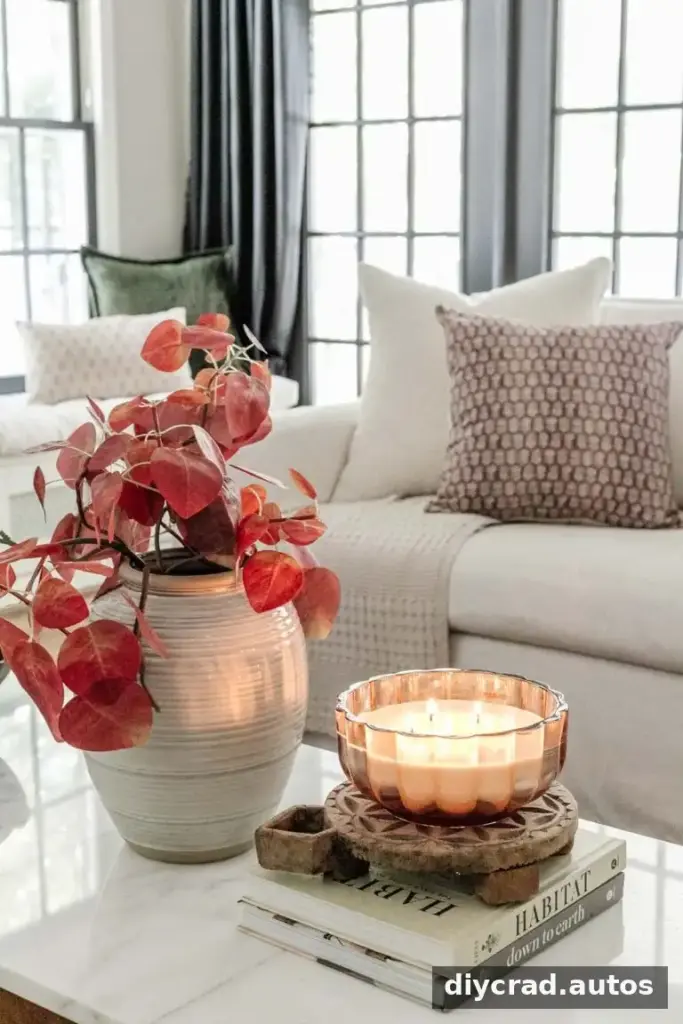
A practical lighting plan for any room
Begin by listing the room’s main activities and noting where each one takes place. Mark the existing light sources, then identify what is missing: general illumination, a focused beam, or a way to highlight a feature. Add lighting in stages and reassess the result, rather than buying several fixtures before you know how the room responds.
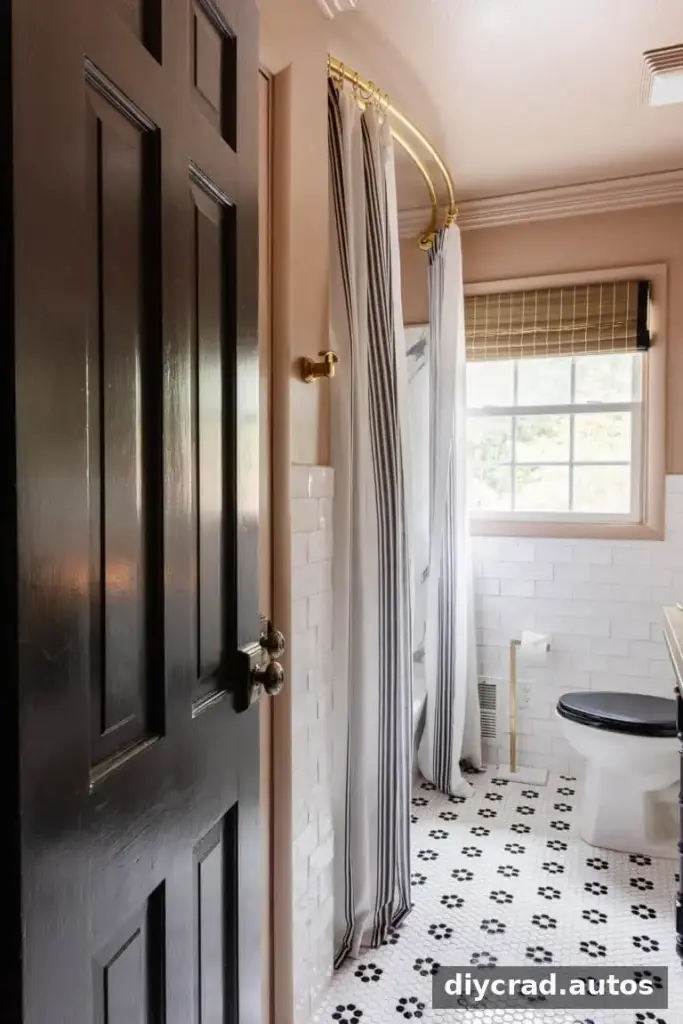
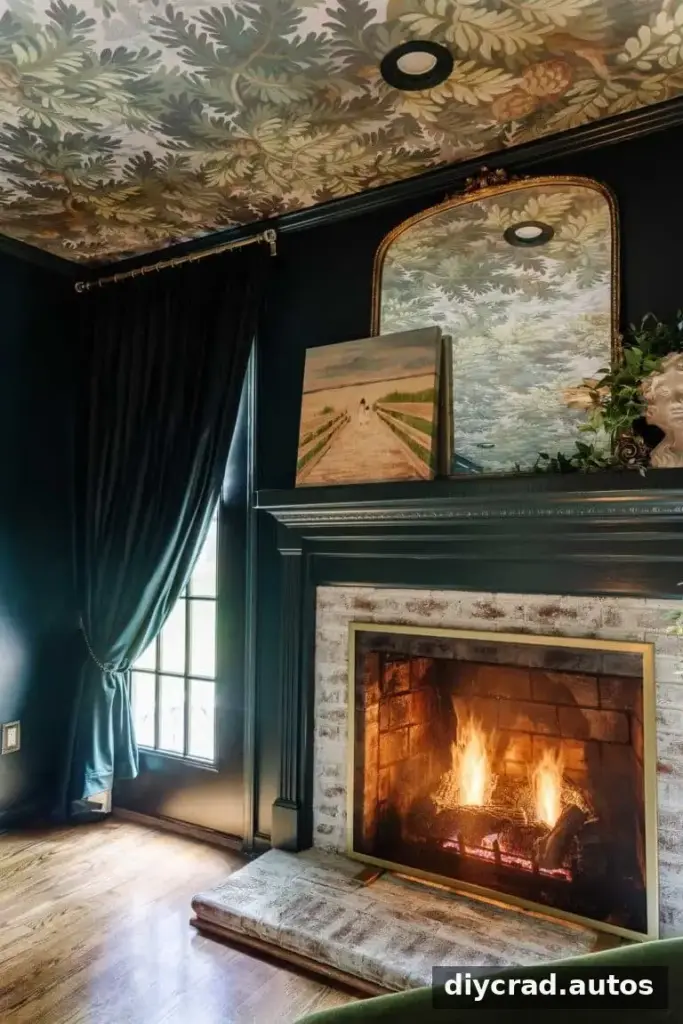
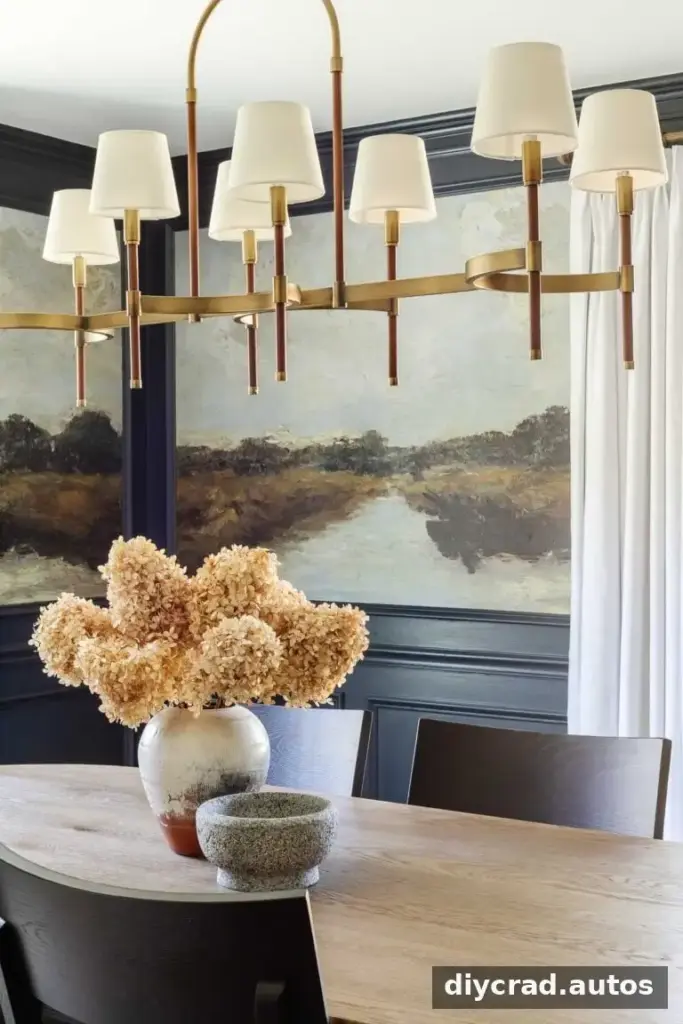
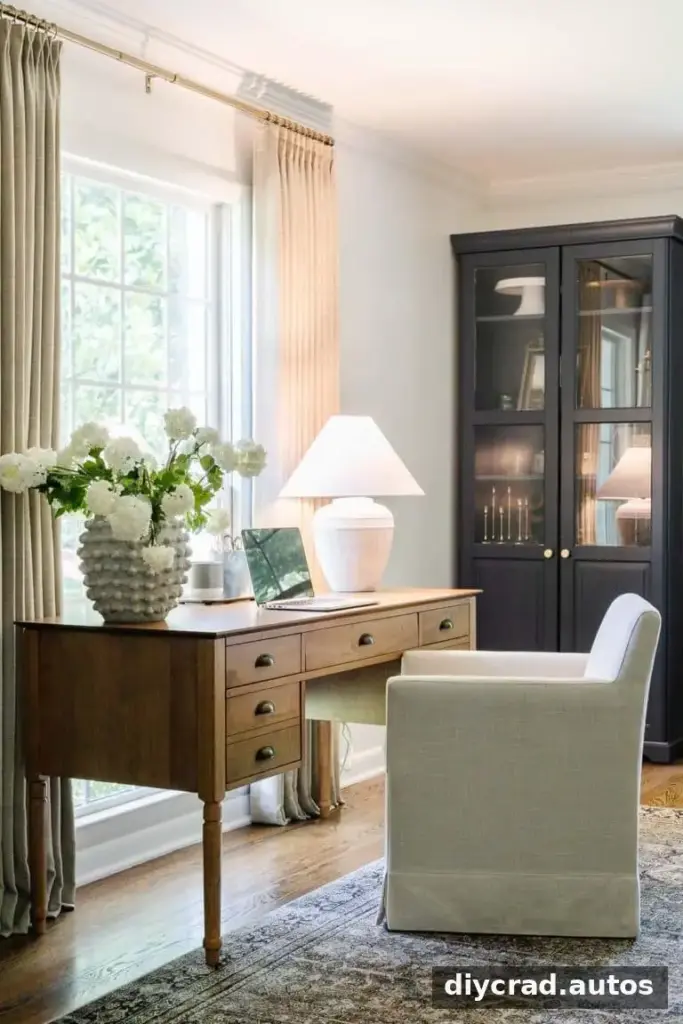
For a simple starting point, aim for one ambient source, one or more task lights for regularly used areas, and accent lighting only where it adds useful emphasis. The right combination depends on the room, its layout, and your needs; there is no requirement to use every type in every space.

Conclusion
To layer lighting successfully, combine ambient, task, and accent sources, then consider their placement, brightness, and controls as a whole. Test the setup in the room and make small adjustments to improve comfort and usability. With a clear plan, you can layer lighting to make a space more flexible, welcoming, and suited to the way you use it.