

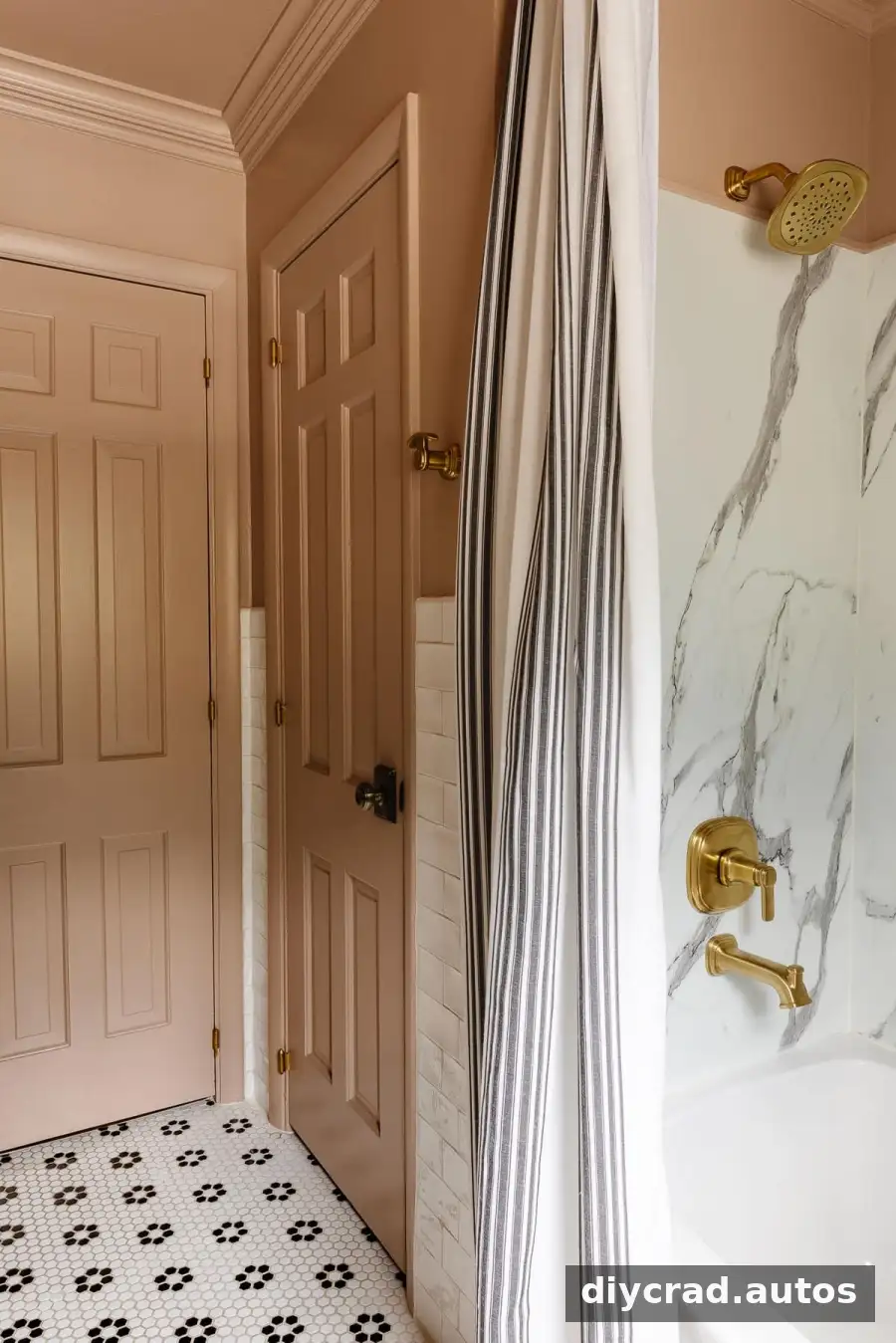
Color drenching is a paint approach that brings walls, trim, ceilings, and sometimes doors or cabinetry together in one hue or a family of similar tones. The result can feel bold yet cohesive, and it offers a way to transform a room without relying on complicated patterns or major renovations. Whether it feels trendy or timeless depends largely on the color, the room, and how the look is balanced with furnishings and texture.
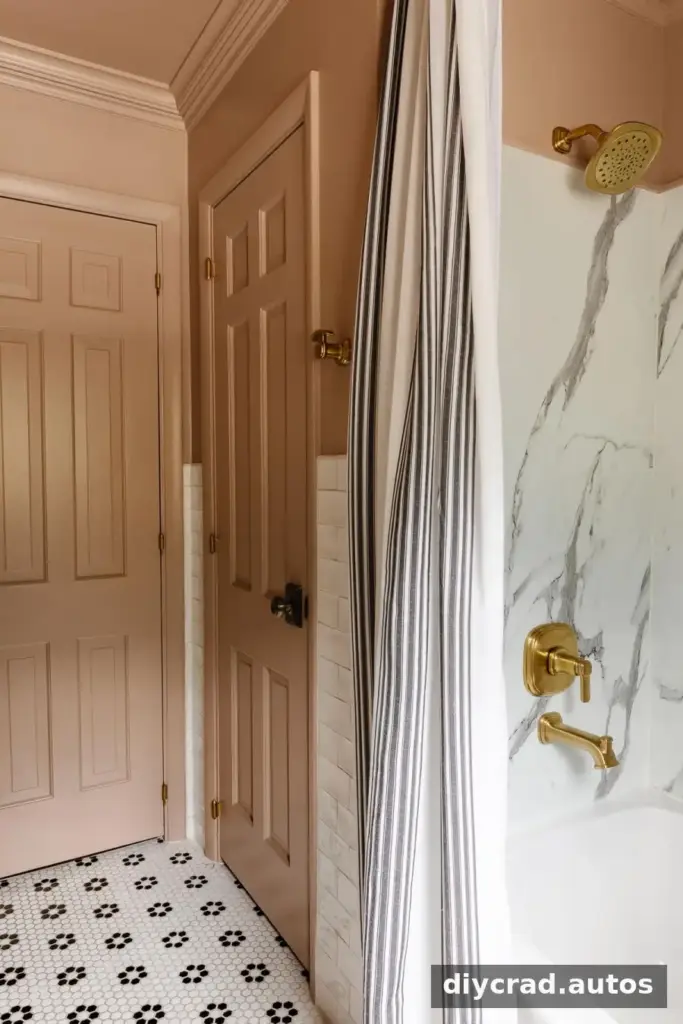
What Is Color Drenching?
Color drenching means painting several surfaces in a room the same color, rather than separating the walls from white trim or a contrasting ceiling. The approach can include walls, baseboards, doors, ceilings, cabinetry, and built-ins. You can use one paint color throughout or choose closely related shades for a subtle difference between surfaces.
Because the eye encounters fewer strong color breaks, the room can feel more unified and enveloping. It is a flexible technique: a soft neutral can create a quiet effect, while a saturated shade makes the room more dramatic. Before committing, test paint samples on more than one surface, since natural and artificial light can change how a color appears.
Why Color Drenching Works
Color drenching can give a room a more finished look by making architectural details feel like part of the overall design. In a room with an 8-foot ceiling, painting the ceiling and walls in a continuous color may draw the eye upward because there is less contrast to interrupt the view. The effect will vary with the room’s proportions, lighting, and paint color.
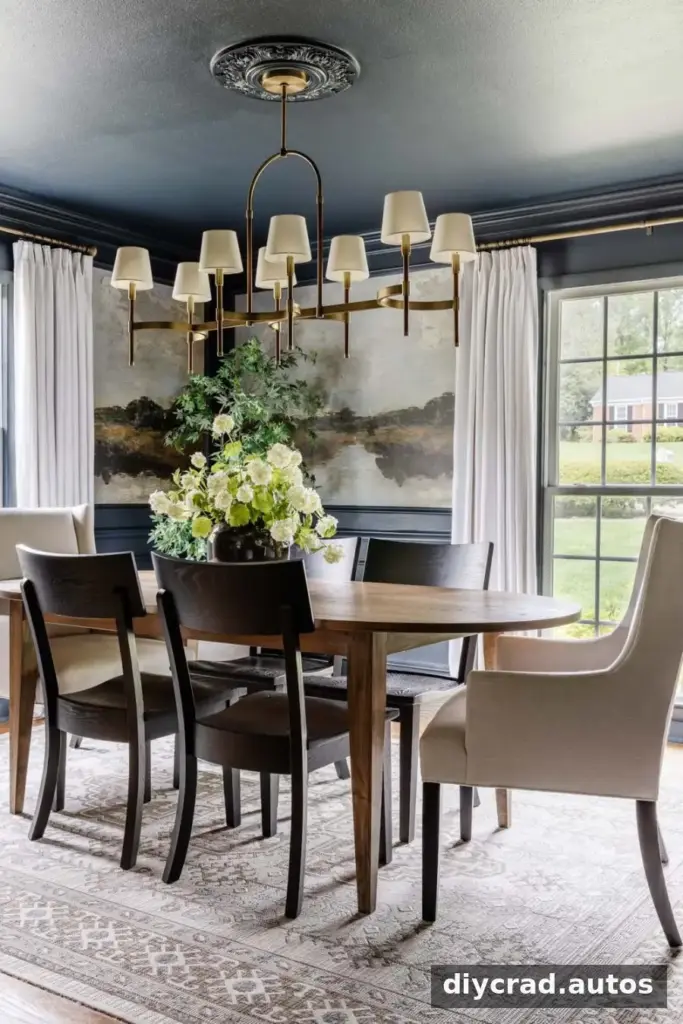
The technique is often considered for smaller rooms, such as bathrooms or home theaters, where a cohesive palette can create a cozy atmosphere. It can also work in dining rooms and other spaces where a stronger sense of mood is welcome. Paint is the main change, but preparation, surface condition, and the amount of coverage needed all affect the project’s cost and effort.
Benefits of Color Drenching
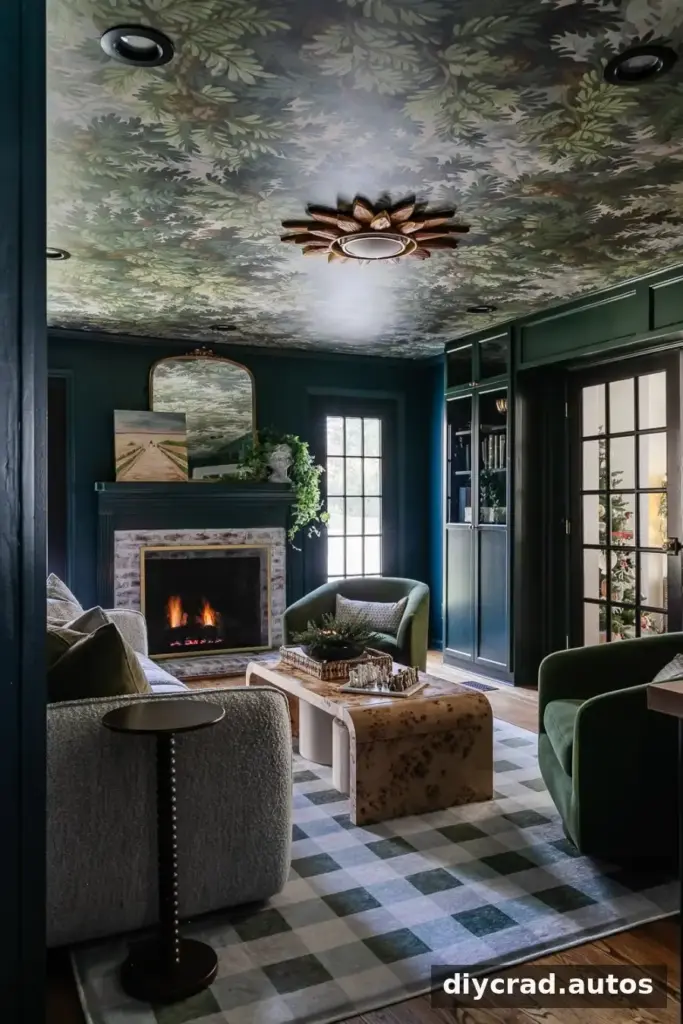
- Creates a sense of height: Using a similar color on walls and ceiling can reduce the visual division between them and encourage the eye to move through the space.
- Adds impact without extra pattern: A single-color scheme can feel dramatic while keeping the room visually simple.
- Can make a space feel cozy: Enveloping a small room in one hue may create a more intimate atmosphere.
- Softens visual irregularities: Matching trim and walls can make some uneven edges or older architectural details less noticeable, though paint will not repair underlying damage.
- Offers a relatively accessible update: Painting can change the mood of a room without replacing furniture or finishes. Account for primer, supplies, and the paint required for every surface.
Tips for Color Drenching a Room
- Choose a color that suits the room: Mid-to-dark tones such as navy, olive green, chocolate brown, or deep mauve can create a moody look. Lighter shades can feel calmer and less dramatic.
- Consider the finish: Satin or eggshell finishes are options for walls, while semi-gloss trim can add a small amount of contrast. Using the same finish throughout can create a more consistent appearance, but check that it is suitable for each surface.
- Include the ceiling: Leaving the ceiling white creates a distinct break, while painting it to match the walls strengthens the enveloping effect.
- Add texture and variation: Rugs, curtains, furniture, and natural materials help keep a one-color room from feeling flat. They can introduce contrast without breaking up the painted surfaces.
- Test before painting everything: View samples in morning and evening light, and check how the color looks beside flooring and furnishings.
Is Color Drenching Right for Your Home?
Color drenching can suit both modern and traditional interiors, but it is worth considering how the room connects to nearby spaces. In an open-plan layout, carrying one strong color across connected areas may make the overall scheme feel overwhelming or less defined. You can use the technique in a separate room, or plan a clear transition where one space ends and another begins.
Think about the room’s light, the surfaces you are willing to paint, and whether you want a calm or dramatic result. A deep blue ceiling, for example, can make a room feel more intimate; a muted hue may offer a subtler, more flexible effect. If you are unsure, start with a smaller room or paint a sample area before extending the color to trim and ceiling.
Is Color Drenching Trendy or Timeless?
Color drenching is a distinctive design choice, but it does not have to depend on a short-lived trend. A well-chosen color, thoughtful finish, and practical balance with furnishings can help the look feel personal and enduring. The best color drenching scheme is one that works with your home and that you will enjoy living with—not simply one that follows a current style.

