



When home projects stop feeling satisfying and start to feel like another obligation, it may be time to pause and reset. Creative burnout in DIY projects can make even familiar rooms feel overwhelming, especially when you are juggling unfinished tasks, everyday responsibilities, and pressure to make your home look a certain way. A slower pace and a few manageable changes can help you regain perspective without rushing into another big project.
These ideas are designed to help you reduce stress, reconnect with what matters in your home, and find a sustainable way to move forward. You do not need to try everything at once; choose the suggestions that fit your energy and circumstances.
15 Ways to Overcome Creative Burnout in DIY Projects
1. Acknowledge that you need a reset
Recognizing burnout is a useful first step. Losing motivation does not mean you are lazy or incapable; it may simply mean you have taken on more than you can comfortably manage. Naming how you feel can make it easier to decide what to change.
2. Take a real break
Pause project work and give yourself time to rest. Comparing your home with polished photos or renovation shows can create unrealistic expectations about how quickly a space should come together. Try setting aside a few days without planning, shopping, or working on home updates.
3. Reassess your home goals
Ask whether each project still supports the way you want to live. Write down what is bothering you most, then prioritize needs over optional upgrades. Before buying anything, consider whether rearranging, repairing, or reusing what you already own could help.
4. Allow room for imperfection
A home does not need to look finished or flawless to be comfortable. Focus on making spaces useful and welcoming rather than trying to meet an ideal standard. This can also help you avoid unnecessary spending and work.
5. Notice small accomplishments
Progress does not have to mean completing a renovation. Hanging a meaningful photo, clearing a surface, or fixing a loose handle can make a space feel better. Recognize these small steps instead of overlooking them.
6. Choose a quick, low-pressure task
If you want to ease back into making things, pick a task that can be completed in an afternoon, such as refreshing a planter or replacing cabinet hardware. Check the instructions and safety requirements for any materials you use, and avoid starting a project that depends on several unfinished tasks.
7. Work on one room or project at a time
Moving between multiple rooms can leave the whole home feeling disrupted. Choose one manageable project, define what “done for now” means, and finish that stage before starting another. A clear stopping point helps keep time, costs, and mess under control.

8. Keep one area clear and calm
Set aside a corner or room where tools, supplies, and renovation clutter do not go. Even during a larger project, protect this space as a place to rest. A small, consistently clear area can make the rest of the home feel less chaotic.
9. Get some distance from the project
A walk, a visit with a friend, or a change of scenery can offer a useful break from unfinished work. If a remodel makes daily routines difficult, consider practical ways to create distance for a short time, while keeping your budget and responsibilities in mind.
10. Talk with the people who share your home
Explain what feels overwhelming and ask for specific support. A simple household task list can make responsibilities clearer. When a project affects shared rooms, agree on work hours, storage for tools, and which areas need to remain usable.
11. Make space for activities unrelated to DIY
Reading, cooking, listening to music, or spending time outdoors can help you recharge. Choose an activity that feels restorative rather than turning every free moment into another productivity goal. If online browsing leaves you comparing your home with others, take a break from it.
12. Connect with other people who enjoy making things
Talking with friends, local groups, or other DIY enthusiasts can provide encouragement and practical ideas. Look for supportive communities that respect different budgets, skill levels, and timelines rather than making you feel pressured to keep up.
13. Declutter one small area
Choose a drawer, shelf, or closet instead of trying to organize an entire room. Set a short timer, such as 20 minutes, and stop when it ends if you need to. Check whether the cleared space feels more useful before taking on another area.
14. Experiment on a small scale
A new color or arrangement can make a space feel fresh, but test ideas before committing. Try a sample on a small area or use removable decor first. This lets you explore a different style while limiting cost and the risk of creating more work.
15. Identify what is driving the stress
Different problems call for different solutions. If money is a concern, focus on projects that use materials you already have and set a firm spending limit. If you are unsure about your style, collect a few references and look for common colors or features before making decisions. If working with another household member creates tension, agree on roles and expectations before beginning. When exhaustion or a busy schedule is the main issue, postponing the project may be the most practical choice.
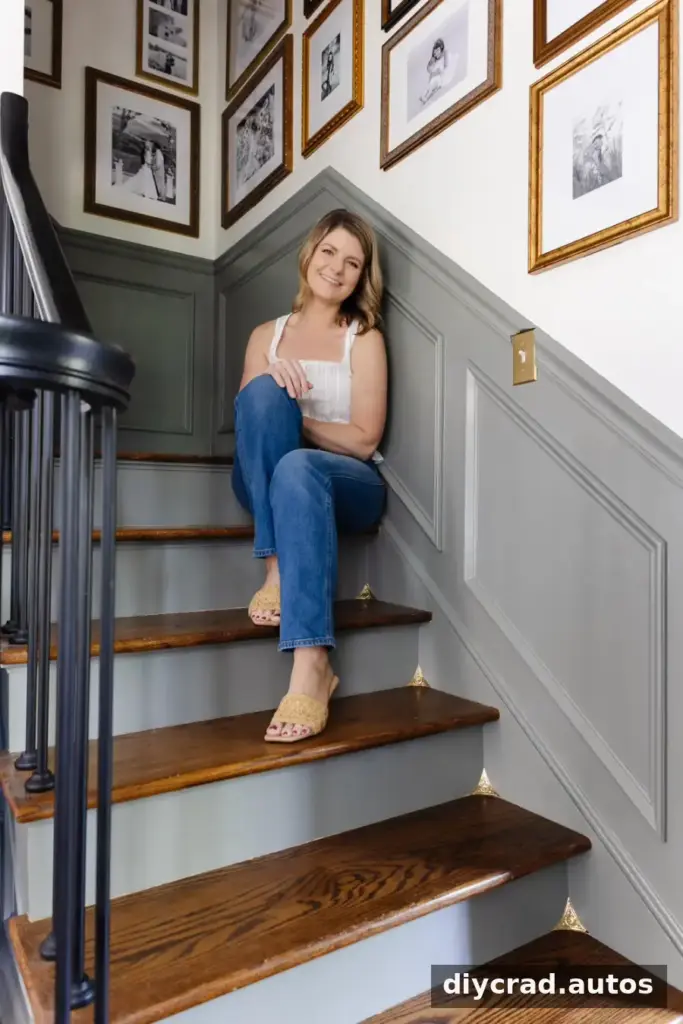
Give yourself time to find inspiration again
A home is part of everyday life, not a project that must be completed all at once. Creative burnout in DIY projects can ease when you lower the pressure, protect time for rest, and focus on changes that genuinely improve how you use your space. Start with one small step—or take a break if that is what you need. A comfortable home does not have to be perfect, and your energy is more important than finishing a project on a particular schedule.

