
This Whole30 beginner’s guide brings together one participant’s experience, meal ideas, and practical advice for planning a 30-day change in eating habits. The account describes completing 25 days before travel made the plan difficult to continue. Its results are personal, not a promise of what others will experience; weight, energy, skin, and other health changes vary from person to person.

Whole30 beginner’s guide: What the program involves
Whole30 is a time-limited eating program that removes certain food groups and ingredients for 30 days. In the account shared here, those included dairy, sugar, grains, legumes, and alcohol. Anyone considering the program should check its current rules and ingredient guidance, since packaged foods and restaurant meals can contain unexpected ingredients.
The participant began after noticing that busy schedules, holidays, and vacations had affected eating habits. The goal was to focus on health and build a more thoughtful relationship with food—not simply to chase a number on the scale. For a practical first step, review the program requirements, plan meals, and consider whether the restrictions are appropriate for your needs.
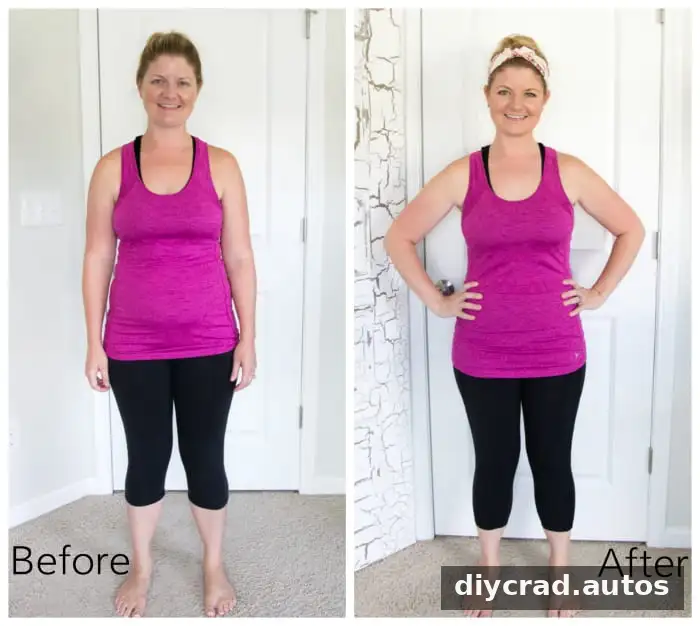
Reported changes during the 25-day attempt
The participant reported losing 15 pounds in 25 days and moving from a size 8/10 to a size 6/8 in jeans. Measurements were not taken at the start, so there were no inch-loss figures to compare. The before-and-after photographs were also taken under different conditions, including makeup in the later image, and should not be treated as a standardized measure.
Other reported changes included more energy after about two weeks, improved mood, clearer skin, fewer headaches, and no seasonal allergy symptoms during that period. The participant also noticed a greater interest in vegetables and fruit. These are individual observations, and the account cannot establish that Whole30 caused each change or that others will have the same results.
Weight can fluctuate for many reasons, and rapid weight loss is not suitable or realistic for everyone. A healthcare professional or registered dietitian can help assess whether a restrictive eating plan is safe, particularly for people with medical conditions, a history of disordered eating, or specific nutritional needs.

Practical tips for getting organized
- Plan with support. The participant followed the program with a partner, which provided encouragement and accountability. A supportive arrangement should focus on shared planning rather than pressure or competition.
- Learn the rules before shopping. Reading the program’s guidance can make ingredient checks easier. Look closely at labels on items such as bacon, sauces, and salad dressings.
- Make a weekly menu. Write down dinners before grocery shopping and plan to use leftovers for lunches. This can reduce last-minute decisions and help limit food waste.
- Keep water accessible. Drinking regularly is a useful everyday habit. It is not a substitute for meals, and thirst should not be used to dismiss genuine hunger.
- Try recipes that suit your routine. Choose a few simple meals you enjoy rather than relying on complicated cooking every day. Batch-preparing ingredients can save time during busy weeks.

The first two weeks were described as the most challenging, with irritability and cravings. Planning satisfying meals and keeping suitable snacks on hand may make transitions easier. If a plan causes distress or feels difficult to manage, seek qualified guidance rather than treating discomfort as something that must be endured.

Meal ideas from the experience
Breakfasts often included scrambled eggs with spinach and diced tomatoes, fruit, avocado, and bacon. Coffee was served with coconut milk and coconut cream. The participant specifically checked bacon labels for sugar; ingredients can vary by product, so verify that any packaged food meets the program’s rules.

For a quick lunch, tuna salad made with avocado mayonnaise was served in lettuce leaves and topped with avocado. Another flexible option was to cook a batch of chicken and use it in salads, soup, or lettuce wraps through the week.

Salads were another regular lunch, but dressings required attention because some contain sugar or other ingredients that may not fit the program. A homemade dressing or a carefully checked product can make it easier to know what is in the meal.


For something sweet, the participant chose options such as unsweetened applesauce with cinnamon, apple slices with almond butter, or certain Larabar varieties. Check product labels and current program guidance, as ingredients differ. These choices were personal examples, not required foods or a replacement for balanced meals.
Recipe ideas and sides
Meals enjoyed during the attempt included grilled swordfish with peach-avocado salsa without honey, crockpot chili, Cuban picadillo served with cauliflower rice, roasted snapper with almond flour instead of breadcrumbs, garlicky shrimp with cauliflower rice, and slow-cooker pot roast. Other dishes mentioned were citrus-and-herb roasted chicken, stuffed grape leaves, and mustard-glazed chicken thighs.
Roasted vegetables were a straightforward side: broccoli or Brussels sprouts were seasoned, tossed with olive oil, and roasted at 425°F for about 20–25 minutes. Keep an eye on the oven, since cooking time can vary with the size of the pieces and the appliance.

Challenges to consider before starting
- Food costs: The household reported spending about $200 per week on groceries, largely for fresh meat and produce. They ate out less often, which helped offset some of the expense.
- Shopping and preparation: Fresh ingredients required regular grocery trips, and cooking breakfast and dinner could take at least half an hour. A menu and batch preparation may help, but the time commitment is worth considering in advance.
- Travel: Road trips made it harder to find suitable meals. When eating away from home, check menus and ingredients beforehand, and bring food if practical.
- Kitchen cleanup: Frequent chopping, grilling, and cooking meant more dishes. Preparing several ingredients at once can reduce repeated cleanup.
The participant stopped on Day 25 because an unexpected trip and a long drive made continuing impractical. A few weeks later, the account noted a 2-pound increase and a shift to a less restrictive Paleo-style routine with weekend treats. This experience highlights the value of planning for travel and deciding in advance how to handle meals outside the home.
Conclusion: Is this Whole30 beginner’s guide right for you?
This Whole30 beginner’s guide offers a personal account of meal planning, reported changes, and common practical hurdles—not medical advice or a guarantee of weight loss or symptom relief. Before starting, review the program’s rules, consider the cost and time involved, and speak with a qualified healthcare professional if you have health concerns or dietary needs. A sustainable approach to eating should support your wellbeing and fit your life beyond a 30-day challenge.