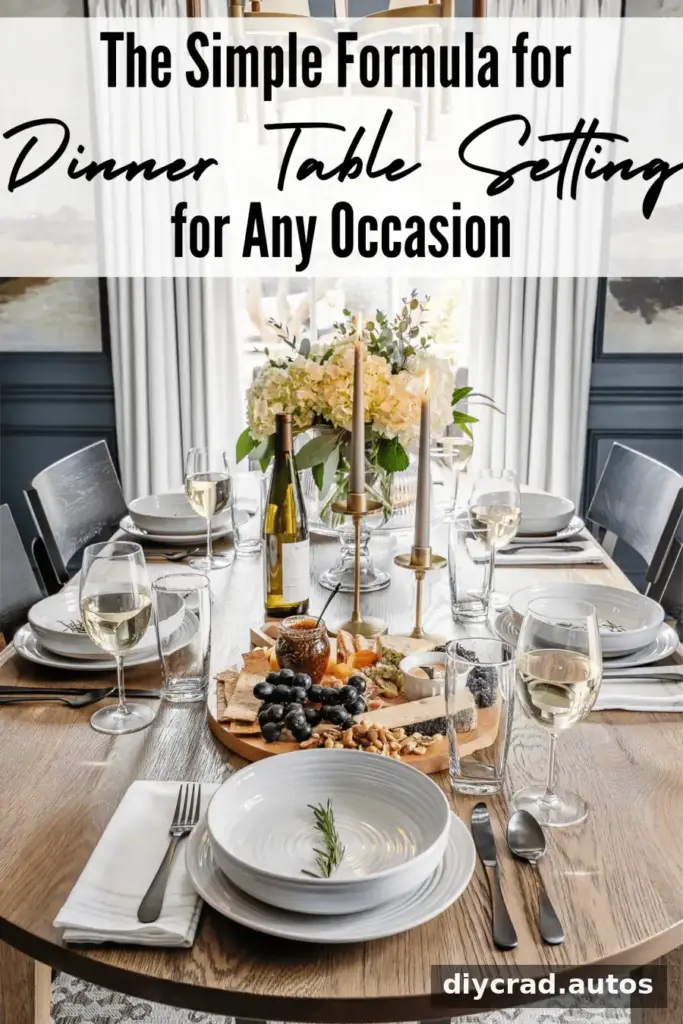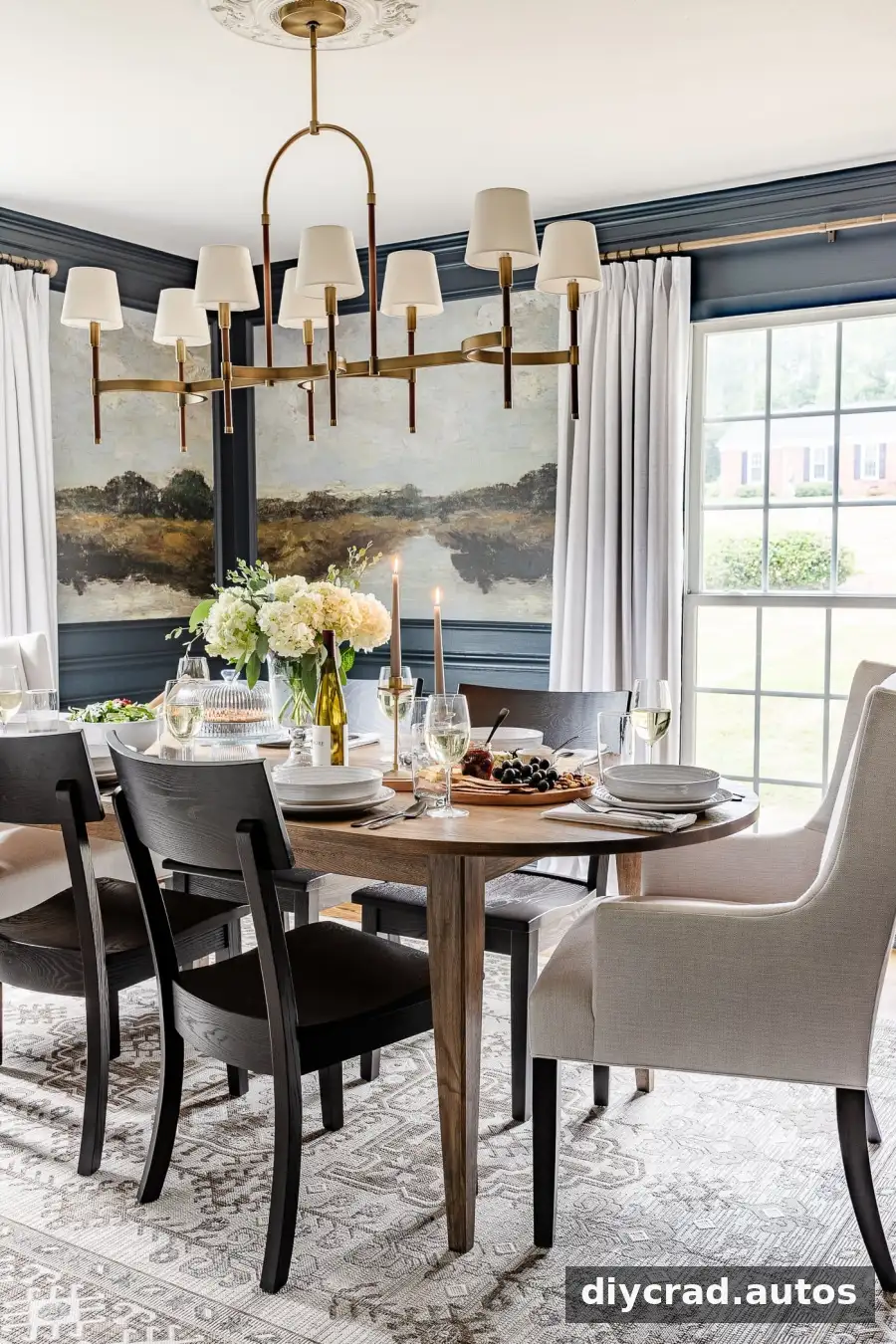
A thoughtful dinner table setting does not need elaborate décor or expensive pieces. A few versatile basics, seasonal details, and room for serving food can make a table feel special for holidays, birthdays, or a relaxed meal with guests. Use the simple ideas below to create a polished look without making the table feel crowded.
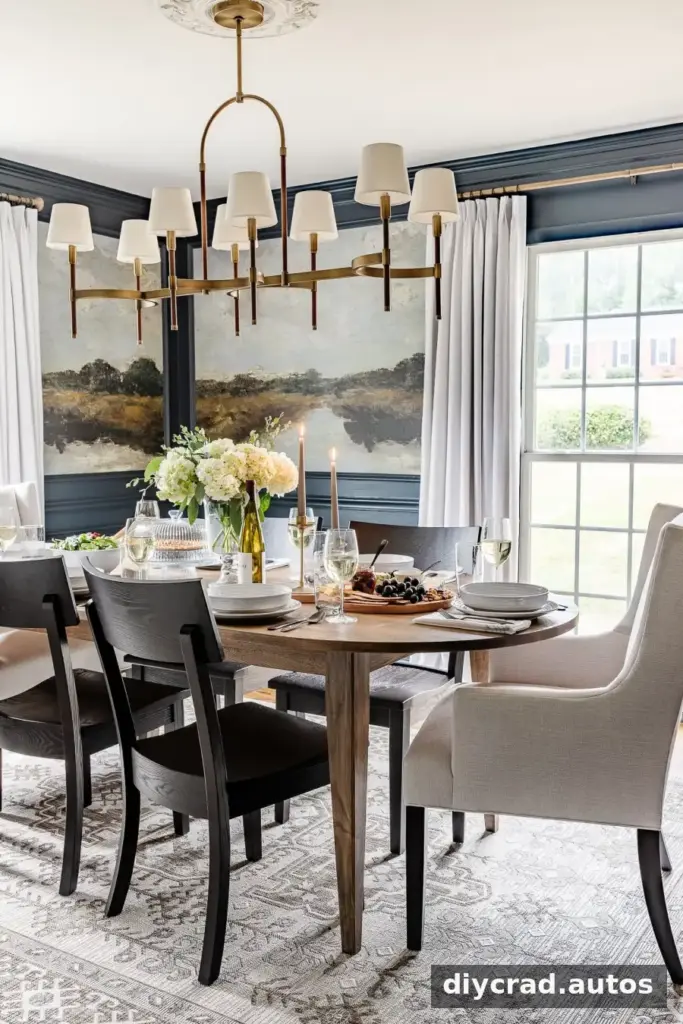
Start with items you can reuse: neutral dinnerware, simple linens, a vase, and a few serving pieces. Then change the mood with a small accent, flowers or foliage, and candles when appropriate. This approach makes it easier to adapt the same tableware to different occasions.

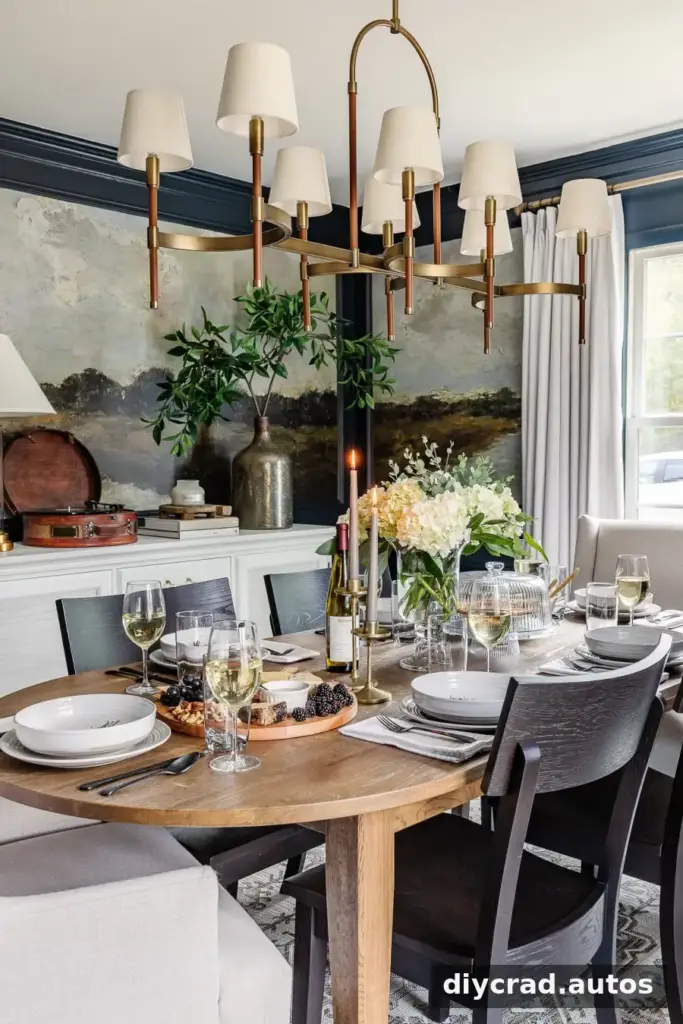
A Simple Dinner Table Setting Formula for Any Occasion
When you are unsure how to arrange a dining table, build the look in layers. Set out the dishes and flatware first, add one restrained accent at each place, and finish with a low centerpiece. Keep enough open space for serving dishes and comfortable conversation.
Before decorating, consider how many people will be seated and what food needs to go on the table. A practical layout is more inviting than a crowded arrangement, especially when guests need to pass plates or reach shared dishes.
How to Make a Dinner Table Setting Feel Special
- Choose neutral dinnerware and linens that work with different colors and seasons.
- Add a small place-setting detail, such as a leaf, herb sprig, or name card.
- Use flowers or greenery that are in season, gathered only where you have permission.
- Add candles for a gentle glow, positioned safely away from anything flammable.
- Let serving dishes and food contribute to the table’s appearance instead of filling every space with decorations.
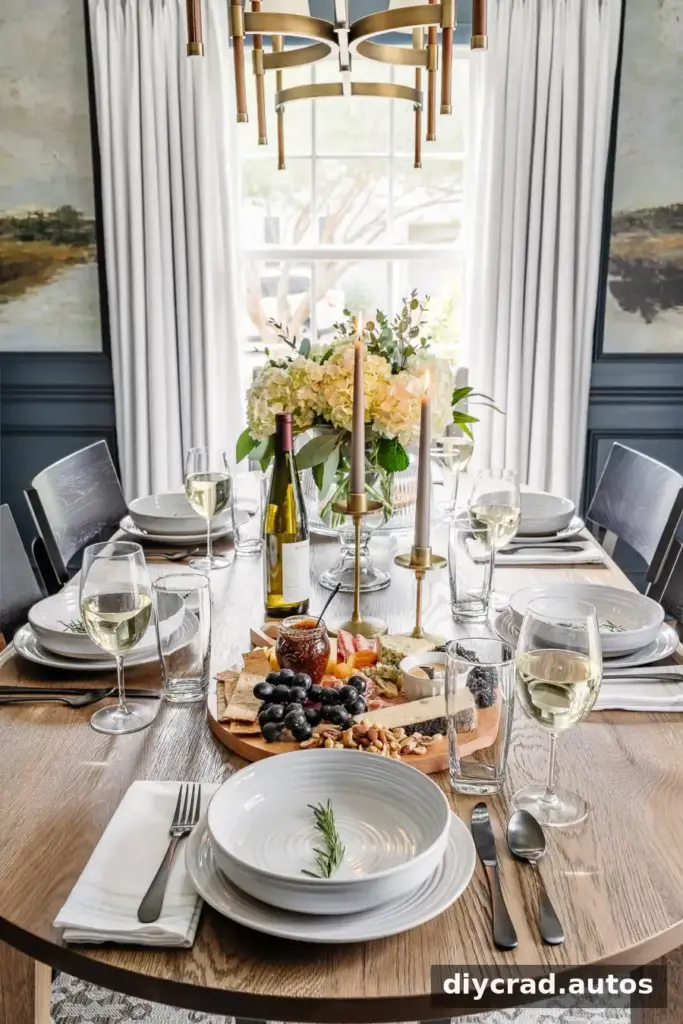
1. Choose Neutral Dinnerware
White, gray, beige, and black dishes provide a flexible base for many occasions. They work with changing napkin colors, seasonal greenery, and different floral arrangements, so you do not need a separate set for every holiday.
Stoneware with a speckled or natural finish can add texture while keeping the overall look simple. If you are shopping secondhand, check dishes for chips, cracks, and signs of wear before using them. Also review the manufacturer’s care instructions: not every piece of stoneware is suitable for oven use, even if a similar set is.
Practical tip: Choose a dinnerware color that complements the linens and serving pieces you already own. That makes it easier to create a coordinated table without buying a whole new collection.

2. Add a Small Place-Setting Accent
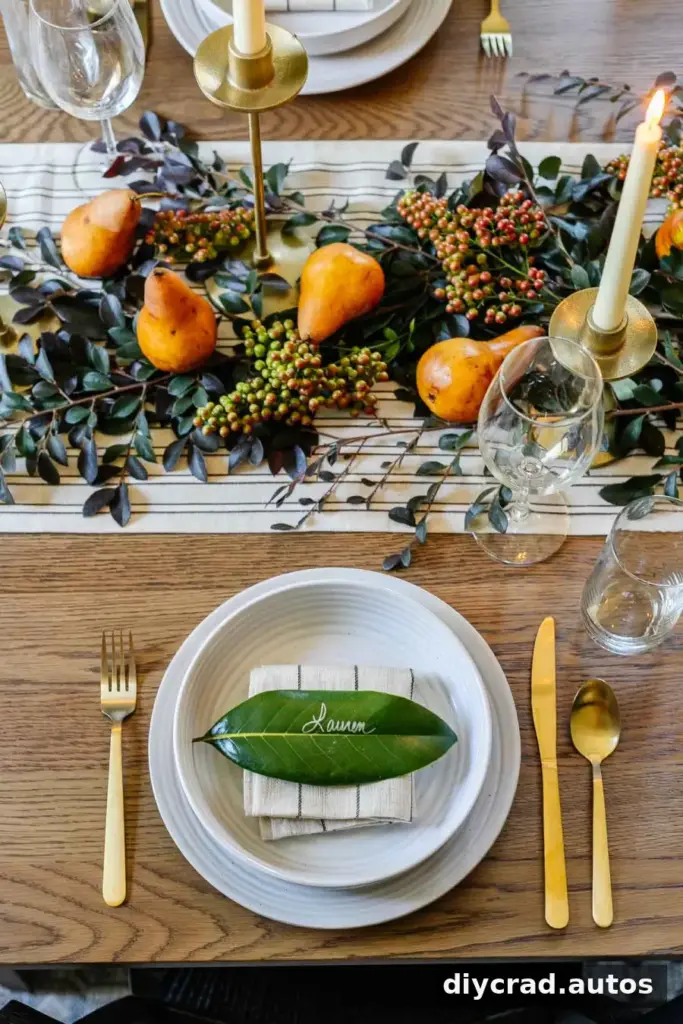
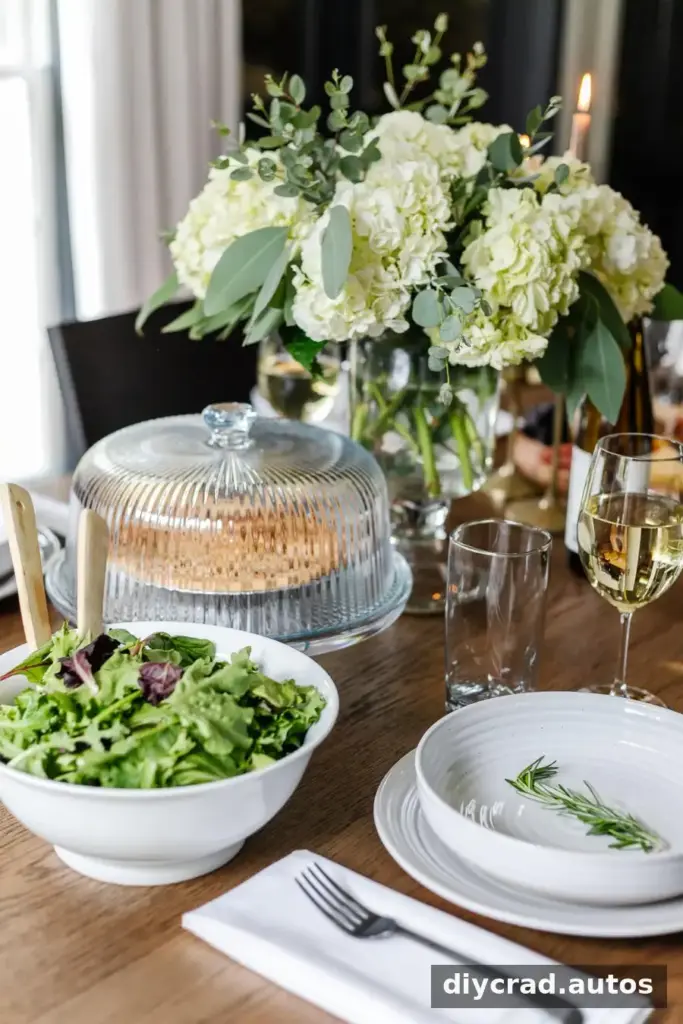
A single detail can make each place feel considered without adding clutter. Try a rosemary sprig, a clean leaf, or a handwritten place card for a holiday meal, birthday, or anniversary dinner.
For a natural name card, use a leaf that is clean and dry, then write on it with a suitable marker. Keep the accent small enough that it does not interfere with plates, glasses, or food. If guests may have sensitivities to plants or scents, choose a plain card instead.
3. Make a Seasonal Centerpiece
Seasonal flowers and foliage can become an affordable centerpiece. Use stems from your own garden or ask permission before cutting anything from another property. A few branches in a neutral vase can be enough; arranging fewer stems often keeps the table uncluttered.
Hydrangeas can be arranged with greenery, and dried hydrangeas can also work as a simple fall decoration. A clear or neutral vase helps the stems remain the focus. Keep the arrangement low enough for diners to see one another across the table.
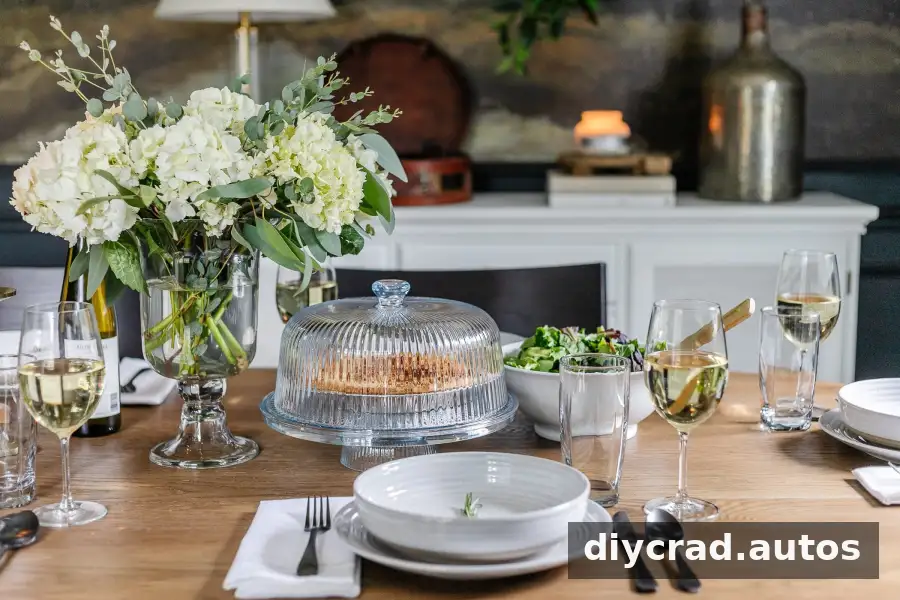
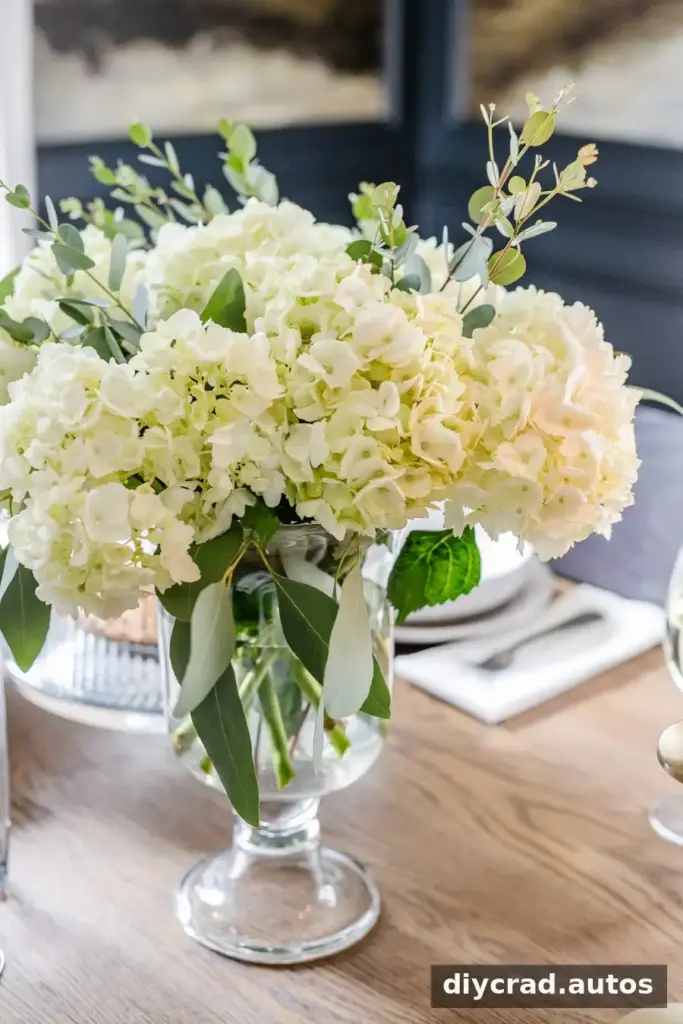
Some branches offer seasonal color without needing a formal floral arrangement. For example, ginkgo leaves turn bright yellow in fall. Check that any cuttings are gathered responsibly and do not damage the plant.
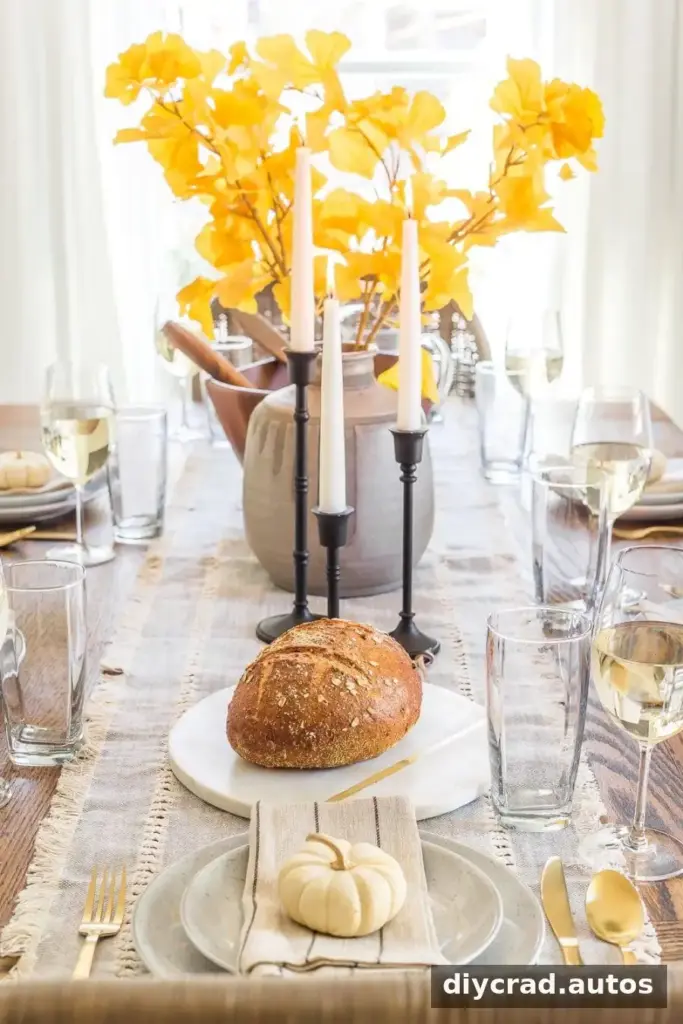
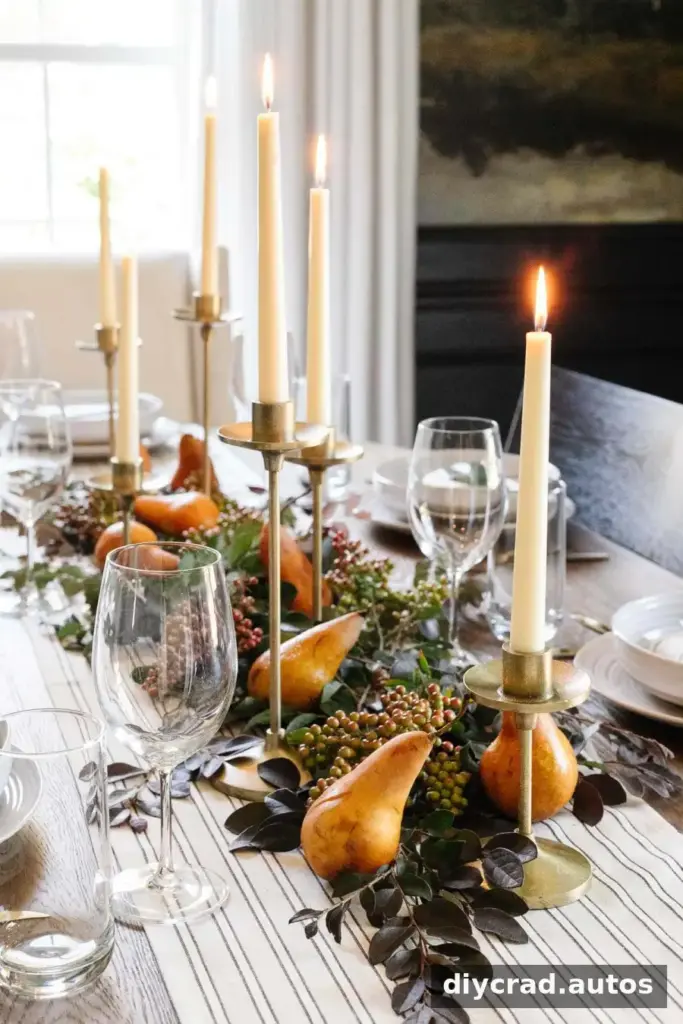
You can also lay a few leafy stems directly on the table as a low centerpiece. Add a small amount of seasonal fruit, such as pears, if it suits the meal. Keep food decorations clean and separate from any materials that are not intended for contact with food.
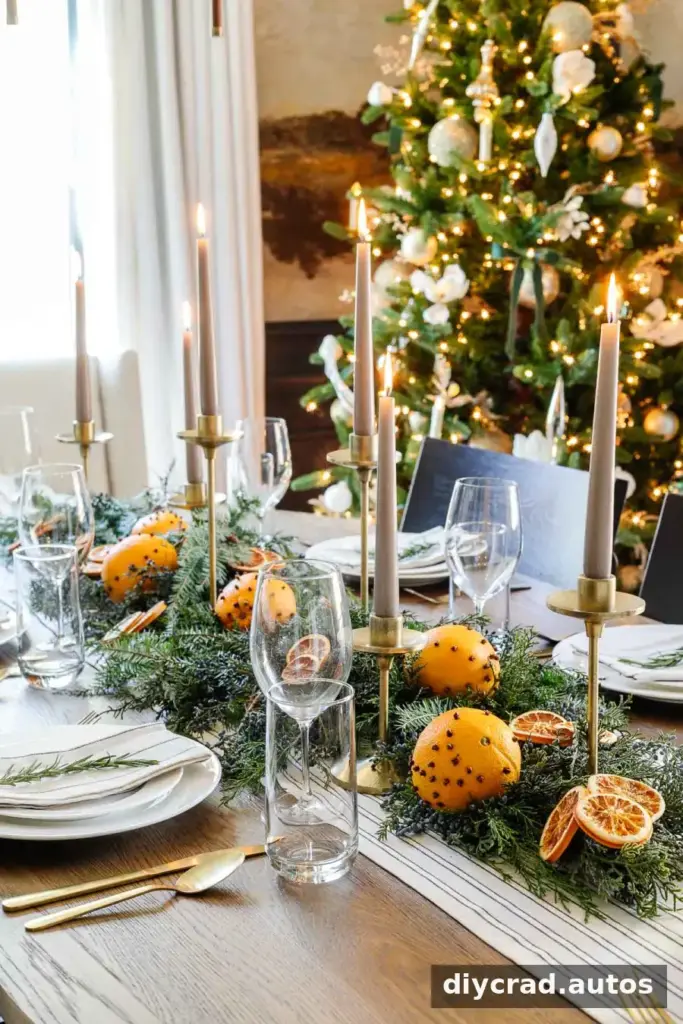
For a winter table, evergreen branches such as cedar or hemlock can create a natural runner-like arrangement. Dried orange slices and other seasonal details add color. Keep greenery and dried decorations well away from candle flames, and remove them if they begin to dry out excessively.
4. Use Candles for Warm Light
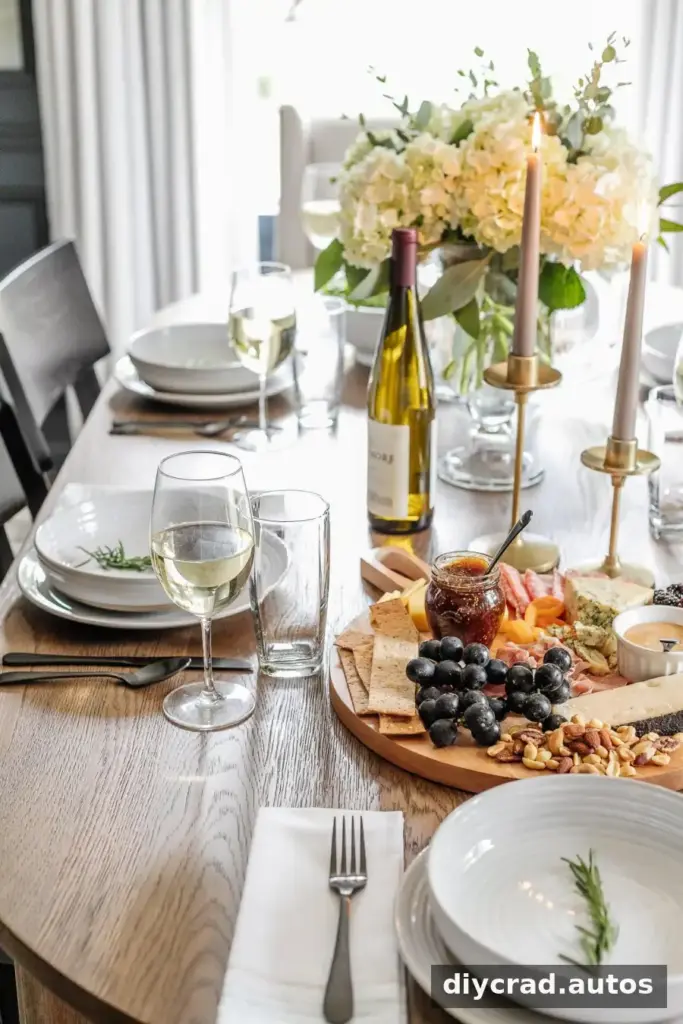
Candlesticks can bring a soft glow to a dinner table, particularly for evening occasions. Use stable holders, leave clear space around each flame, and keep candles away from greenery, napkins, sleeves, and other flammable materials. Never leave a lit candle unattended.
If open flames are unsuitable for the room or occasion, choose another source of warm lighting instead. The goal is a comfortable atmosphere, not a particular decoration.
5. Let the Food Add to the Table
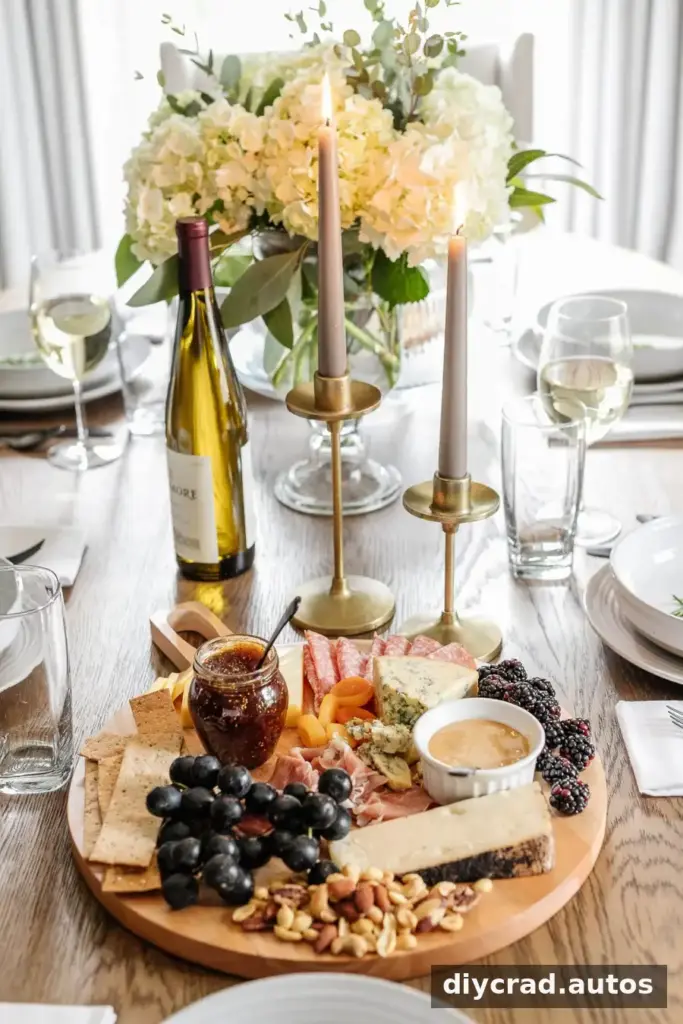
A centerpiece does not need to occupy the whole table. Leave open areas for serving bowls, platters, and shared dishes. This keeps the arrangement useful and allows guests to serve themselves more easily.
Multi-purpose serving pieces can help reduce the number of items needed. A five-in-one acrylic cake dome can function as a cake stand, divided serving tray, chip-and-dip server, punch bowl, or serving bowl. Its break-resistant material can also make it useful for outdoor meals, though it should still be handled and cleaned according to its care instructions.
A footed bowl can serve food or hold fruit between meals. A round cutting board can also provide a useful base for a charcuterie spread sized for six. Check that any board used for food is clean and suitable for that purpose.


6. Change the Flatware Finish
Black or gold flatware can add contrast when you want a change from standard silver. Since flatware is a small part of the overall setting, a different finish can make the table feel distinct without requiring new dishes or a new centerpiece.
For a coordinated look, repeat that finish in just one or two other details, such as a candleholder or place card. Too many competing metallic accents can make a simple table feel busy.
Keep the Dinner Table Setting Practical
A welcoming table is both attractive and easy to use. Arrange each place setting with enough room to eat comfortably, keep the centerpiece low, and leave space for the meal. Neutral dishes, a seasonal accent, fresh greenery, safe candlelight, and useful serving pieces are enough to create a considered look without overdecorating.
These ideas can be adapted for formal gatherings or casual dinners. A dinner table setting does not have to be elaborate to make an occasion feel memorable; thoughtful details and time spent together matter most.
Tableware and Decor Checklist
- 16-piece stoneware dinnerware set
- Glass fluted vase
- Striped linens or a coordinating table throw
- Five-in-one acrylic cake dome
- White footed bowl
- Charcuterie board
- Black flatware set
- White wine glasses
- Water glasses
- Scented candle
Use this list as a starting point, not a shopping requirement. Work with the pieces you already have, and add only what will make hosting easier or more enjoyable.
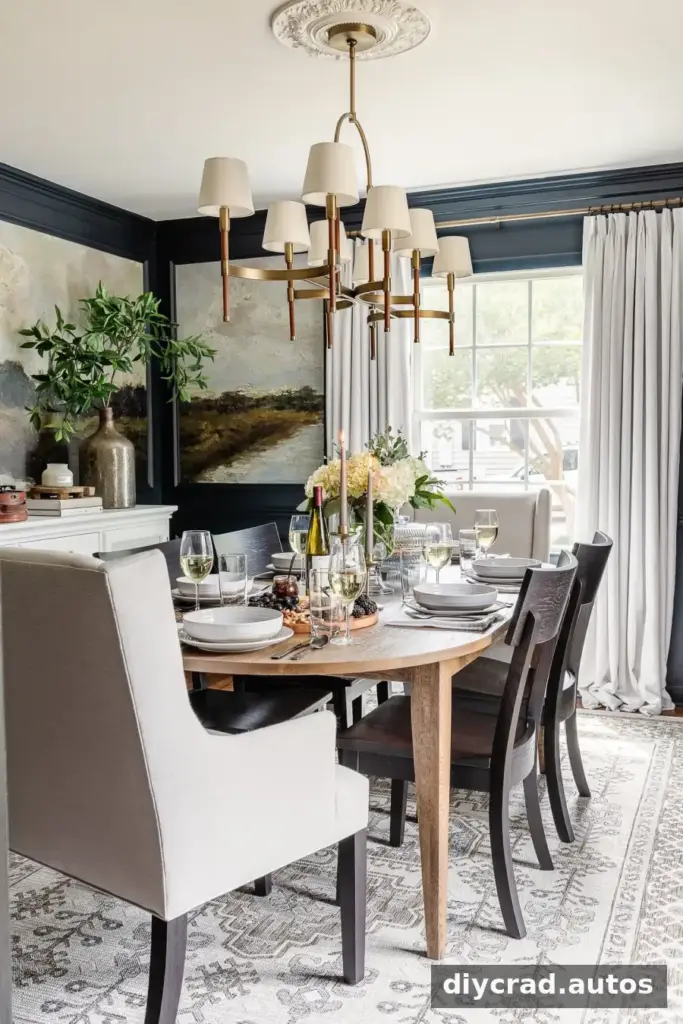
For more inspiration, explore ideas for simple dining table décor, budget-friendly dinnerware, a faux marble dining table, a Thanksgiving tablescape, reupholstered dining chairs, a breakfast charcuterie board, or an inexpensive Christmas centerpiece.

Save this guide for later: