

This colonial house tour offers a look inside a home built in 1960, where thrifted furniture, do-it-yourself projects, and modern traditional room makeovers bring together character and everyday function. The video gives viewers a visual overview of the home and how it has changed over time.
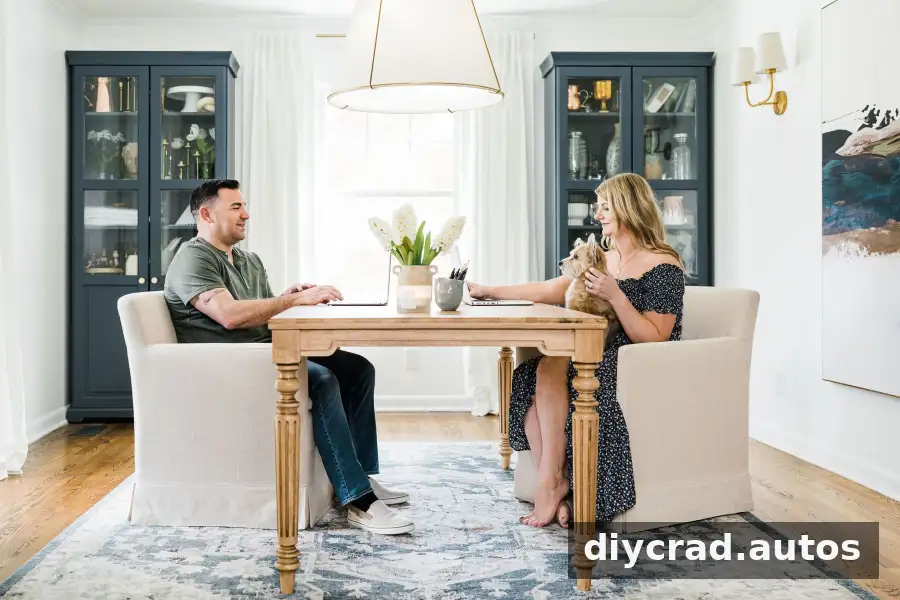
What to expect from this colonial house tour
The home had been lived in for nearly six years by the time of this 2023 tour. Over that period, its owners worked on a range of projects, using secondhand pieces and DIY updates to shape the rooms. Rather than relying only on new furnishings, this approach makes room for a mix of styles and gives older items a place in the home.
When watching a home tour, notice how furniture, finishes, and decorative details work together. You do not need to copy an entire room to gather useful ideas: a single furniture arrangement or a practical DIY solution may be enough to inform a project in your own space.
Thrifted furniture and DIY ideas
Secondhand furniture can be a useful option for creating an individual look, especially when a room needs a functional piece without a large furniture budget. Before buying, measure the intended space and check the item’s condition, including its stability and any visible damage. These simple checks can help avoid a purchase that does not fit or requires more repair than expected.
DIY projects can also make a home feel more personal, but it helps to plan each update before starting. Consider the time, tools, and materials required, and choose projects that suit your skills. For painted furniture, for example, preparing the surface and following the product’s drying instructions can make the finish more durable.
Modern traditional room makeovers
Modern traditional decorating combines familiar, classic elements with a more current overall feel. In practice, that can mean balancing timeless furniture or decorative details with simpler styling and contemporary touches. The exact mix will depend on the room, so take note of what feels balanced rather than treating one look as a strict formula.
A helpful way to plan a room refresh is to begin with its purpose. Identify what needs to happen in the space, then consider how furniture placement supports those activities. Keep walkways clear and check measurements before moving or buying larger pieces. Small changes to layout can sometimes improve a room without requiring a full makeover.
A home shaped over time
The story shared alongside the tour follows a family’s move from saving for a first home to making changes across two houses while raising two children. The home projects began as a creative outlet, with thrift-store furniture being painted during the children’s nap times. Over time, that interest grew into an ongoing process of learning, adapting, and improving the living space.
This is a useful reminder that a home is more than its furnishings. It also provides a setting for daily routines, family life, creativity, and rest. Projects do not need to be completed all at once; choosing manageable updates can make it easier to maintain a comfortable home while working within available time and resources.
Conclusion: ideas from a colonial house tour
This colonial house tour highlights how thrifted furniture, DIY projects, and modern traditional updates can contribute to a home’s character. As you watch, focus on practical details that could work in your own space, such as furniture placement, the use of existing pieces, or a manageable project idea. A thoughtful update does not have to be expensive or extensive to make a room more useful and welcoming.

