

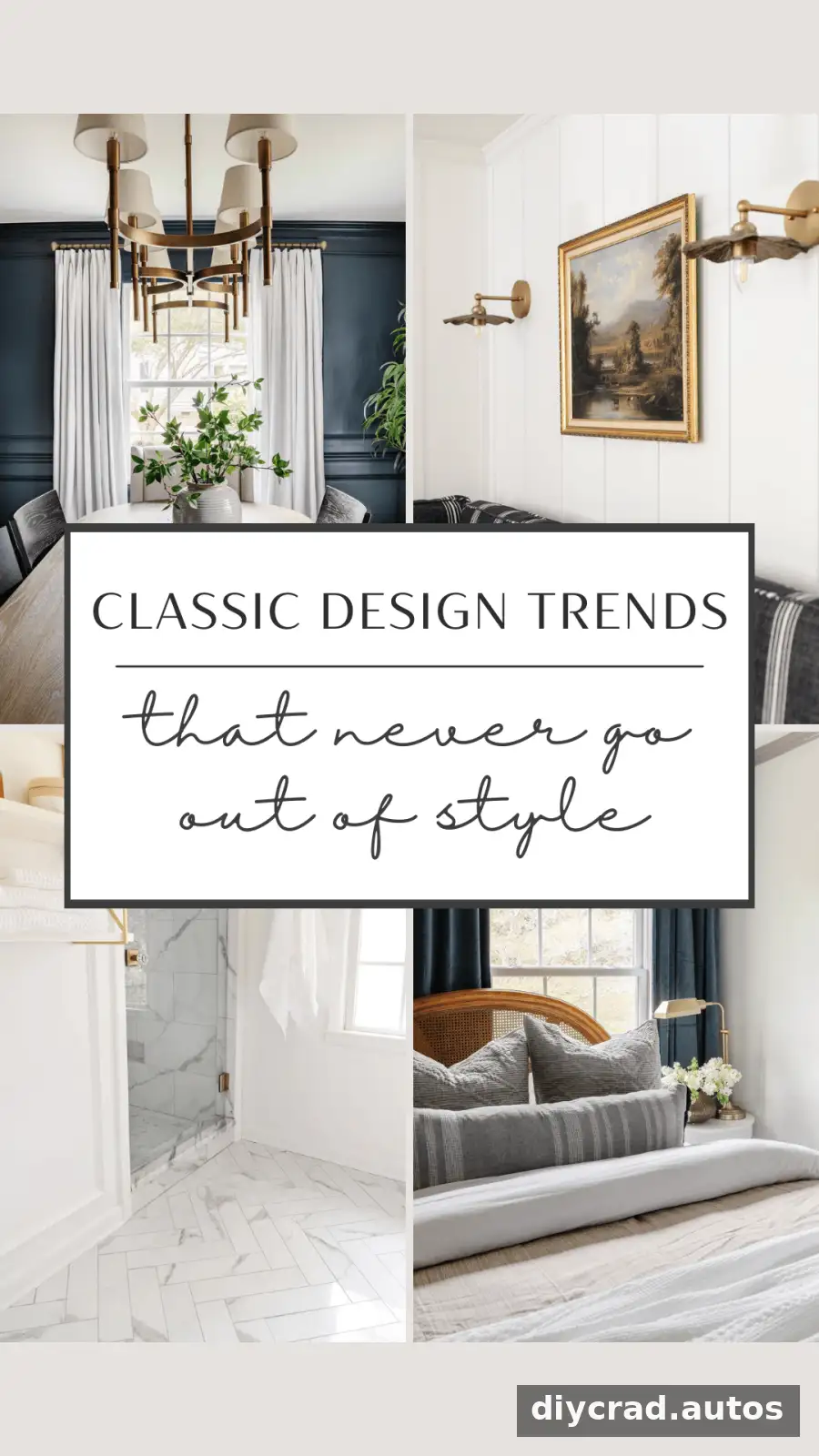
Classic interior design trends can help create a home that feels welcoming for years, without requiring a full makeover every time popular styles change. By choosing enduring materials, balanced colors, and practical furniture, you can build a flexible foundation and bring in newer looks through smaller, easier-to-update accents.
How Timeless Interior Design Saves Time, Money, and Waste
Frequently redecorating around short-lived styles can take time, cost money, and leave usable furnishings or materials behind. A timeless approach focuses on pieces that work together and can adapt as your preferences evolve. It does not mean every room must be minimalist or formal; the aim is to create a considered balance of styles, textures, and periods.
For example, a neutral room with well-made furniture can take on a different mood through cushions, lampshades, or artwork. These smaller details are generally easier to change than flooring, cabinetry, or a complete paint scheme. Before investing in a large update, consider whether the choice will still suit the room if your accessories change.
How to Transition Your Decorating Style
A change in home, lifestyle, or personal taste can make an existing decorating style feel less suitable. Rather than replacing everything at once, keep the pieces you still enjoy and introduce classic elements gradually. A traditional home, for instance, can accommodate contemporary lighting or simpler textiles without losing its character.
Start with one room or even one surface. Identify what works, what feels dated to you, and what would improve daily use. This gradual approach helps you avoid unnecessary purchases and gives you time to see how new choices fit into the whole home.
How Long Do Trends Last?
Fashion and interior design trends are often described as having an average cycle of about 10 years. This is a general estimate, not a guarantee: some looks remain popular longer, while highly distinctive styles may feel dated sooner. Simple shapes and versatile colors tend to be easier to live with as tastes change.
Timeless design is not about refusing every trend. Choose a trend because you genuinely like it, and consider testing it first in an easy-to-change form, such as a throw, a small accessory, or a paint sample. That makes it simpler to refresh a room without replacing its core features.
Classic Interior Design Trends That Stand the Test of Time
These ideas offer a practical starting point. Adapt them to your room, budget, and needs instead of treating them as a checklist; a home feels most enduring when its choices are both useful and personal.
1. High-Contrast Neutrals
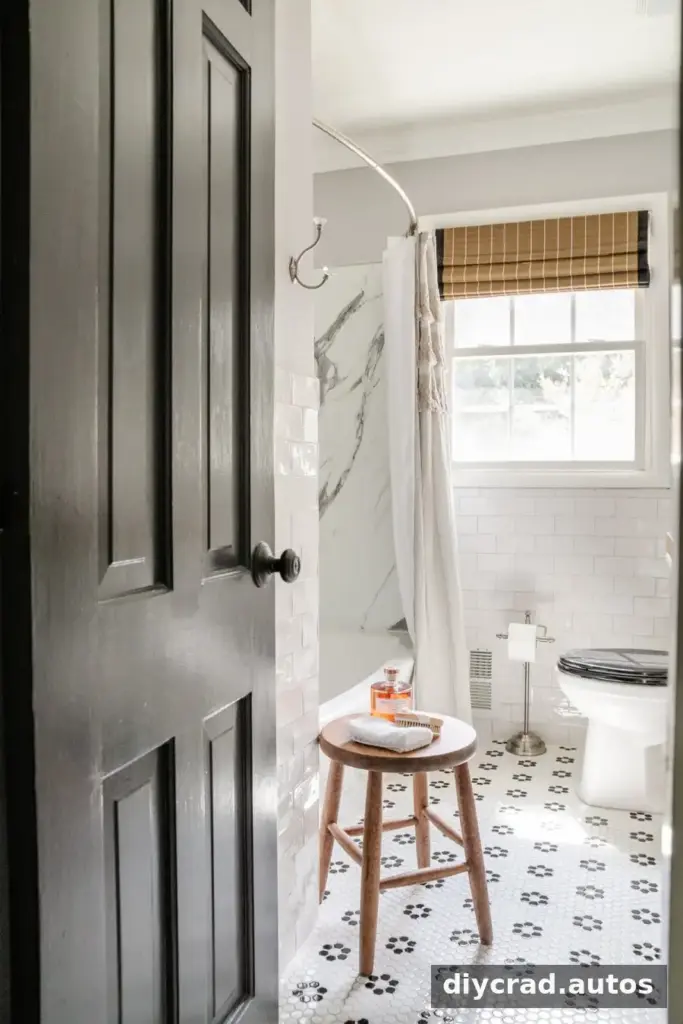
Black-and-white combinations can give a room definition, whether through tile, doors, walls, or wallpaper. Use contrast with care: a smaller room may feel more balanced with white walls and a few dark details than with large areas of both colors. Benjamin Moore Wrought Iron is used on painted interior doors in the original design example.
2. Plaid and Striped Fabrics
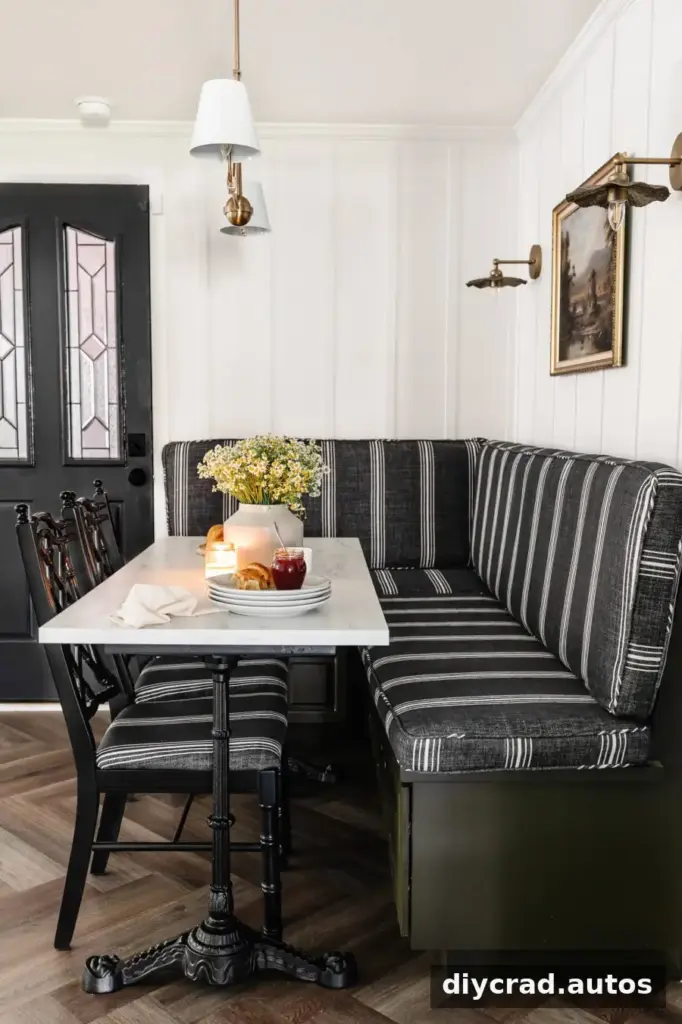
Plaids and stripes are longstanding patterns that can suit many decorating styles. Their colors can be updated over time, while the familiar patterns remain versatile. If mixing them, vary the scale—for example, pair a narrow stripe with a larger plaid—to keep the combination from looking overly busy.
3. Pinch-Pleat Linen Curtains
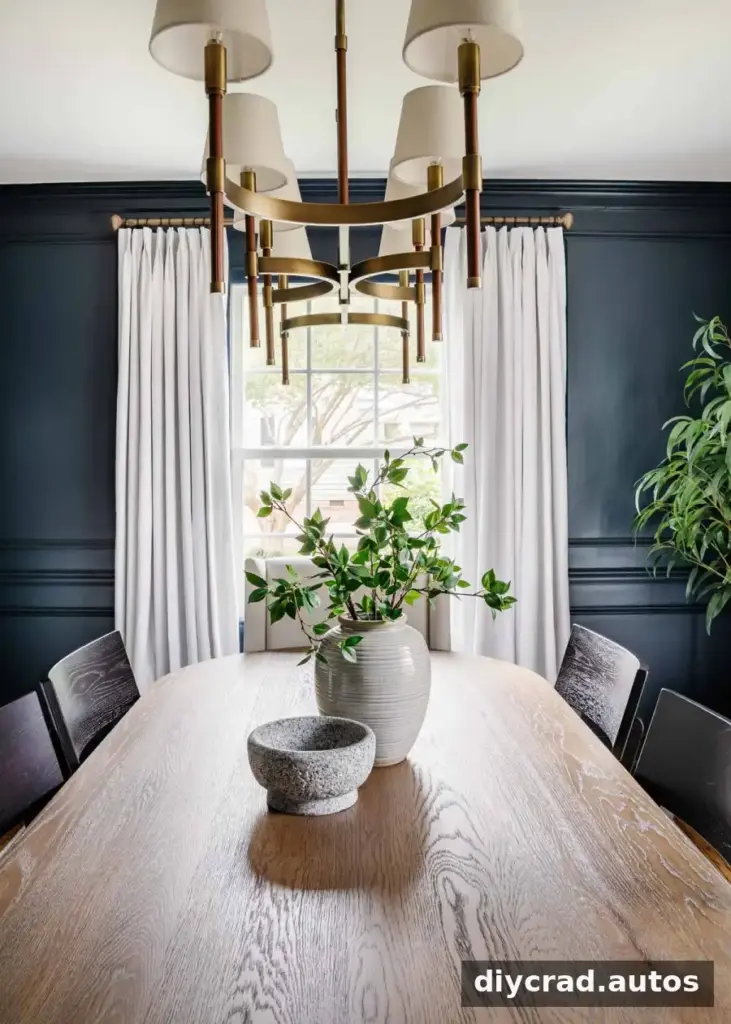
Linen is a natural-fiber fabric with a relaxed texture, and pinch pleats add a tailored finish. Full-length curtains can make windows feel taller. For a romantic look, allow a little fabric to rest on the floor; for a neater appearance, hem them so they just meet it. Measure from the curtain rod to the floor before choosing a length.
4. Marble and Marble-Look Finishes
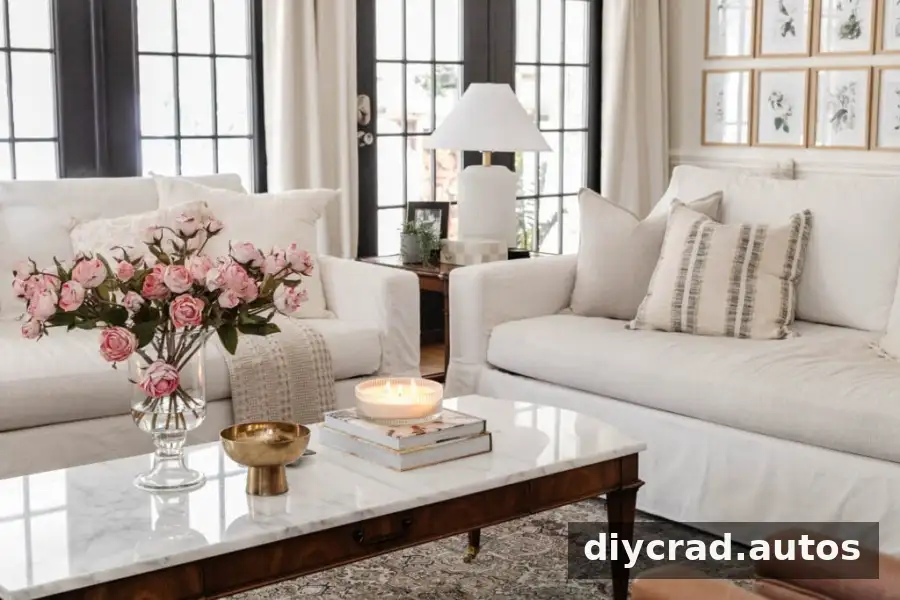
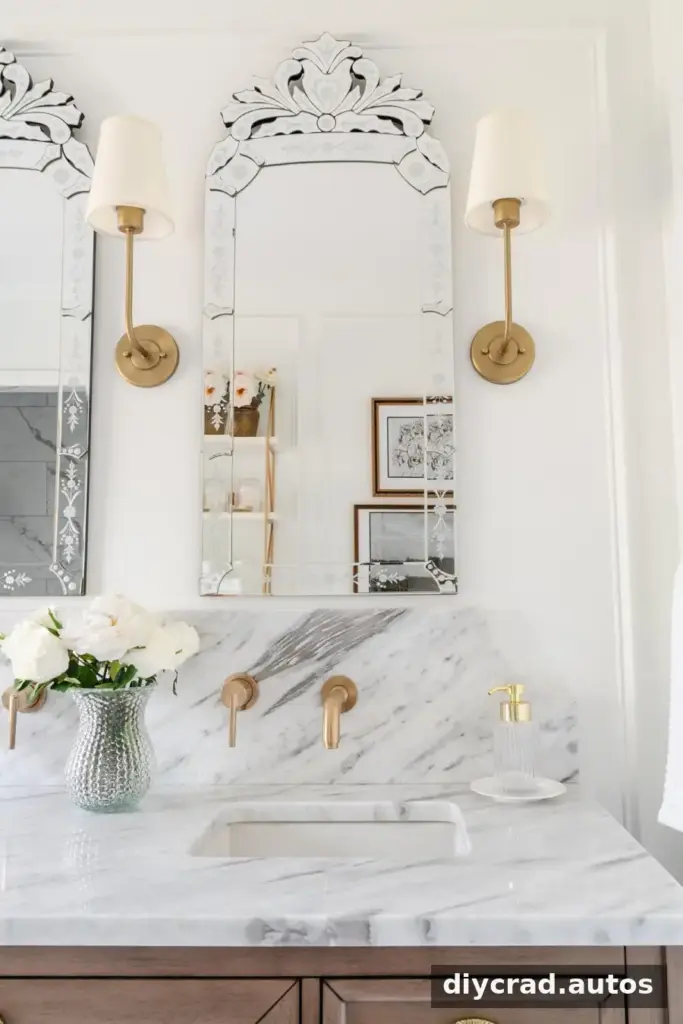
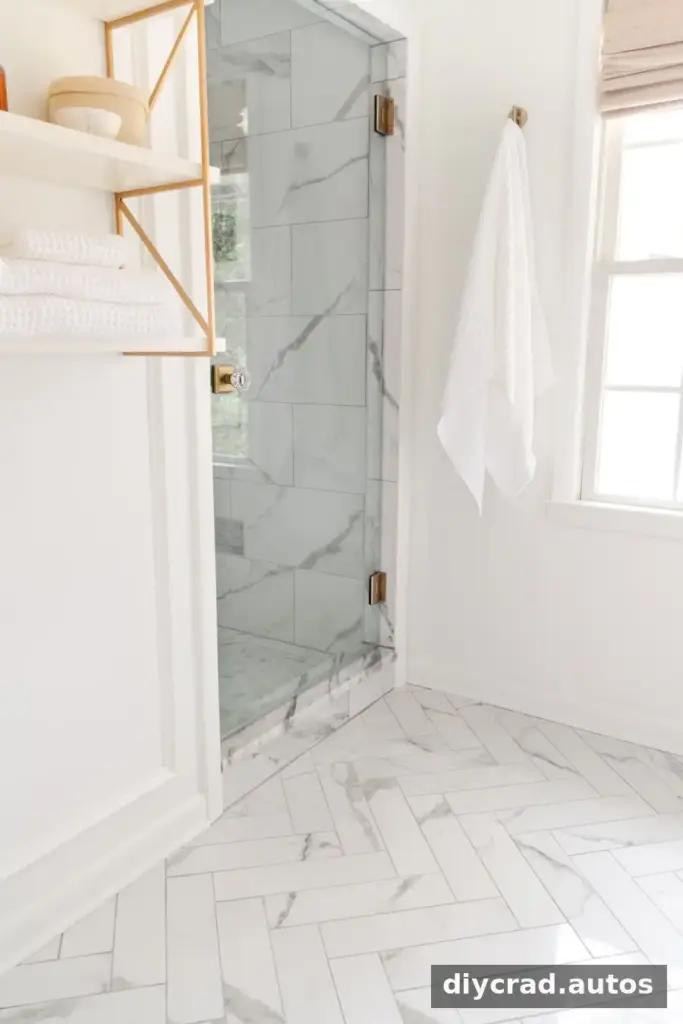
Marble can appear on floors, shower walls, countertops, furniture, or as a small decorative accent. Marble-look materials can offer a similar visual effect in different settings. Consider maintenance before selecting natural marble, particularly in areas exposed to spills or moisture, and check that any alternative is suitable for its intended use.
5. Traditional Molding
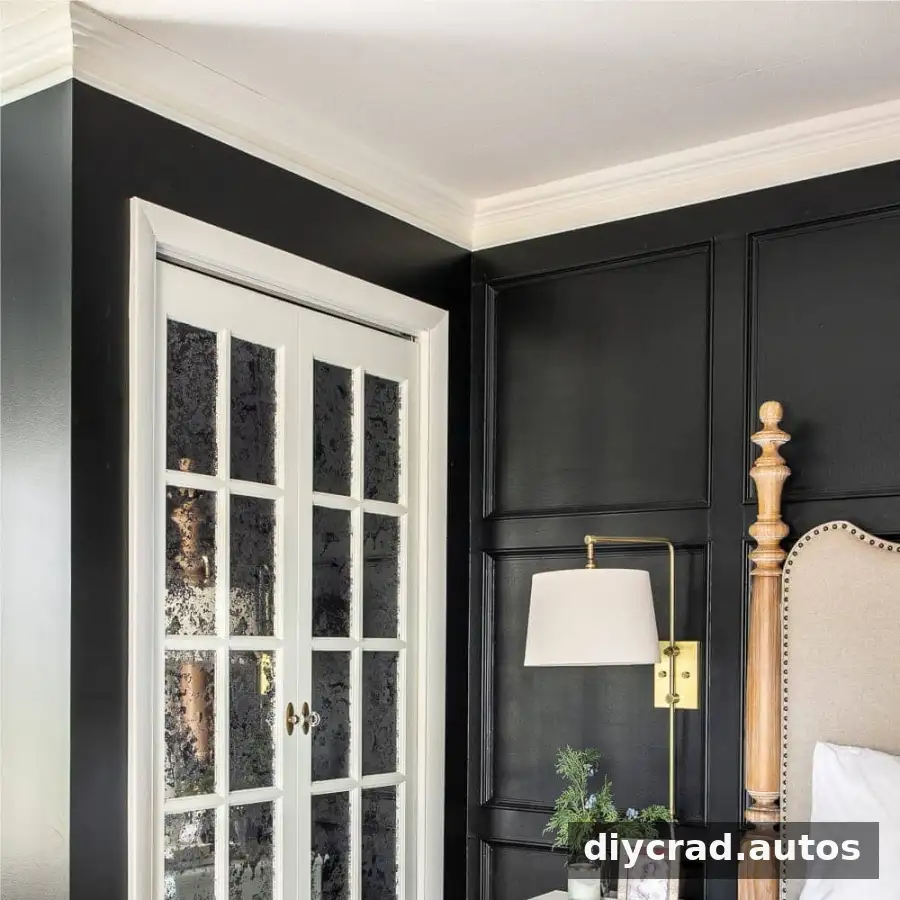
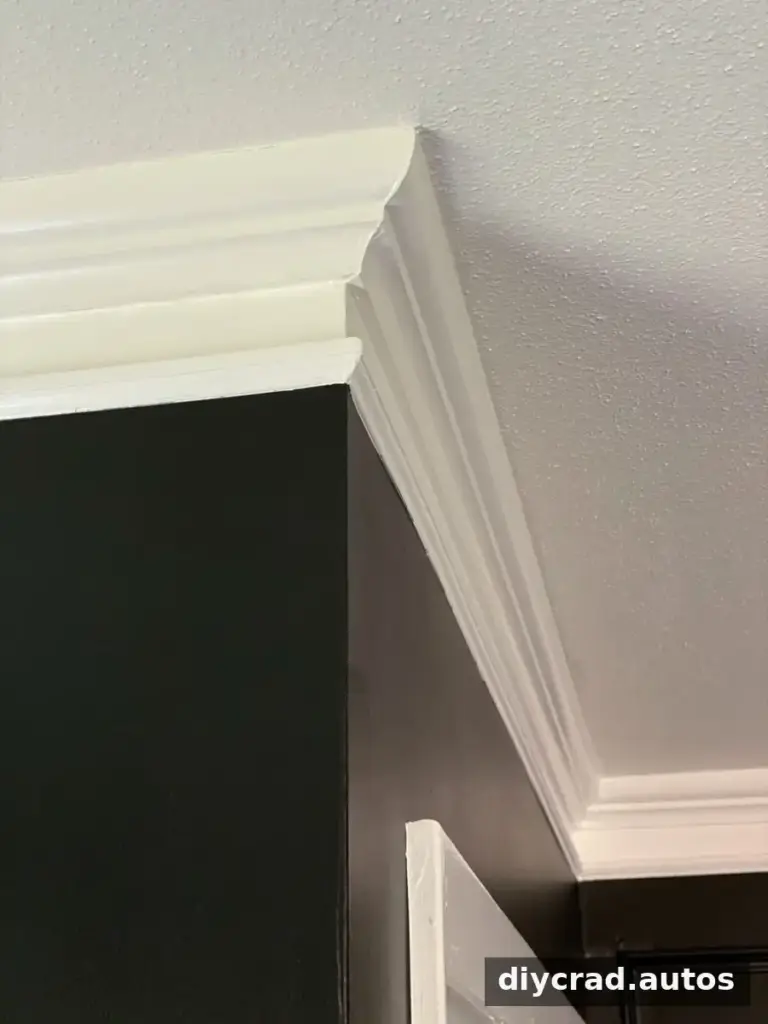
Crown molding and picture-frame wall molding can add architectural detail to a room. The right scale matters: oversized molding may overwhelm a small space, while very narrow trim can disappear on a large wall. Measure carefully and plan around doors, windows, and existing trim before installation.
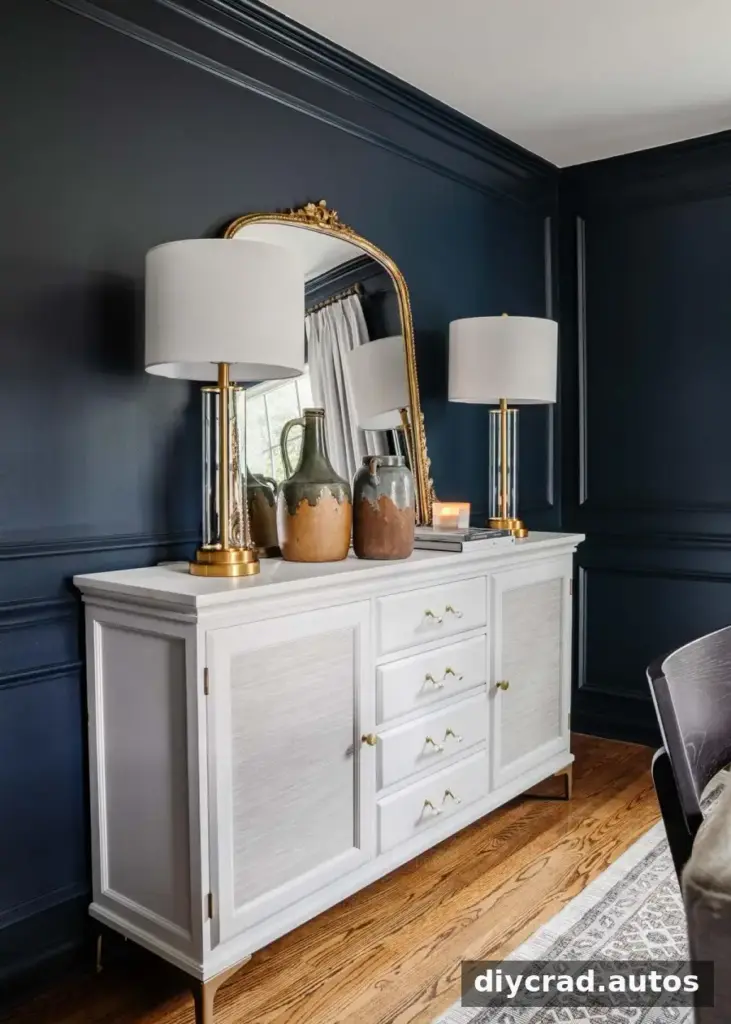
6. Gilded Mirrors
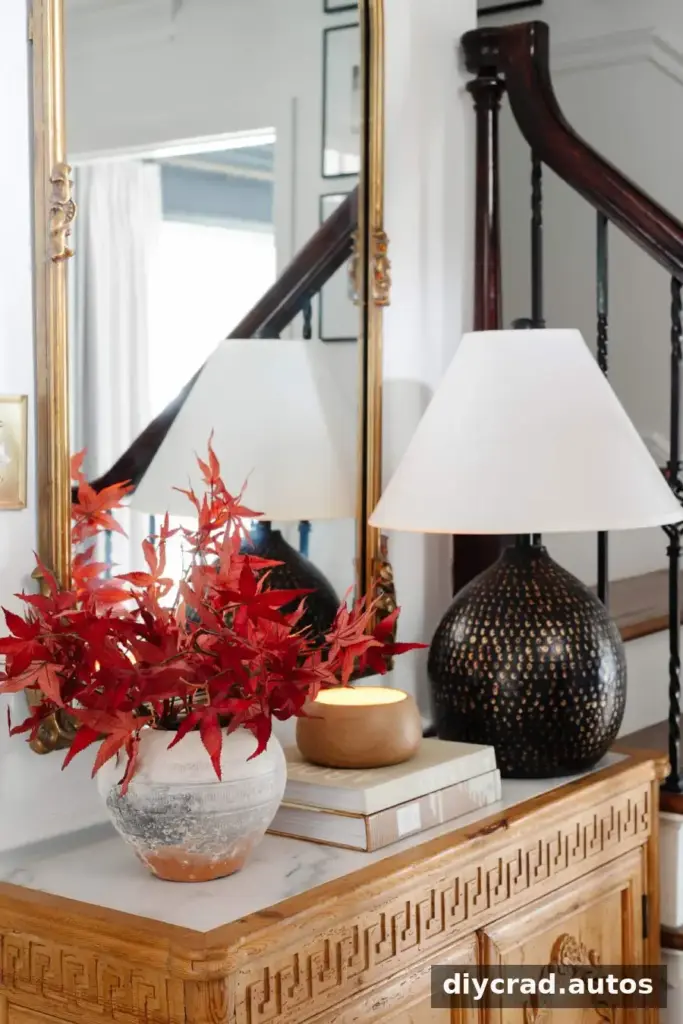
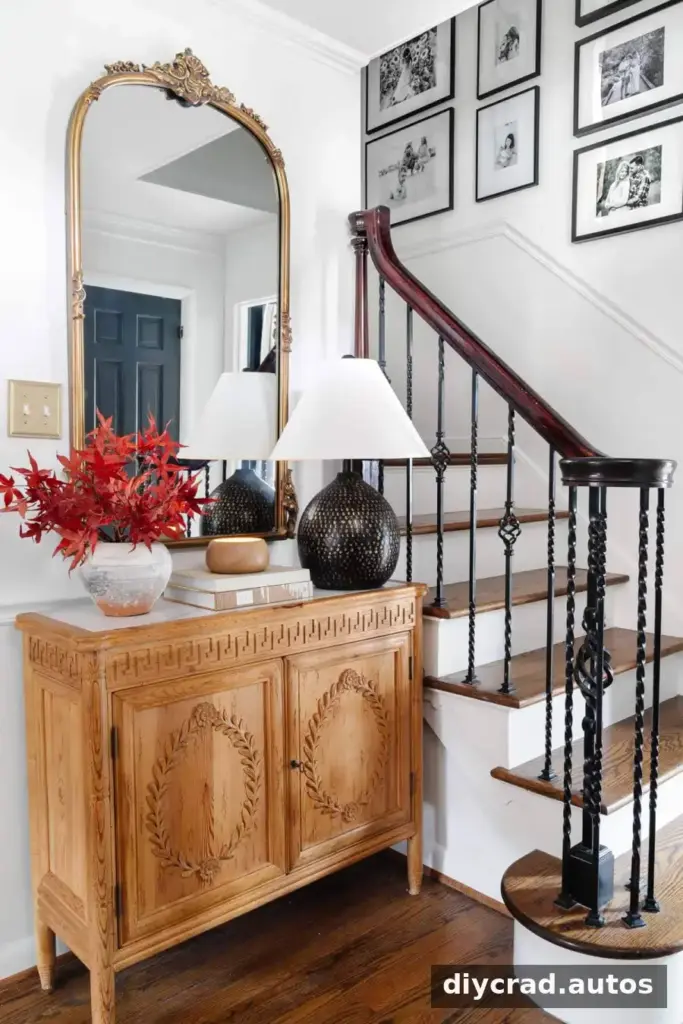
A gold-toned frame can bring warmth and traditional character to a mirror. Placing a mirror opposite or near a window may help distribute available daylight around a room, depending on the layout. Check the reflection and glare from likely viewing angles before settling on its position.
7. Vintage Furniture
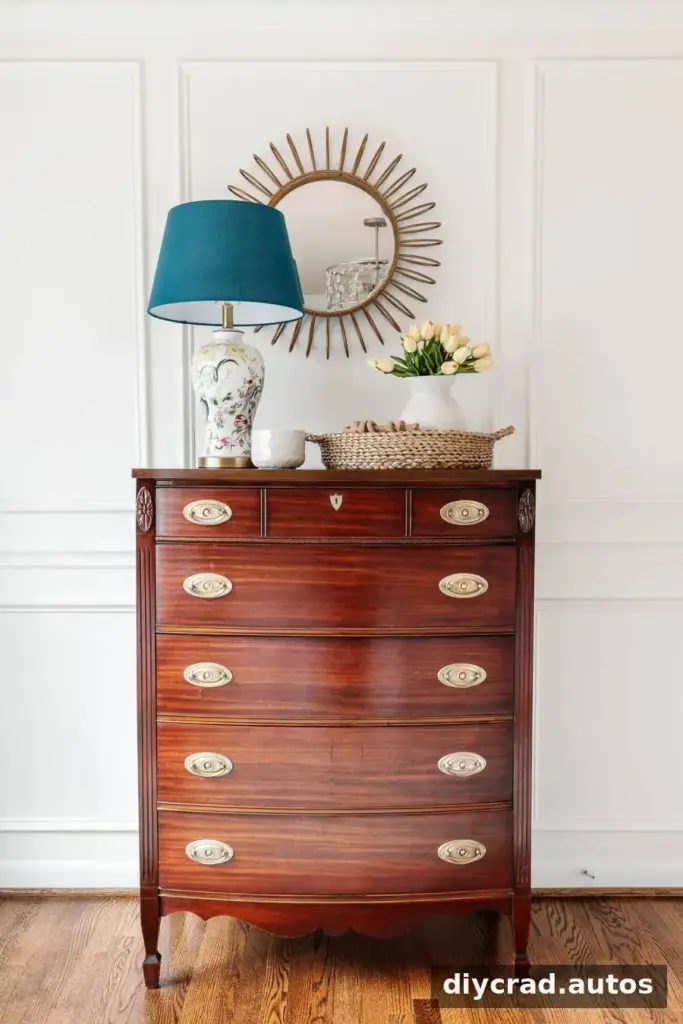
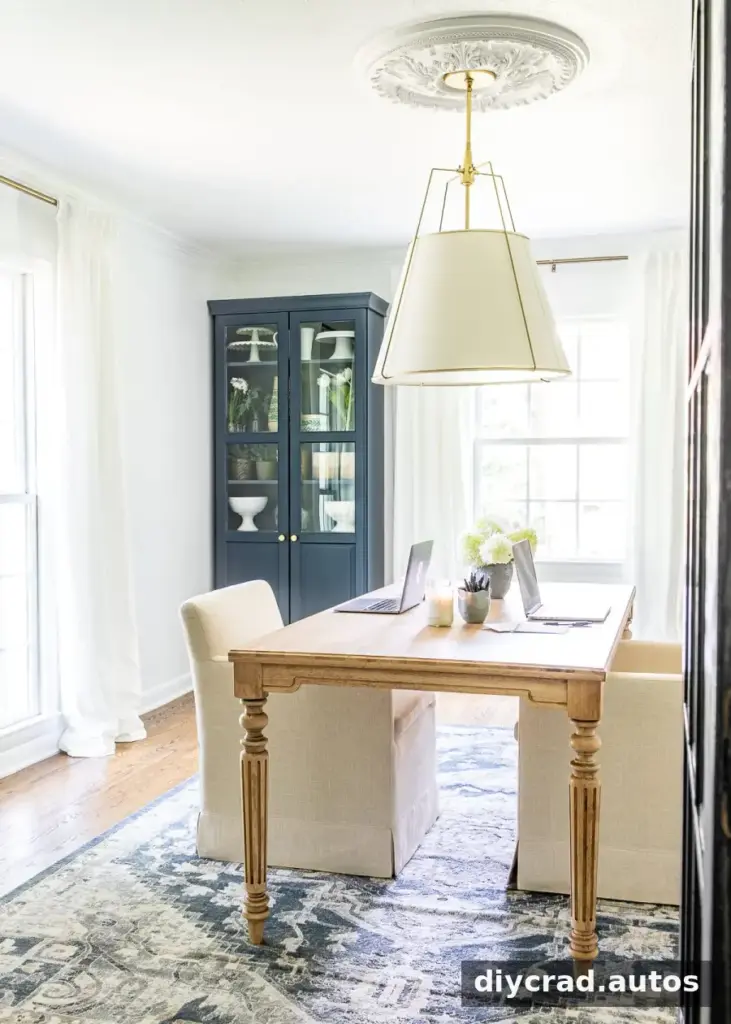
A solid-wood vintage dresser or dining table can add age and texture to a room, even alongside modern furnishings. Before buying secondhand, inspect the piece for stability, signs of pests, and damage. A single well-chosen vintage item can feel more intentional than filling a room with pieces from the same period.
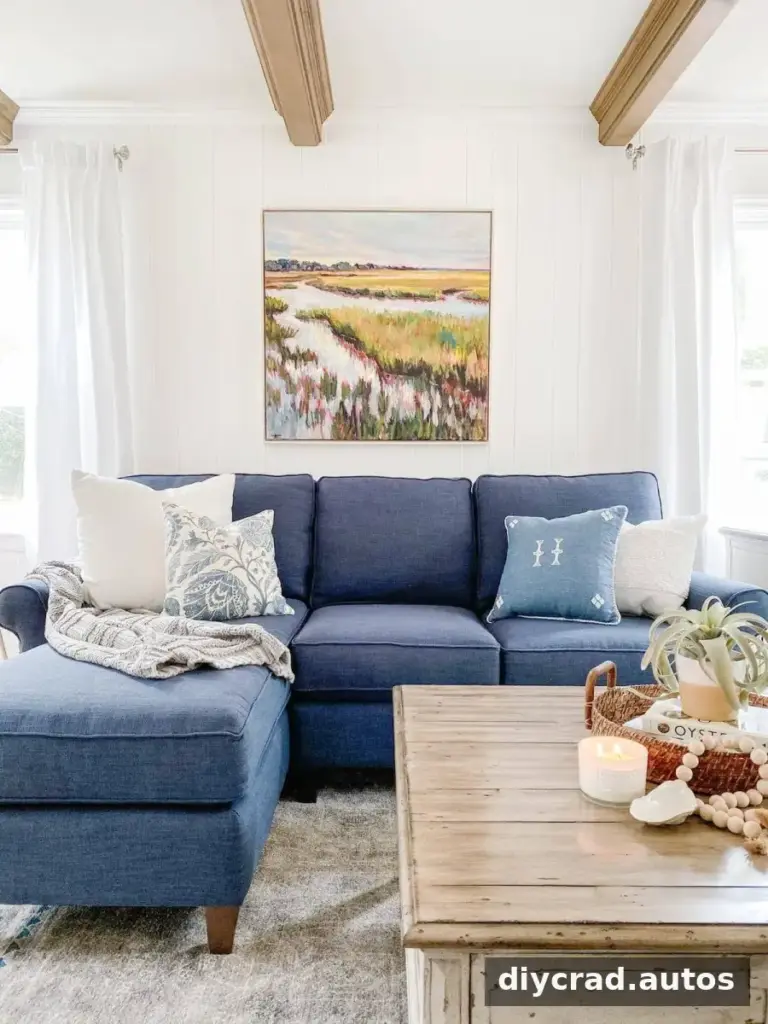
8. Neutral Walls
White and cream walls provide a flexible background for furniture, art, and colorful textiles. Sample paint colors on the wall and observe them at different times of day, since natural and artificial light can change how a shade appears. Add stronger colors through accents if you want a look that is easy to update.
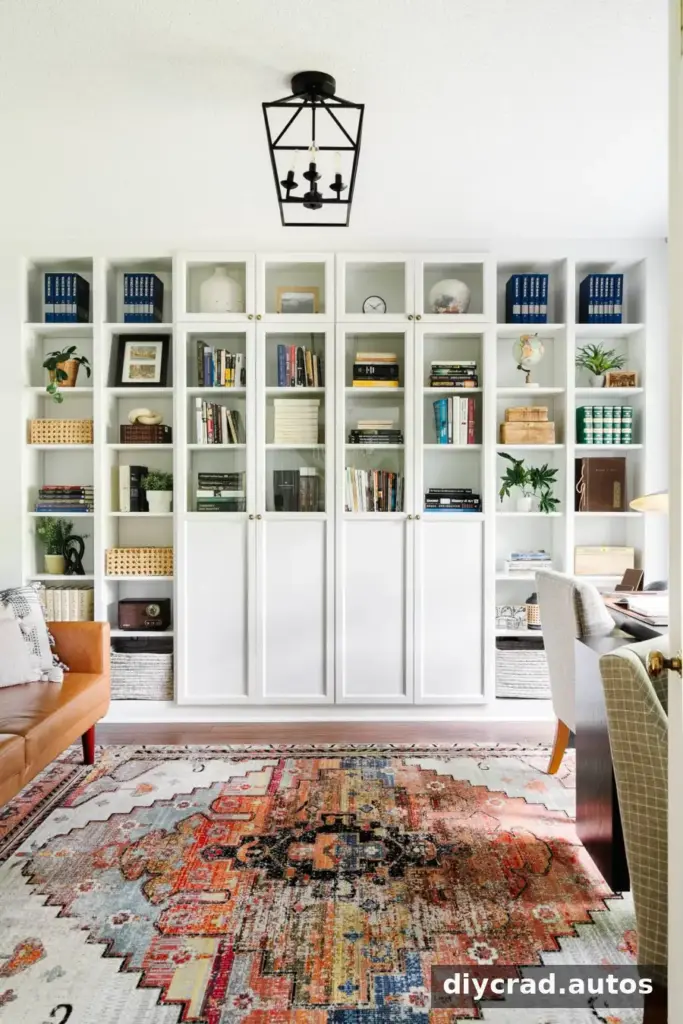
9. Built-In Shelves
Built-in shelving can use wall space efficiently and provide storage for books, baskets, and display items. Arrange a mix of practical storage and open display space so shelves do not feel crowded. If adding built-ins, consider how they will affect access to outlets, heating, and other features.
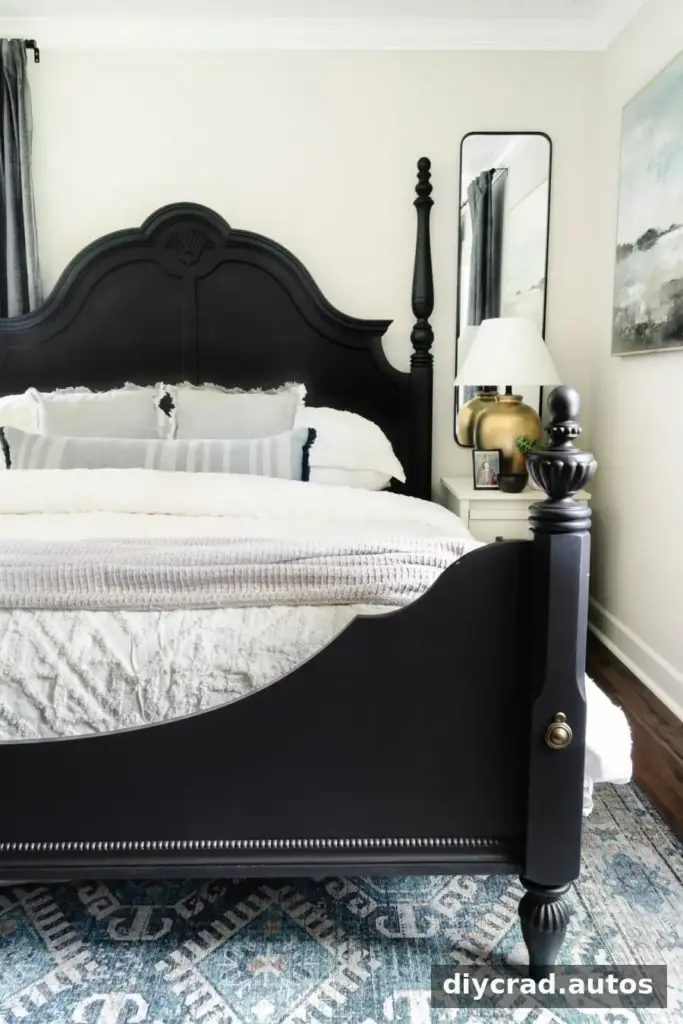
10. White Bedding and Towels
White linens coordinate easily with changing room colors and can create a clean, calm appearance. Follow the care label when washing; bleach is not suitable for every fabric, and mixing cleaning products can be hazardous. Keep a spare set available to make laundry days easier.
11. Navy Blue
Navy works as a deep neutral in many interiors and pairs well with white, wood, and a range of softer colors. Use it on a wall, a larger upholstered piece, or smaller accents depending on how much contrast the room can support. Test paint in place before committing, as lighting affects how dark blue appears.
12. Jute Rugs
Jute rugs bring natural texture and a warm, neutral base to a room. They can also be layered beneath a smaller patterned rug. Because jute is a natural fiber, check the care instructions and think about foot traffic, spills, and the rug’s intended location before choosing one.
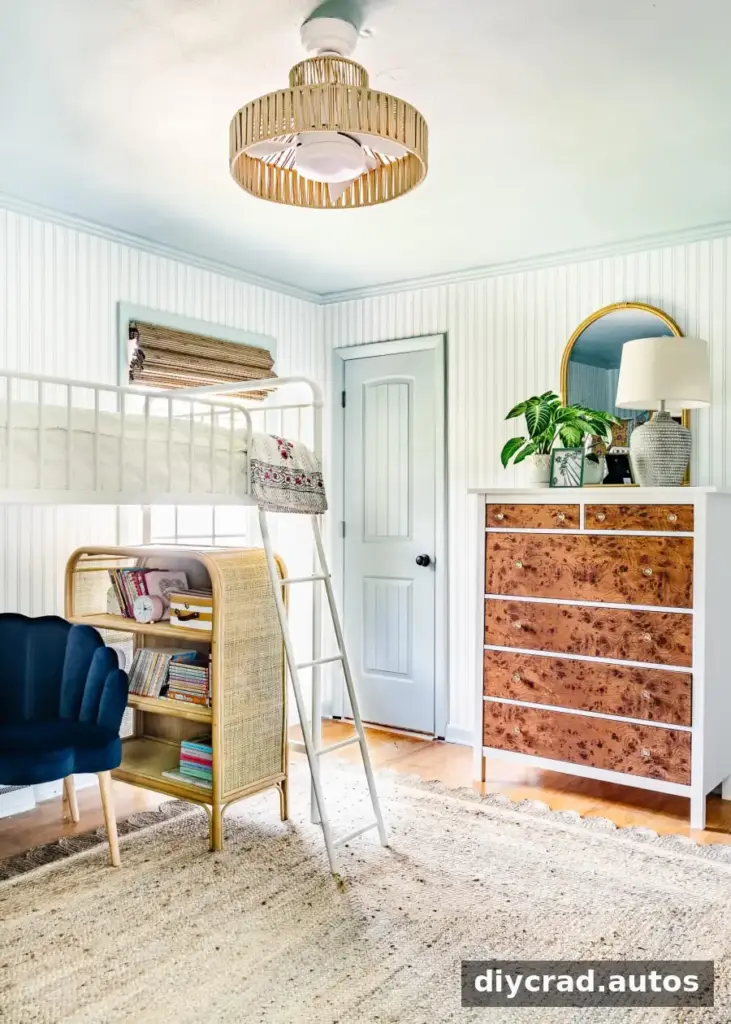
13. Calming Color Palettes
Light blues, earthy greens, and soft grays draw inspiration from the sky, plants, and water. These colors can create a restful atmosphere, especially when balanced with natural textures and comfortable lighting. Try samples alongside your flooring and furnishings so the finished palette feels cohesive.
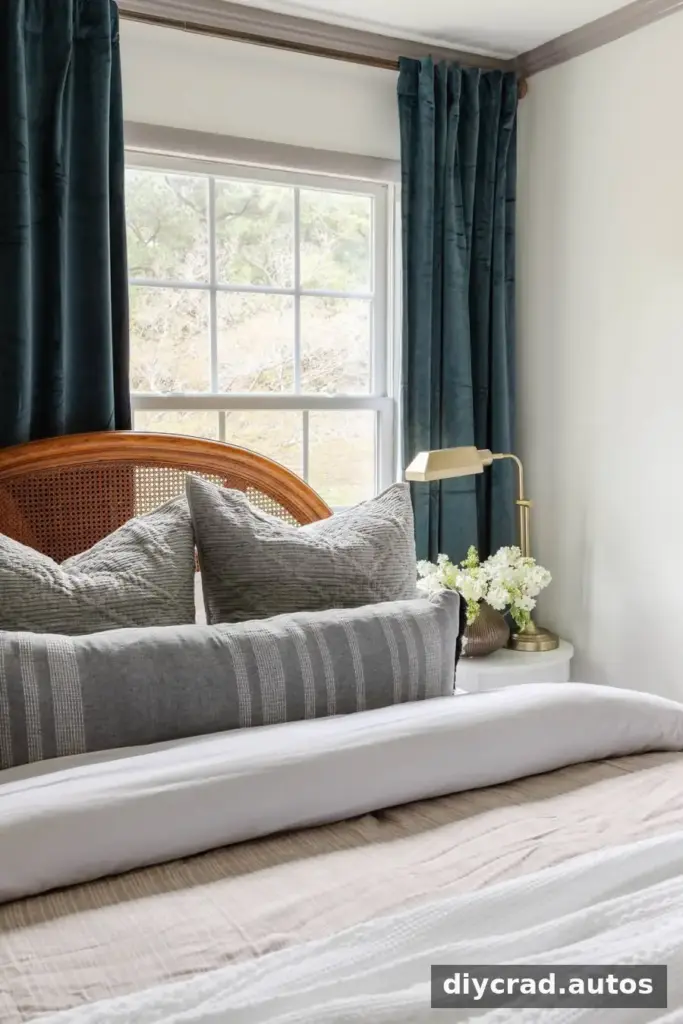
14. Blue-and-White Chinoiserie Ceramics
Blue-and-white ceramics are a familiar feature of traditional interiors and can also provide contrast in a modern room. Chinoiserie ceramics developed through cultural exchange and trade between Western Europe and China, becoming influential in European decorative arts from the 17th century onward. A single vase or bowl can introduce the look without making it dominate the room.
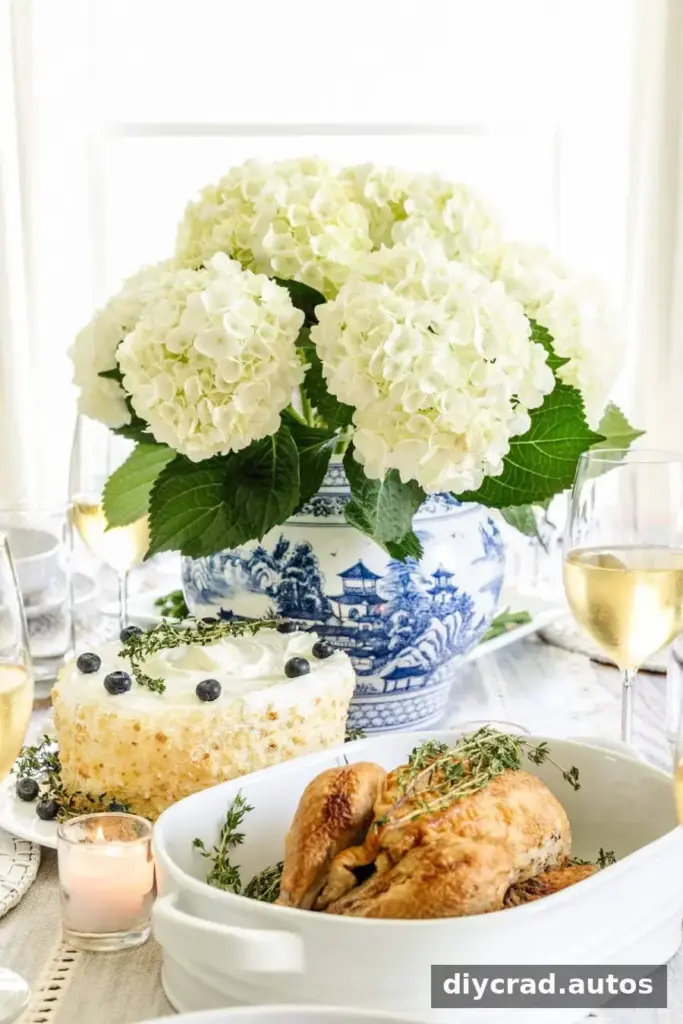
15. Medium-Brown Hardwood Floors
Medium-brown hardwood can provide a versatile base for a range of furniture and wall colors. A neutral brown with limited red, yellow, or blue undertones is less likely to dictate the rest of a room’s palette. The example flooring is red oak stained with Minwax Provincial. Test stain samples on the actual wood, since the species and existing finish affect the result.
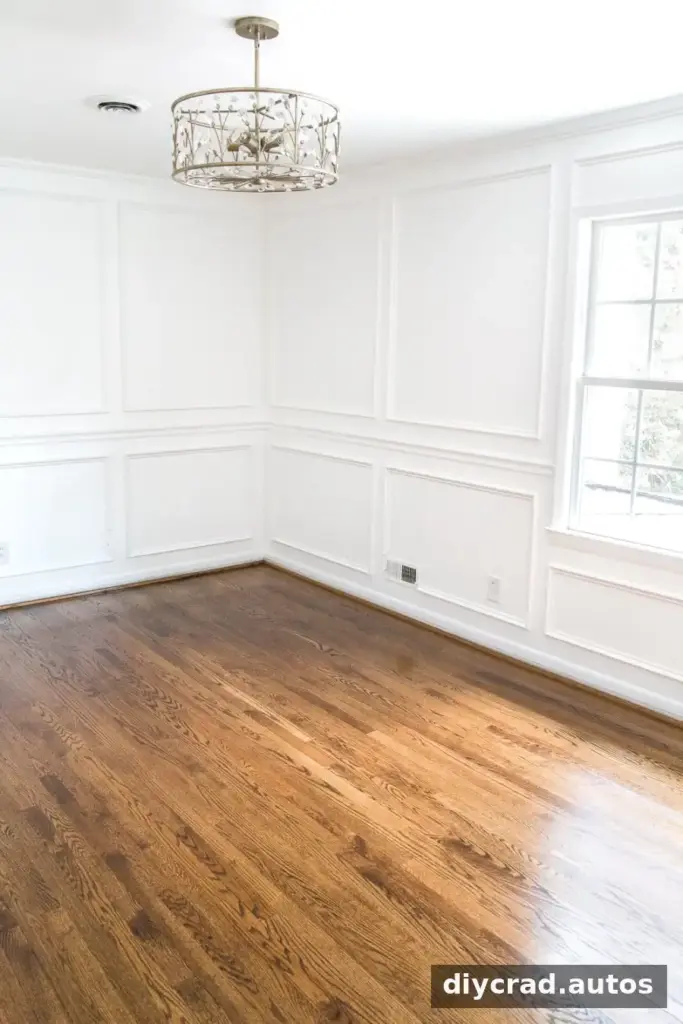
16. Clean Lines
Furniture with simple shapes and restrained detailing is often easier to combine with other styles. Clean lines do not have to mean a stark room: use upholstery, wood grain, rugs, and lighting to add softness and texture. Prioritize comfort and function alongside appearance.
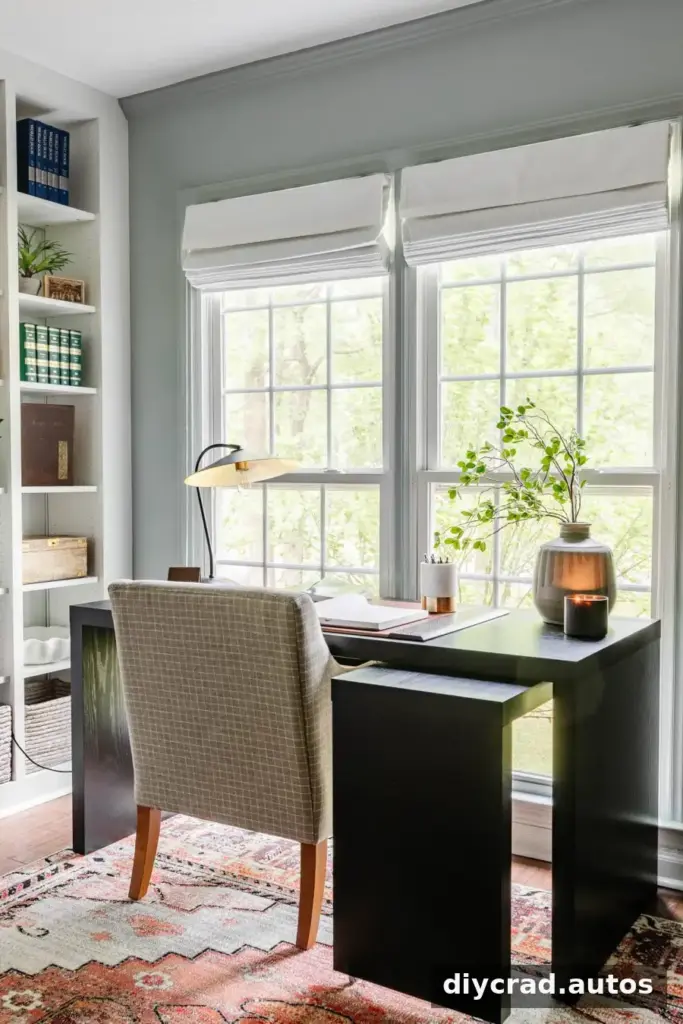
17. Subway Tile
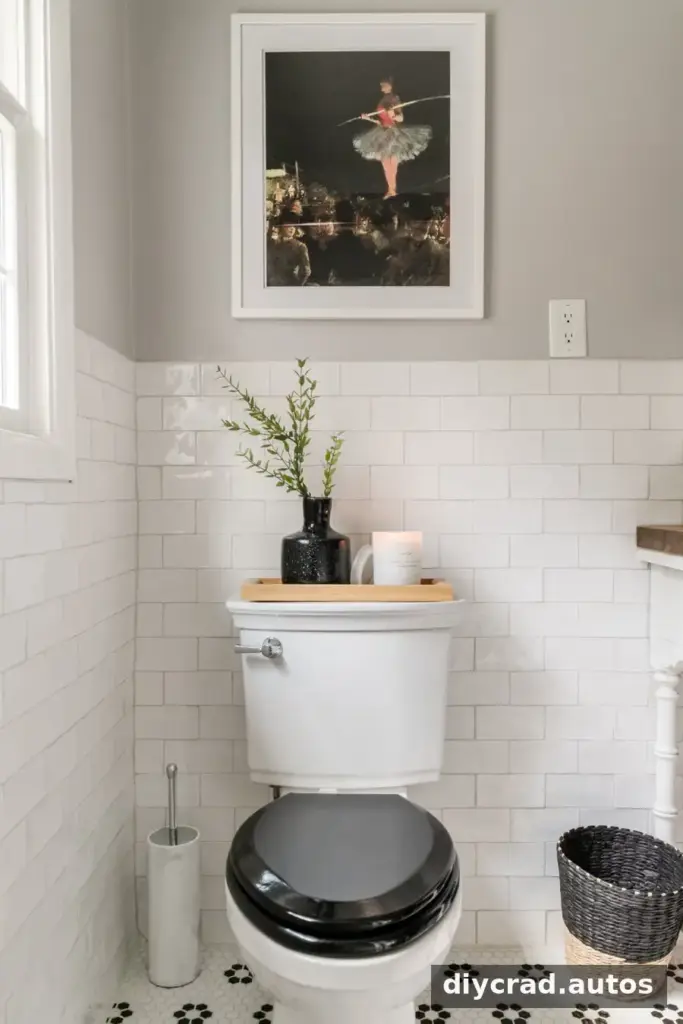
Subway tile became especially prominent in modern farmhouse interiors during the 2010s, but its simple rectangular shape has a much broader appeal. A traditional brick-set layout is a dependable option for kitchens, bathrooms, and laundry rooms. Grout color and tile size can noticeably change the overall effect, so review samples together before installation.
18. Herringbone Pattern
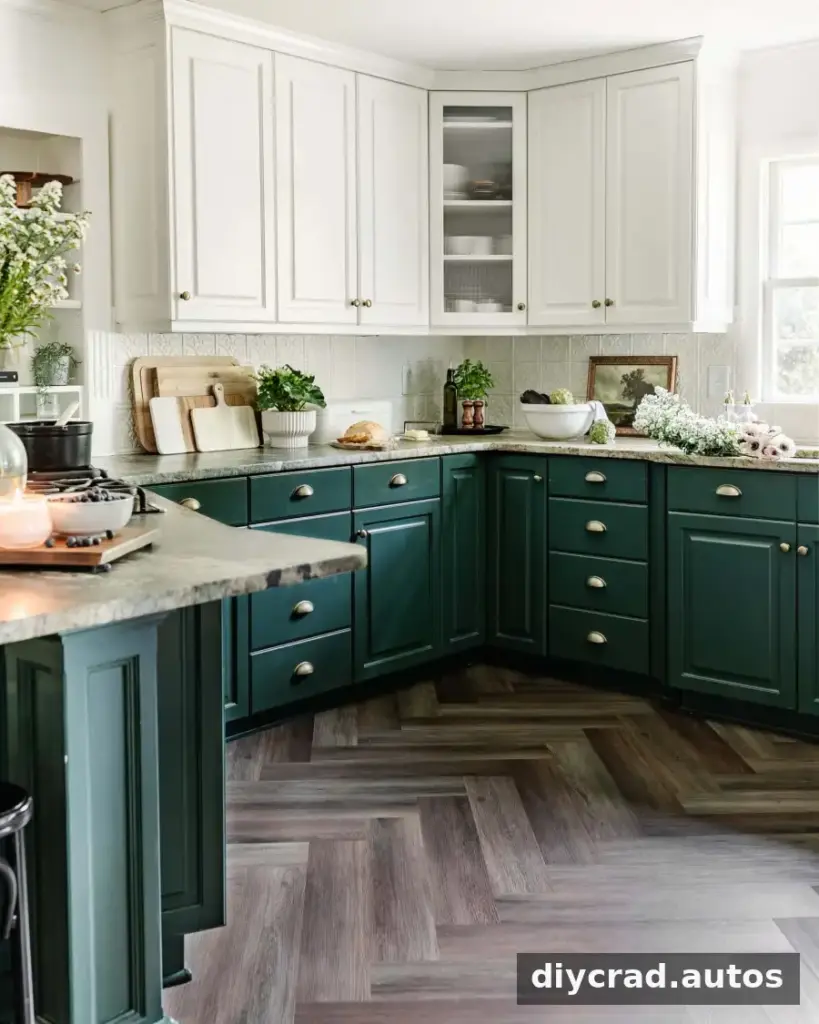
Herringbone can be used with hardwood, luxury vinyl plank (LVP), or tile to create movement without relying on a bold color. The pattern has historical precedents dating back to the Roman Empire. Because installation requires careful alignment and may involve more cutting, plan the layout and material needs before work begins.
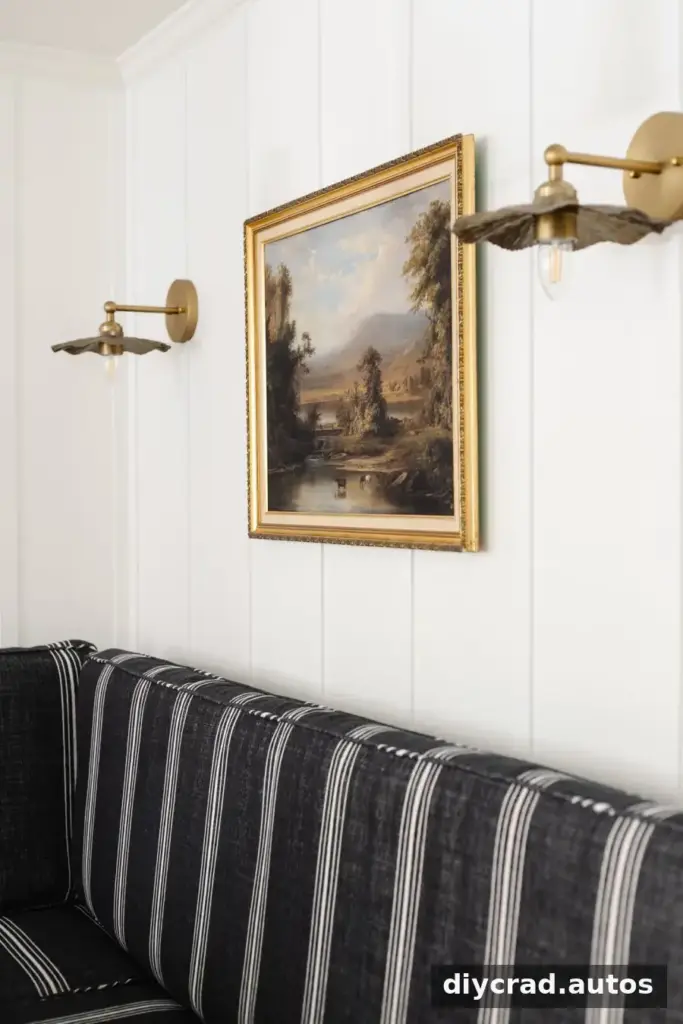
19. Gilded-Frame Paintings
Art in gilded frames can bring warmth and a sense of history to a room. Estate sales, antique shops, and thrift stores are possible places to look; prices and condition vary. When arranging framed art, consider the wall size and viewing height, and use appropriate fixings for the frame’s weight.
20. Personal Style
The most lasting room is one that reflects the people who live in it. You do not need to adopt every classic idea listed here, or avoid trends altogether. Choose colors, objects, and furniture because they suit your taste and daily life—not simply because they are currently popular.
Frequently Asked Questions
What interior design style is timeless?
Understated traditional and mid-century modern interiors are often considered enduring styles. Neutral foundations, functional furniture, and well-balanced proportions can make either approach easier to adapt as tastes change.
What wood tone is timeless?
Neutral medium-toned oak is a versatile choice, particularly when it has limited red, yellow, or blue undertones. Always compare samples with the room’s existing finishes, because lighting and surrounding colors affect how wood appears.
Conclusion
Classic interior design trends offer a way to create a home that is adaptable rather than tied to a single moment. Start with practical foundations—such as considered colors, useful storage, and furnishings you enjoy—then add personal details at your own pace. The best timeless choices are the ones that work for your home and continue to feel right to you.

