Timeless furniture can make a home feel considered and comfortable without requiring a complete redesign whenever decorating trends change. Classic shapes, practical details, and finishes that work with different color schemes help these pieces stay useful as your needs and style evolve.
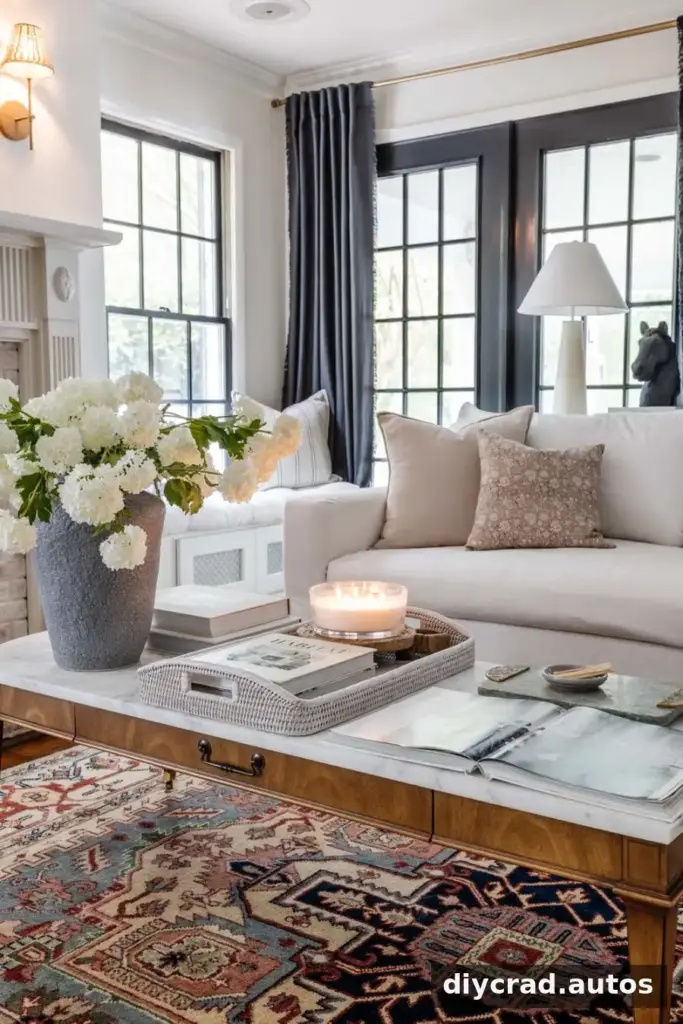
Choosing enduring furniture does not mean avoiding personality. It means investing in larger pieces with lasting appeal, then refreshing a room with smaller, easier-to-change details such as cushions, lamps, or decorative objects.
Why Timeless Furniture Is a Practical Choice
Well-chosen furniture can anchor a room and make it easier to change the surrounding decor. A simple sofa, sturdy dining table, or versatile storage piece may suit several decorating styles, from traditional to modern or eclectic.
Classic designs can also reduce the pressure to replace major items when a trend fades. Before buying, consider how the piece will function in your home, whether it can move to another room, and whether its size will still work if your needs change. Measure the room and doorways, and check that there is enough space to move around the furniture comfortably.
How to Choose Timeless Furniture
Look beyond appearance and assess how a piece is made and used. A timeless choice often has a recognizable silhouette, restrained details, and a finish that coordinates with other items. Natural wood tones, black, white, beige, and soft fabrics can be especially adaptable, though the best choice depends on your room and preferences.
- Prioritize a useful shape: Clean, balanced lines are generally easier to combine with different styles.
- Consider materials and construction: Check that the furniture feels stable and that its materials suit how frequently it will be used.
- Think about maintenance: Choose upholstery and finishes that fit your household’s cleaning needs.
- Plan for flexibility: A versatile piece should make sense in your current room and have potential to work elsewhere.
Neutral colors are not a requirement. A distinctive color or finish can still be a lasting choice if you genuinely like it and can picture it working with more than one decor scheme.
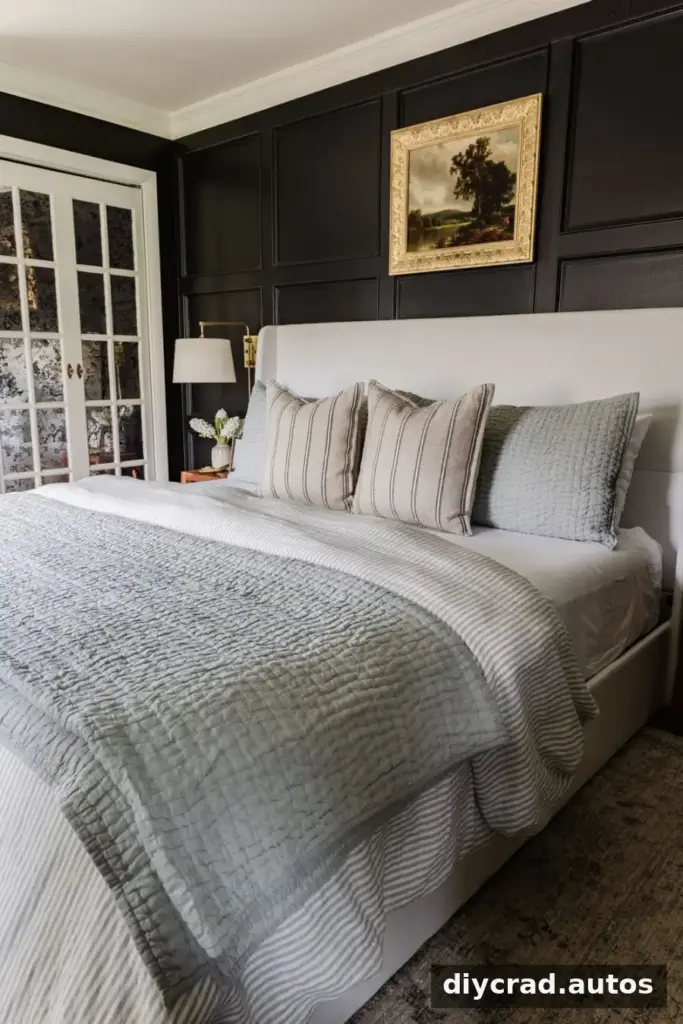
Timeless Bedroom Furniture
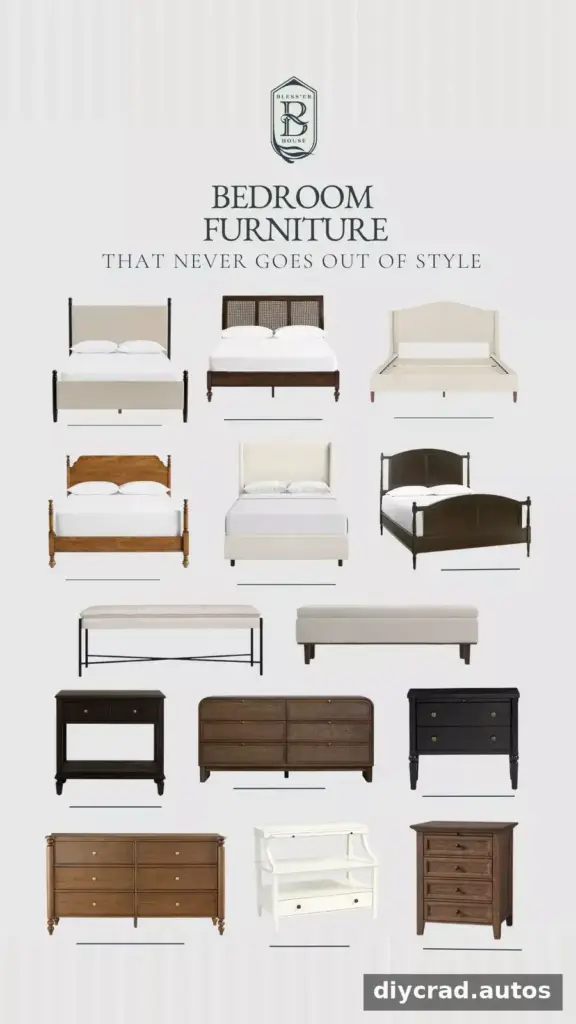
In a bedroom, prioritize comfort, storage, and proportions. A structured headboard can give the bed a finished look, while a dresser with a straightforward shape can remain useful through changing layouts. For smaller rooms, measure carefully and consider whether bedside furniture leaves enough space to walk around the bed.
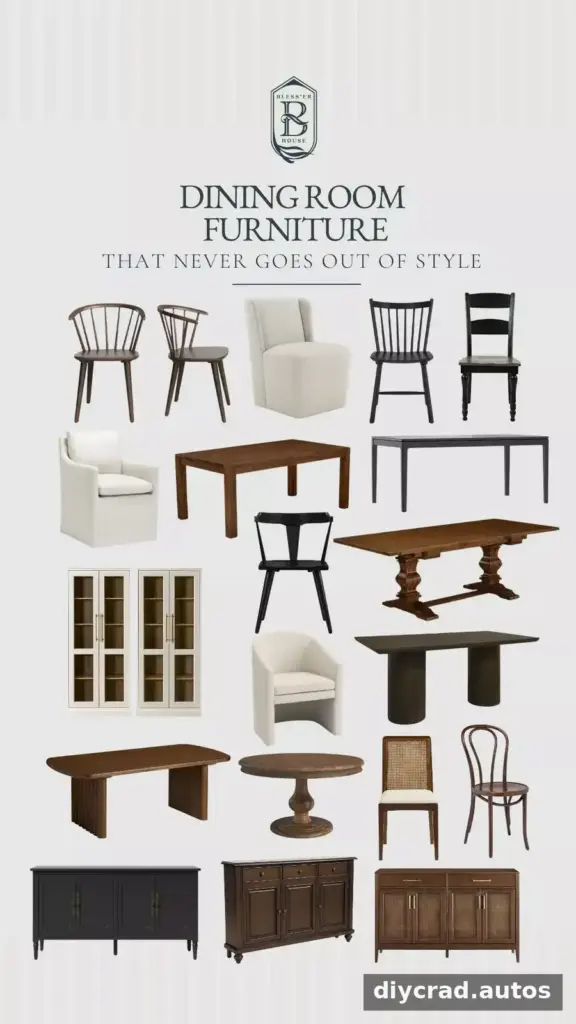
Timeless Dining Room Furniture
Dining furniture should suit both everyday meals and the number of people you regularly host. Classic table forms, including pedestal and trestle styles, offer different base designs; check the leg placement and available seating before deciding. Chairs should fit comfortably beneath the table and be practical to move.
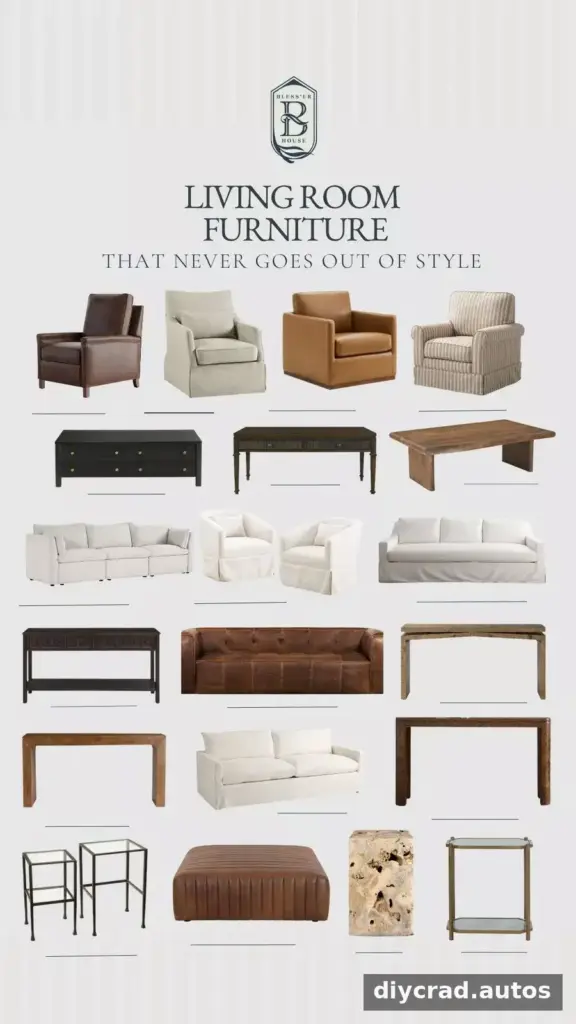
Timeless Living Room Furniture
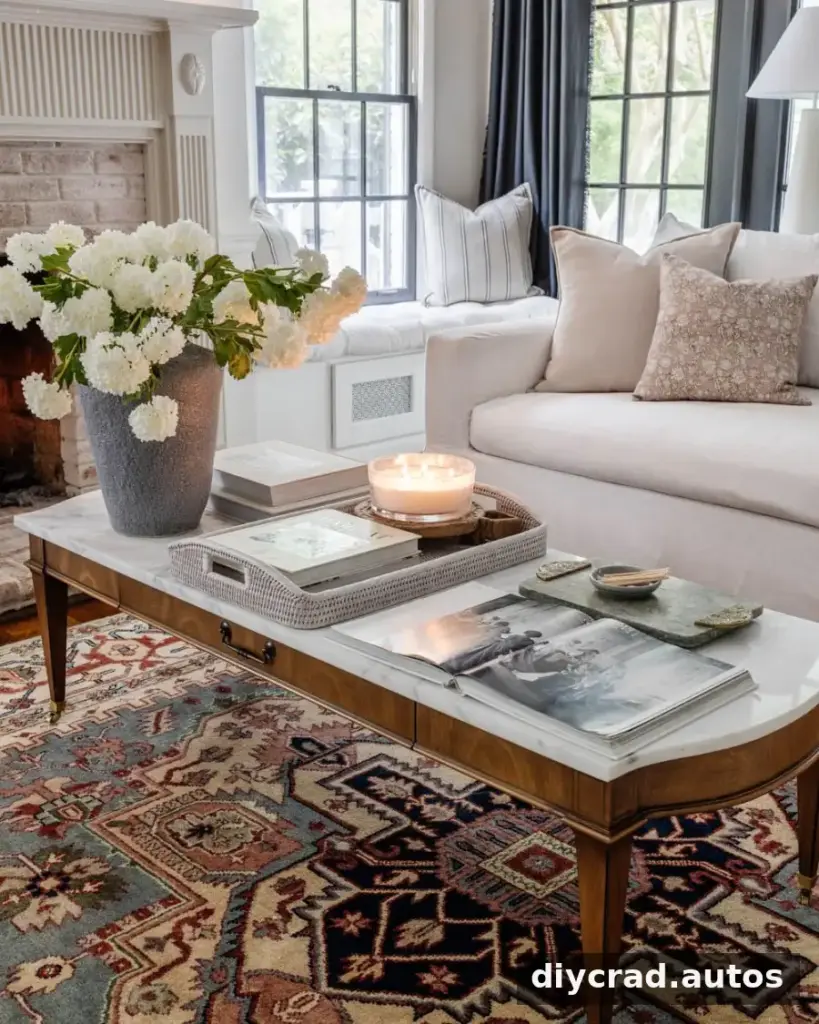
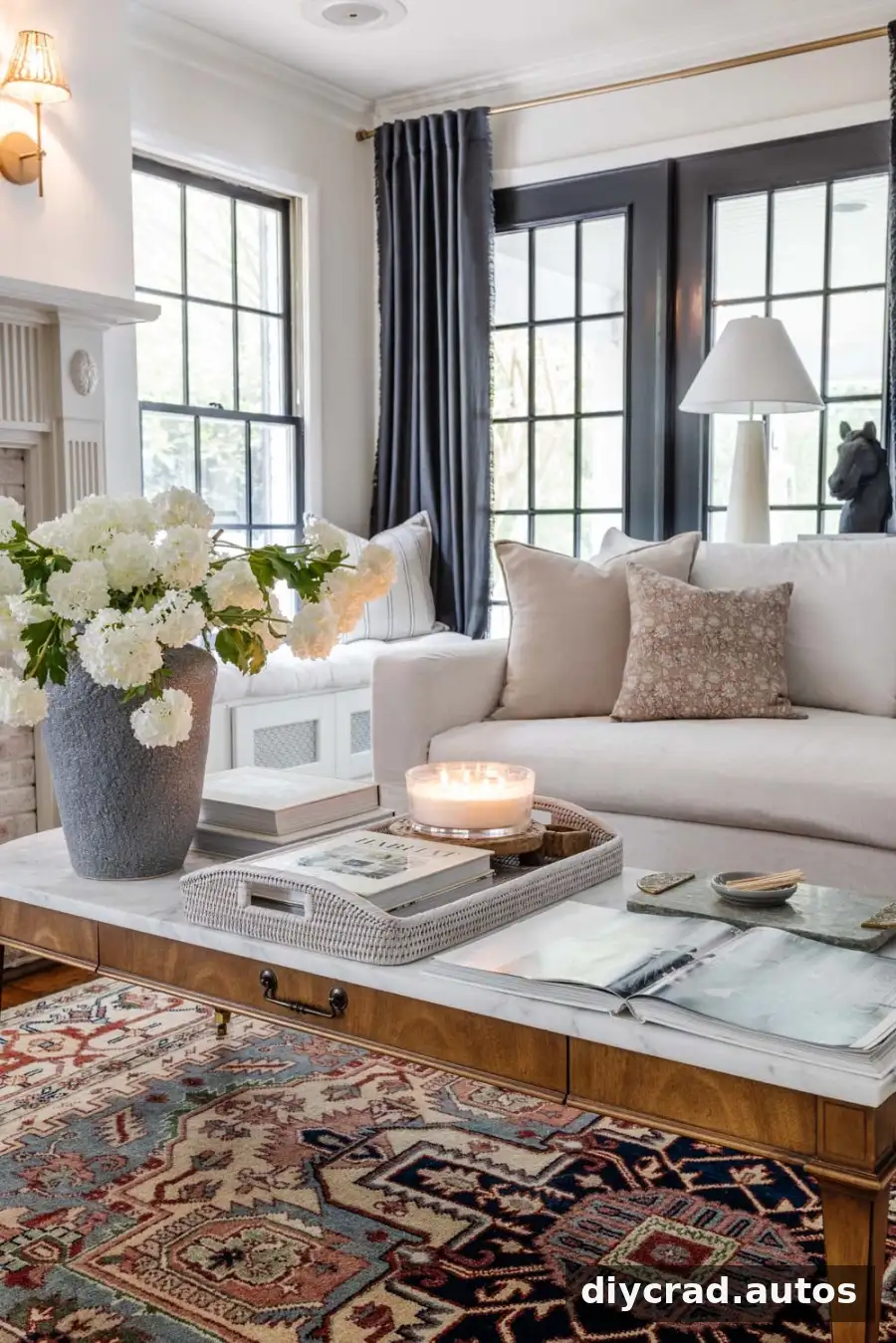
For a living room, choose seating that supports the way the space is used, whether that means conversation, reading, or relaxing. A sofa with a familiar outline can pair with changing cushions and throws. Before ordering, compare the furniture’s dimensions with the room and make sure it can pass through entrances and hallways.
26 Classic Furniture Pieces to Consider
These established furniture styles cover seating, storage, and dining. Their suitability depends on the room, scale, and finish, so use the descriptions as a starting point rather than a fixed decorating formula.
- Chesterfield sofa: Recognized by its tufting, rolled arms, and structured form; it can bring a formal note to a sitting room.
- Wingback chair: A high-backed chair with side panels that creates a defined spot for reading or conversation.
- Farmhouse dining table: A substantial wooden table with a welcoming, informal character.
- Parsons table: A simple, straight-lined table that can suit a variety of interiors.
- Trestle table: A dining table supported by end bases connected by a central stretcher.
- Mid-century modern dresser: Often designed with streamlined wood surfaces, tapered legs, and minimal hardware.
- Tufted ottoman: A padded piece that can serve as a footrest or, with a suitable tray, an alternative coffee-table surface.
- Canopy bed: A bed frame with an overhead structure that adds height and definition to a bedroom.
- Four-poster bed: A classic bed shape with a post at each corner, available in both traditional and simpler designs.
- Secretary desk: A compact desk, often with a fold-down work surface and storage compartments.
- Windsor chair: A chair with a curved seat and a back formed from slender spindles.
- Slipcovered sofa: A relaxed seating option with a removable cover; check care instructions before choosing a fabric.
- Roll-arm sofa: A sofa with gently rounded arms and a familiar, comfortable profile.
- Library bookcase: A tall book-storage piece that can also display objects and framed photographs.
- Pedestal table: A table supported by a central base, useful where corner legs might limit seating.
- Ladder-back chair: A chair with horizontal back rails that suits rustic and traditional settings.
- Camelback sofa: A sofa distinguished by a gently arched back.
- Demi-lune table: A half-moon-shaped table that can sit against a wall or in an entryway.
- Louis XVI chair: A French-inspired chair style often featuring an oval back and fluted legs.
- Slipper chair: A low, armless chair that can fit into compact spaces or beside other seating.
- Antique trunk or blanket chest: A characterful storage piece that may also work as a bench or occasional table.
- Glass-front cabinet: A display cabinet that keeps dishes, books, or collectibles visible while contained.
- Armoire or wardrobe: Freestanding storage that can provide a substantial alternative to built-in closets.
- Nesting tables: A set of tables that fit together when not in use and separate when extra surfaces are needed.
- Étagère: An open shelving unit that offers display and storage without a fully enclosed cabinet.
- Club chair: A deep, low-profile chair suited to a reading corner or relaxed seating area.
Make Classic Pieces Feel Current
Timeless furniture does not have to make a room feel formal or old-fashioned. Combine classic shapes with contemporary lighting, colorful textiles, or personal objects to create a space that feels current. Smaller accessories are usually easier to update than large furniture, so they offer a practical way to experiment with new colors and trends.
When comparing options, focus on comfort, dimensions, construction, and how well each piece fits your everyday routine. The best timeless furniture is not simply a familiar design; it is furniture you can use comfortably and adapt as your home changes.