Preparing a few postpartum recovery essentials before a baby arrives can make the first weeks at home more manageable. Recovery looks different for everyone, so think of this list as a set of options—not a checklist you have to complete. A care team can help you decide which items are appropriate after a vaginal birth, a C-section, or when feeding plans change.
Comfort, easy access to water and snacks, and practical help around the house can matter as much as products. If you are buying a gift for a new parent, consider asking what would be useful and choosing items that do not assume a particular feeding method or recovery experience.
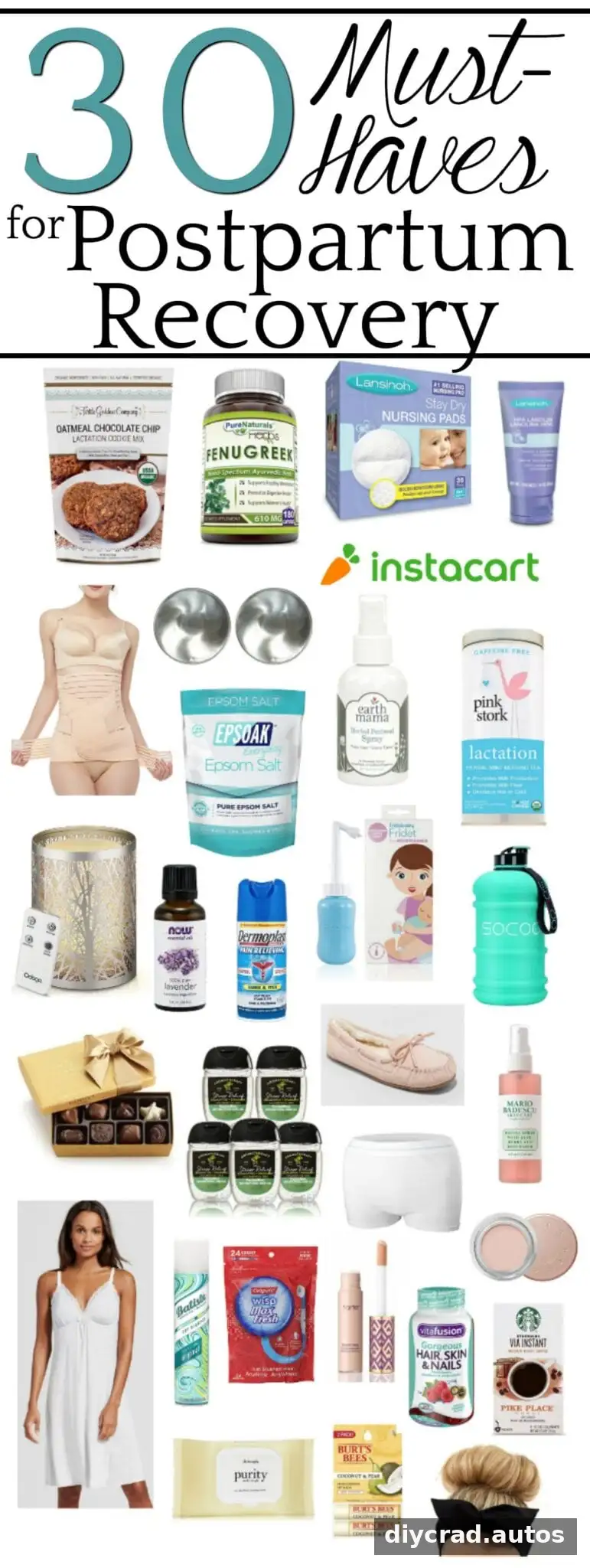
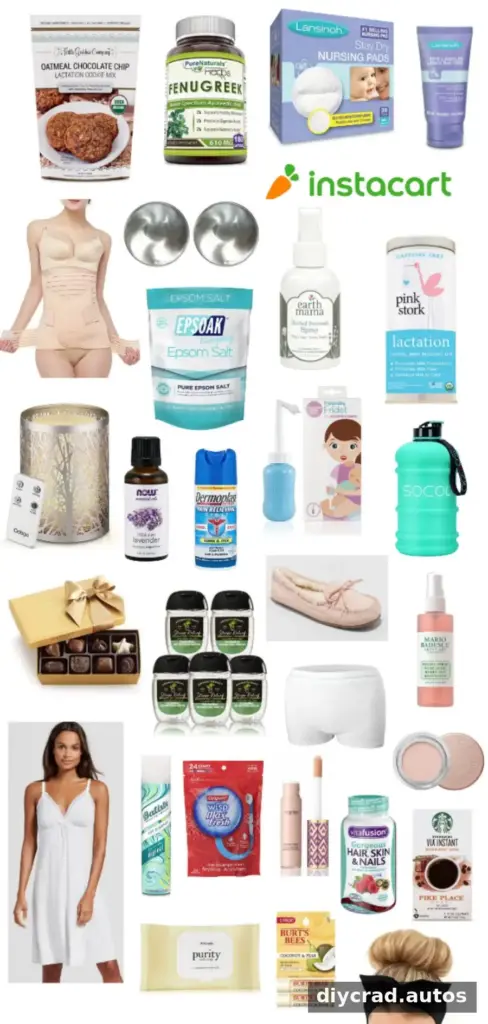
30 Postpartum Recovery Essentials to Consider
The suggestions below cover feeding, comfort, personal care, and support. Check product directions and ask a healthcare professional about medicines, supplements, or anything used on healing skin.
Feeding and everyday comfort
- Lactation cookies: These can be a convenient snack, but they are not a guaranteed way to increase milk supply. Seek feeding support if you have concerns about milk production.
- Fenugreek: This supplement is sometimes used by people trying to support lactation. It may not suit everyone and can interact with health conditions or medicines, so check with a clinician or pharmacist first.
- Grocery delivery gift card: Help with grocery shopping can save time during the early weeks. Confirm which delivery services and stores are available locally.
- Nursing pads: Reusable or disposable pads can absorb leaking breast milk. Pack a few in a hospital bag, even if you are still deciding how you plan to feed your baby.
- Postpartum belly wrap: Some people find gentle abdominal support comfortable. It does not guarantee a return to a pre-pregnancy shape; after a C-section, ask the care team when and how to use one.
- Silver nursing cups: These cups may provide a cool, smooth barrier for some people experiencing nipple discomfort. Stop using them if irritation develops and ask a lactation professional about persistent pain.
- Perineal spray: A soothing spray may feel helpful after birth. Choose a product intended for postpartum use and follow its directions, especially around healing tissue.
- Lanolin: Some nursing parents use lanolin on dry or sore nipples. Check the label for allergies and consult a healthcare professional if symptoms continue.
- Lavender oil and diffuser: A diffuser can create a relaxing atmosphere. Essential oils should not be applied undiluted to skin, and keep oils and diffusers out of a baby’s reach; ask a clinician about safe use around infants.
- Epsom salts: A bath may feel relaxing, but follow your provider’s advice about bathing during recovery and avoid soaking healing areas until you have been cleared.
- Postpartum pain-relief spray: A topical product may help with discomfort when recommended for your situation. Products differ, so follow the label and your discharge instructions rather than relying on color or brand.
- Peri rinse bottle: A squeeze bottle can help rinse the area with warm water after using the toilet. Pat dry gently and follow the care team’s instructions.
- Lactation tea: Herbal teas are not a substitute for feeding support, and ingredients can affect people differently. Review the label and check with a clinician before using herbal products.
- Chocolate: An easy-to-reach treat can be a welcome snack. Pair it with nourishing foods and keep snacks where you can reach them while feeding or resting.
- Hand sanitizer: Keep sanitizer nearby for times when soap and water are not available. Follow the product directions and store it safely away from children.
- Warm, comfortable slippers: Slip-on footwear can make short trips around the home easier. Choose a pair with a secure fit and a non-slip sole.
- Large insulated water bottle: Keeping water within reach can make hydration more convenient, particularly during feeds. Refill it when you get up rather than waiting until you are thirsty.
- Disposable underwear: These can be convenient during the first days of bleeding. Choose a comfortable fit and change them as needed; reusable options are also suitable.
Easy personal-care options
- Dry shampoo: It can be useful between washes, though it does not replace regular cleansing. Follow the directions and avoid inhaling the spray or powder.
- Facial cleansing cloths: These offer a quick way to freshen up when getting to a sink is difficult. If your skin is sensitive, choose fragrance-free products.
- Disposable toothbrushes: A compact toothbrush kept near your feeding area or in a hospital bag can make oral care easier when routines are unpredictable.
- Lip balm: A small tube can help with dry lips. Keep one within reach and check ingredients if you have known sensitivities.
- Concealer: Makeup is an optional pick-me-up, not a recovery requirement. Remove it gently and stop using it if it irritates your skin.
- Facial mist: A simple mist can feel refreshing. It is not a treatment for postpartum hormonal skin changes; seek medical advice for persistent or painful skin concerns.
- Under-eye brightener: If makeup is part of your routine, this can be an optional addition. Prioritize rest and support where possible rather than expecting cosmetics to resolve fatigue.
- Instant coffee: A quick-to-prepare drink may be convenient. Follow your healthcare provider’s guidance on caffeine, particularly while breastfeeding.
- Hair, skin, and nail vitamins: Postpartum hair changes can occur and do not automatically mean you need a supplement. Ask a clinician before taking vitamins, especially if you are breastfeeding or already using a prenatal supplement.
- Headwraps: A soft wrap can keep hair out of the way on busy days. Choose a comfortable fit and avoid tying it tightly.
- Nursing nightgown: An easy-access nightgown can be comfortable in hospital or at home, whether used for nursing or simply for rest. Choose soft fabric and a fit that does not press on tender areas.
Practical help counts, too
30. Freezer meals or household help: Prepared meals, grocery support, cleaning assistance, or help with errands can give a recovering parent more time to rest. Ask what kind of help is wanted, and agree on a convenient time before visiting.
There is no single set of postpartum recovery essentials that works for everyone. Keep useful items close, follow your discharge instructions, and contact your healthcare team about severe pain, fever, heavy bleeding, or other worrying symptoms. Practical support and individualized care are often more valuable than buying every item on a list.