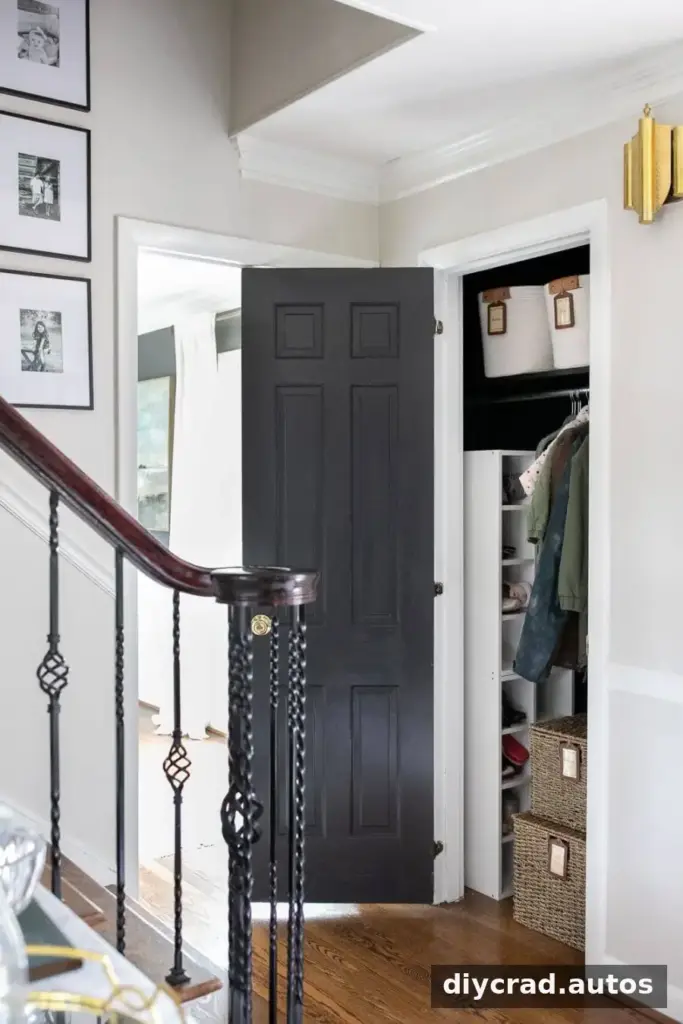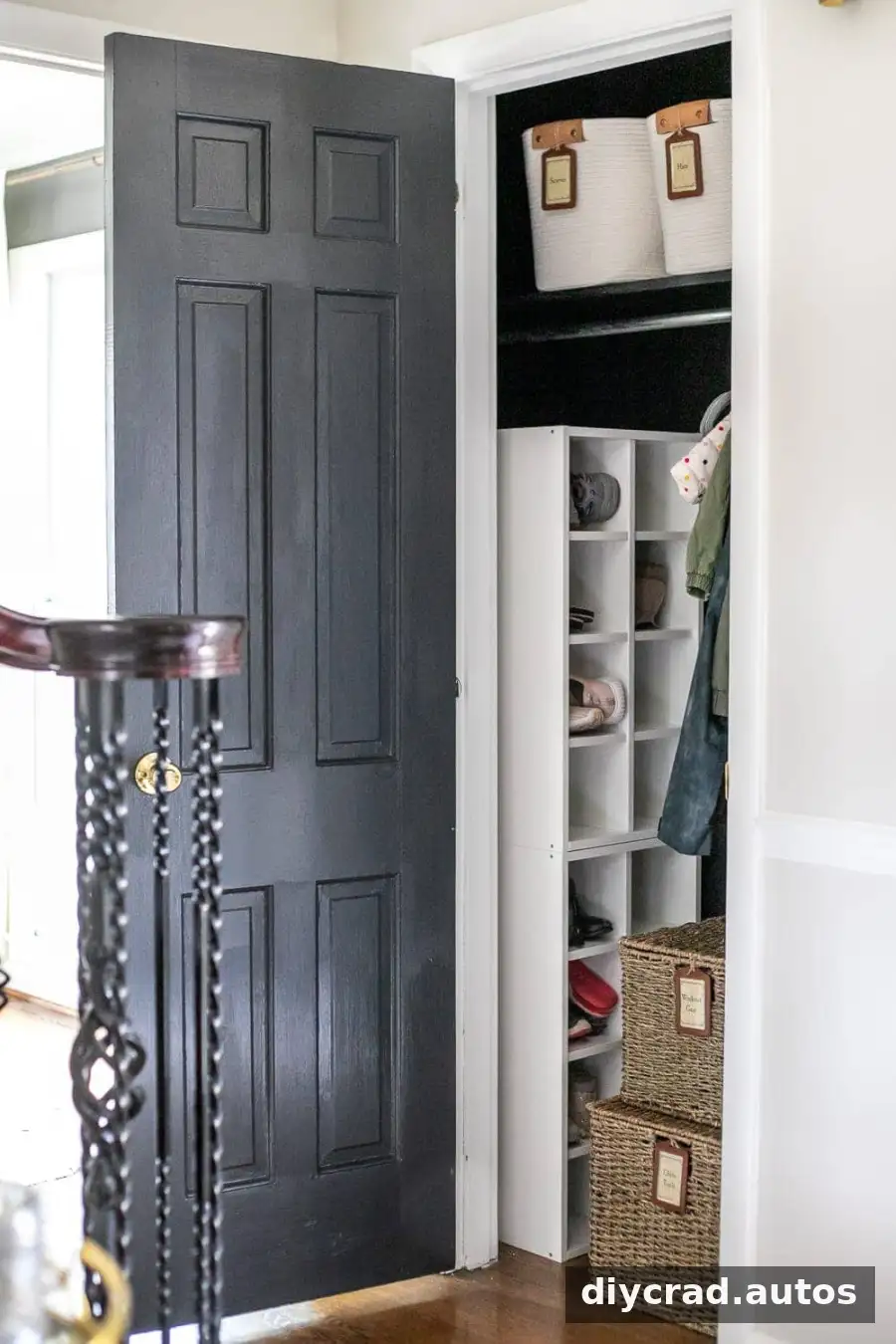
Effective coat closet organization can make busy mornings smoother and keep an entryway from becoming a drop zone for coats, shoes, and bags. A few thoughtful changes can help you use the space well, make everyday items easier to find, and leave room for guests. Start by taking everything out, then plan storage around what your household actually uses.
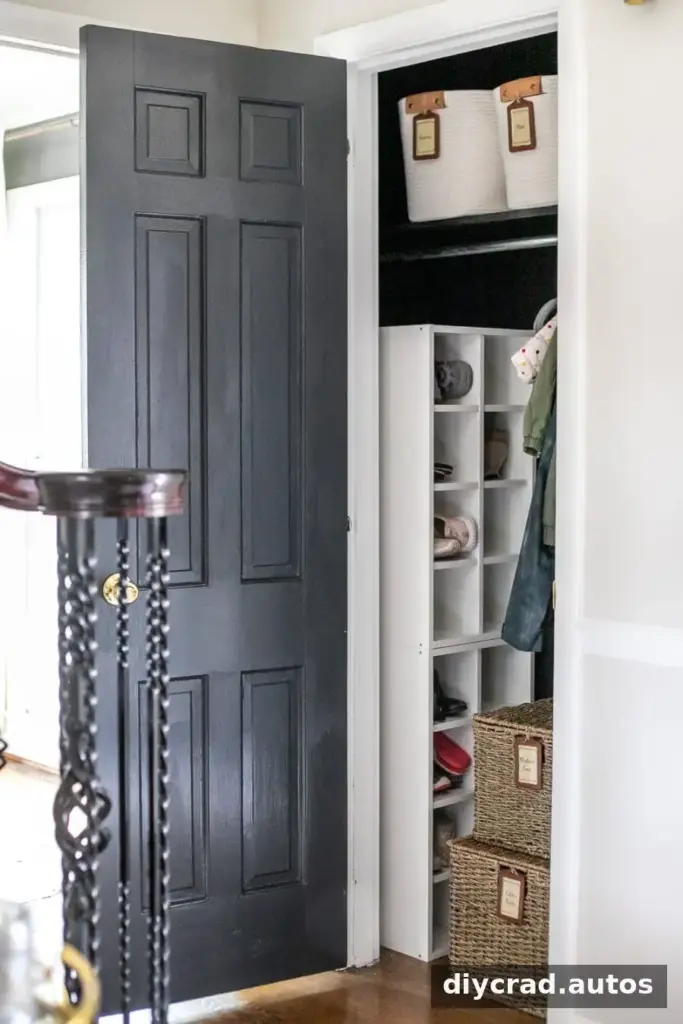
A cluttered closet can feel like a big project, but working through it in stages makes the process manageable. Set aside enough time to sort and measure before buying storage items; that simple order can help prevent purchases that do not fit or solve the problem.
12 Steps for Functional Coat Closet Organization
Use these steps to create a system that suits your space and is easy to maintain. Adapt the storage ideas to the closet’s dimensions and the items your household needs close at hand.
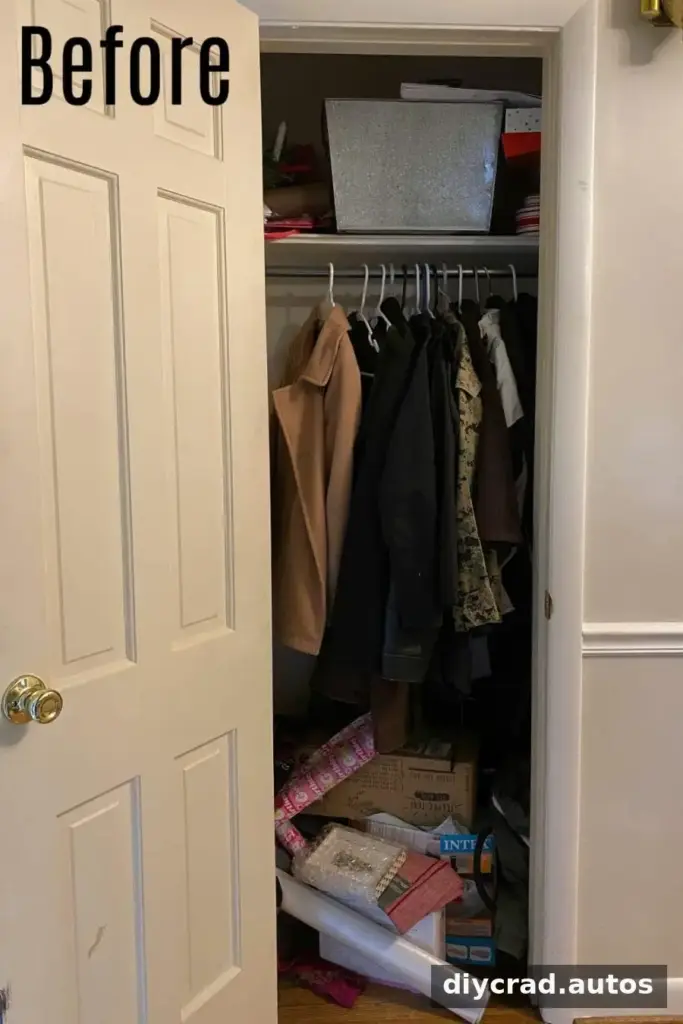
1. Empty the Closet
Remove all coats, shoes, accessories, and miscellaneous items, even if you expect to put some of them back. Starting with an empty closet gives you a clear view of the available space and makes it easier to clean and plan.
2. Clean and Refresh the Space
Wipe shelves and walls, and vacuum or sweep the floor. If the closet has a musty odor, look for dust, dampness, or other sources before considering paint. A fresh coat of paint can improve the appearance, but it will not resolve an underlying moisture problem. If you do paint, follow the product directions and allow the area to dry and air out fully.
3. Decide What to Keep
Review each item and consider whether it is used, fits, and suits the current season. Set aside worn-out or unused belongings for donation or disposal as appropriate. Keep frequently used outerwear accessible and move occasional-use items elsewhere if the closet is crowded.
4. Group Similar Items
Make separate piles for coats, shoes, hats, gloves, scarves, sports equipment, and any other belongings that need to stay in the closet. Sorting by category shows how much storage each group needs and helps you choose the right number of bins or baskets.
5. Measure Before Shopping
Record the closet’s height, width, and depth, along with the dimensions of shelves and any narrow side spaces. Check measurements against shoe racks, baskets, and bins before buying. Leave enough clearance for the door to open and for coats to hang without being crushed.
6. Improve the Shelf and Hanging Area
If an existing wire shelf does not meet your needs, consider replacing it with a suitable shelf and hanging rod. Check the wall structure and use hardware appropriate for the installation and expected load. Store lighter or less frequently used items on the upper shelf.
7. Contain Small Accessories
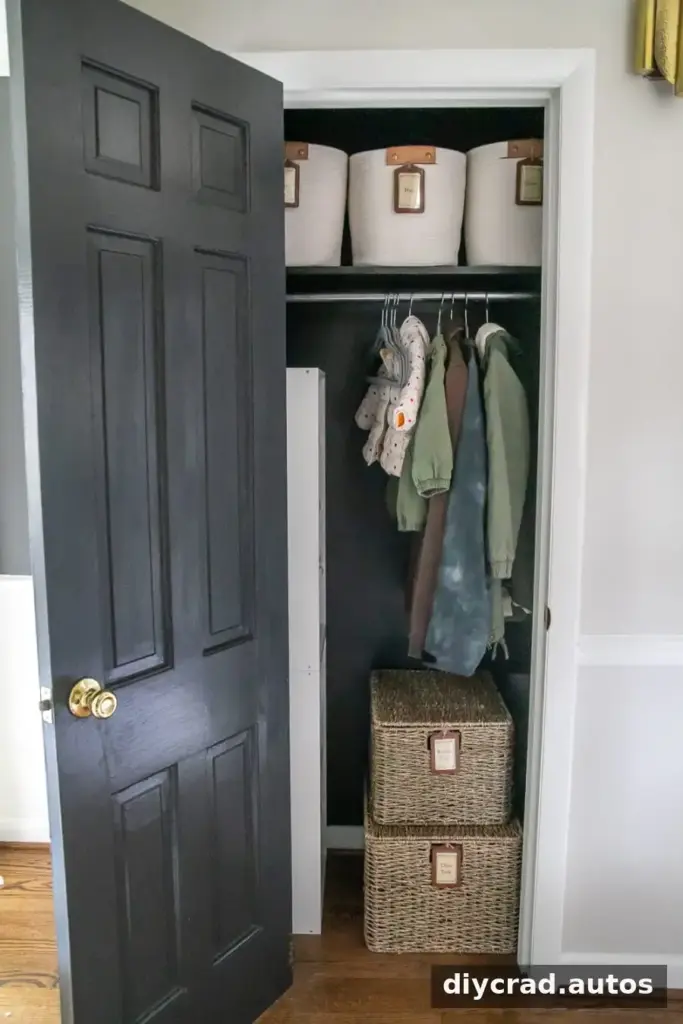
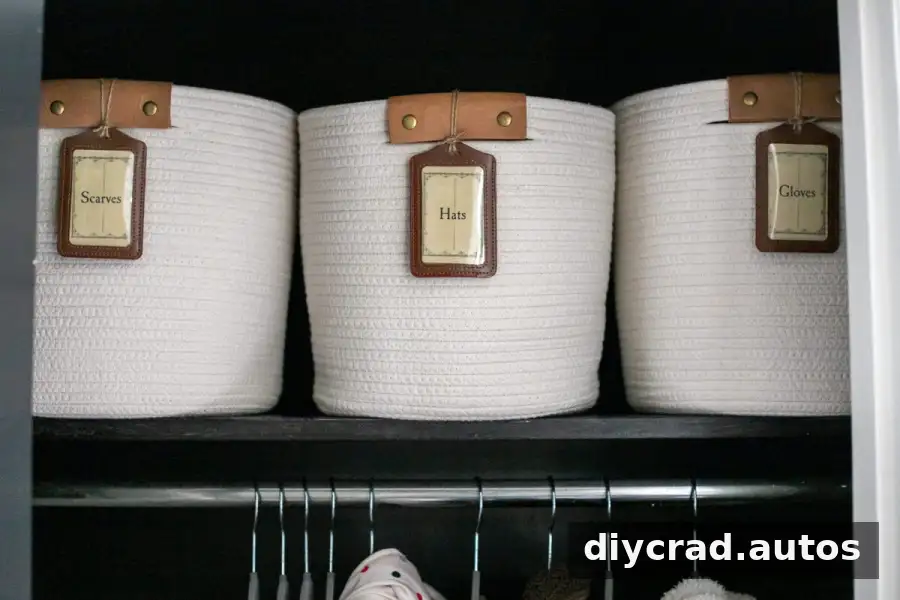
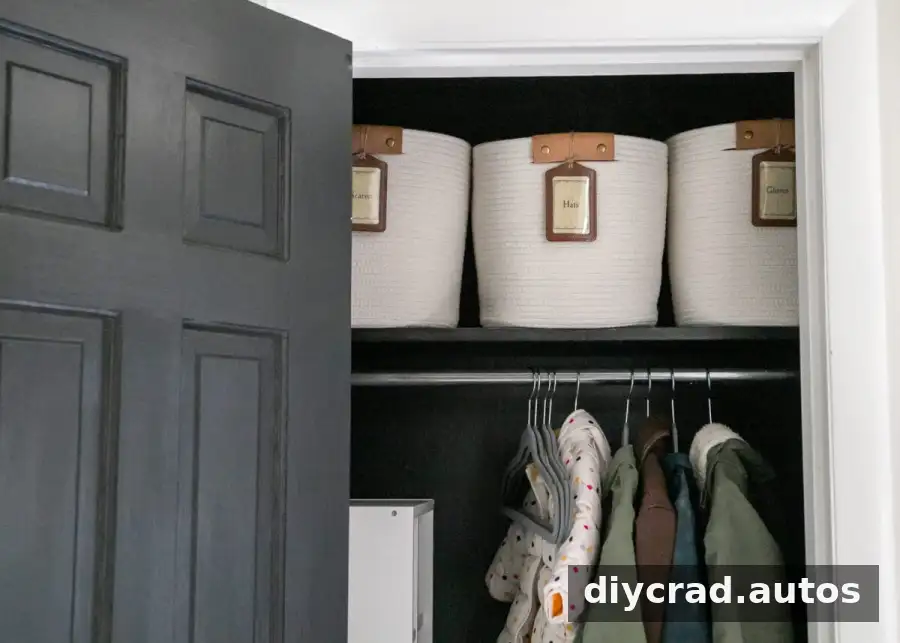
Use separate fabric bins or baskets for hats, gloves, and scarves. Labels can help family members return items to the right place. Choose containers that fit the shelf and are easy to lift, especially if children will use them.
8. Make Use of a Side Wall
A compact shoe rack along a side wall can free up floor space and keep footwear organized. Before installing or placing storage there, confirm that it does not obstruct the doorway or make coats difficult to reach.
9. Give Bulky Items a Defined Home
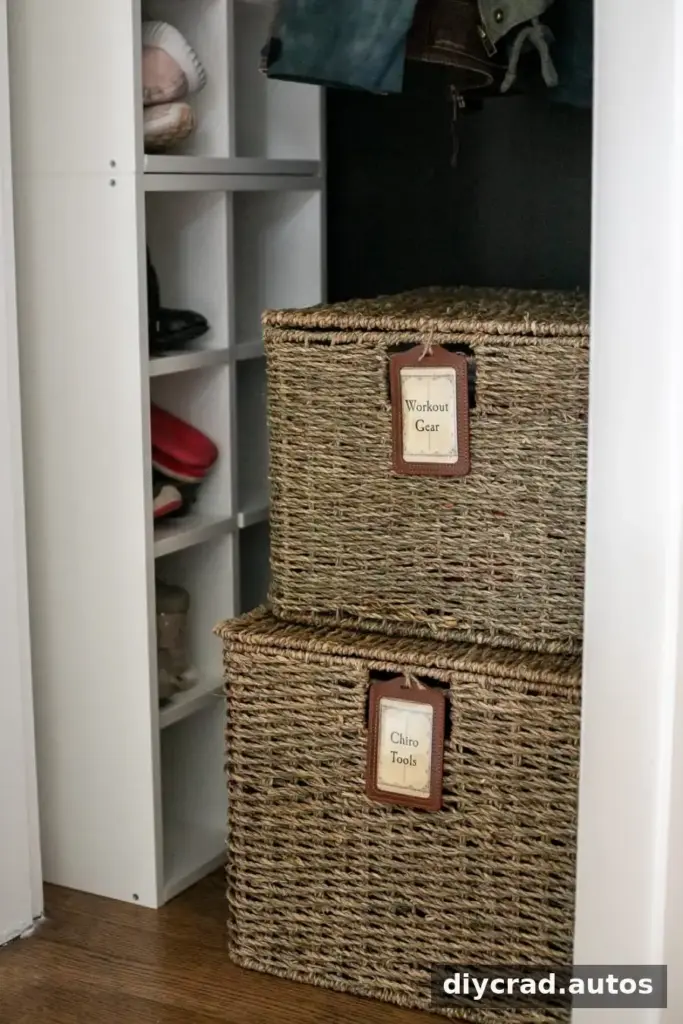
Place larger items, such as sports equipment, in a sturdy basket on the floor beneath hanging coats. Keep heavy objects low and make sure frequently used equipment is easy to lift out safely.
10. Label Bins and Baskets
Clear labels make shared storage easier to use and help everyone return items to their proper place. Use printed labels or simple handwritten tags, and keep the wording short—for example, “Gloves” or “Sports Gear.”
11. Use Matching Hangers
Matching hangers create a more orderly look and can make the hanging area easier to manage. For slippery jackets, choose hangers with a surface that helps reduce sliding. Avoid overcrowding the rod so coats are easy to remove and put away.
12. Store Bags and Gift Wrap on the Walls
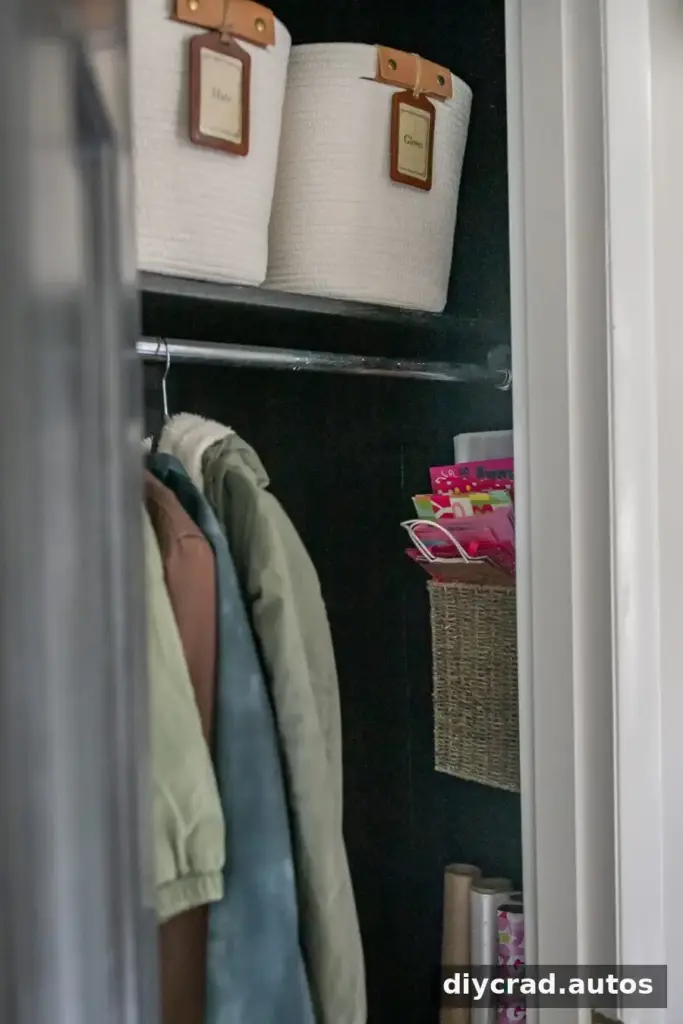
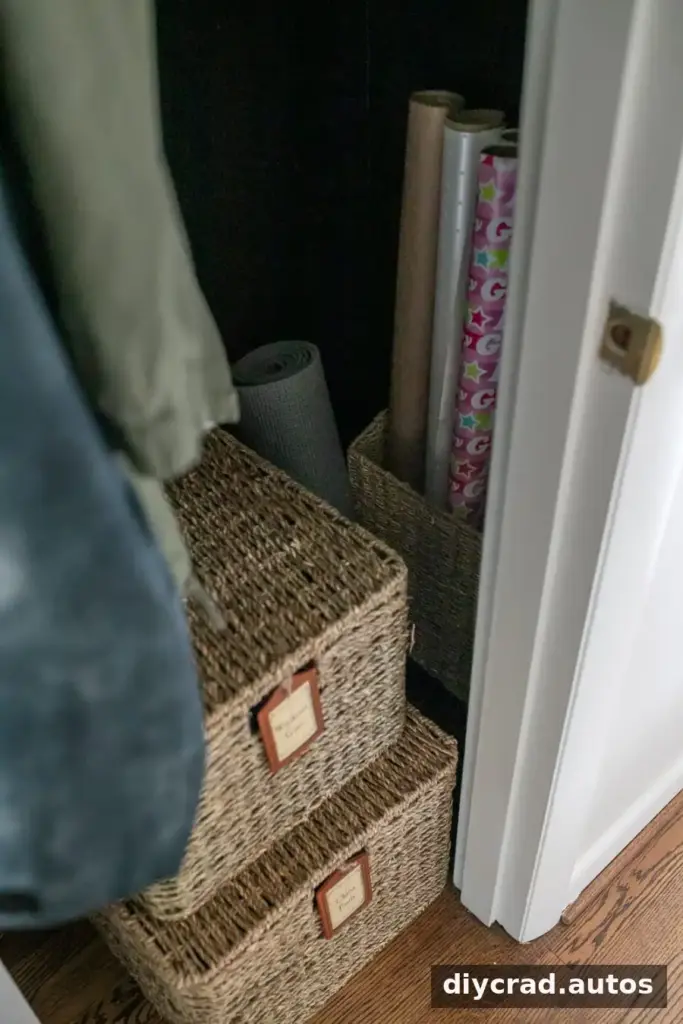
Wall-mounted baskets or hooks can hold reusable shopping bags, gift bags, tissue paper, and wrapping supplies. Choose secure fittings suited to the wall and keep the items you use most often within easy reach. Check that wall storage does not interfere with the closet door.
Keep Your Coat Closet Organized
Once the closet is set up, return items to their categories after use and review the contents when seasons change. Avoid filling every shelf and basket to capacity; a little spare room makes it easier to put things away and adjust the system as needs change.
Successful coat closet organization does not depend on elaborate storage. A clear-out, accurate measurements, accessible categories, and a few well-chosen containers can make a small entry closet more functional for everyday use and more welcoming for guests.