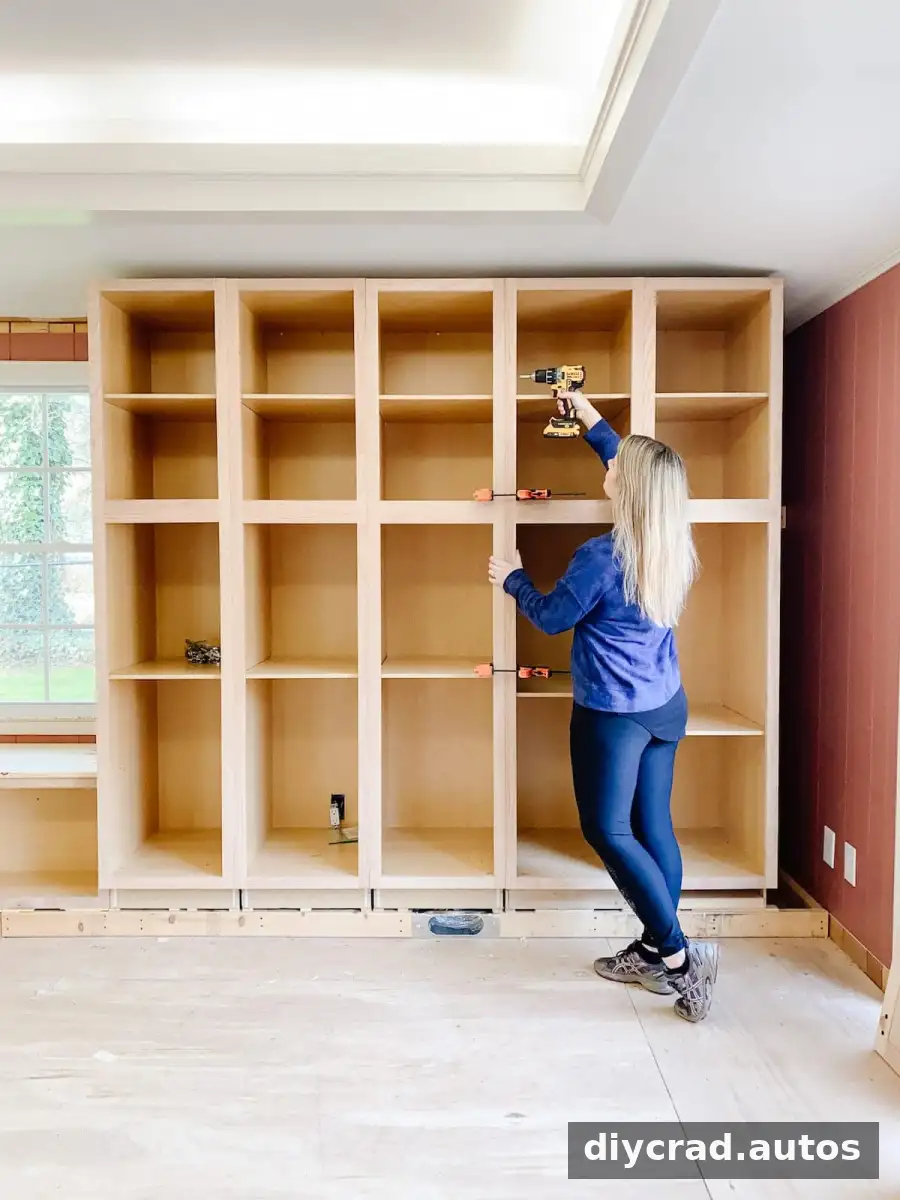
Getting started with DIY can feel daunting when you have little experience with saws, drills, or other equipment. The right DIY tools for beginners, combined with careful preparation and small practice projects, can make home improvement more approachable. You do not need to buy every tool at once; start with the items that suit the work you plan to do.
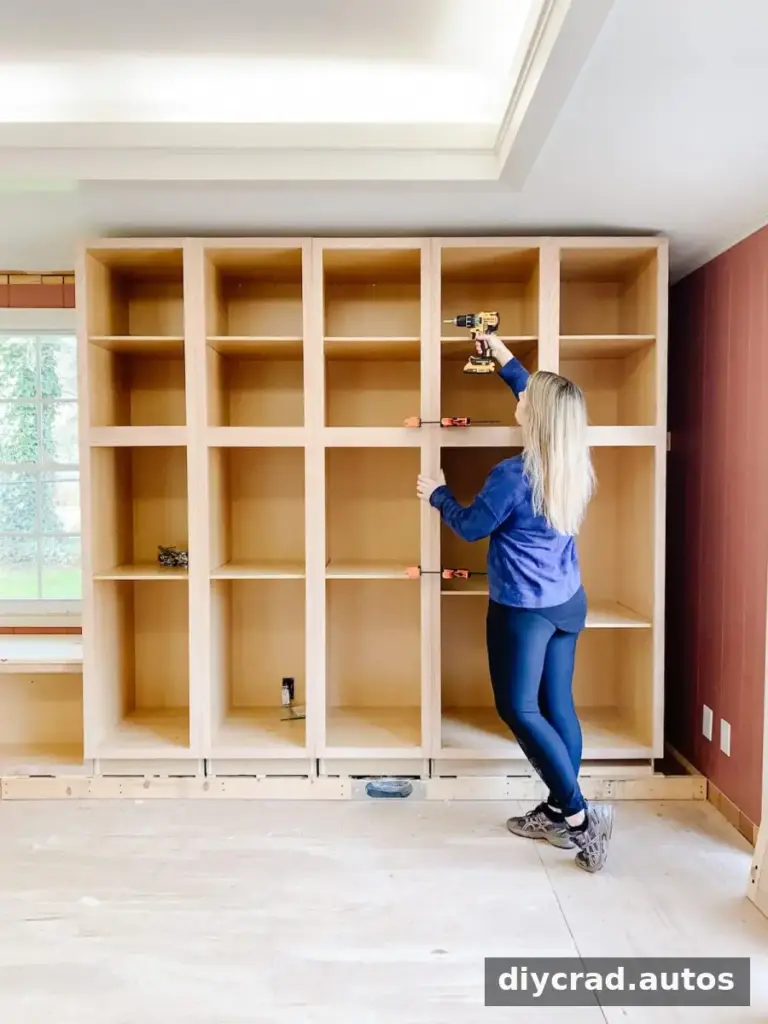
Learning basic tool skills takes time. Begin with straightforward tasks, read the instructions for each tool, and pause whenever you are unsure about a step. A capable helper or a clear demonstration can also help you understand how a tool works before you use it.
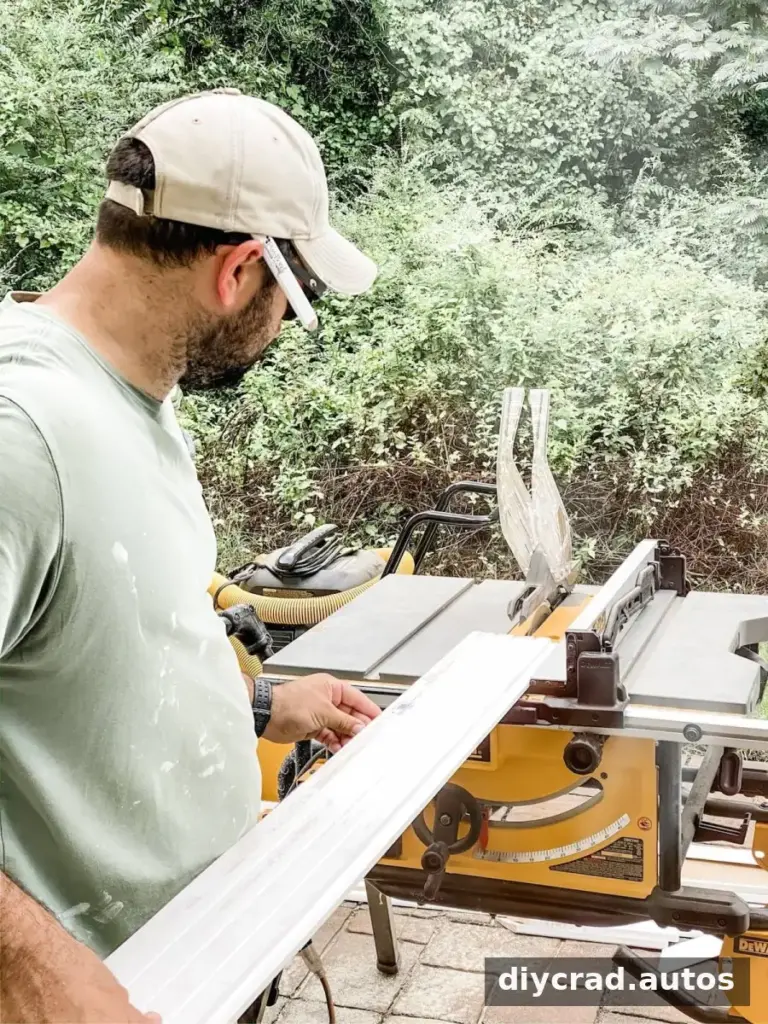
How to Learn to Use Tools as a Beginner
Learn one tool at a time
Look for video demonstrations or written guides that show the exact type of tool and task you have in mind. Pay attention to how the tool is held, adjusted, and secured. Check the manufacturer’s manual as well, since controls and safety features can differ between models.
Ask an experienced person for guidance
A knowledgeable friend or family member can demonstrate useful techniques and help you spot common mistakes. For a first attempt with a power tool, ask them to explain the setup and safety checks before you begin.
Put safety first
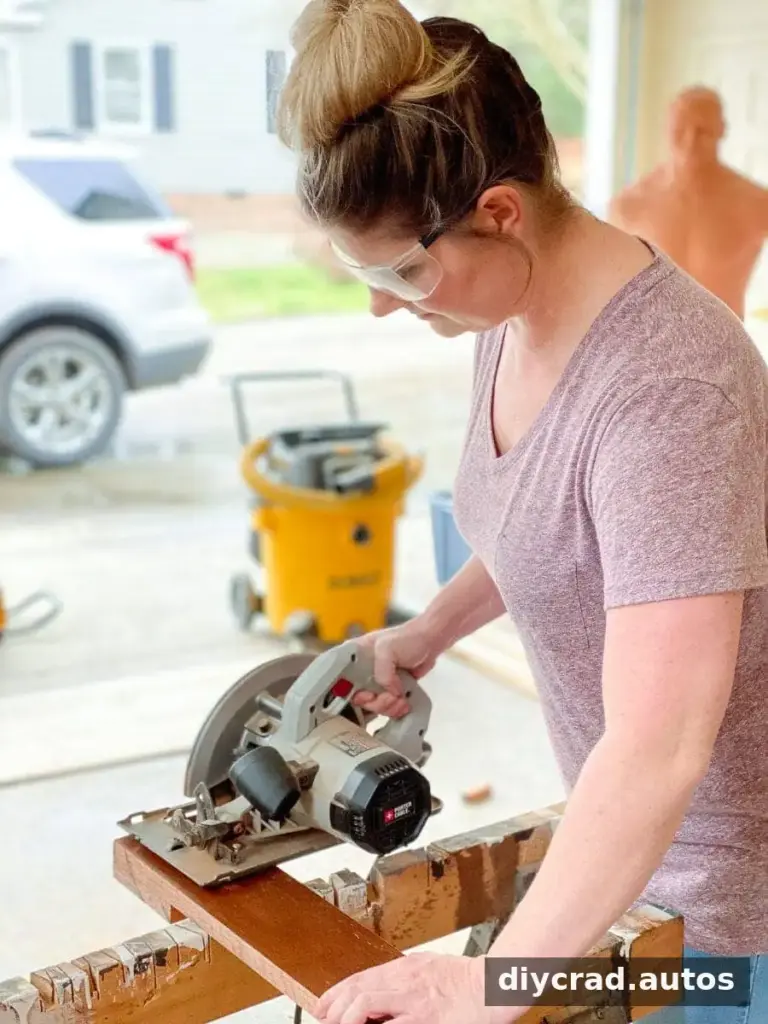
Wear suitable protective equipment, such as safety glasses, and use hearing protection when the task or tool calls for it. Keep hands away from blades and nailers, secure workpieces with clamps where appropriate, and understand the tool’s safety features before switching it on. Follow the manual and keep the work area clear.
Start with a manageable project
Choose a small project with a few simple steps rather than taking on a demanding renovation as your first job. These ideas offer opportunities to practice measuring, fastening, sanding, or painting:
- Wood candlestick holder
- Bathtub tray
- Shower-curtain canvas art
- Cutting boards made from scrap wood
- Art ledge
- Bench
Before starting, check that the project materials and tools are suitable for your skill level. Practice a cut or finish on a scrap piece when possible.
DIY Tools for Beginners: What to Put on Your Starter List
Build a toolkit gradually. Choose tools based on the projects you expect to do, and compare features, handling, and storage needs before buying. The categories below cover common tasks around the home.
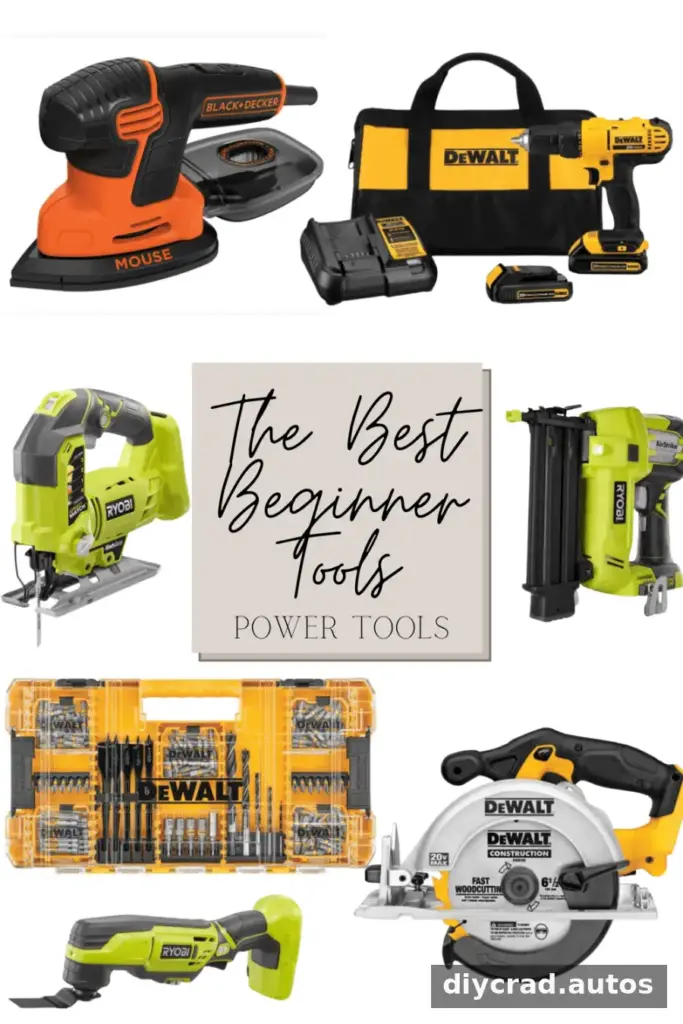
Power tools
- Mouse sander: Useful for sanding smaller surfaces, including furniture during a refinishing project. Use the appropriate abrasive and avoid pressing hard.
- Drill: A versatile tool for drilling holes and driving screws. Practice on scrap material and select the right bit for the job.
- Drill bit set: A set with different bit types and sizes is useful for a range of common tasks. Check that a bit is compatible with your drill.
- Jigsaw: A practical entry point for cutting, particularly for smaller woodworking jobs and curved cuts. Support the material securely and follow the blade instructions.
- Circular saw: Useful for many straight cuts. Secure the wood with clamps on a stable work surface or sawhorses, and keep the blade path clear.
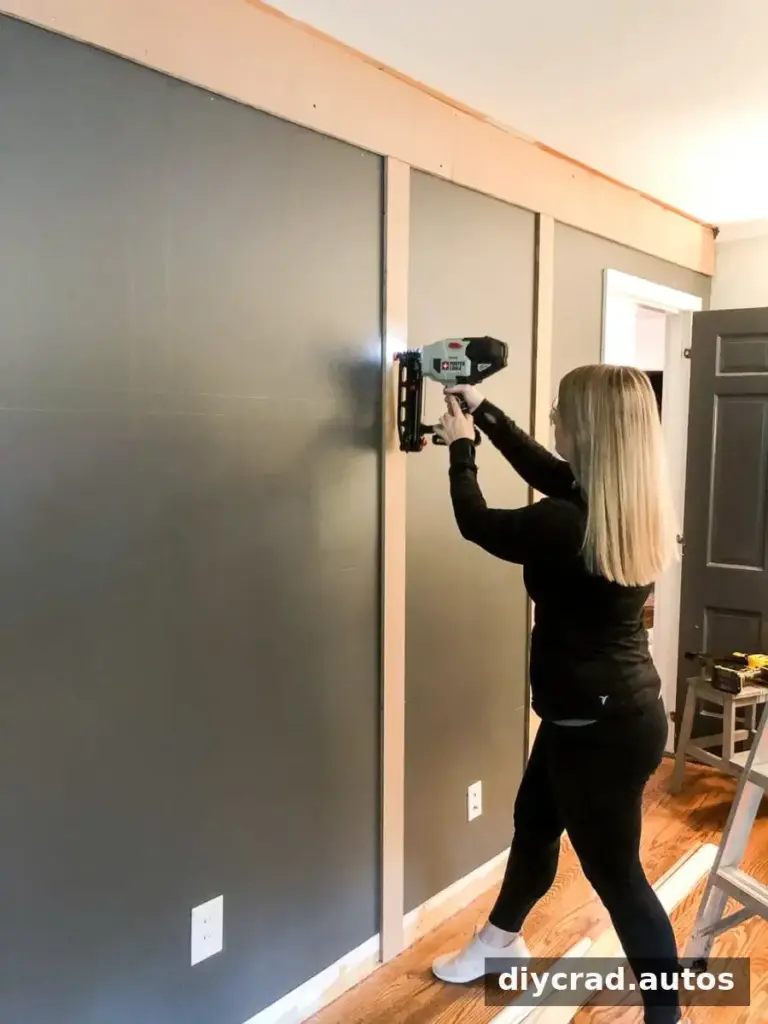
- Nail gun: A cordless brad nailer can help with projects such as installing shiplap, board and batten, or molding. Read its instructions carefully and keep hands clear of the firing area.
- Oscillating multi-tool: Its attachments can help with jobs such as trimming door casings, removing molding, and taking off old caulk, paint, or grout. Use an attachment suited to the material.
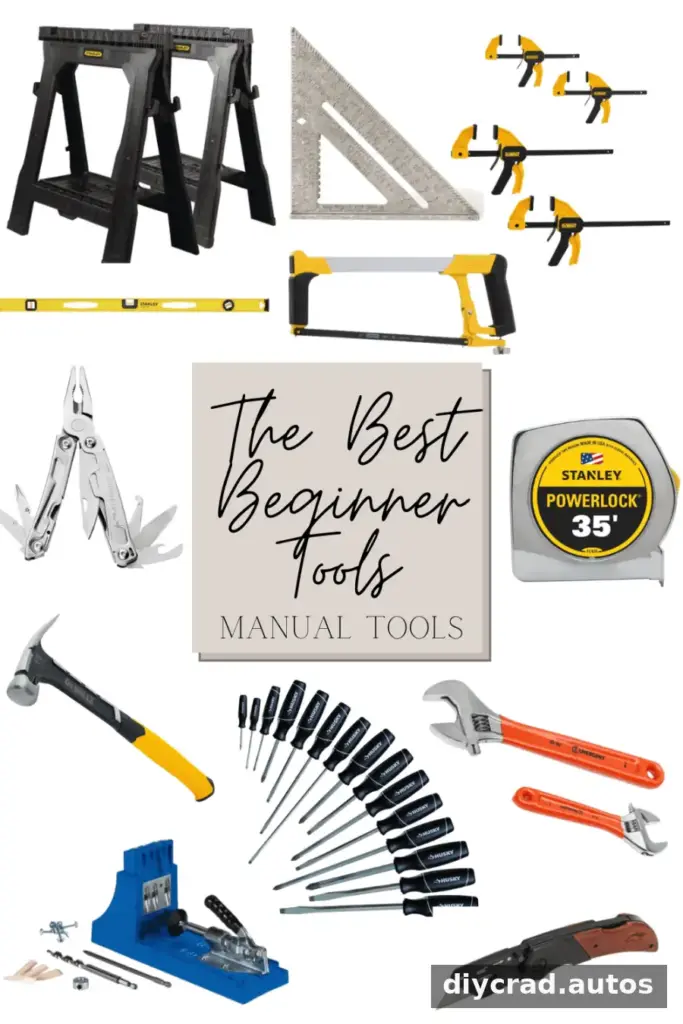
Manual tools
- Utility knife
- Screwdriver set
- Hammer
- Tape measure
- Speed square
- Level
- Clamps
- Hand saw
- Multi-tool
- Pocket-hole jig
- Adjustable wrench
- Sawhorses
These tools support everyday jobs such as measuring, marking, fastening, and holding materials in place. Keep sharp edges protected and check measurements before making cuts.
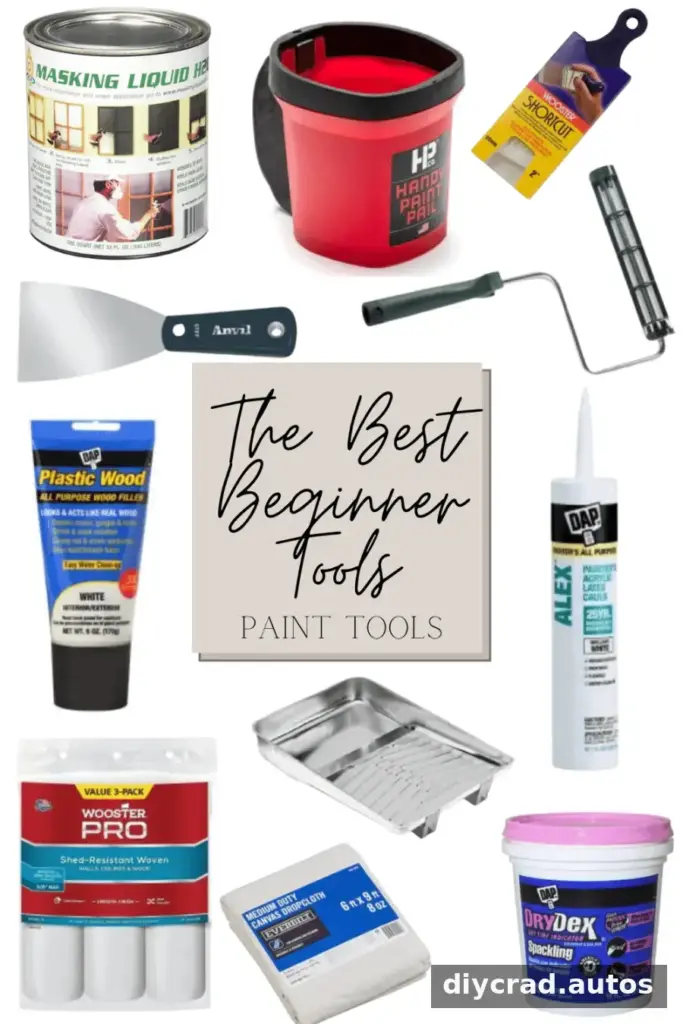
Painting and preparation tools
- 2-inch angled sash brush
- Handy pail and liners
- Painter’s tape
- Spackle
- Wood filler
- Putty knife
- All-purpose caulk
- Roller frame and covers
- Canvas drop cloth
- Paint tray and liners
- Masking liquid
Good preparation can improve the finish of a paint job. Protect nearby surfaces, use fillers that suit the material and repair, and follow product directions for drying times before sanding or painting.
Keep learning and build confidence
DIY tutorials and project communities can provide ideas and demonstrations, but check that the advice matches your specific tool and materials. When instructions conflict, rely on the tool manual and appropriate safety guidance. You can also keep a short list of skills to practice, such as measuring accurately, drilling pilot holes, or applying caulk neatly.
The best DIY tools for beginners are the ones that fit your projects, feel manageable to use, and can be operated safely. Start with a few essentials, practice on simple tasks, and add specialized tools as your skills and project needs grow.