

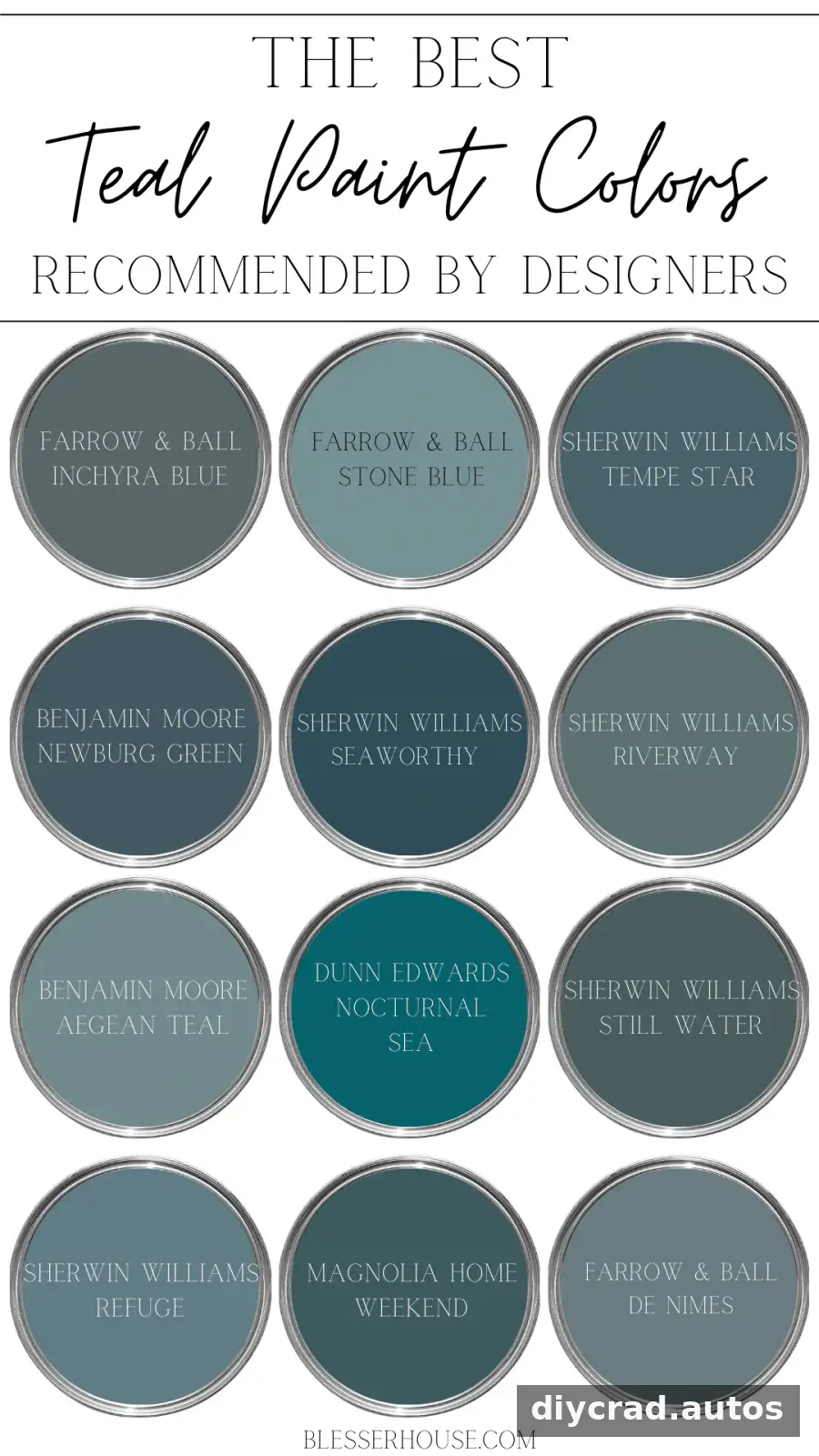
Teal paint colors bring together the calm qualities of blue and the natural freshness of green, making them a versatile choice for bedrooms, bathrooms, home offices, and more. Depending on the shade and the light, teal can feel deep and dramatic or soft and restorative. These 12 blue-green options offer a starting point for choosing a color that suits your room and style.
Teal was selected for a conference and multipurpose room at The Cottage with The Life House Women’s Shelter to create a setting that feels both calming and lively. The color’s ability to shift between blue and green also makes it an interesting choice when a room needs character without relying on a bright, highly saturated hue.
Where to Use Teal Paint Colors
Teal sits between blue and green and can range from a mid-tone accent to a deep, moody wall color. Glidden named its mid-tone blue-green shade Vining Ivy as its paint color of the year, adding to the color’s visibility as homeowners look beyond gray and pale neutrals for more expressive interiors.
Its balance of cool and natural tones can work well in a bedroom, bathroom, or home office. Teal is also a practical way to introduce color in a dining room, living room, or kitchen: consider using it on cabinetry, a front door, or a single accent wall rather than across every surface. In a busy room, a smaller painted area can add color without making the whole space feel overwhelming.
Color perception changes with both lighting and nearby finishes. Before committing, test a sample on more than one wall and observe it during the day and evening. This is especially useful in rooms with fluorescent lighting, which may make a paint color look different from its appearance under lamps or natural light.
12 Best Blue-Green Teal Paint Colors
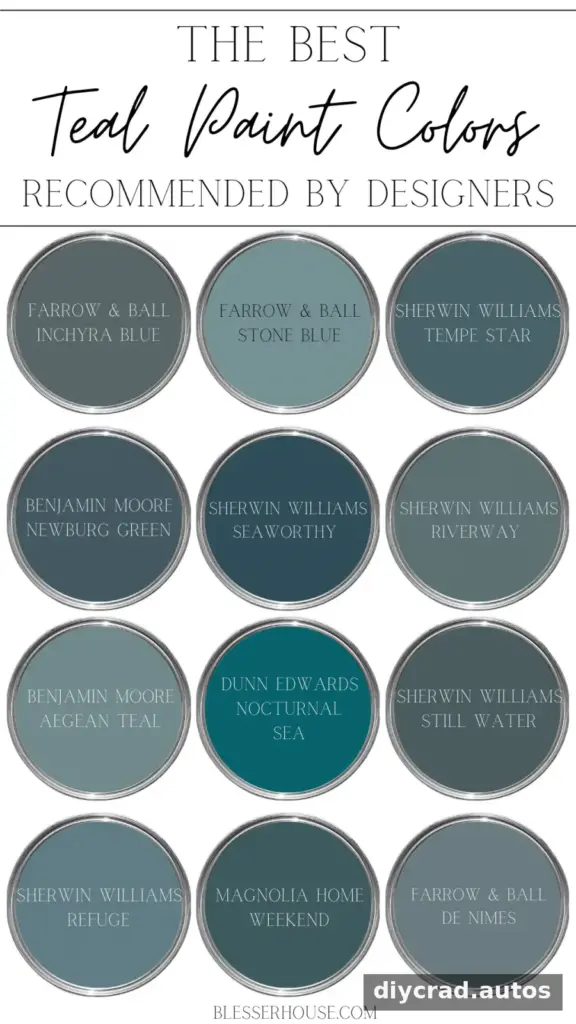
The following 12 paint colors are options to compare when looking for a blue-green shade. Because teal can lean more blue or more green, view each sample in the room where it will be used and alongside the flooring, trim, and furnishings.
Farrow & Ball Inchyra Blue
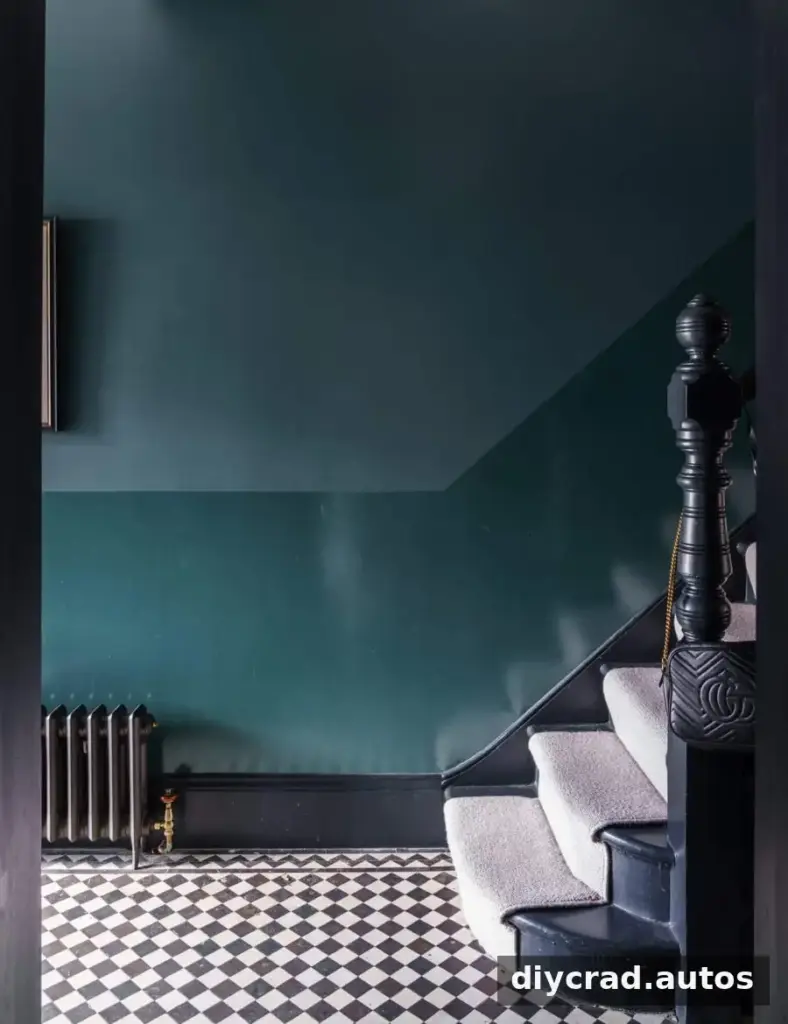
Source | Farrow & Ball
Farrow & Ball Stone Blue
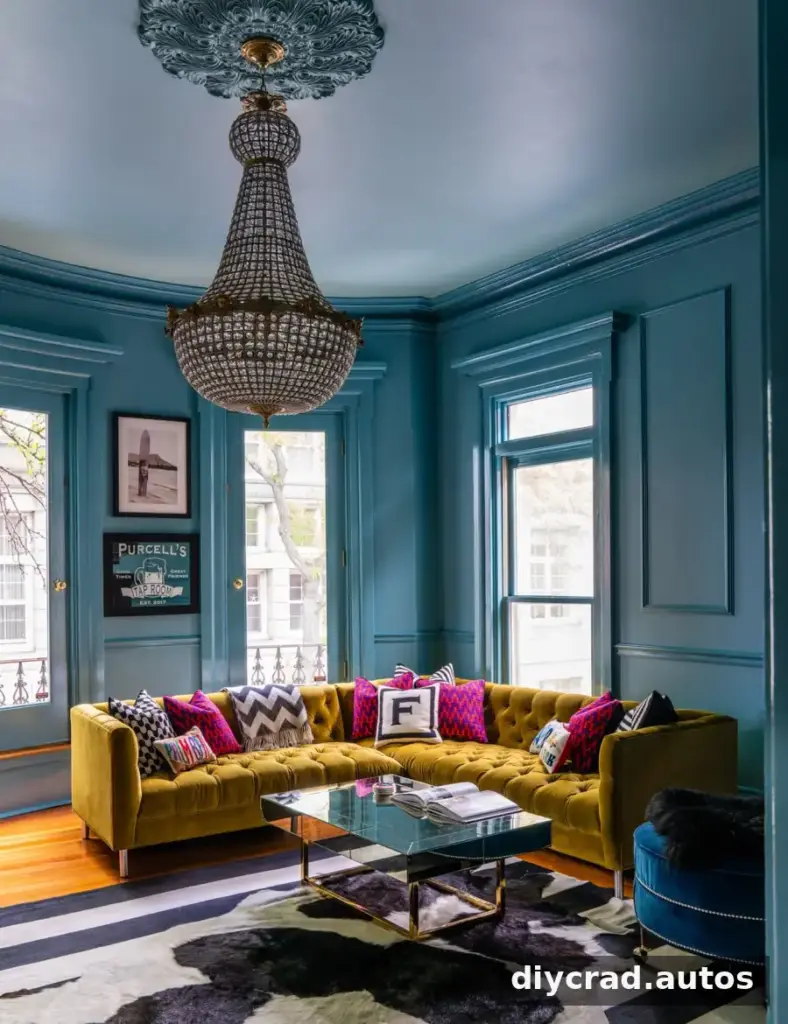
Source | Farrow & Ball
Sherwin Williams Tempe Star
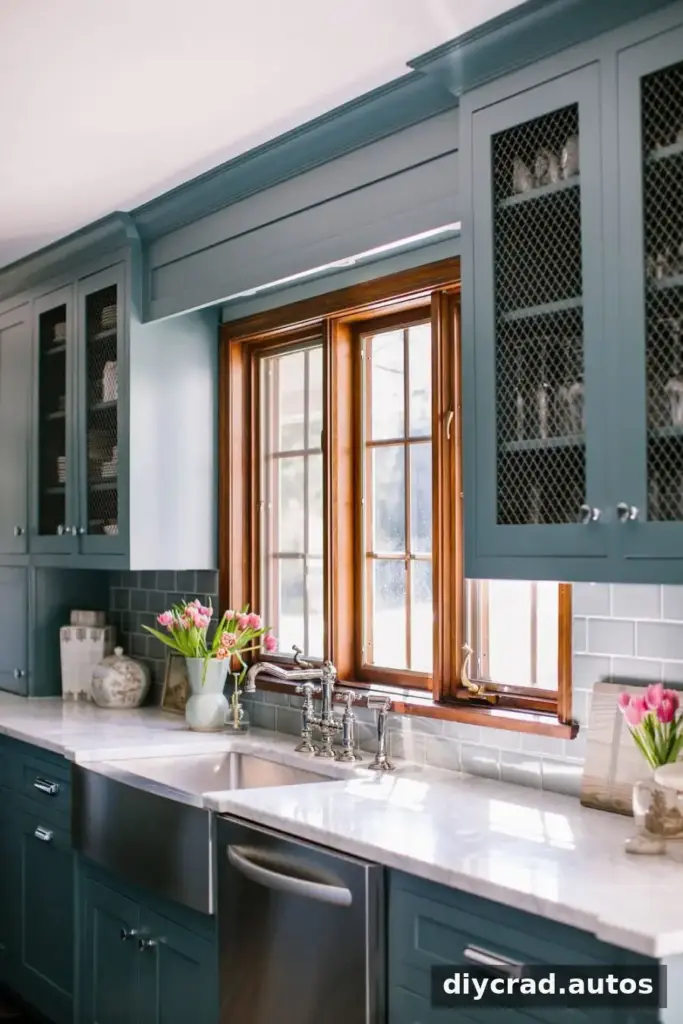
Source | Peppeard Design
Benjamin Moore Newburg Green
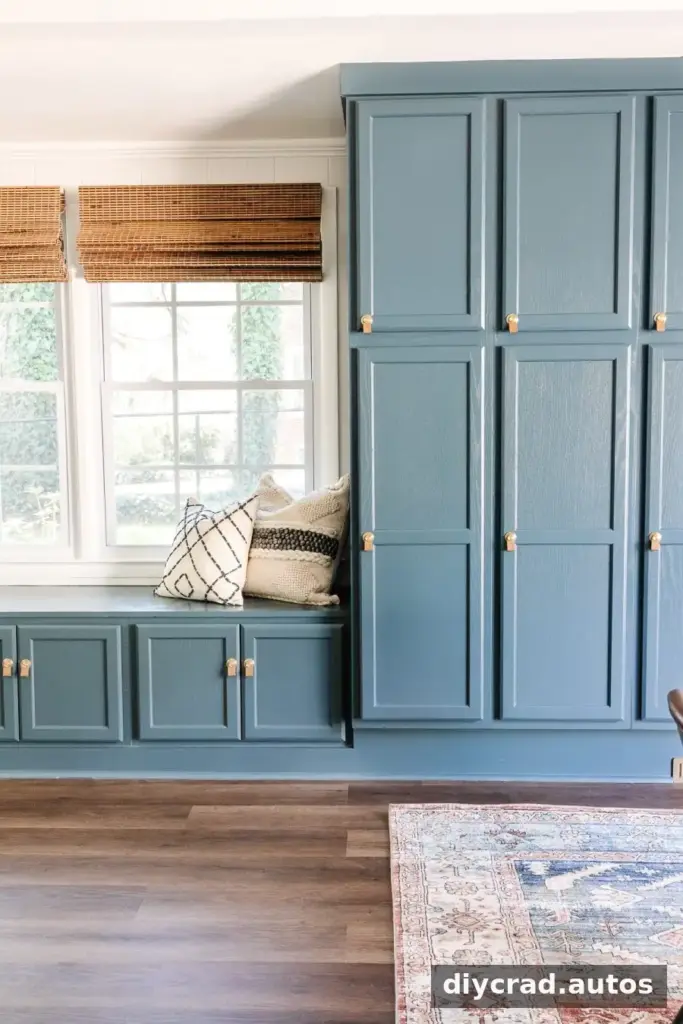
Source | Rec Room Makeover
Sherwin Williams Seaworthy
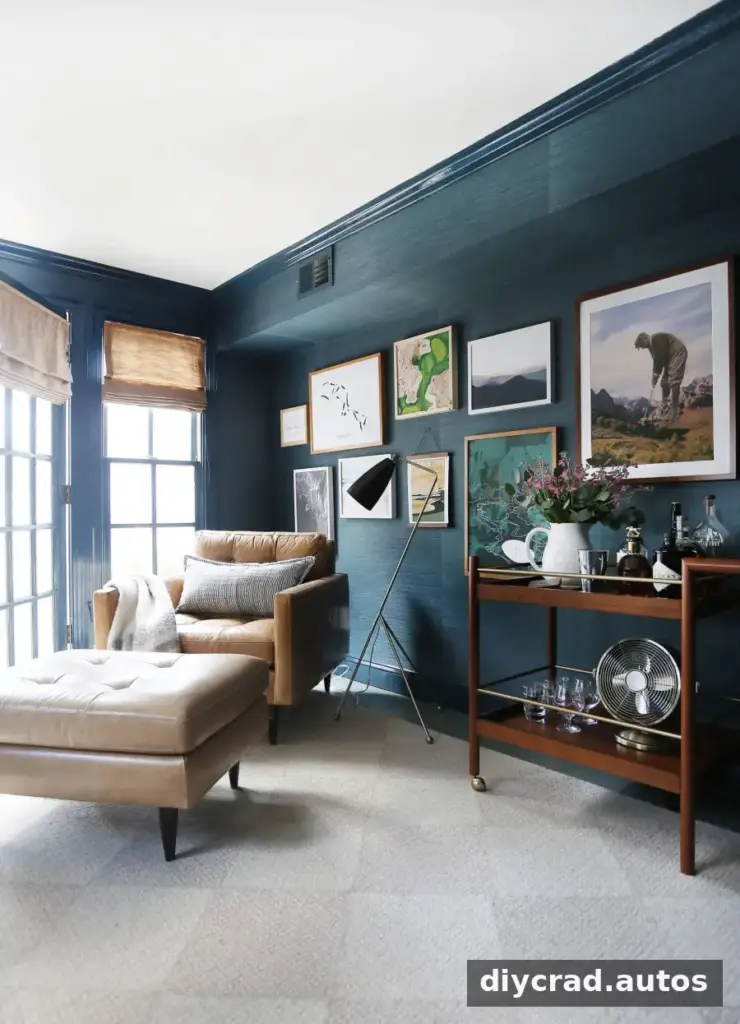
Source | Sunny Circle Studio
Sherwin Williams Riverway
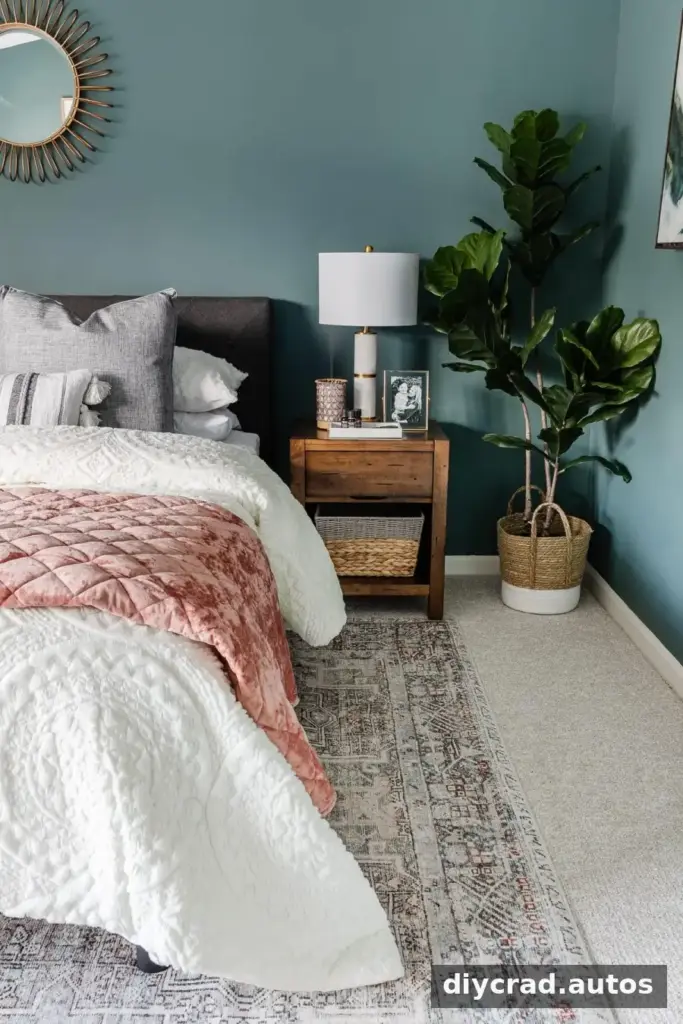
Source | Blush and Teal Bedroom Makeover
Benjamin Moore Aegean Teal
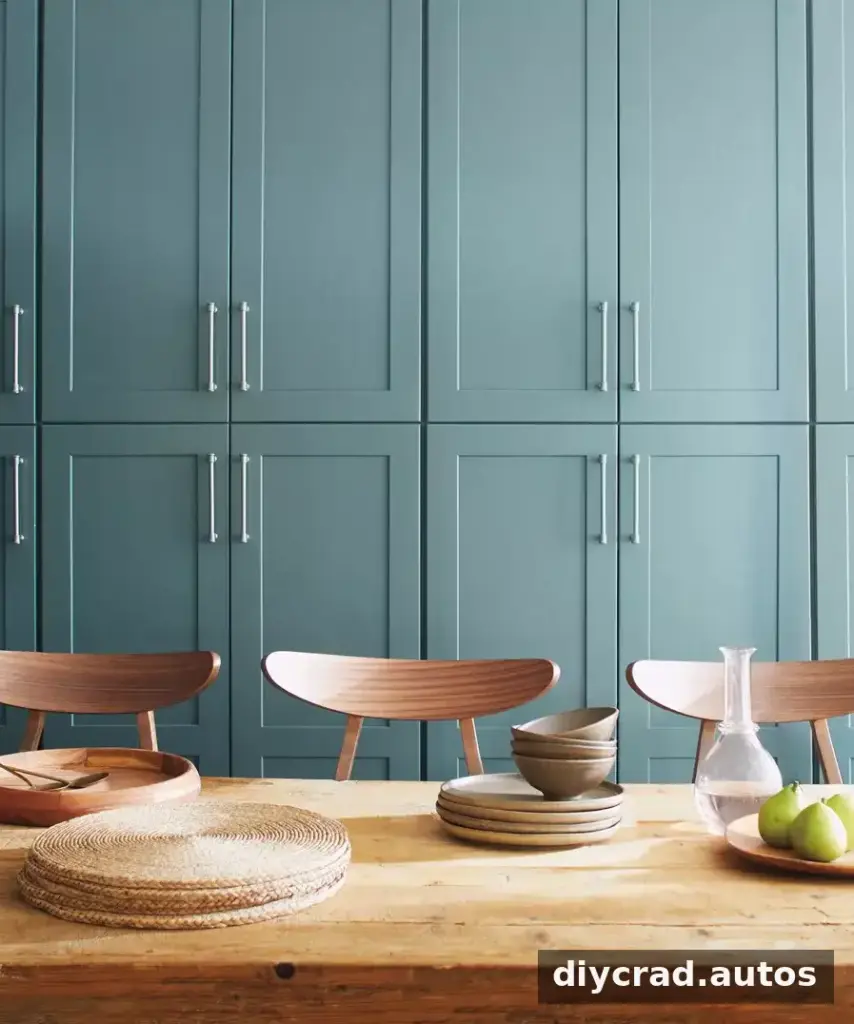
Source | Benjamin Moore
Dunn Edwards Nocturnal Sea
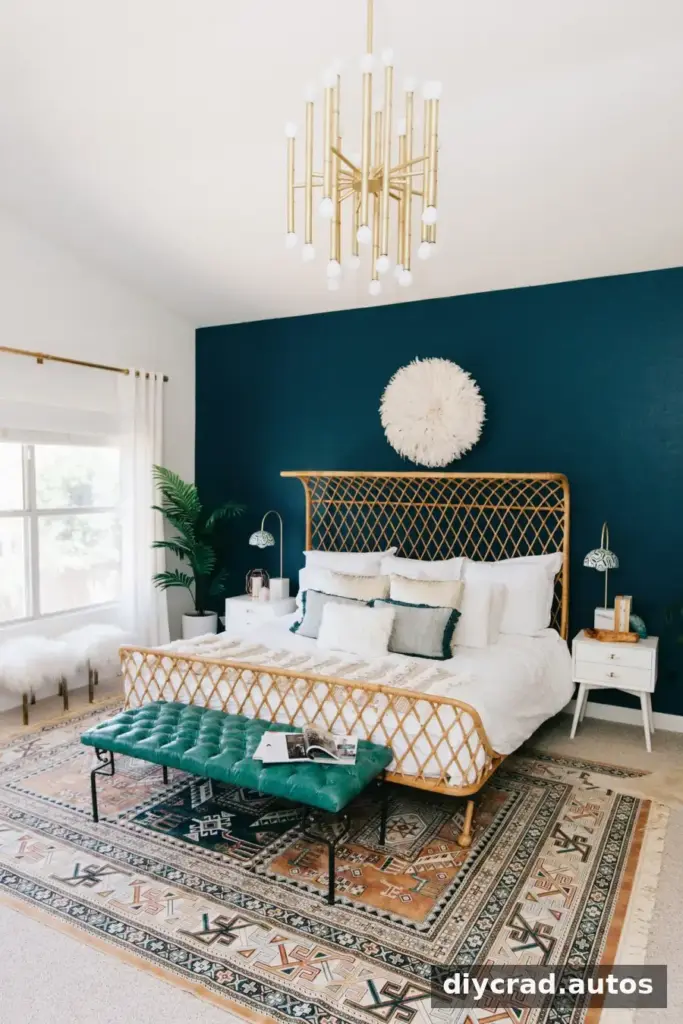
Source | Ave Styles
Sherwin Williams Still Water

Source | Emily Henderson
Sherwin Williams Refuge
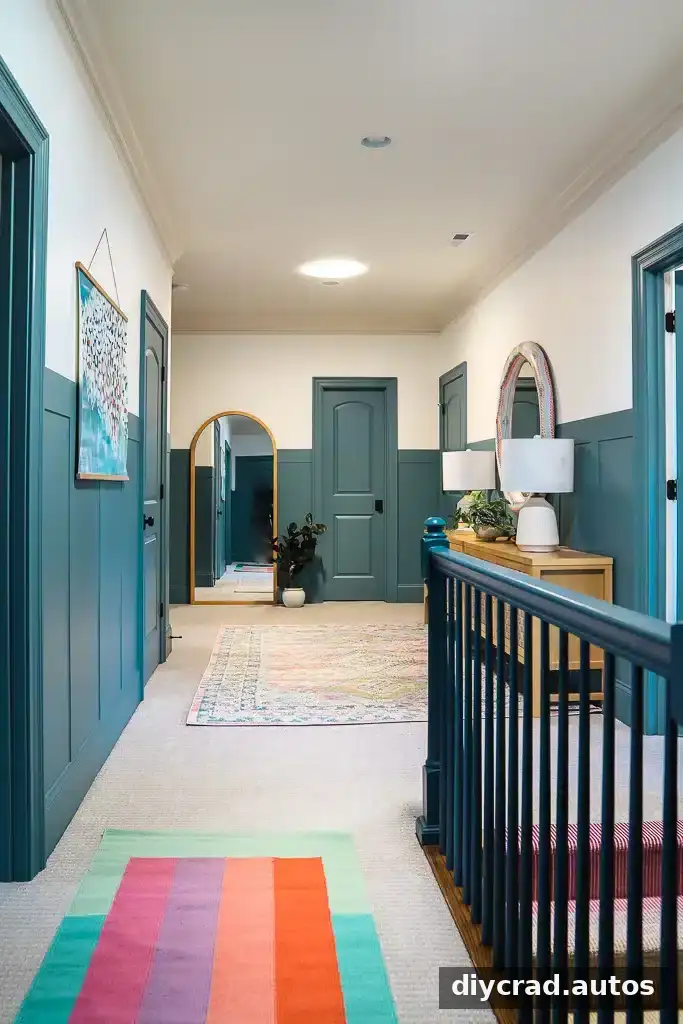
Source | Kaleidoscope Living
Magnolia Home Weekend
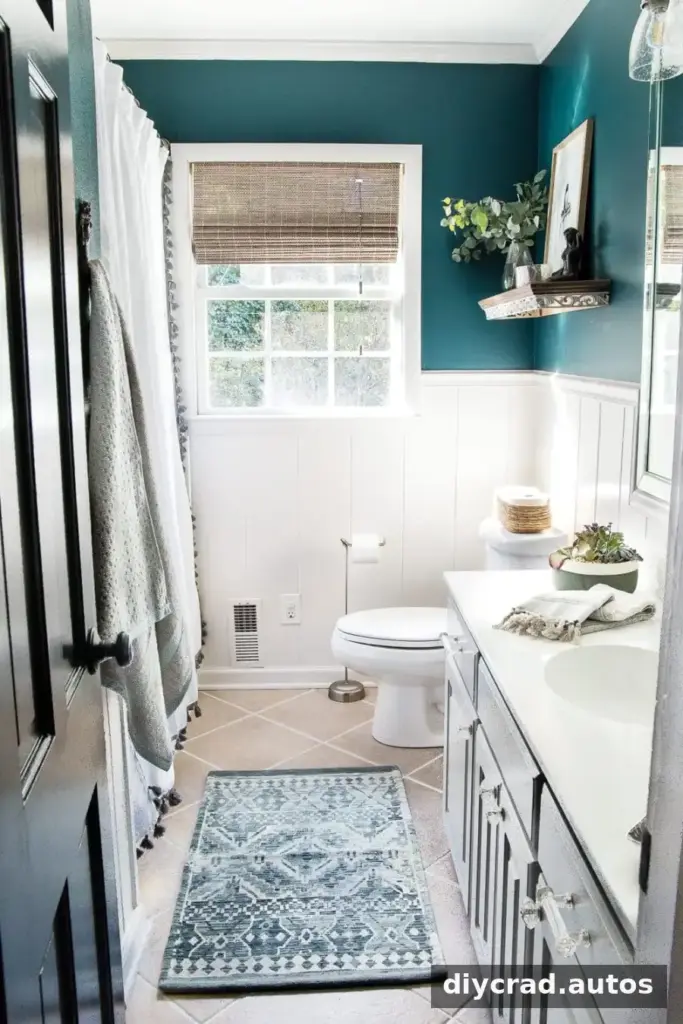
Source | Kid’s / Guest Teal Bathroom Makeover
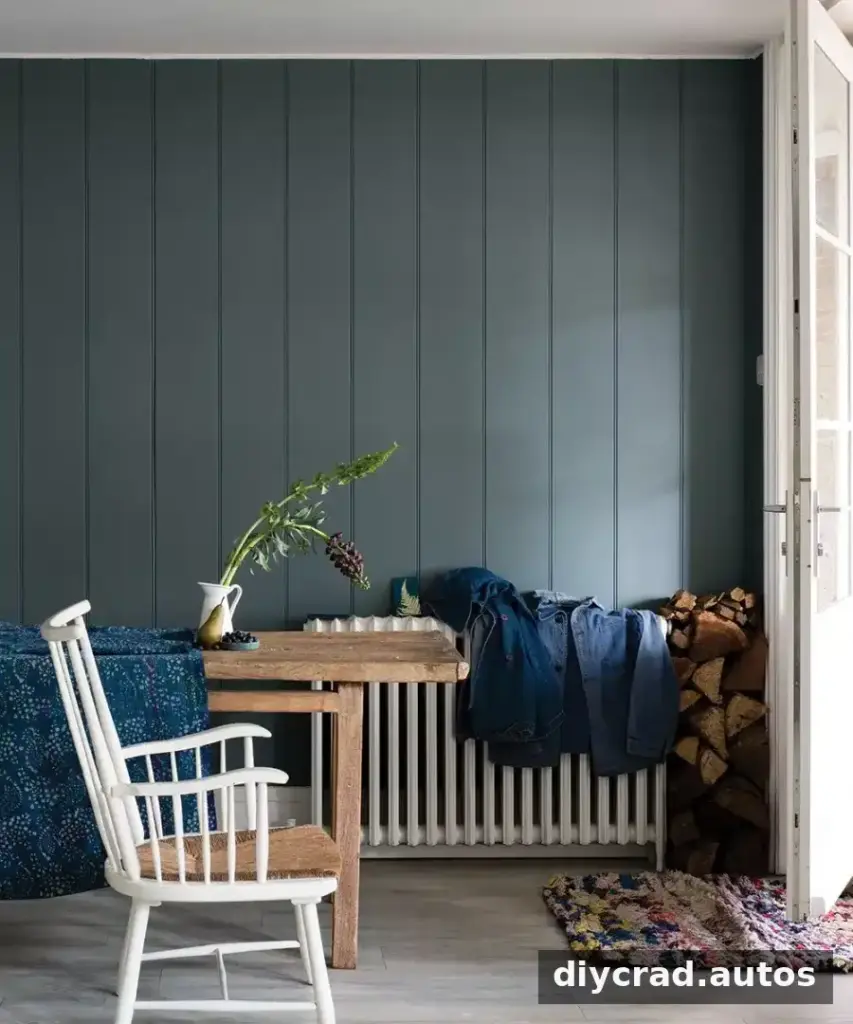
Farrow & Ball De Nimes
Source | Farrow & Ball
A Featured Mid-Tone Option: Romabio New Hope
New Hope, from the Bless’er House Color Collection with Romabio Paints, was used in the conference room. It is described as a mid-tone color that shifts between blue and green, with gray undertones that soften its appearance. As with any teal, assess a sample under the lighting you plan to use; overhead fluorescent light can give a different impression than lamps.

What Colors Complement Teal Paint?
Use the colors already present in your room as a guide. Testing small fabric or paint samples together can help you see whether the combination feels balanced before you buy larger quantities.
Soft White or Gray
Crisp white and soft gray create a simple, relaxed contrast with teal. Consider Benjamin Moore Chantilly Lace or Sherwin Williams Extra White for white, and Benjamin Moore Gray Owl or Sherwin Williams Passive for gray. A useful tip is to compare the proposed trim color beside the teal sample, since whites can appear warmer or cooler by contrast.
Warm White
Cream and ivory can make teal appear greener, while cooler whites may emphasize its blue side. Sherwin Williams Alabaster and Benjamin Moore Swiss Coffee are warm-white options to consider. Check the combination in the room’s actual light before selecting a finish.
Pink
Bold pink can give teal a more modern, high-contrast look, while pastel pink creates a softer effect. Try the pairing first in a smaller way with bedding, pillows, or draperies so you can adjust the balance easily.
Red
Muted reds, including tones found in Persian rugs, terra-cotta tile, or exposed brick, can add depth beside teal. Pinkish or purplish reds create a stronger contrast. Start with a few accessories; adding more red accents will make the overall look feel more eclectic.
Yellow and Natural Textures
Rattan, sisal, and bamboo introduce subtle yellow tones and natural texture that can soften teal. For a bolder combination, use a more saturated yellow as an accent rather than spreading it across several large surfaces.
- 12 Best Sage Green Paint Colors for a Relaxing Room
- The Most Recommended Blue Grey Paint Colors
- The Best Haint Blue Paint Color for Porch Ceilings
- The Most Recommended Navy Blue Paint
Frequently Asked Questions About Teal Paint Colors
Is teal green or blue?
Teal is a deep blue-green. Both colors are present, and the shade may appear bluer or greener depending on the paint, lighting, and nearby colors. The hex code for teal is #008080.
What colors are similar to teal?
Aqua, turquoise, and sea green are among the colors closest to teal. Their exact appearance varies, so compare samples directly if you are coordinating paint or decor.
What does teal symbolize?
In color theory, teal is commonly associated with clarity, calm, serenity, and renewal. It may be a good option for rooms intended to feel restful, such as bedrooms, though the final mood also depends on the shade and the rest of the room’s palette.
Choosing the Right Teal Paint Color
The best teal paint colors are the ones that work with your room’s light, finishes, and intended mood. Compare samples in place, look at them at different times of day, and consider whether you want the shade to lean blue, green, or gray. With those checks, teal can add a distinctive yet adaptable touch to a bedroom, bathroom, office, or accent wall.

