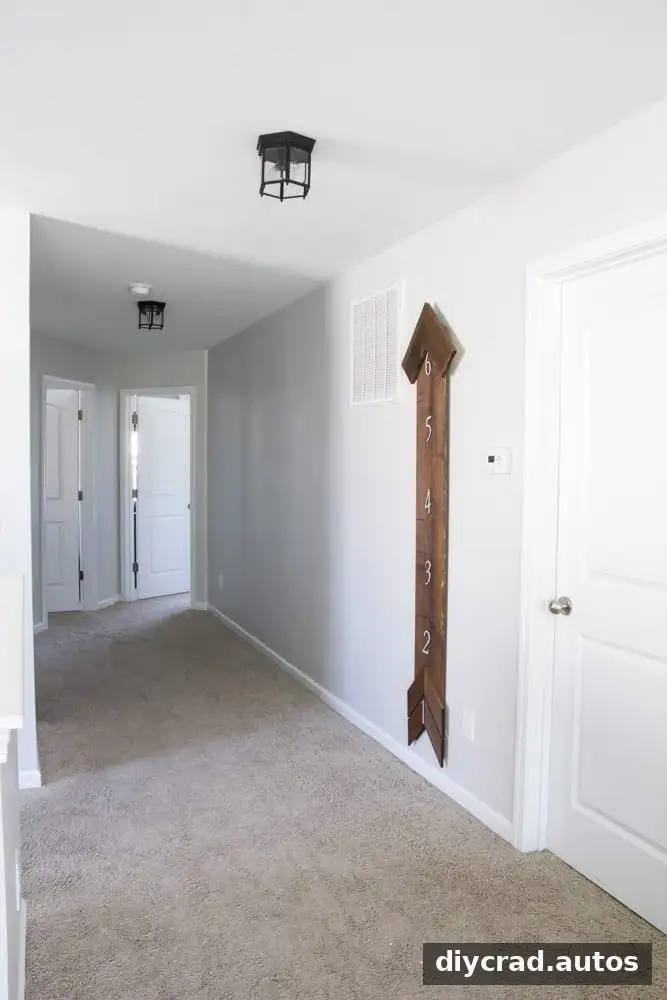
Learning how to choose gray paint can help you avoid a color that looks too blue, beige, or dark once it covers the walls. Gray paint is especially sensitive to undertones and lighting, so a color that seems neutral on a swatch card may look quite different in your room. Comparing samples and viewing them in place before committing to a full paint job can make the decision easier.
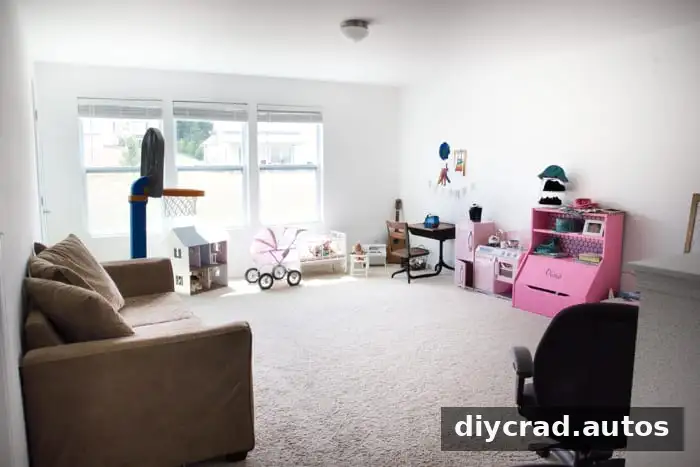
How to Choose Gray Paint by Comparing Undertones
Gray paints can lean warm, with beige or brown undertones, or cool, with blue or other cooler hints. Neither is automatically the right choice; the best option depends on the room and the look you want. In an open-plan space, a subtle gray may transition more easily into nearby hallways and stairs than a strongly colored shade.
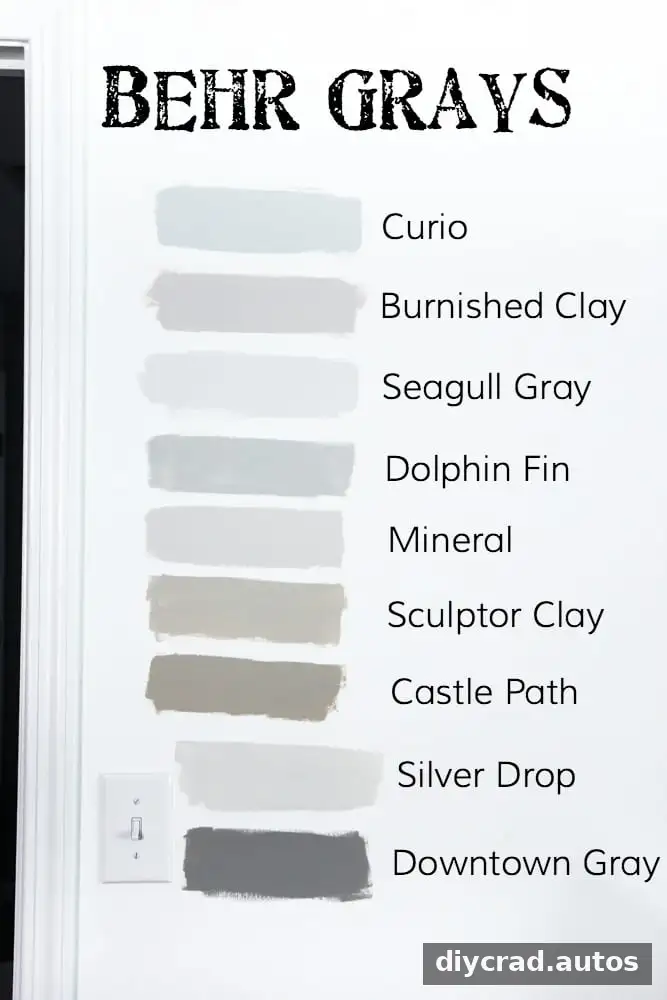
Start by looking at several gray swatches side by side. Comparing colors together makes differences in warmth and coolness easier to spot than viewing one card on its own. Keep in mind that the swatch is only a starting point: the painted color may look different on a large surface.

Use Room Photos for Inspiration, Not as a Color Guarantee
Online room photos can help you see how gray paint works with furniture, flooring, and other design choices. They can also give you ideas about whether you prefer a pale, airy gray or a deeper shade. However, screens and photo editing can change how colors appear, so an image cannot reliably show the exact color in your home.
Use photographs to narrow down options, then check the actual paint samples in your own space. This is particularly useful when you are deciding whether a gray will coordinate with existing finishes.
Test Paint Samples Before Painting the Room
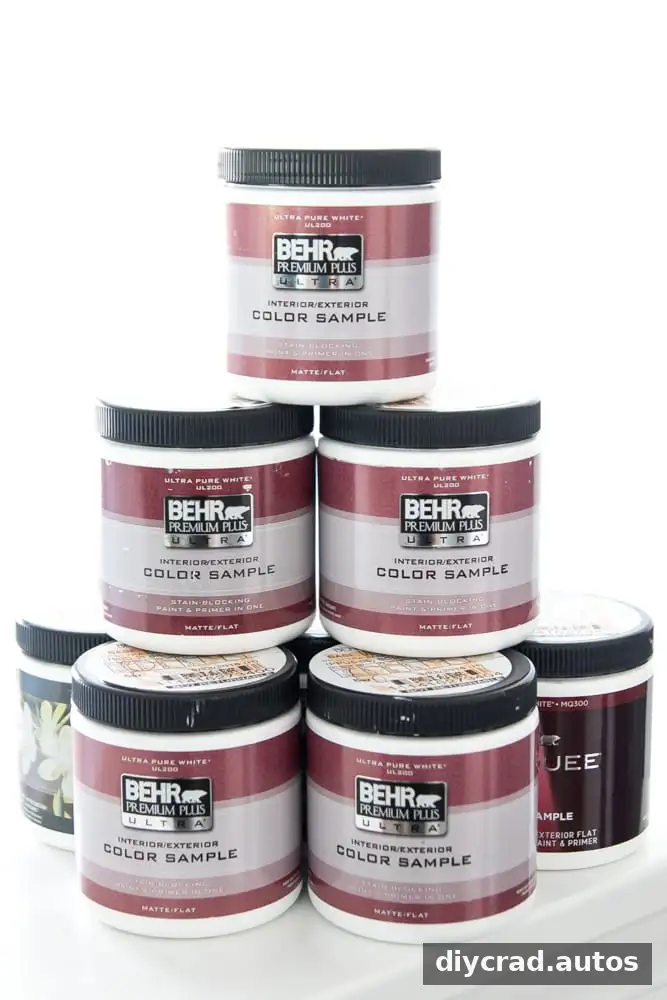
Before buying paint for every wall, test a few promising shades. Choosing a color directly from a small swatch card can be tempting, but the result may be different once the paint covers a larger area. Sample pots provide a relatively low-cost way to compare colors: in the original project, nine samples were tested, and sample paint cost about $15 compared with roughly $100 for the wrong full-size paint purchase.
Apply samples to more than one wall, or paint them on white foam poster board and move the boards around the room. This lets you compare colors without painting directly onto the walls. Leave the samples visible long enough to assess them under different conditions.
Pay attention to how each sample reads
In the playroom project, Curio looked like a possible choice on its swatch card but appeared noticeably blue on the wall. Castle Path seemed warm gray on its card yet looked more tan in the room. These examples show why it is helpful to evaluate the painted sample itself rather than relying on the card alone.
Check Gray Paint in Different Lighting
Look at your samples at different times of day and on multiple walls. A shade may appear lighter or darker as the room’s lighting changes. Window size and placement also affect how much daylight enters the space, so consider how bright or subdued you want the finished room to feel.
Also check the paint from the doorway and from adjoining spaces. This is a practical step when a room opens onto a hallway or stairway, because the color may appear different in those areas. In the project, Seagull Gray was selected in an eggshell finish. It read as a cool gray without looking blue and kept the playroom feeling light and open. One coat was sufficient for that project.
Consider the Whole Space Before Choosing
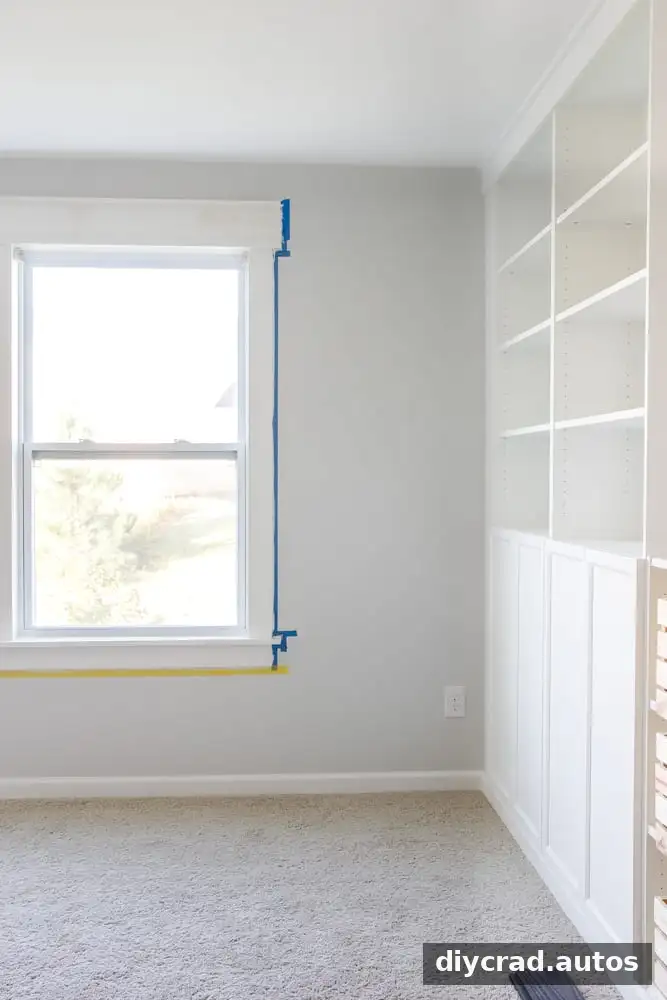
A color does not need to make a dramatic change to be effective. A restrained gray can suit a room that connects to other parts of the home, while still giving the walls more definition than white primer. The selected gray looked darker in a hallway without windows, but it did not make that area feel overly dark.
- Compare several swatches together to identify undertones.
- Use online images to gather ideas, not to judge exact color.
- Test sample paint on different walls or movable boards.
- View samples in morning, afternoon, and evening light.
- Check how the color looks from adjoining rooms and hallways.
Conclusion: How to Choose Gray Paint with Confidence
The most reliable way to decide how to choose gray paint is to compare undertones, test real samples, and observe them in the room’s changing light. A swatch or online photograph can help you shortlist options, but the sample on your wall gives you a more useful impression. Taking time to check the color across different walls and nearby spaces can help you choose a gray that feels balanced throughout the home.