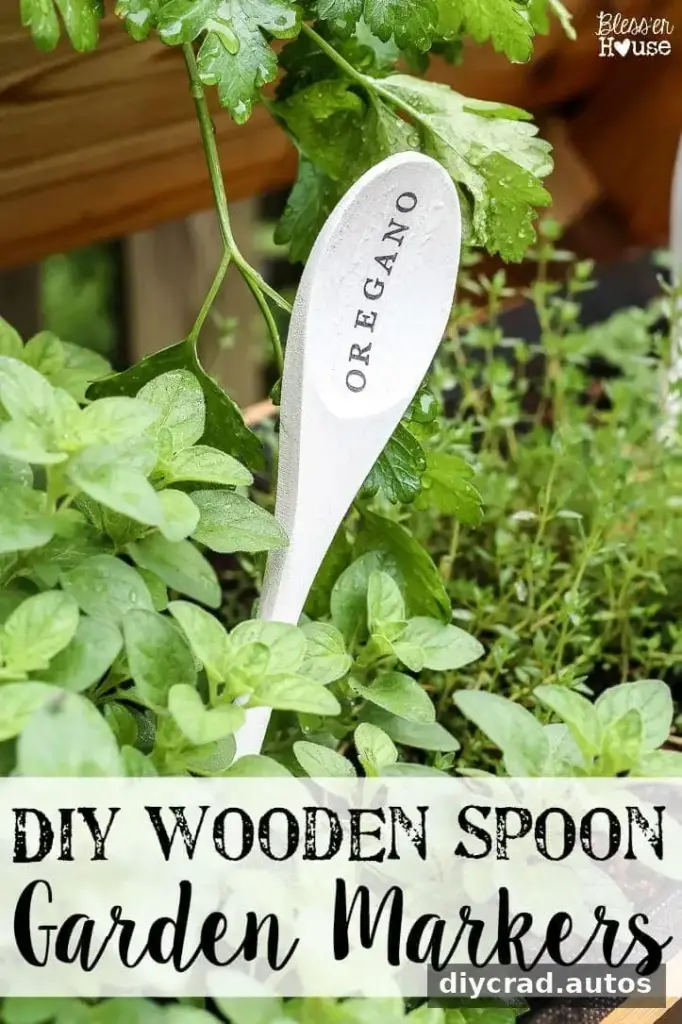
Wooden spoon garden markers are a simple, charming way to label herbs and make a garden easier to navigate. With inexpensive wooden spoons, outdoor-suitable paint, stamps, and a protective finish, you can create personalized plant labels for pots or a backyard herb bed. The project is approachable for beginners and can also be a fun craft to do with children, with an adult handling the finishing spray.
Materials for Wooden Spoon Garden Markers
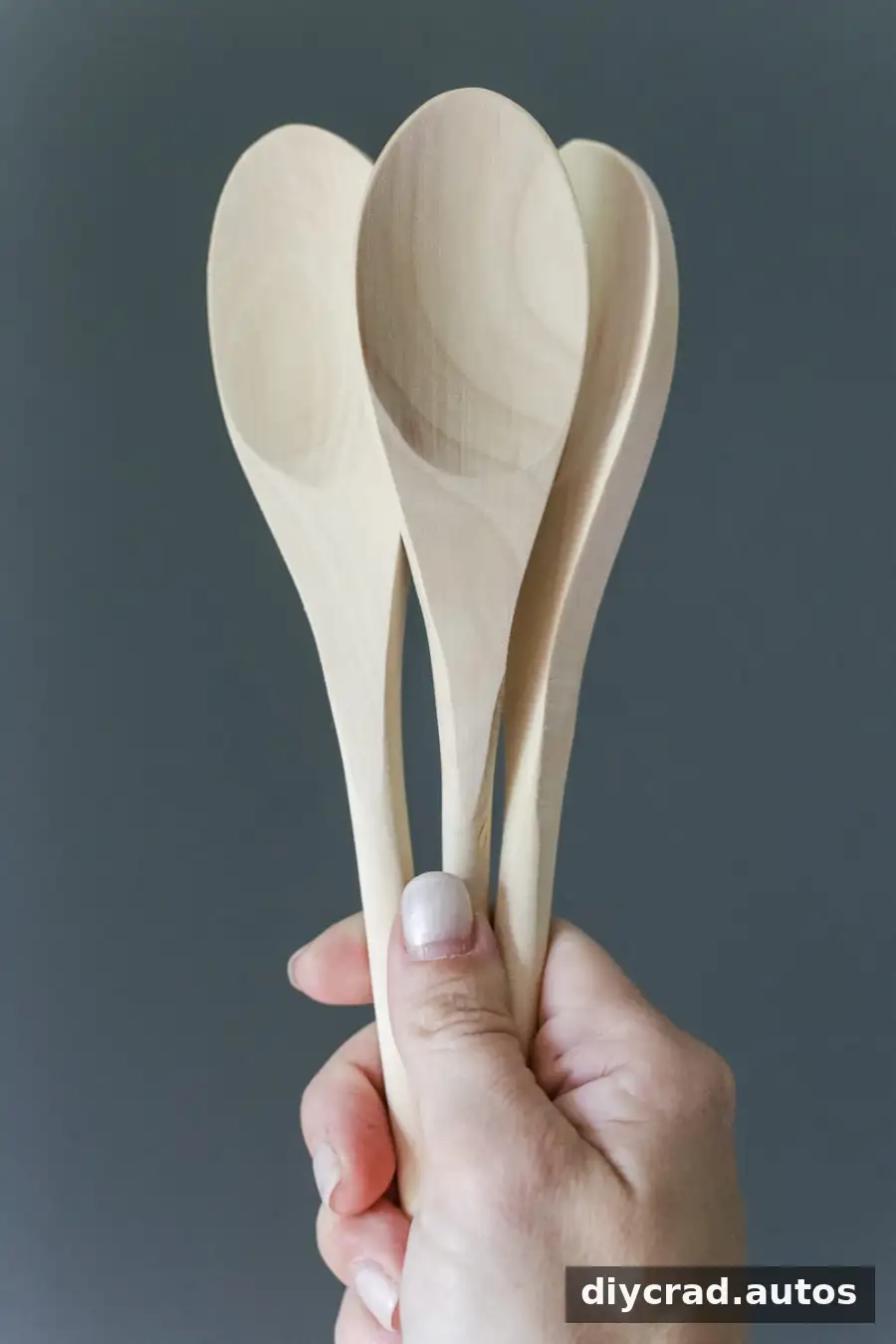
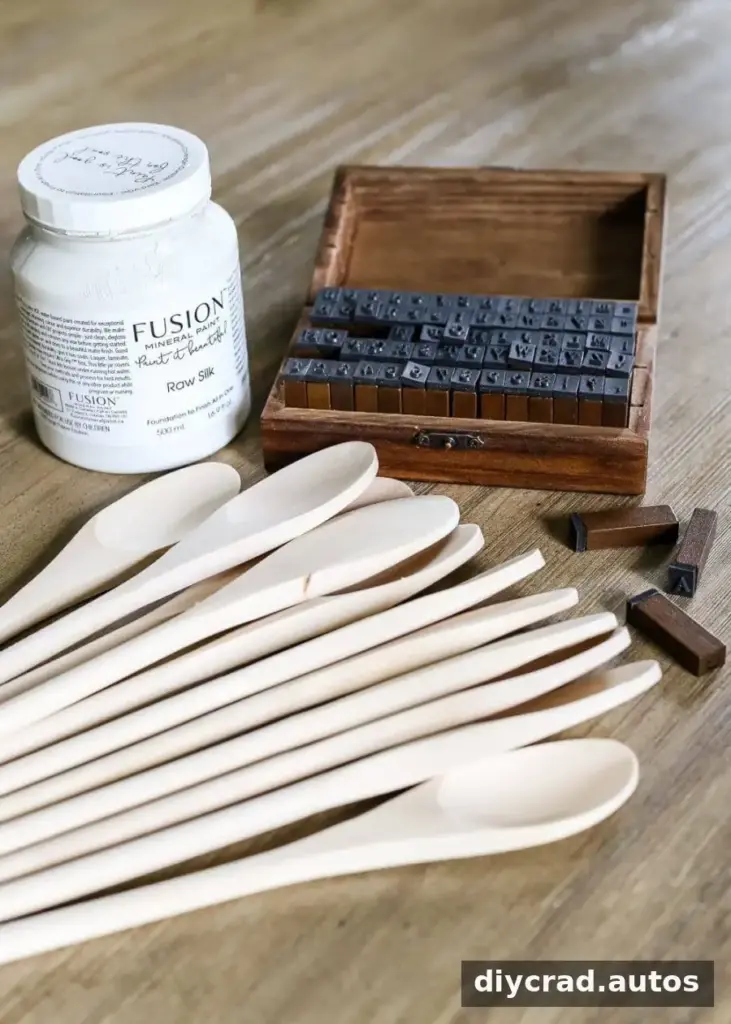
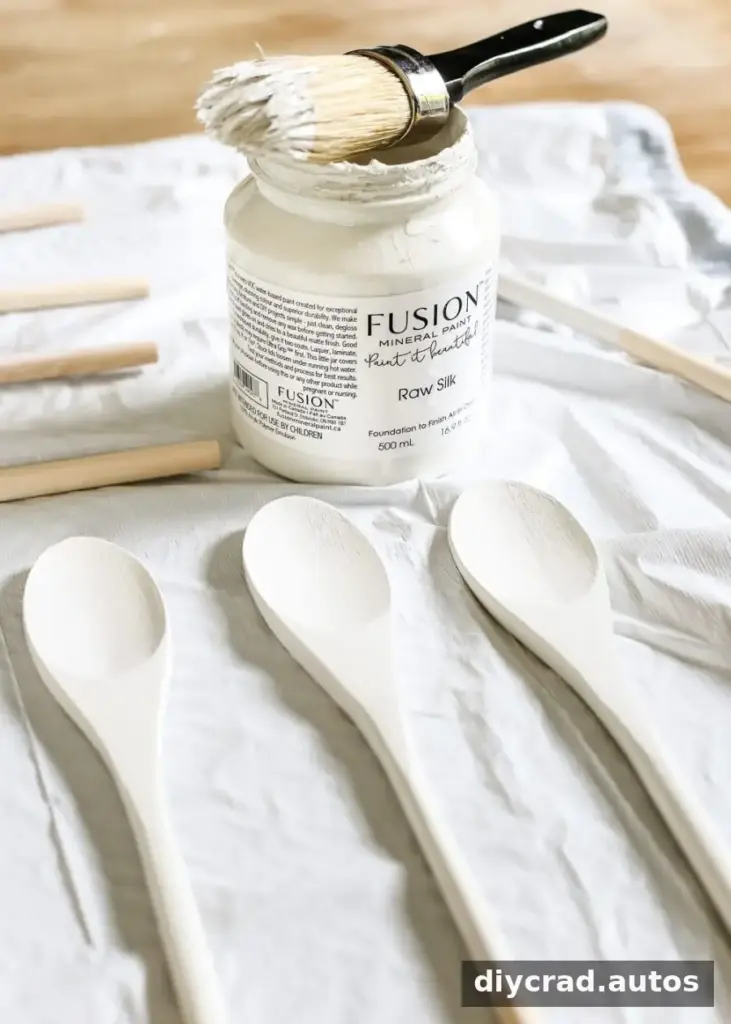
The spoons used for this project have a vintage-inspired look and cost around $1 each at a dollar store. Gather the following supplies before you begin:
- A pack of wooden spoons
- White outdoor acrylic paint, or another paint labeled as suitable for outdoor use
- A stamp set and ink pad
- A large artist’s brush
- A small artist’s brush
- A pencil
- A straight edge, such as a flexible ruler or piece of cardstock
- Spray spar urethane
Choose spoons with enough flat space for the plant names you plan to write or stamp. Before starting, check the paint and finish labels to confirm they are suitable for your intended outdoor use.
How to Make the Herb Markers
1. Paint the spoons
Brush one coat of white paint over both sides of each spoon. Set the spoons aside to dry. In this project, the paint was left to dry for about an hour; follow the drying instructions on your chosen product, as timing can vary.
2. Mark a guide for the lettering
Once the paint is dry, use a pencil and straight edge to draw a light line across the spoon bowl. This gives you a guide for keeping stamped names level. If you prefer a more casual look, you can skip the guide and position the letters by eye.
3. Stamp the plant names
Stamp each herb name along the pencil line. The lettering does not need to be perfectly aligned: small variations give handmade markers their character. Check that each label is easy to read before moving on, especially if you are marking herbs with similar-looking leaves.
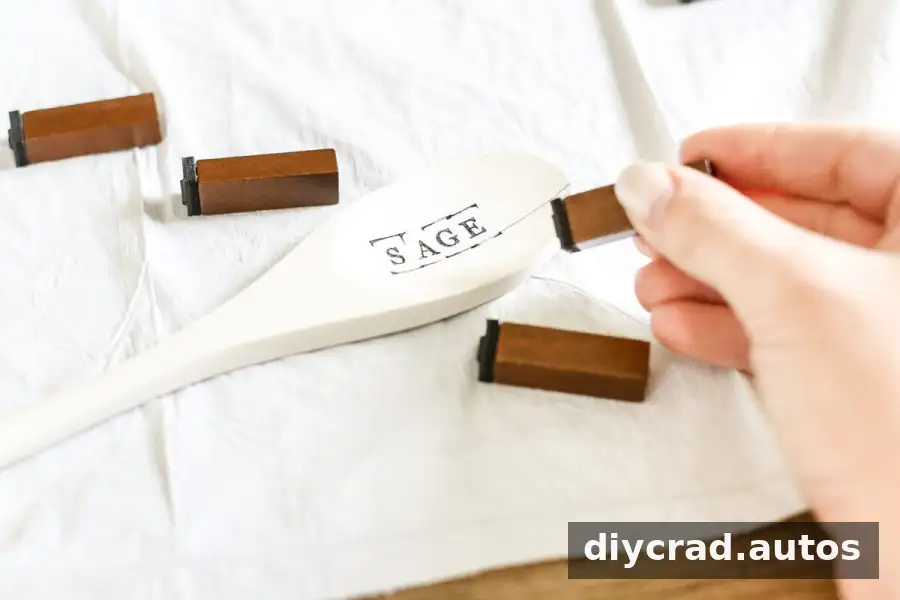
4. Clean up the guides and seal
If the stamps leave visible square outlines, use the small brush and a little more white paint to cover those marks and the pencil line. Let the touch-ups dry, then apply three light coats of spray spar urethane to help protect the ink from outdoor weather.
Apply the spray according to its label, in a well-ventilated area, and allow the finish to dry and cure as directed before placing the markers in the garden. Light coats help avoid drips and uneven coverage.
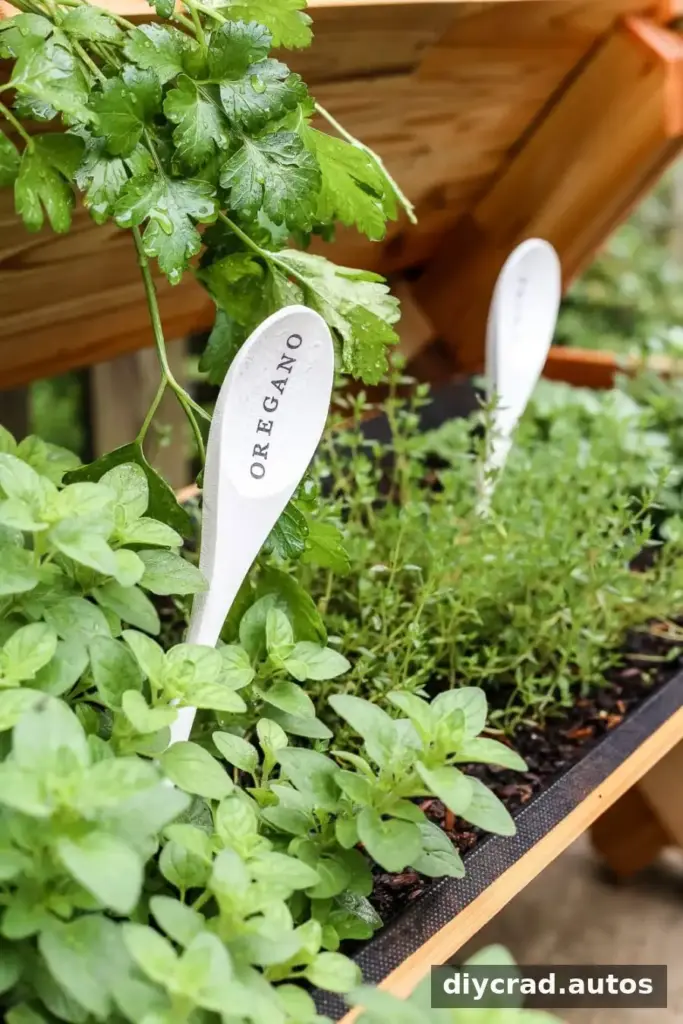
Where to Use Wooden Spoon Garden Markers
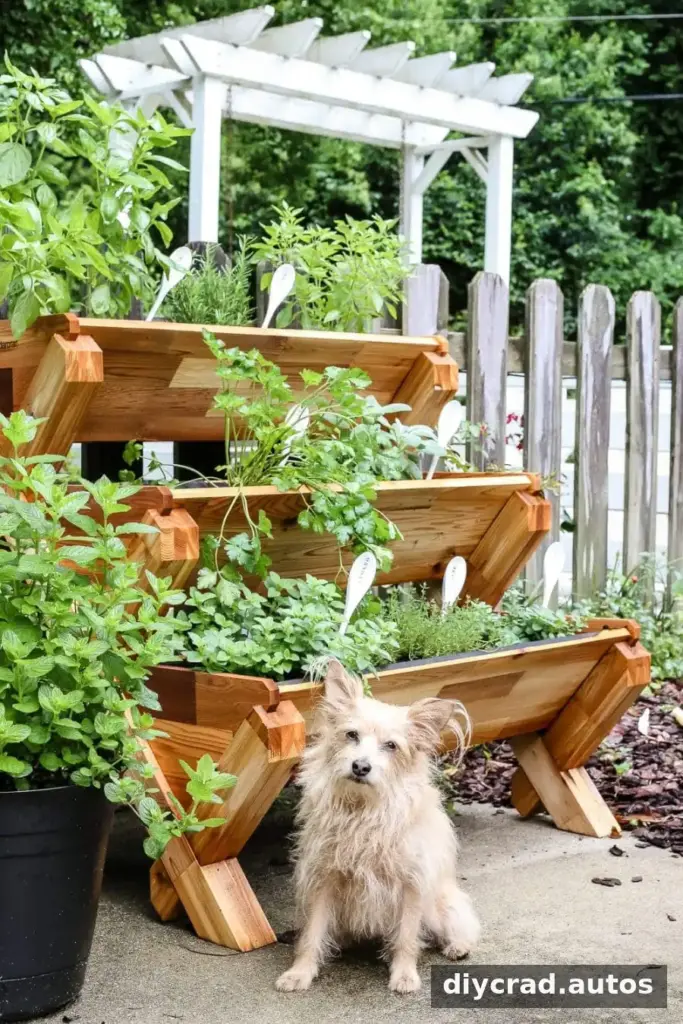
Push the handle of each finished spoon into the soil beside the matching plant. They work in raised beds, containers, and tiered herb gardens. Place the label close enough to identify the plant, but avoid positioning it where it could interfere with watering or disturb the roots.
The same idea can be adapted for outdoor events. Larger, clearly stamped spoons could serve as table numbers at an outdoor wedding or as small favors for a bridal shower. For event use, make sure the lettering is readable from the distance guests will view it.
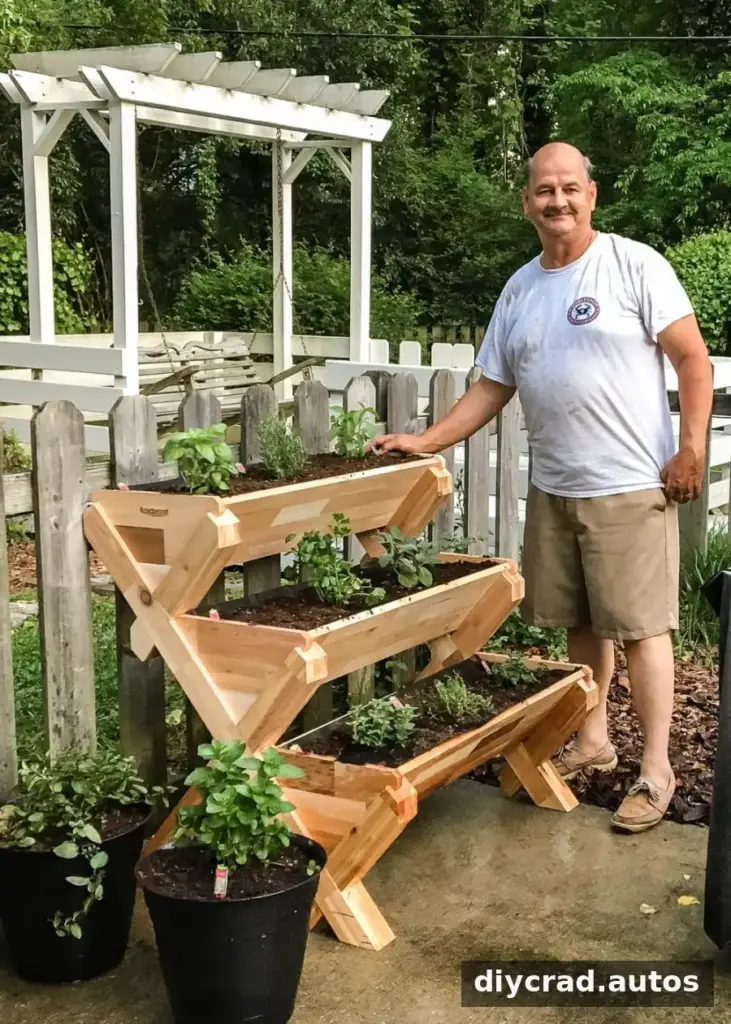
Labeling a Beginner Herb Garden
A tiered herb garden can make it convenient to grow several varieties in a compact space. A collection might include basil, oregano, rosemary, sage, thyme, parsley, mint, and spicy oregano. Other varieties, such as lime basil and chocolate mint, can add distinctive flavors for recipes and drinks.
Labels are especially helpful when young plants look alike or when several varieties share a growing area. They can also make it easier to remember which herbs are ready to harvest. Check plants regularly and follow their individual care needs; different herbs may not require the same amount of water or sunlight.
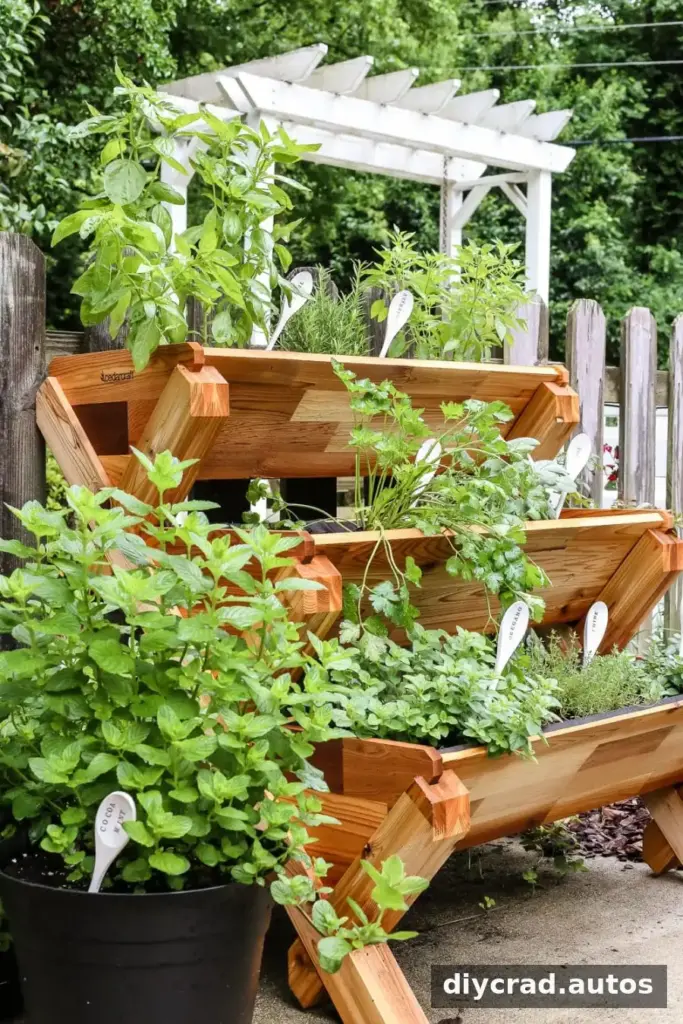
Once the herbs begin growing, picking a few leaves for dinner can be an easy way to use the garden. Snip only what you need, use clean scissors, and avoid removing too much from a small or newly established plant.
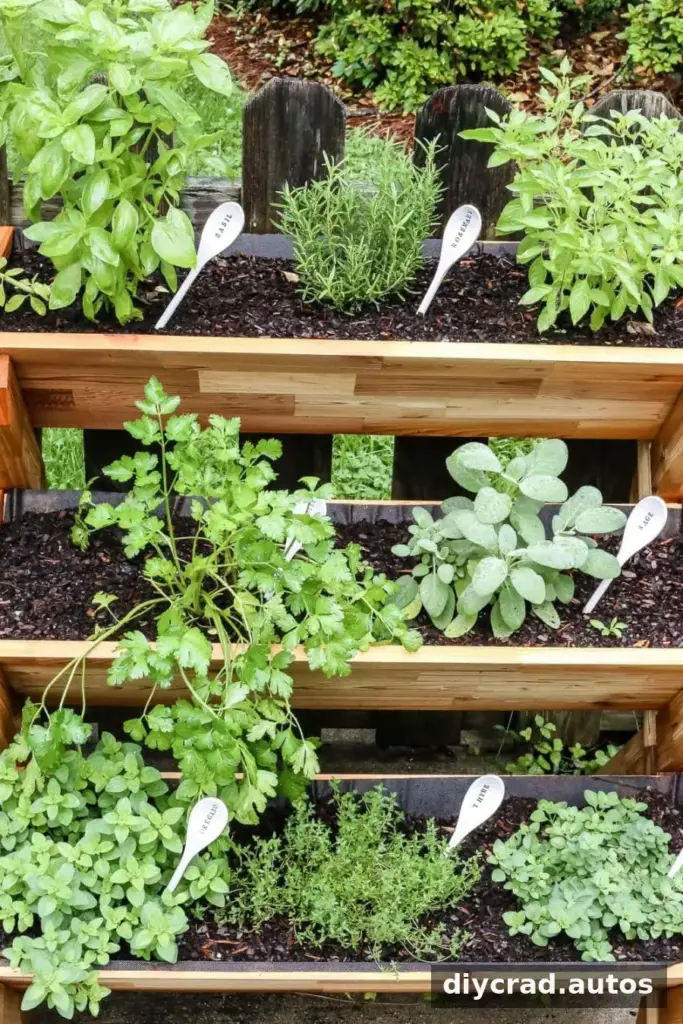
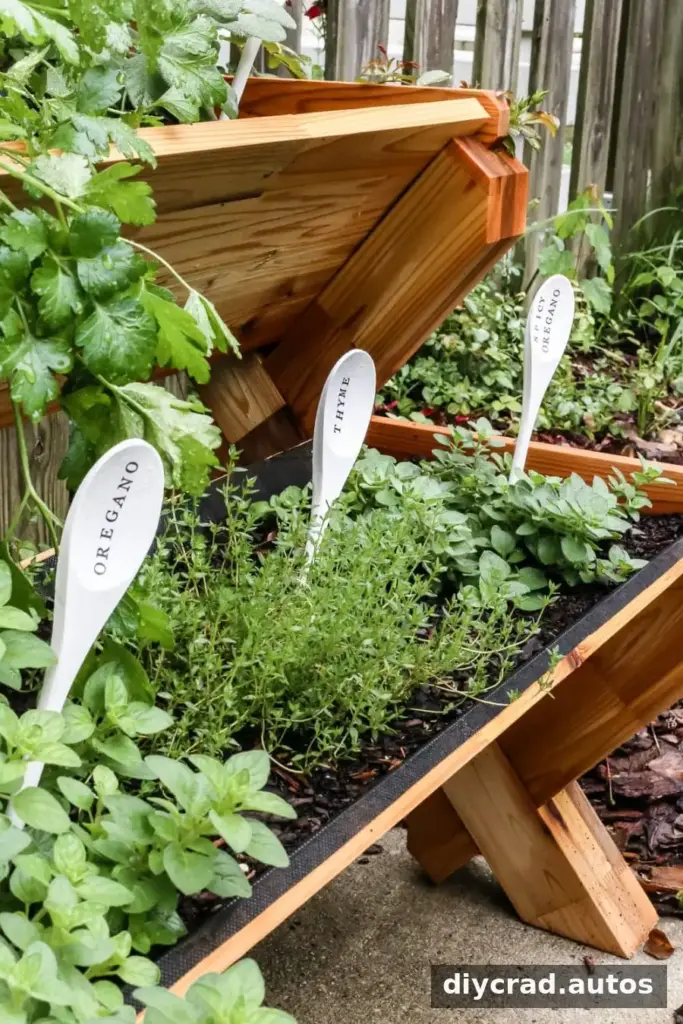
Growing a mix of familiar herbs alongside less common flavors gives cooks options for meals and seasonal drinks. If a variety is new to you, start with a small amount in a recipe and adjust to taste.
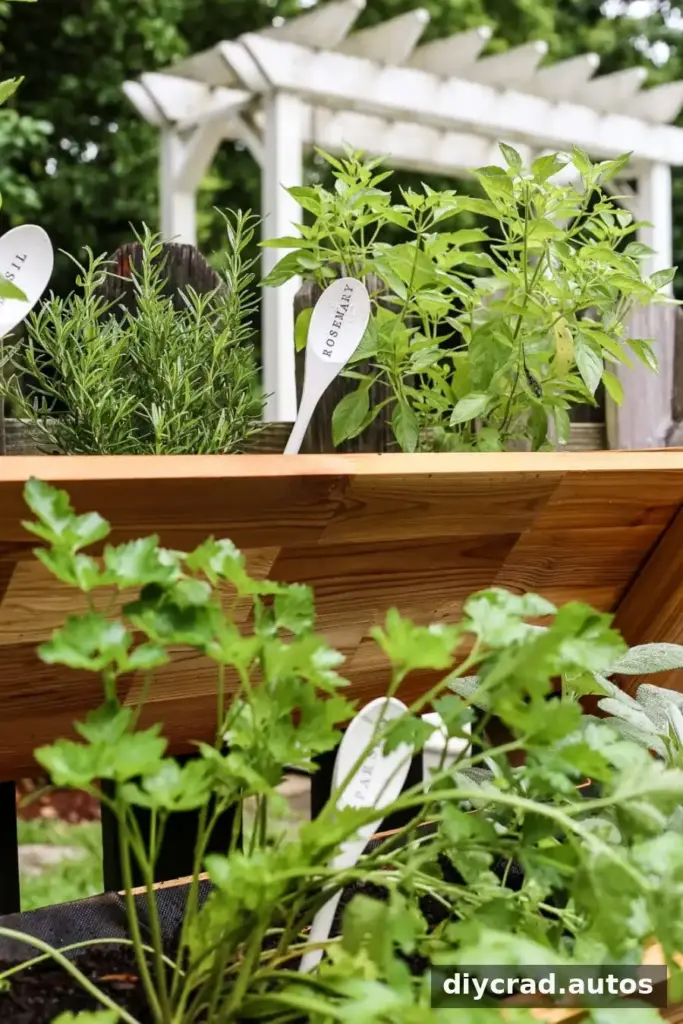
Garden markers can also make it easier for everyone in the household to recognize what is growing. Place them where they are visible without blocking access to the plants.
Conclusion
Wooden spoon garden markers combine affordable materials with a practical purpose: keeping herbs identified throughout the growing season. Paint both sides, use a light guide for stamping, and protect the finished labels with three light coats of spar urethane. With clear names and appropriate drying time, these homemade markers can bring an organized, handmade touch to a herb garden.