

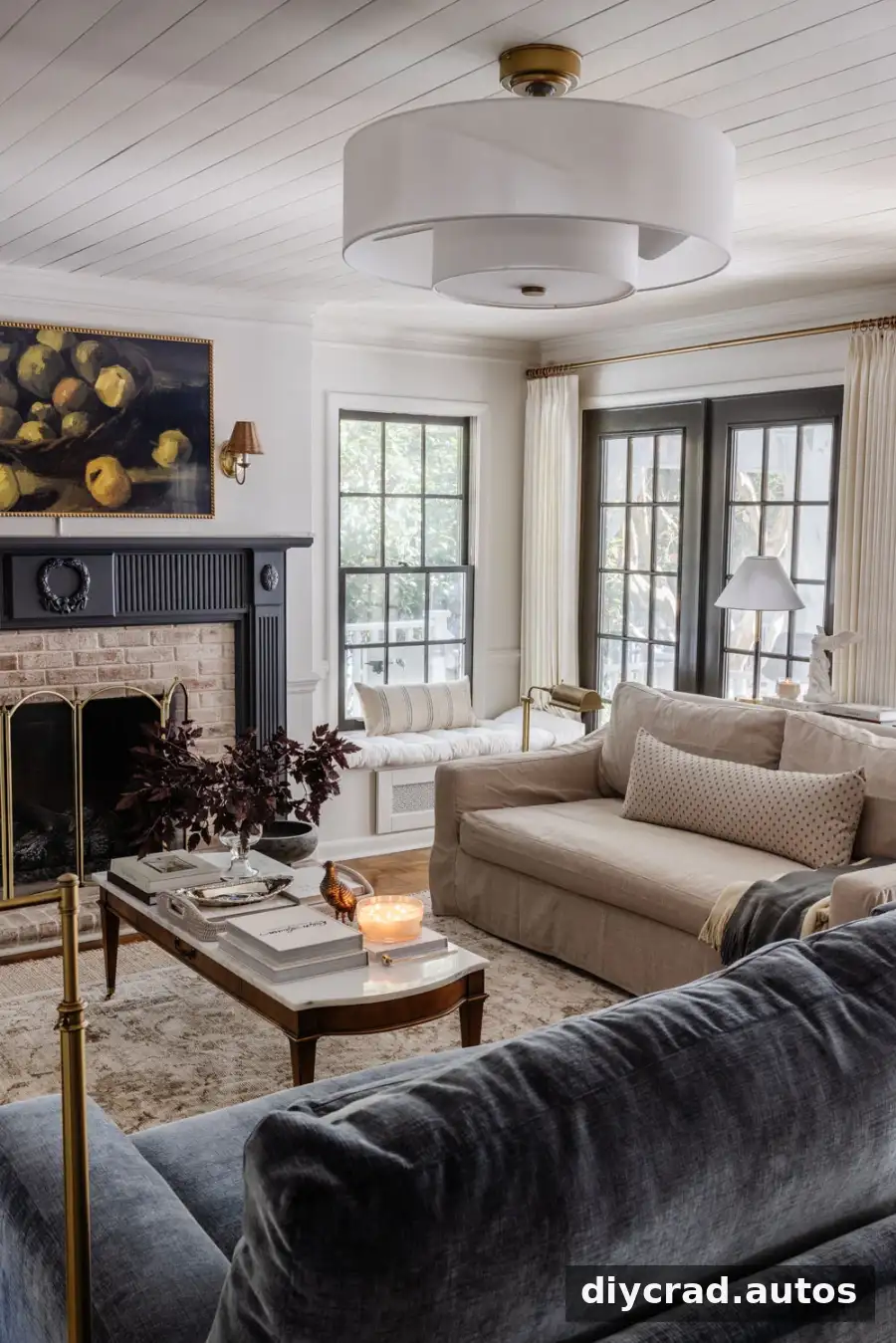
To make 8-foot ceilings look taller, you don’t need to raise the roof or remodel the structure. Thoughtful choices in color, furniture, lighting, and window treatments can guide the eye upward and make a room feel more open. These 13 design ideas work with standard-height ceilings and can be used individually or combined for a more noticeable effect.
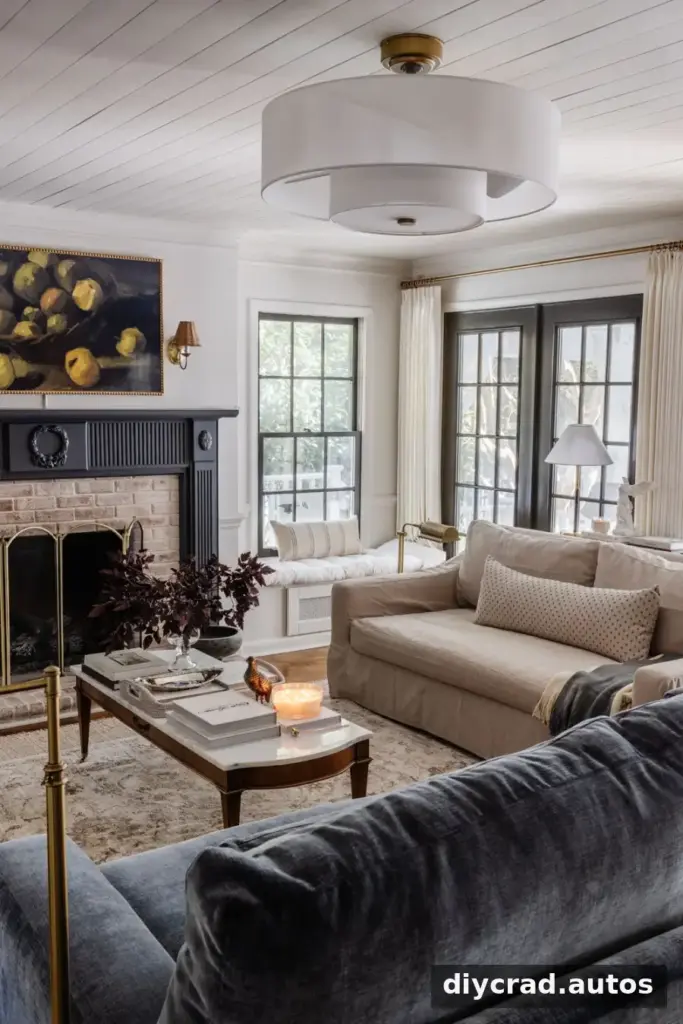
A home built in the 1960s with standard 8-foot ceilings can still feel spacious and carefully designed. The key is to manage visual proportions: reduce strong horizontal breaks, emphasize vertical lines, and use the ceiling as part of the room’s design.
How to Make 8-Foot Ceilings Look Taller
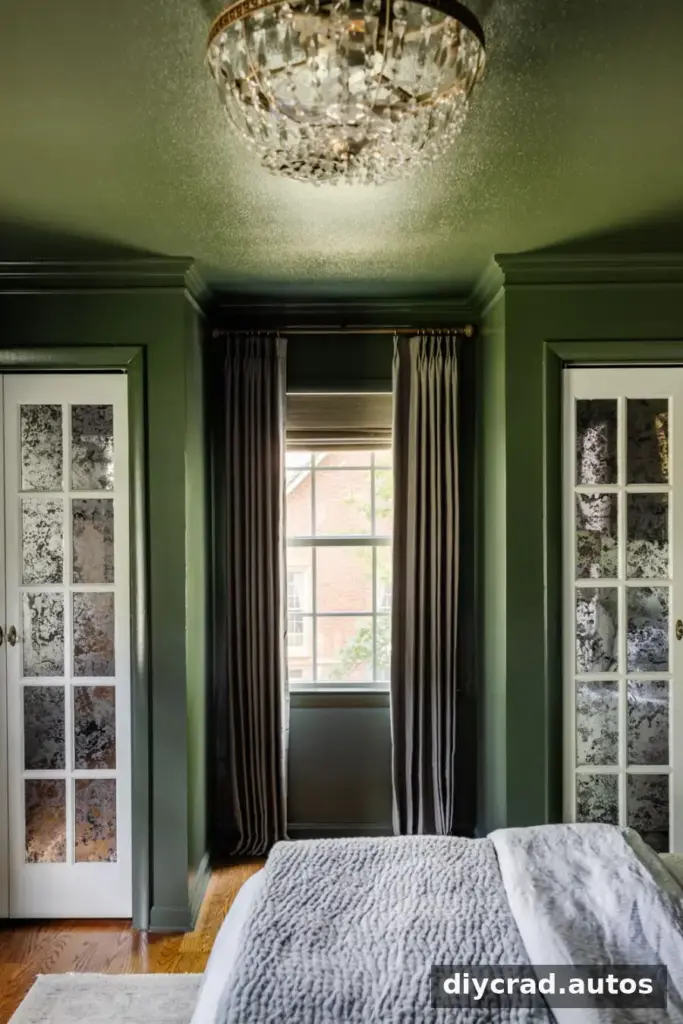
1. Color-drench the room
Painting the walls, trim, doors, and ceiling the same color can soften the boundary between the walls and ceiling. Without a strong line to interrupt the view, the room may appear more continuous and taller. This technique can work in bedrooms, dining rooms, and bathrooms.
Practical tip: Test the color in the room at different times of day. Natural and artificial light can change how a shade looks across walls and ceilings.
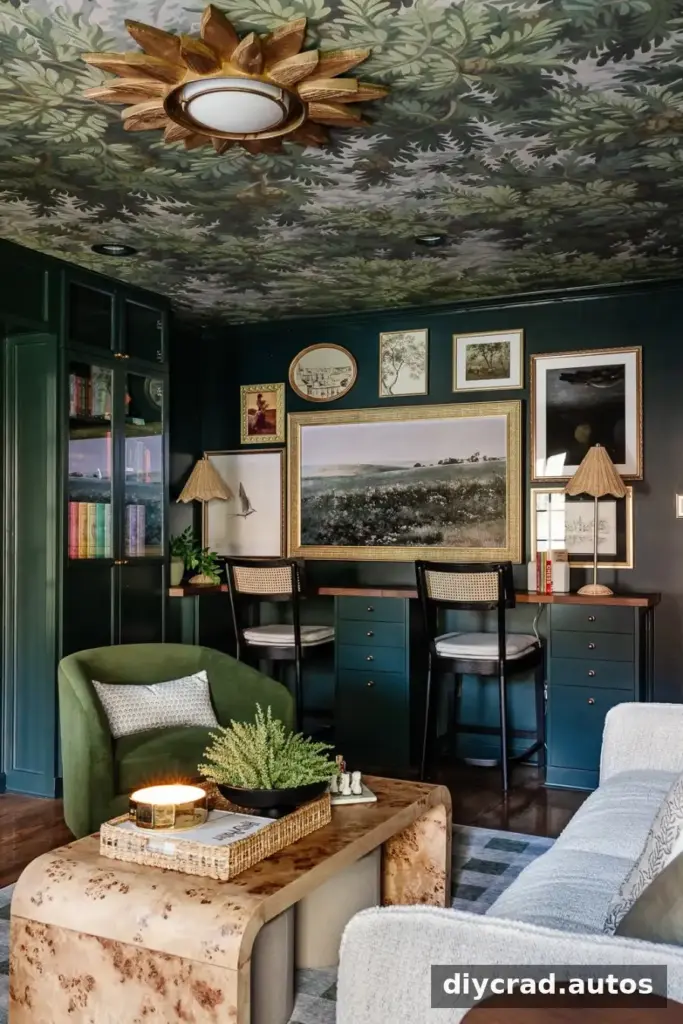
2. Wallpaper the ceiling
Wallpaper can turn the ceiling into a deliberate focal point and draw attention upward. Rather than leaving the ceiling visually unnoticed, a considered pattern gives the eye a reason to travel higher. It can add character to a media room or another space where a distinctive ceiling treatment suits the design.
Practical tip: Choose a pattern and scale that work with the room’s size and existing finishes so the ceiling feels intentional, not visually crowded.
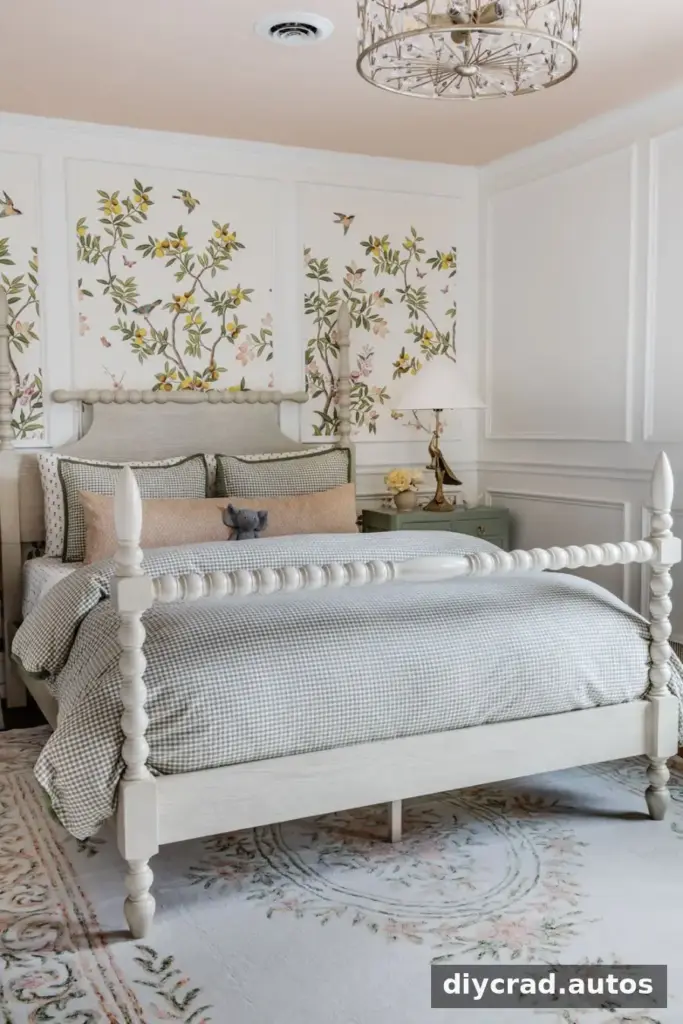
3. Paint the ceiling a soft accent color
A ceiling does not have to be white. A soft accent, such as dusty pink, can create an unexpected focal point and encourage the eye to look up. This approach adds personality while keeping the effect gentle, especially in a bedroom or other relaxed space.
Practical tip: If you want a subtle result, select a muted shade that coordinates with the walls rather than a high-contrast color.
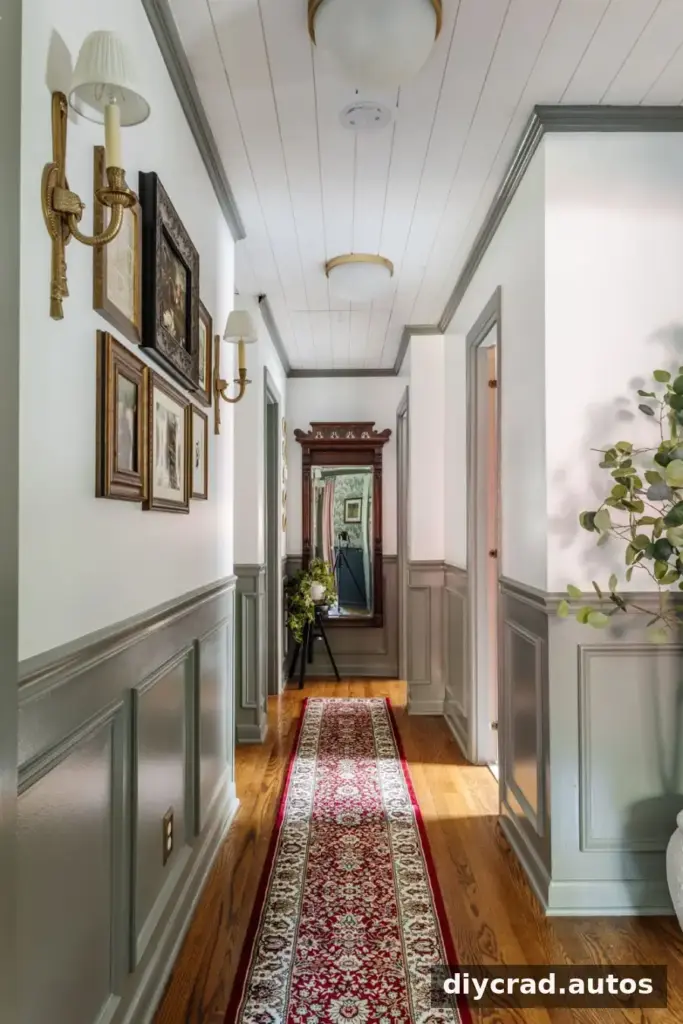
4. Add tongue-and-groove planks
Tongue-and-groove boards add texture and architectural interest to a ceiling. Their long lines create visual movement, which can make the room feel more expansive. The treatment has been used in both an upstairs hallway and a living room, and it can also help disguise an attic door.
Practical tip: Plan the direction of the boards before installation; their lines will influence how the ceiling and room are perceived.
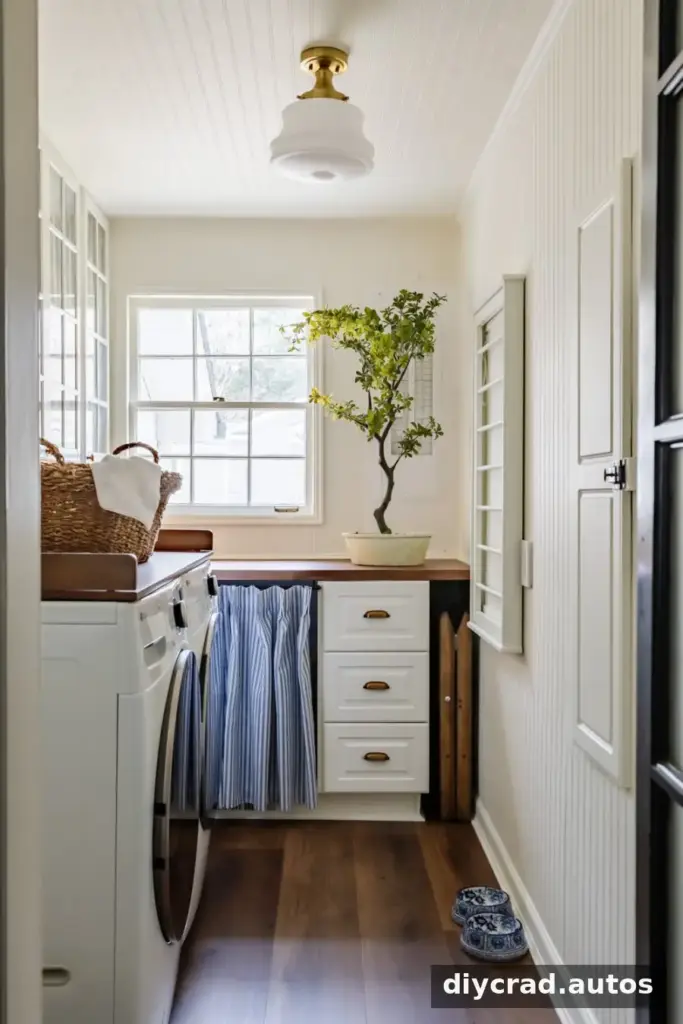
5. Cover an unattractive ceiling with beadboard
Beadboard offers a way to refresh a ceiling with an uneven or unattractive finish. Its linear texture adds detail and can suggest greater height, while covering the surface may be a quicker alternative to extensive patching and sanding.
Practical tip: Check that the existing ceiling is suitable for the chosen installation method, and account for fixtures and access panels before covering it.
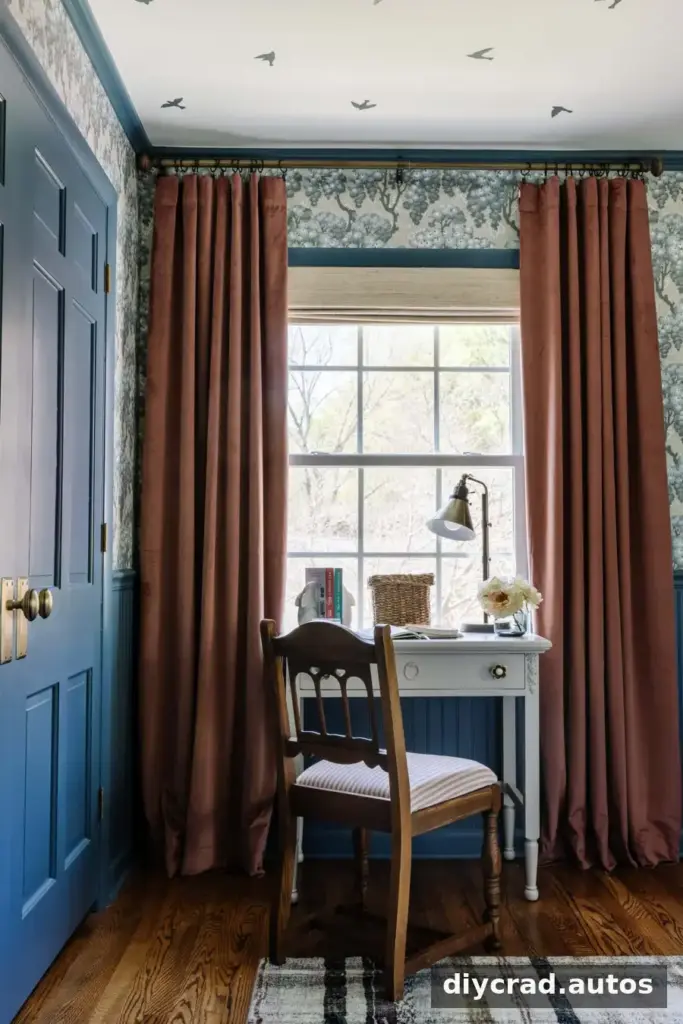
6. Hang curtains high and wide
Position curtain rods close to the ceiling and extend them several inches beyond each side of the window. This makes the window treatment appear larger and creates a longer vertical line from the ceiling toward the floor.
Practical tip: Measure the full drop before buying curtains. Panels that reach near the floor usually create a cleaner, taller-looking line than curtains that stop well above it.
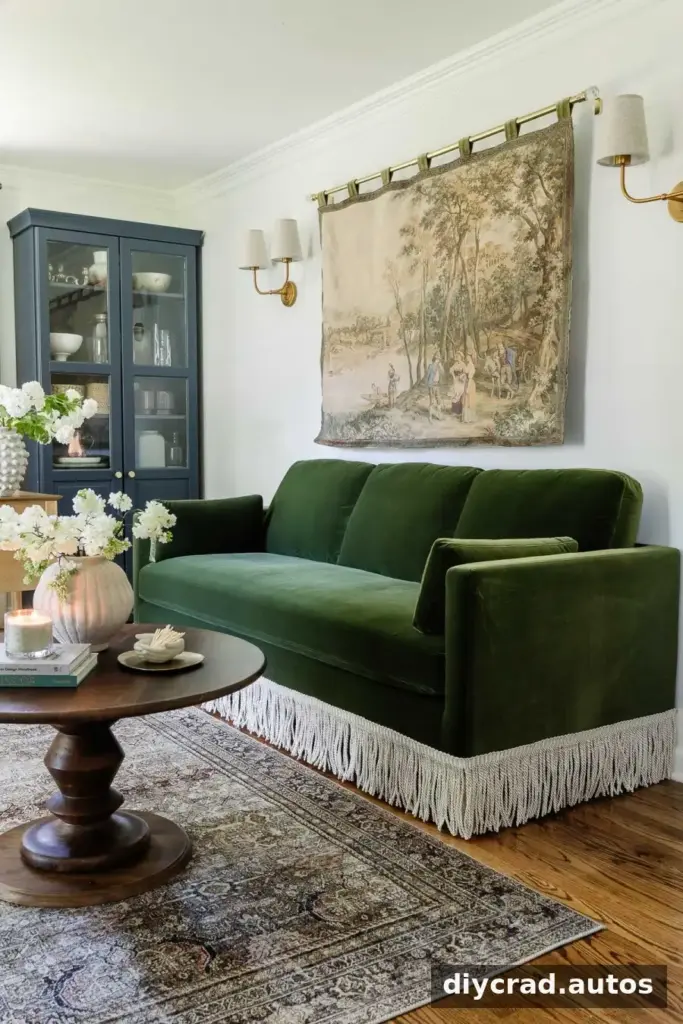
7. Choose larger wall art
A small picture surrounded by a large area of empty wall can make the wall’s proportions more noticeable. One or two oversized pieces can create a stronger visual presence and make a room feel more grandly scaled than a collection of many small frames.
Practical tip: Check the artwork’s width against the furniture below it, such as a sofa, to keep the arrangement balanced.
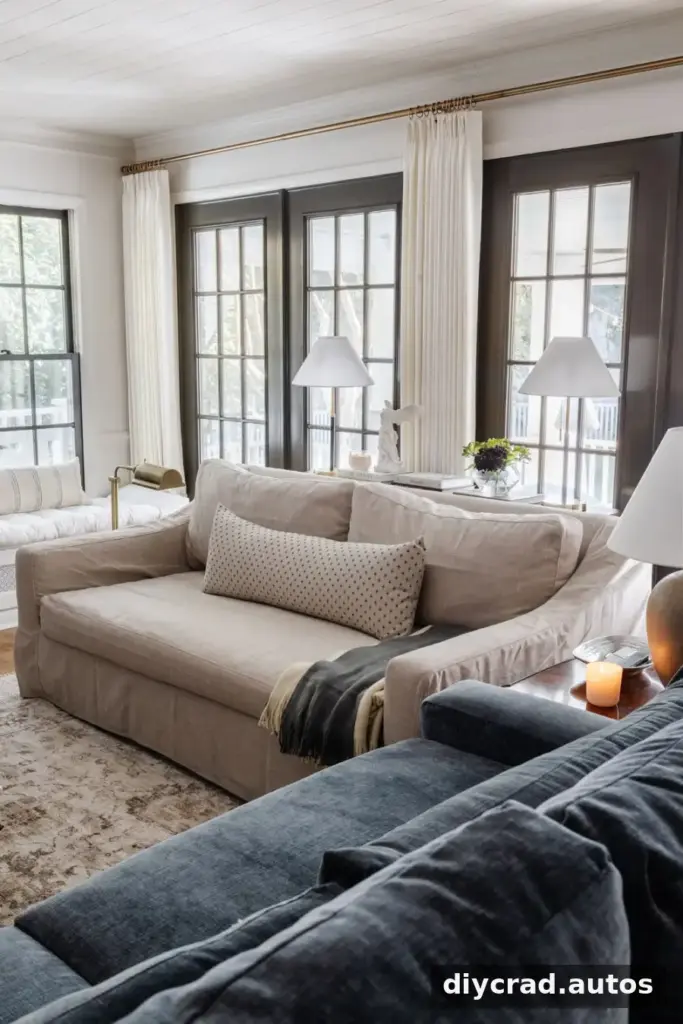
8. Choose lower-profile furniture
Low sofas, beds, and chairs leave more visible wall above the furniture. That added area creates a useful contrast and can make the ceiling seem higher. Consider comfort as well as appearance, particularly if household members are tall or find low seating difficult to use.
Practical tip: You don’t need to replace every piece. A lower-profile sofa or bed can shift the room’s proportions without changing the entire layout.
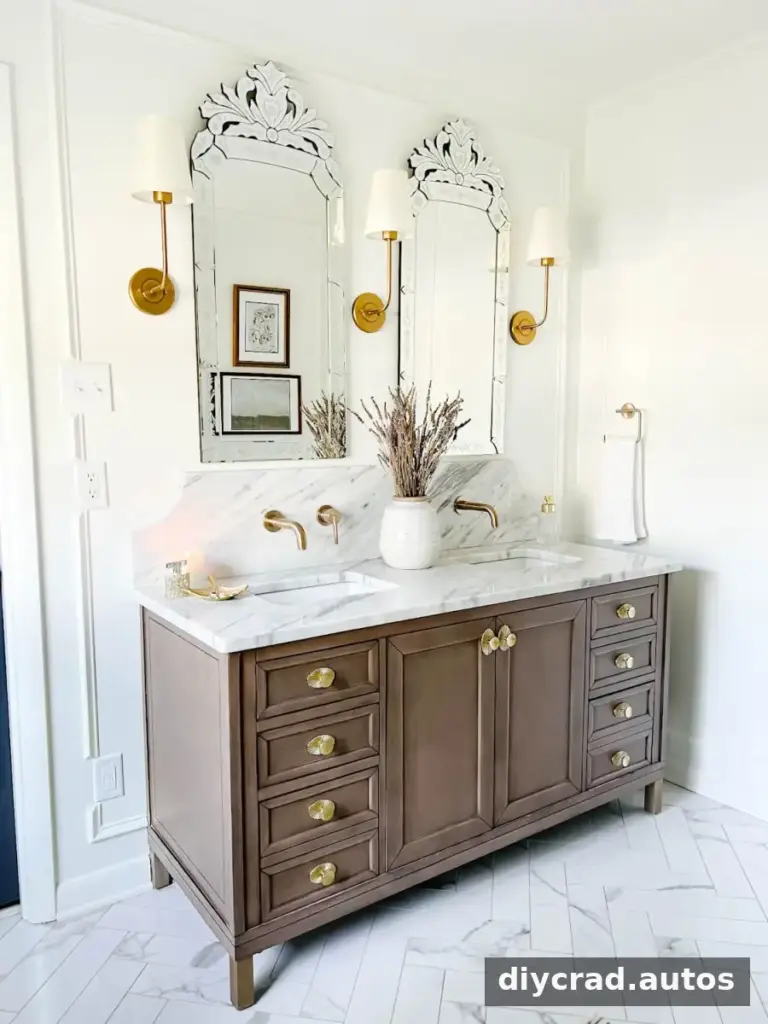
9. Hang tall mirrors
Tall mirrors draw the eye along the height of a wall. They also reflect light, which can help a room feel brighter and more open. In a bathroom, a mirror that reaches close to the crown molding can emphasize the room’s full height.
Practical tip: Place mirrors where they reflect light or an attractive part of the room, rather than an area you would prefer to keep out of view.
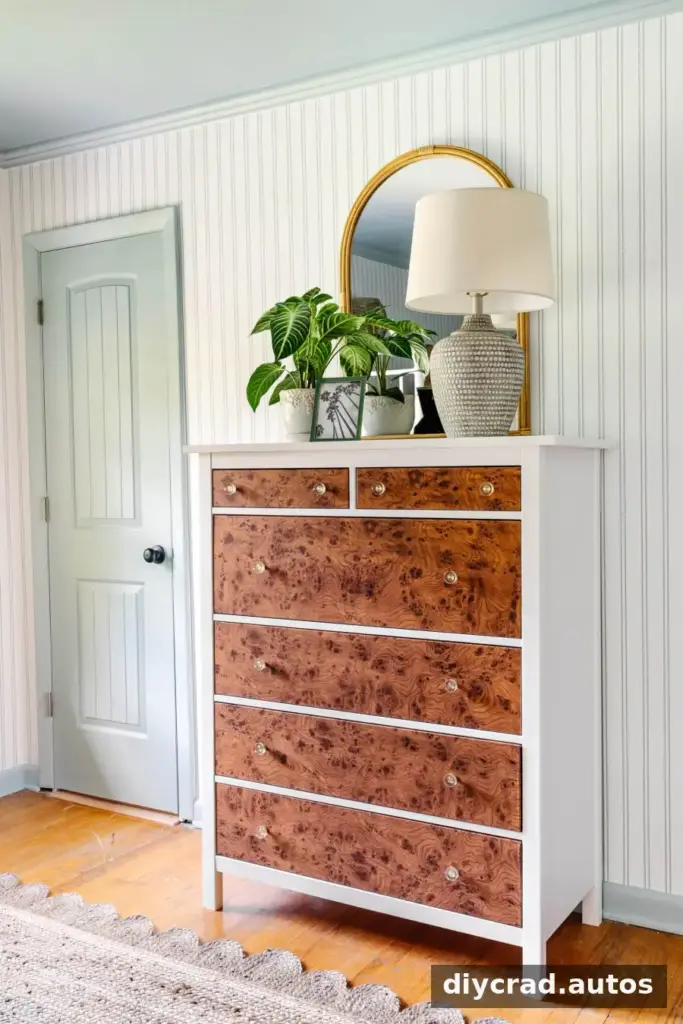
10. Add vertical lines
Vertical stripes, striped wallpaper, or faux vertical shiplap can encourage the eye to travel upward. This makes vertical detailing a useful option for bedrooms and other rooms where a taller appearance is wanted.
Practical tip: Repeat the vertical direction consistently. Too many competing patterns can distract from the clean upward movement you are trying to create.
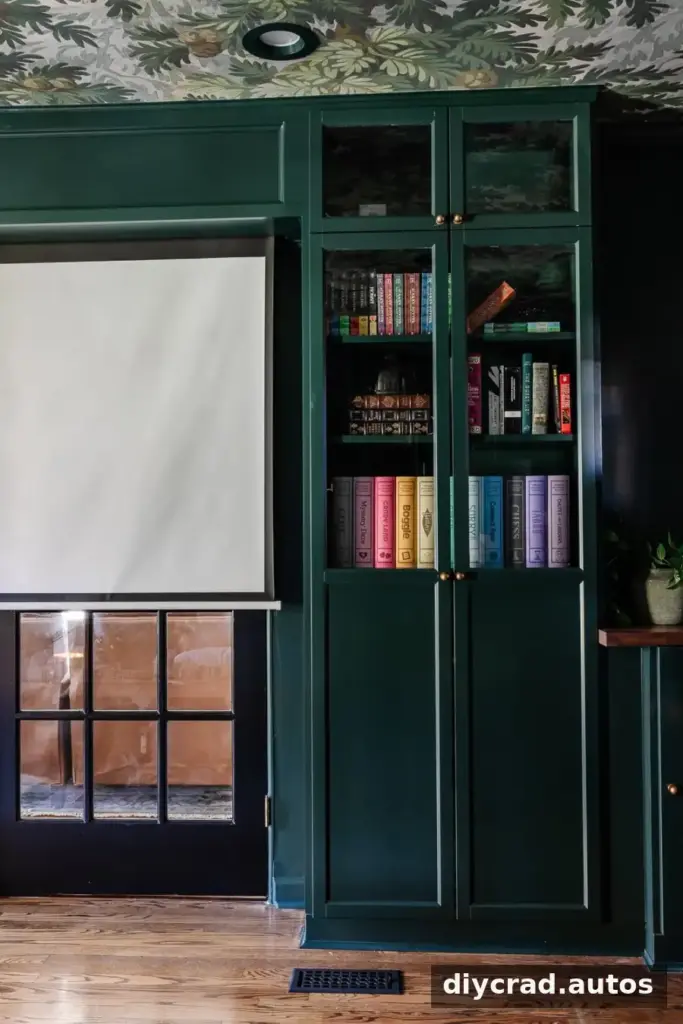
11. Extend cabinets and bookcases to the ceiling
Cabinets or bookcases that stop well below the ceiling can leave an awkward band of empty space. Extending built-ins to the ceiling creates a more continuous vertical feature and adds storage at the same time.
Practical tip: Measure carefully before planning built-ins, and consider how upper shelves will be accessed and used.
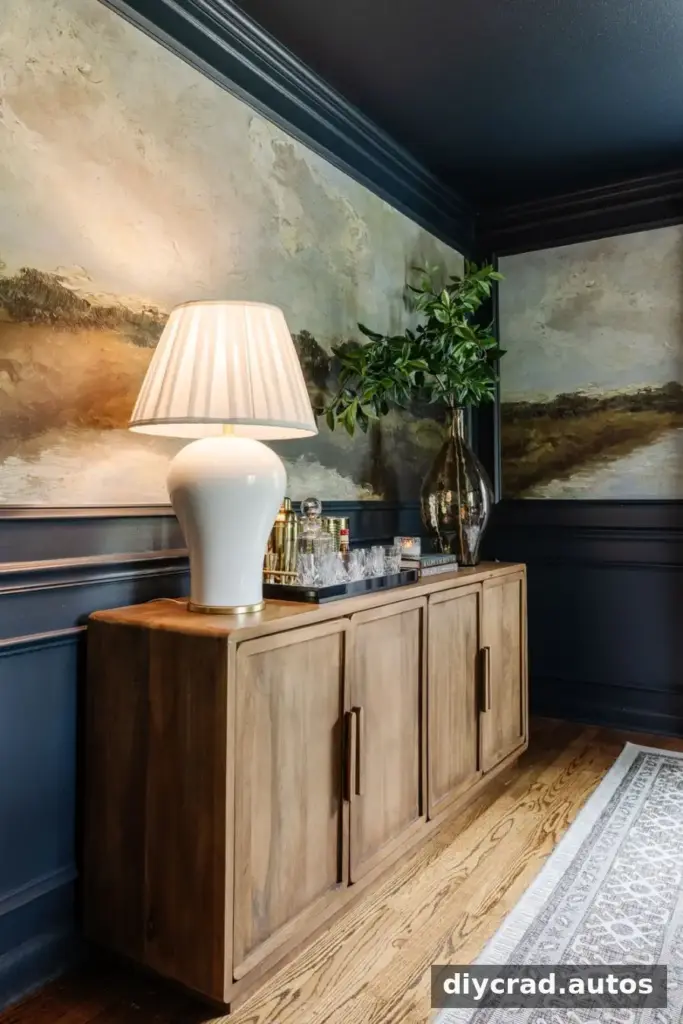
12. Add crown molding
Crown molding gives the transition between walls and ceiling a finished, architectural look. Rather than automatically making a ceiling feel lower, it can draw attention to the upper edge of the room and add definition.
Practical tip: Choose molding that is proportionate to the room and ceiling height. A balanced profile is more likely to complement the space than an oversized detail.
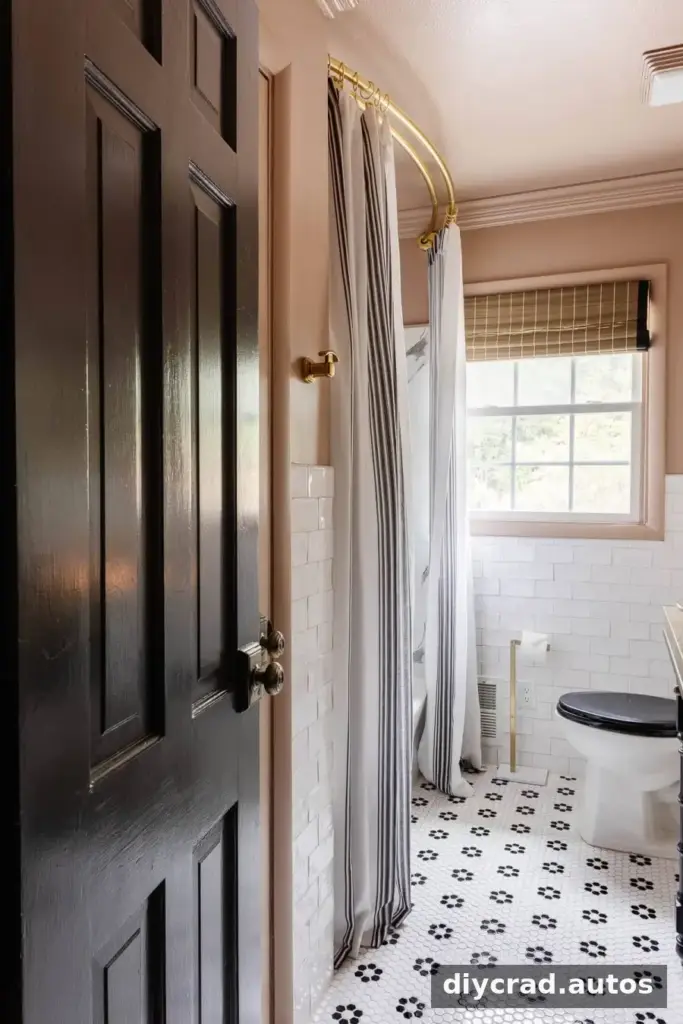
13. Hang the shower curtain close to the ceiling
In a small bathroom, a shower curtain hung high can create a long vertical line. Position the rod just below the crown molding and use an extra-long curtain that reaches nearly from floor to ceiling. The result can make the bathroom feel taller and give a simple curtain a more tailored appearance.
Practical tip: Measure from the planned rod position to the floor before choosing a curtain length, and make sure the curtain does not drag or interfere with bathroom fixtures.
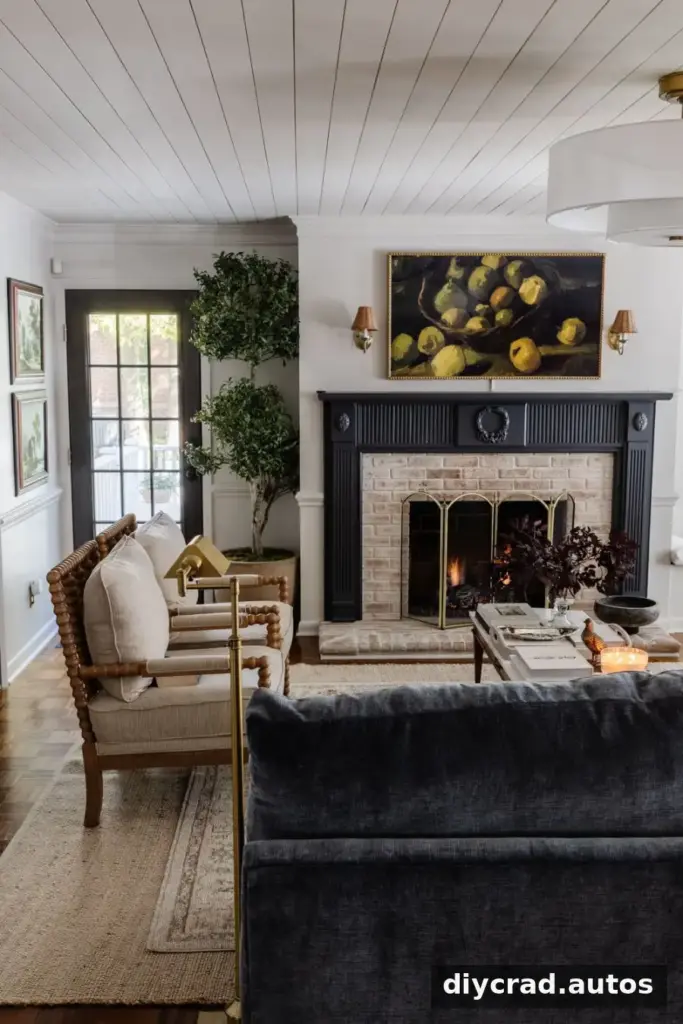
Can You Use a Fandelier with an 8-Foot Ceiling?
A fandelier can work in a living room with an 8-foot ceiling, but the overall proportions matter. The fixture is only one part of the visual effect: high curtain rods, oversized artwork, tongue-and-groove ceilings, crown molding, and lower-profile furniture can all help the room feel taller around it.
Before installing any ceiling fixture, check its dimensions and clearance against the room’s height and layout. Follow the manufacturer’s installation guidance and consult a qualified electrician when needed.
Final Thoughts on Making 8-Foot Ceilings Look Taller
Making 8-foot ceilings look taller is largely about directing attention and improving the room’s proportions. You don’t need to use all 13 ideas: even two or three well-chosen changes, such as hanging curtains high, adding vertical lines, or selecting lower-profile furniture, can make a room feel more open.
Start with the features you already have and choose updates that suit how the room is used. Often, the most effective design change is not altering the architecture but changing how the eye moves through the space.

