This industrial military office makeover turns a once-cluttered room into a personal workspace filled with military keepsakes, vintage details, and practical storage. The design combines industrial shelving, olive tones, reused furnishings, and meaningful family objects, while the budget breakdown shows how the room came together.
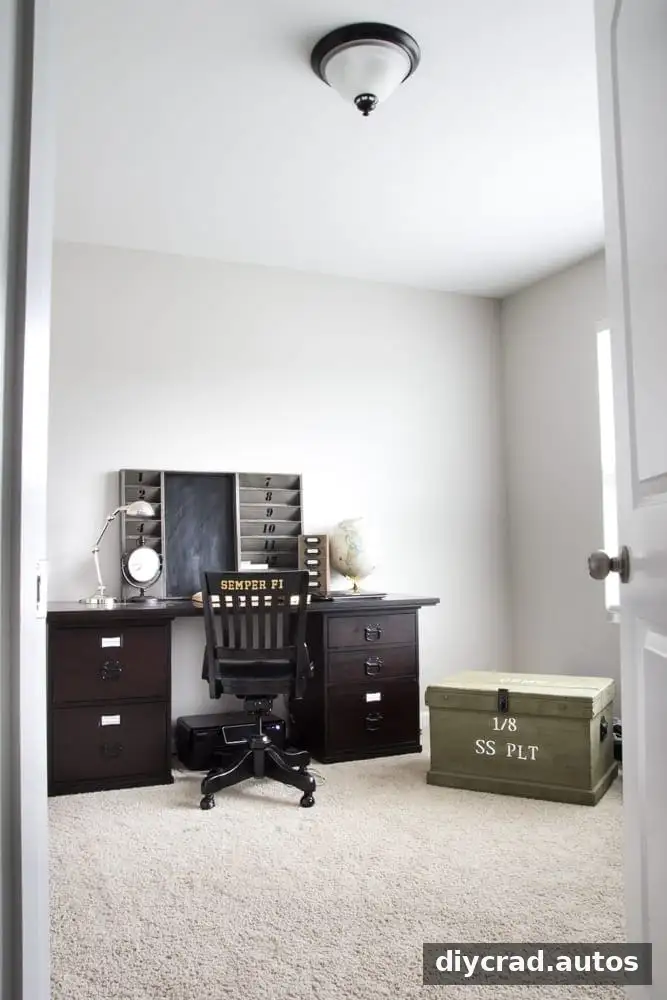
Planning an industrial military office
The room was designed as a dedicated place to work, reflect, and display Robert’s military mementos. Giving those items a visible home helped shape the overall style: masculine and collected, with a mix of industrial furniture and objects tied to family history.
A useful starting point for a room with a strong theme is to choose a few colors and materials that can link different objects together. Here, olive drab, wood, metal, and vintage finishes help the display feel cohesive without hiding the individual stories behind the pieces.
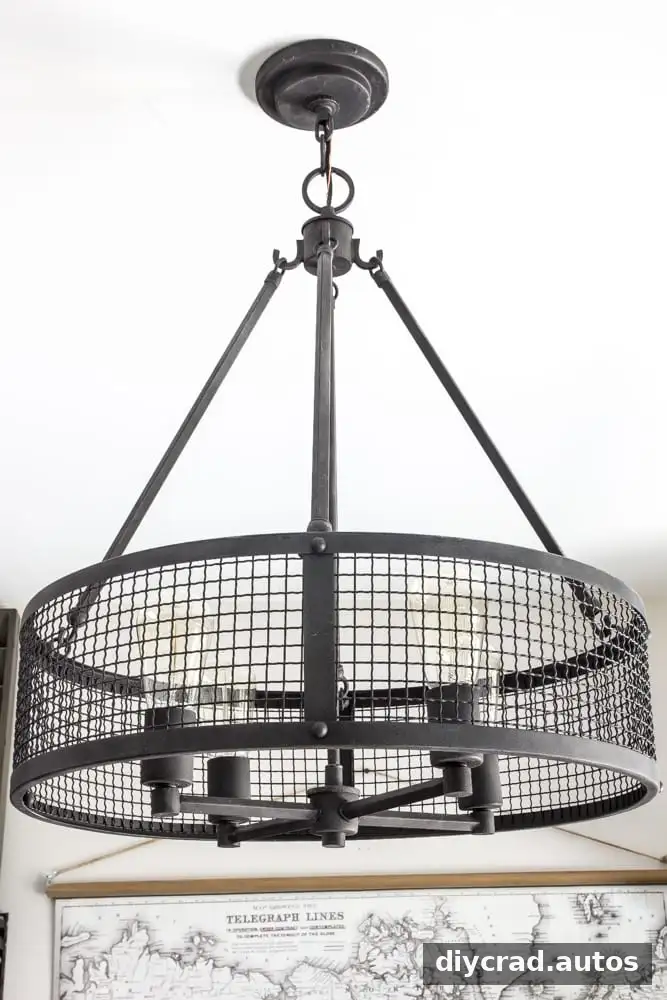
Replacing the ceiling light
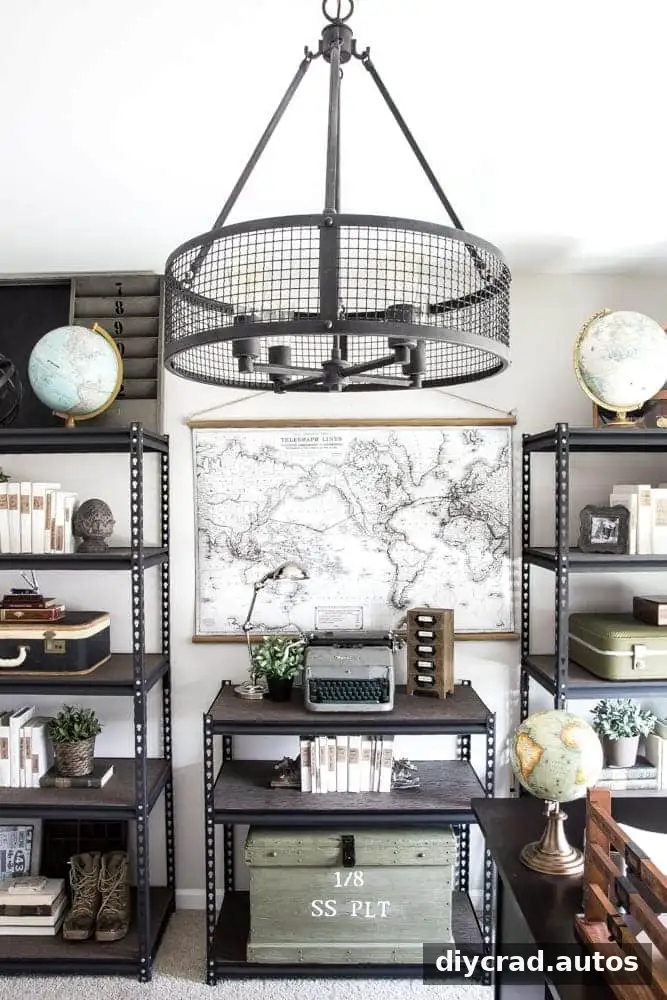
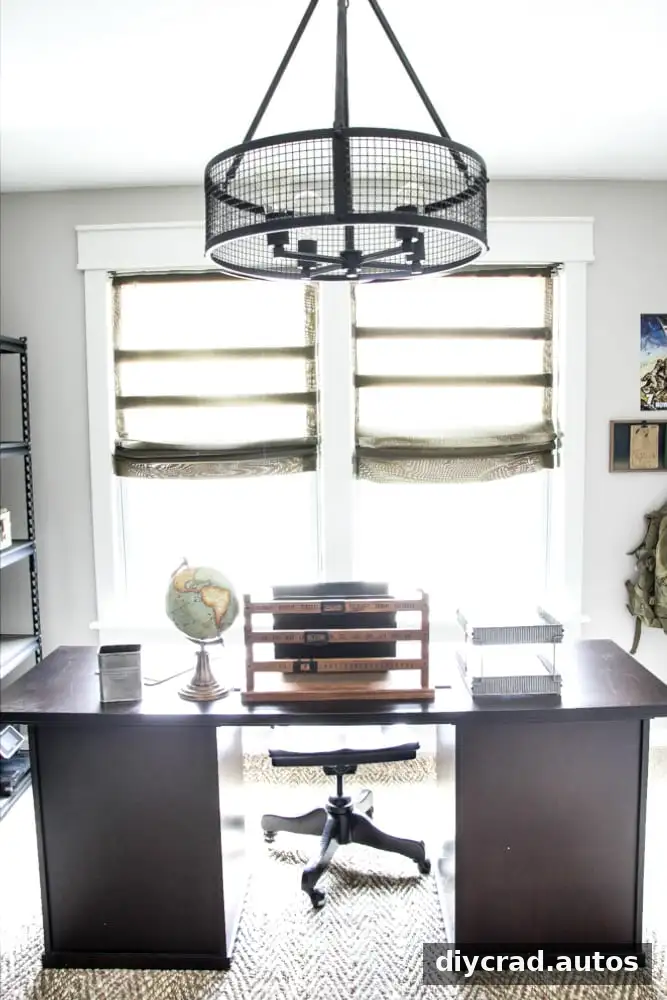
The final update was replacing the existing ceiling fixture. A new light can make a noticeable difference in a room, so it is worth considering its scale as well as its appearance. The selected Quoizel Wilder Drum Pendant was larger than expected, but its size gave it a clear presence in the finished space.
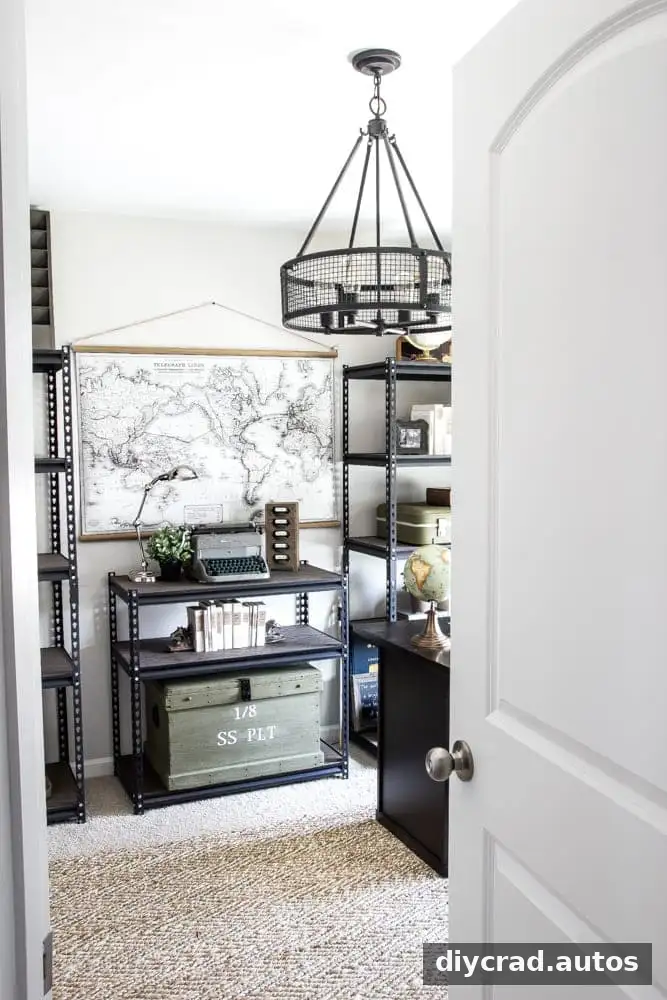
Robert made many of the room’s decisions, including the layout. His military keepsakes, which had been stored away, are now displayed where they can be seen and appreciated. When planning a similar room, arrange display items so that fragile or frequently used objects are easy to reach, and leave enough space to work comfortably.
Displaying military memorabilia and family keepsakes
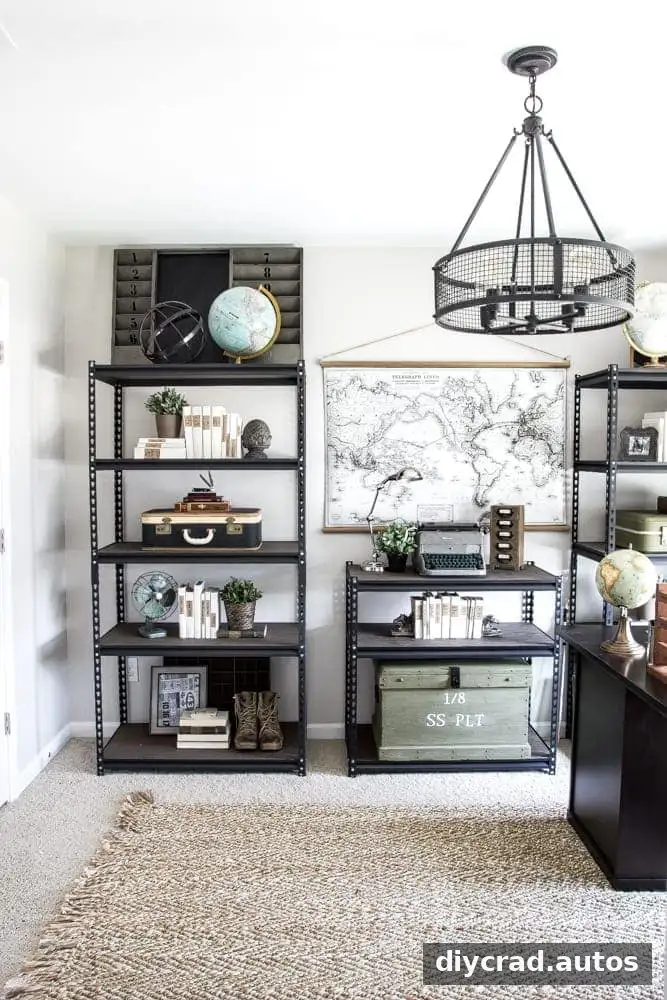
A large vintage-style map made from an affordable poster became one of the room’s main visual features. Choosing a poster rather than an original map offered a lower-cost way to create a similar focal point.
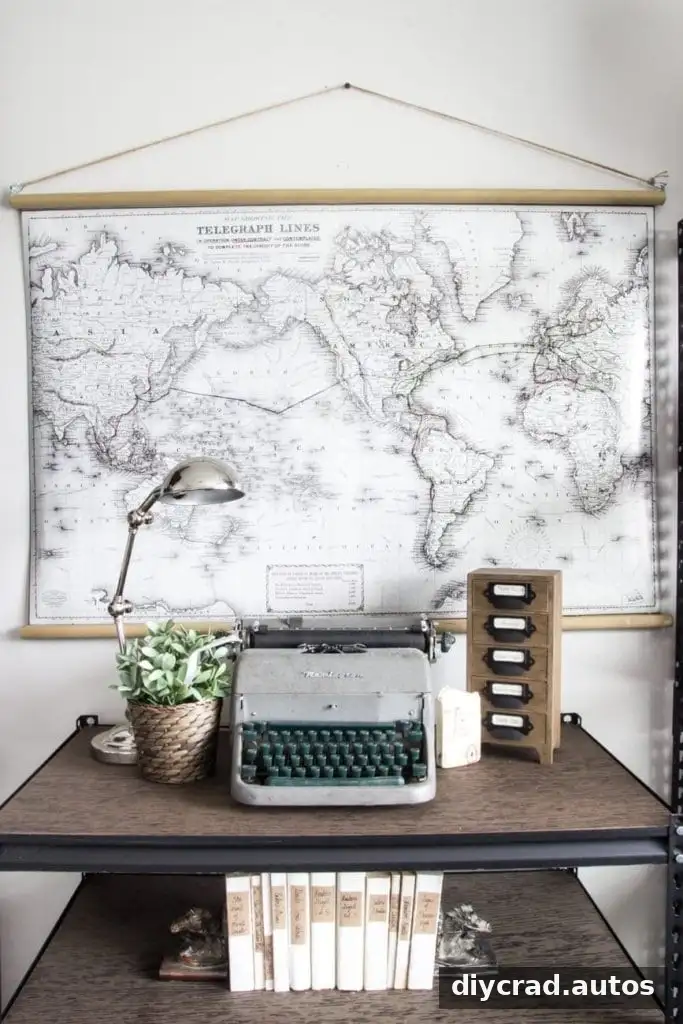
Industrial shelves hold objects already owned by the family, inherited pieces, and secondhand finds. Reusing items can keep decorating costs down while making the shelves more personal. Grouping objects by material, color, or size can also make a varied collection look intentional.
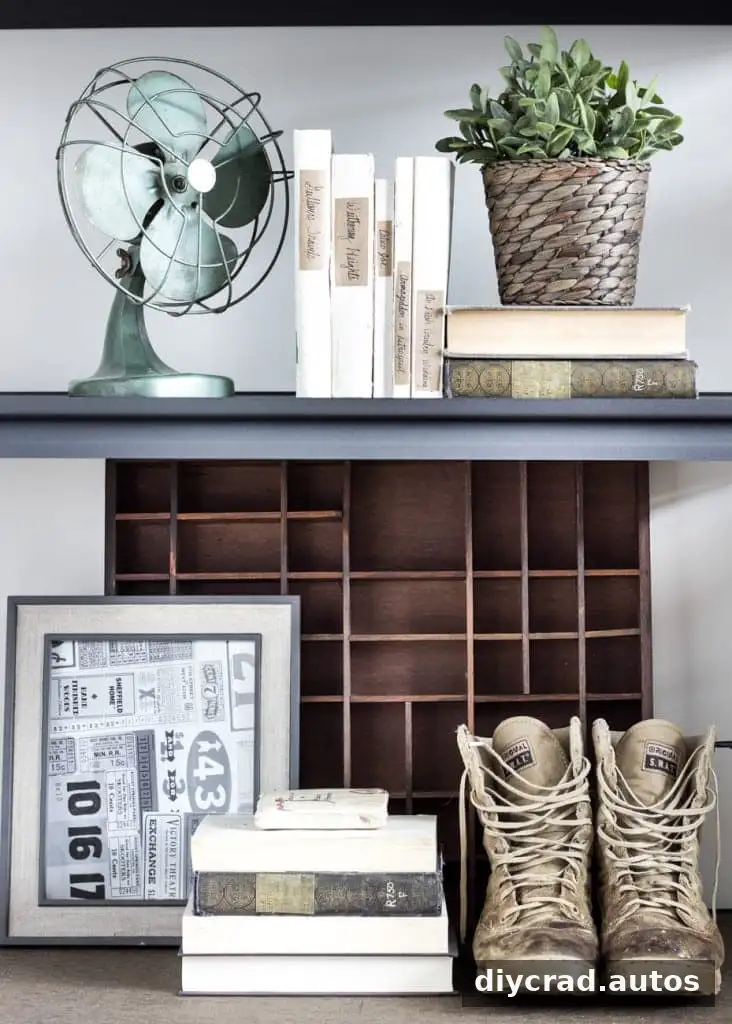
Among the displayed belongings are boots that had been worn in the desert and a small Bible carried overseas and read during quiet moments. These pieces give the office a connection to real experiences, rather than serving only as decoration.
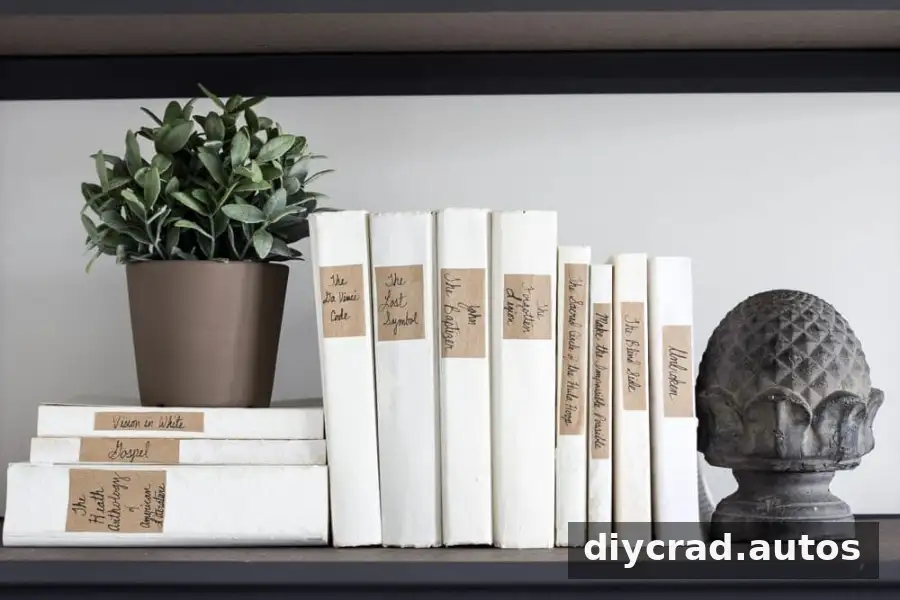
Many of the books were painted or recovered to create a more unified appearance. A secondhand typewriter, purchased for $9, adds another vintage detail. Before altering books or other collectibles, consider whether their original condition or value matters; decorative updates are best suited to items that can be changed without concern.

An old family suitcase now stores photographs, making it both a display piece and useful storage. The horse-head bookends belonged to the author’s grandfather, who served in the Army during World War II and the Korean War. Including inherited objects can bring personal meaning to a themed space without requiring new purchases.
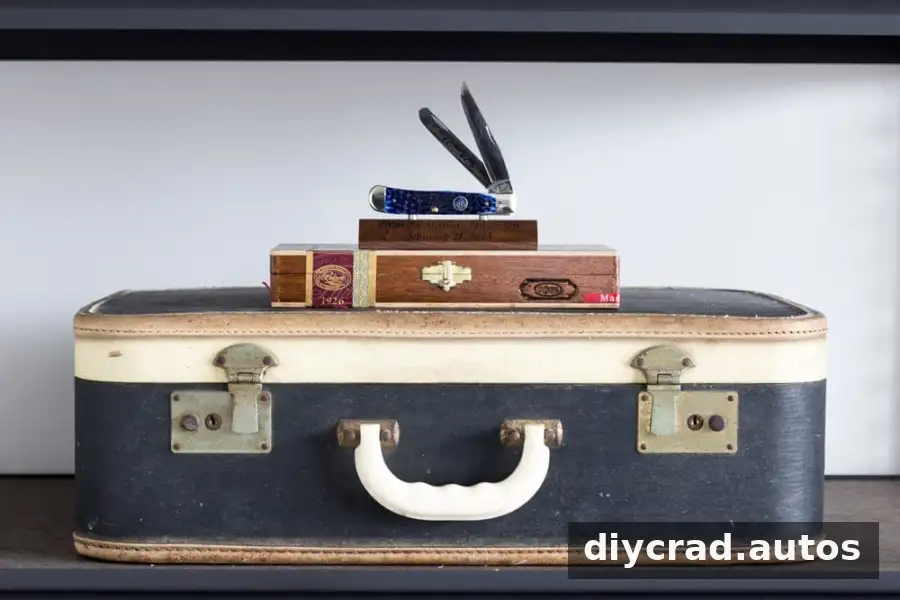
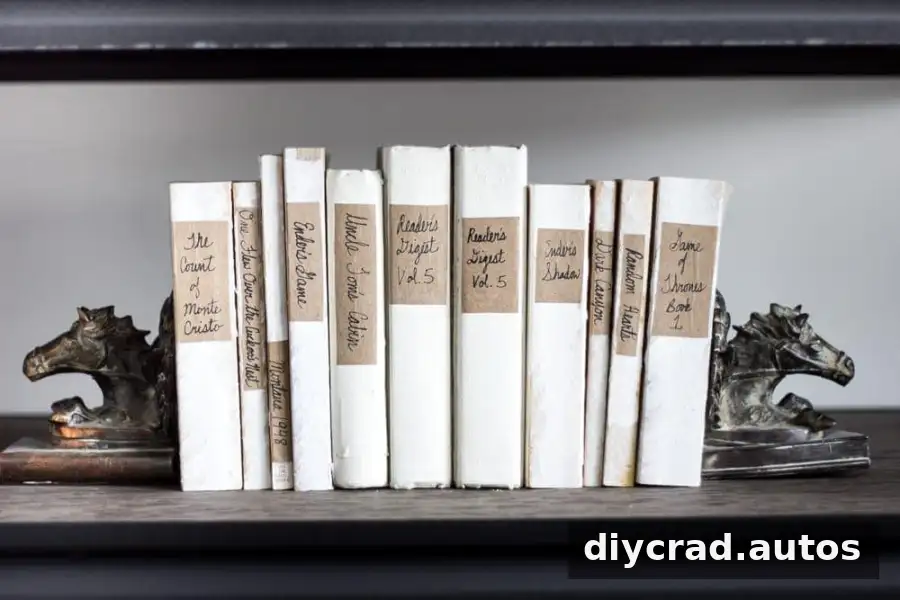
The room is more densely decorated than the home’s usual style, but the collection reflects the history behind the space. A practical tip for shelves filled with mementos is to leave some room between objects so that individual pieces remain visible and can be dusted more easily.
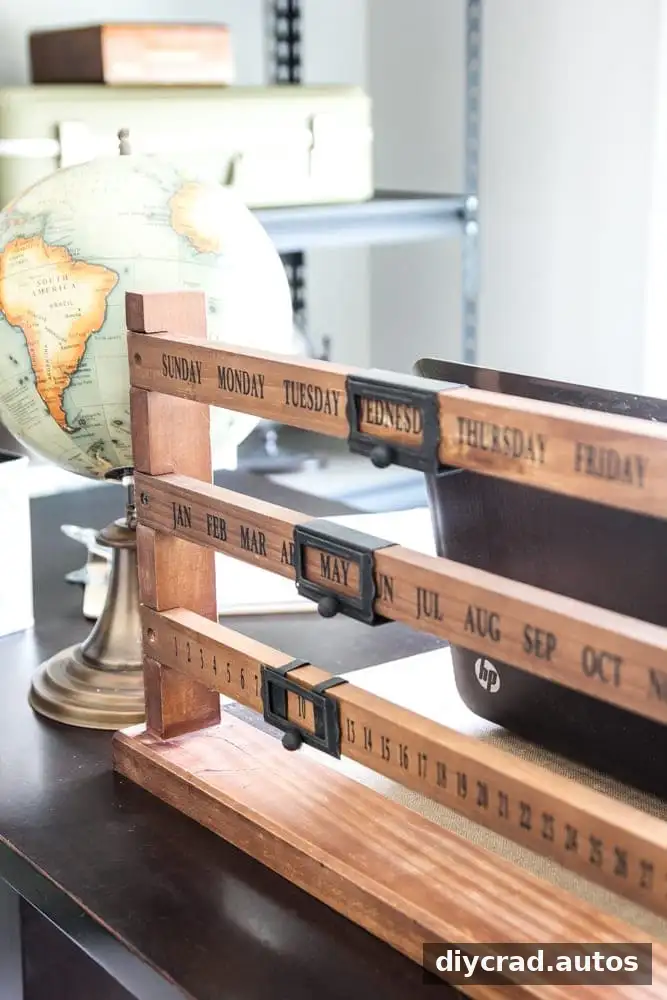
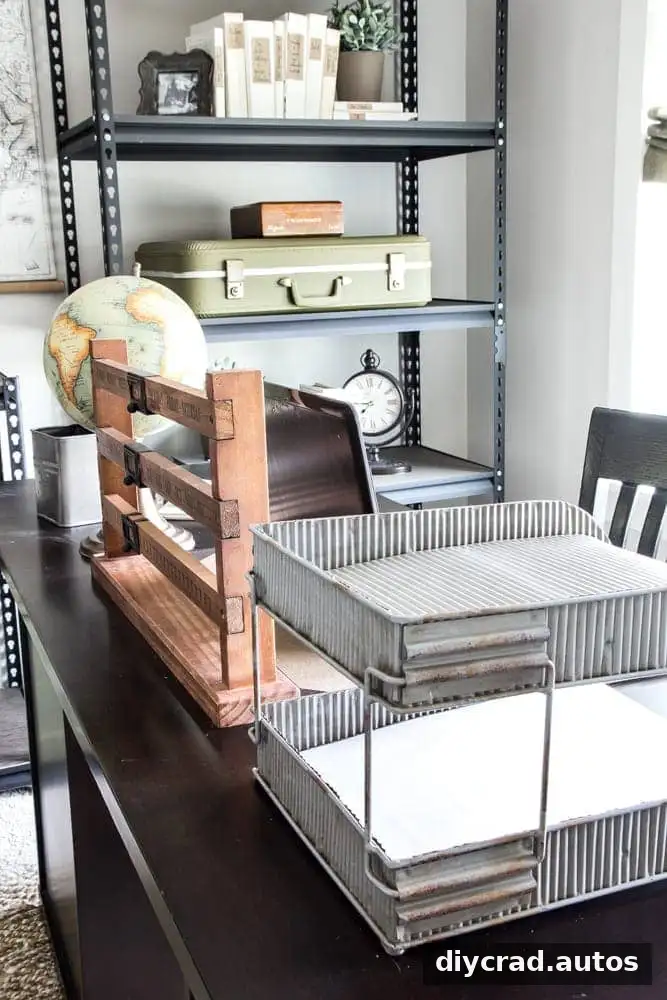
A desk calendar and metal letter tray were added to help organize everyday work. When selecting desk accessories, prioritize items that support the way the workspace is actually used, rather than adding organizers that take up valuable surface area.
Updating the closet and display walls
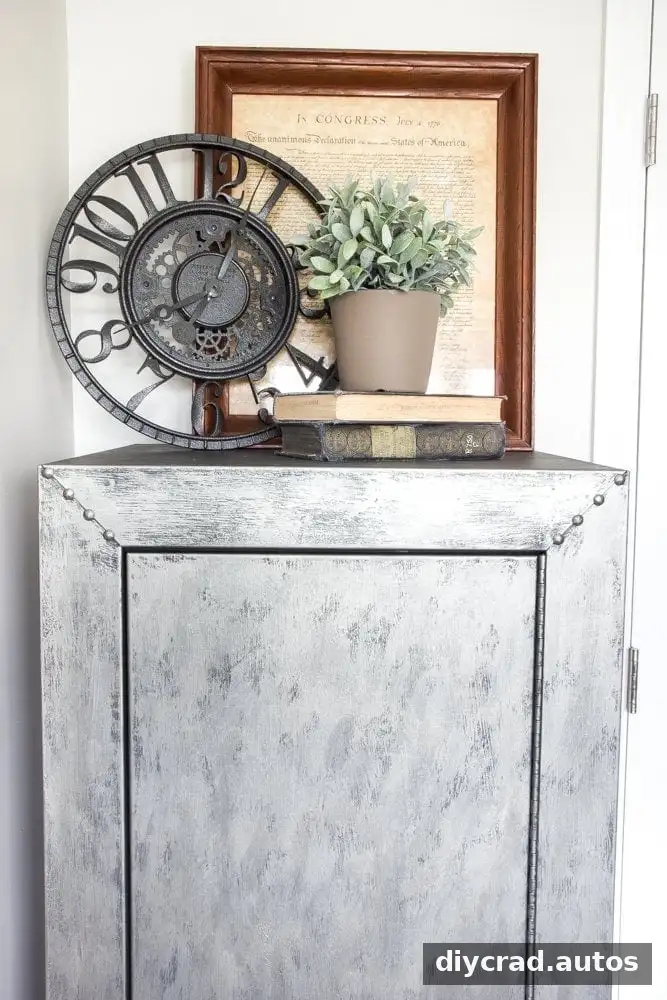
The closet received a vintage-style DIY office sign. An existing black safe was given a faux zinc finish, with secondhand decorative pieces arranged on top. Using paint to update a large existing item can change its appearance without replacing it.
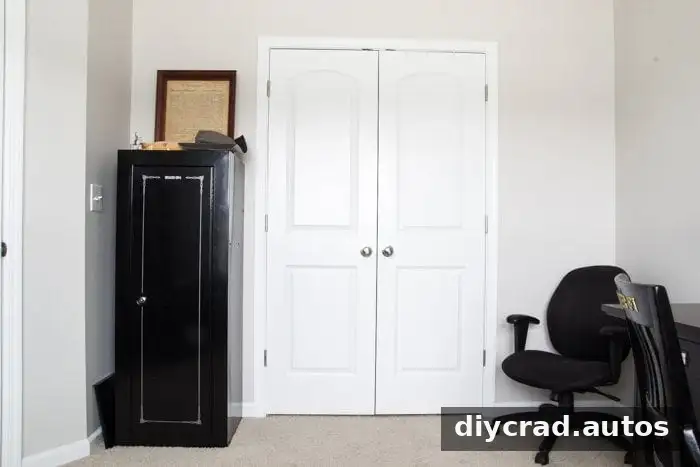
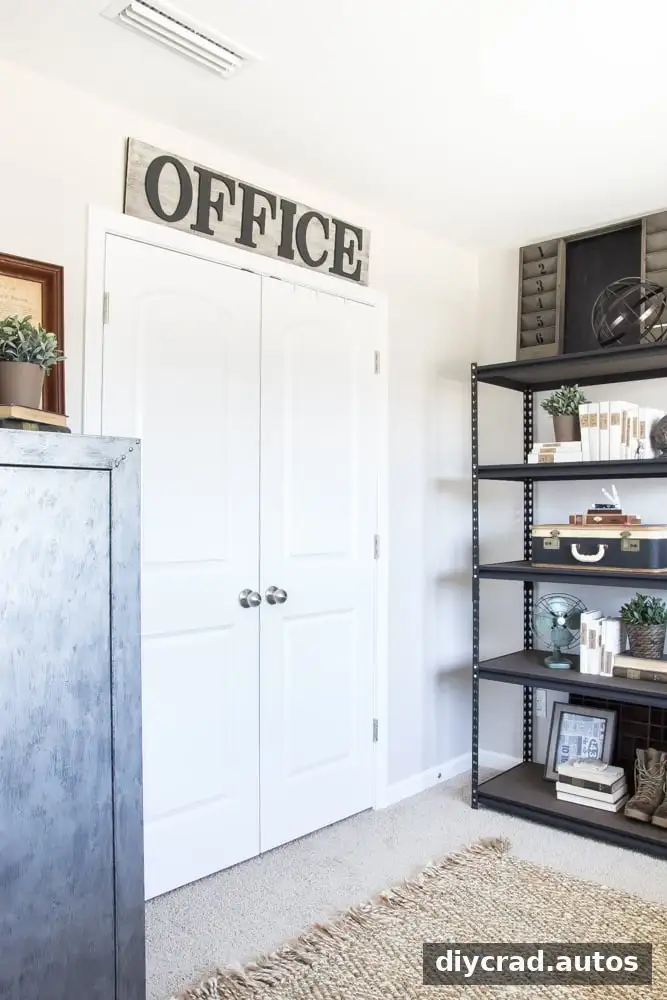
To reduce clutter, the bookcases were sold and some items were donated. Robert’s awards and other military accomplishments were arranged in a gallery wall alongside DIY flag art made from yardsticks.
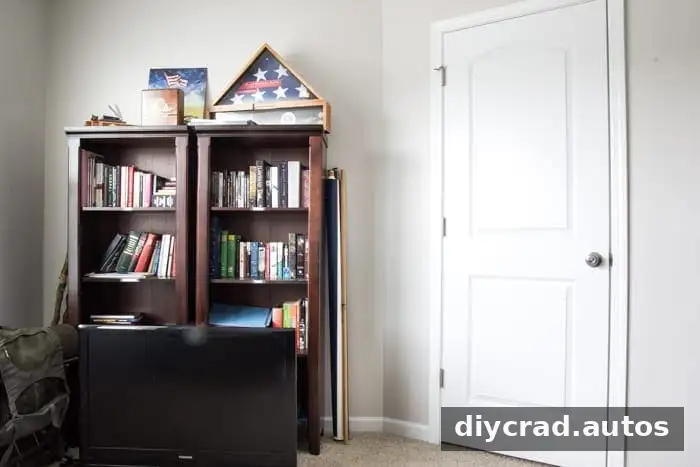
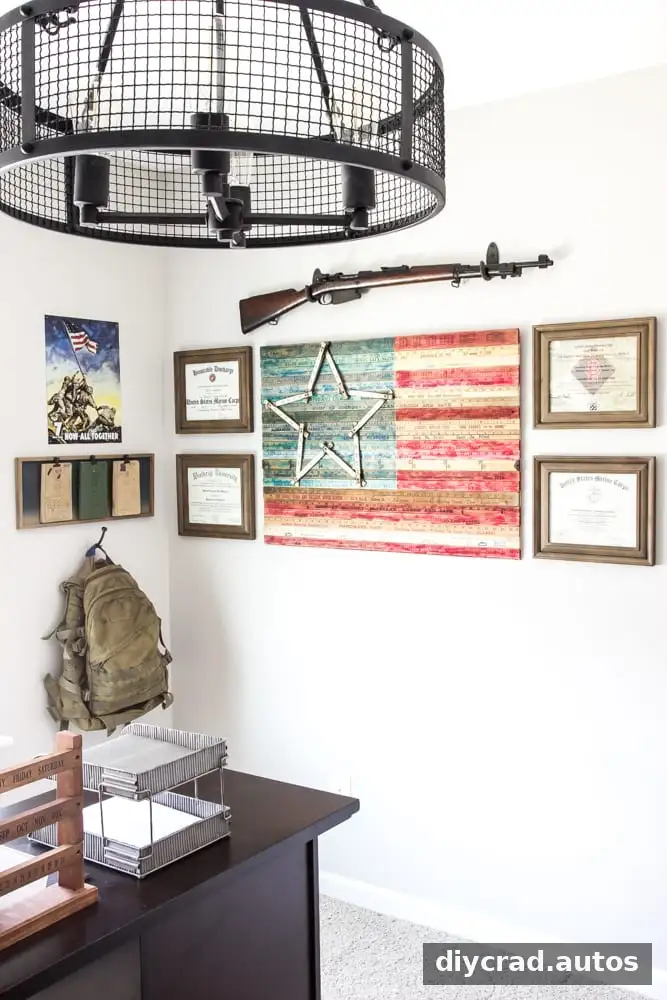
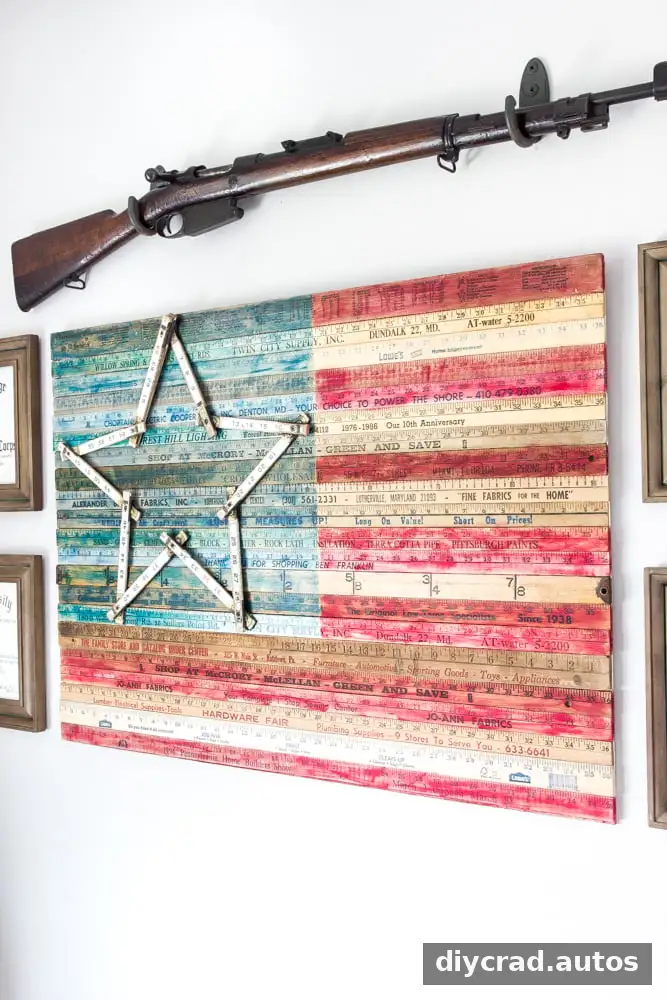
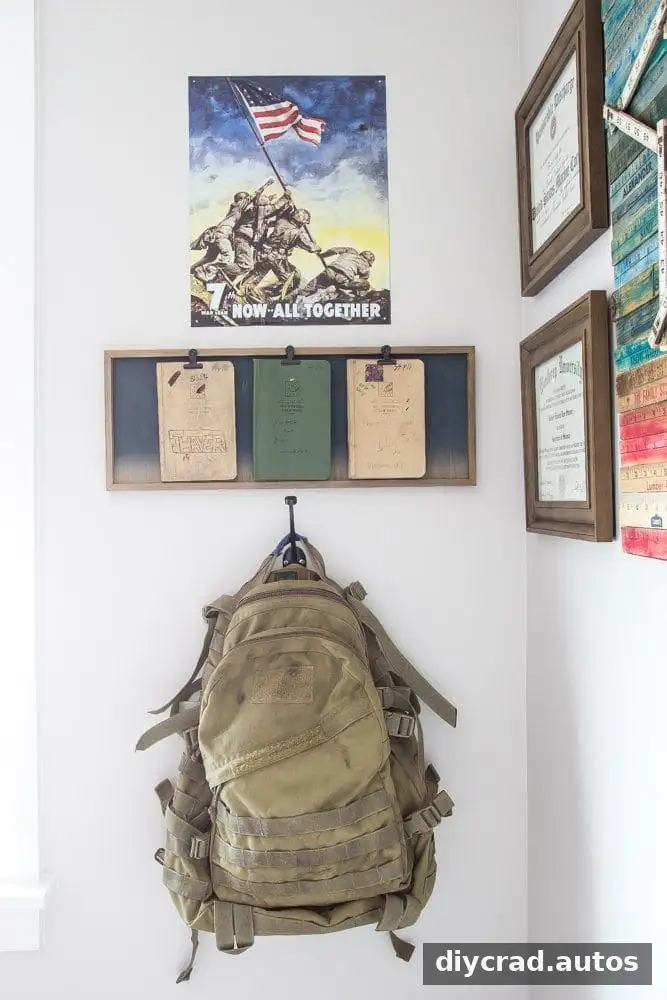
A World War II relic, a military pack, and field books complete the display. Hanging heavier objects safely requires suitable wall anchors and hardware; check the weight of each item and the wall type before installation.
Window treatments, flooring, and finishing details
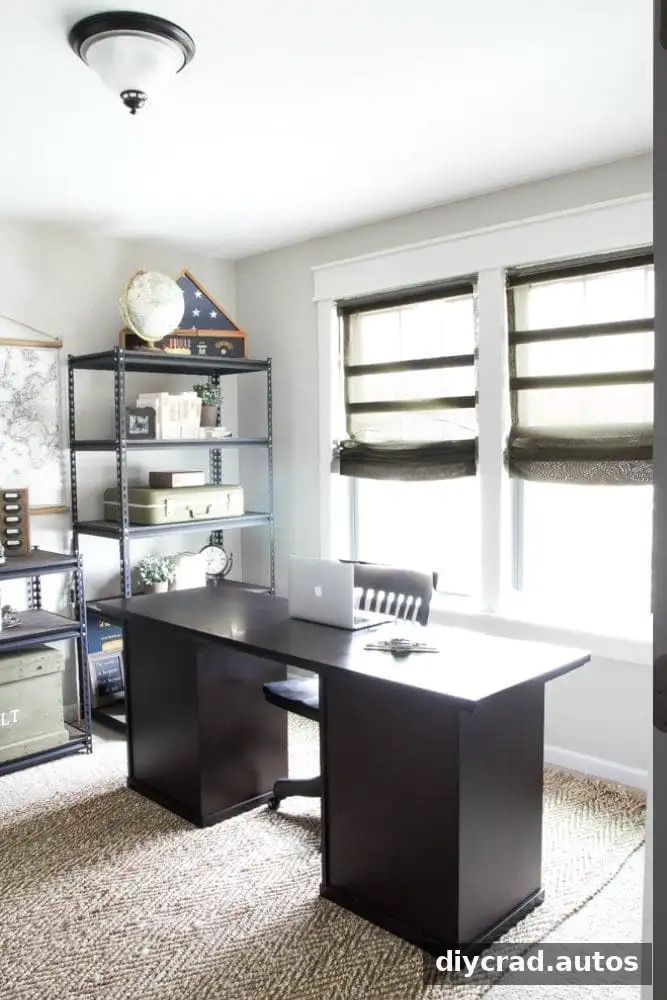
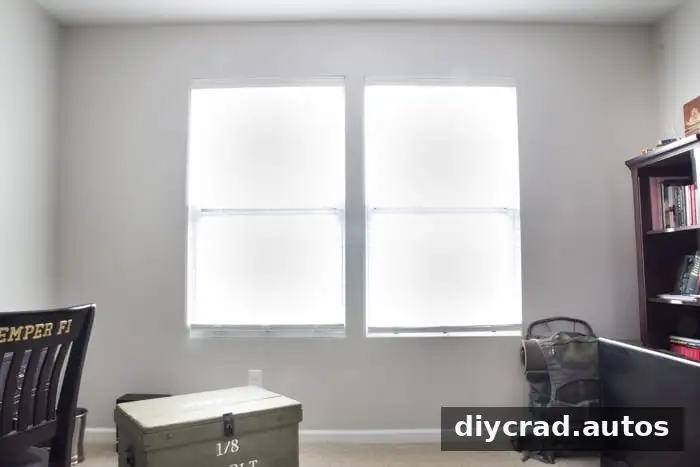
Existing blinds were repurposed into Roman shades using olive drab burlap. Craftsman-style trim frames the window, while an olive-and-jute herringbone rug adds texture underfoot. Reusing blinds can be a cost-conscious option, but measure the window carefully and confirm that the material is suitable for the planned shade construction.
Industrial military office budget breakdown
The listed project costs are:
- Wall color: leftover paint — $0
- Desk: secondhand find, originally from Pottery Barn — $180
- Chair: secondhand find — $65
- Light fixture — $389
- Three shelves — $210
- Herringbone rug, purchased on sale with a coupon — $80
- DIY Craftsman window trim — $60
- Two DIY burlap Roman shades — $50
- DIY faux zinc safe — $50
- DIY office sign — $18
- DIY pull-down map — $48
- Four wall frames, purchased on sale with a coupon — $40
- DIY yardstick flag art — $50
- Clipboard frame, purchased on sale with a coupon — $10
- Vintage tin war loan sign — $12
- Vintage military trunk — $5
- DIY office-supply organizer — free
- Artificial plants — $6 each
- Wooden desk calendar — $21
- Pencil cup — $7
- Paper tier tray — $25
- Desk globe — $20
- Typewriter — $9
- Remaining decor — free, using items already owned
Grand total: $1,379. After the pair of bookcases was sold for $100, the stated adjusted total was $1,279. The room was furnished from an empty space, so reusing existing belongings and shopping secondhand helped balance the cost of larger purchases.
Final thoughts on the industrial military office
This industrial military office brings together a functional desk area, practical storage, and a personal collection of military and family keepsakes. Its strongest design idea is to let meaningful objects guide the decor, then use coordinated colors, reused furniture, and thoughtful display choices to make the room feel connected. The result is a distinctive workspace shaped around the person who uses it.