

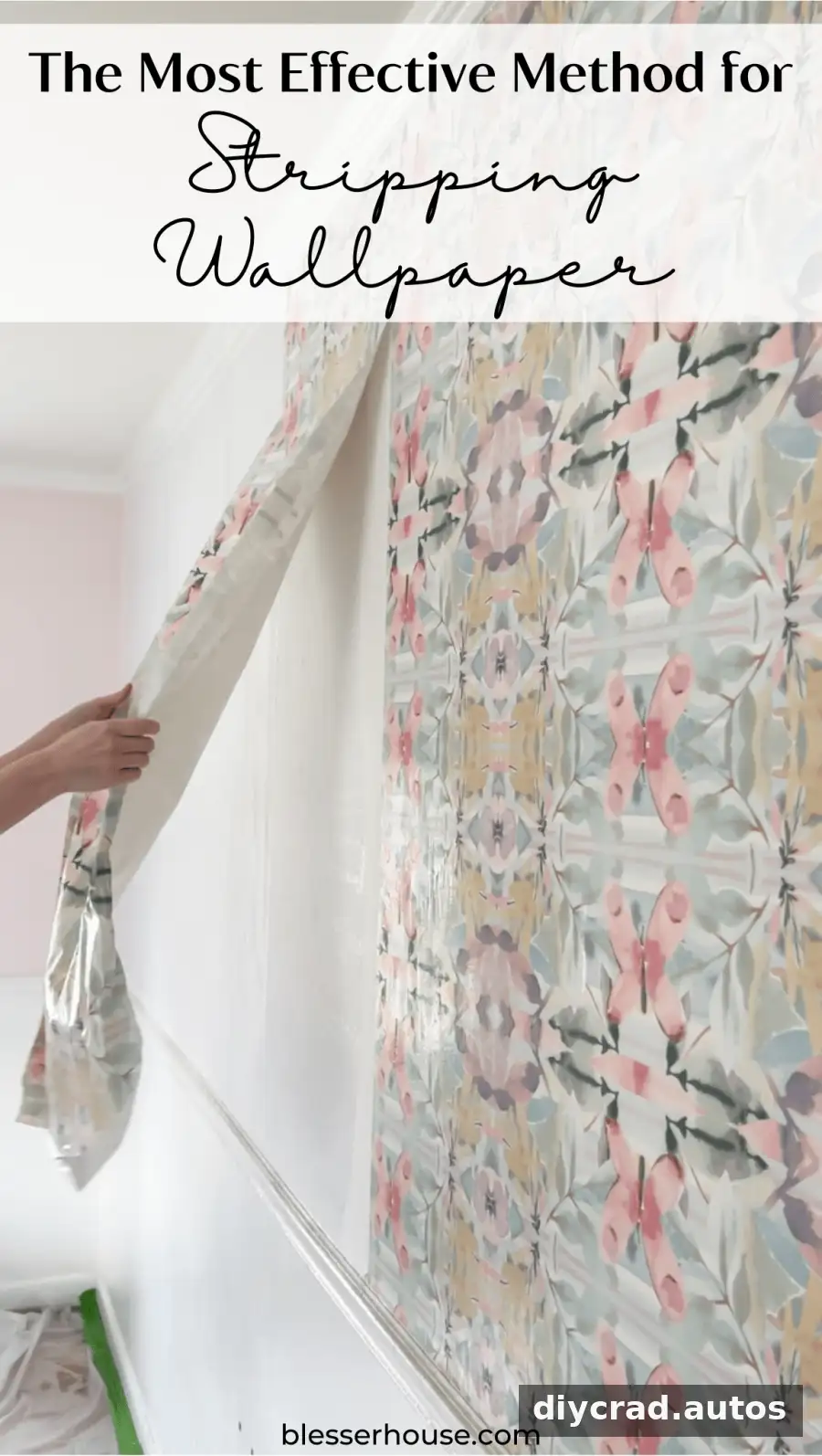
Learning how to remove wallpaper without damaging the wall starts with careful preparation and choosing a stripping method suited to the paper and adhesive. This guide compares a store-bought remover with two homemade solutions made with hot water, so you can plan the work and know what to expect.
Wallpaper removal can be messy, but working in small sections helps keep the task manageable. Before applying any liquid, test a corner or seam with a putty knife: some wallpaper may peel away without a remover. If it does not, prepare the room and choose one of the methods below.
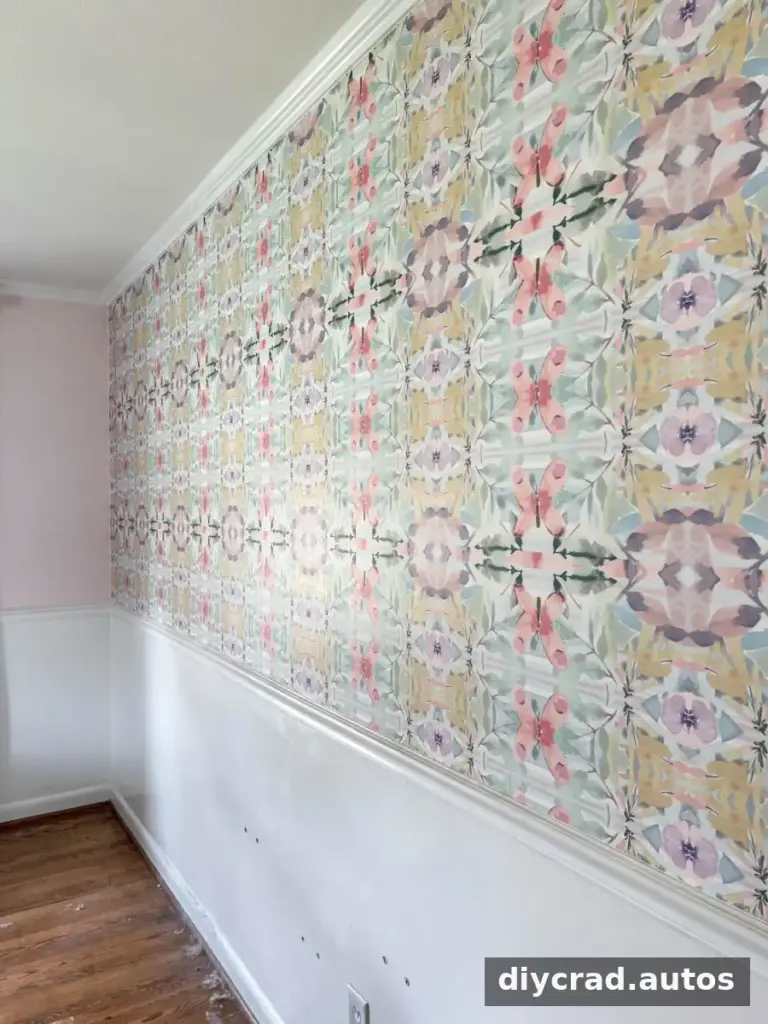
How to Remove Wallpaper: Three Methods Compared
The methods compared here were a store-bought wallpaper remover, a white-vinegar solution, and a fabric-softener solution. Results can vary depending on the wallpaper, adhesive, wall surface, and how long the paper has been in place. A steamer was not included; it may be useful for very old or stubborn wallpaper, but it requires a specialty tool.
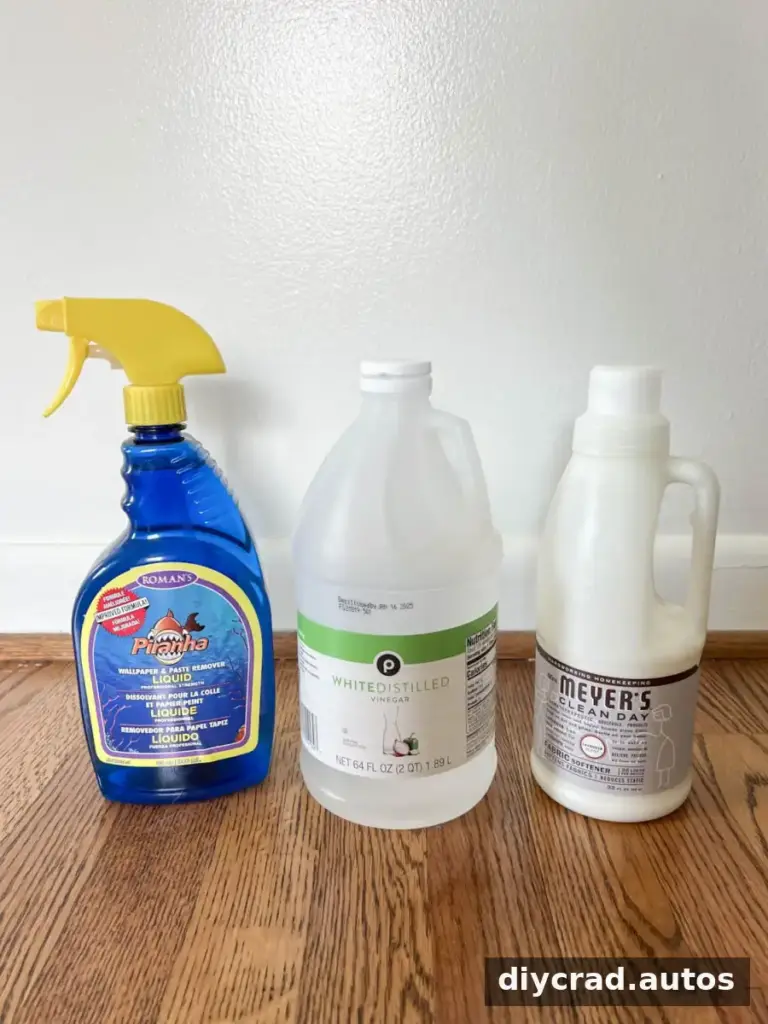
Supplies
- Wallpaper remover or ingredients for a homemade solution
- Putty knife
- Painter’s tape
- Waterproof drop cloth
- Wallpaper scoring tool
- Spray bottle for homemade solutions
- Electric kettle for heating water, if desired
- Rags or sponges
- Step stool and trash can
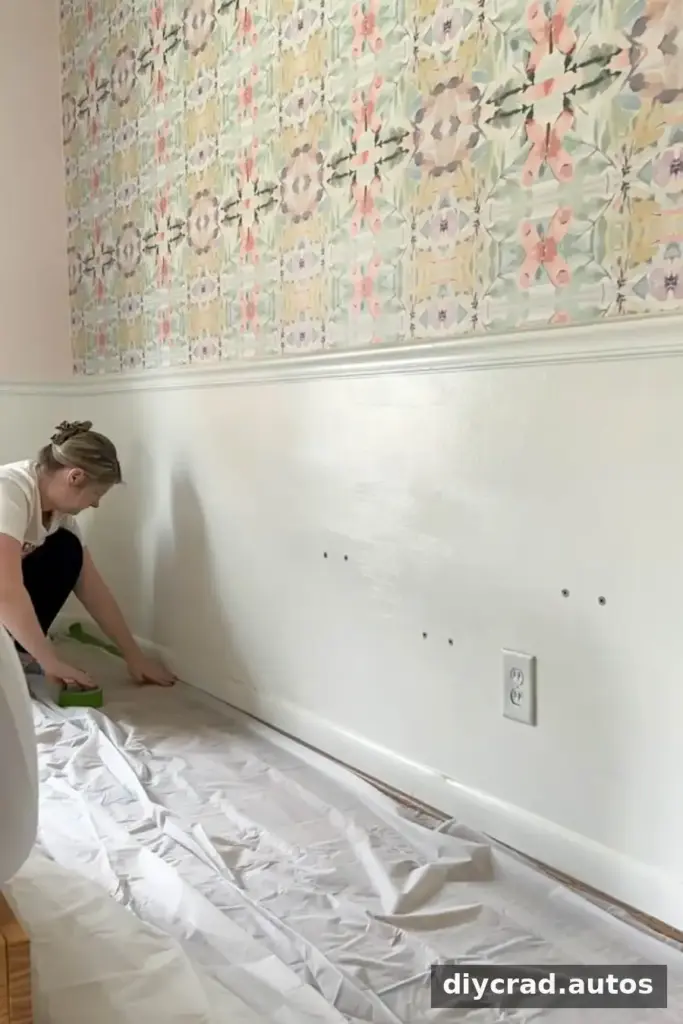
Step 1: Protect the floor
Cover the floor with a waterproof drop cloth and secure its edges with painter’s tape. Wallpaper adhesive and remover can drip, so covering the area before you start makes cleanup easier.
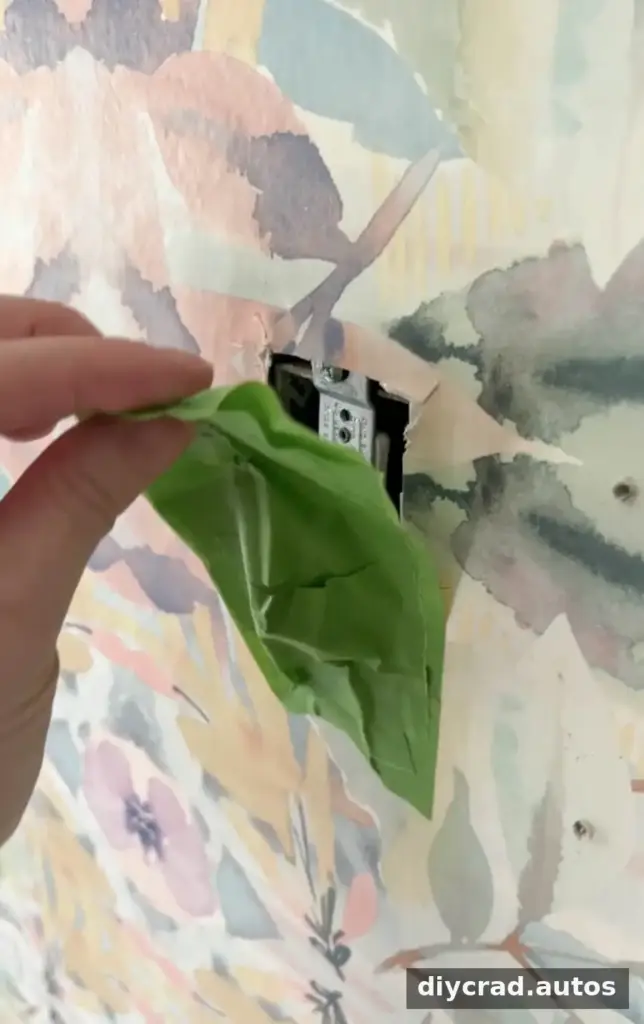
Step 2: Protect electrical fixtures
Remove switch plates and outlet covers only after turning off power to the relevant circuits. Keep liquid away from electrical fixtures, and use painter’s tape as a temporary cover while working nearby. If you are unsure how to safely isolate a circuit, ask a qualified electrician.
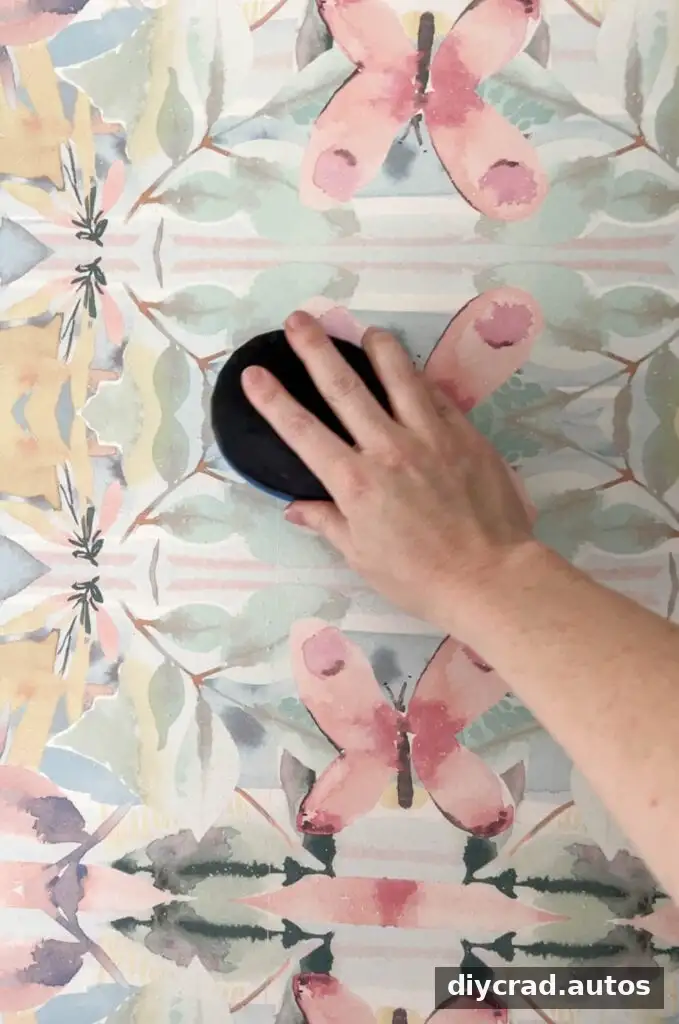
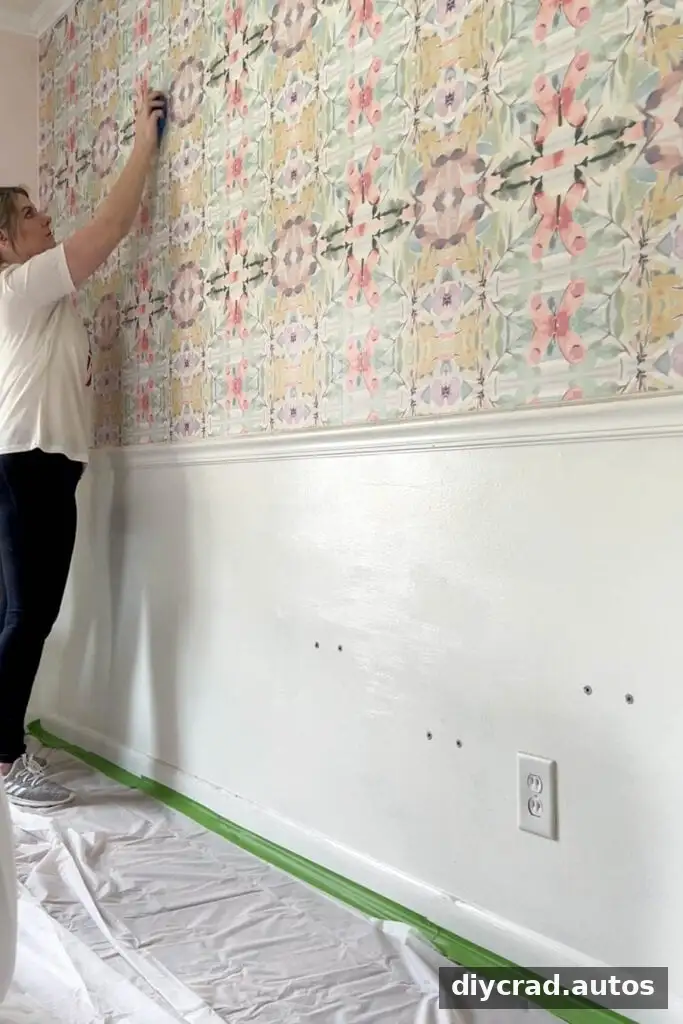
Step 3: Score the wallpaper lightly
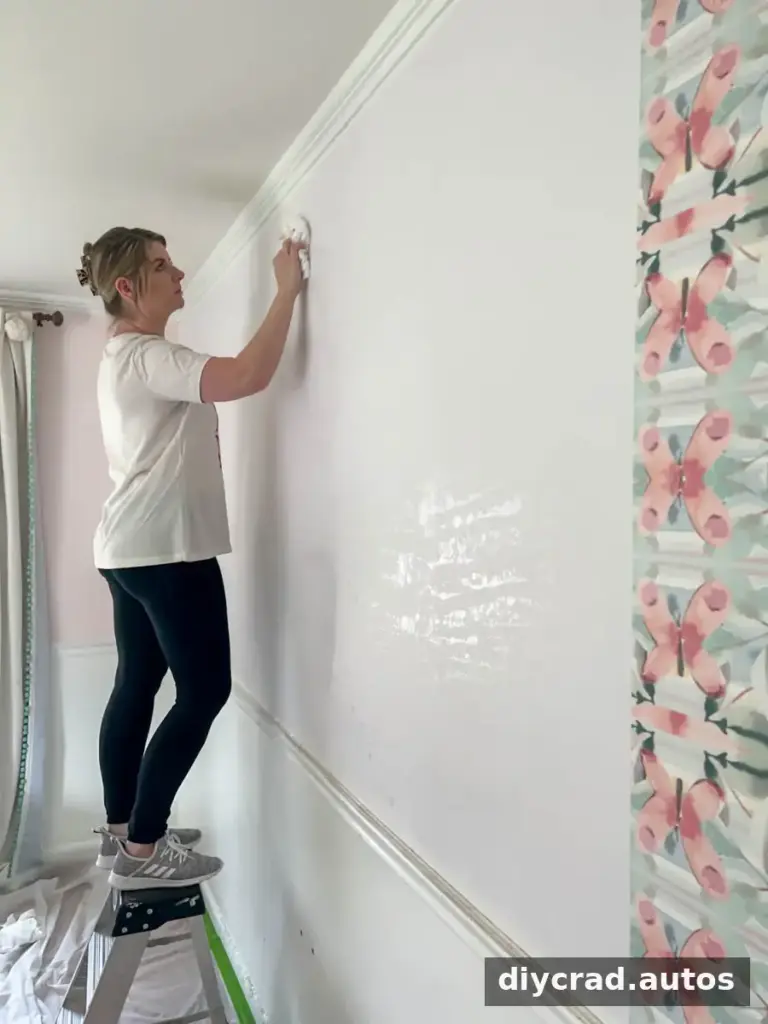
Use a wallpaper scoring tool in gentle circular motions across the area. The small perforations help remover reach the adhesive, but pressing too hard can damage the drywall. Start with light pressure and check the wall as you work.
Method 1: Store-Bought Wallpaper Remover
Work in sections; two panels at a time is a practical starting point. Apply the remover according to its label until the paper is saturated, then allow the stated activation time. In this test, the solution was left for 15 minutes.
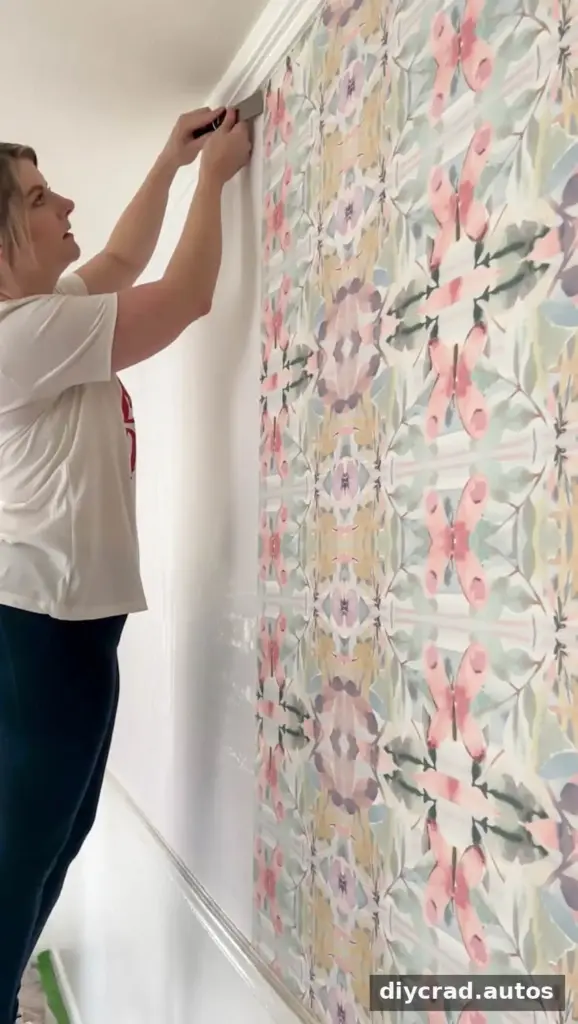
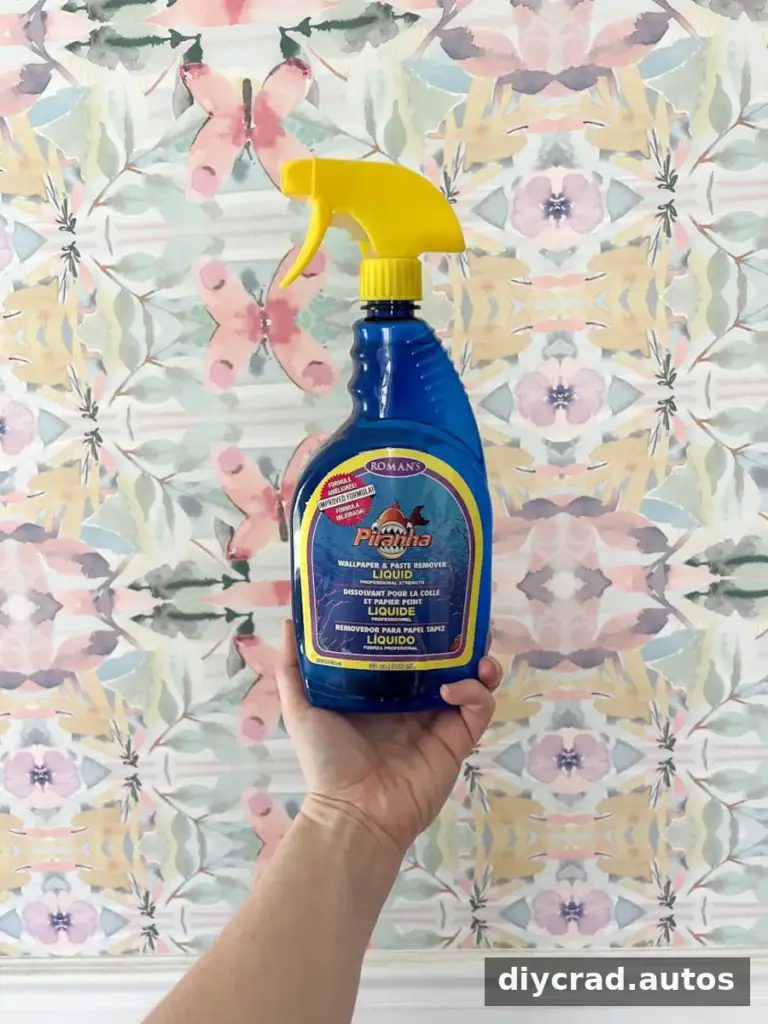
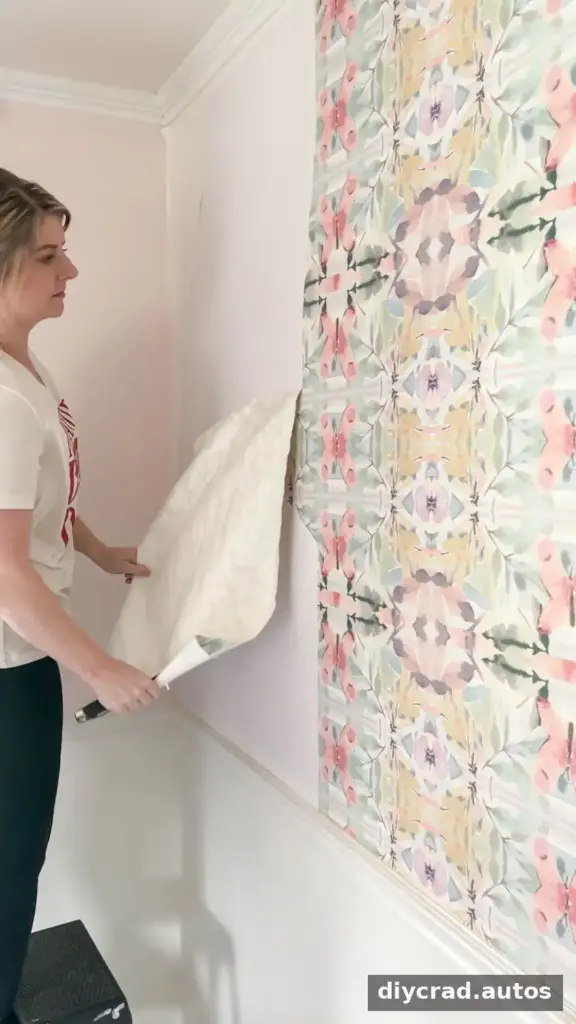
Lift an edge with a putty knife, keeping the blade as flat against the wall as possible, then pull the wallpaper away. In the test, two panels came off in 4 minutes and 38 seconds with little resistance, and the remover did not need to be reapplied during that section. If only the top layer comes away, apply remover again to reach the backing layer.
Advantages: It was the fastest method tested, required no mixing, and stayed effective without reapplication during the test section.
Trade-offs: It costs more than homemade options and is a chemical-based product. Follow its label and keep the room ventilated as directed.
Method 2: White-Vinegar Wallpaper Remover
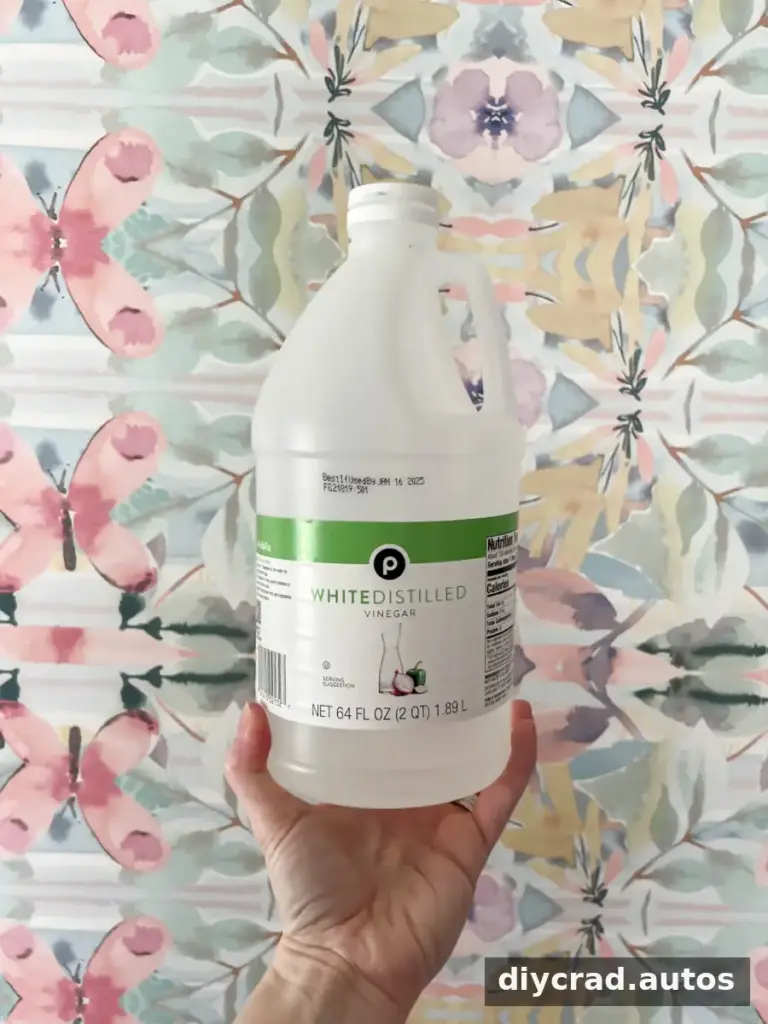
For a homemade option, mix one-third white vinegar with two-thirds hot water in a spray bottle. Prepare only enough to use in a small section at a time. As the mixture cools, its effectiveness may decrease, so make fresh solution with hot water as needed.
Application
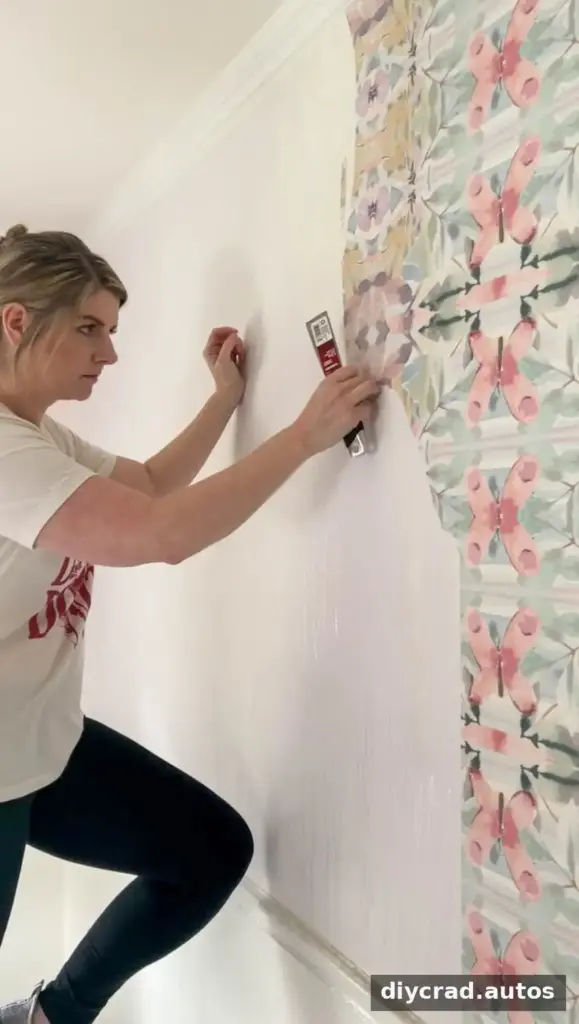
Spray two panels and wait about 2 minutes for the solution to reach the adhesive. Loosen the edge with a putty knife and peel slowly. In the test, this method worked but required more effort: the paper tore and came away in small pieces.
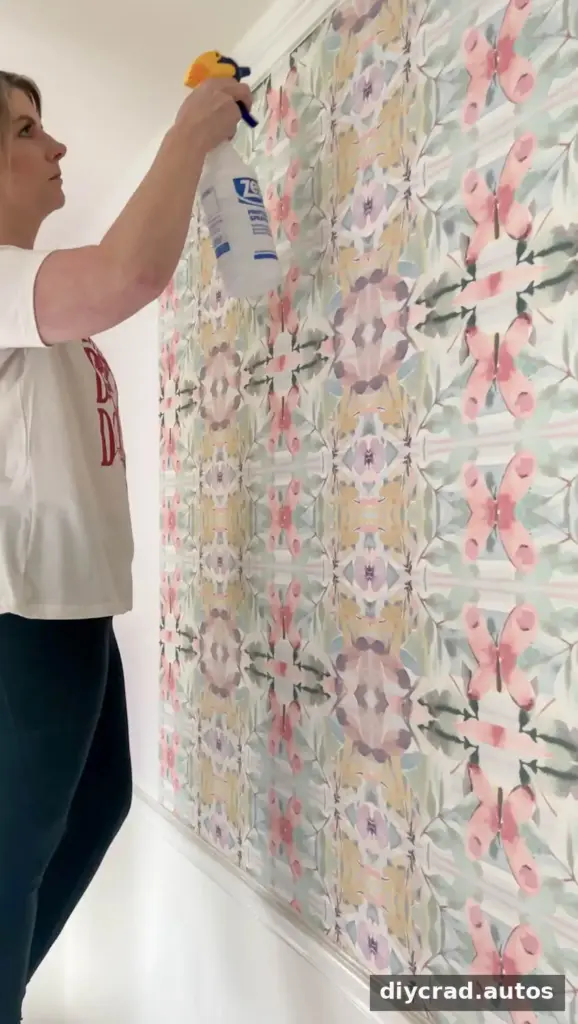
This is an inexpensive option made from common household ingredients, but it may need repeat applications and patience. Take care when handling hot water, and avoid spraying near outlets or switches.
Advantages: Low-cost ingredients and no specialized equipment.
Trade-offs: Mixing and reapplication may be needed; it was the least effective of the three tested methods.
Method 3: Fabric-Softener Wallpaper Remover
Mix one-quarter fabric softener with three-quarters hot water in a spray bottle. The tested solution was left on the wallpaper for about 2 minutes before removal. As with the vinegar mixture, make small batches so the water stays warm while you work.
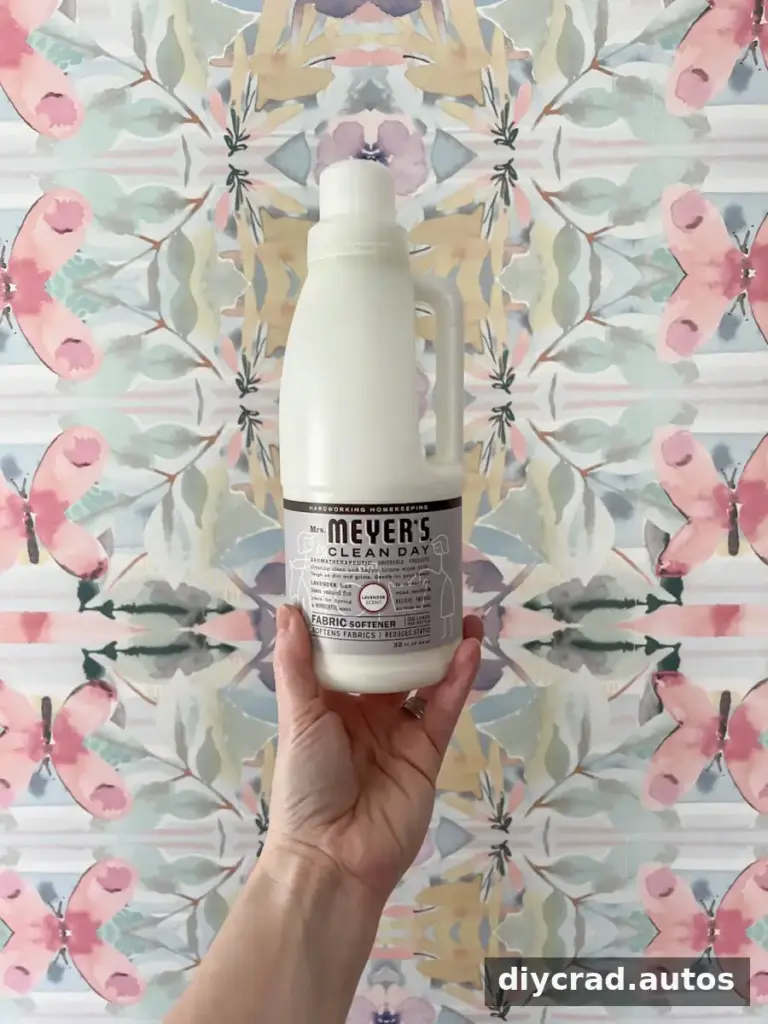
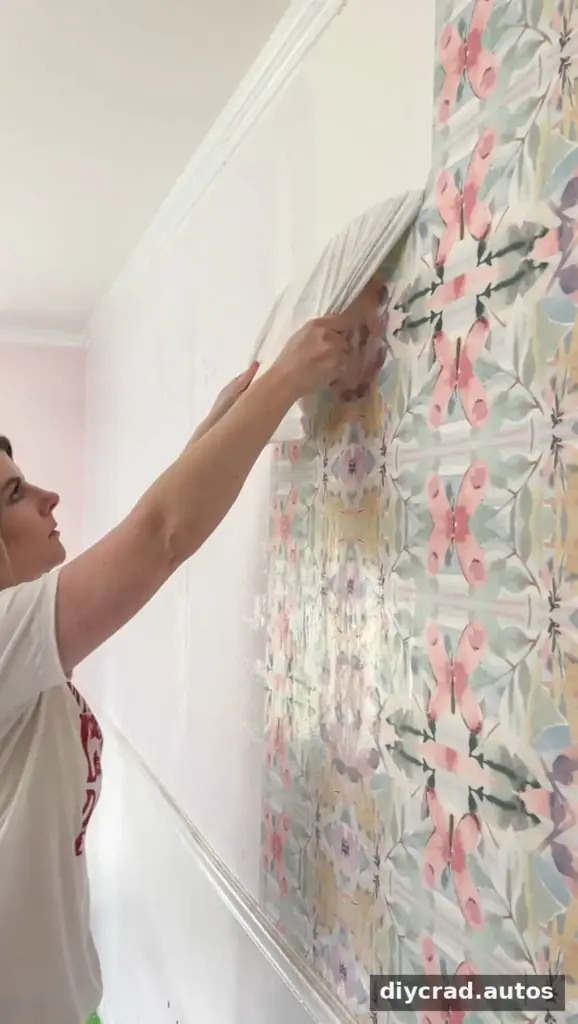
The fabric-softener mixture worked better than the vinegar solution in this test, although removing the paper took more effort than with the store-bought remover. It also needed to be reapplied as the surface dried. Its low ingredient cost may make it a useful alternative when a commercial remover is not available.
Advantages: Inexpensive and worked fairly quickly in the test.
Trade-offs: It requires mixing and may need repeated application. Avoid leaving residue behind; after stripping, lightly spray the wall again and wipe away excess adhesive with a rag or sponge.
Which Wallpaper Removal Method Is Best?
Of the three methods tested, the store-bought remover worked fastest and needed the least effort. The fabric-softener solution was the next-best option in this comparison, while the vinegar mixture was the slowest and required the most scraping. Since wallpaper and walls differ, test a small, inconspicuous area before treating the whole room.
These methods can also be used on plaster walls, but always work gently and check the surface as you go. After removal, clean away adhesive residue and allow the wall to dry before painting or installing new wallpaper. When hanging wallpaper in the future, a suitable sizing primer can make later removal easier.
Frequently Asked Questions
Does peel-and-stick wallpaper need remover?
Usually not. Peel-and-stick wallpaper is designed to lift from the wall, so try peeling it slowly from a corner before applying liquid. Follow the product instructions if the material resists or leaves residue.
How can I remove wallpaper without damaging the wall?
Use light pressure when scoring, keep the putty knife nearly flat, and avoid digging its corners into the surface. Work in small sections and let the remover soften the adhesive rather than forcing the paper off. For particularly stubborn wallpaper, a wallpaper steamer may help.
Does painting over wallpaper make it harder to remove?
It can. Paint may seal the wallpaper surface and make it more difficult for remover to reach the adhesive. If you expect to change the wall covering later, removing the wallpaper first is generally the more practical choice.
Is it better to remove wallpaper or cover it?
Removing old wallpaper is generally preferable before painting or installing new wallpaper. A clean, prepared surface helps paint or new wallpaper adhere more reliably and reduces the risk of visible seams or peeling.
Conclusion
The best way to remove wallpaper depends on the paper, the adhesive, and your budget. In this comparison, the store-bought remover was quickest, the fabric-softener mixture offered a lower-cost alternative, and the vinegar mixture worked but required more effort. Whichever method you choose, protect the floor, keep liquids away from electrical fixtures, and use a gentle touch to help prevent wall damage.

