

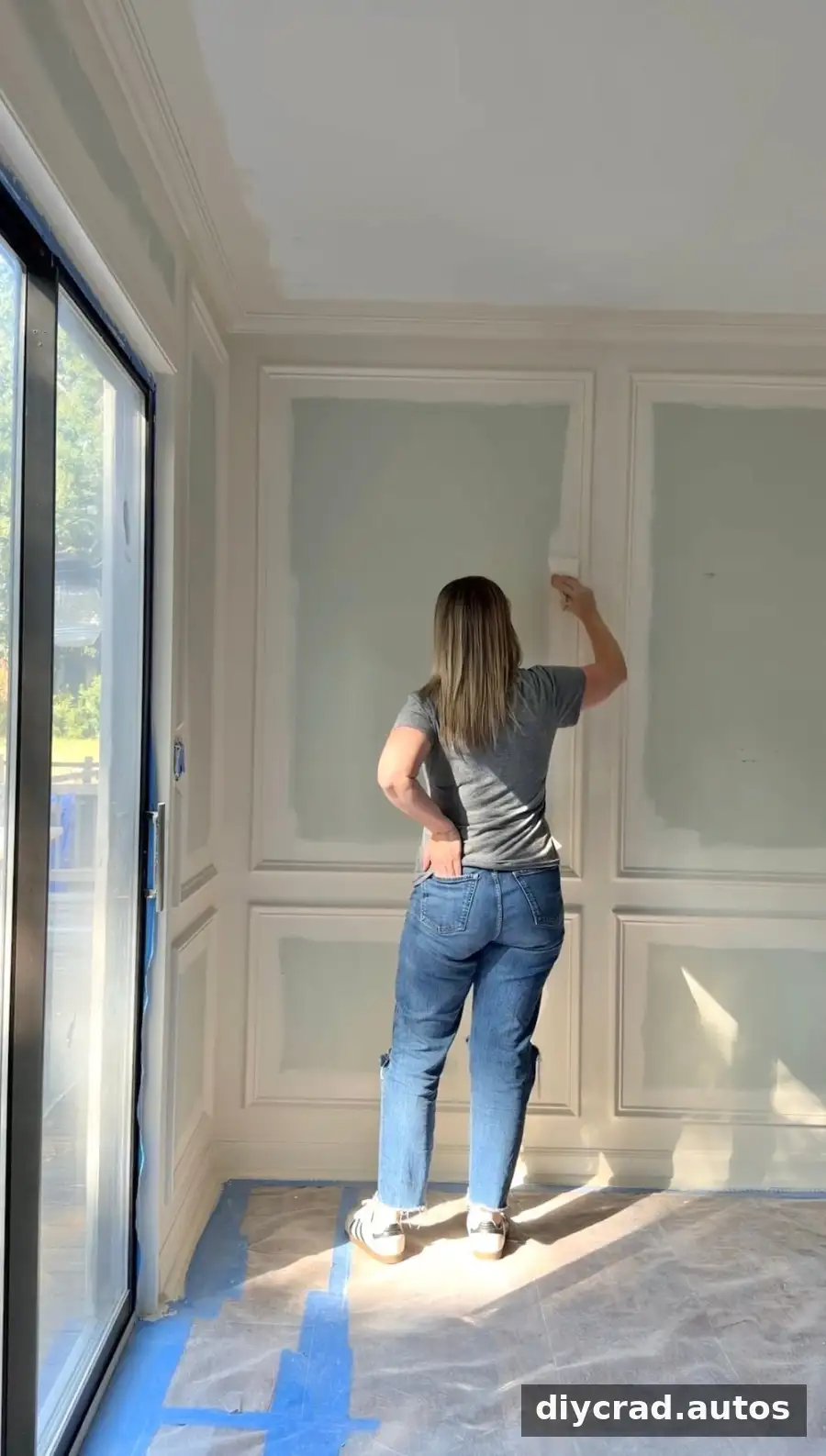
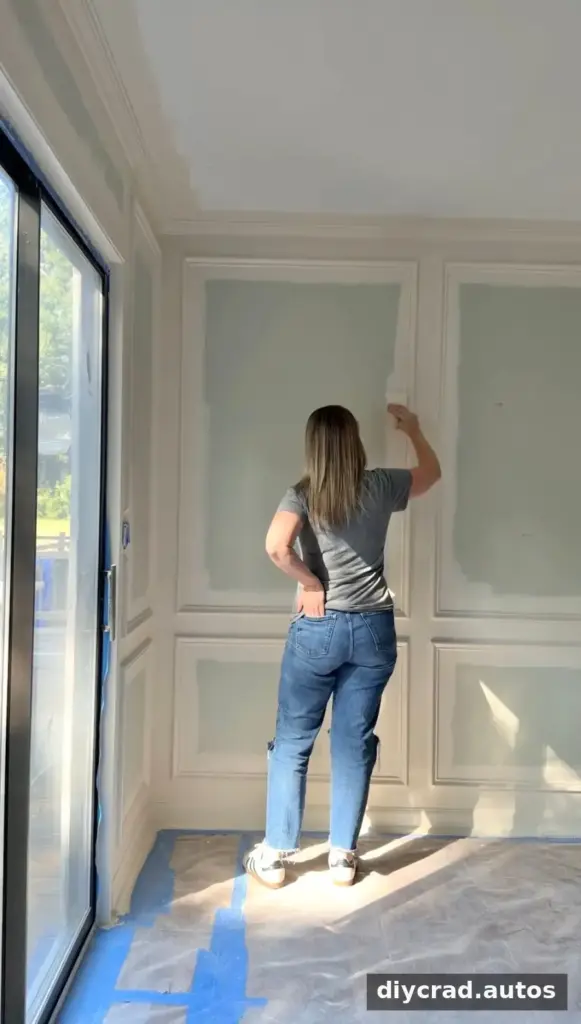
Choosing white paint colors is easier when you consider how natural light changes throughout the day. A white that looks soft and inviting in one room may appear cool, yellow, or stark in another. Before comparing paint samples, check which direction your room’s main windows face. That simple step can help you narrow your options and choose undertones that work with the light you actually have.
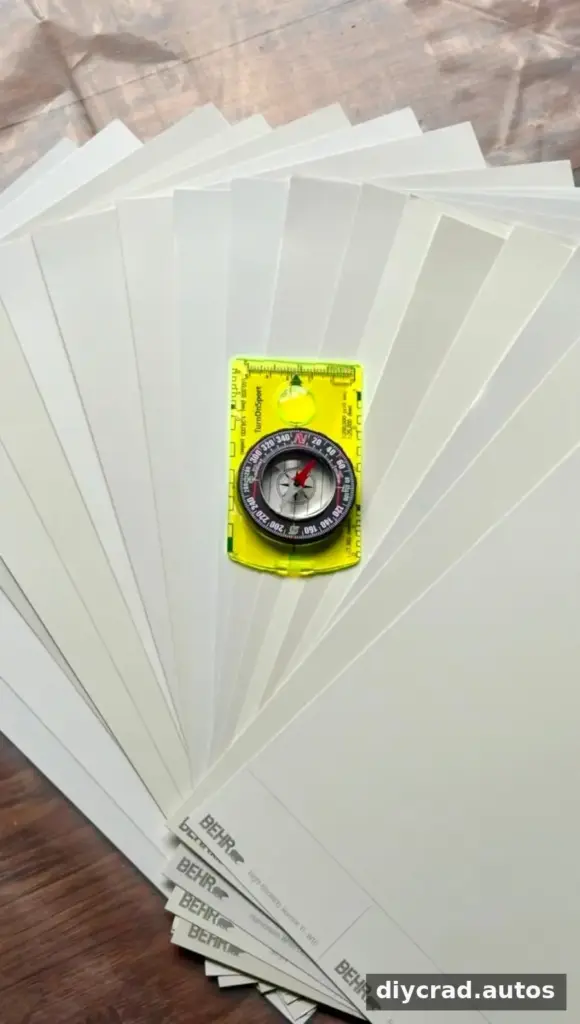
For a west-facing bedroom, for example, the light may feel cooler earlier in the day and become warmer and stronger in the afternoon. Behr Mourning Dove OR-W12 was selected for the bedroom described here after the finalists were viewed at different times of day.
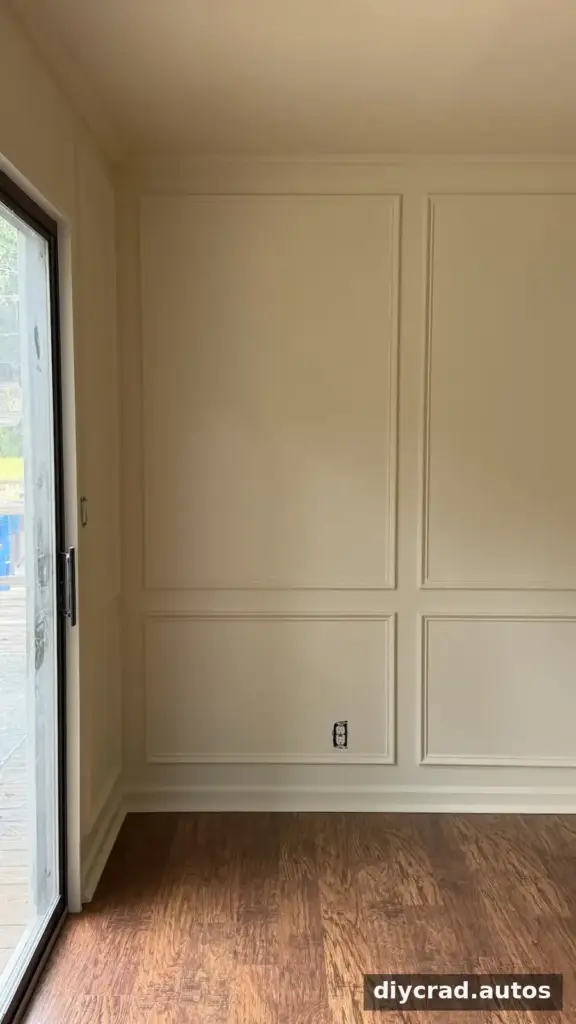
Testing paint on the wall and checking it as the light shifts can reveal changes that a small paint chip may not show. It is a practical way to see whether a white stays balanced in your room rather than relying on its appearance in a store.
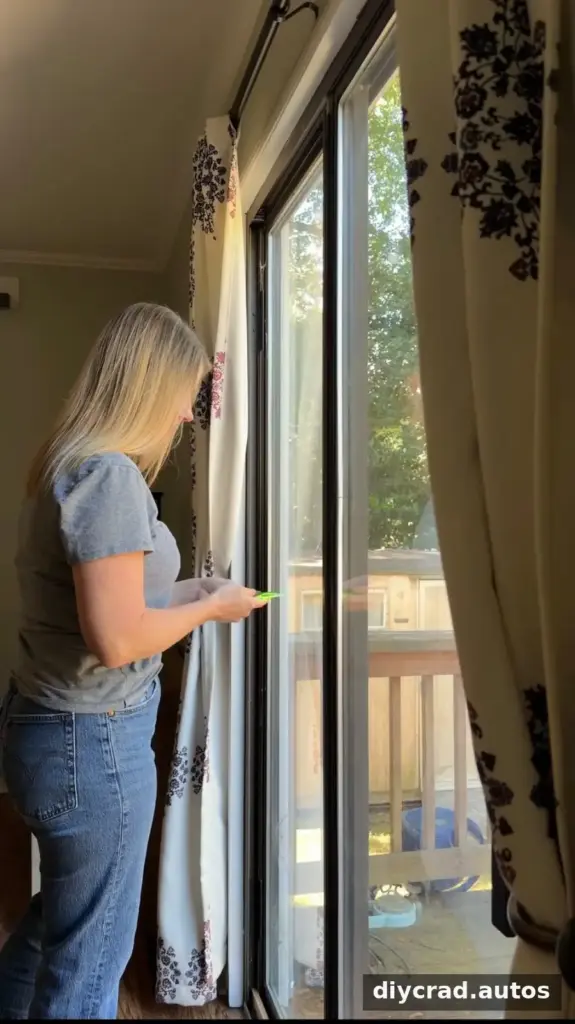
How to Choose White Paint Colors With a Compass
A compass app on a phone is usually enough to identify the direction of a room’s main windows. Stand inside the room and face toward the windows. The direction shown by the compass is a useful guide to the room’s orientation. If a room has windows on more than one side, use the direction of the windows that provide the most noticeable daylight.
Natural light typically varies by direction:
- North: cooler, indirect light through much of the day.
- South: warm, bright light for much of the day.
- East: warm morning light, followed by cooler light later.
- West: cooler morning light, followed by warm afternoon light.
These are general patterns, not guarantees. Trees, nearby buildings, window size, weather, and the season can all affect the light in a room. Use the compass as a starting point, then test samples in the space.
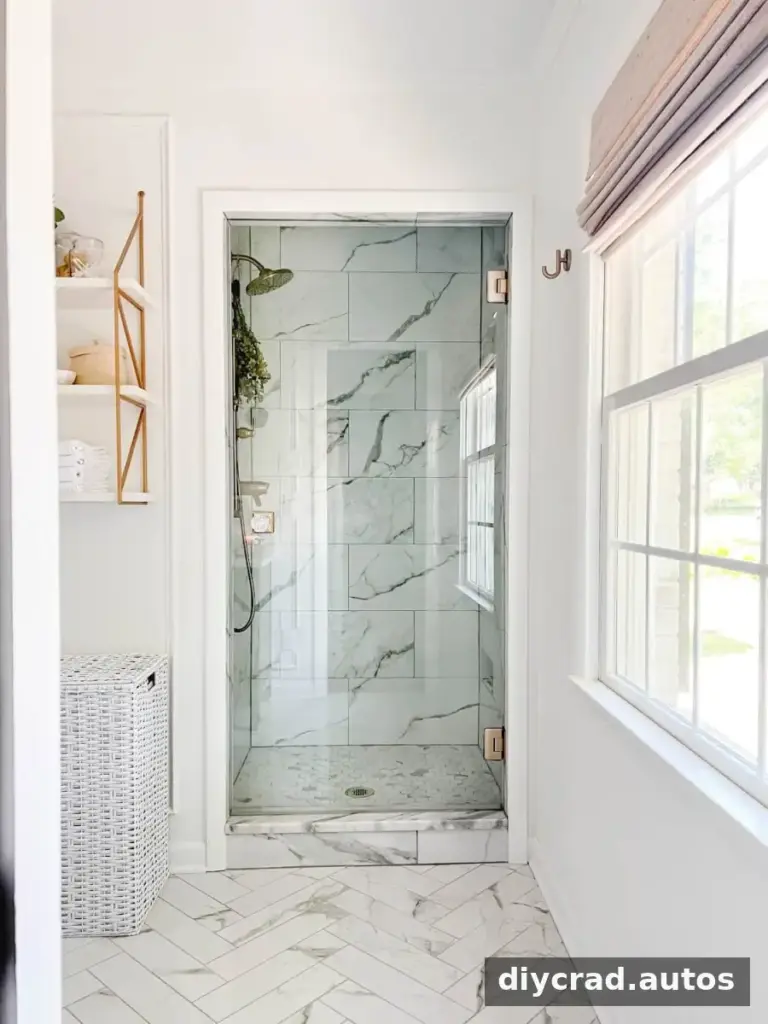
Best White Paint Colors for North-Facing Rooms
North-facing rooms tend to receive cooler, indirect daylight, which can make some whites look bluer or grayer than expected. Warmer whites with cream or beige undertones can help create a softer impression. Consider sampling:
- Behr White Wool GR-W01
- Behr Antique White 23
- Behr Linen White 70
- Behr Cottage White 13
Additional North-Facing Room Options
- Benjamin Moore: White Dove OC-17, Simply White OC-117, Swiss Coffee OC-45
- Sherwin-Williams: Alabaster SW 7008, Greek Villa SW 7551, Creamy SW 7012
- Farrow & Ball: Pointing, White Tie, School House White
A dim north-facing room does not necessarily benefit from the brightest, crispest white. Without much daylight, a stark white may still look cool rather than sunny. Compare a few softer options on the wall before deciding.
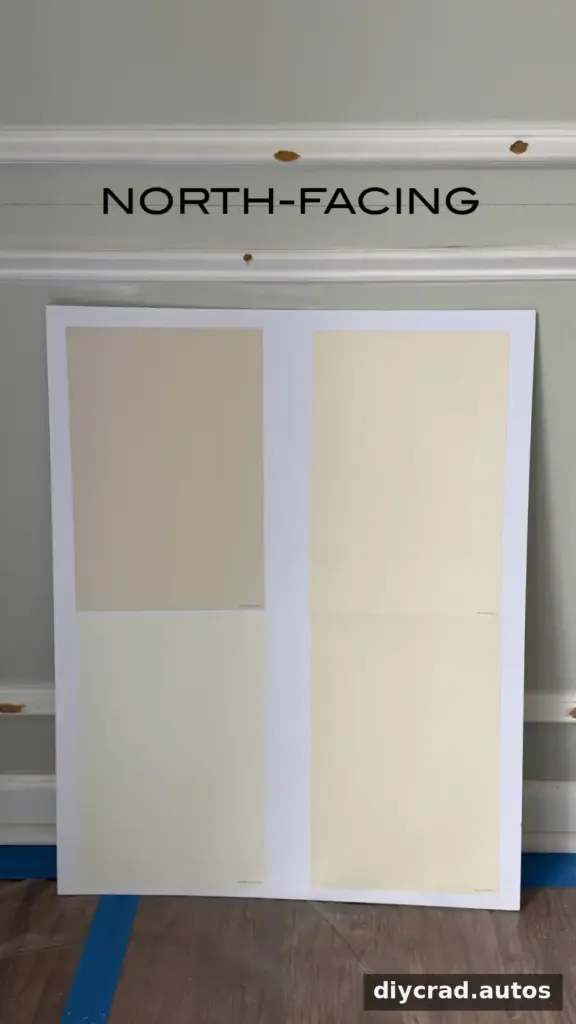
For a useful comparison, place samples near the main window and on a wall farther into the room. The difference can help show how the same paint responds to stronger and weaker light.
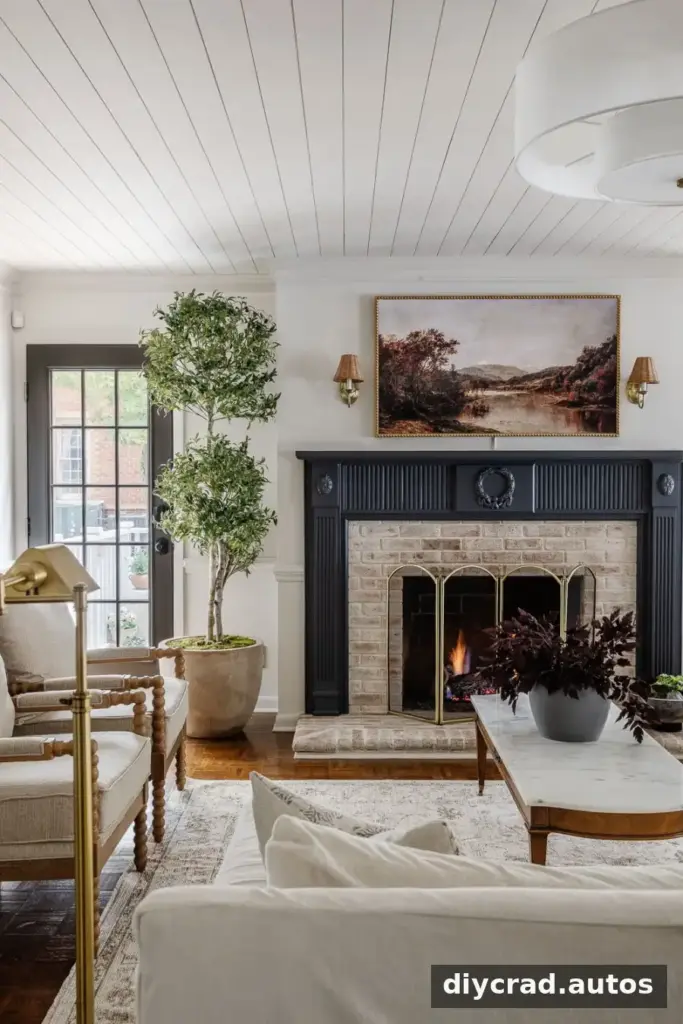
Best White Paint Colors for South-Facing Rooms
South-facing rooms often receive abundant warm daylight. This can make cooler, brighter, or more neutral whites a good starting point because the natural warmth in the room may soften their appearance. Sample options include:
- Behr Polar Bear 75
- Behr Vibrant White BWC-12
- Behr Nano White HDC-MD-06
- Behr Sleek White OR-W15
Additional South-Facing Room Options
- Benjamin Moore: Chantilly Lace OC-65, Decorator’s White OC-149, Super White OC-152
- Sherwin-Williams: Pure White SW 7005, Snowbound SW 7004, Extra White SW 7006
- Farrow & Ball: All White, Strong White, Blackened
South-facing light can emphasize yellow or creamy undertones. If you prefer a clean, bright look, compare samples at different times of day and check whether a warm white becomes more golden than you want.
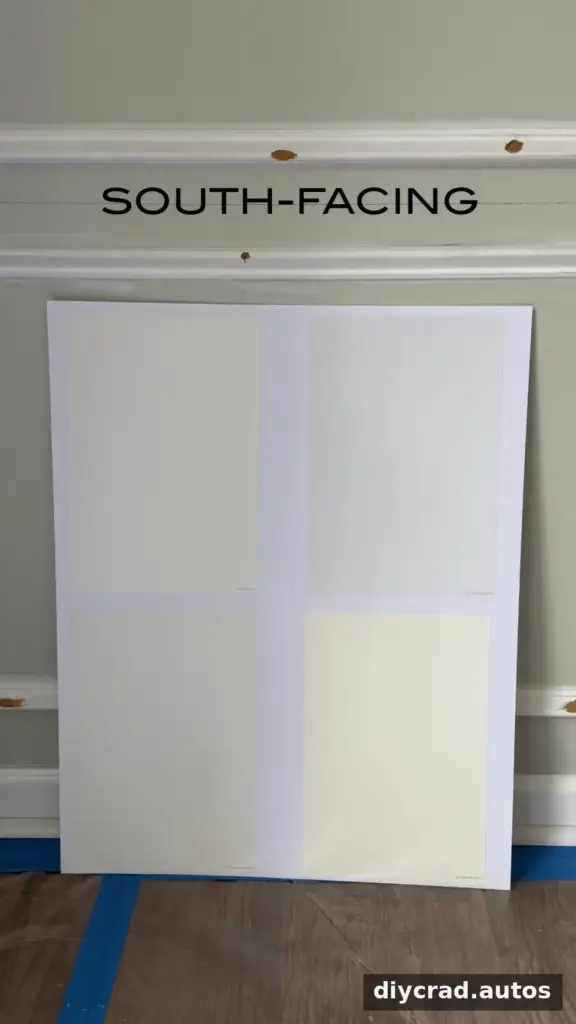
Paint a generous sample rather than judging a tiny chip alone. Keep nearby finishes and furnishings in view, too: floors, trim, and textiles can affect how a white reads beside them.
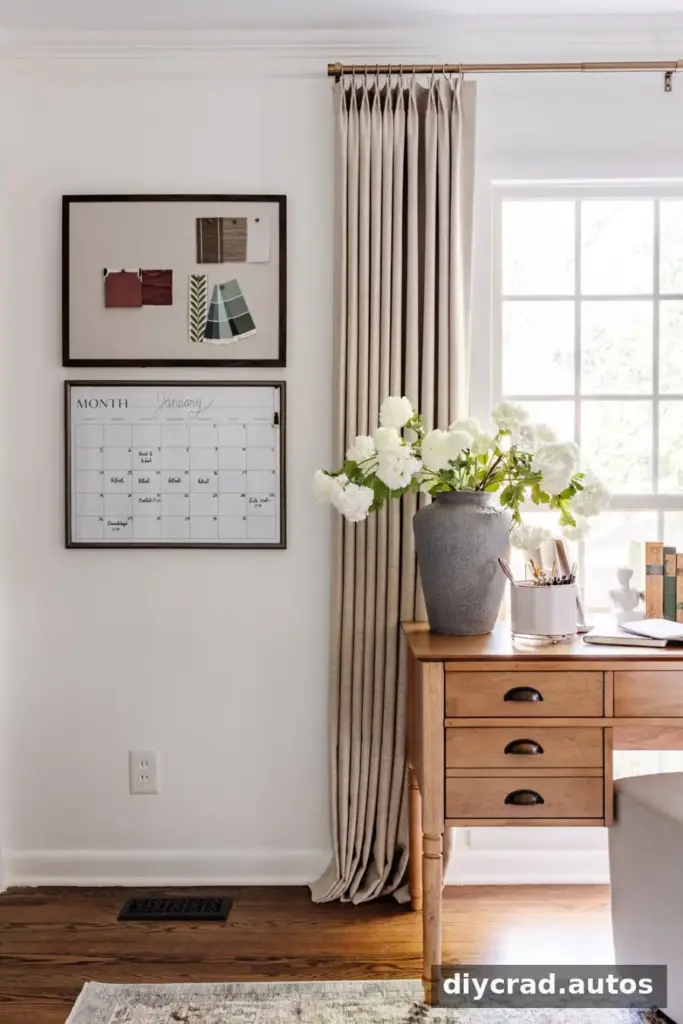
Best White Paint Colors for East-Facing Rooms
East-facing rooms usually get warmer direct sunlight in the morning. As that light moves away, the room can look cooler later in the day. Soft whites with a little warmth are a useful place to begin, especially if you want the room to feel comfortable in the afternoon without looking overly creamy in the morning.
Behr White Paint Colors to Try
- Original White N290-1
- Spun Cotton YL-W09
- White Veil OR-W14
- Melting Icicles BWC-20
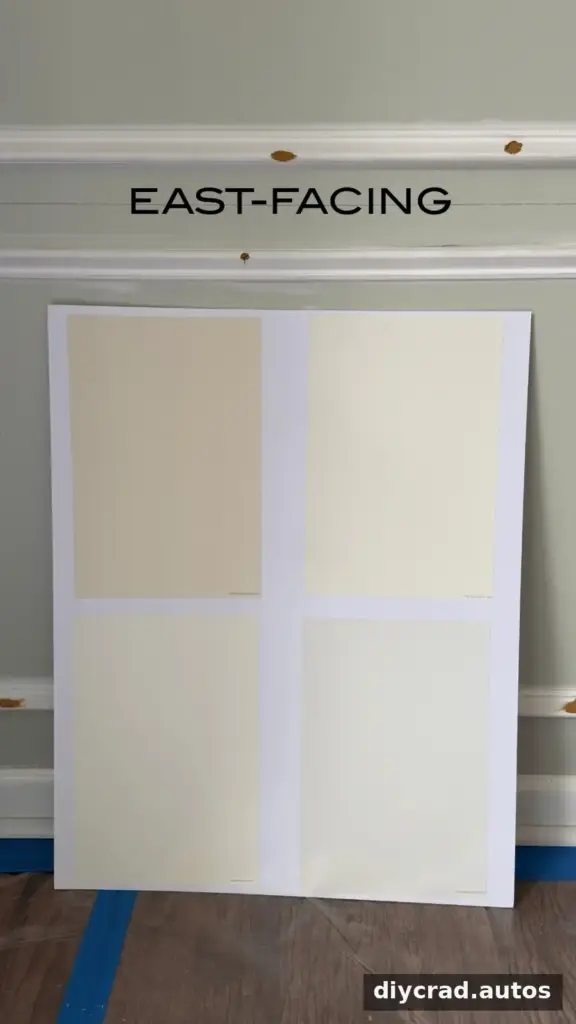
More East-Facing Room Options
- Benjamin Moore: White Dove OC-17, Simply White OC-117, Cloud White OC-130
- Sherwin-Williams: Pure White SW 7005, Alabaster SW 7008, White Flour SW 7102
- Farrow & Ball: Wimborne White, Pointing, School House White
White Dove and Simply White are soft options with warmth to compare against cooler whites. Alabaster is another warm choice, while Pure White offers a more neutral direction to test. Do not make the decision based only on the bright morning light: check the sample again later in the afternoon, when the room’s appearance may be quite different.
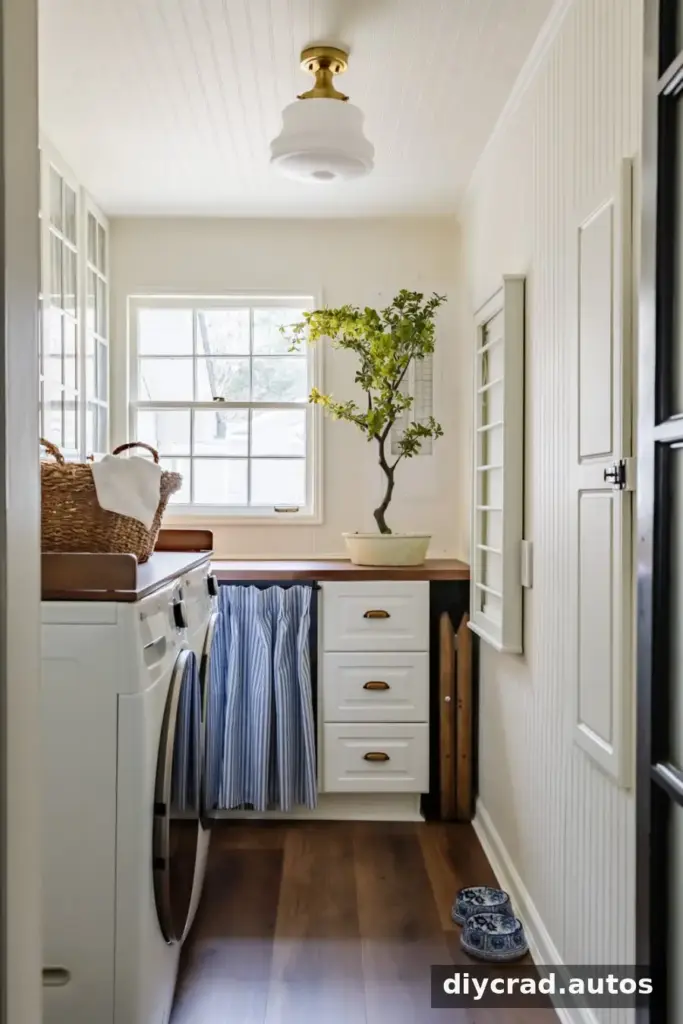
Best White Paint Colors for West-Facing Rooms
West-facing rooms often start the day with cooler, indirect light and receive warmer, stronger sunlight later on. A soft white with balanced warmth can work well as a starting point, particularly if you want to avoid a shade that looks too yellow in afternoon sun.
Behr White Paint Colors to Try
- Blank Canvas DC-003
- Mourning Dove OR-W12
- White Moderne PPU7-13
- Painter’s White PPU18-08

More West-Facing Room Options
- Benjamin Moore: White Dove OC-17, Simply White OC-117, Swiss Coffee OC-45
- Sherwin-Williams: Alabaster SW 7008, Greek Villa SW 7551, Oyster White SW 7637
- Farrow & Ball: School House White, Shadow White, Pointing
These options provide a range of softer whites to compare in changing light. Swiss Coffee is described as a warm white, and Greek Villa is intended to show well in natural light. Treat those descriptions as a guide, then judge each sample in your own room.

A White Paint Choice for a West-Facing Bedroom
After comparing samples throughout the day, Behr Mourning Dove OR-W12 was chosen for the west-facing bedroom. The goal was a soft, warm appearance in cooler light that would remain balanced when afternoon sunlight entered the room.
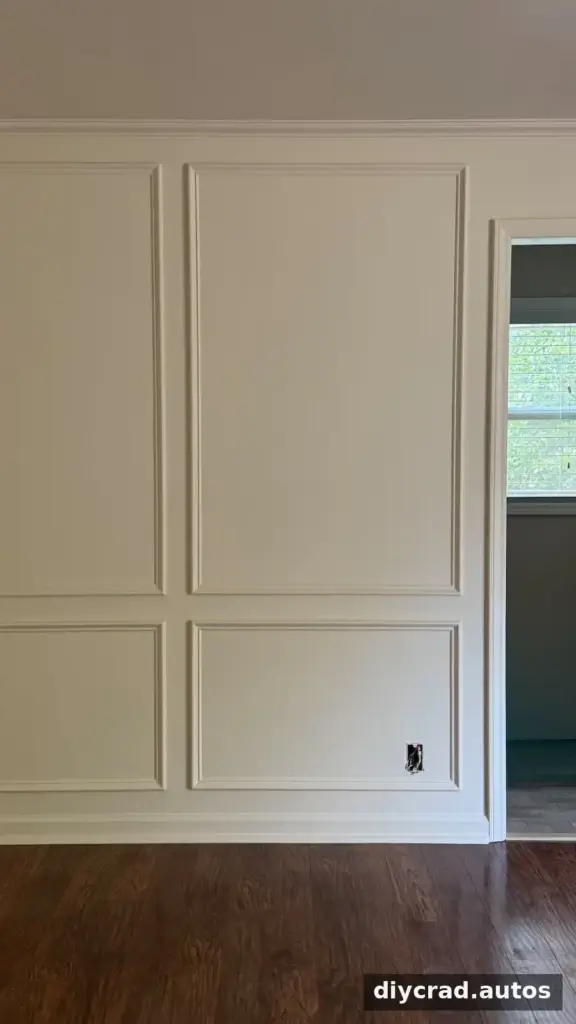
Testing the color at several times of day helped show how it looked alongside the room’s planned details, including linen curtains, a fireplace, a black canopy bed, and picture frame molding. When sampling, consider the fixed features and furnishings that will remain in the room, as well as the direction of the light.
Practical Tips for Testing White Paint
- Check samples in morning, afternoon, and evening light. A single viewing may not show how the color changes.
- Test more than one wall. Light can vary near windows and in darker parts of the same room.
- Compare undertones side by side. Looking at samples together can make differences easier to notice.
- Consider artificial lighting. Bulb color can influence how a white appears after dark.
- Coordinate walls and trim. The same white can create a cohesive look; if you use different whites, compare their undertones together.
Frequently Asked Questions About White Paint Colors
What white paint is best for a dark room?
Do not assume the brightest white will make a dark room feel brighter. With little natural light, a stark shade can look cold or dull. Try a soft, warm white with cream, beige, or greige undertones, and check a wall sample before choosing.
Why does white paint look yellow?
Some whites have yellow, cream, or beige undertones. Warm daylight, particularly in south- and west-facing rooms, can make those undertones more noticeable. Warm artificial bulbs can also affect the appearance. Testing a larger sample in the actual room helps reveal these changes.
Should walls and trim be the same white?
They can be. Using one white for walls and trim can create a coordinated look. If you choose separate shades, check that their undertones work together; a warm wall color beside a very cool trim white may create an unintended contrast.
Conclusion
The most useful first step in choosing white paint colors is to identify the direction of your room’s main windows, then use that information to select samples with suitable undertones. North-facing rooms often benefit from warmer whites, while south-facing rooms can be a good place to test cooler or more neutral options. East- and west-facing rooms call for attention to how the light changes during the day. Whatever the direction, compare samples in your space at several times before making a final choice.

