Flowers that bloom again after cutting can keep a cutting garden productive for much of the growing season. Rather than giving a single, short burst of blossoms, these plants react to harvesting by branching out and growing additional flower stems. Cut them regularly, and the same plants can provide fresh bouquets from early summer through the first frost.
You don’t need a spacious plot or an extensive selection of varieties to create a thriving cutting garden. Pick a handful of reliable flowers, harvest them often, and provide appropriate sunlight, water, and attention. The plants featured below bring a mix of forms, hues, and textures to floral arrangements.
How Flowers That Regrow After Cutting Produce Blooms
Cut a stem just above a leaf node to remove the plant’s growing tip. This can prompt lower buds on the stem to grow into side shoots, which may go on to form fresh flowers. Harvesting repeatedly can encourage many plants to branch and rebloom.
For instance, an uncut zinnia may flower a few times before producing seed. When harvested frequently, it can grow several stems over the summer. The outcome depends on the variety, weather, and growing environment, but regular cutting usually helps flowering plants stay productive.
Regularity is important. A single harvest followed by weeks without cutting is not as helpful as checking your plants often. When possible, remove faded flowers before they set seed, and harvest each variety at its recommended stage. Make clean cuts with sharp, sanitized snips to prevent stems from being crushed.
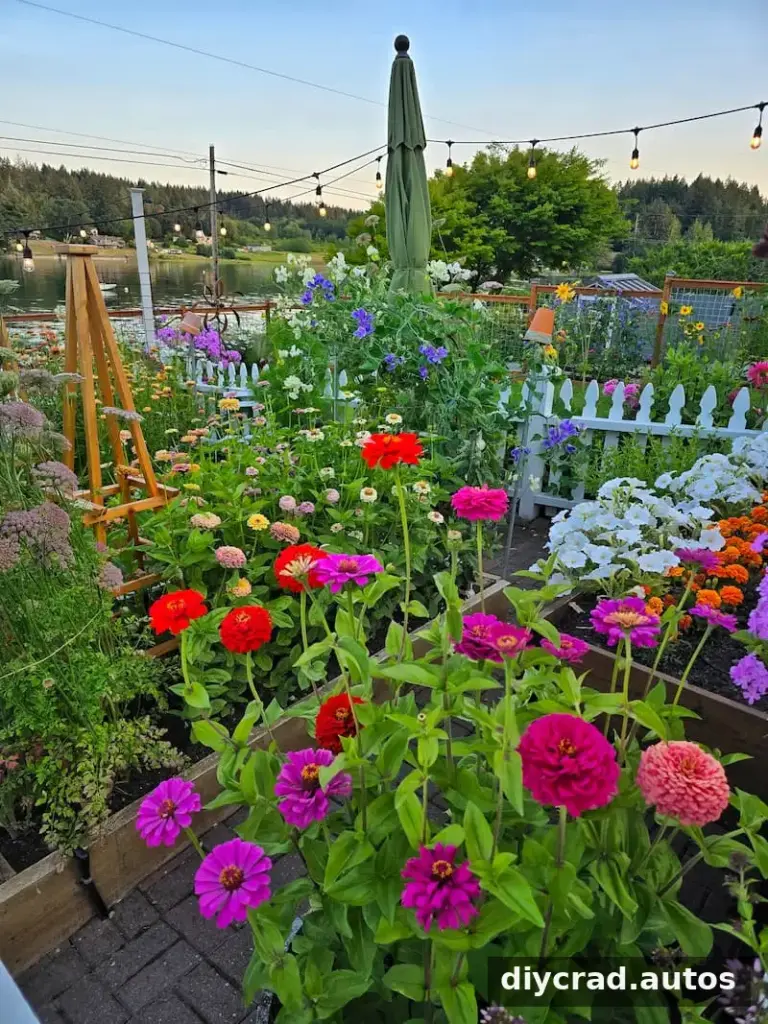
Growing Conditions in This Garden
- Location: Pacific Northwest, roughly 60 miles southwest of Seattle, Washington
- Growing zone: USDA Zone 8b
- Average last frost: Mid-April, although spring weather may differ from year to year
Many of the flowers mentioned here are raised from seed in a greenhouse, then planted in raised beds and containers. These conditions reflect one particular garden; check local frost dates and gardening advice to determine the best sowing or transplanting time for your location.
The Essential Routine: Cut Flowers Often
During periods of active growth, harvest more frequently than you might expect. For many of these varieties, cutting promotes new branches and can keep plants from directing their energy toward making seeds.
It may be hard to snip flowers that still look lovely in the garden. But if every blossom is left on the plant, fewer new stems may develop. When you don’t need flowers for a vase, remove faded blooms or pass along any usable stems.
At the height of the bloom season, inspect the beds every two or three days. Gather lengthy stems when they are ready for cutting, and discard blooms that are past their prime. Regularly strolling through the garden also helps you notice drooping plants, insects, or parched soil before problems worsen.
Statement Flowers for Bouquets
Distinctive or sizable flowers create a striking focal point in an arrangement. These selections add vivid color and form to a cottage-inspired bouquet.
Zinnias
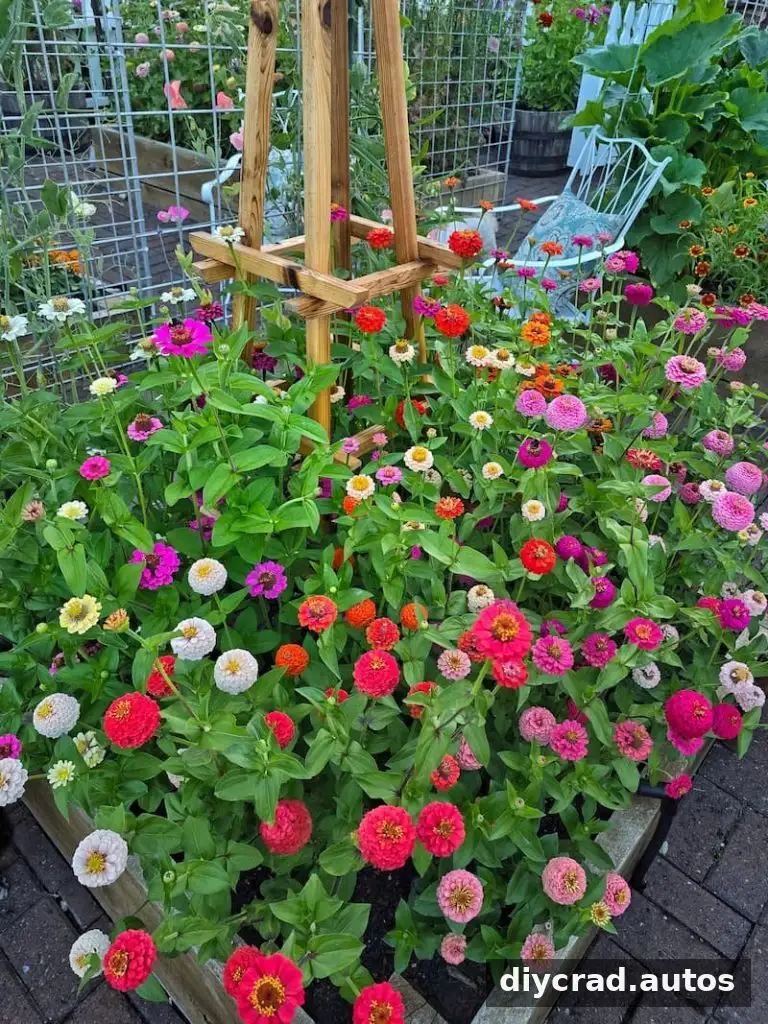
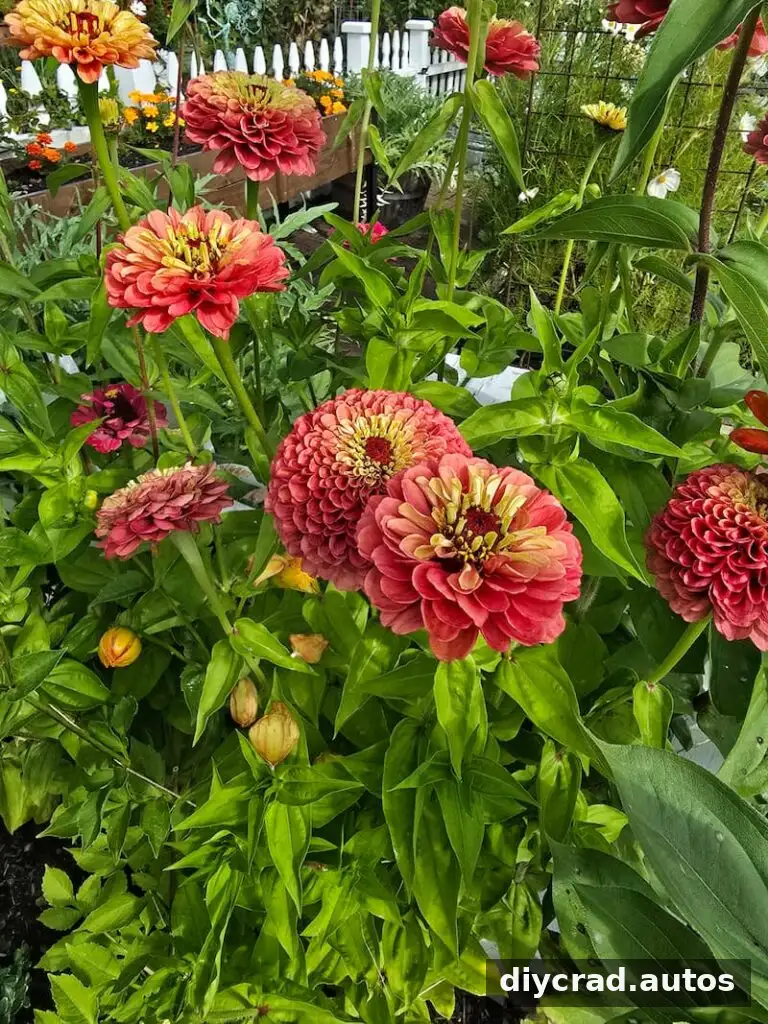
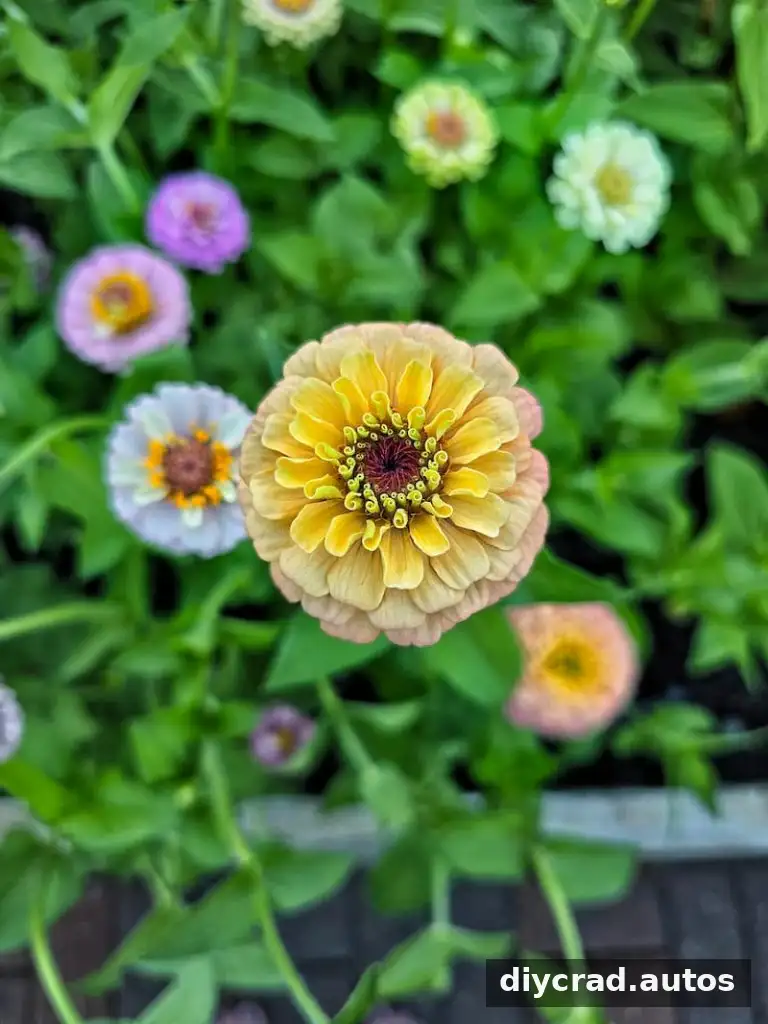
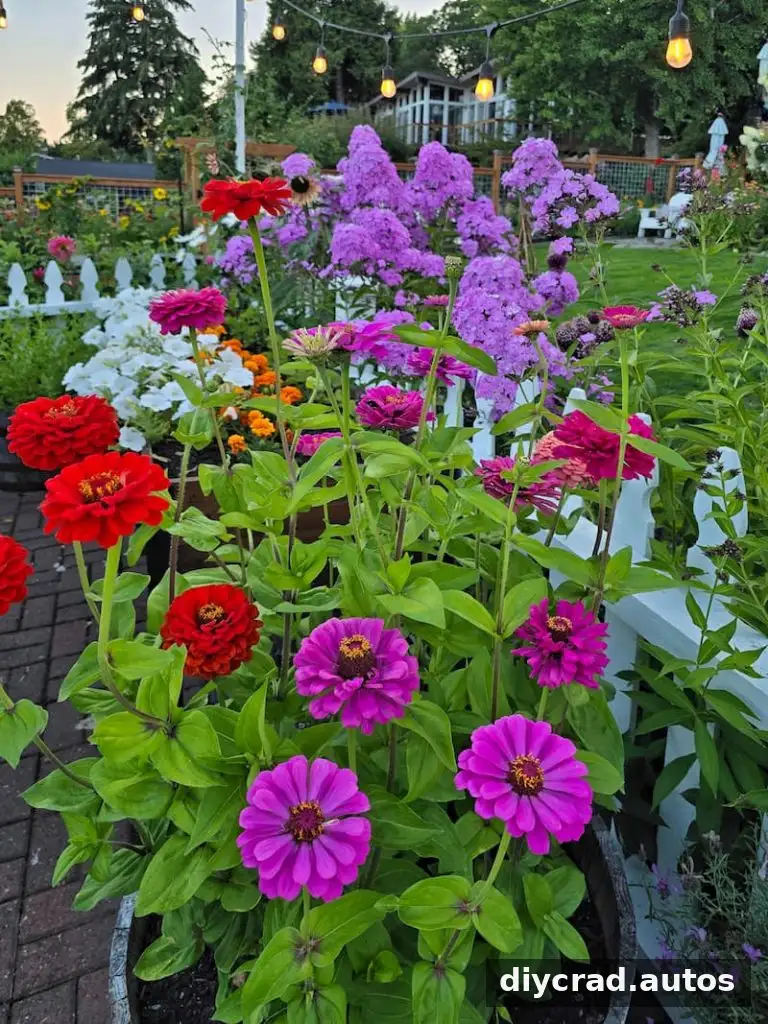
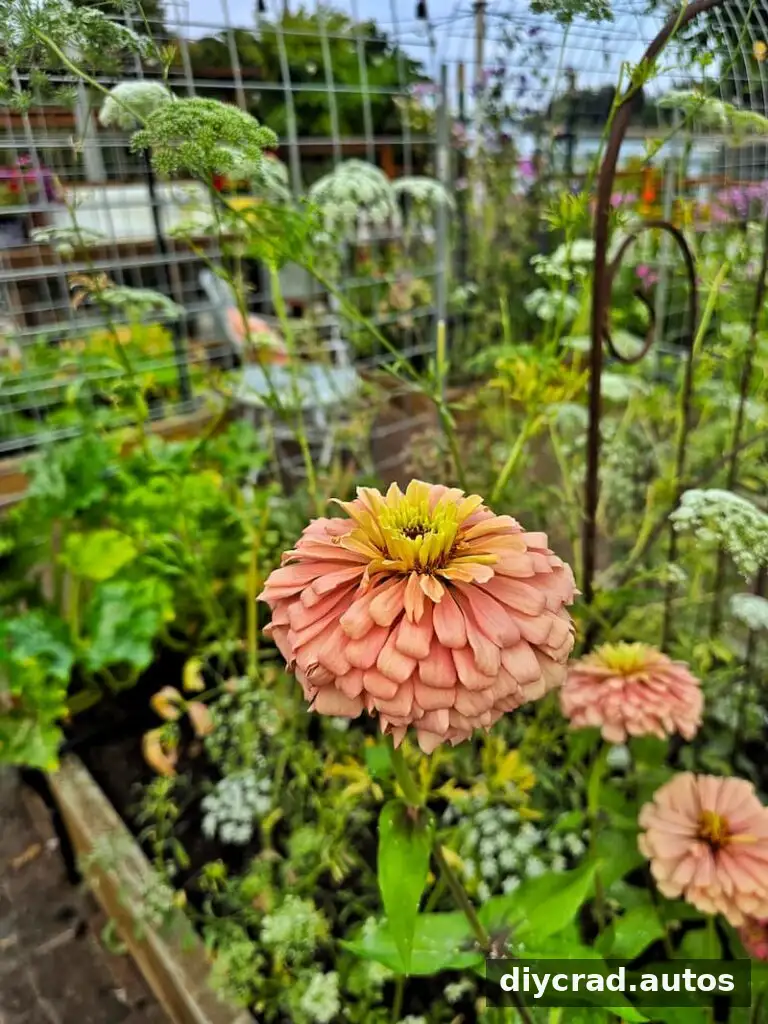
Zinnias produce abundant, bright blooms, making them a popular option for gardeners starting their first cutting patch. Frequent picking encourages branching and new stems from midsummer through the first frost. Flower sizes and colors are available in a broad selection.
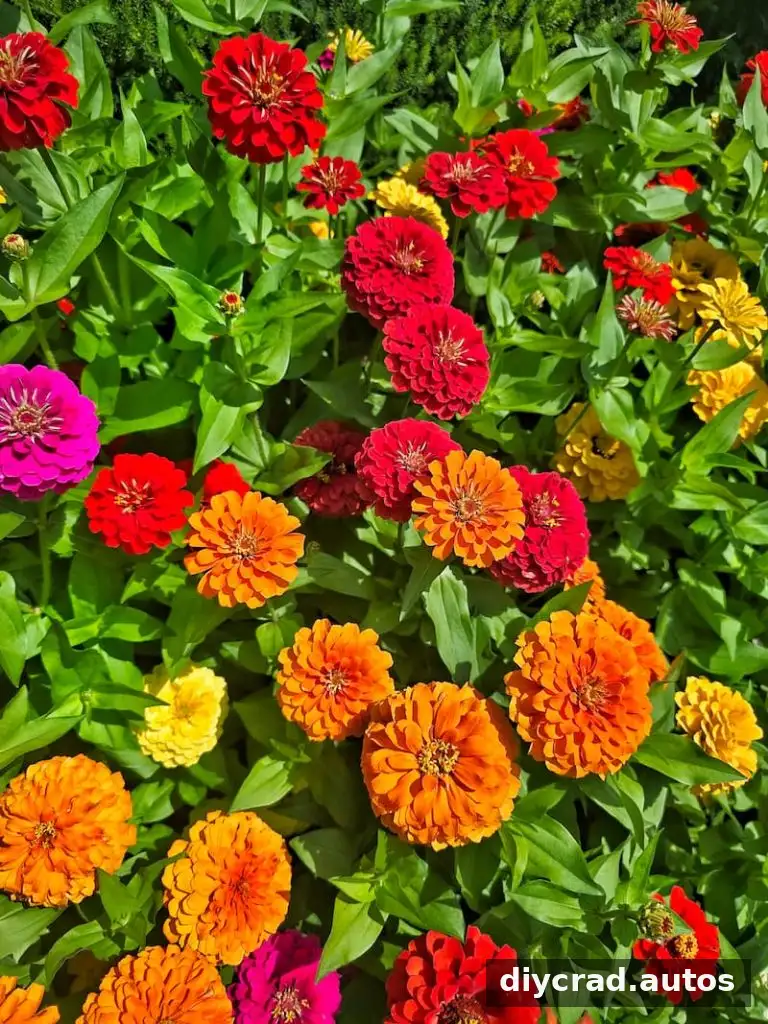
Regularly cutting the blooms promotes a bushier plant; allowing flowers to ripen and form seeds may reduce new flowering. In warm conditions, blooms can develop rapidly, so inspect the plants often.
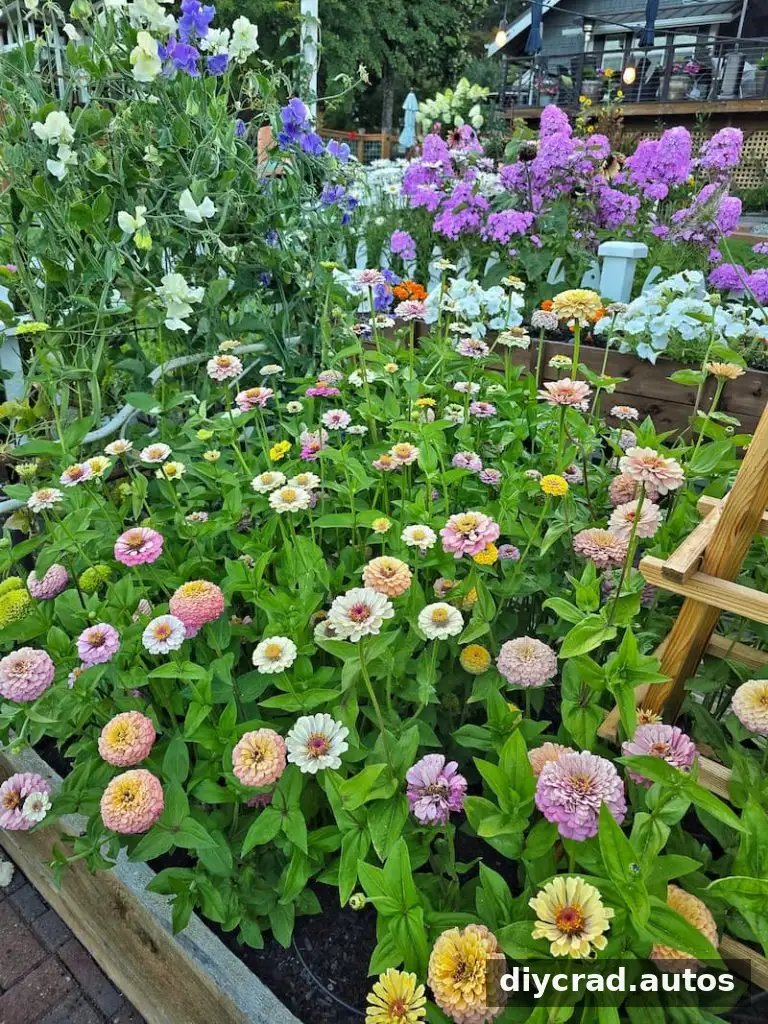
Gather the flowers once they begin to open and their color shows. To test readiness, gently shake the stem near its base. A sturdy stem should last longer in a vase, whereas a limp one may still be immature. Make the cut just above a leaf node to stimulate fresh branching.
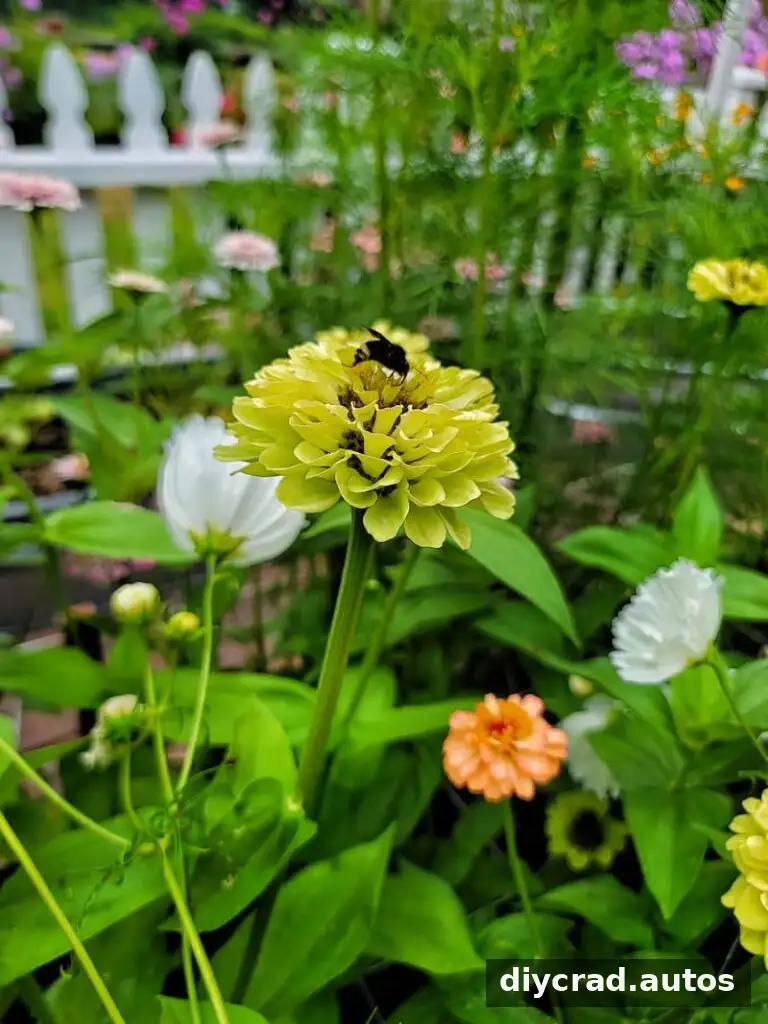
For extended stems, consider taller types like Benary’s Giant, the Oklahoma series, or the Queen series. Since plant height and spacing vary by variety, consult the seed packet. Allowing ample airflow between plants may also help prevent foliage issues.
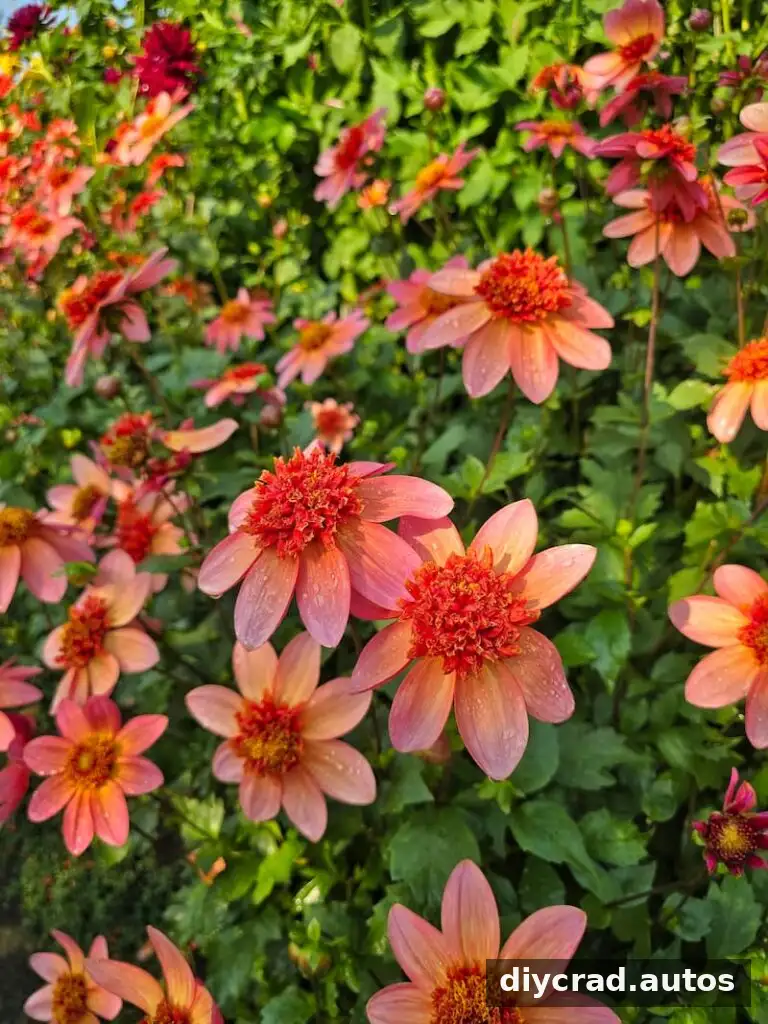
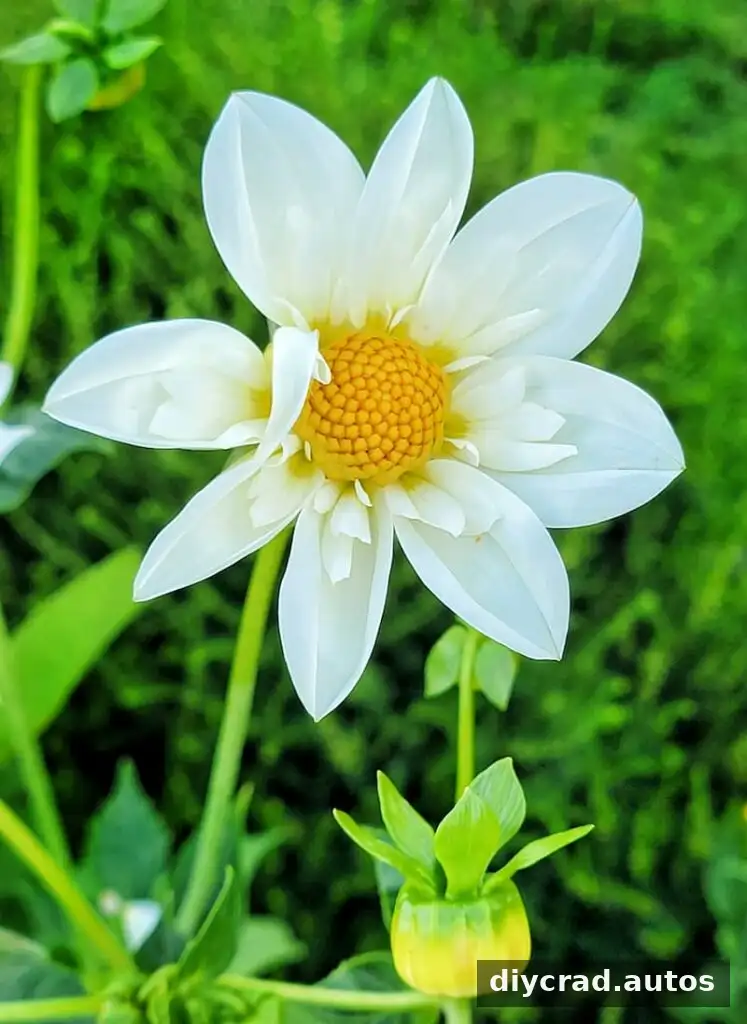
Dahlias

Dahlias require more attention throughout the season than zinnias. In colder regions, gardeners may need to dig up the tubers for winter storage and plant them again in spring. Although they can be slow to settle in, dahlias produce generous cut flowers once they start blooming.
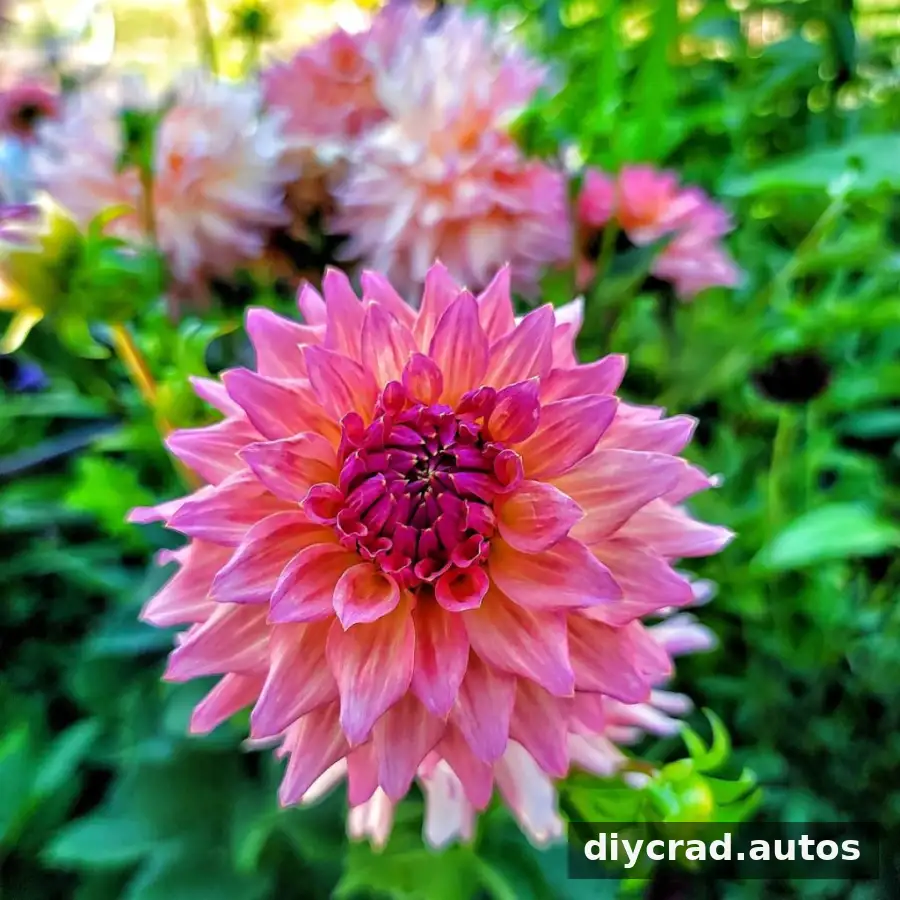
Cutting dahlia stems prompts the plant to grow additional flowering shoots. In the Pacific Northwest, flowers can keep blooming from late summer through October, depending on the local weather and when frost arrives.
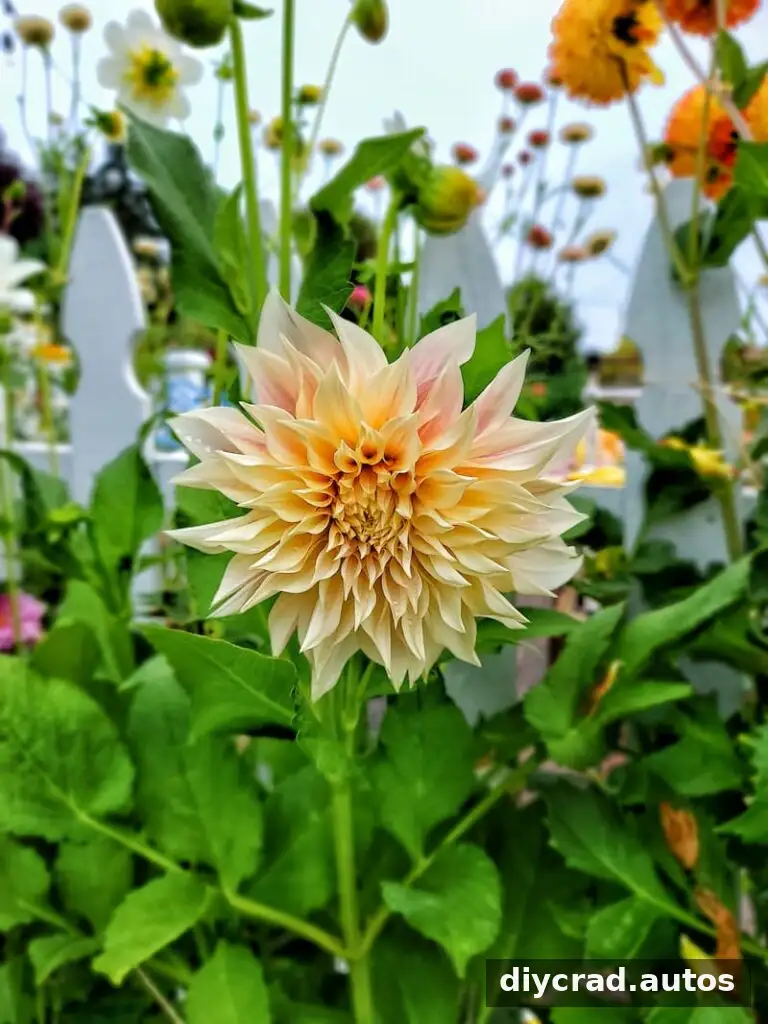
Because dahlias rarely open much more once picked, cut flowers that are fully or nearly fully open. Whenever possible, gather them in the morning, strip off any leaves that would be submerged, and quickly stand the stems in fresh water. Keeping foliage above the water helps prevent decay.
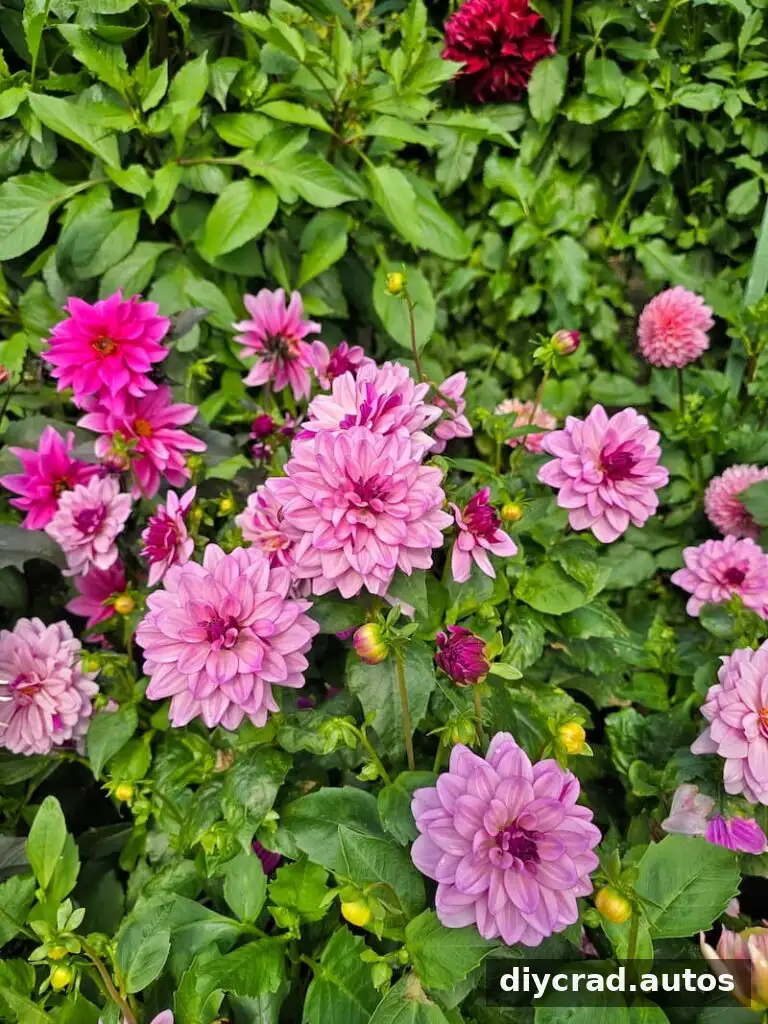
When dahlia plants reach roughly 12 inches tall, pinch them back to promote a fuller form and encourage more stems for cutting. Snip with clean fingers or pruners, taking care not to harm the tender growth near the cut.
Sunflowers
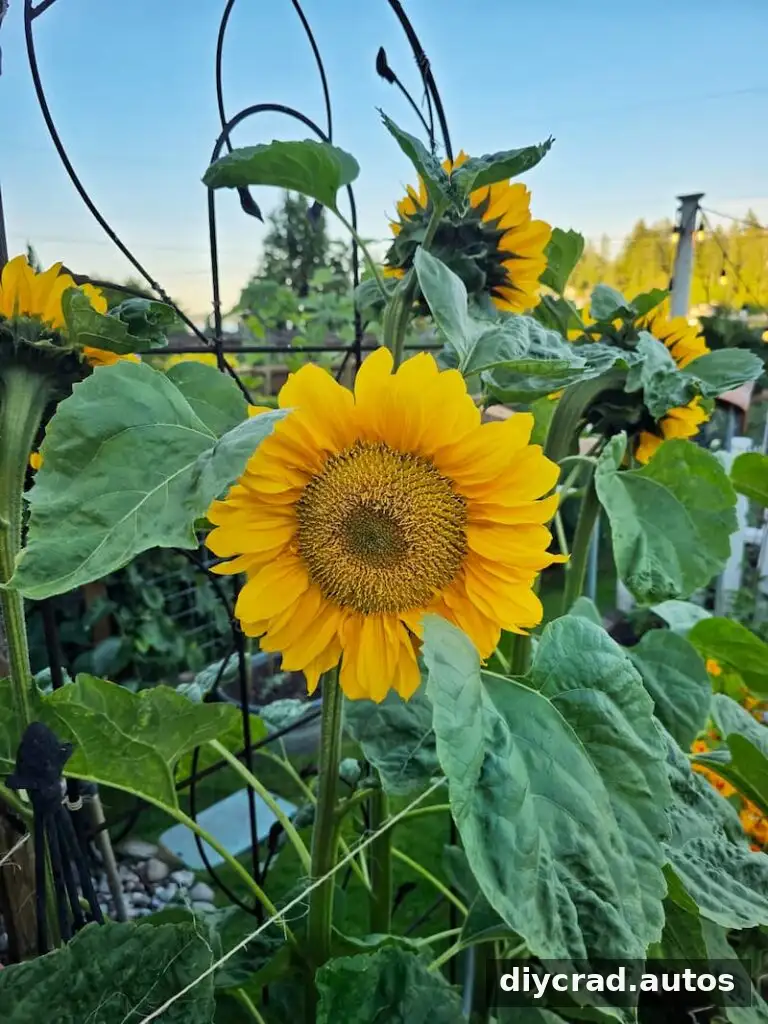
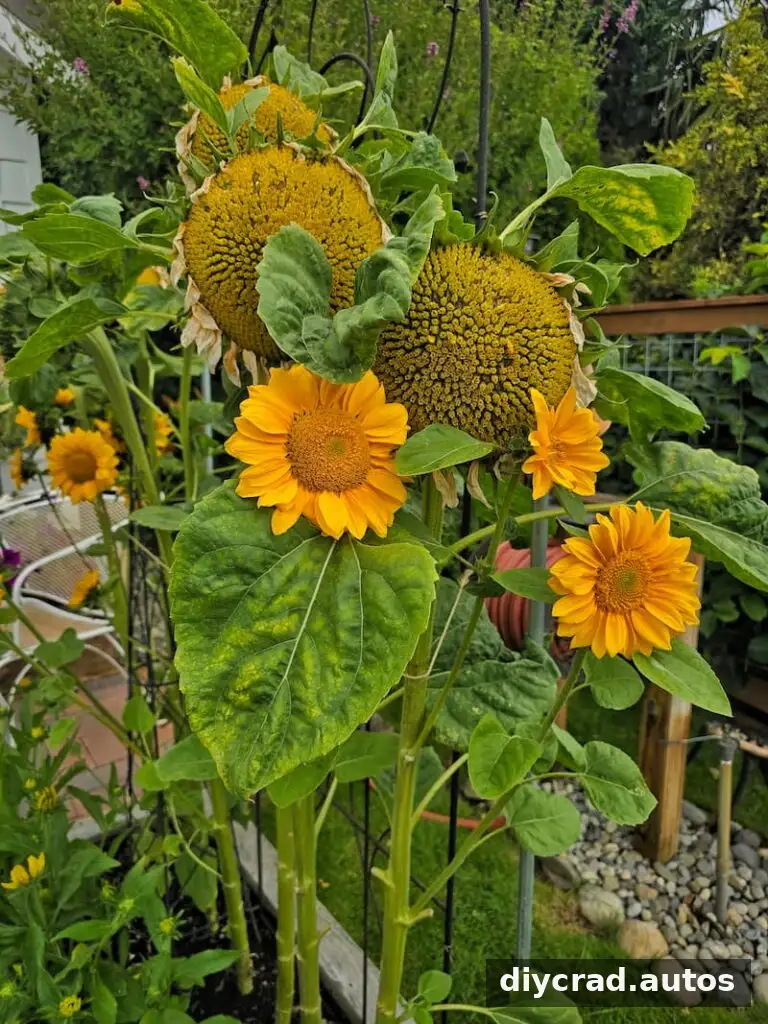
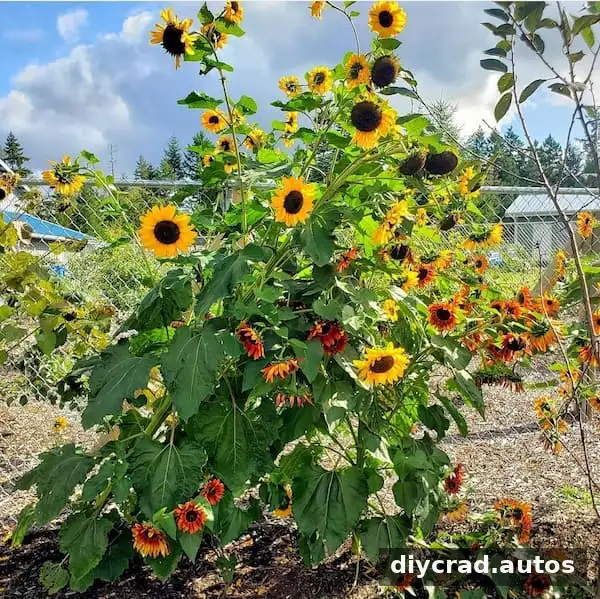
A large number of sunflowers grow on a single stem, with just one bloom on each plant. To enjoy repeated cuttings, select branching kinds that develop side shoots after the main flower. Check the seed details closely, since some sunflower varieties do not branch.
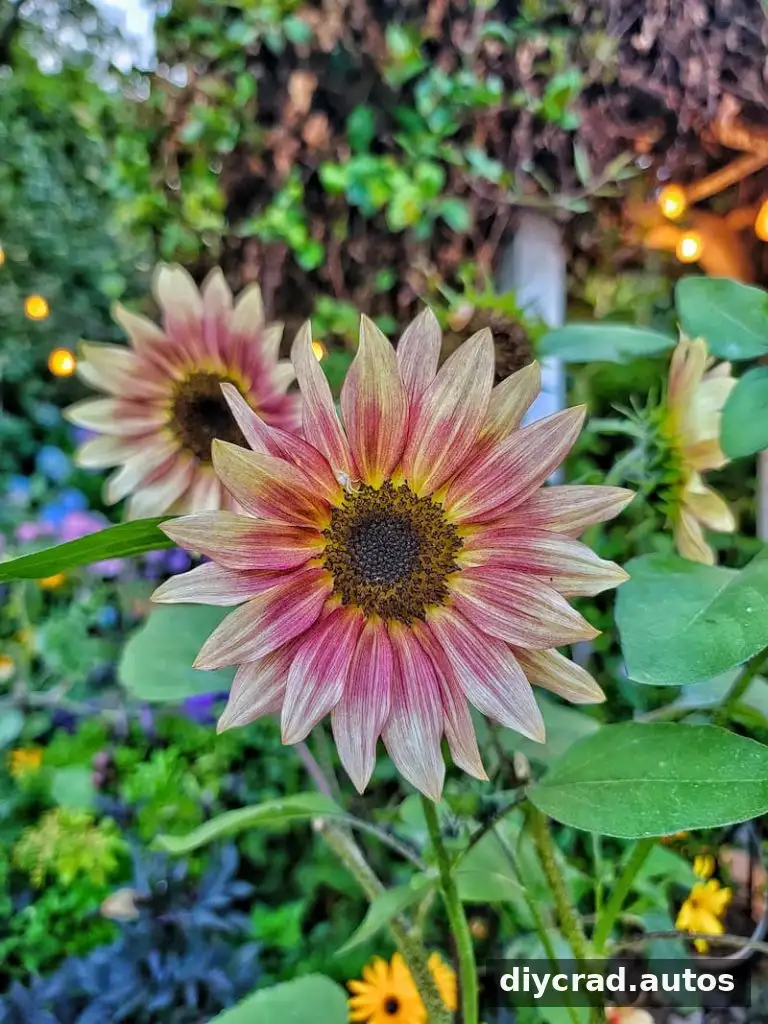
Lemon Queen grows in a branching form, while the ProCut range offers both branching and single-stem varieties. Although branching sunflowers might yield fewer stems for cutting than cosmos or zinnias, their oversized flowers bring height and presence to arrangements.
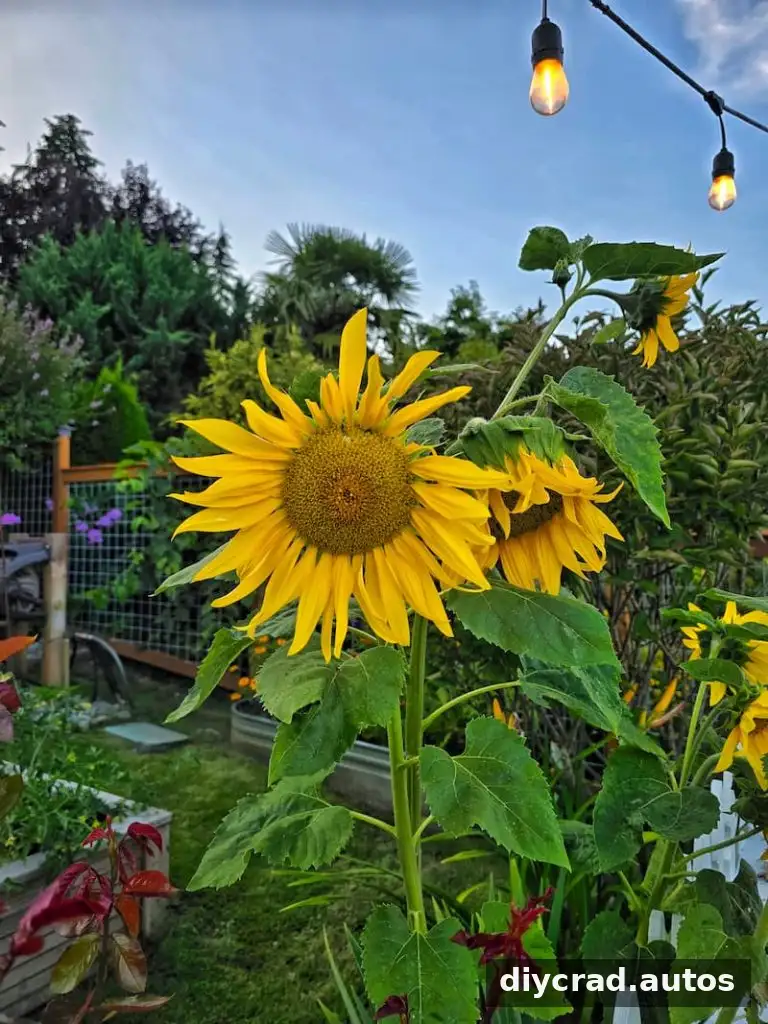
Pick sunflowers as their petals start to unfurl, while the center remains fairly compact. After cutting, they may absorb a lot of water; inspect vase levels each day and top up with clean water when necessary.
Complementary Blooms for Form and Motion
Tall flower spikes and smaller blooms provide balance alongside larger focal flowers. By bringing softness, movement, and height, they give a bouquet variety instead of making it feel packed with same-sized flowers.
Cosmos
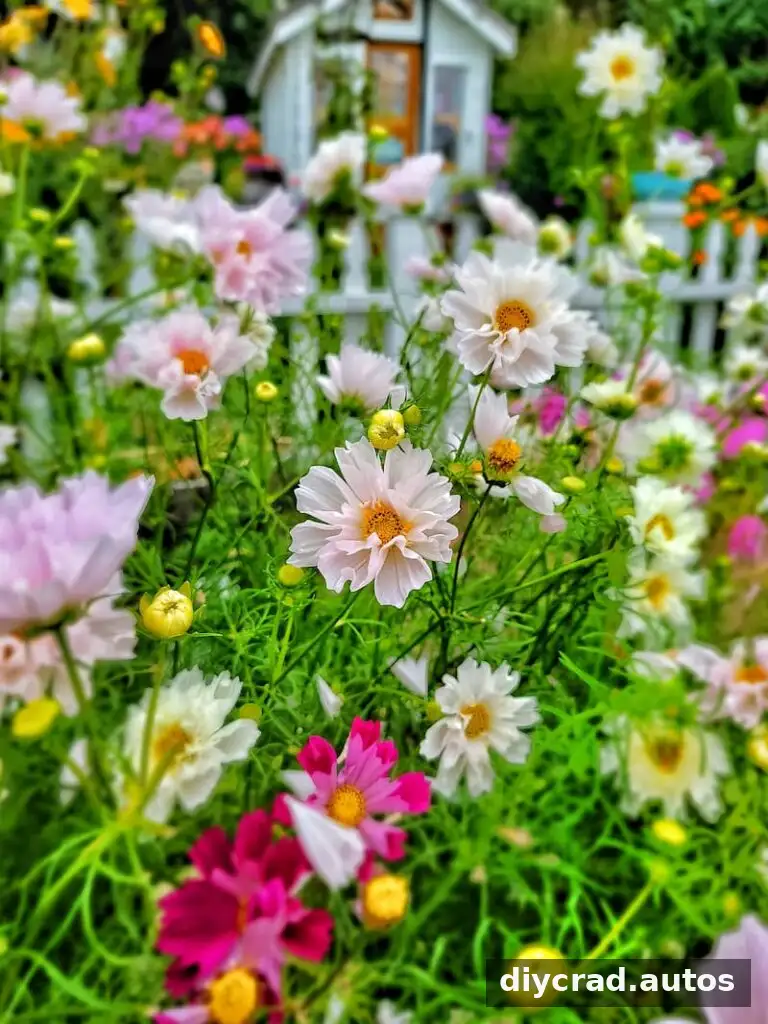
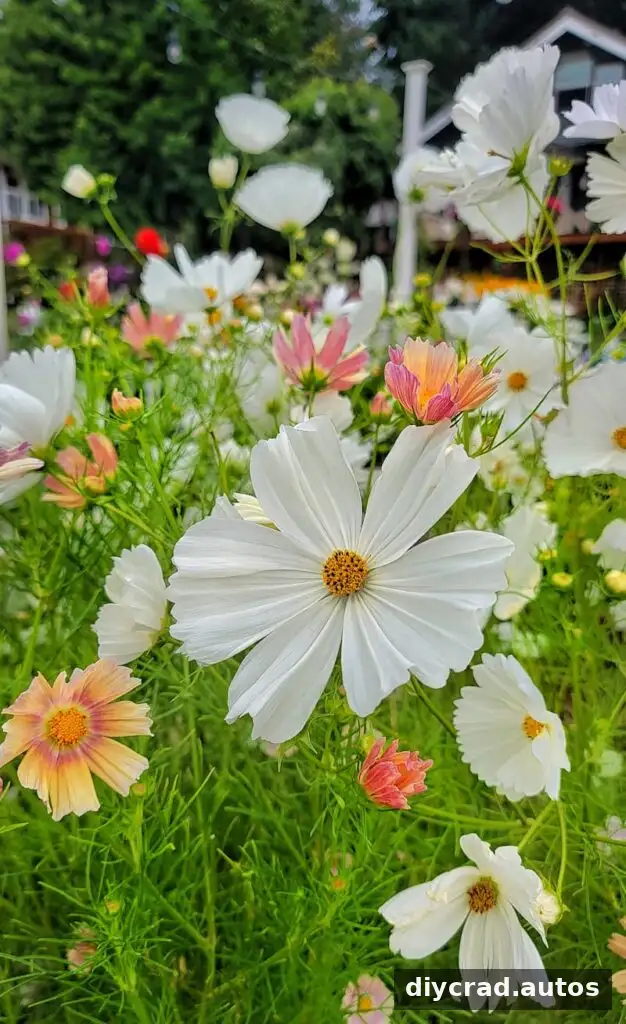
Cosmos are fast-growing annual flowers usually started from seed. Their delicate leaves and open blooms lend arrangements an airy feel, while frequent cutting promotes more branching and blossoms throughout much of the summer.
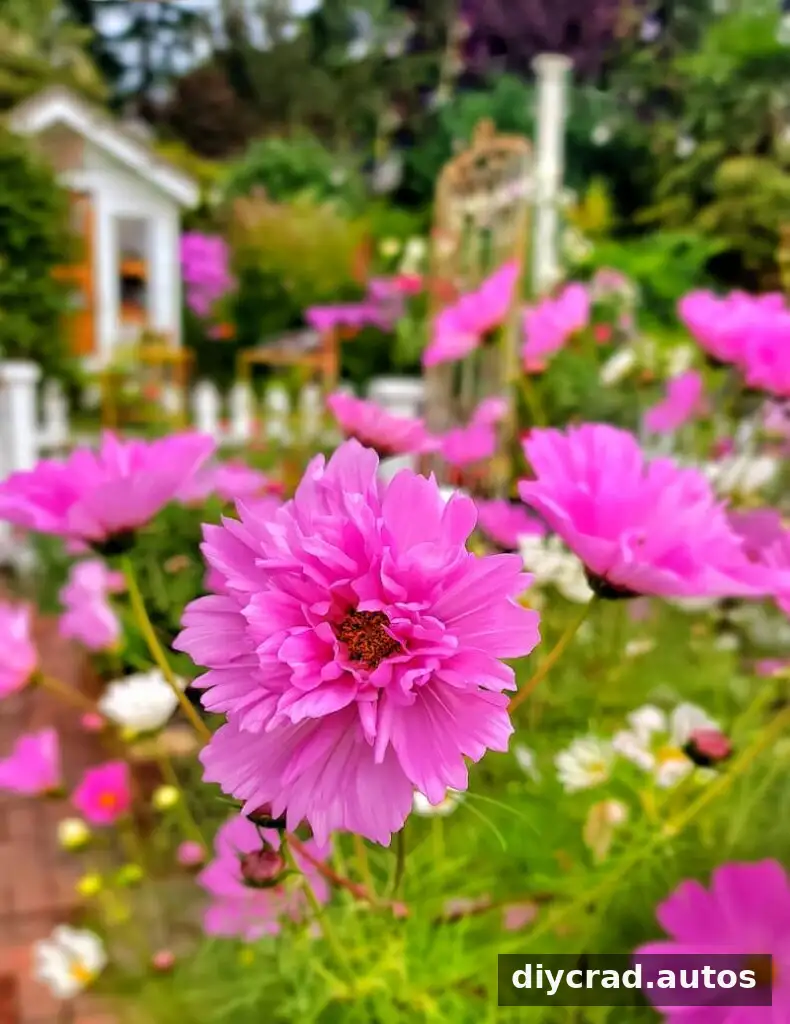
Harvest regularly, removing faded flowers before they produce seeds. Cosmos can flower less if many blooms are left to go to seed. Because their stems are fragile, give plants room to grow and handle them carefully.
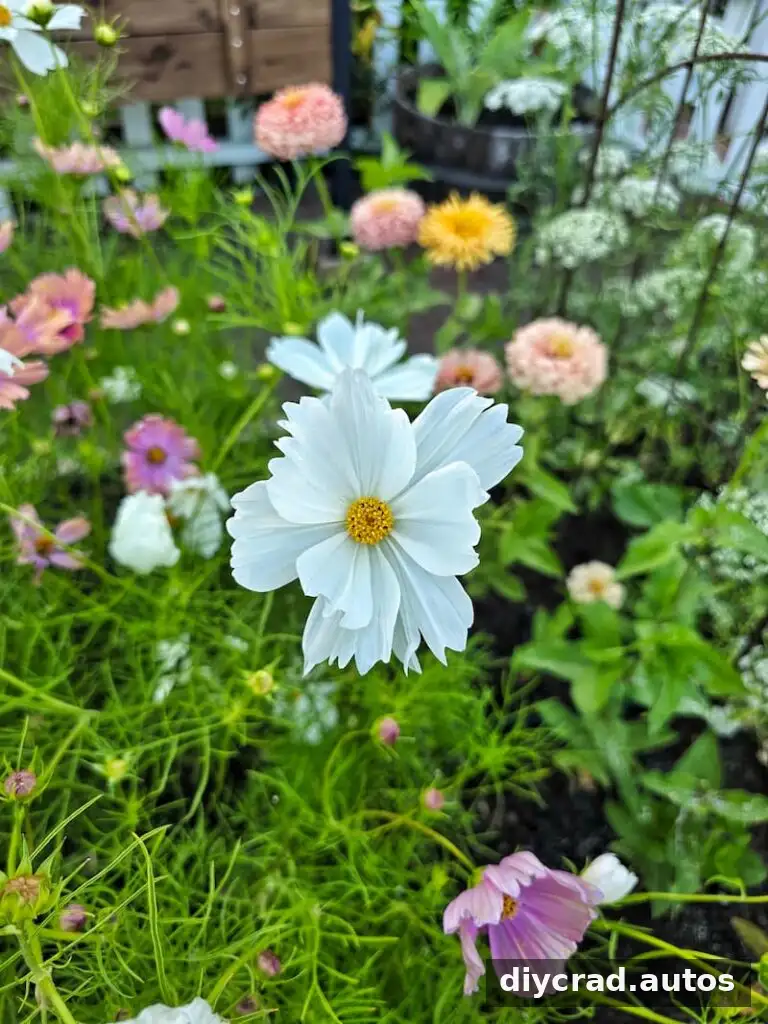
Gather stems once the buds have begun to show color, but before they open completely. Cut flowers may continue to unfurl in a vase, so put the stems in water promptly. Take care not to bruise or bend their slender stems.
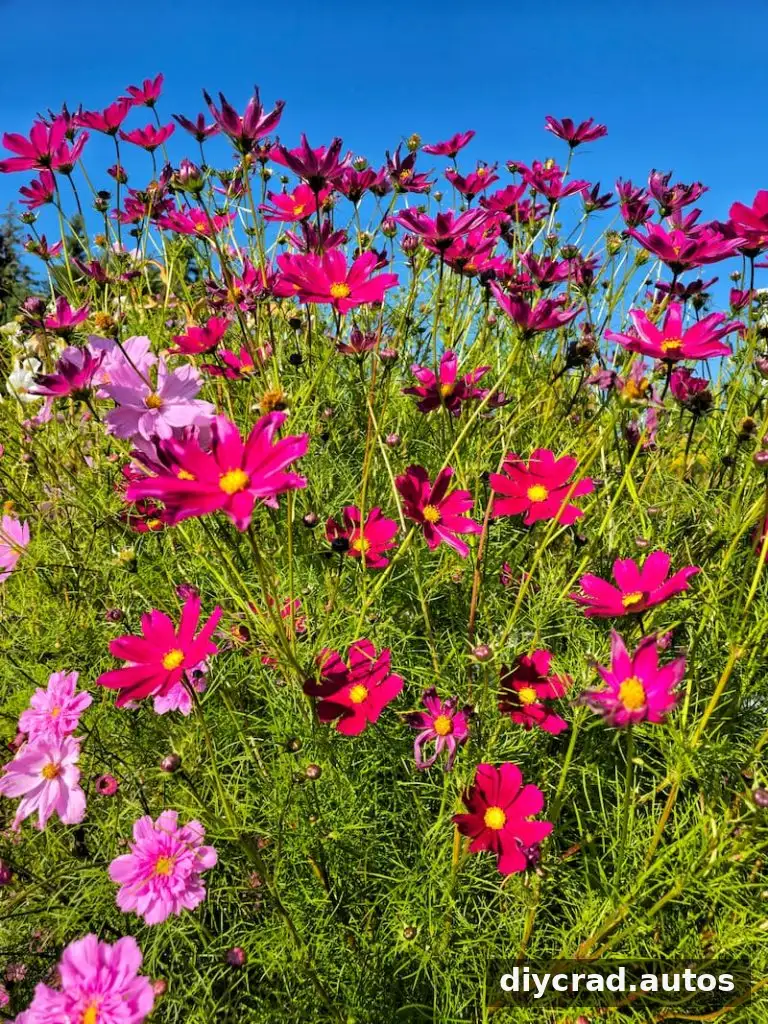
With their feathery leaves, cosmos lend bouquets a delicate outline. They also pair nicely with larger flowers, as their airy shape adds openness and movement.
Snapdragons
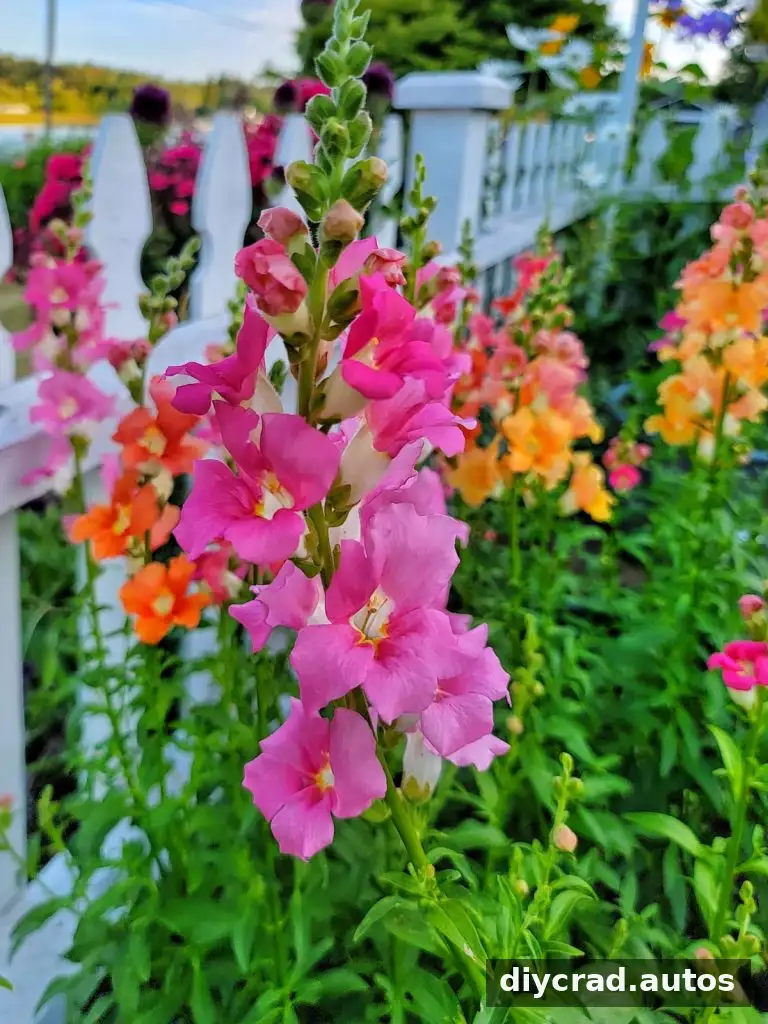
Snapdragons bring height and definition to floral arrangements, contrasting with rounded blooms. Their upright stems are particularly useful for creating structure among broad, flat flowers.
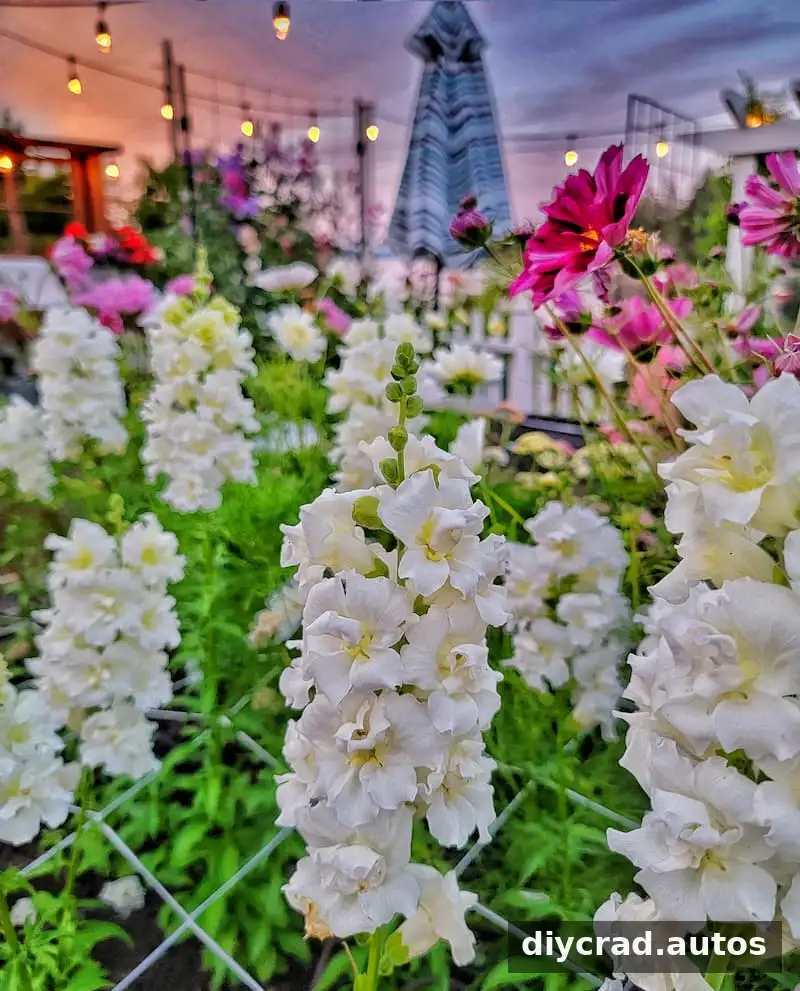
As cool-weather flowers, snapdragons can be especially helpful at the beginning or close of the cutting season. They may bloom when heat-loving varieties like zinnias and dahlias are not yet in flower or have finished flowering. Timing varies with local conditions and temperatures.
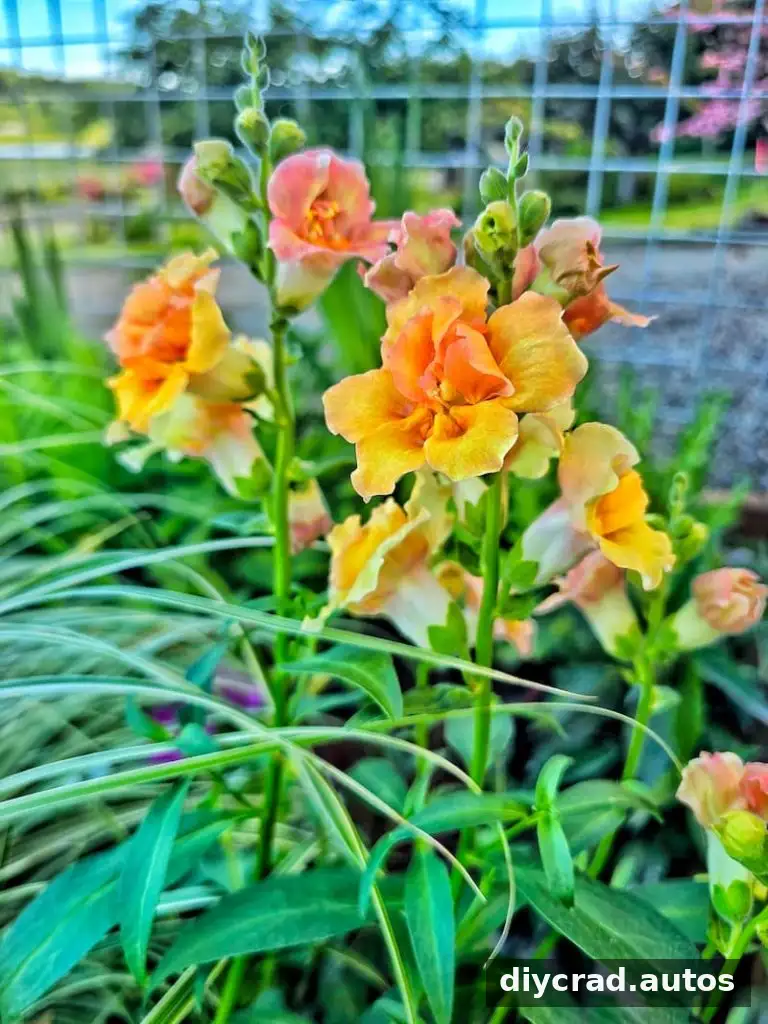
Harvest a flower spike after its bottom two or three florets have opened. The upper buds may then bloom in the vase. Cutting stems frequently can stimulate side growth, providing more flowers to gather.
Sweet Peas
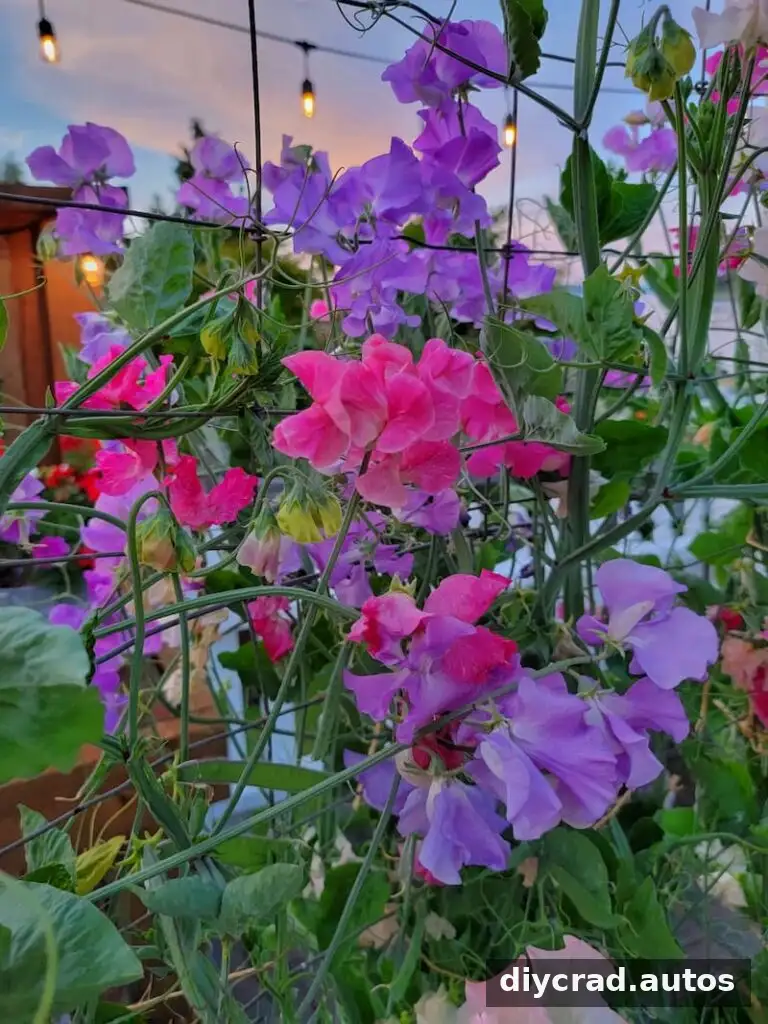
Sweet peas are treasured for their lovely scent and relaxed, delicate look. Although they typically last only about three to five days in a vase under favorable conditions, their gentle blooms and fragrance make them a cottage garden favorite.
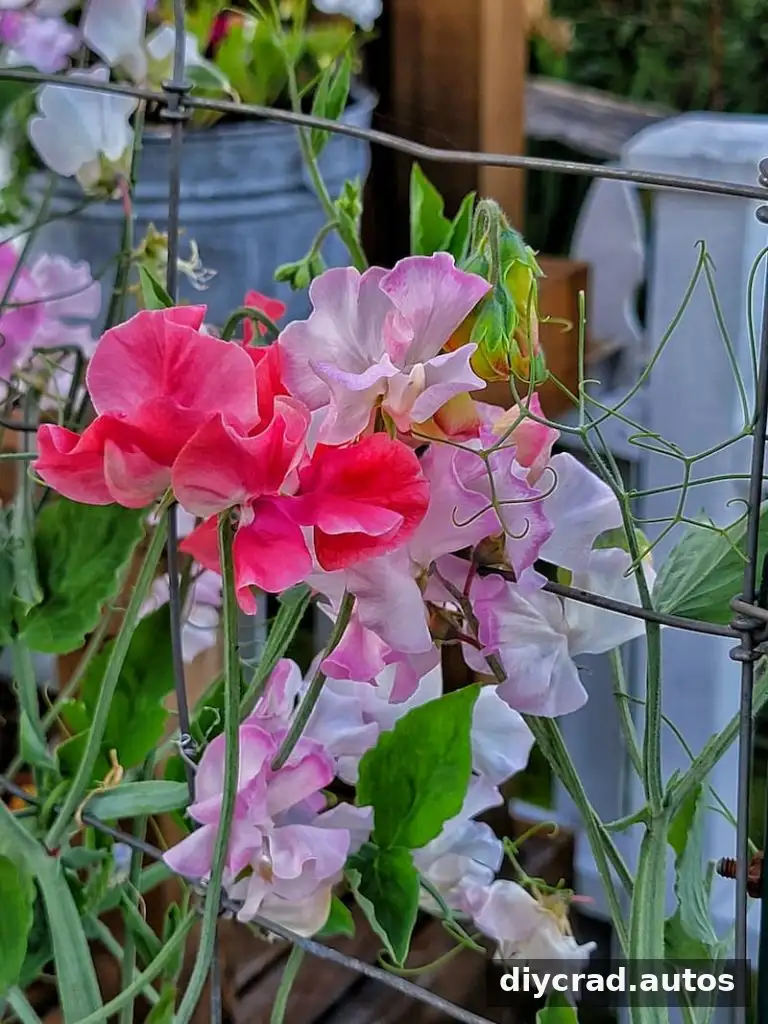
Harvest sweet peas often. Flowering can slow after seed pods develop, so pick mature stems and remove pods every day or two while the plants are blooming heavily. This keeps the plant from spending its energy primarily on producing seeds.
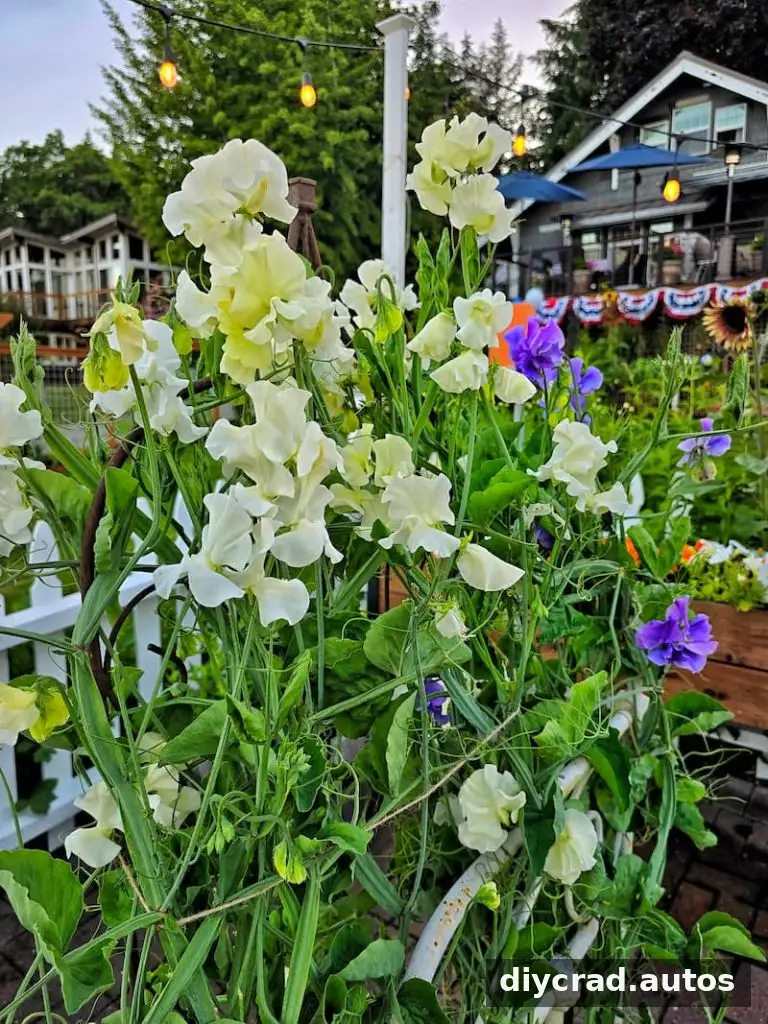
Cut stems when the bottom flower has begun to open but the buds above it are still shut. Because sweet pea stems bruise readily and wilt fast, treat them carefully and put them in water shortly after cutting.
Flowers for Filler, Texture, and Drying
Filler blooms bring fullness to an arrangement and create a visual link between its larger flowers. Many types can also be dried, so you can preserve some of your garden’s color for future displays.
Strawflowers
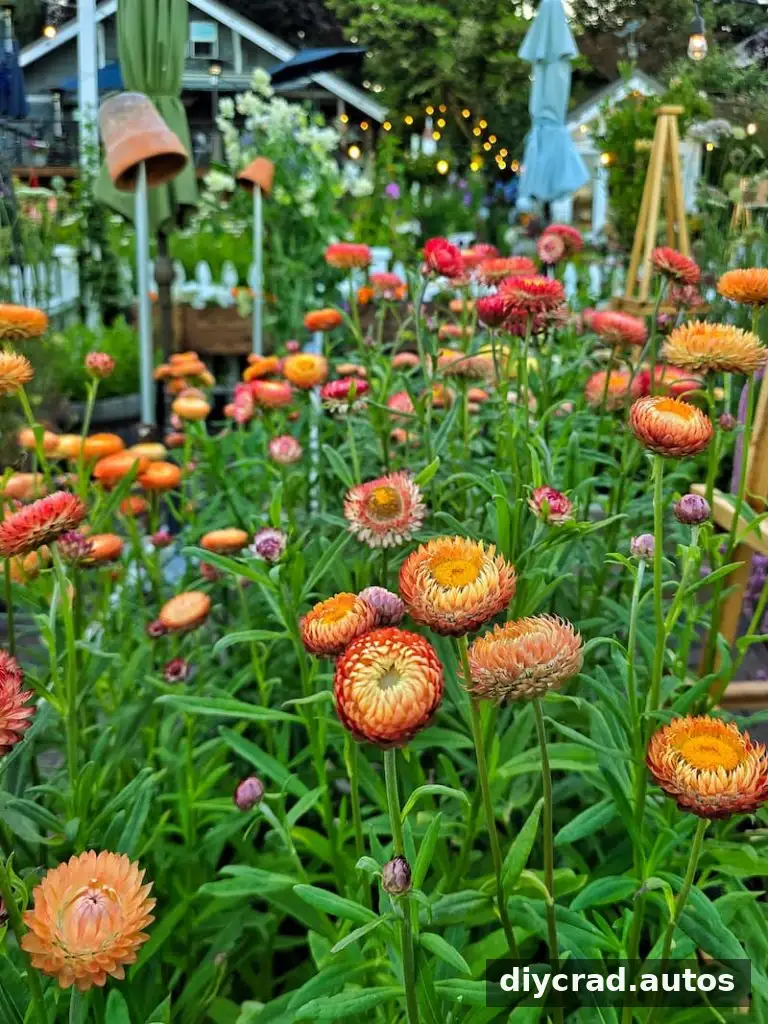
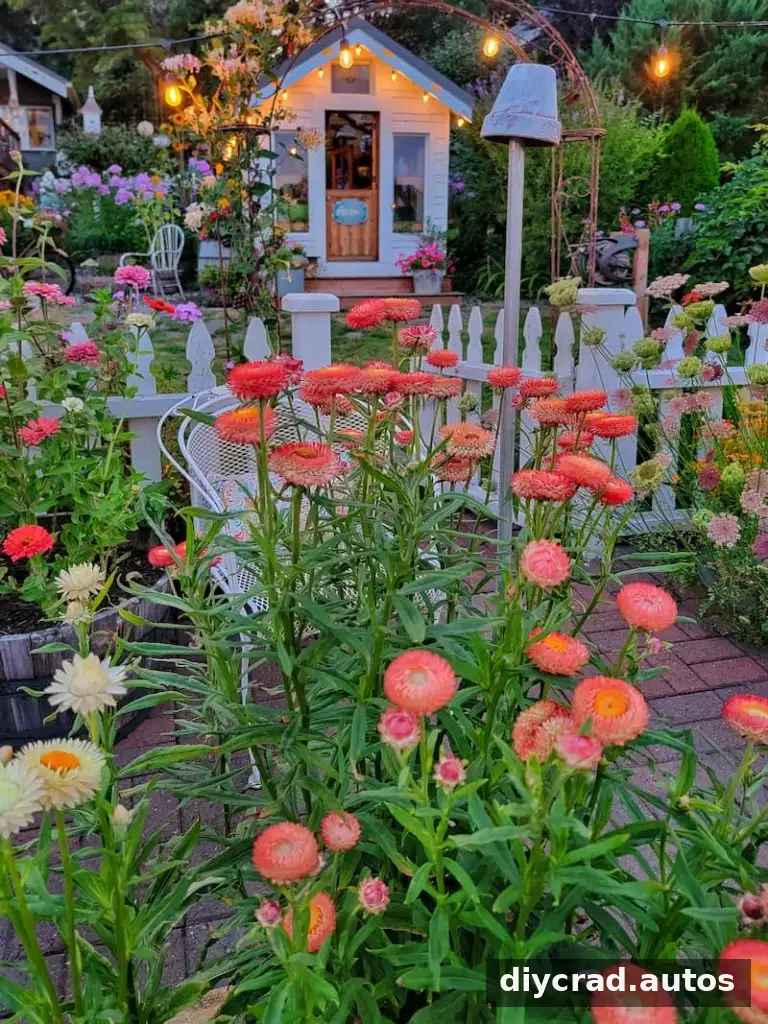
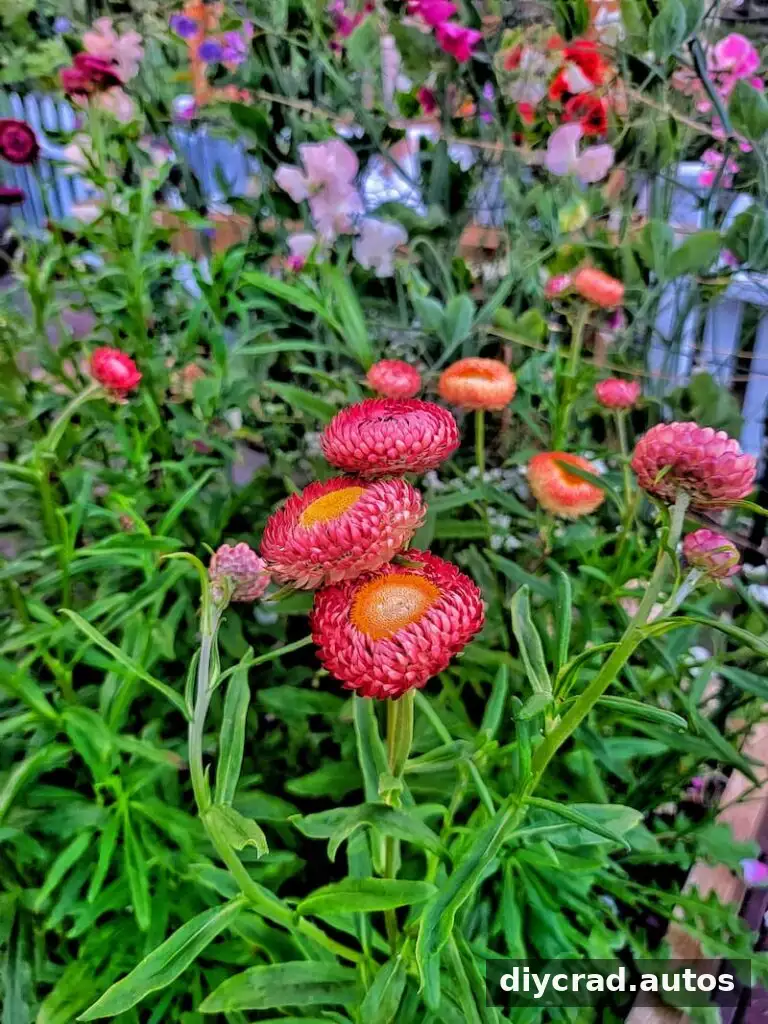
Strawflowers feature sturdy, papery petals in bold, warm shades. Suitable for both fresh bouquets and dried displays, their solid texture provides a pleasing contrast with more delicate blooms.
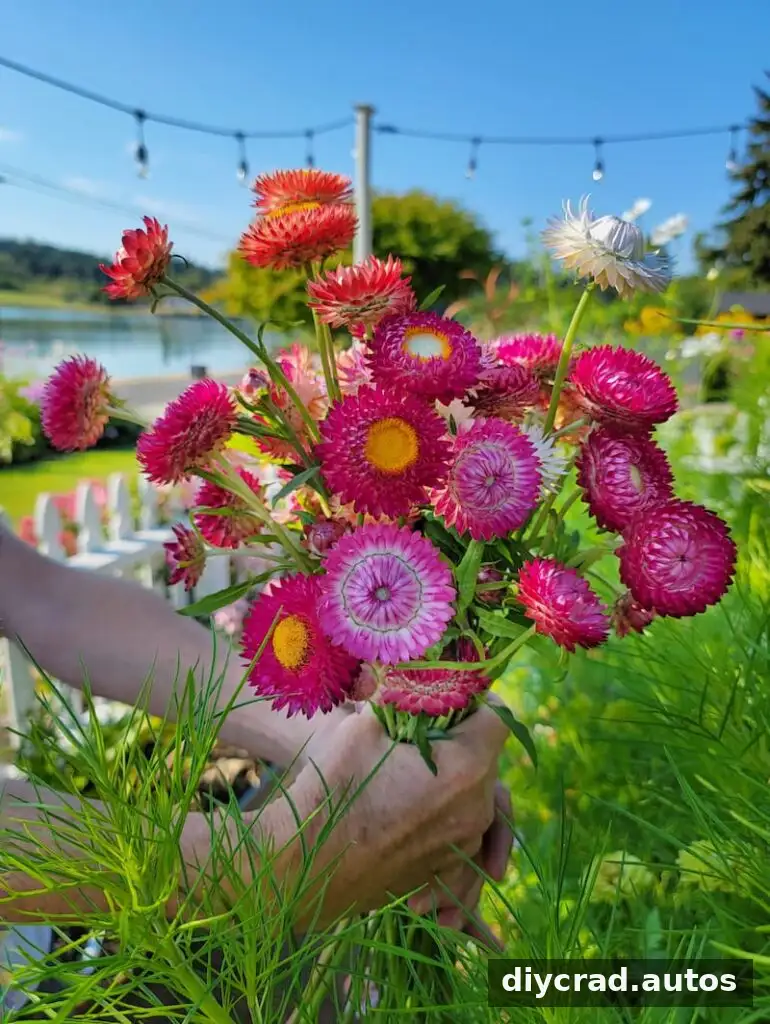
In suitable growing conditions, they may bloom from midsummer through the first frost. For bouquets, gather them while the flower centers are still closed or just starting to open. Regularly cutting mature stems encourages more flowers to form.
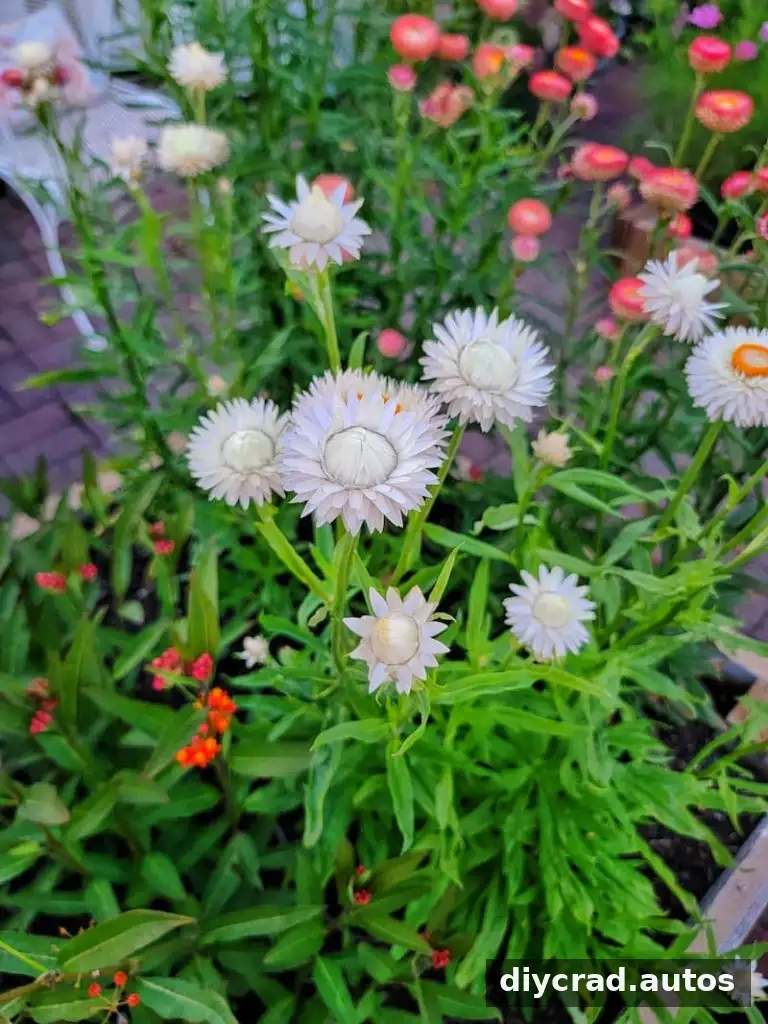
For drying, gather strawflowers while their blooms are still tight, then suspend them upside down in a cool, dry spot with ample airflow. Avoiding direct sunlight helps retain their color.
Bachelor’s Buttons
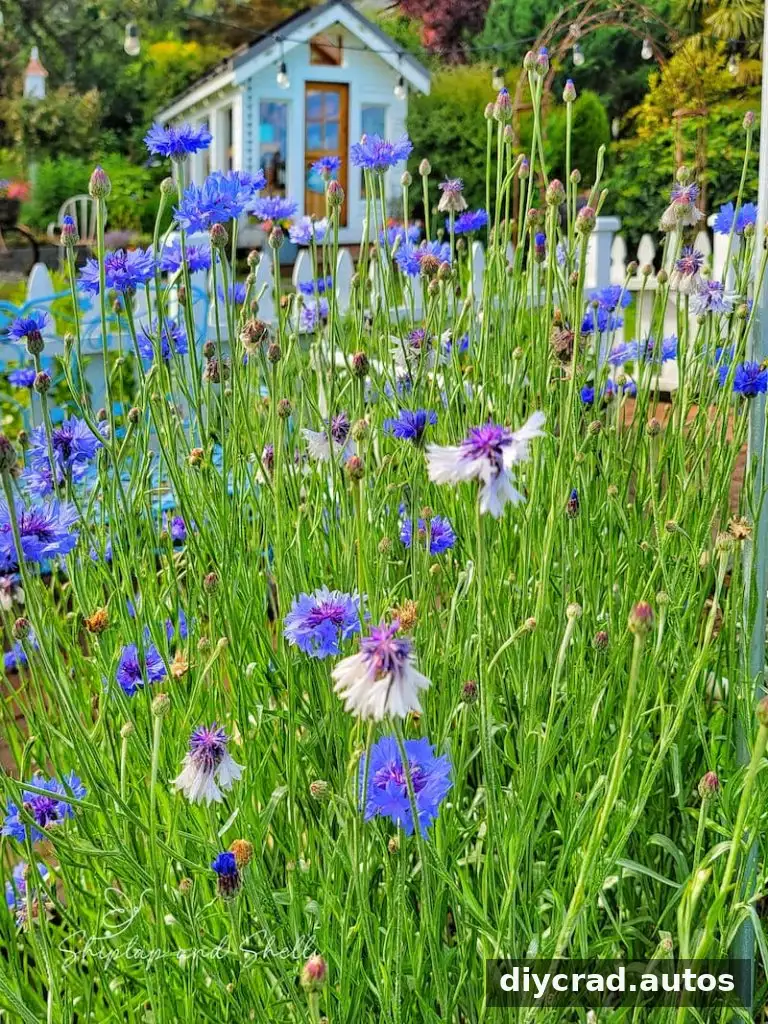
Known as cornflowers as well, bachelor’s buttons are admired for their vivid blue blossoms, although other hues are available too. They bring a cool-colored touch that is uncommon among popular cut flowers.
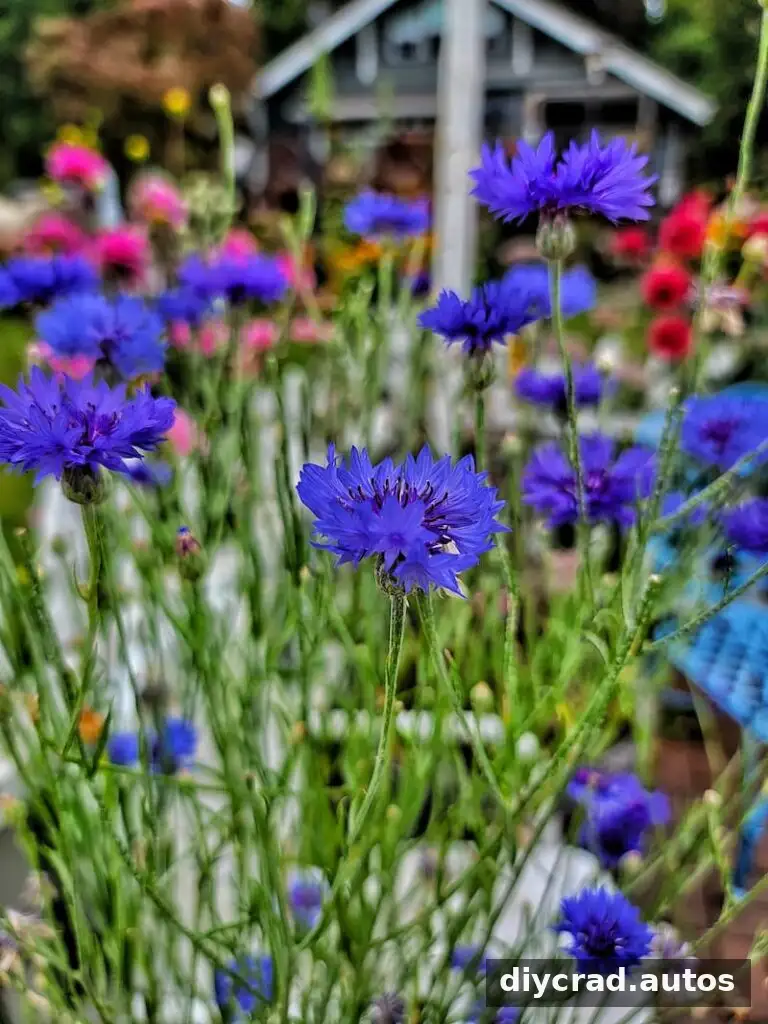
These annuals favor cooler weather and typically bloom in late spring or early summer; high temperatures can diminish flowering. Where summers are mild, blossoms may persist for a longer period. Consult regional planting recommendations to choose the right sowing date.
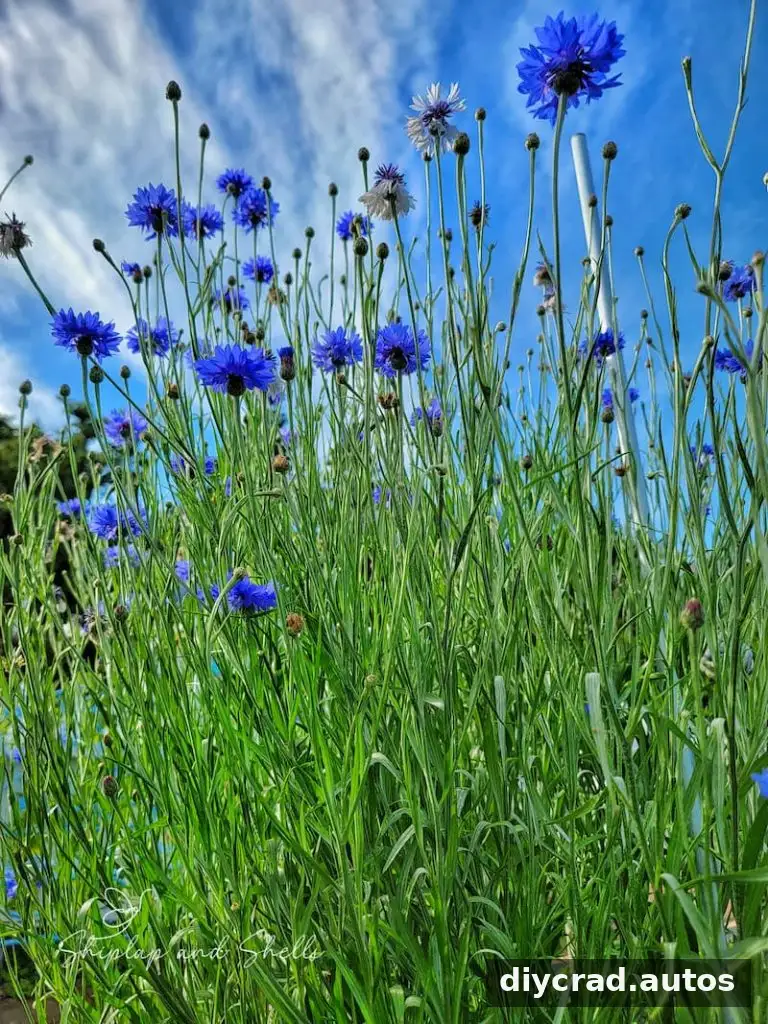
For the best results, snip flowers once they are completely open and pick often to promote fresh buds. Since they do not last especially long in a vase, prepare the stems right away and enjoy them soon after harvesting.
Celosia
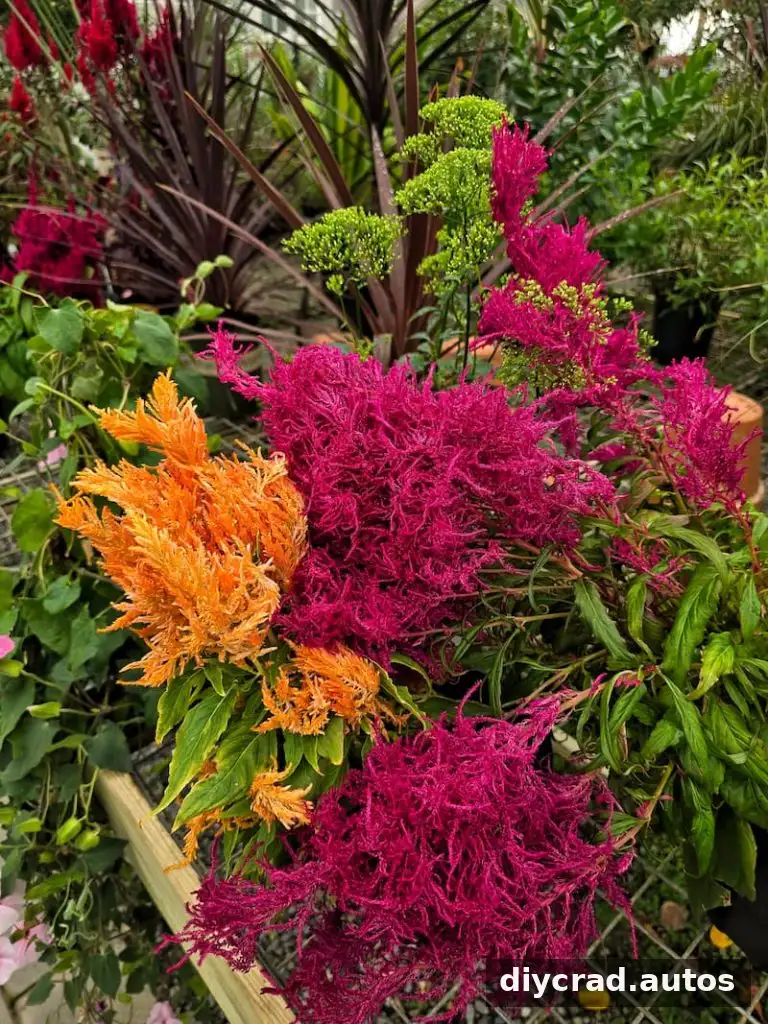
Celosia varieties include plumed types with feathery stems and crested ones bearing unusual, velvety flower clusters. Either form brings bold texture and rich, warm hues to arrangements for late summer and autumn.
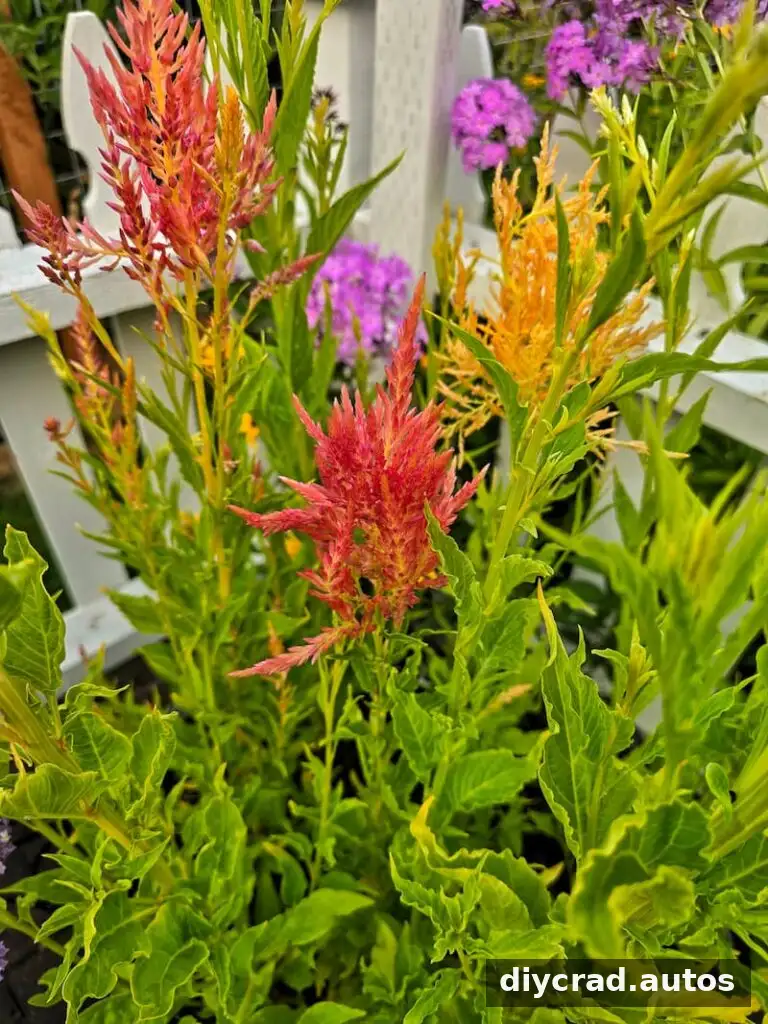
Gather celosia once the flower clusters have reached full size and display their most vibrant color. It is also suitable for drying: suspend the stems in a dry, airy spot, or leave them in a vase to dry after arranging.
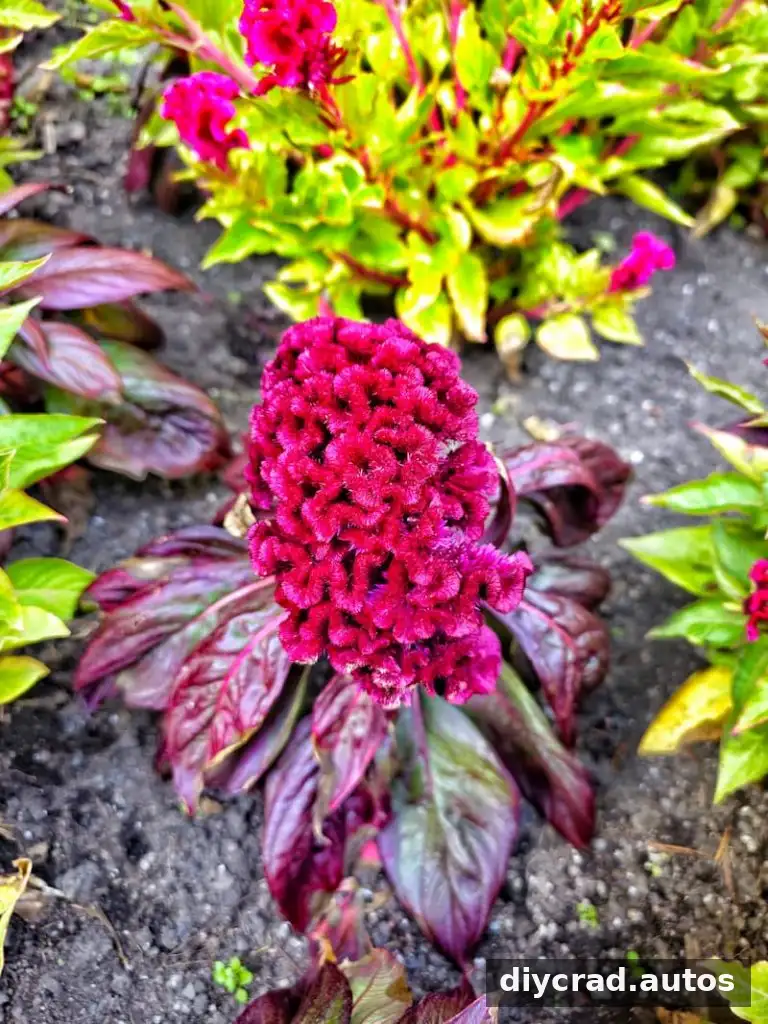
Warm weather suits celosia, which frequently flourishes during summer’s hottest weeks. It can help keep arrangements colorful after certain cool-weather flowers begin to fade.
Globe Amaranth
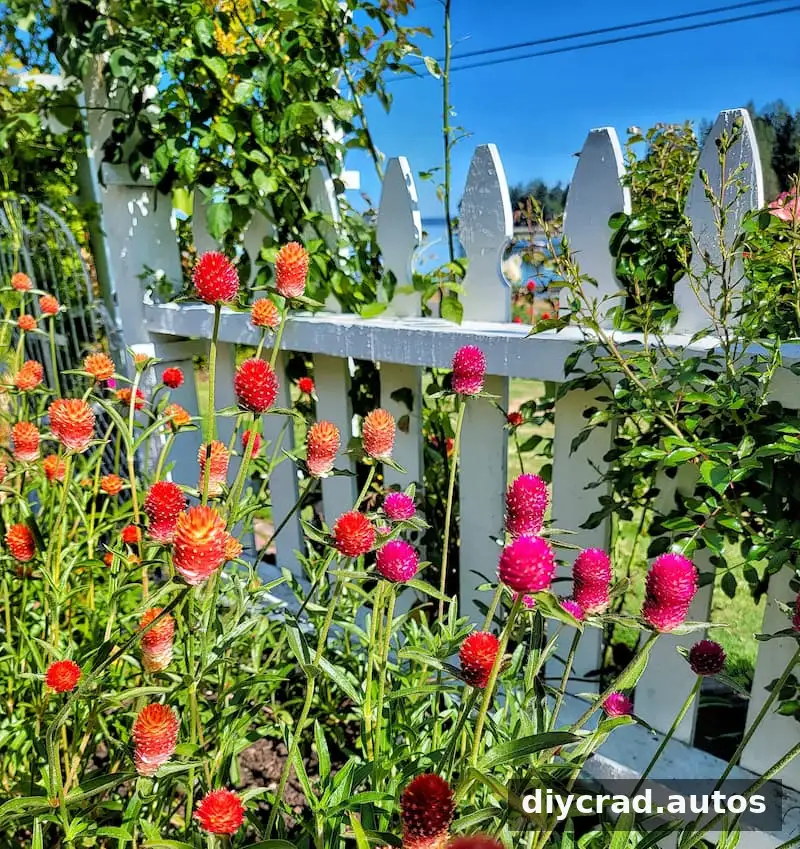
Available in colors such as magenta, purple, white, and salmon, globe amaranth bears petite, spherical blossoms. These tidy flower heads work well as filler in fresh bouquets and hold their shape and color beautifully when dried.
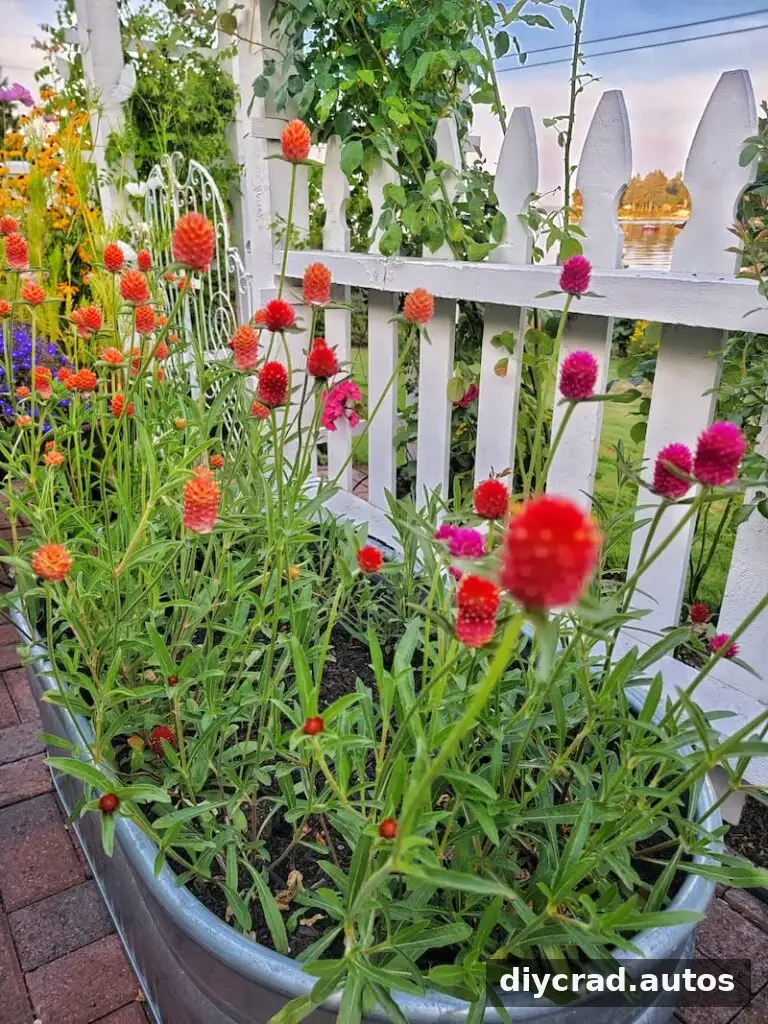
In favorable conditions, it withstands hot weather and may keep flowering until frost. Cutting stems regularly promotes branching. Use a few in a bouquet to bring color and texture, or dry them for arrangements that will last beyond the growing season.
Statice
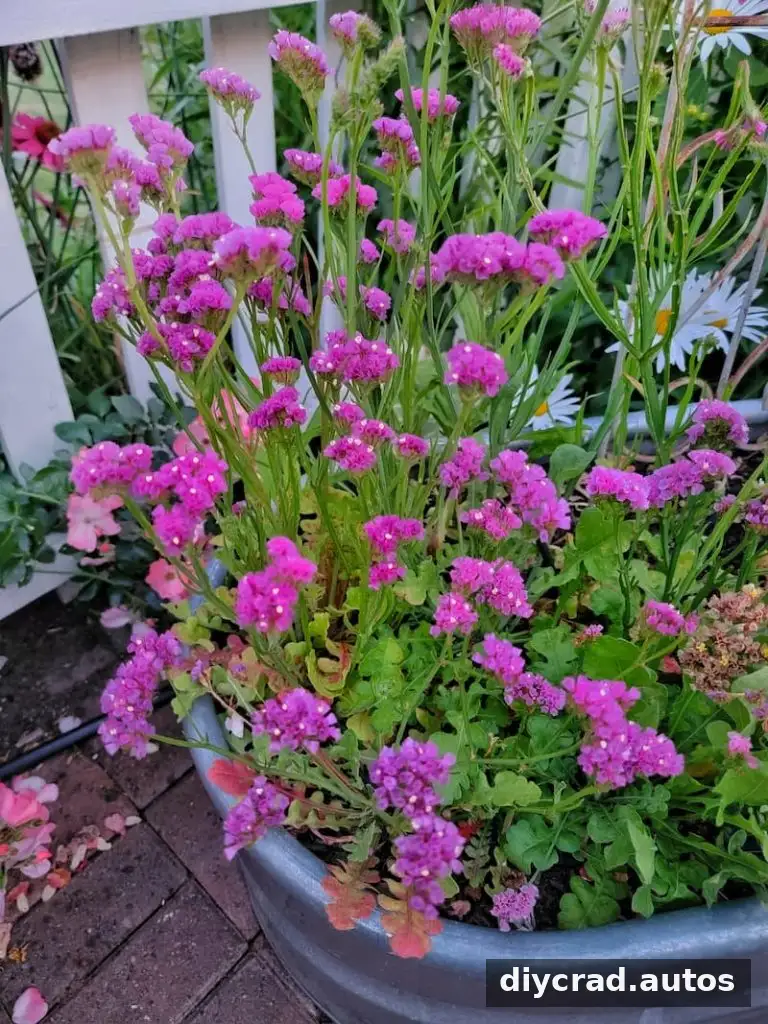
With its clusters of tiny florets, statice often comes in purple, white, pink, and yellow. It helps fill gaps around larger flowers, adding fullness to an arrangement without needing extra focal blooms.
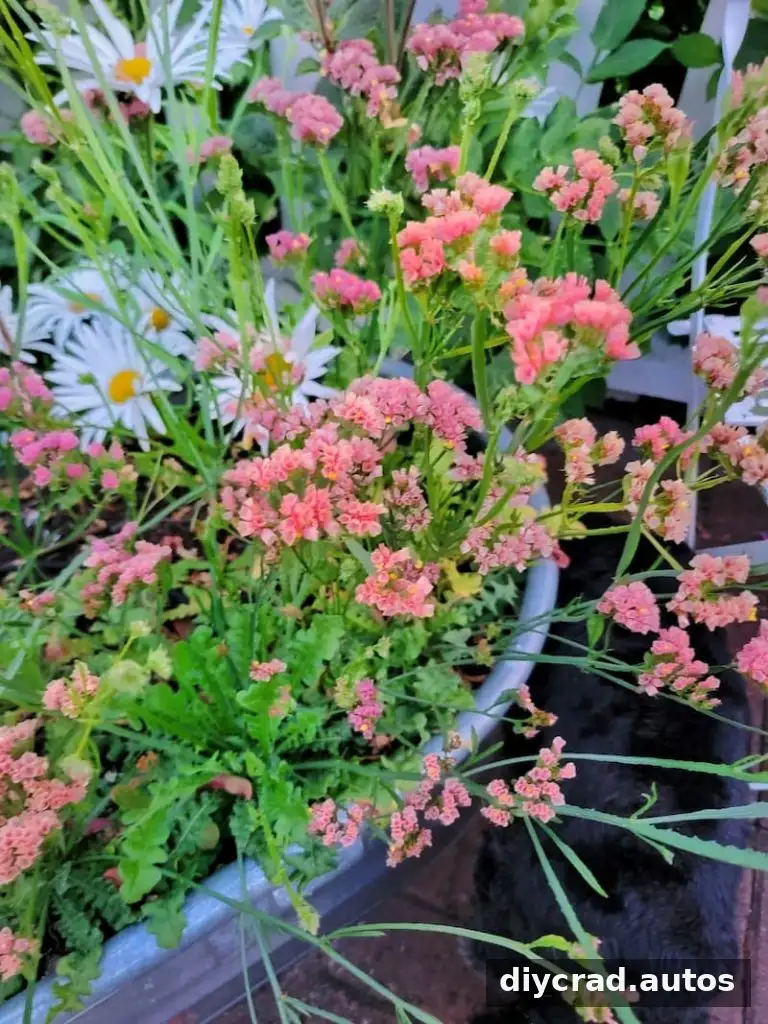
You can dry statice as well. Suspend the stems upside down in a dry spot, or leave them to dry in a vase. To maintain their form and color, store dried stems somewhere moisture-free.
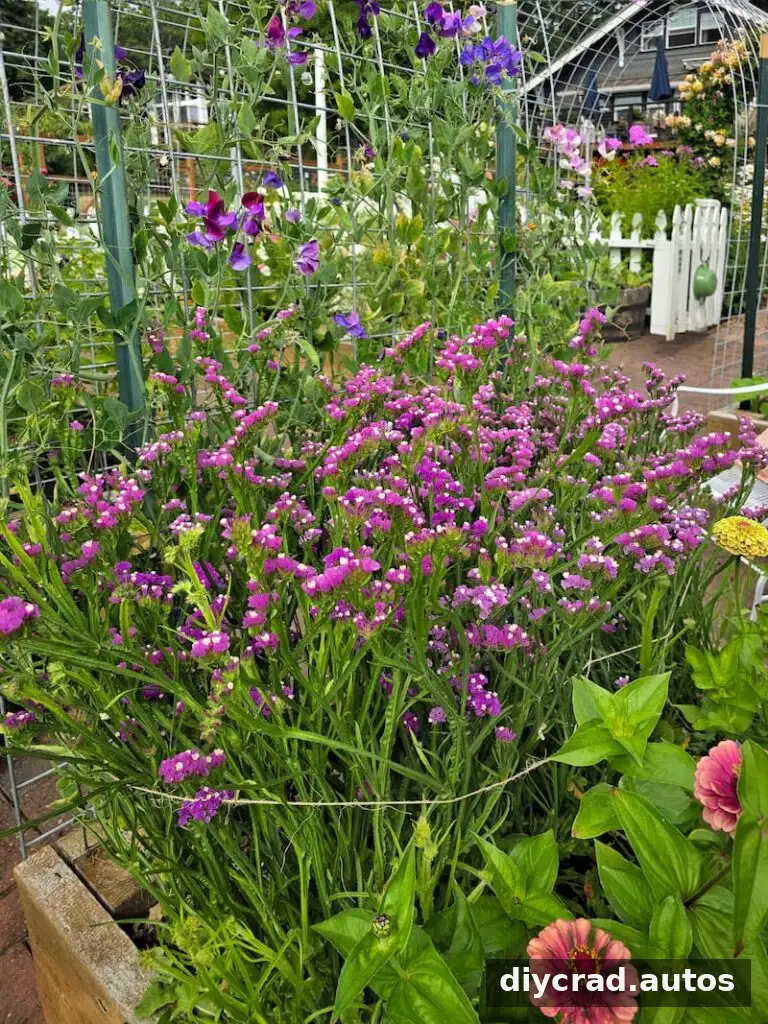
Pick the stems once the florets have opened completely and show their colors. Cutting mature stems regularly may prompt fresh flowers to grow throughout the season.
How to Encourage Ongoing Blooms from Cut-and-Come-Again Flowers
Harvest Regularly
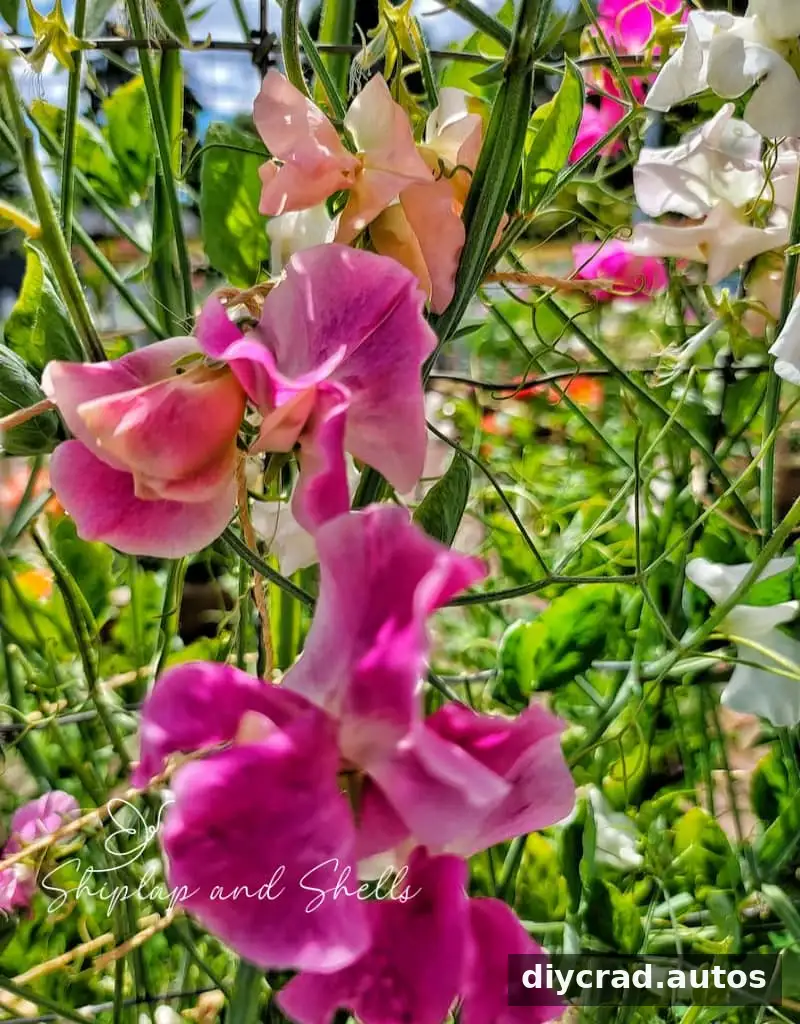
When plants are growing vigorously, check your beds every couple of days and gather flowers that are at the ideal stage. Frequent harvesting lets you pick blooms before they fade or begin forming seeds. It also allows you to trim away damaged and finished stems.
Deadhead Faded Blooms and Seed Heads
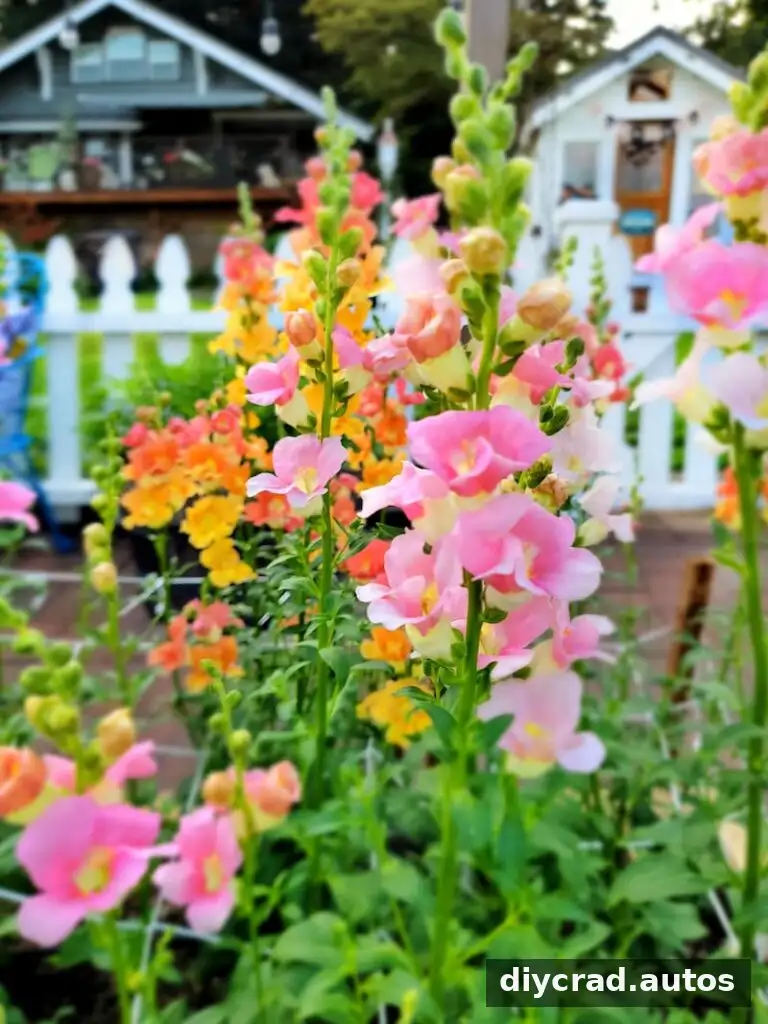
After setting seed, many annuals flower less often. Remove blooms that have passed their prime, along with seed heads, to promote further flowering. Sweet peas particularly benefit from being picked often before seed pods form.
Give Plants the Right Nutrients
Flowering plants require nutrients, though their fertilizer requirements vary depending onsoil, plant variety, and product directions. Apply a balanced fertilizer as directed on its label, and avoid exceeding the recommended amount. Adding organic matter to healthy soil can also encourage consistent growth.
Water on a Regular Schedule
Plants benefit from steady moisture, especially in hot, dry conditions. Try to keep beds from becoming either parched or waterlogged. Drip irrigation supplies water near the roots and helps limit moisture swings; monitor soil dampness and tailor your watering to local conditions.
Frequently Asked Questions About Cut-and-Come-Again Flowers
Which Flowers Are Easiest for Beginners?
Zinnias and cosmos are good options for many beginning gardeners. Often started from seed, they can yield abundant flowers when grown in appropriate conditions and harvested routinely. Begin with these varieties, then choose others suited to your climate and the space you have.
How Frequently Should You Pick the Flowers?
Check your plants every two or three days while they are flowering heavily. Certain varieties, such as sweet peas during their main season, may require more frequent harvesting. Regular picking keeps overlooked blooms from developing into seed heads.
Will These Flowers Return Each Year?
Most flowers listed here—zinnias, cosmos, snapdragons, sweet peas, strawflowers, bachelor’s buttons, celosia, globe amaranth, and statice—are annuals. Their life cycle lasts a single growing season, though some can self-sow when conditions are favorable.
Dahlias develop from tubers. Gardeners in colder regions can dig up and store the tubers through winter before planting them again in spring. Consult local recommendations for when and how to store and replant them.
What Sets Them Apart from One-and-Done Flowers?
Some cut flowers offer a single primary stem or a brief burst of blooms, and typically do not grow new flowering stems after being cut. By contrast, cut-and-come-again varieties may branch and produce additional stems in response to harvesting. How well they rebloom varies with the plant and its growing environment.
Are Raised Beds Suitable for Growing Them?
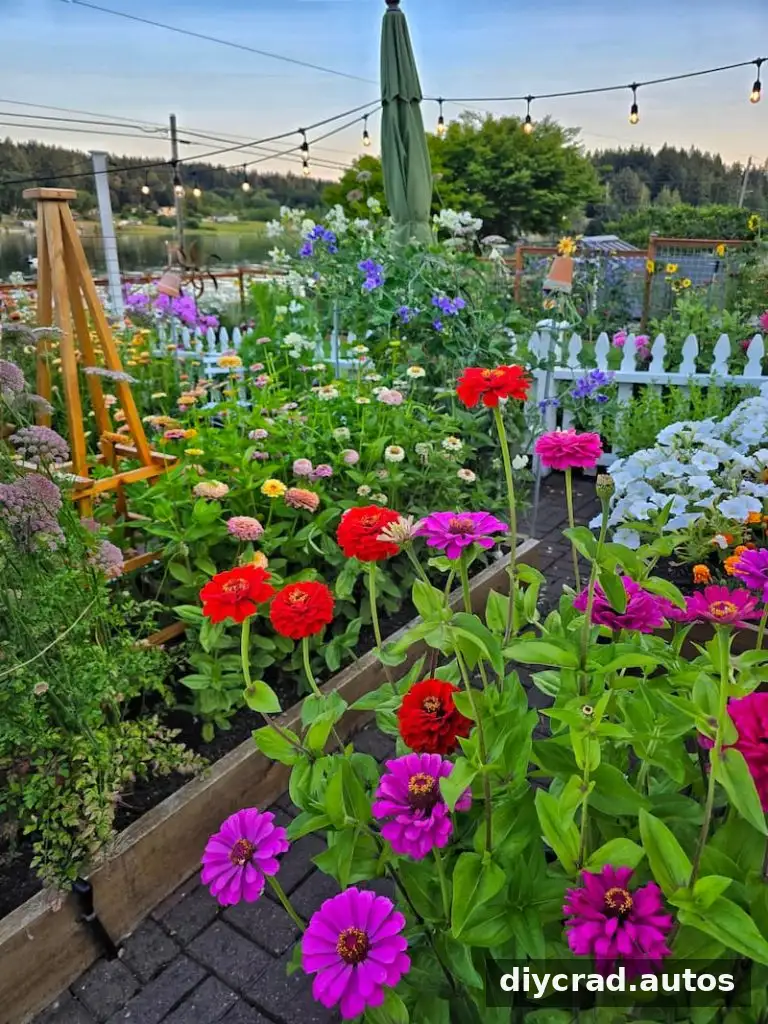
Because they offer easy access and more control over the soil, raised beds can be a practical choice for a cutting garden. Ensure the beds drain well, are deep enough for your selected varieties, and leave sufficient space for air to circulate. Fertile soil and steady moisture suit most annual cut flowers.
A Garden That Keeps on Giving
With regular care, cut-and-come-again flowers provide a steady stream of stems to bring indoors. To get started simply, plant zinnias and cosmos; add globe amaranth for texture or snapdragons for extra height. Select varieties that match your growing conditions, and adapt sowing and harvesting schedules to your local climate.
The garden featured here is in USDA Zone 8b in the Pacific Northwest, where the average last frost occurs around mid-April. Frost dates vary by area, so check local information before deciding when to sow and plant.
About Kim Robinson
Kim Robinson shares stories about her 1920s beach cottage and Pacific Northwest garden. She and her husband, along with their two dogs, Jax and Ollie, have spent 13 years creating a warm seaside home featuring vintage touches and a flower-filled garden.