
Three factors help cut flowers last longer: choosing the right moment to cut, handling stems carefully, and getting them into water promptly. A handful of simple garden practices can keep blooms fresh, encourage them to open, and help them look beautiful in a vase.
Many varieties are ideally picked before they fully bloom, though the right stage varies by flower. In most cases, gather them early in the morning, when stems are hydrated and the air is cool. This guide explains how to harvest and condition flowers, as well as the specific requirements of several popular garden varieties.
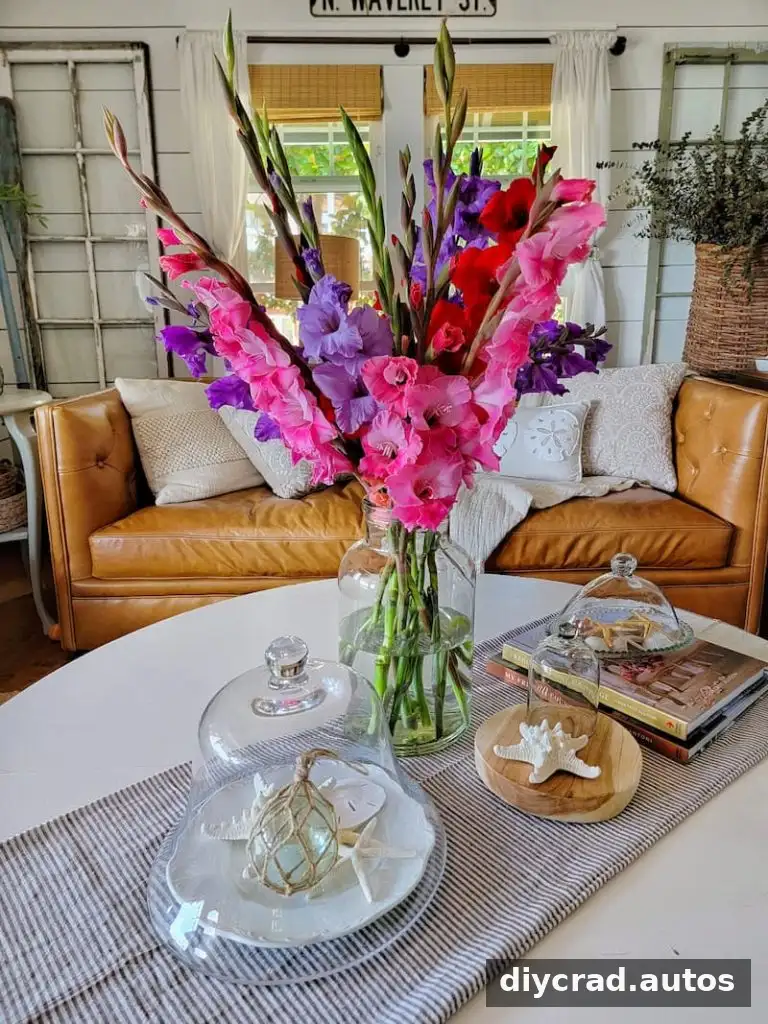
When to Pick Cut Flowers for Longer-Lasting Blooms
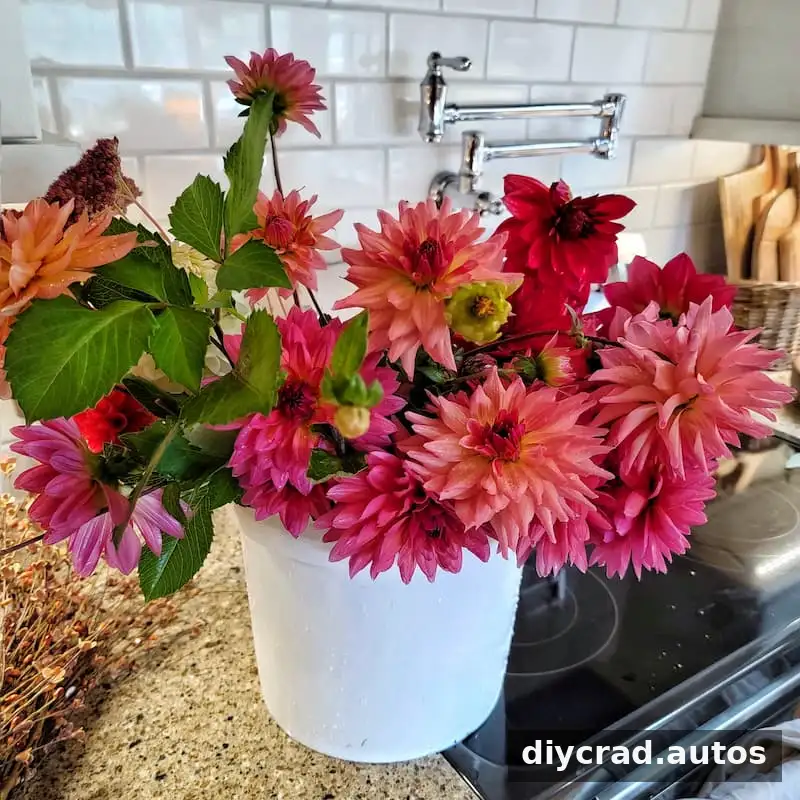
With many types of cut flowers, harvest when a bud starts displaying color or when roughly one-quarter to half of the bloom has opened. They can keep unfolding in the vase, allowing you to appreciate the flowers for longer. A bloom picked after it has completely opened may not remain at its peak for as long.
However, some flowers are different. Dahlias, for example, generally do not open much once cut, so pick them when they are almost or entirely open. Look up the requirements for each variety instead of applying a single guideline to all flowers.
Growing Conditions Featured in This Guide
- Location: Pacific Northwest, roughly 60 miles southwest of Seattle, Washington
- Growing zone: USDA Zone 8b
- Average last frost: Around mid-April, though dates can vary from year to year
The flowers covered here are typically started from seed in a greenhouse before being moved into raised beds and containers. Since local weather and frost dates influence planting and blooming schedules, treat these details as background information, not a timetable that applies everywhere.
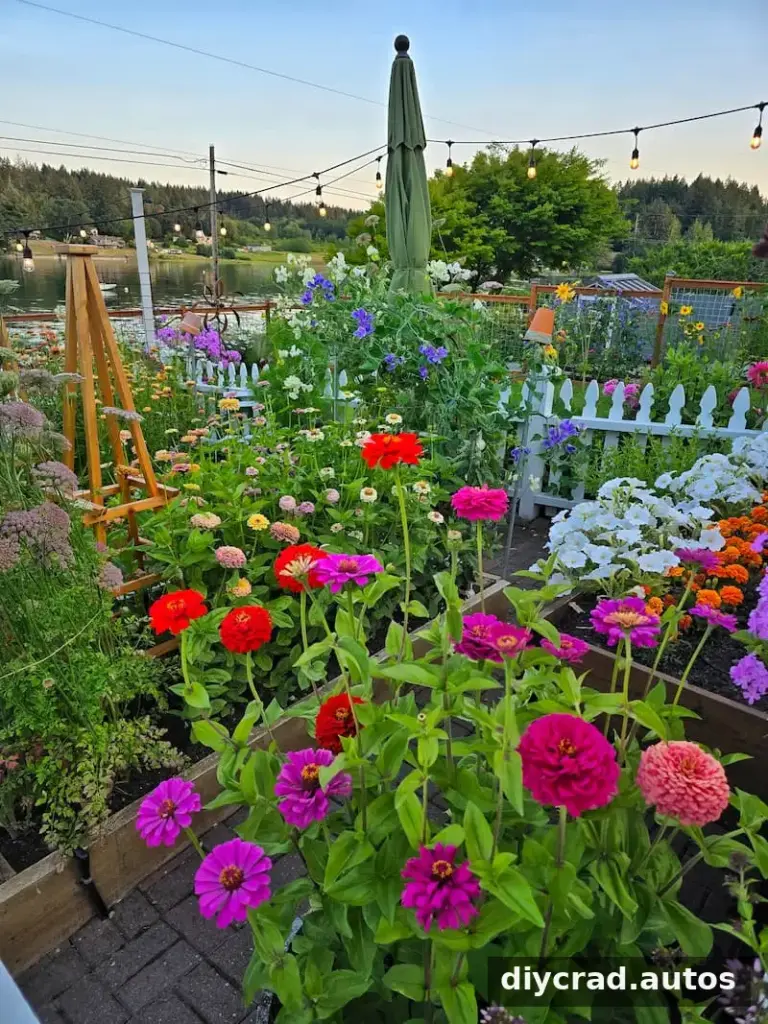
Choosing the Right Time of Day to Pick Garden Flowers
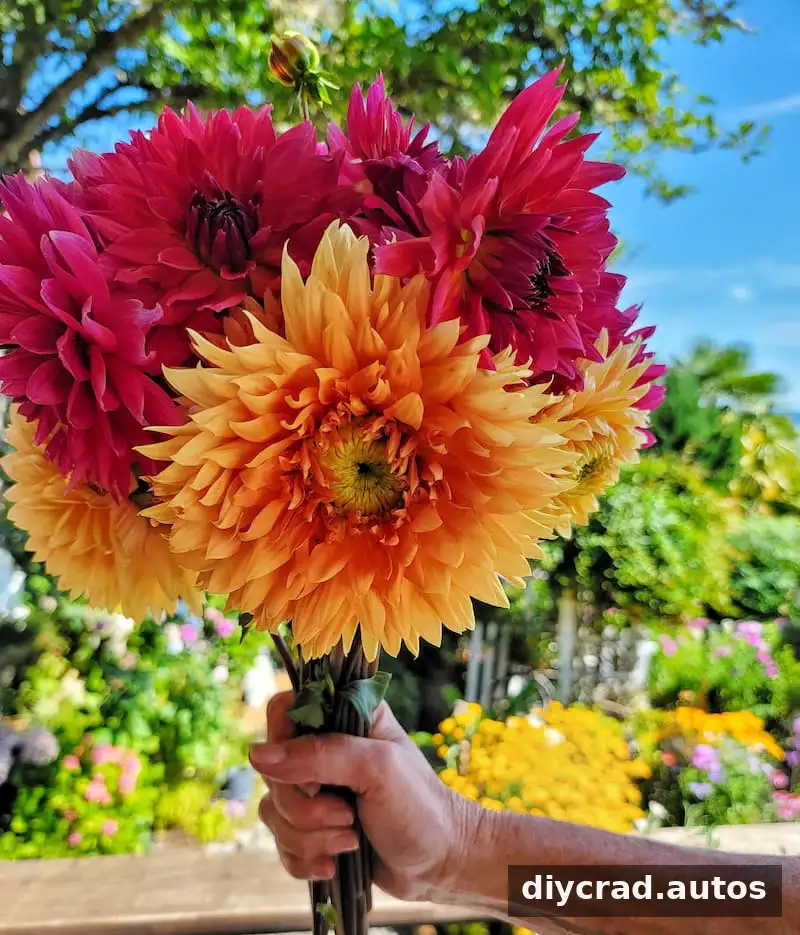
Harvesting in the early morning is usually ideal. Plants absorb water through the night, leaving stems firm by morning. The cooler conditions also reduce the chance that flowers will suffer from heat or intense sunlight as you cut.
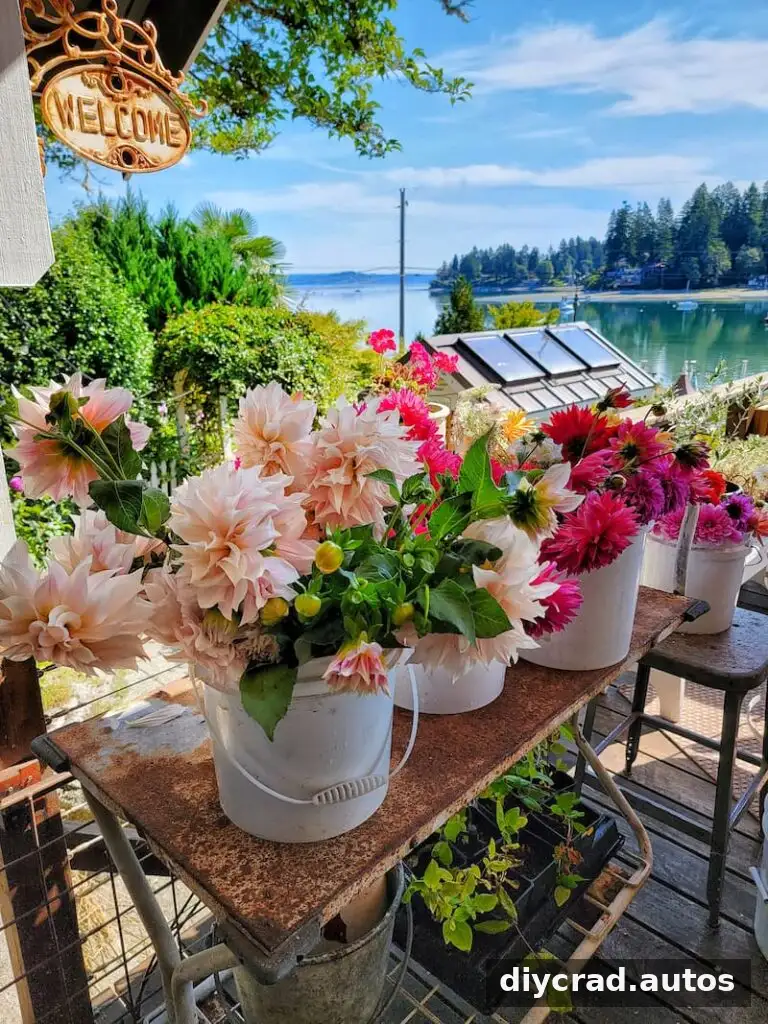
Avoid cutting around midday if possible, since warm conditions can speed up water loss. When morning harvesting is not an option, late evening—once the temperature drops—is a suitable choice. Set out a clean bucket of water so the stems can go straight in rather than waiting as you finish your work.
What You Need to Harvest Cut Flowers
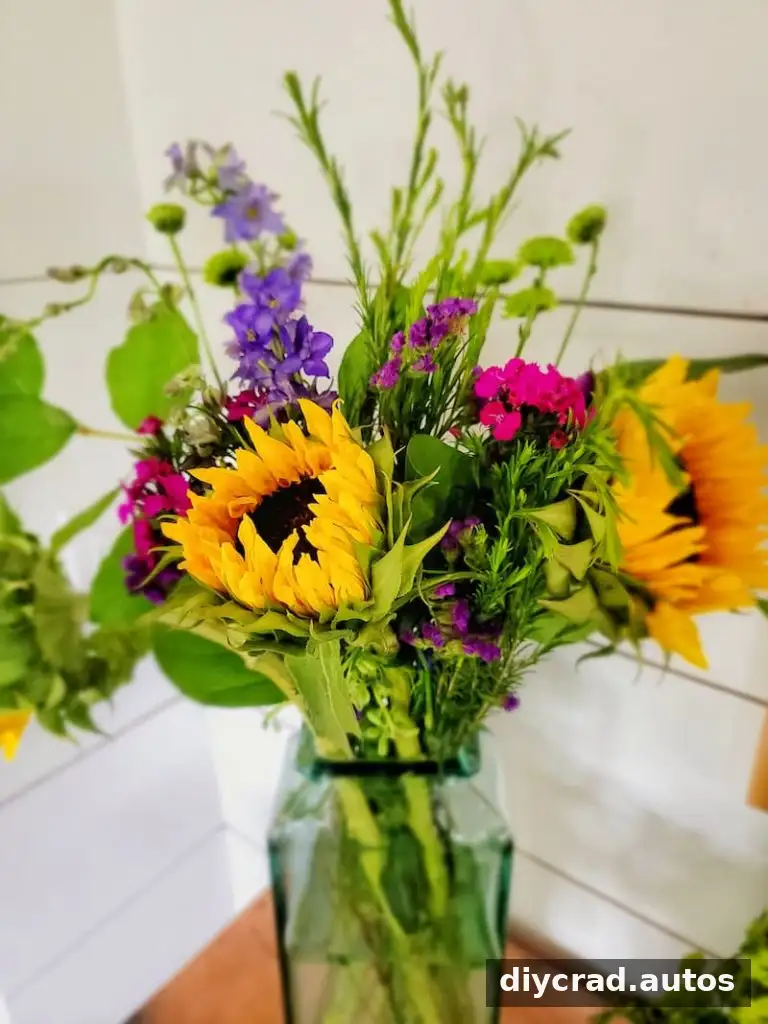
Well-maintained, sharp tools produce neat cuts. Blunt blades may crush stems and make water absorption more difficult. Before gathering flowers, clean your buckets and ensure your pruners or snips are sharp.
Supplies to Prepare
- Sharp bypass pruners or floral snips: A clean blade slices through stems without crushing them.
- Clean buckets: Set aside one bucket for collecting flowers and a second for conditioning. Before using them, wash with warm, soapy water.
- A hammer or mallet: Use this to prepare woody stems, including hydrangea and lilac.
- Flower food: Mix it into the water as directed on the package.
- Soft ties or rubber bands: Use these to organize larger harvests by flower type.
Maintain Clean Tools and Containers
Unclean blades and buckets may spread bacteria or plant diseases. Sanitize tools before you begin harvesting and when switching between plant varieties, particularly if you spot signs of disease. Wiping pruner blades with rubbing alcohol can help; observe safe-use instructions and allow the blades to dry before cutting.
Properly Cutting Flower Stems
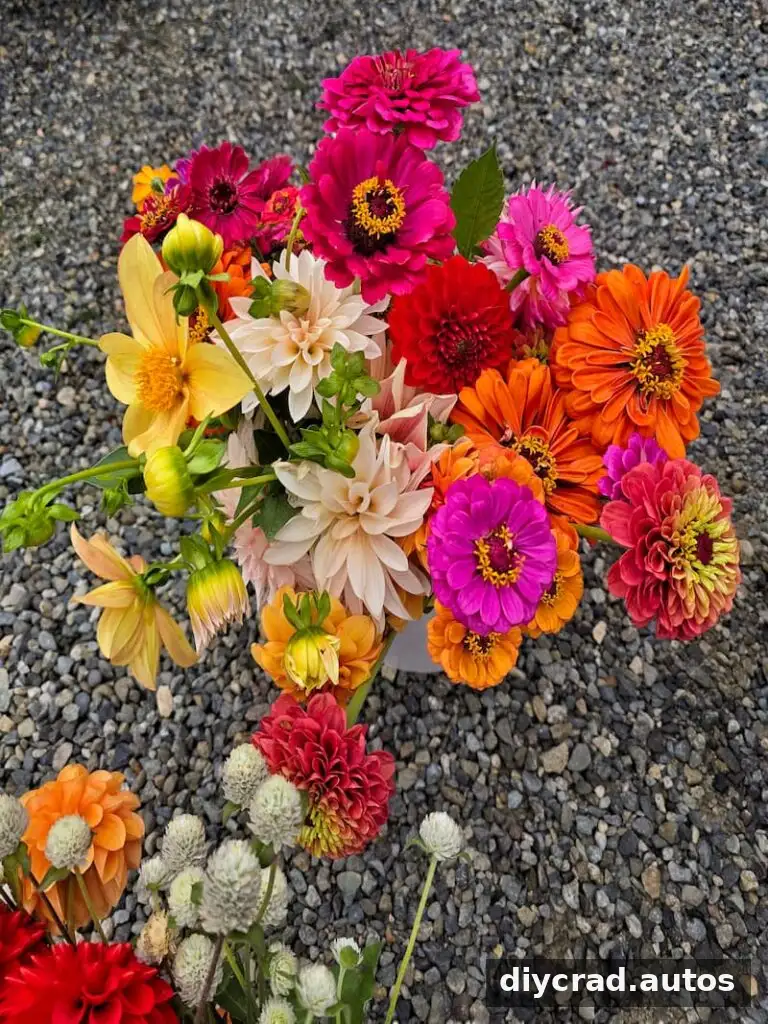
Whenever possible, make a neat cut at an angle of roughly 45 degrees. The angled surface allows for water absorption and keeps the stem from lying flat against the bucket’s bottom and blocking water. Cut above a leaf node when you can. With cut-and-come-again blooms like zinnias and cosmos, this may promote branching and produce more flowering stems.
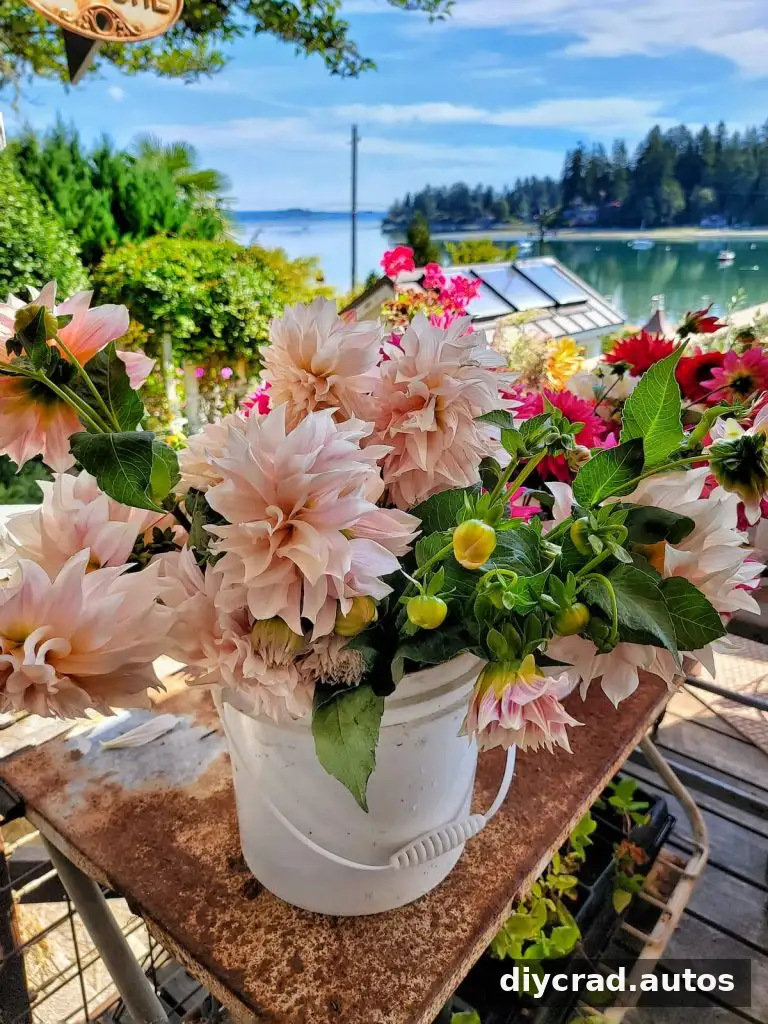
After cutting, put every stem into water as quickly as you can. For the first collection bucket, use cool water at about 35–50°F if possible. While harvesting, don’t leave flowers sitting in direct sunlight or a warm car.
Conditioning Cut Flowers After Harvest
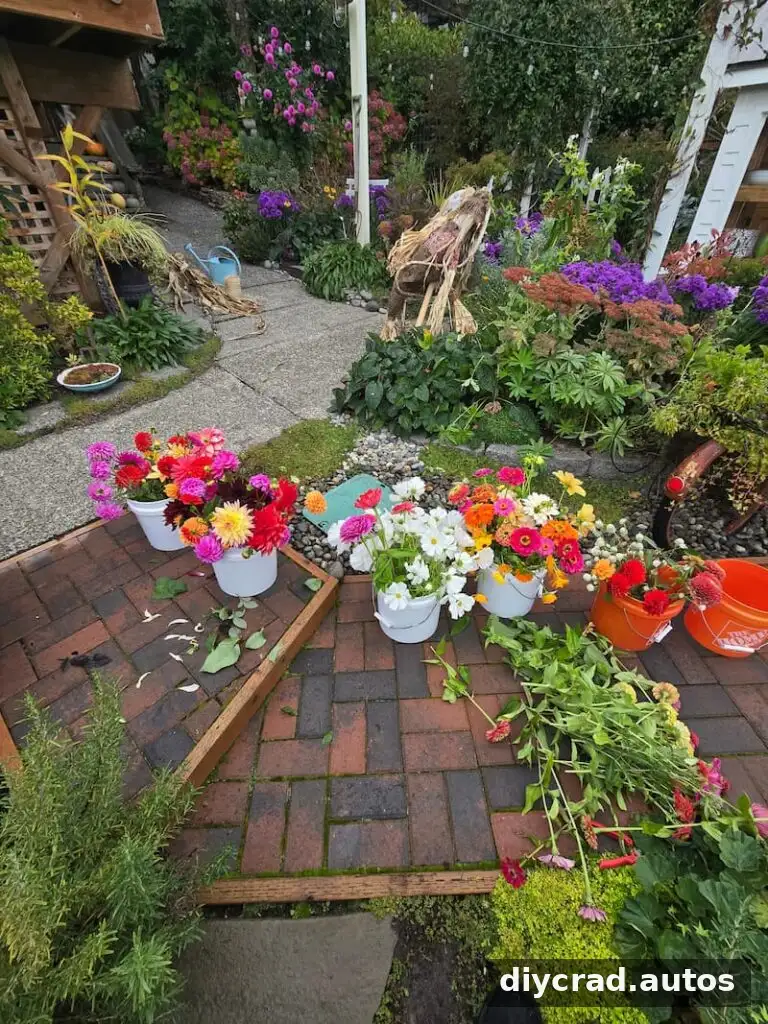
Conditioning refers to the time between picking flowers and arranging them. Strip off any leaves that would fall beneath the water’s surface, as submerged foliage decays and may promote bacterial growth. Replenish the bucket with fresh water and mix in flower food following the label directions.
Leave the flowers in a cool, dim spot for a few hours, or overnight if appropriate. This allows the stems to absorb water before you arrange them. Keep the bucket away from sunlight, heat, and ripening fruit. Before arranging, recut the stems with clean snips if their ends have dried out or been damaged.
Harvesting Instructions by Flower
The right picking stage differs from one flower to another. Treat the tips below as a general guide, and take care with fragile stems as you move them from the garden to water.
Zinnias
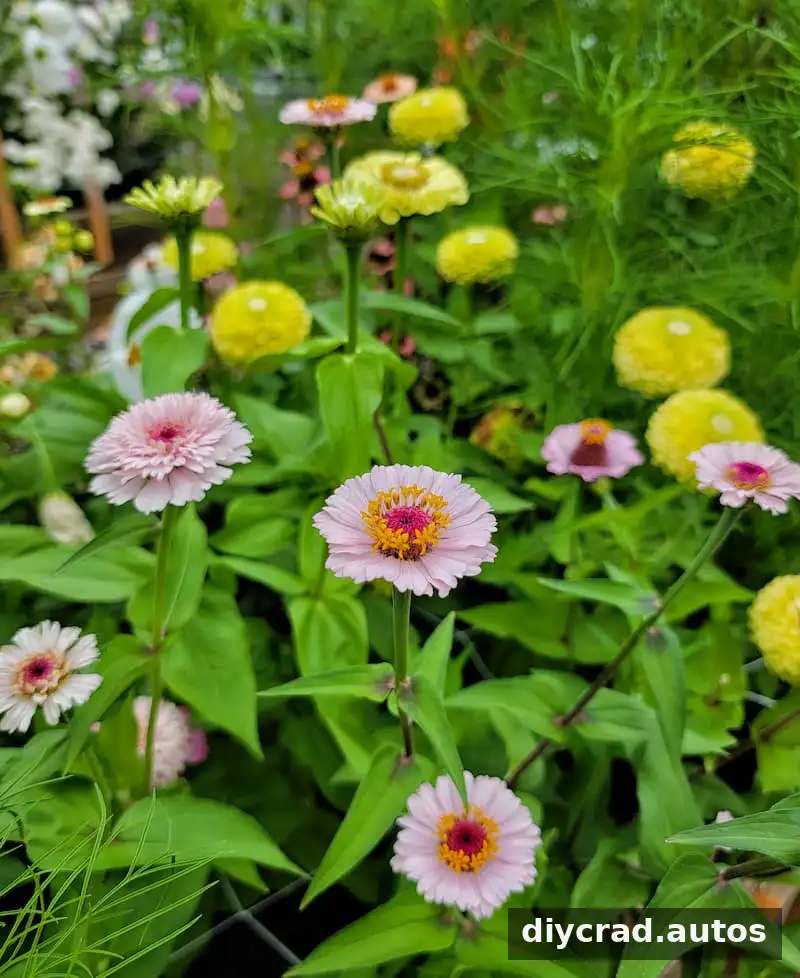
Because zinnias keep producing after cutting, picking them regularly can help stimulate new stems. Gather them once the petals have developed their full color and the center remains compact. Test a stem by gently shaking it near the base: if the stem is sturdy and the bloom stays steady, it’s ready; if the stem bends loosely, give it another day or two.
Select long stems, preferably 12 to 18 inches, and snip just above a leaf node to promote branching.
Cosmos
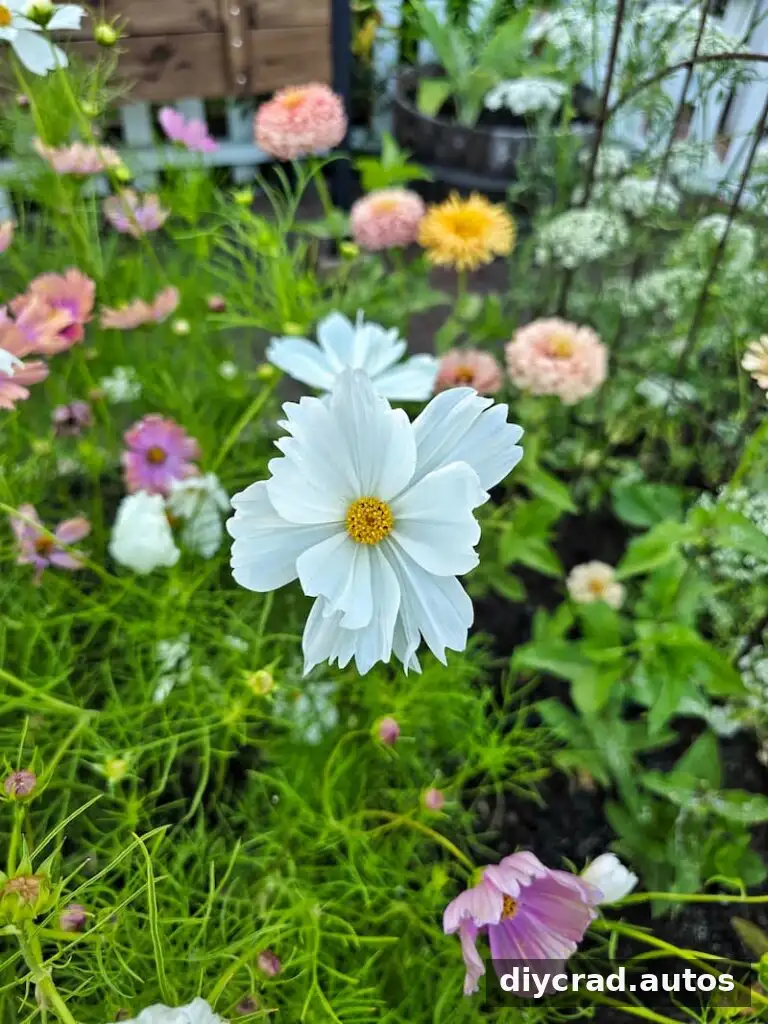
Cutting cosmos regularly encourages continued flower production; allowing the plants to form seeds can reduce blooming. Pick the stems once the buds have developed color but before they are completely open. Handle their fragile stems gently and get them into water without delay.
Dahlias
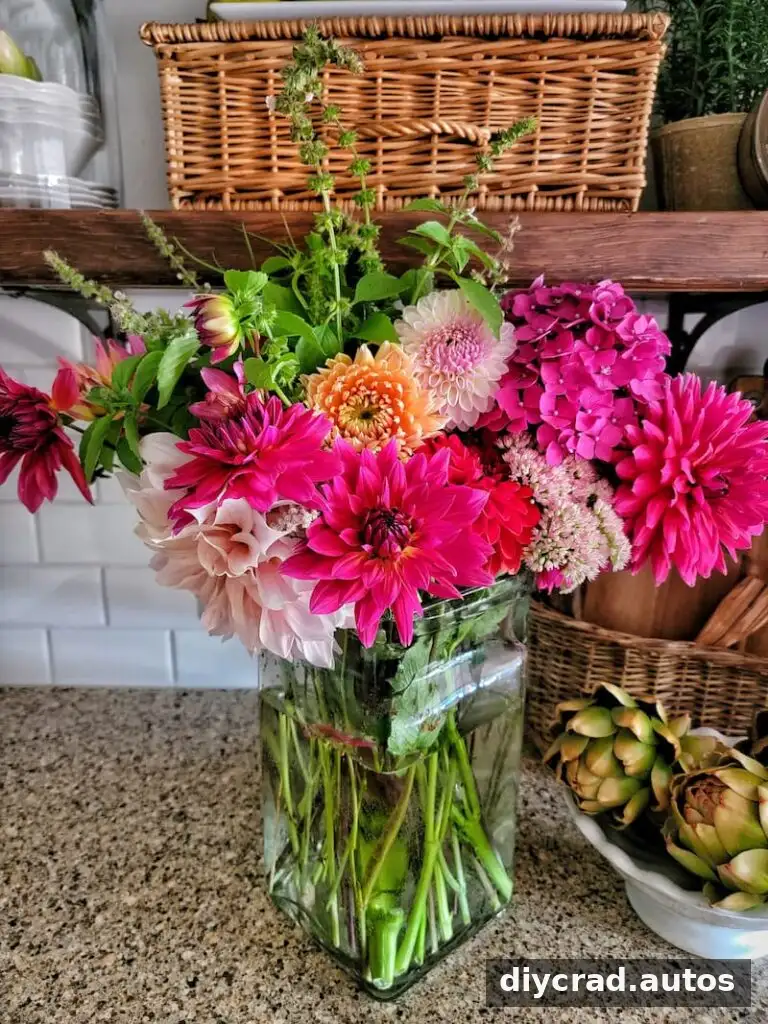
Harvesting dahlias can prompt them to grow fresh flowering stems, though their blooms barely open further after being cut. Select flowers that are open or close to full bloom. Snip them during the cool morning hours and put the stems in water right away.
As an optional conditioning approach, some gardeners dip the cut tips in boiling water briefly, then move the stems into cold water. This step is not essential. Strip off any leaves that would sit below the waterline, since dahlia foliage deteriorates rapidly in a vase.
Sunflowers
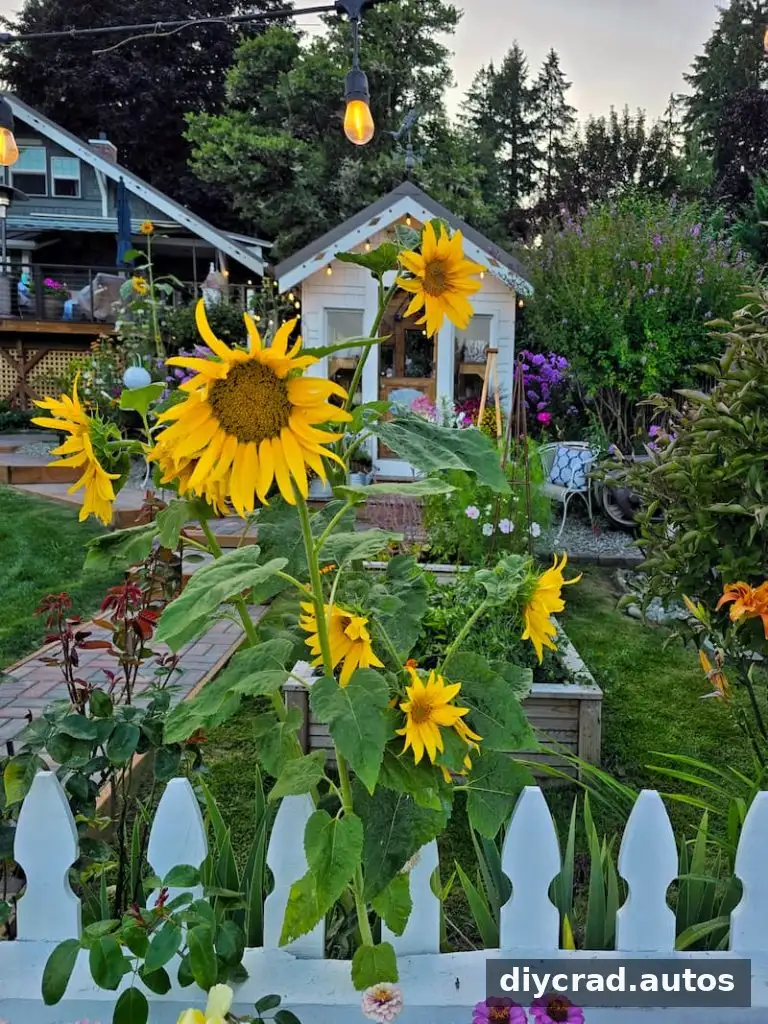
Pick sunflowers as their petals start to unfurl, while the central disk remains compact. Once pollen appears on the disk, the bloom may have passed its best cutting point. Some varieties grow a single prominent flower on each plant; branching varieties, however, can send out side shoots after the main stem is harvested.
Because sunflowers absorb a generous amount of water, inspect the bucket often and refill it whenever necessary.
Strawflowers
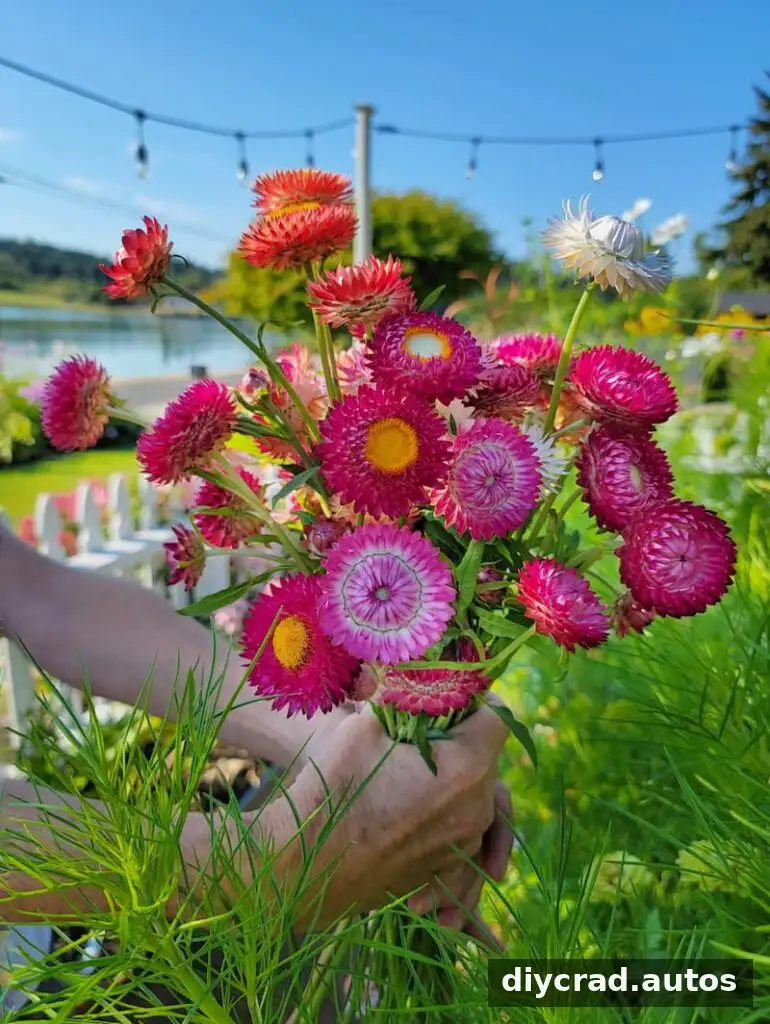
Strawflowers keep unfolding once harvested. Cut them while the center remains closed or has only begun to open; flowers picked later may unfurl excessively in a vase. They are also suitable for drying: harvest at this point and suspend them upside down in a cool, dry spot.
Sweet Peas
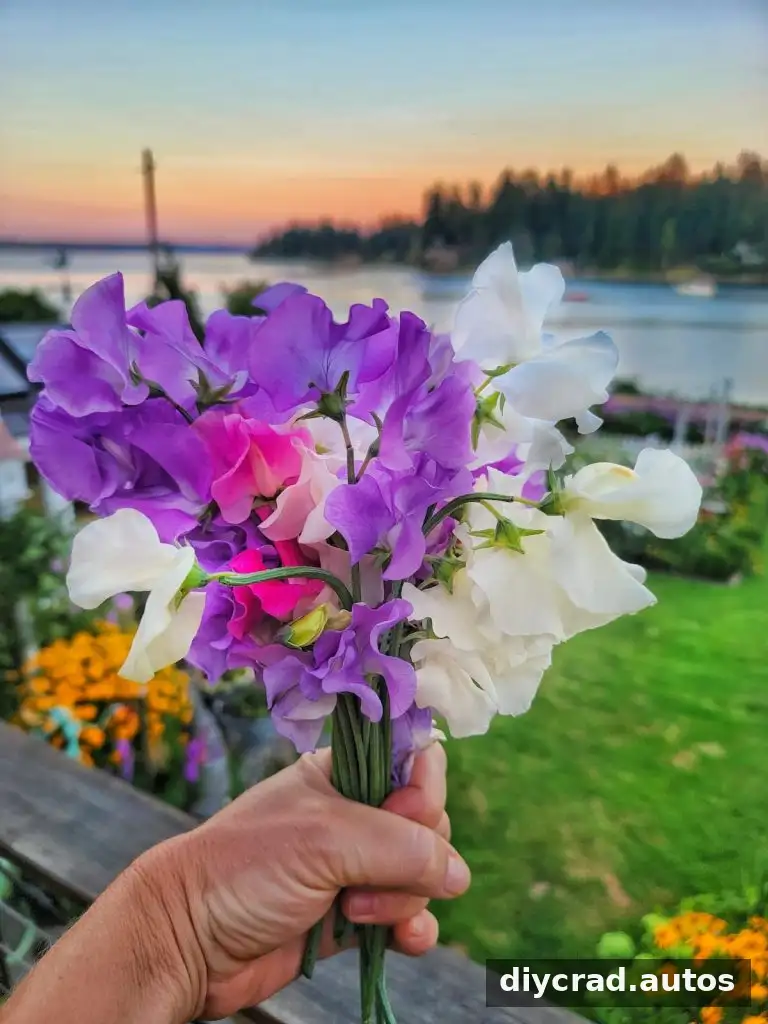
Gather sweet peas when the bottom bloom on each stem has just started opening, with the top buds still closed. The flowers will open one after another in a vase, although they do not last especially long. Picking often can prolong flowering; during the height of the season, check the plants daily or every other day, taking care not to bruise their delicate stems.
Hydrangeas
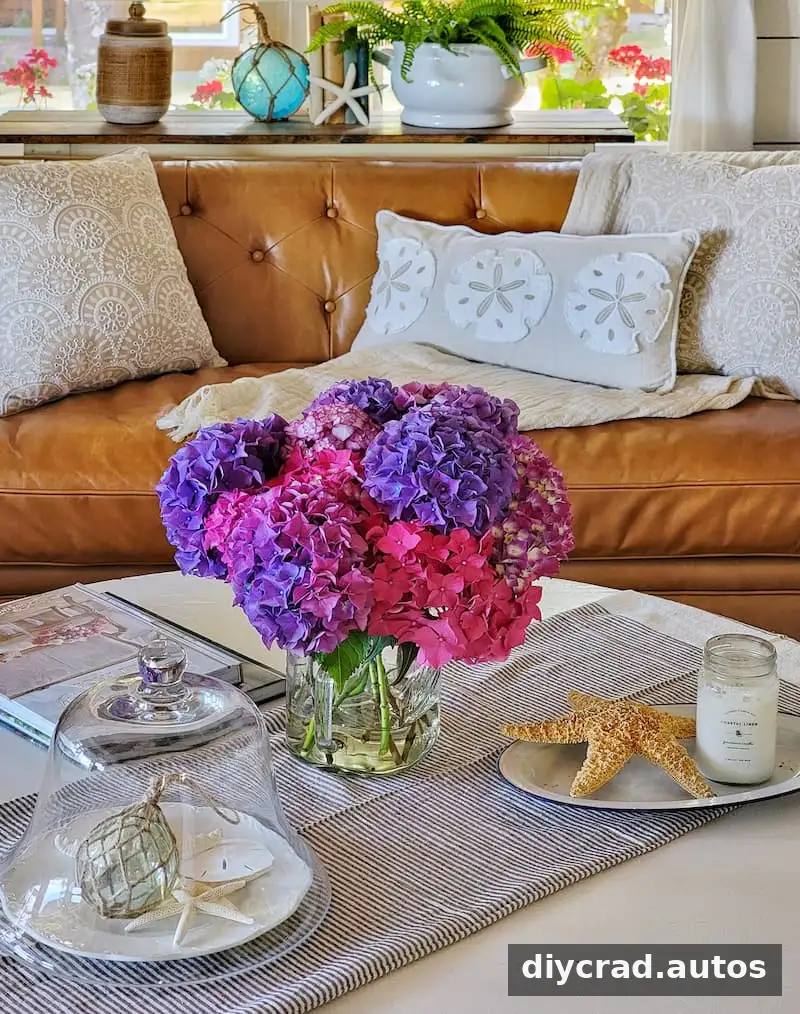
Cutting hydrangeas before the blooms have matured can cause them to wilt easily. Wait until the florets have a slightly papery texture. Depending on the variety and local growing conditions, this stage often arrives from late summer through fall.
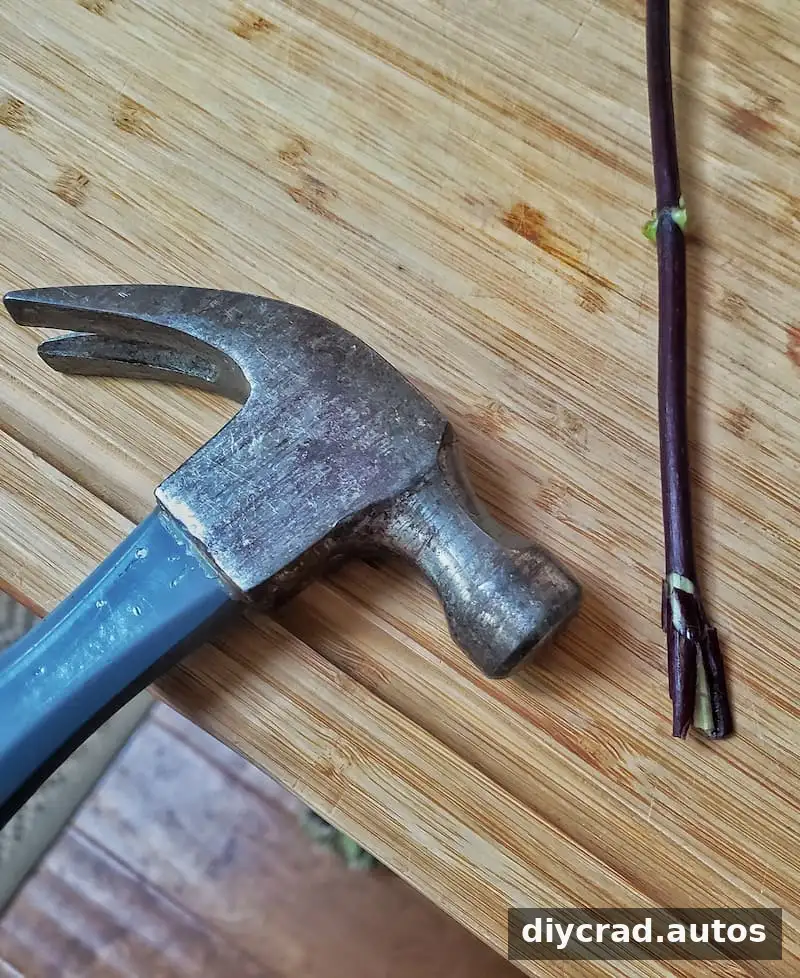
Once you’ve made a slanted cut, try gently striking the bottom inch or two of a woody stem with a hammer to improve water absorption. Alternatively, use a clean, sharp knife to make vertical slits in the stem. These techniques are particularly useful for thick, woody stems; use tools with care and place the cut end in water as soon as it is prepared. Hydrangeas may respond well to overnight conditioning in a cool, dim spot.
Lilacs
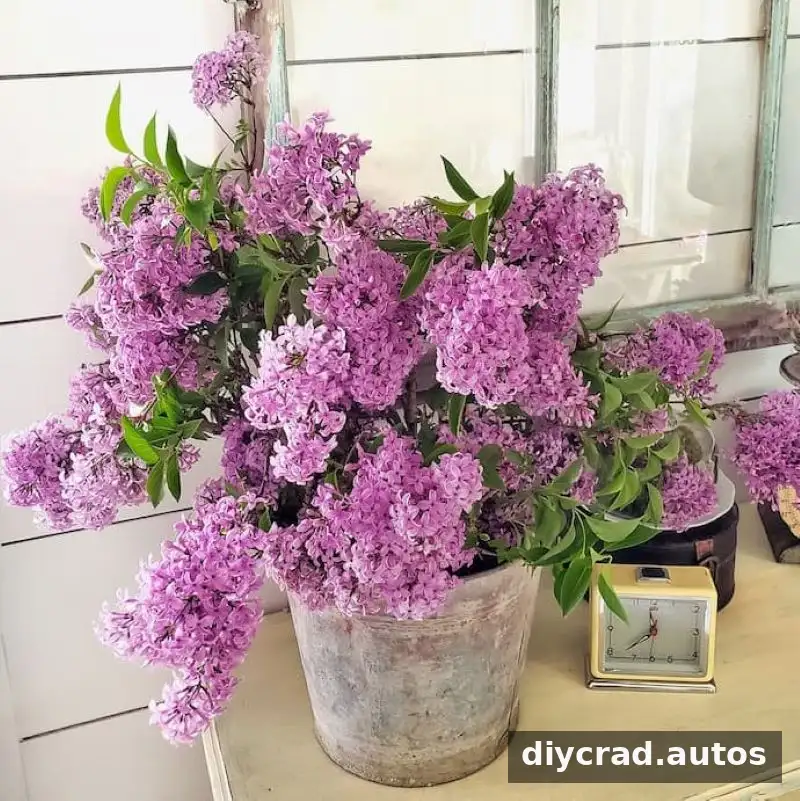
Pick lilacs when roughly half of their tiny flowers have opened. Strip away any leaves that would be submerged, as they use water that the blooms need and may rot in the bucket. Like other woody flowers, lilacs are traditionally prepared by crushing the stem base with a hammer to promote water uptake. Their vase life is often brief, so make the most of them soon after harvesting.
Peonies
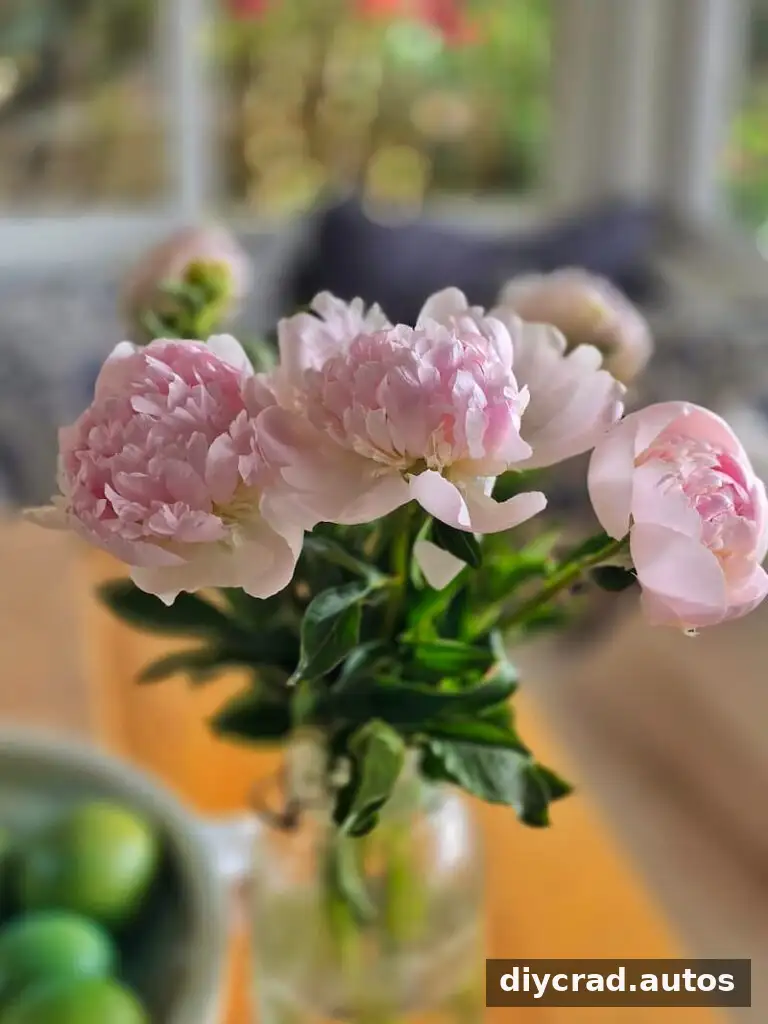
Harvest peony buds before they open, when they have developed a rich color and feel soft to the touch, much like a marshmallow. Though they may seem tiny when picked, they can unfurl into large, lush flowers indoors. Bud-stage blooms are also easier to carry than flowers that have fully opened.
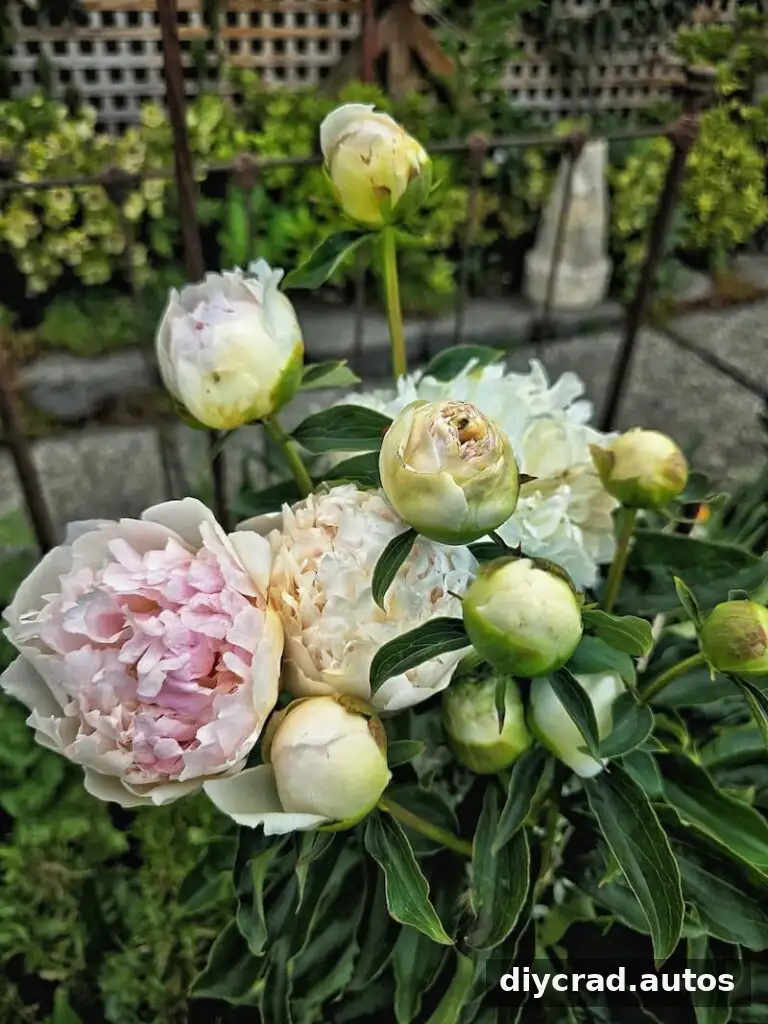
Peonies picked after opening typically last less time in a vase than unopened buds. Ants often gather on peony buds, but they are harmless; give the stems a light shake outdoors before taking them inside.
Celosia
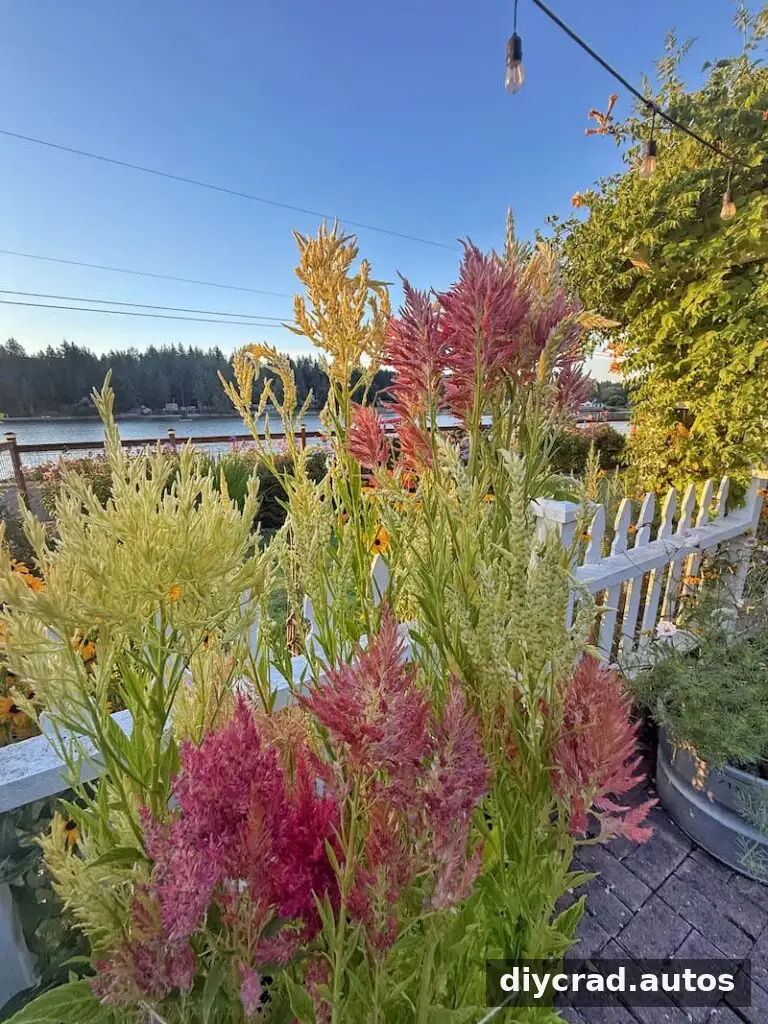
Gather plumed and crested celosia once the flower heads have matured, before their tips start to lose color. The shade present when picked is usually the shade they will keep. Celosia is also ideal for drying: suspend stems upside down in a dry, appropriate spot to create long-lasting arrangements.
Statice
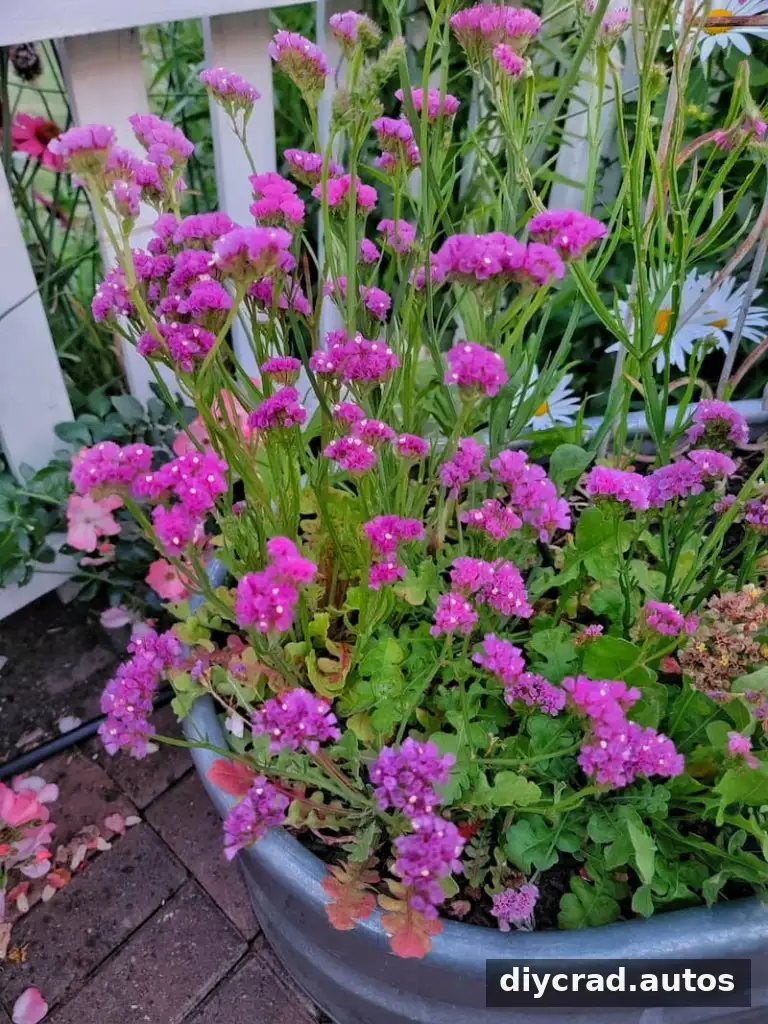
Pick statice after its tiny flowers have opened completely and developed their color. It dries on its own in a vase, keeping its looks for a long while, so it works well in both fresh bouquets and dried displays.
Frequently Asked Questions About Cutting Garden Flowers
What time of day is best for cutting flowers from the garden?
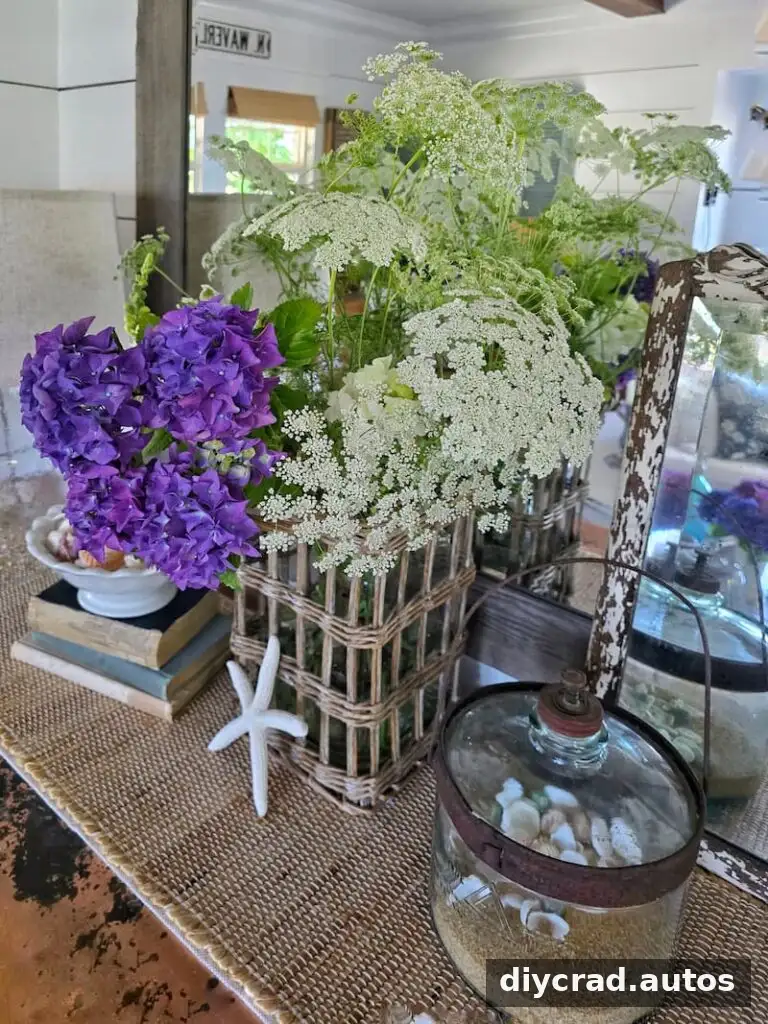
Harvesting in the early morning is often ideal: plants have replenished their moisture overnight, and temperatures remain mild. Early evening is another convenient option. Whenever possible, steer clear of the midday heat.
How can you prevent cut flowers from drooping?
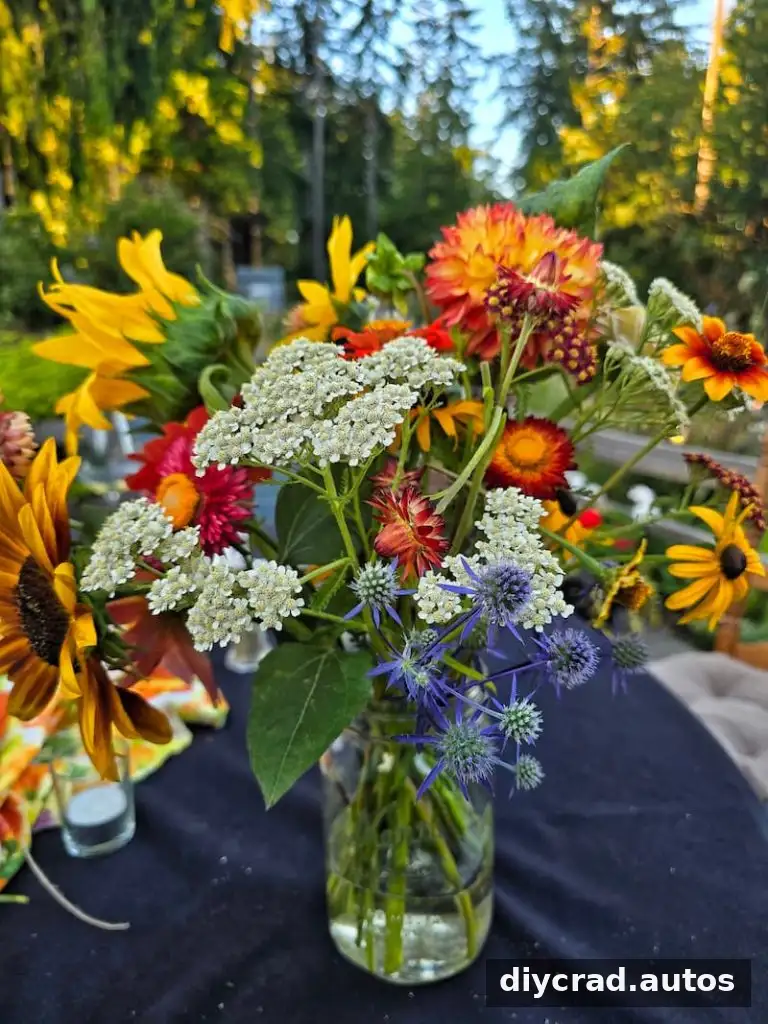
As soon as you cut the stems, place them in fresh, clean water. Strip off any leaves that would sit beneath the water’s surface, add flower food following the package instructions, and allow the blooms to rest somewhere cool and dark before arranging. If the cut ends have dried, trimming them again with clean shears may help.
When should flowers be cut: before or after blooming?
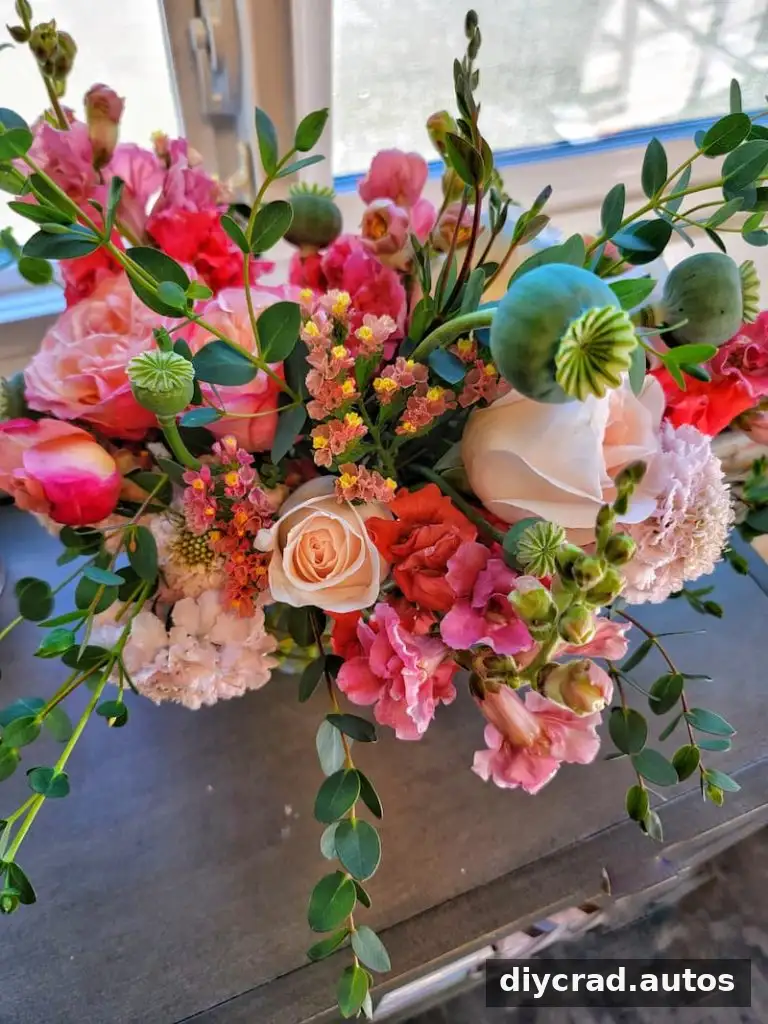
For many varieties, the ideal time to cut is when the buds have begun showing color but remain unopened; they can then unfurl in the vase. Dahlias are different: pick them when nearly or completely open, as they rarely open much further once cut.
How can you pick hydrangeas without causing them to wilt?
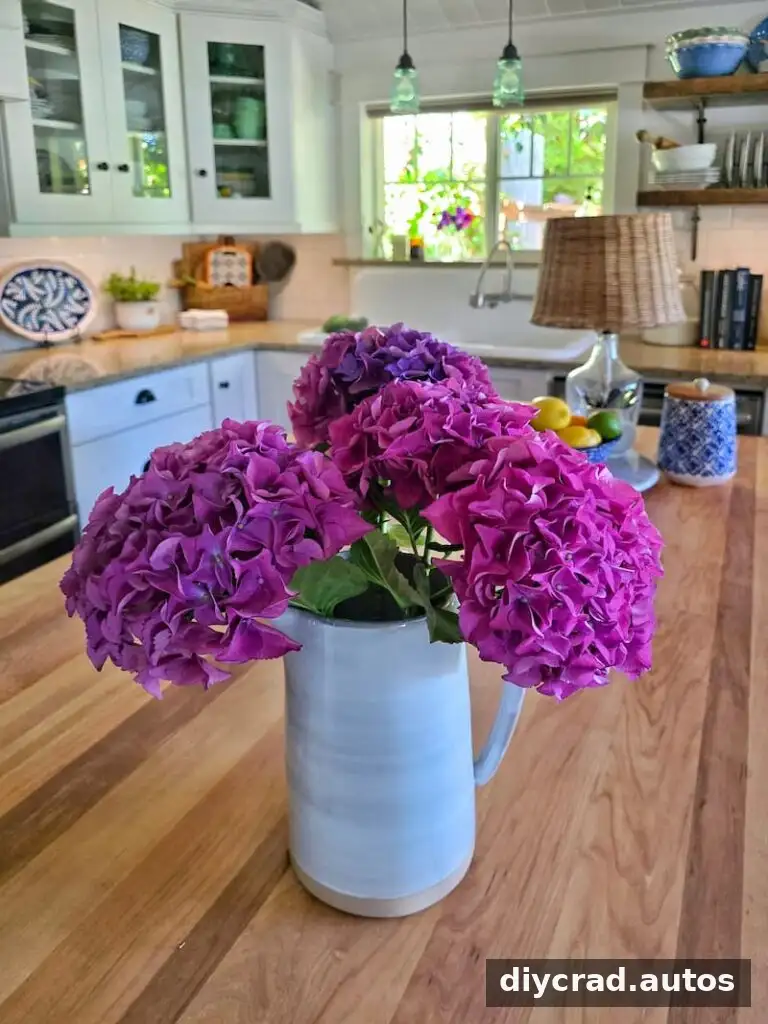
Harvest hydrangeas once their blossoms feel a little papery. Cut the stems at an angle and transfer them to water without delay. To encourage water absorption, some gardeners gently crush the lowest inch or two of the woody stems. Leaving the flowers to condition overnight in a cool spot may also be beneficial.
What flowers keep producing after you cut them?
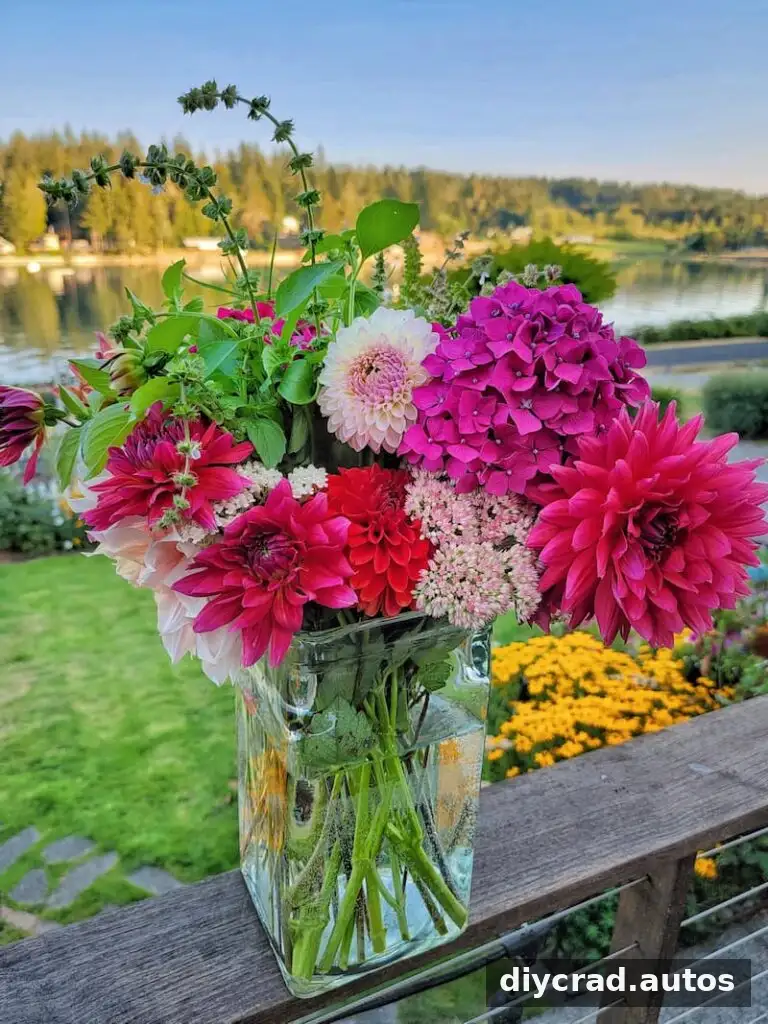
Regularly picking zinnias, cosmos, and dahlias encourages them to grow additional stems. Sweet peas also thrive with frequent cutting. Gather blooms often, while leaving enough healthy leaves for continued growth.
Essential Tips for Harvesting Cut Flowers
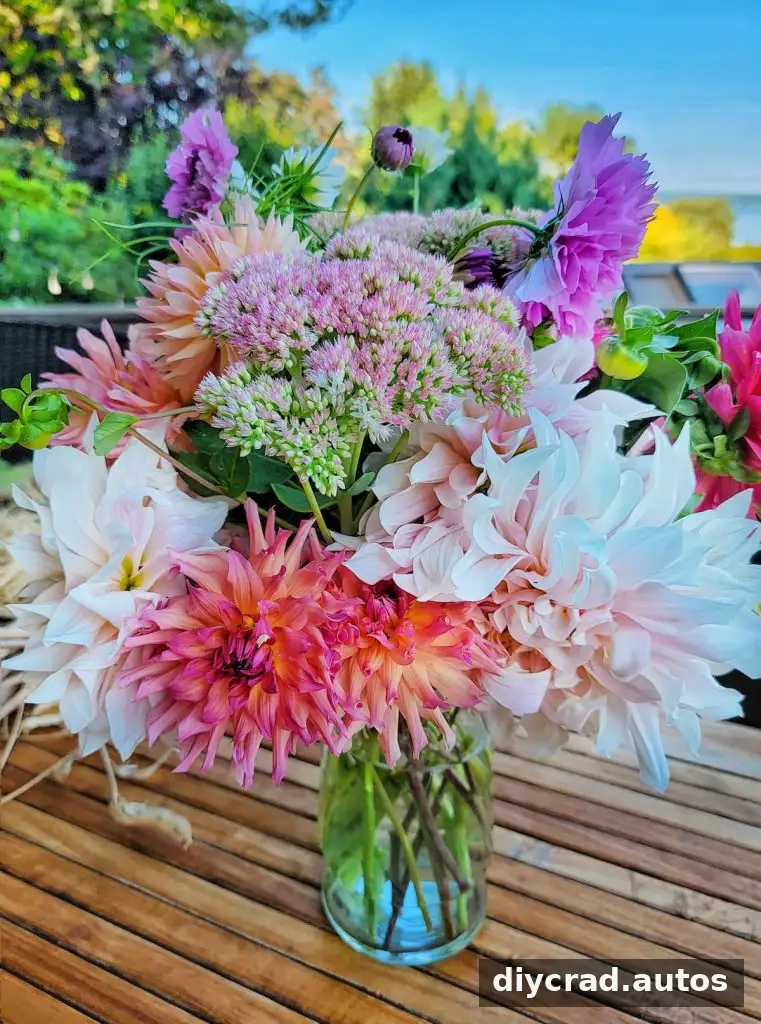
For a successful flower harvest, choose the cool morning hours when you can, and work with sharp, clean tools. Place freshly cut stems in water straight away, remove any leaves below the waterline, and let the blooms rest in a cool location. These straightforward steps encourage water absorption and can help flowers stay fresh in a vase for longer.
Timing depends on the type of flower: most can be picked before their blooms fully open, whereas dahlias should be harvested when nearly or fully open. Harvest often and handle stems gently to enjoy fresh bouquets throughout the garden’s blooming season.

About Kim Robinson
Kim Robinson shares stories about gardening and life in a 1920s seaside cottage in the Pacific Northwest. For 13 years, she and her husband have worked to make their coastal home inviting, filling it with a garden, vintage touches, and everyday comforts.