

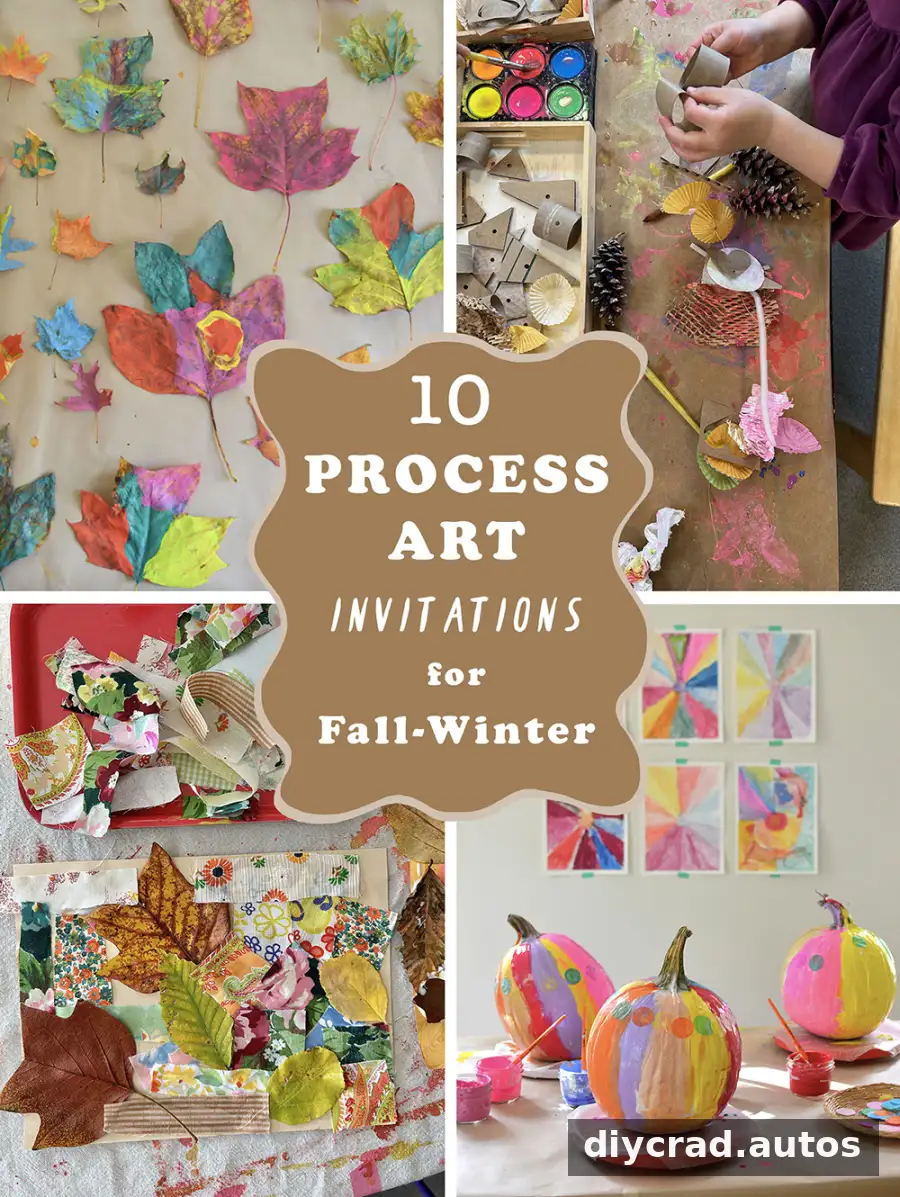
Fall and winter process art invitations give children opportunities to explore materials, make choices, and create in their own way. The activity is about experimenting rather than producing a particular finished result. Seasonal finds such as leaves, pinecones, branches, and cozy indoor materials can all spark curiosity. If mess is a concern, begin with dry materials and add paint only when you are ready for the extra cleanup.
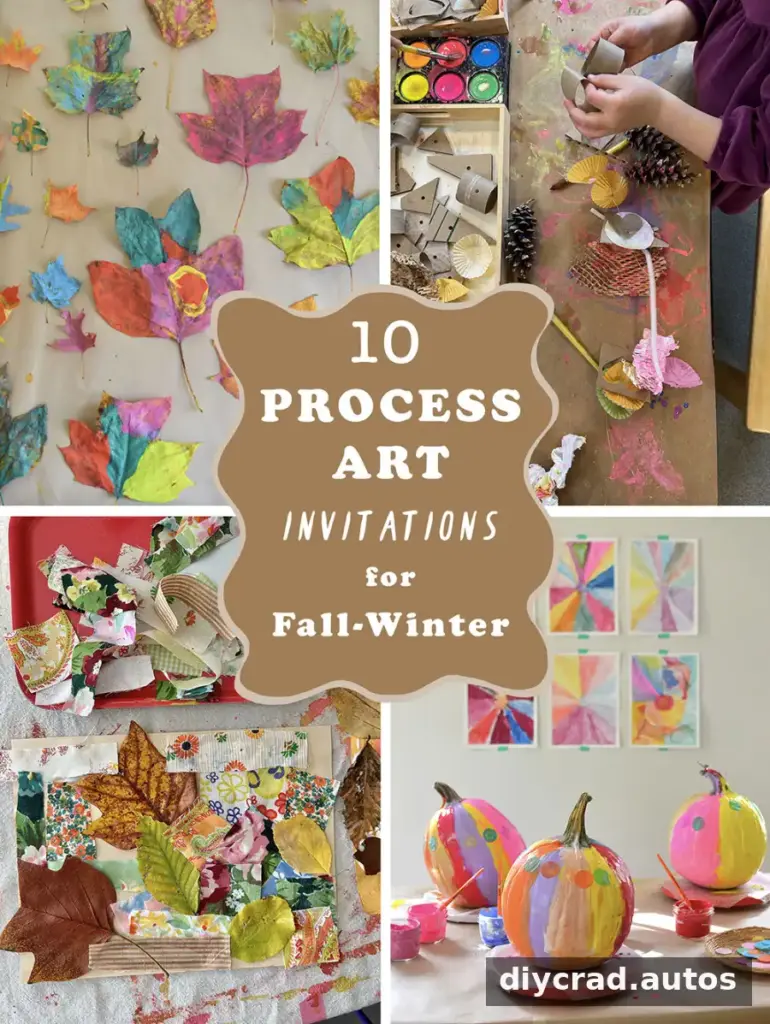
Low-mess fall and winter process art invitations without paint
These ideas can be offered with or without paint. Tempera sticks and oil pastels are useful alternatives when you want to add color while keeping the setup simpler. Some projects use glue, so protect the work surface and prepare a place for finished pieces to dry. Having wipes or a damp cloth nearby can make sticky hands easier to manage. Squeezing glue also gives children a chance to practice hand strength; supervise use and offer an amount that suits the activity.
1. Mixed-media process art weaving
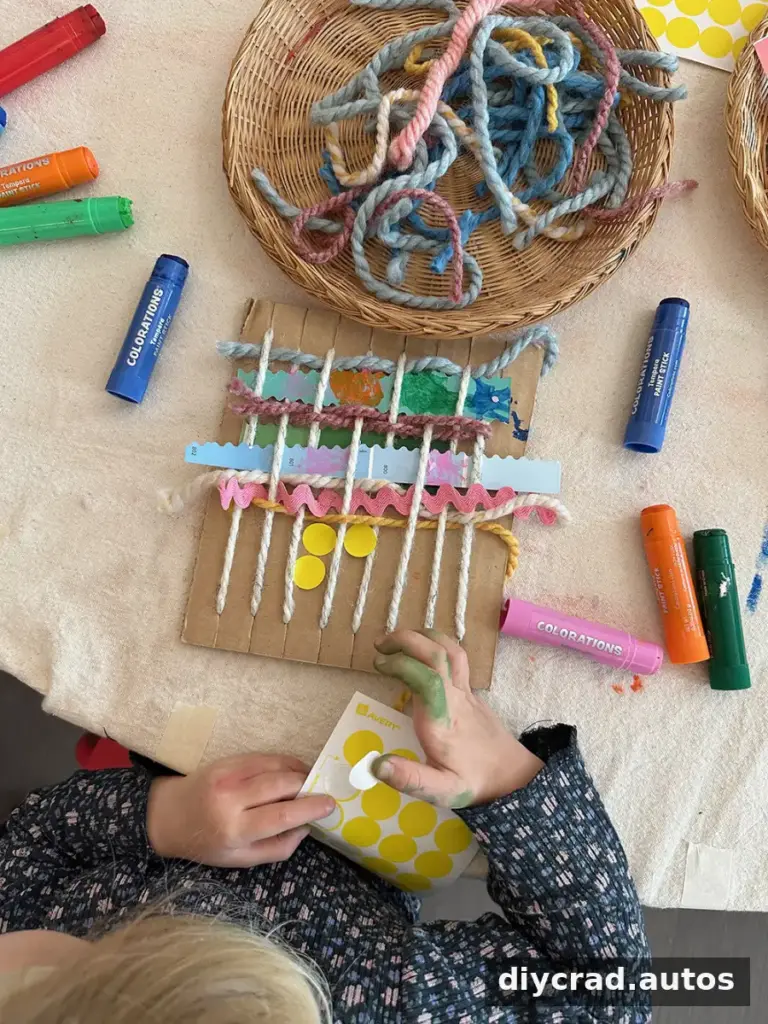
Set out a simple loom and a selection of materials with different textures for children to weave through it. Tempera sticks and stickers can offer a familiar starting point, while fabric, yarn, or other suitable materials provide more ways to explore. There is no required pattern: children can decide what to thread, where to place it, and when their work feels complete.
2. Process art with wire and pinecones
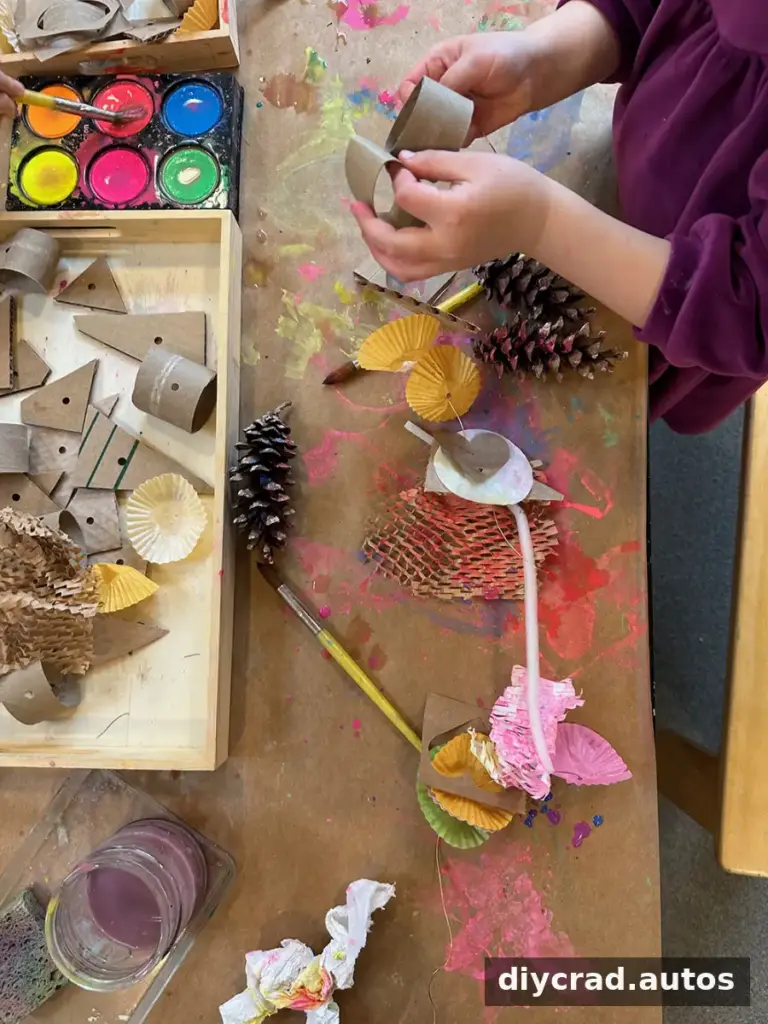
Offer pinecones and other threading materials alongside bendable wire so children can test how the materials connect and change shape. Wire can be engaging because it holds bends and curves, but its ends may be sharp. An adult should prepare safe ends and supervise closely; for younger children, choose a safer alternative suited to their age and abilities.
3. Process art: exploring wood
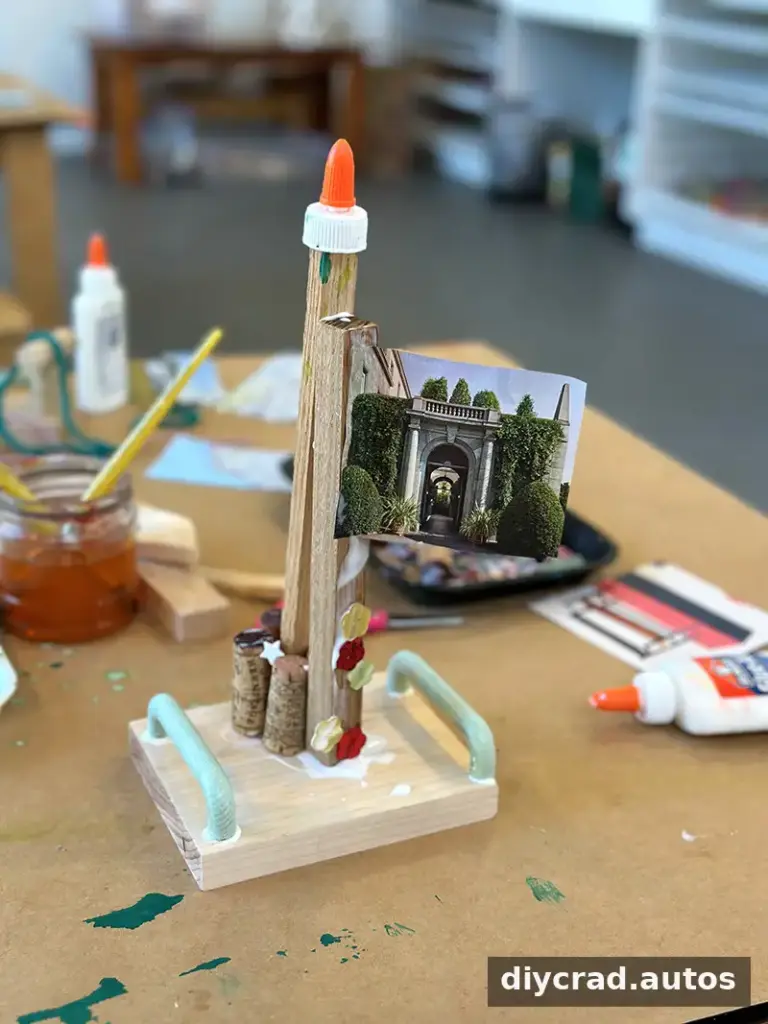
Wood scraps invite children to compare weight, shape, and surface texture. Look for pieces from a suitable source and check each one before use. Sand rough edges and remove splinters or small loose parts. Children can arrange, stack, or combine the pieces as a form of open-ended art-making, with close supervision during handling.
4. Collage with leaves and fabric
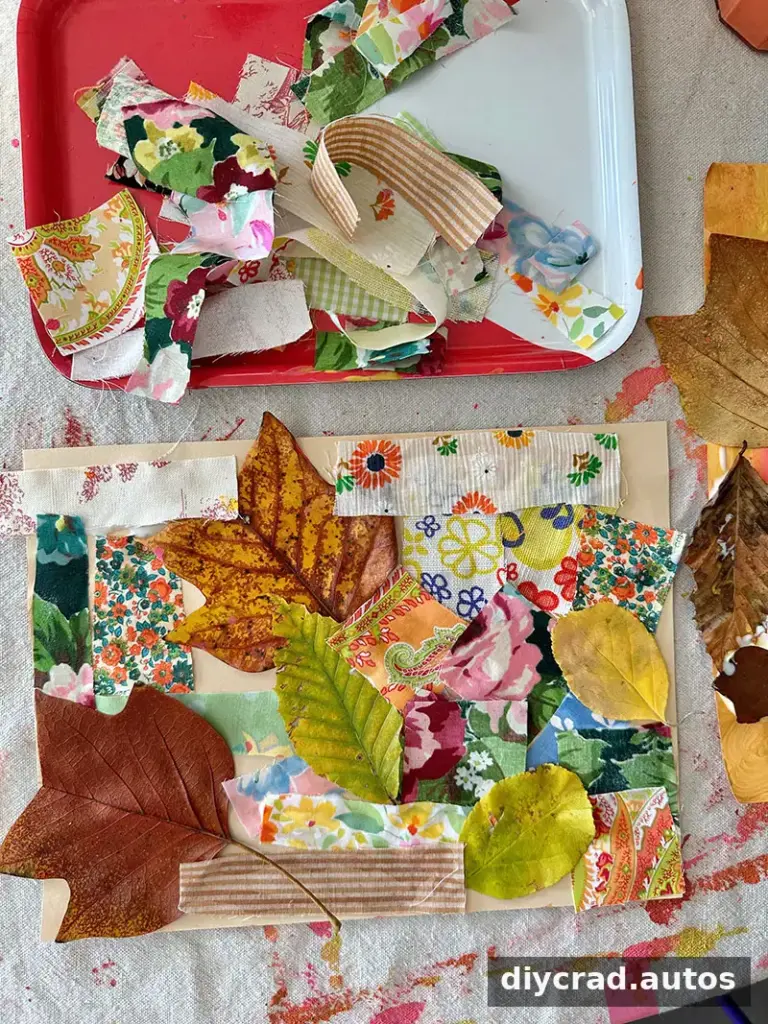
Collect fallen leaves and offer them with fabric scraps and glue. Children can layer, overlap, or arrange the materials in any way they choose. If you want to add color without wet paint, try tempera sticks. Choose dry, intact leaves where possible, and keep the materials clean before bringing them to the work area.
5. Three-dimensional collage with recyclables
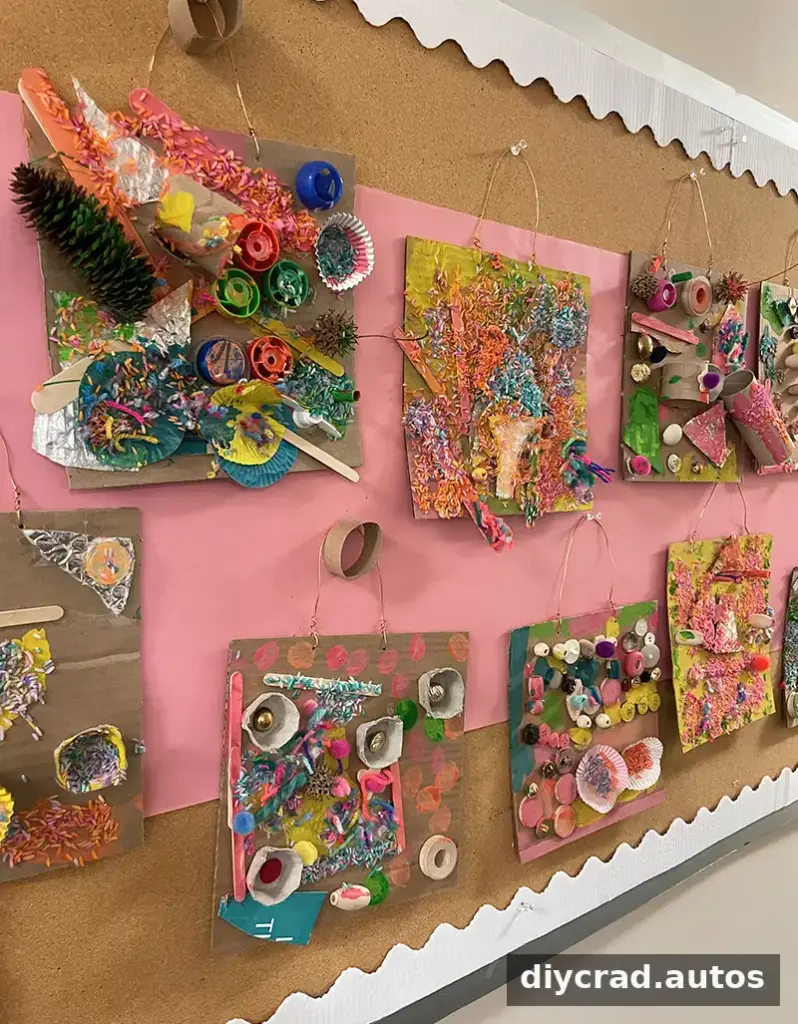
A piece of cardboard makes a useful base for exploring layering and three-dimensional construction. Offer clean, safe recycled materials in a variety of shapes and textures. Tempera sticks can add color without paint, while yarn or colored rice can provide extra sensory interest. Check small items for age suitability and supervise their use.
6. Stacked sculptures
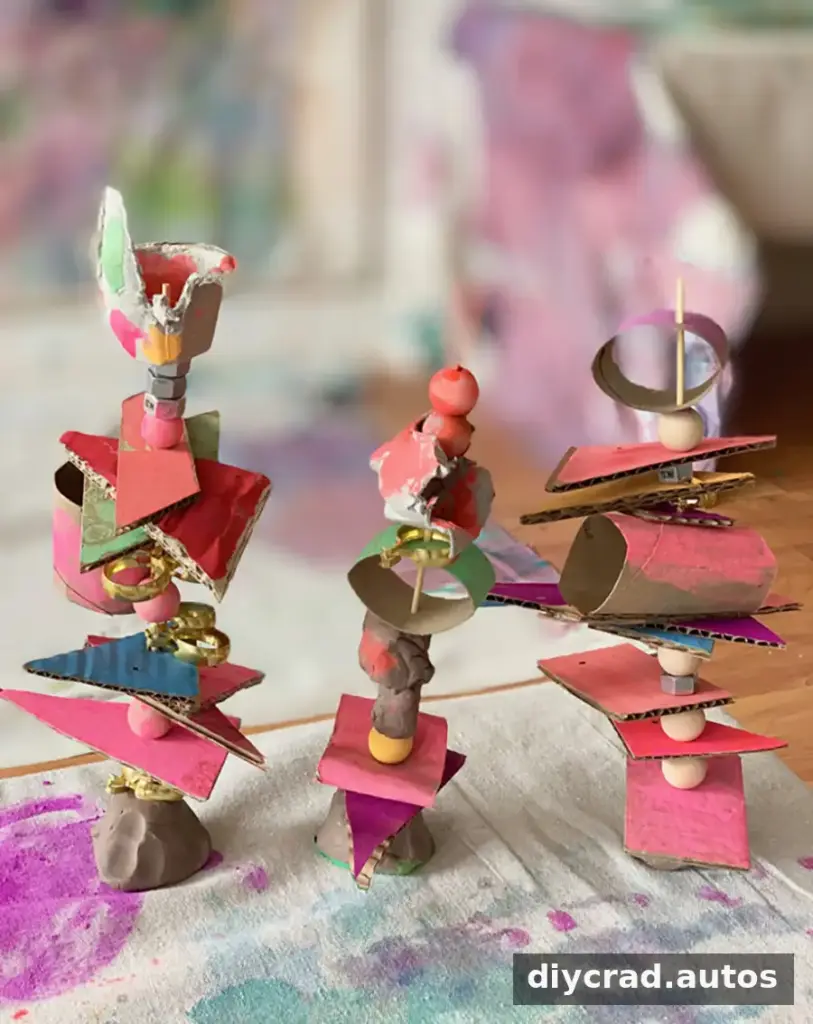
This tactile invitation, shared by Shannon Merenstein, uses clay as a base and a wooden skewer as a structure for stacking and threading materials. Prepare the setup with the child’s safety in mind: skewers have pointed ends and require direct adult supervision. You can also adapt the idea with a safer support material appropriate for the children taking part.
Fall and winter process art invitations with tempera paint
Tempera paint offers rich color and plenty of room for experimentation, but it usually needs more preparation and cleanup than dry media. Cover the table, use washable materials where possible, and set out only the amount of paint needed. Lidded jars can help keep paint covered between sessions, and a container of soapy water is useful for brushes. Leave a clear, protected area for artwork to dry.
7. Open-ended leaf painting
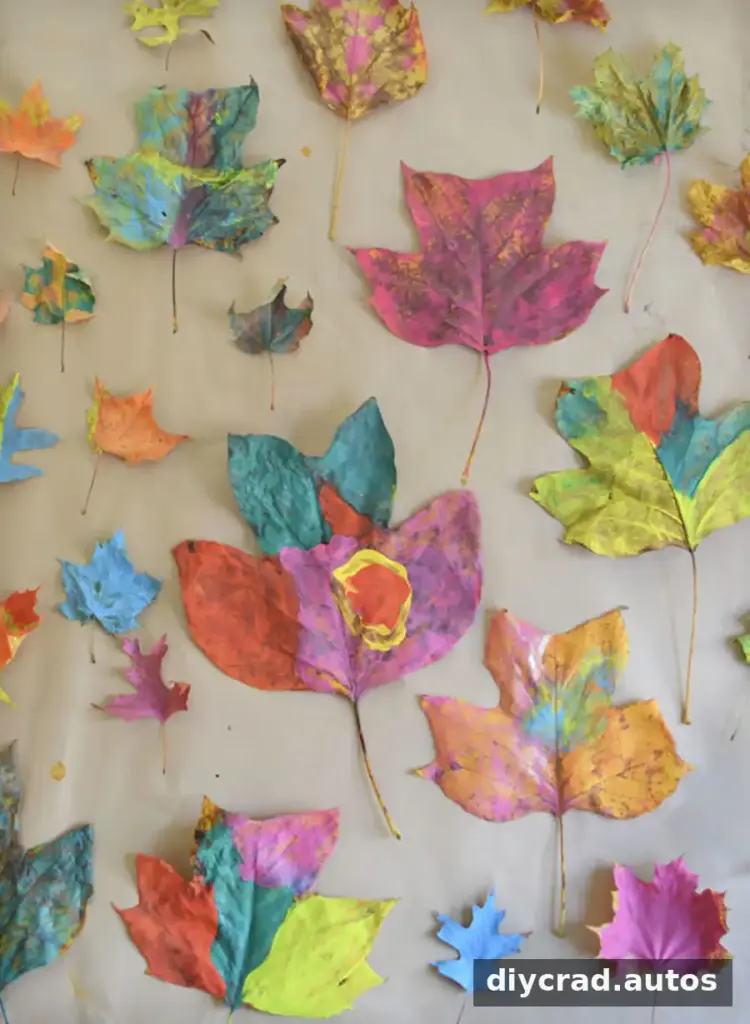
Bring collected leaves indoors and invite children to paint their surfaces. Mixing white into tempera colors can make the paint appear more opaque. For a lower-mess version, offer tempera sticks, oil pastels, or chalk markers instead. Children can notice the leaf’s shape and texture while choosing their own colors and marks.
8. Pumpkin painting
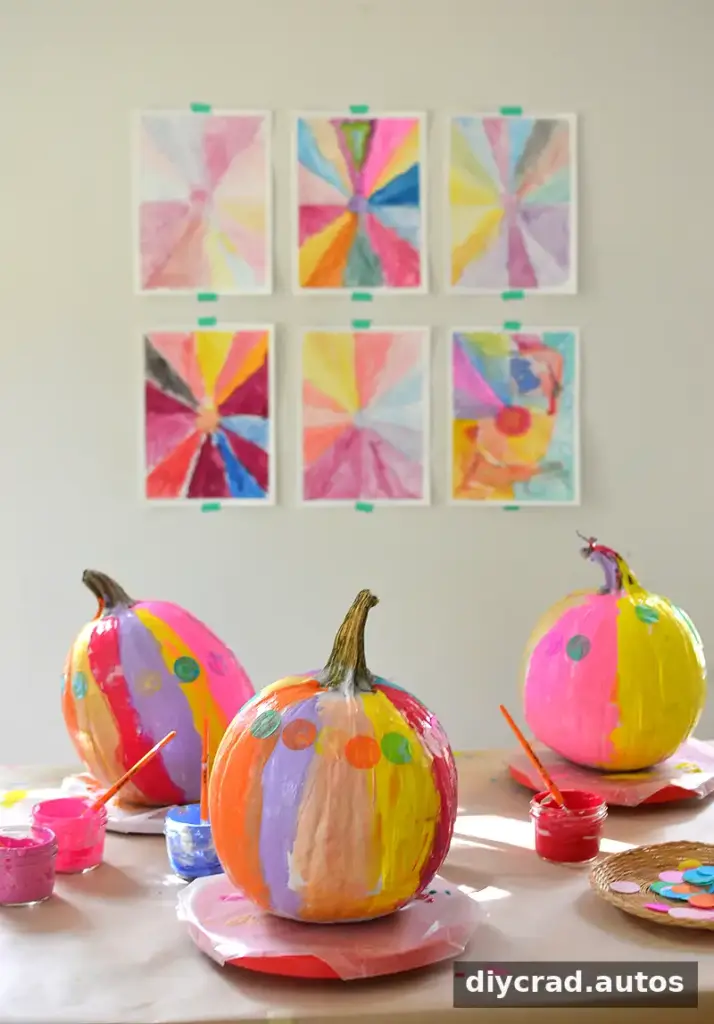
Pumpkins provide a smooth, rounded surface that children can explore with brushes and paint. Because the orange surface can affect how colors look, test a small area first if a brighter result is important. Protect the table, keep the pumpkin steady, and allow enough drying time before moving it.
9. Collaborative painting on a table
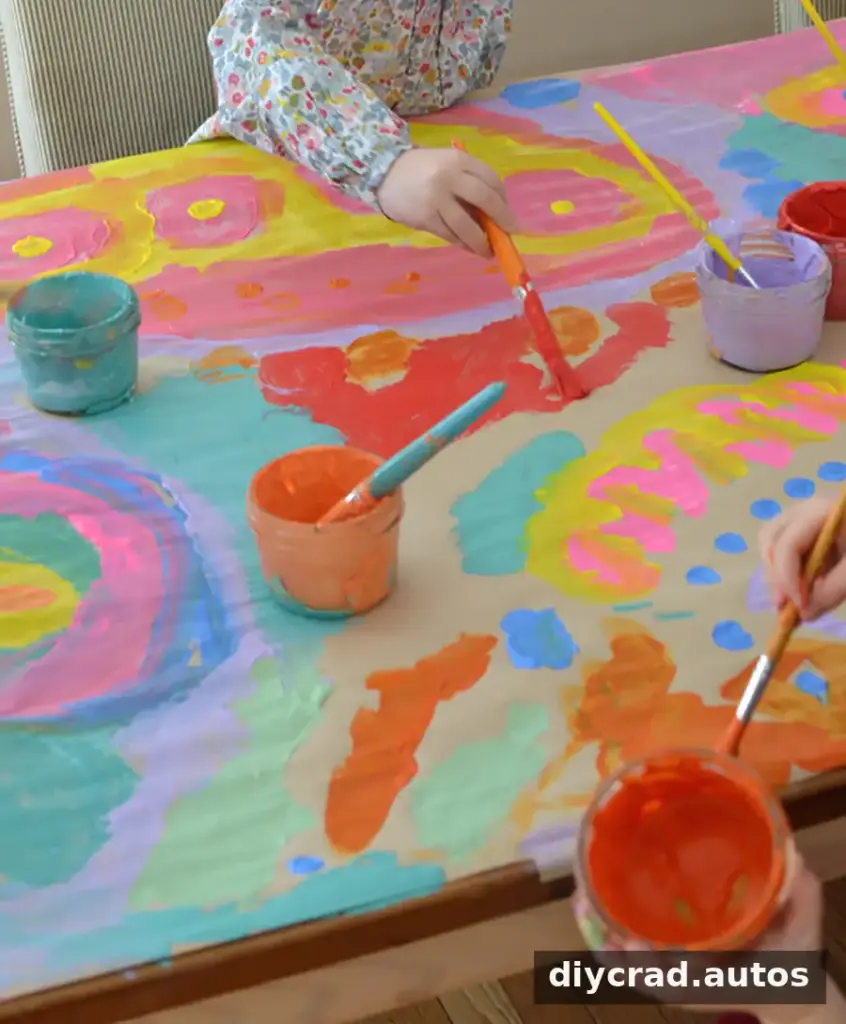
Cover a table with large sheets of paper and place shared paint containers where everyone can reach them safely. A simple starting suggestion can help children begin, while leaving the choices of colors, marks, and placement open. For a smoother group activity, use washable paint, provide enough brushes, and agree on a clear workspace boundary.
10. Collaborative painted branch
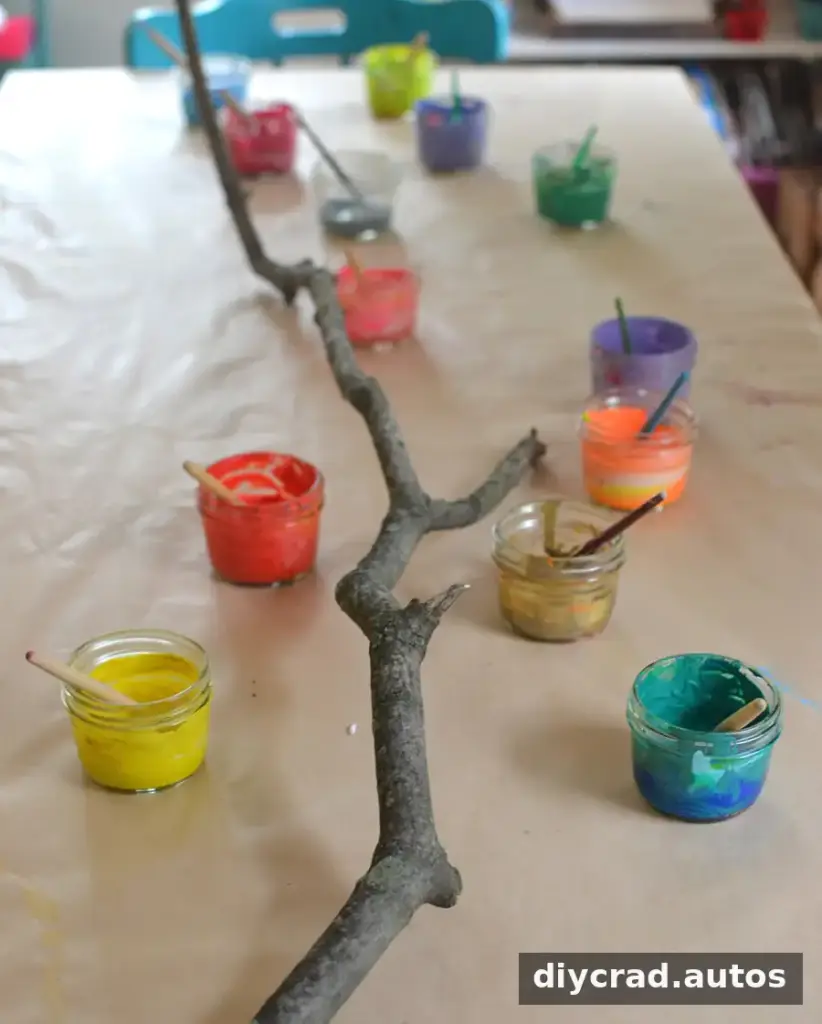
A fallen branch can become a shared surface for painting in any season. Check it for dirt, sharp ends, and loose bark before bringing it indoors, then secure it so it does not roll while children work. For a paint-free adaptation, provide glue and suitable collage materials, with oil pastels or tempera sticks for extra color.
Getting started with seasonal process art
For an easy first session, choose one idea, prepare a few materials, and let children decide how to use them. Keep tools and small items appropriate for the children’s ages, supervise closely, and make cleanup part of the plan. The best fall and winter process art invitations balance an inviting selection of materials with room for children to experiment without needing to copy a sample.
—Bar
More open-ended material ideas:
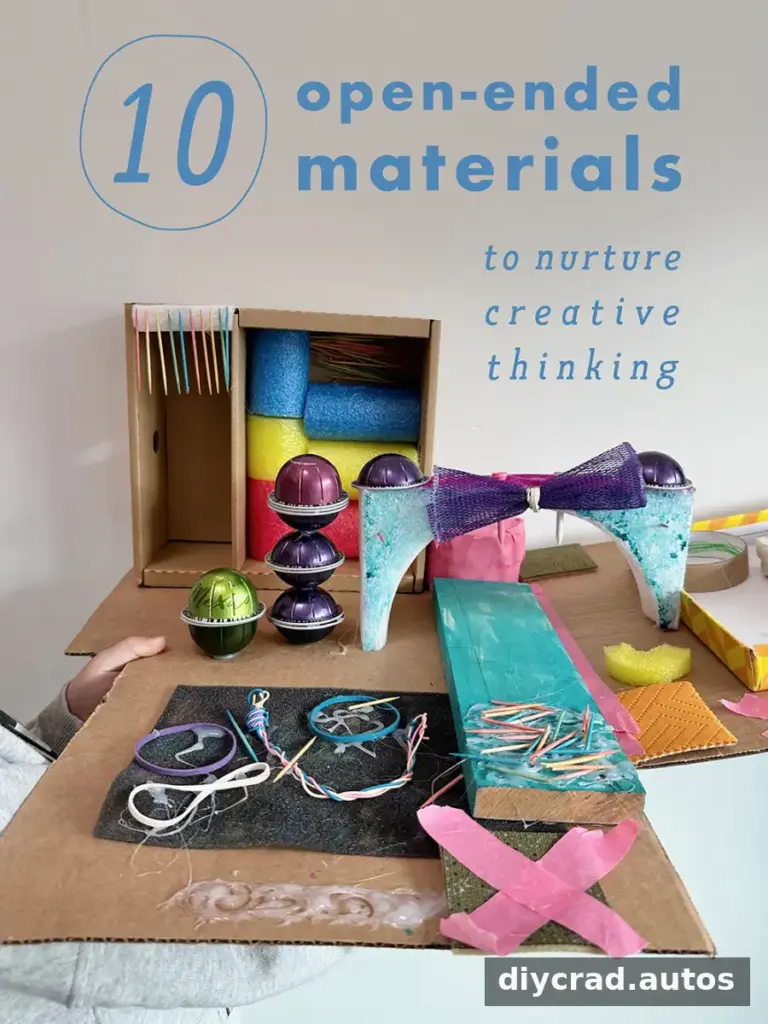
10 Open-Ended Materials
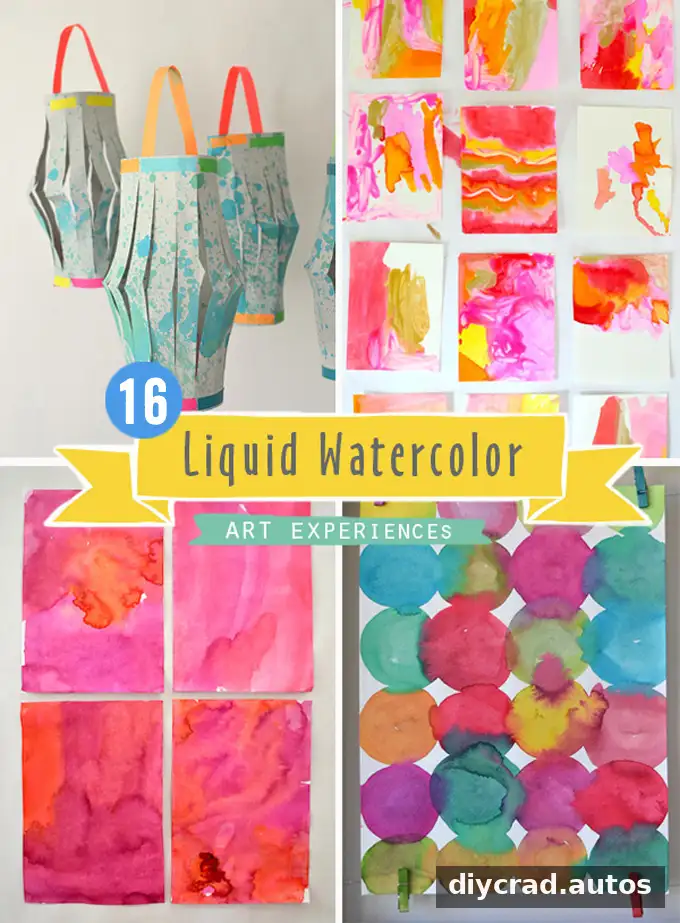
16 Liquid Watercolor Experiences

