

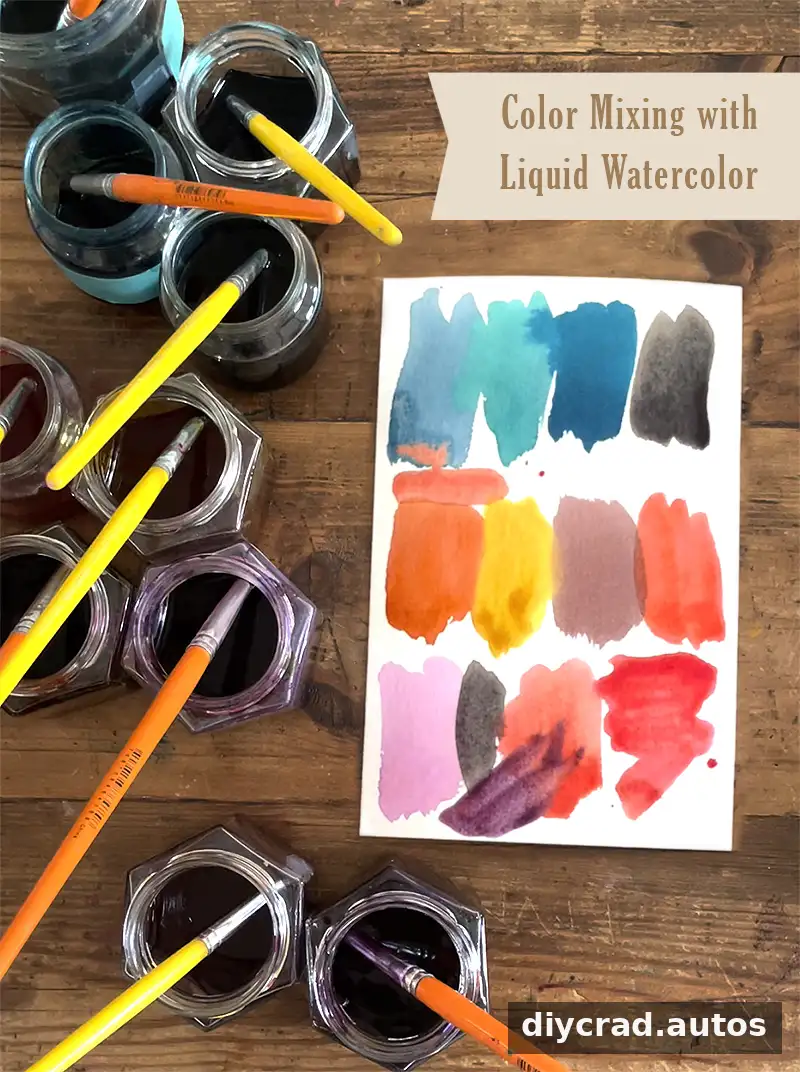
Color mixing with liquid watercolor can take patience because the pigments are concentrated and often look dark in the bottle. A small amount can produce a strong color, so it helps to work gradually, dilute with water, and test each mixture on watercolor paper before making a larger batch. The process is exploratory rather than exact, but a few color-wheel principles make it easier to create useful shades.
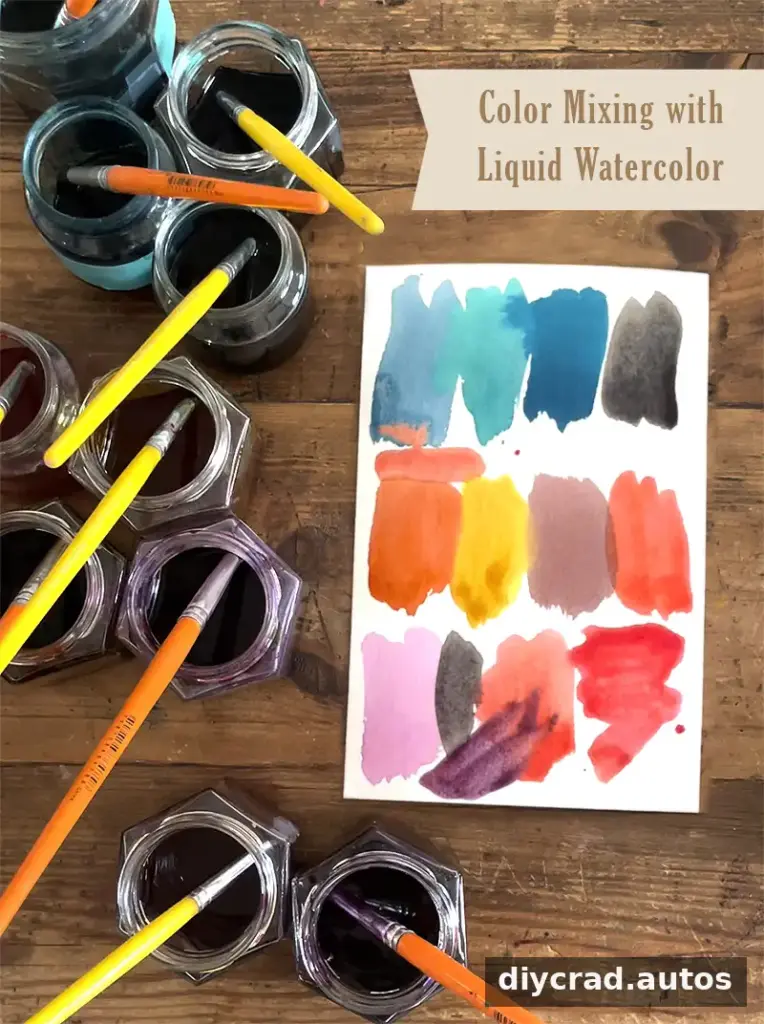
Tips for Using Liquid Watercolor
Liquid watercolor is available in many colors and levels of concentration. A set of basic colors is enough to mix a wide range of shades; red, blue, yellow, green, purple, pink, and black are a practical starting selection. An 8-ounce bottle can be convenient for frequent use, while smaller quantities may suit occasional projects.
- Pour carefully: Some bottles can drip or leak around the spout. Removing the cap and pouring slowly into a mixing container can make it easier to control the amount.
- Dilute a little at a time: Keep clean water nearby. Add it in small amounts to adjust the depth of the color without accidentally making the mixture too pale.
- Use tightly sealing containers: Jars can work well for storing mixed colors, provided their lids fit securely. Label each container so similar-looking mixtures are easy to distinguish.
- Make a swatch card: Paint each finished mixture onto watercolor paper and let it dry. Attach a small piece to the matching jar; dried swatches show the color more reliably than looking through a container.
- Keep brushes separate when possible: Use a clean brush for each color during a project. Moving one brush between jars can contaminate the mixtures, and strong liquid watercolor may be less forgiving of this than tempera.
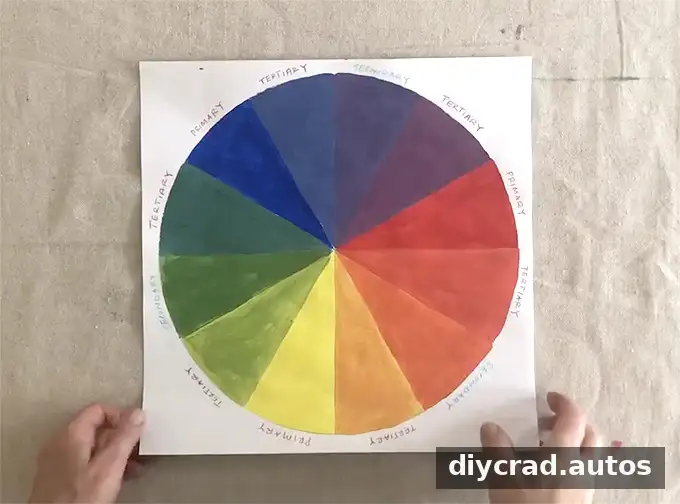
Color Mixing with Liquid Watercolor and the Color Wheel
The three primary colors are red, yellow, and blue. Mixing two primaries creates a secondary color: red and yellow make orange, blue and yellow make green, and blue and red make purple. Tertiary colors come from combining a primary with a neighboring secondary color. Examples include periwinkle, lime green, and magenta.
Liquid watercolor does not include white as a mixing color in this method, so water is used to lighten a shade. Complementary colors sit opposite one another on the color wheel: red and green, purple and yellow, and orange and blue. Adding a very small amount of a complementary color can mute a mixture and give it a more nuanced appearance. Begin with a drop, test the result, and add more only if needed.
Watching the Mixing Process
The video demonstrates several mixtures and shows why it is useful to test colors as you work. Some combinations can turn out differently than expected because concentrated pigments vary in strength. The process can be adapted to greens and other shades: start with a small amount, add color in increments, and keep notes or swatches of successful recipes.
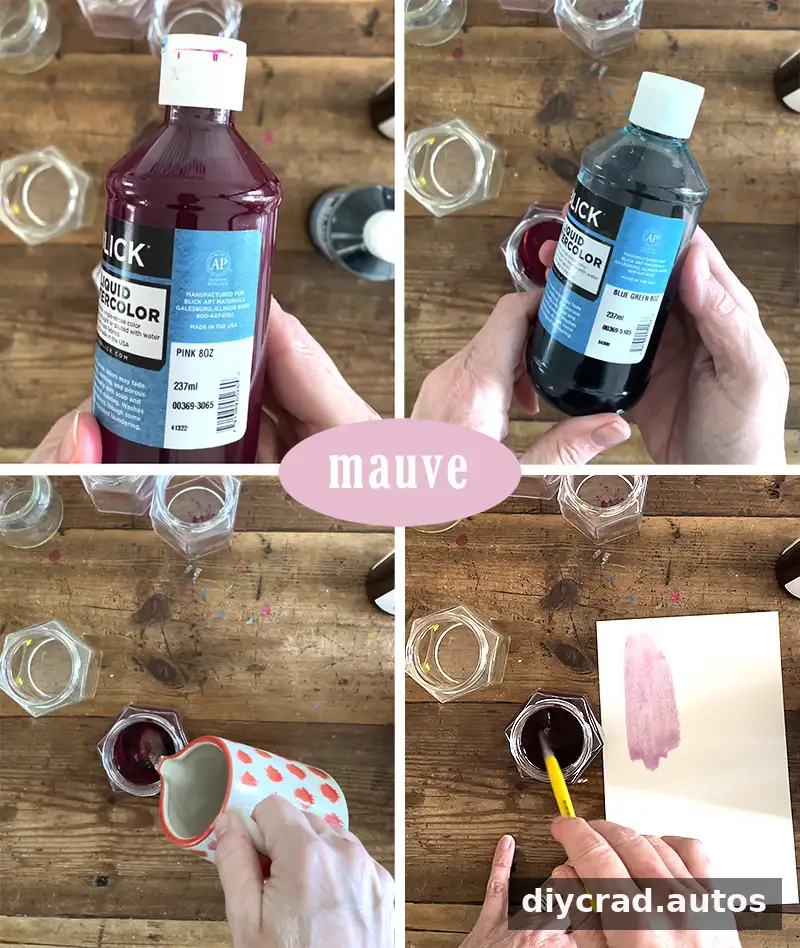
How to Mix Mauve
Mauve is a light pink-purple. Begin with pink and add water, then introduce a small amount of blue-green. The green component can help soften the purple because green is complementary to red, one of purple’s component colors. If the mixture becomes too cool or too dark, adjust it with more pink or water. Another possible starting combination is pink and purple with a tiny amount of yellow to mute the hue.
How to Mix Maize
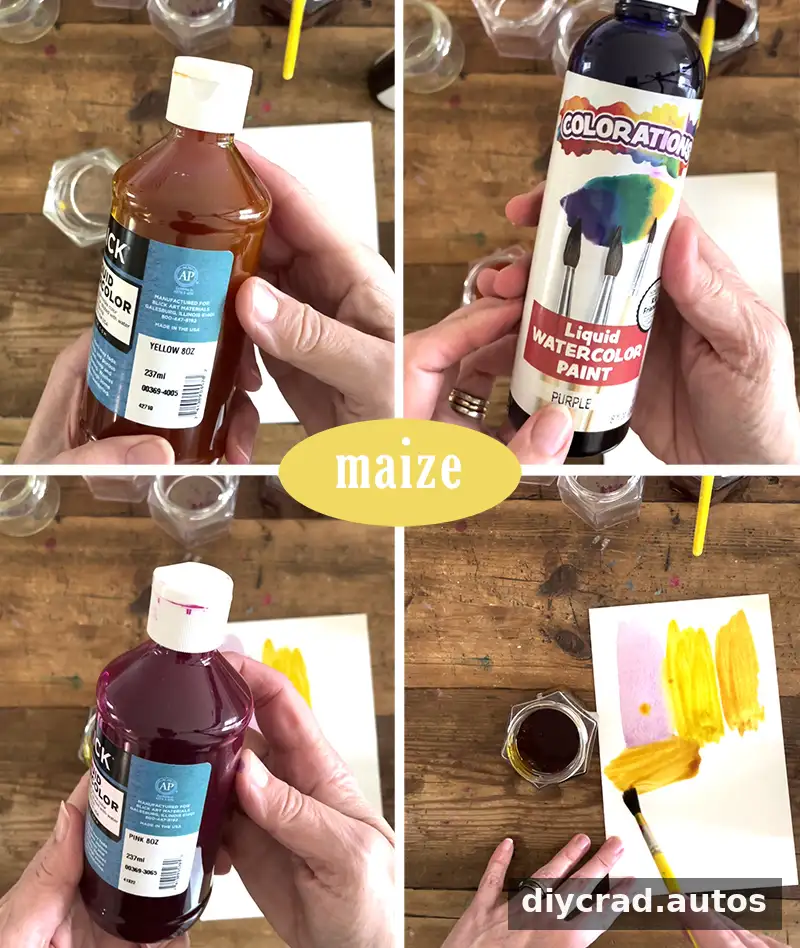
To make maize, begin with yellow and add a small amount of purple to mute it. A little pink can warm the mixture, while water adjusts its strength. Since yellow can be easily overpowered, add the purple and pink in very small increments and test the color between additions.
How to Mix Denim Blue
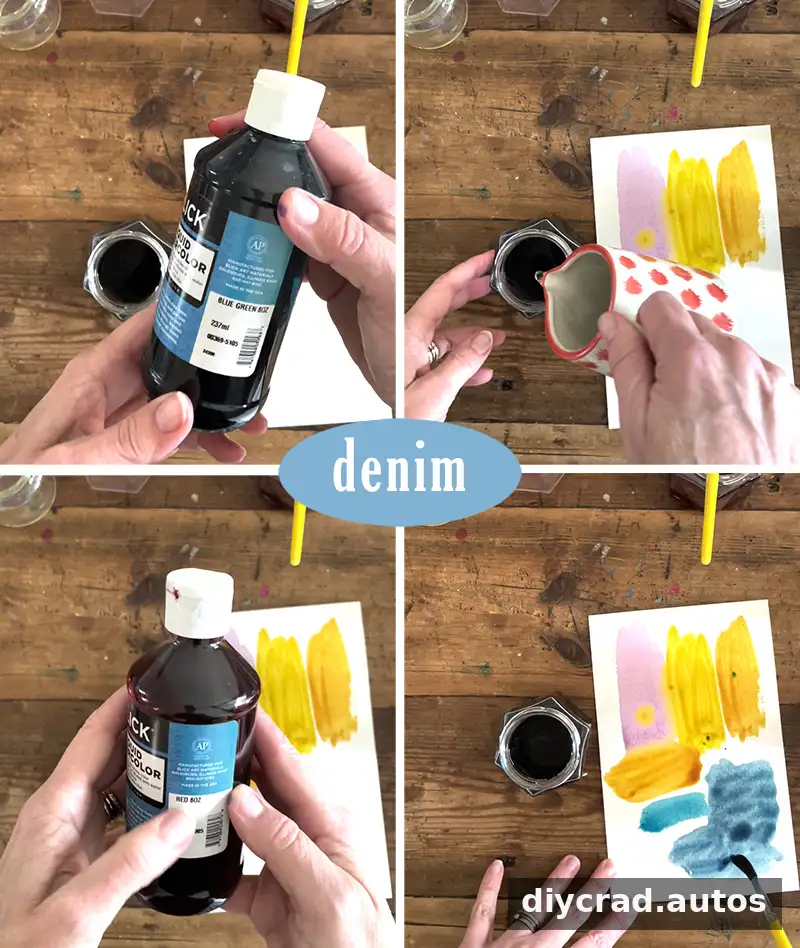
For a muted, slightly warm denim blue, start with blue-green and dilute it with water. Add a small amount of red, the complement of green, to soften the color. The same base can be adjusted in different directions: green moves it toward teal, yellow toward turquoise, and red mutes it. Adding orange can shift the mixture toward brown, so use only a little if that is not the intended result.
How to Mix Papaya
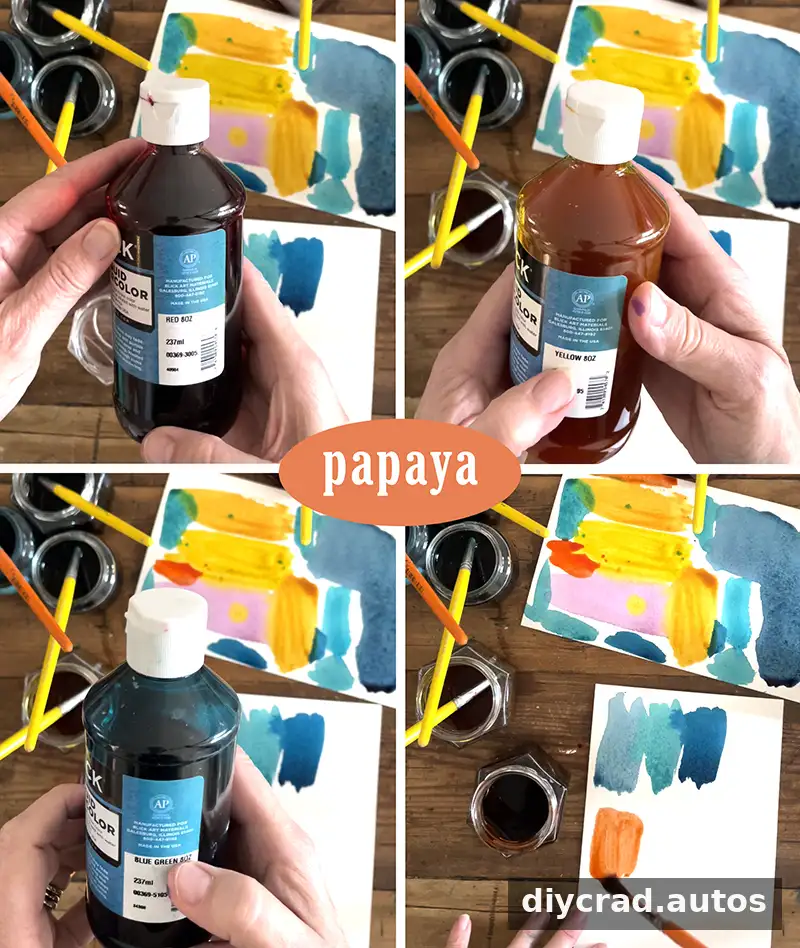
Papaya is a softened reddish orange. Combine red with a little yellow and water, then check the swatch. If the color is too bright, add a small amount of blue-green and more water as needed. Blue is the complement of orange, while the green in blue-green can also affect the red component, so add it gradually and assess the result after each addition.
How to Mix Eggplant
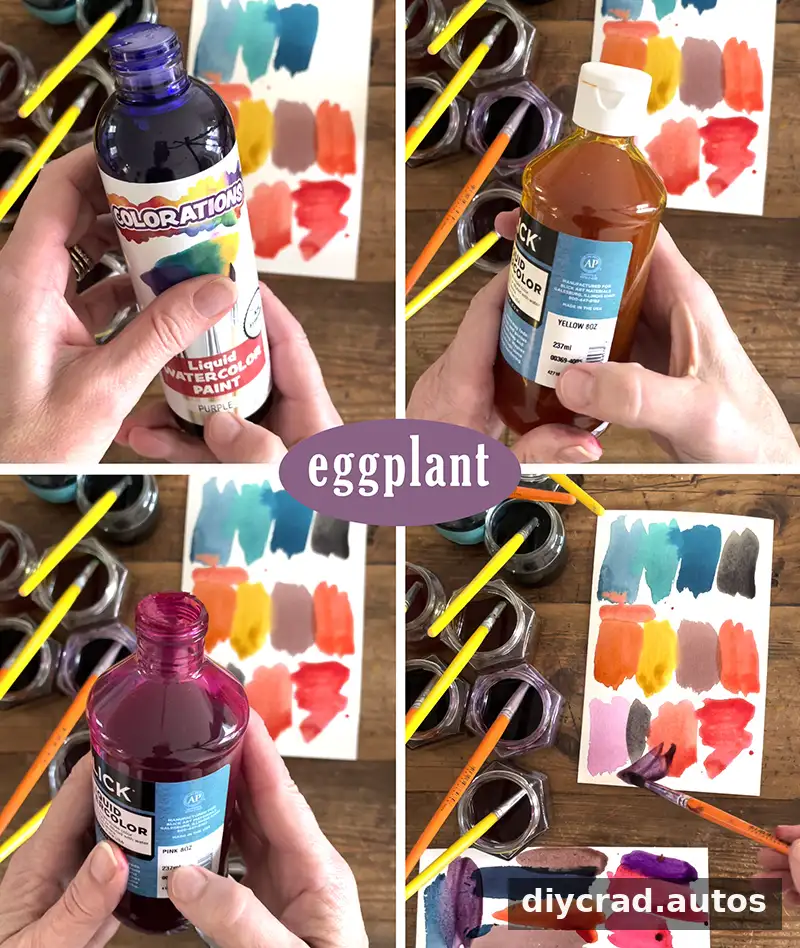
To make a muted purple, combine purple with a small amount of yellow. Strong pigments can make this mixture turn gray or charcoal rather than the expected shade. If that happens, add more purple and a little pink in small steps until the color moves toward eggplant. Testing on paper is especially useful when working with complementary colors.
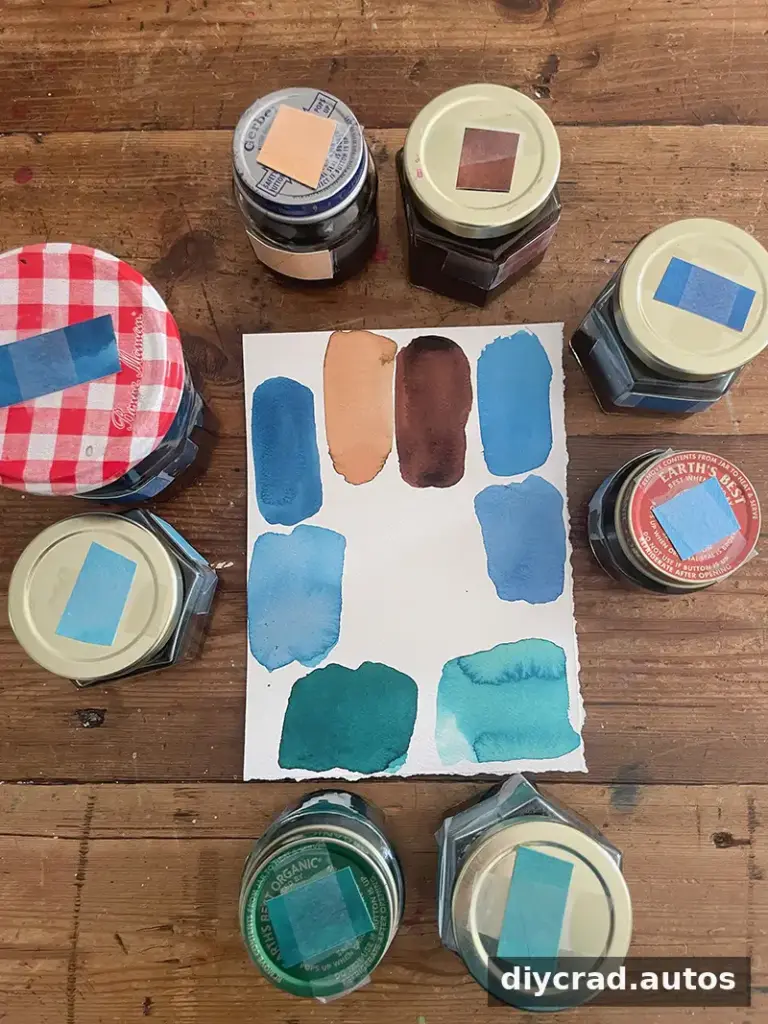
Mixing Browns, Blues, and Teals
Browns can be made by mixing the three primary colors, or by combining secondary colors. Adjust the result with more red for a warmer reddish brown or more blue for a cooler brown. Add water to make a lighter version. Blues and teals can likewise be varied by adding small amounts of green, yellow, red, or complementary colors, then recording successful combinations on a swatch card.
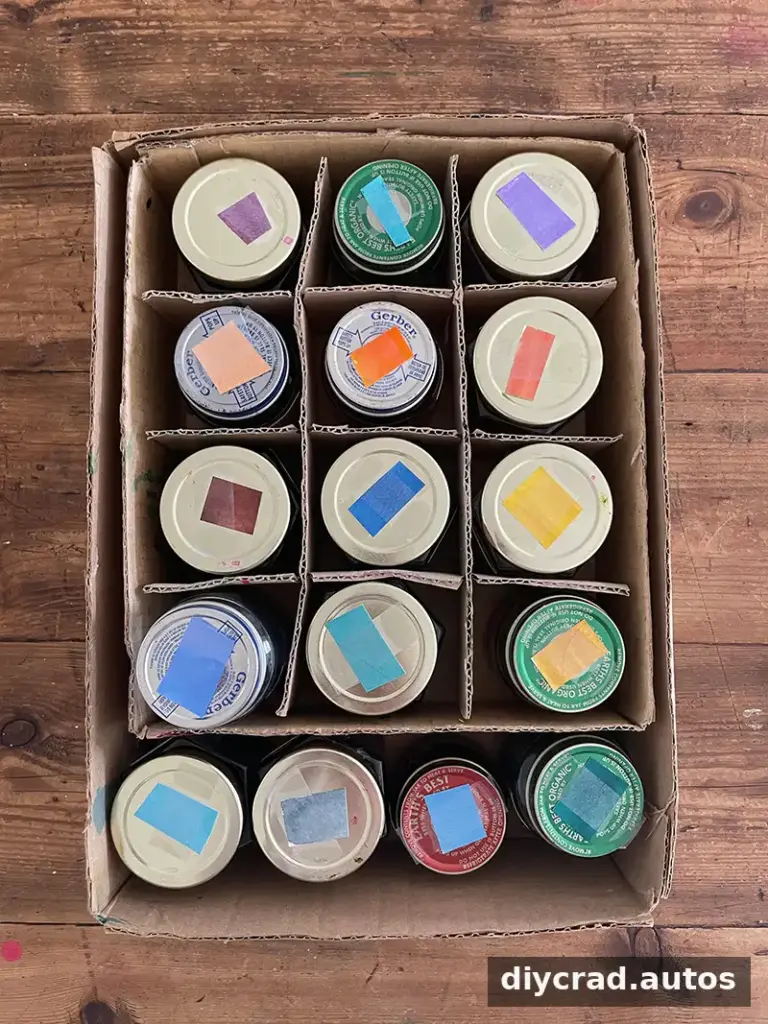
Storing Mixed Liquid Watercolor
Keep jars together in a stable box or tray so they are easier to move and less likely to tip. A divided container helps keep jars upright; a sturdy shallow box can also serve as a tray. Close every lid tightly after use. Stored mixtures may remain usable for many months, depending on how often they are opened and the storage conditions.
Make the Most of Unexpected Colors
Color mixing involves trial and error, and an unexpected result can still be useful. Rather than discarding a mixture that is too bright or too strong, try using a small amount as a base to mute another color. You can also transfer some to a separate jar and continue adjusting it. Working in small batches reduces waste and makes it easier to repeat a successful shade.
— Bar
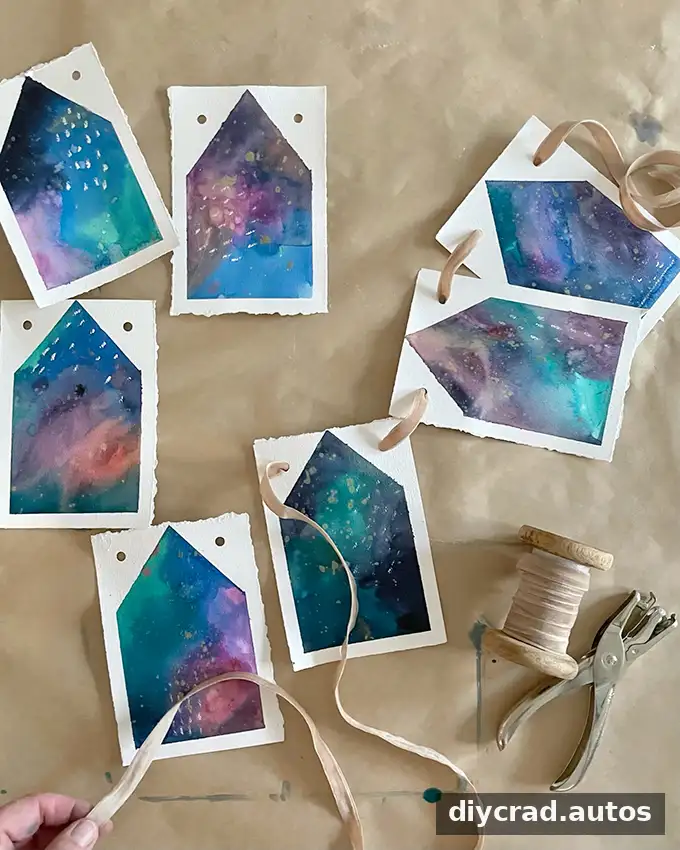
Watercolor House Garland
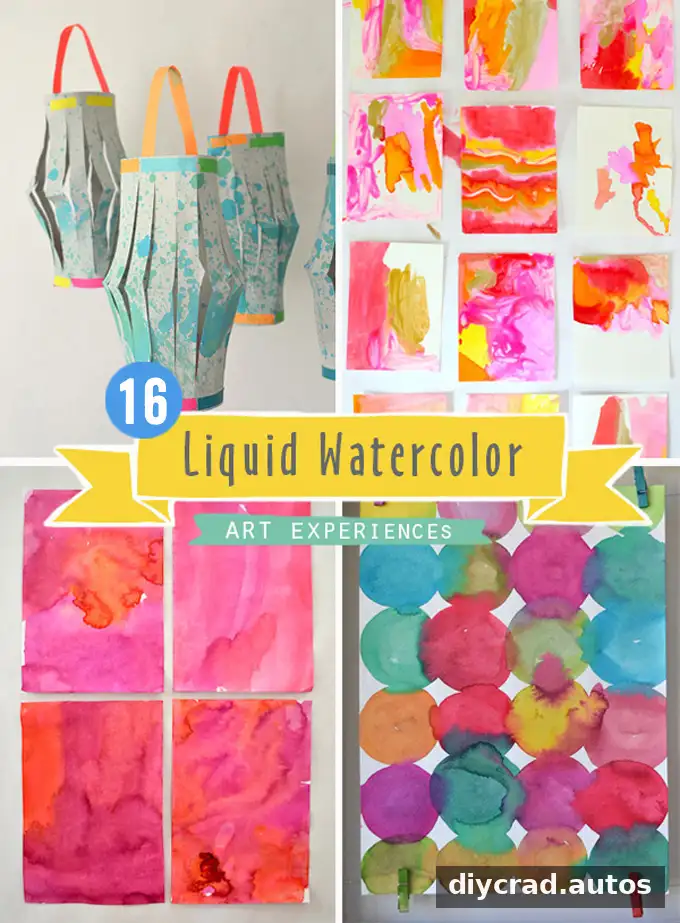
16 Liquid Watercolor Art Ideas
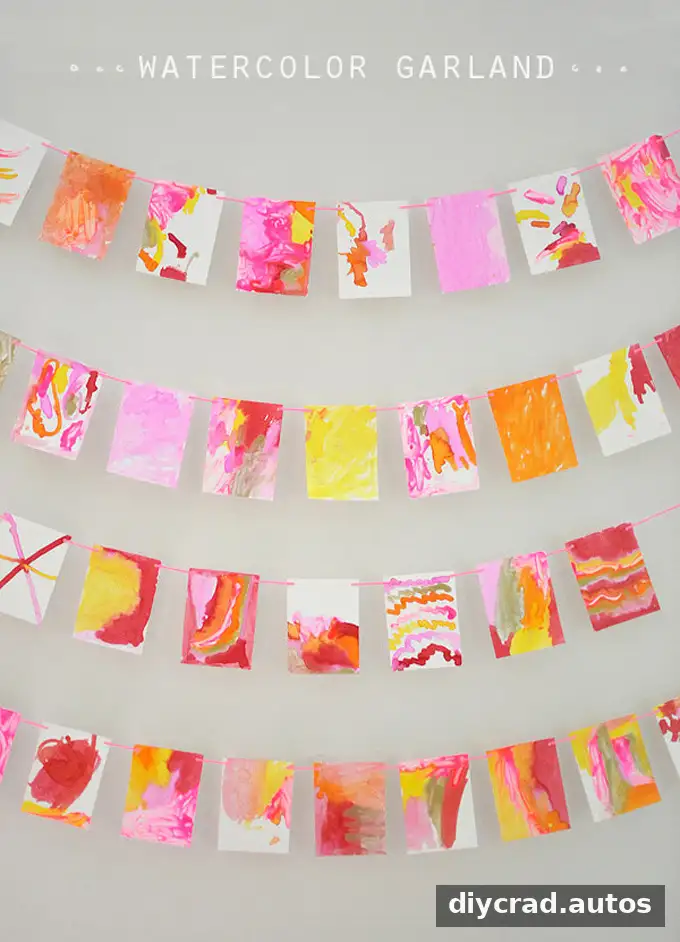
Watercolor Garland Painted with Q-tips

