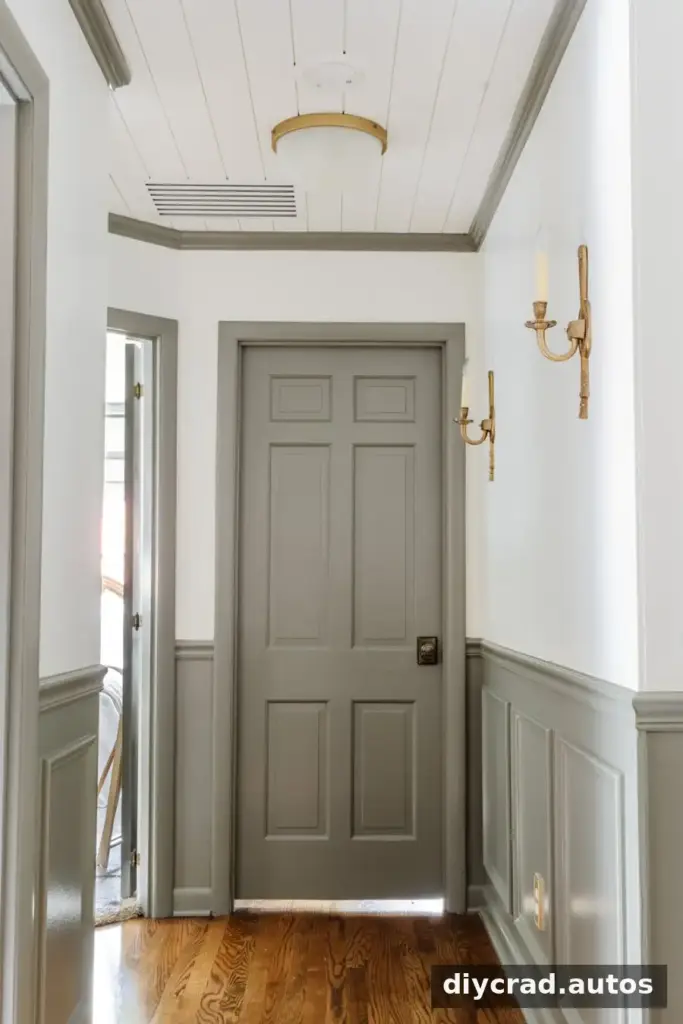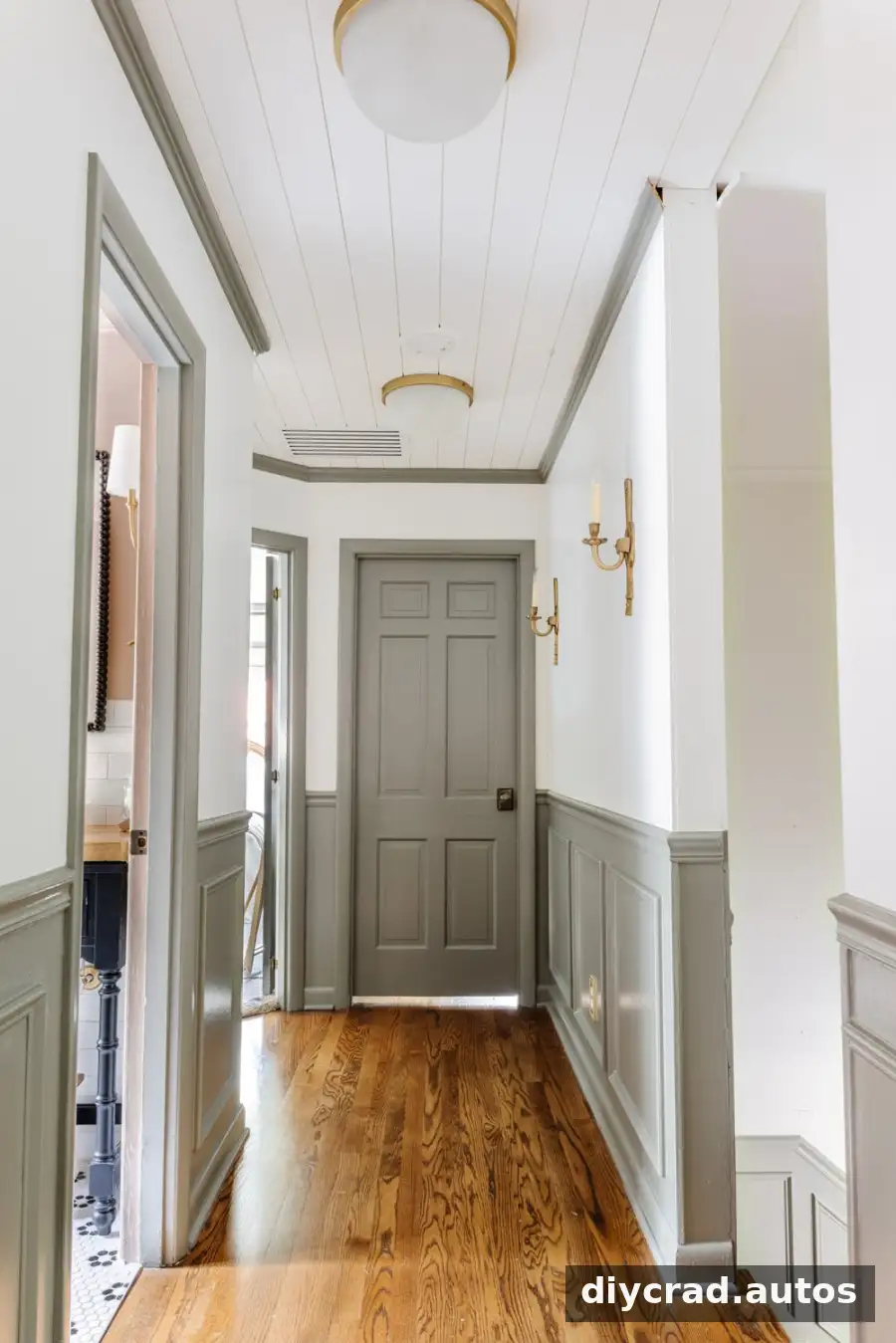
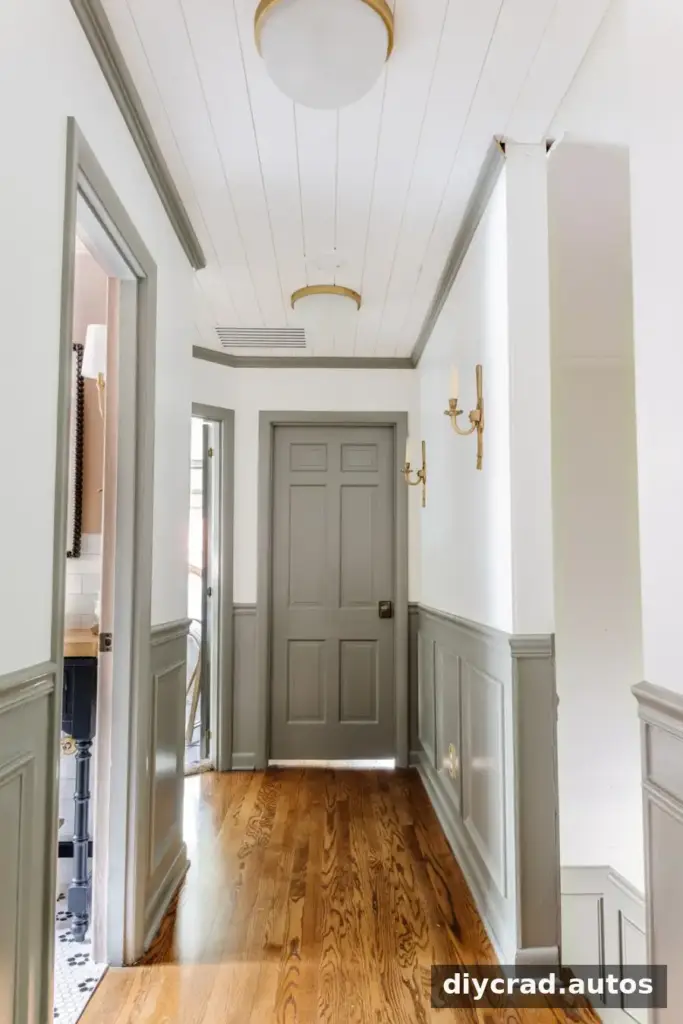
A freshly painted door can look renewed but become frustrating to use if it catches on the frame or makes a popping sound when opened. If you need to fix a sticking painted door, first identify where it is binding. Paint friction may respond to a suitable lubricant, but a door that rubs because of loose hinges, misalignment, or excess paint may need a different repair.
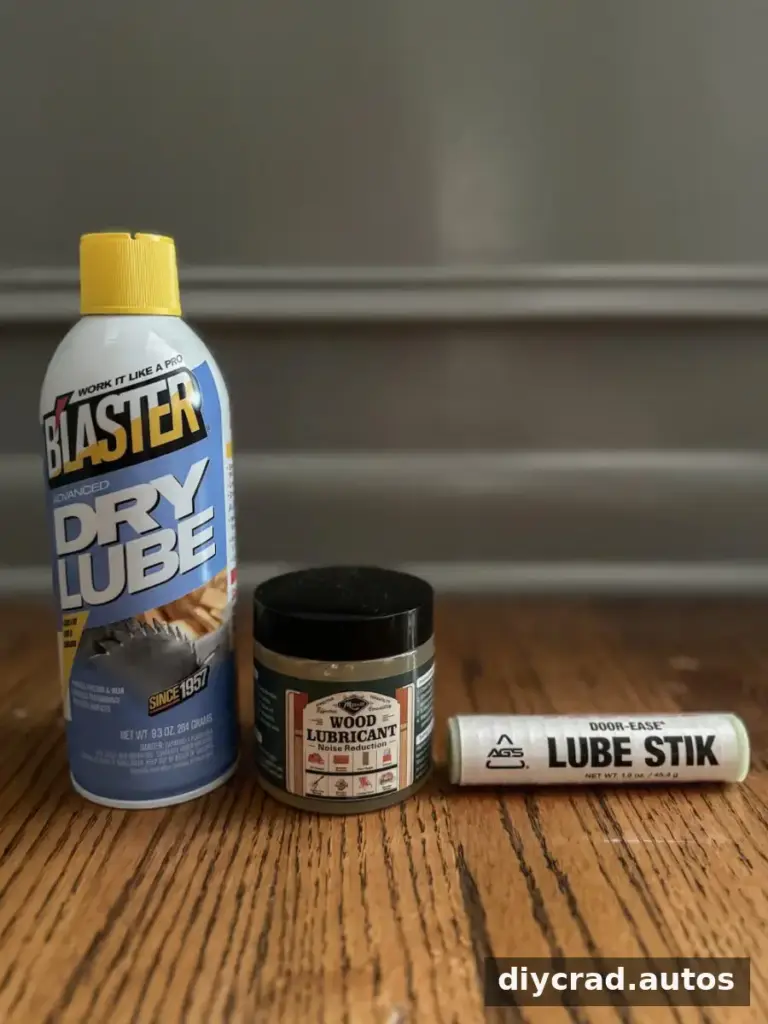
In one comparison, three types of door lubricant were applied to separate doors that were sticking after painting. The results offer a useful starting point, though the right choice depends on the cause of the problem and the product’s instructions.
How to Fix a Sticking Painted Door
Before applying anything, open and close the door slowly and look for the contact point. Check the top, sides, and bottom edge, as well as the area where the door meets the jamb. A visible scrape or paint transfer can help pinpoint the spot. If the door is rubbing because it has shifted or a hinge is loose, lubricant may not solve the underlying issue.
For a minor sticking problem, apply only a small amount of lubricant to the contact area and follow the label. Protect nearby flooring and surfaces from drips or overspray, ventilate the room when directed, and test the product on an inconspicuous spot. These steps help limit residue and avoid surprises on freshly painted surfaces.
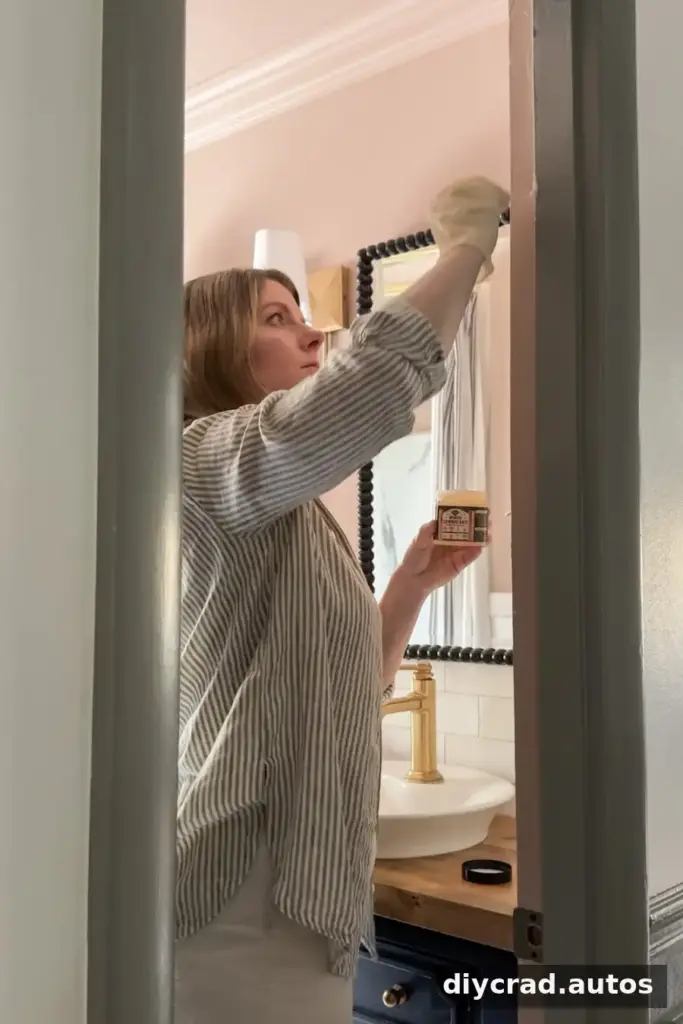
Third Place: Brush-On Wood Lubricant
Application: Brush-on
Reported advantages: Helped reduce sticking
Reported drawbacks: Thick, messy, and time-consuming to apply
The brush-on lubricant stopped the tested door from sticking, but its thick consistency made the application feel more like painting the frame than carrying out a quick repair. It may be an option when you have time to apply it carefully, but protect the surrounding area and avoid using more than needed. A heavy coating can make cleanup harder.
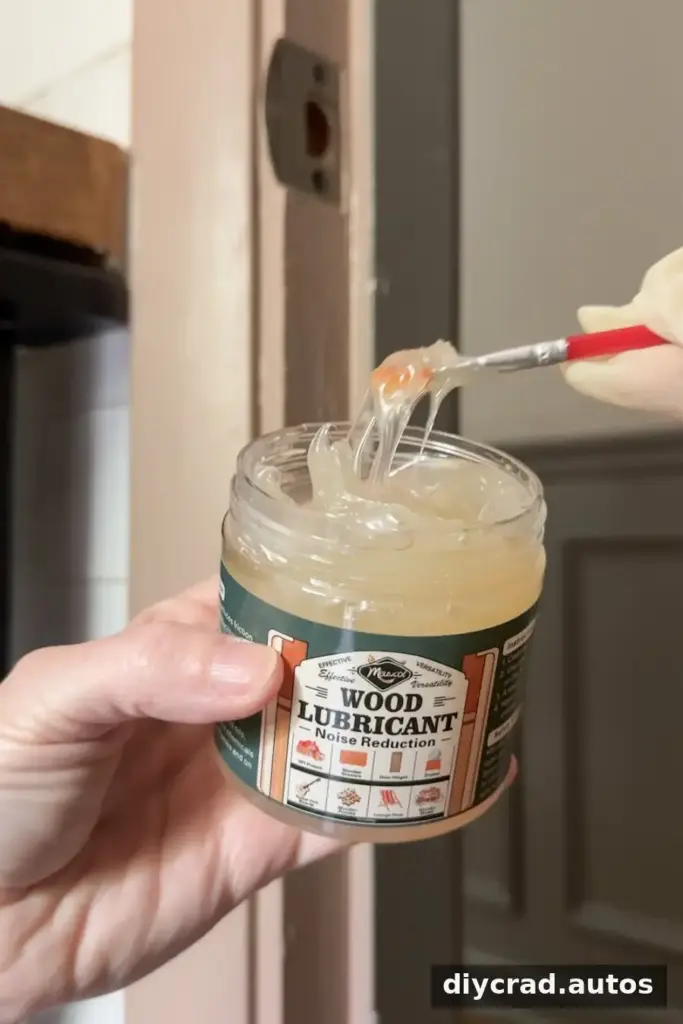
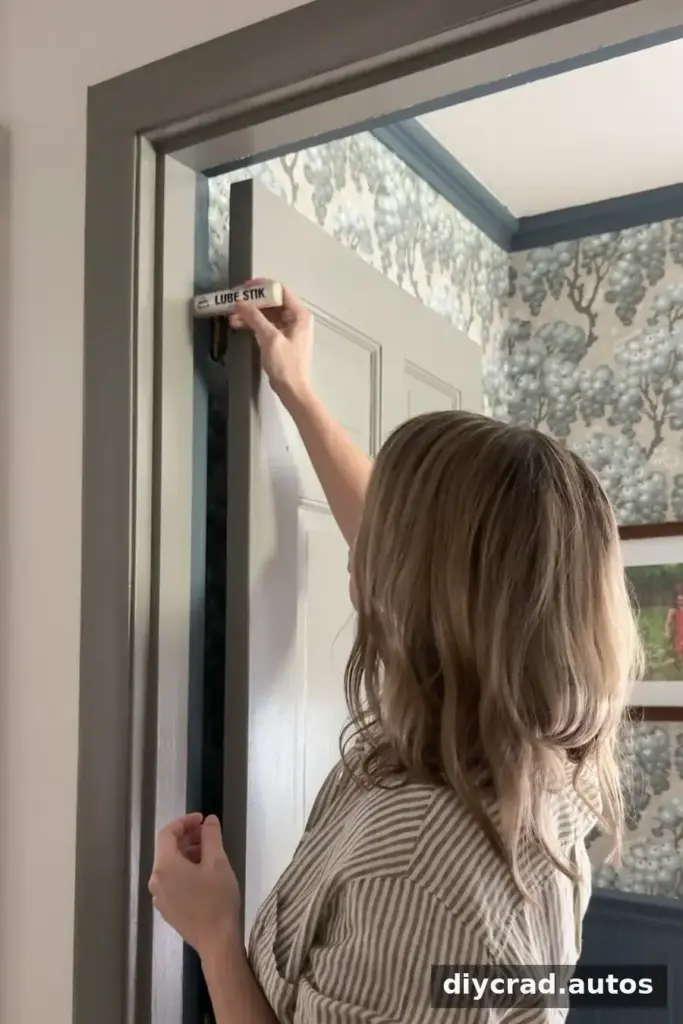
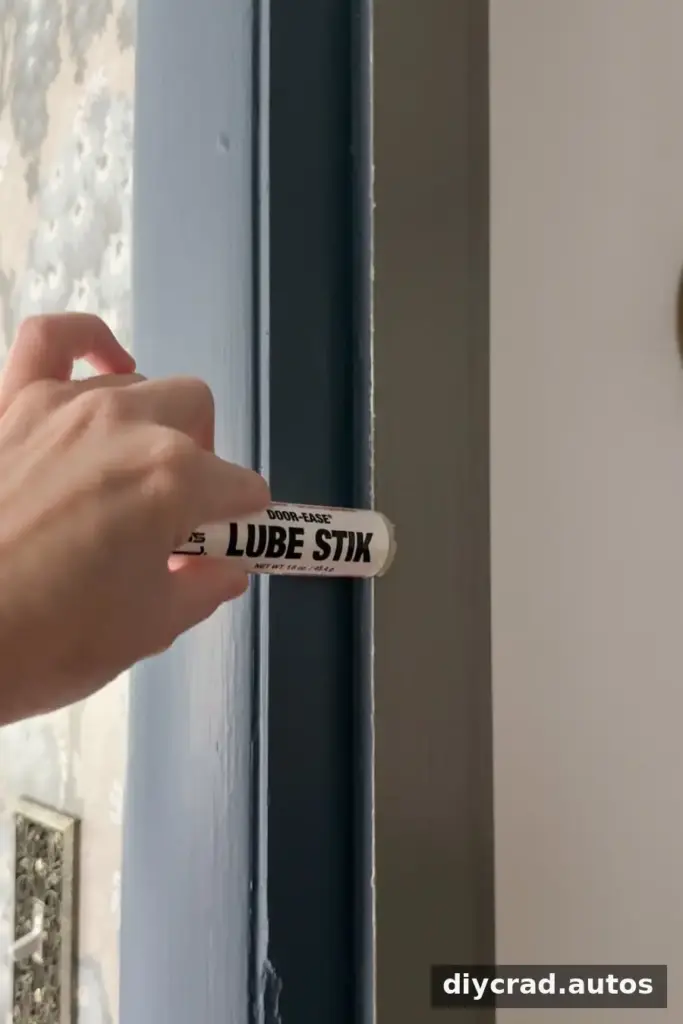
Second Place: Wax Lubricant Stick
Application: Rub-on stick
Reported advantages: Less messy than the brush-on option
Reported drawbacks: Uneven application and extra effort
A wax stick is applied directly to the frame, making it easier to control than a liquid or spray in some situations. In the comparison, however, it took effort to distribute the wax evenly and the process was slower than expected. Use light, even strokes and check the door as you go so you do not leave an unnecessarily heavy coating.
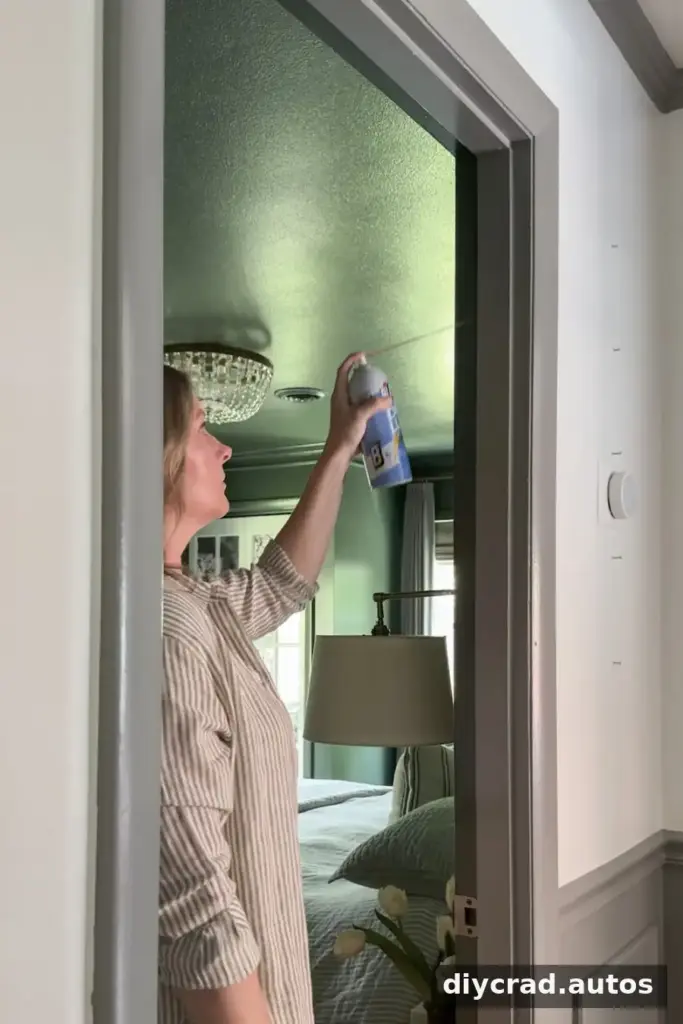
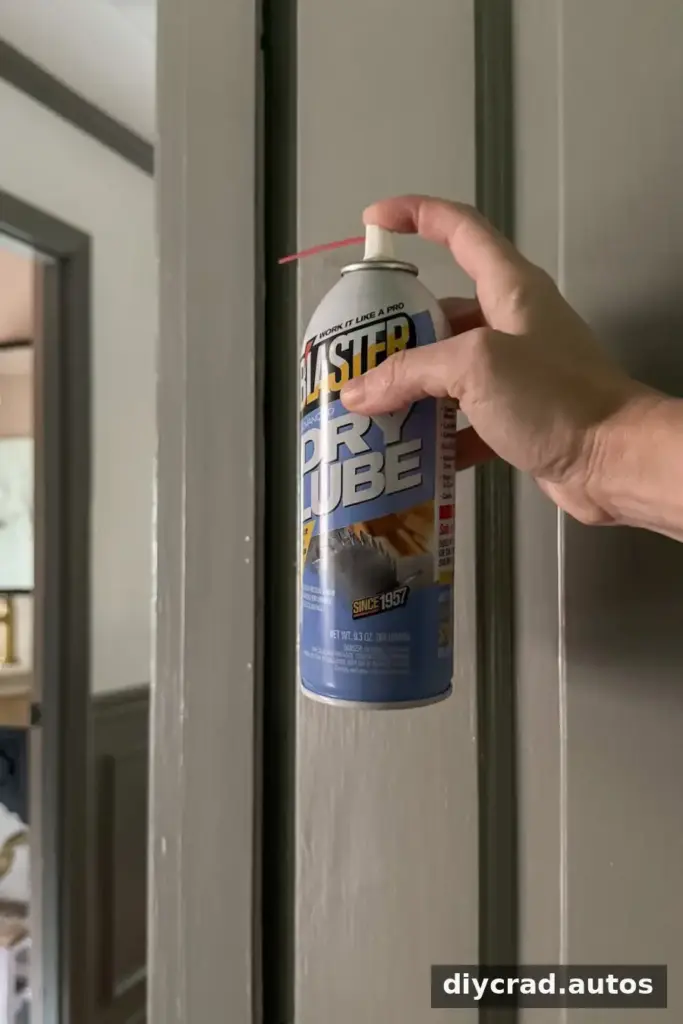
First Place: Dry Lubricant Spray
Application: Spray-on
Reported advantages: Quick to apply, effective in the test, and dried without visible mess
Reported drawbacks: Temporary odor during application
The dry lubricant spray was the quickest option in this comparison. It was applied along the edge where the door met the jamb, and the tested door stopped sticking. The spray came out wet and had a noticeable smell that lasted about 30 minutes, so ventilation is sensible. Follow the label, keep the spray away from areas that should not be coated, and allow it to dry before judging the result.
Check the Cause Before You Apply Lubricant
Lubricant is most useful when friction between the door and frame is the issue. If the door still catches after treatment, inspect the hinges and look for signs that the door is out of alignment. Also check whether a thick paint edge is creating the contact. Avoid sanding or scraping until you have identified the exact spot, and take care not to damage the painted finish or surrounding wood.
- Work out where the door binds before applying a product.
- Use a small amount and follow the product’s directions.
- Protect nearby surfaces and provide ventilation when needed.
- If the door remains difficult to operate, investigate alignment or paint buildup rather than repeatedly adding lubricant.
Final Verdict: Fix a Sticking Painted Door
For a door that catches lightly against its jamb, the comparison found the dry lubricant spray fastest and least messy, while the wax stick offered a less messy but slower alternative. The brush-on lubricant also reduced sticking, though it was the most cumbersome to apply. These results are specific to the doors tested, so check product suitability and instructions before use.
To fix a sticking painted door effectively, locate the friction point first, choose an appropriate product, and apply it sparingly. If lubrication does not help, the cause may be a loose hinge, misalignment, or paint buildup that needs a more targeted repair.