

Thoughtful decorating is less about following every trend and more about making a room comfortable, functional, and personal. Many home decorating mistakes are easy to avoid once you know what to look for, from choosing paint in the wrong light to using furniture or rugs that do not suit the space. These practical tips can help you make better decisions before spending time and money on a room.
1. Choosing Paint Without Testing It
Paint can look very different on a wall than it does on a small sample card. Room size, natural light, existing finishes, and the color of your bulbs all affect how a shade appears. A color selected under a lamp in a different home may look unexpectedly dark or yellow once it covers your own walls.
- Shortlist a few shades using sample cards or inspiration images.
- Paint each sample on white foam board and place it against the wall.
- Look at the samples at different times of day and under both daylight and your usual evening lighting before deciding.
Testing first is especially useful for large rooms, where a color will cover a substantial area. Keep the samples in place long enough to see how they change with the light.
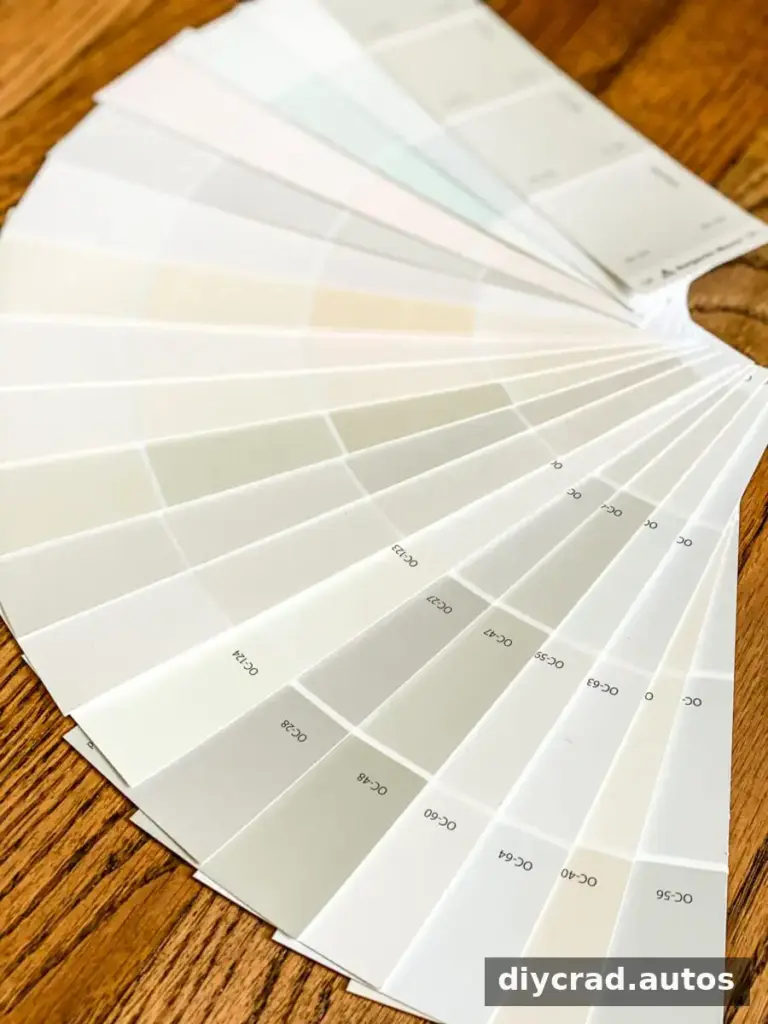
Choose the final shade based on how it looks in the room, not only on a screen or paint card.
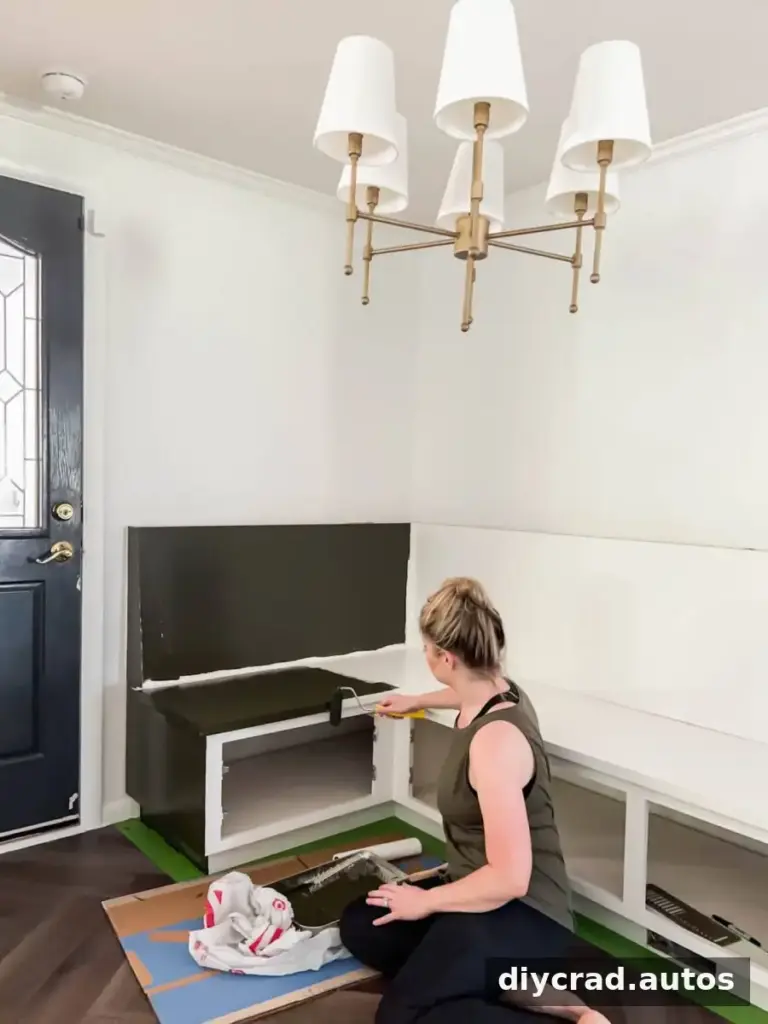
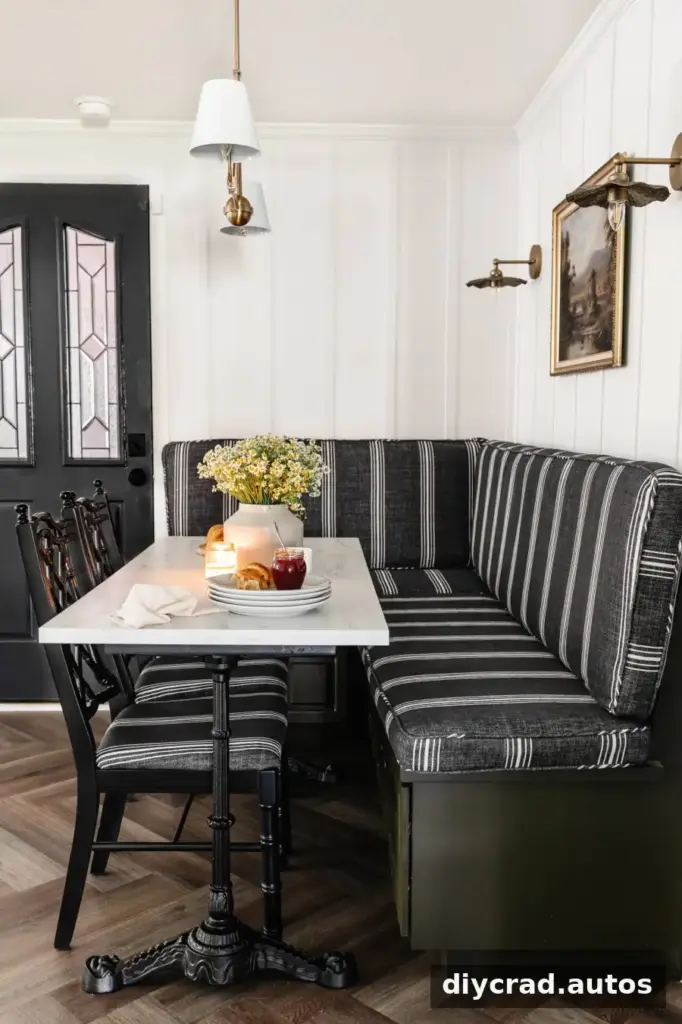
2. Using Too Many Small Accessories
Several decorative objects may look appealing individually but can make a surface feel busy when crowded together. On dressers, shelves, and tables, leave some open space and combine a small number of items with different heights and sizes. A simple arrangement is also easier to clean and update.
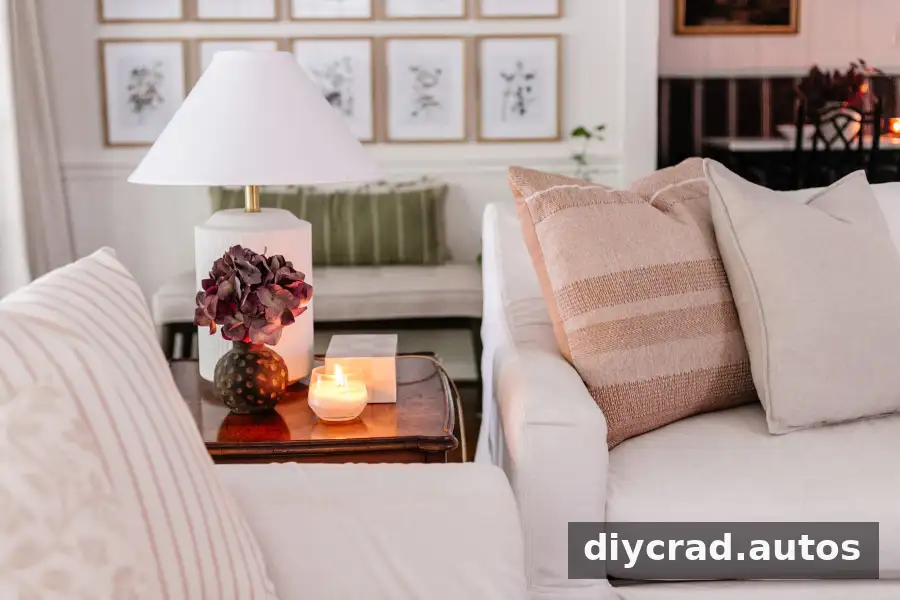
3. Leaving Plants Out of the Room
A room can feel unfinished when it lacks natural shapes and visual variety. Real plants add greenery and bring a living element into a space. If natural light, time, or plant-care experience is limited, a well-chosen artificial plant can provide a similar visual accent.
Before choosing a real plant, consider the available light and how much care it needs. Place plants where they will not obstruct walkways or become difficult to maintain.
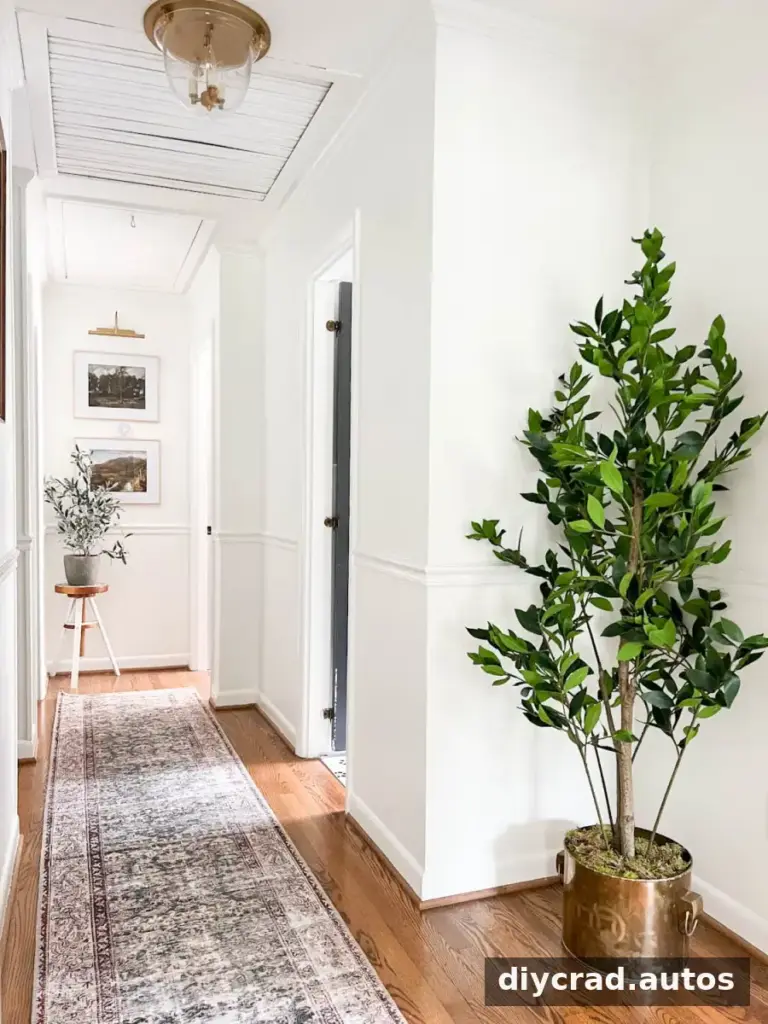
4. Filling Every Surface With Picture Frames
Family photographs can make a home feel personal, but covering an entire console or tabletop with frames may create visual clutter. Try grouping photos in a gallery wall or selecting one or two frames for a surface. Black-and-white prints in simple black frames can create a coordinated look while keeping meaningful images on display.
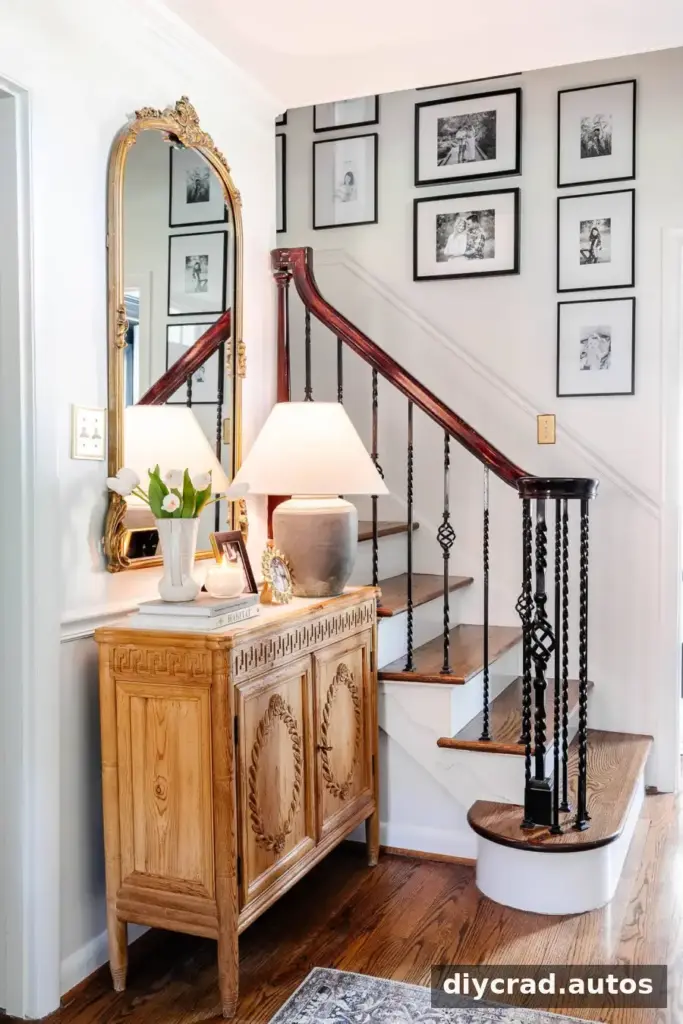
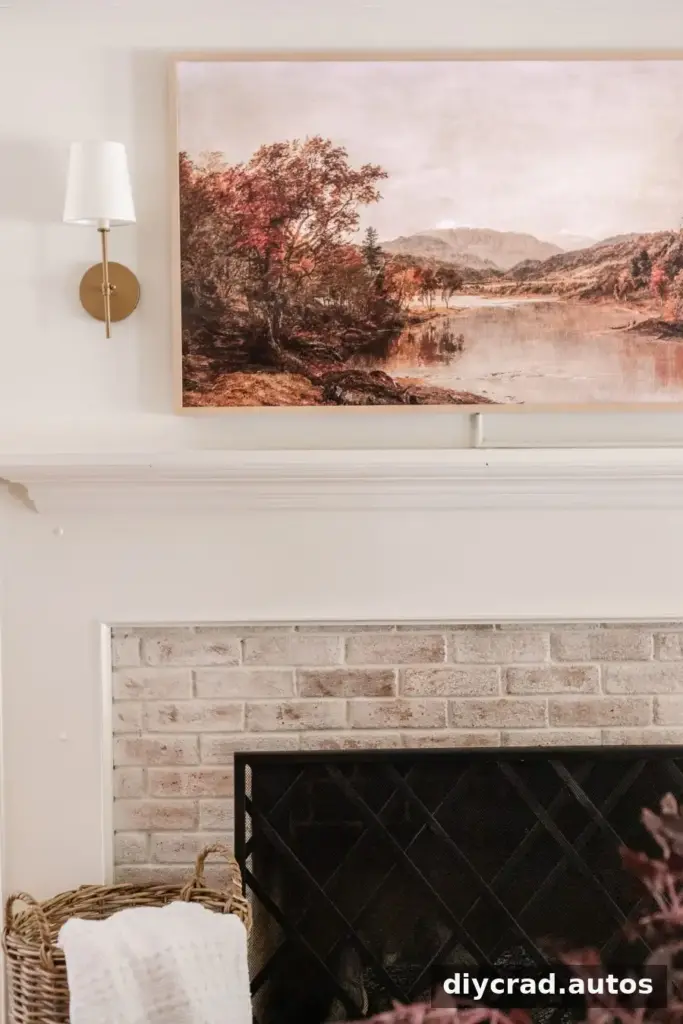
5. Leaving Cables and Cords Exposed
Visible cords can distract from an otherwise tidy room. Cord covers offer a straightforward way to conceal cables running along a wall. Choose a cover suitable for the cables and wall surface, secure it according to its instructions, and paint it to match the wall if the product allows it. Keep cords accessible where needed and avoid placing them where they could create a trip hazard.
6. Decorating Around Furniture You Dislike
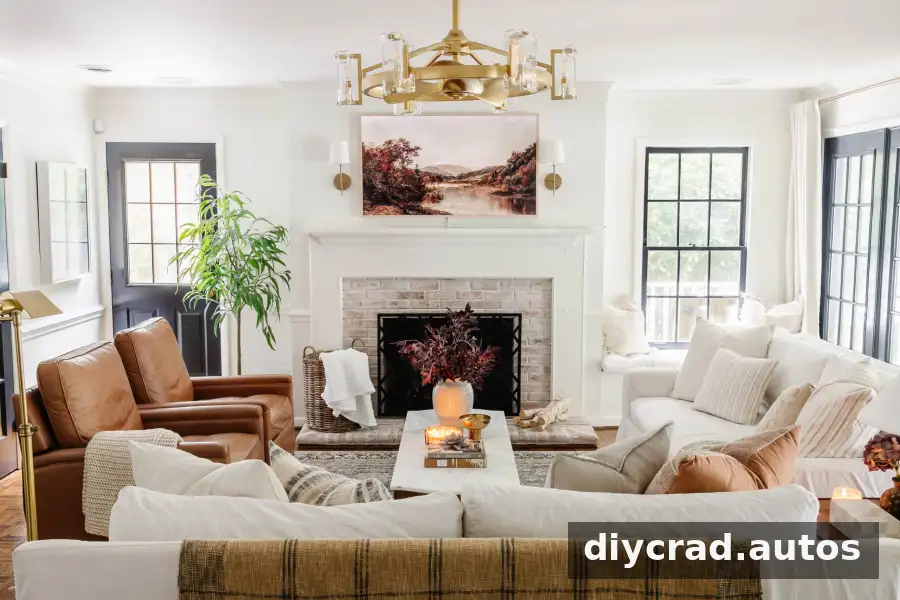
Trying to build a room around a piece of furniture you strongly dislike can make the whole space feel wrong. Consider whether the item is useful, comfortable, and worth keeping before planning the rest of the room around it. If it is not, secondhand shops, consignment stores, yard sales, and local resale groups can be places to look for an affordable replacement.
Measure the room and the potential replacement before buying. This helps ensure the new piece fits both the layout and the way you use the space.
7. Redecorating Before Decluttering
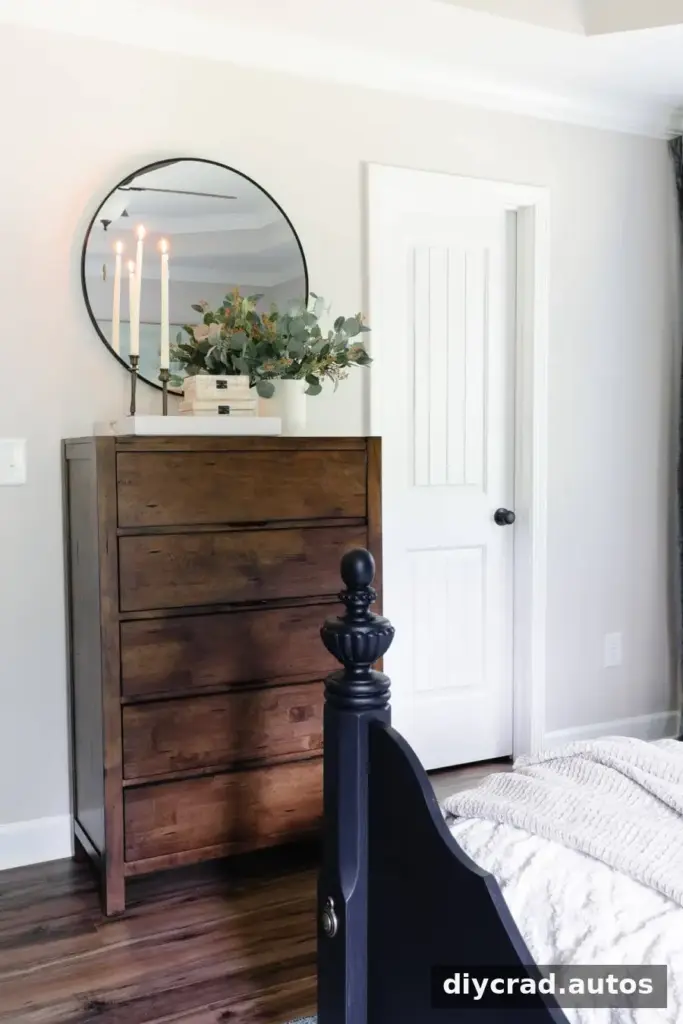
Clutter can make a room seem less functional and can hide the space you already have. Before choosing new decor, remove items that do not belong in the room, sort what remains, and decide how to store the things you use. Once the surfaces and floor are clearer, it is easier to see what the room actually needs.
Work one area at a time and set aside items to keep, donate, or discard. Organizing first can prevent you from buying storage or decorations that do not solve the real problem.
8. Keeping Too Much Furniture
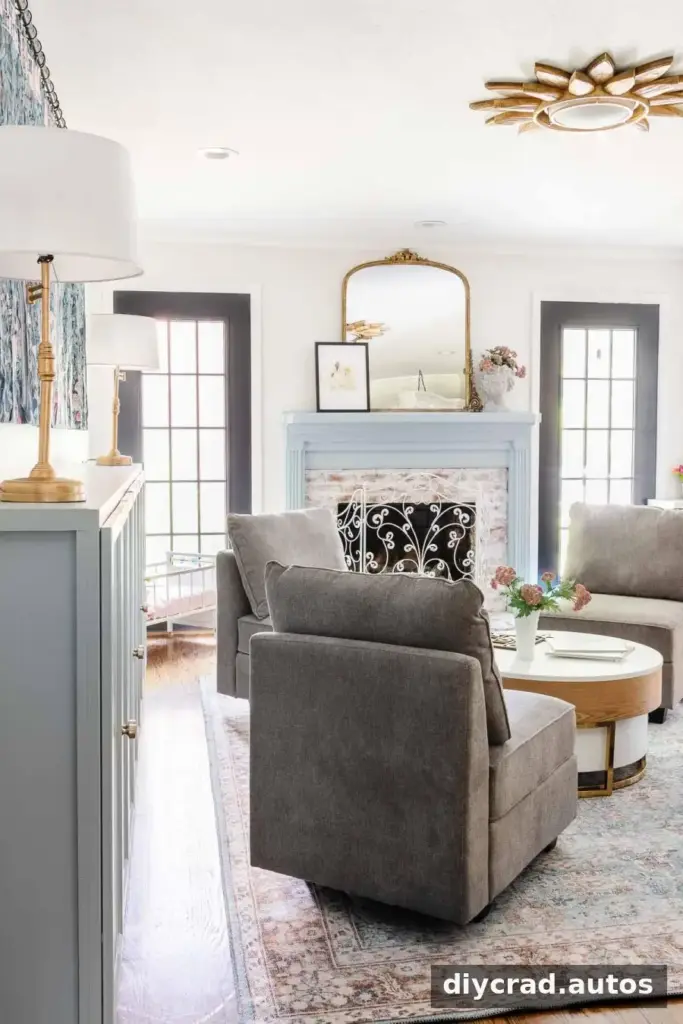
Furniture that blocks the natural path through a room can make it feel cramped and harder to use. Keep the pieces that serve a clear purpose, then consider removing, rearranging, or replacing items that are too large for the space. Leave comfortable routes between doors, seating, and other frequently used areas.
Before moving furniture, sketch a simple floor plan or use painter’s tape to mark the footprint of a proposed piece. This can help you judge the layout without lifting heavy items repeatedly.
9. Choosing a Rug That Is Too Small
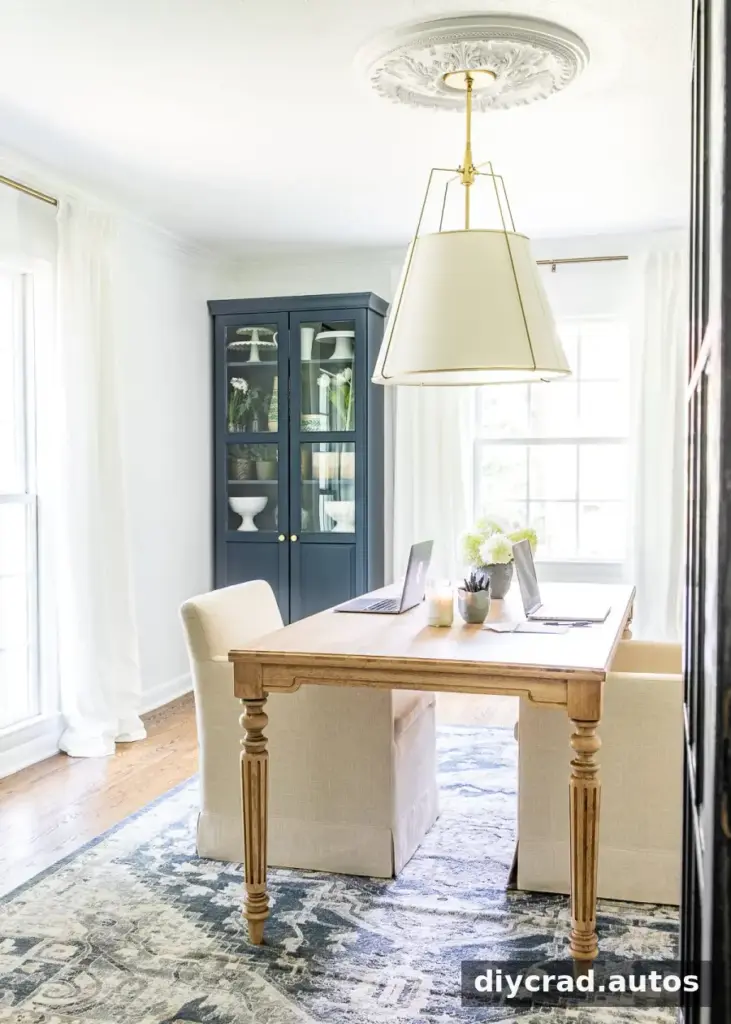
A rug can look awkward or become an obstacle when it does not fit the furniture around it. Under a dining table, the chairs should remain on the rug when pulled out. For a dining area, a 6×9 rug is a useful starting point if it leaves room for all four chair legs and about a foot of space behind the chairs as they slide out.
For bedrooms and living rooms, use at least an 8×10 rug as a general guide, or a 9×12 for a larger room. Measure the space and consider how the rug will relate to the furniture before purchasing; room shapes and layouts vary.
10. Combining Too Many Unrelated Patterns
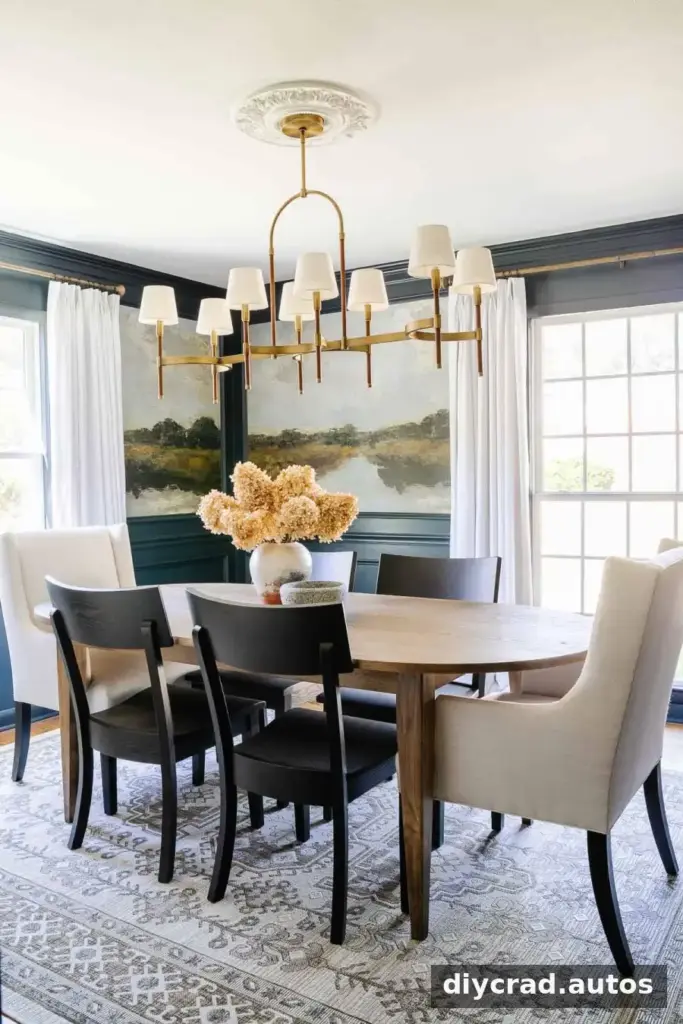
When rugs, curtains, and cushions all have strong prints, the room can feel visually crowded. A practical approach is to use about three fabric patterns at a time, balancing them with solid colors or textured materials. For example, pair a flowing, vintage-style pattern with a nature-inspired print and a geometric design, then use solids to give the eye a place to rest.
Vary the scale of the patterns and repeat one or two colors across the room to help the combination feel intentional.
11. Hanging Artwork Too High
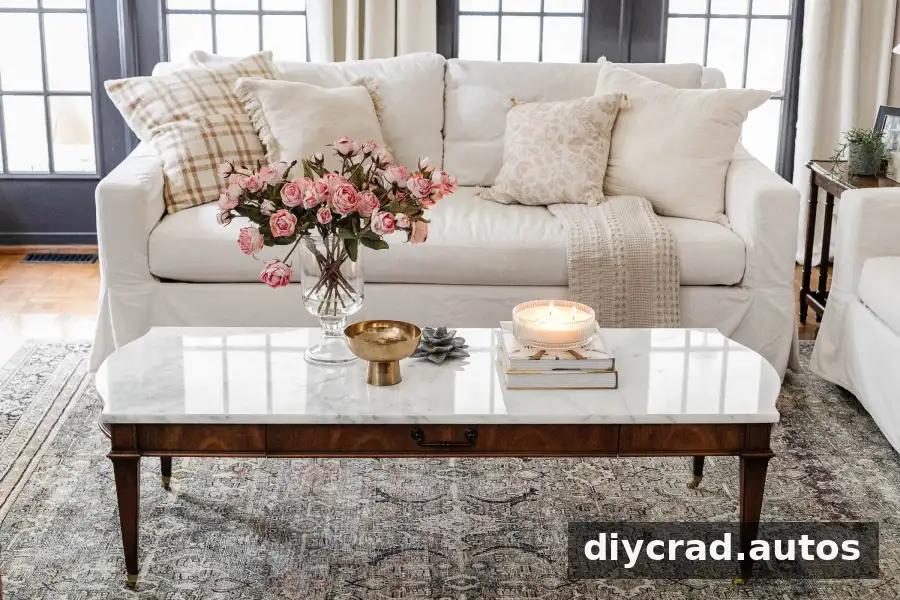
Artwork is often easier to appreciate when it is placed near eye level rather than aligned with the top of a doorway. A common guide is to position the center of the art around 57″–60″ from the floor. Adjust as needed for unusually high ceilings, furniture below the artwork, or a grouping of several pieces.
When hanging art above a sofa or console, leave enough space between the frame and furniture so the arrangement feels connected without appearing crowded.
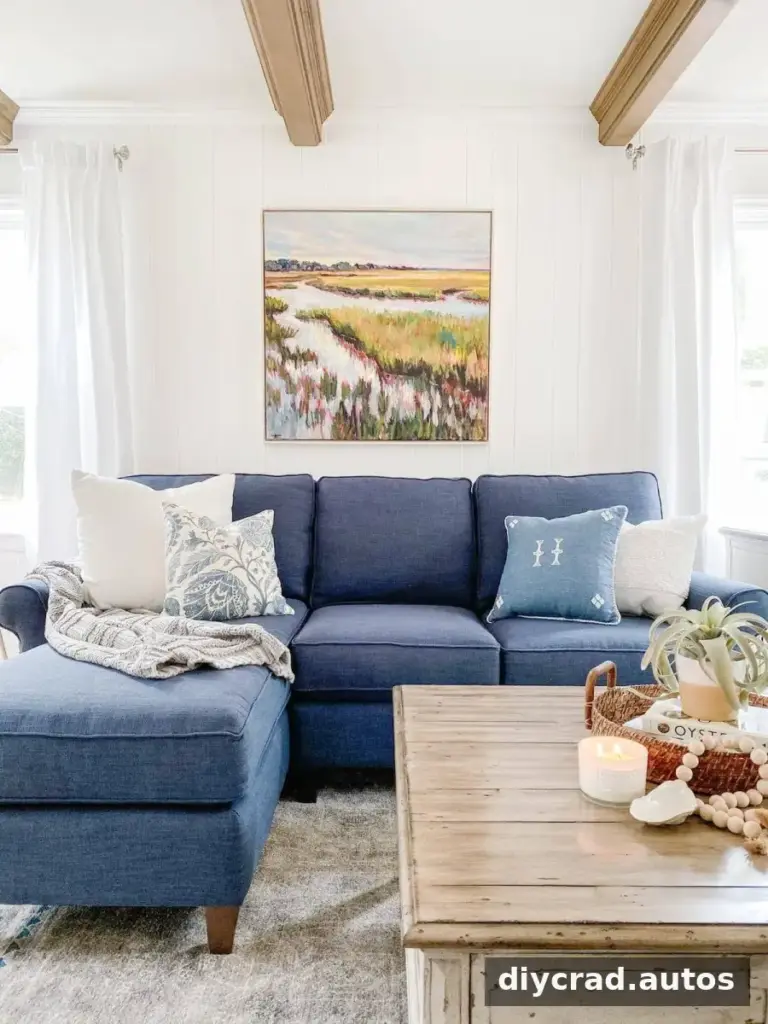
12. Avoiding Color and Contrast Completely
A room made up only of similar neutral shades can feel flat, even when neutrals are your preference. Add contrast with a few colored accessories, artwork, textiles, or plants rather than committing to a permanent change. Blue and green are useful options for introducing color while keeping a calm, nature-inspired palette.
Repeat accent colors in more than one place to create a cohesive effect. If you are unsure about a bold shade, test it first with a small, easily changed item.
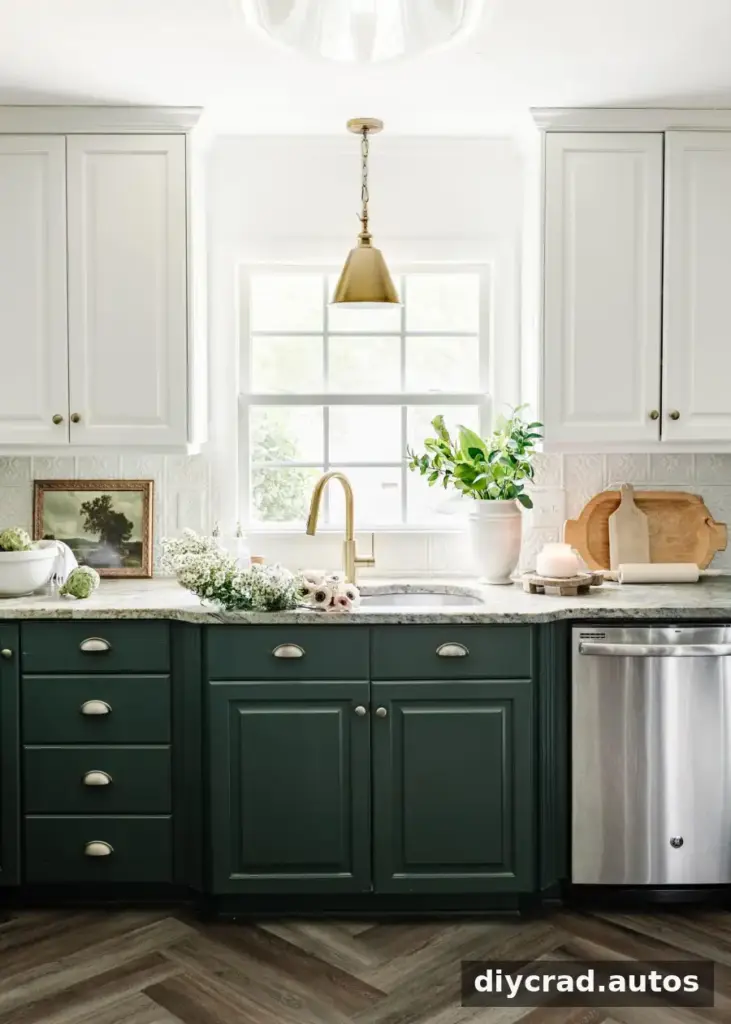
13. Hanging a Dining Chandelier Too High
For a chandelier above a dining table, a general guideline is to hang it 30″–34″ above the tabletop when the ceiling is 8′ high. With ceilings higher than 8′, raise the fixture an additional 3″ for each extra foot of ceiling height. Check the fixture’s installation instructions and make sure it does not block views across the table.
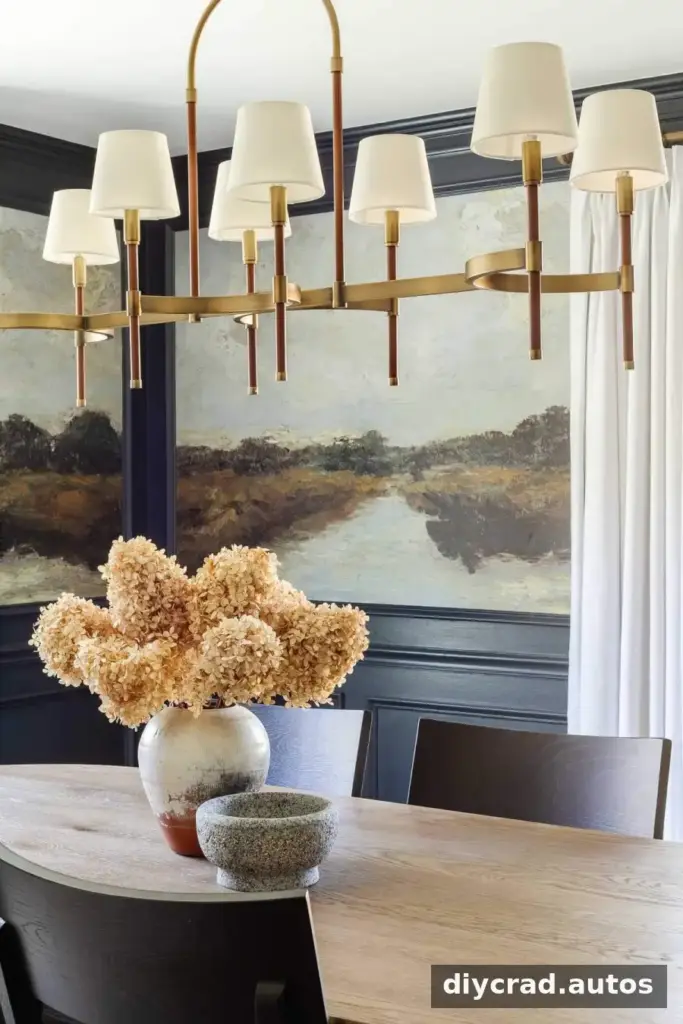
14. Hanging Curtains Too Low or Too Short
Mounting curtain rods high and wide can make windows appear taller and broader. In many rooms, place the rod close to the ceiling, around 3″–4″ below it or just beneath the crown molding. To create the impression of a wider window, extend the rod approximately 10″ beyond each side of the window frame when the wall allows.
Measure carefully before buying panels. Curtains should just touch the floor, barely skim it, or form a slight puddle, depending on the look you want. Keep fabric clear of heaters and other potential hazards.
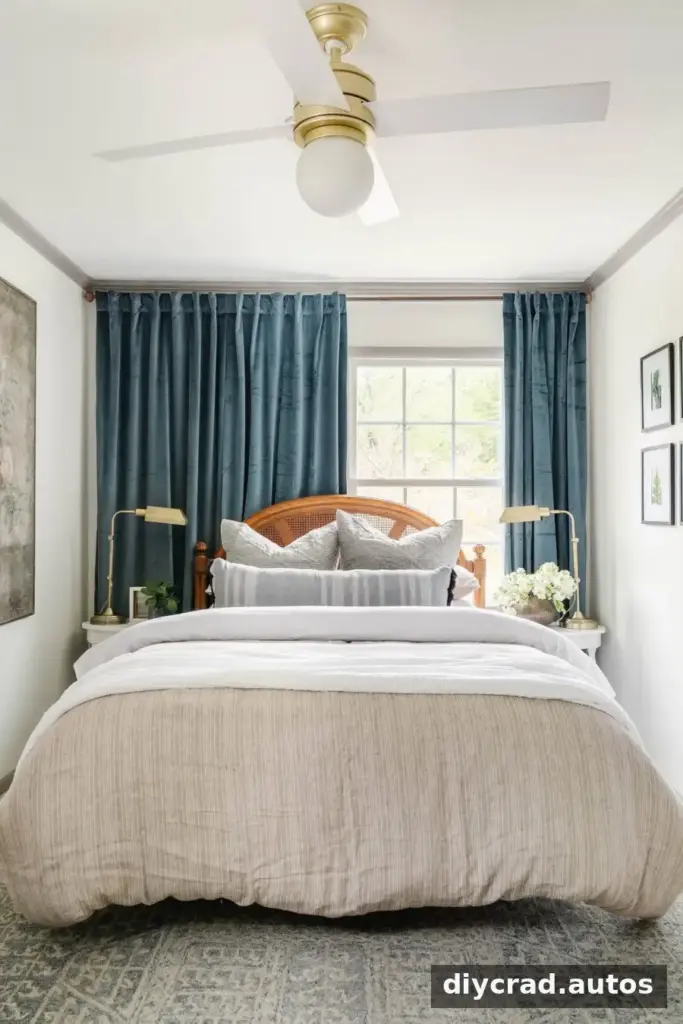
15. Relying Only on Overhead Lighting
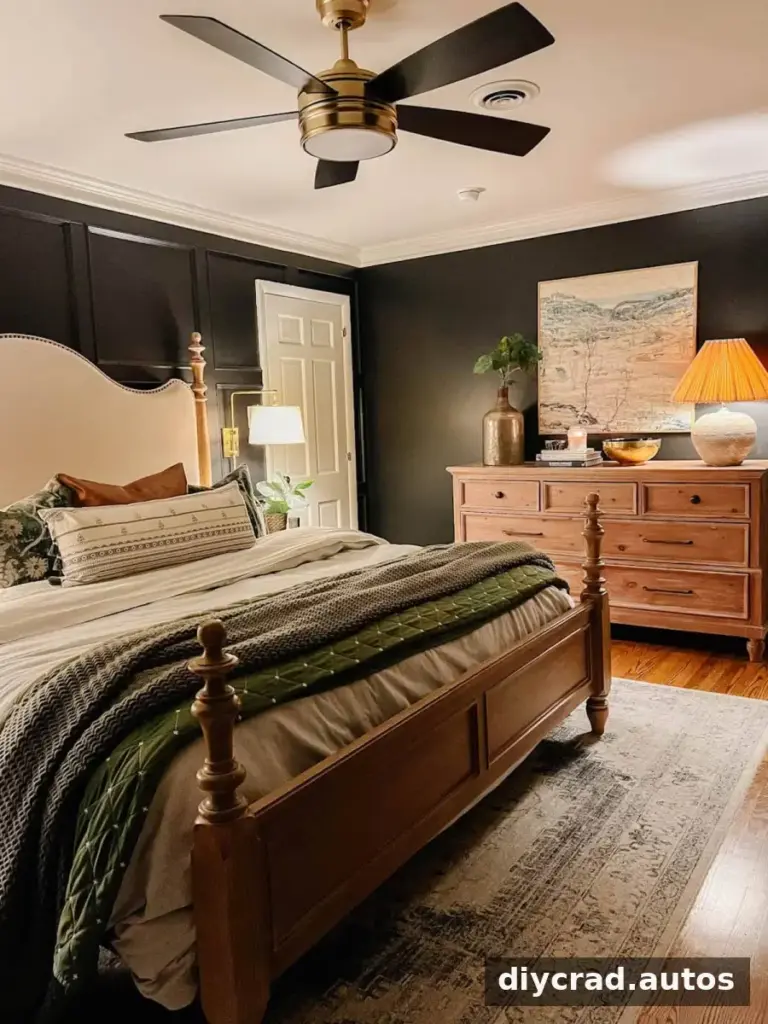
A single ceiling light may leave corners dim and make a room feel less inviting. Layer lighting by combining an overhead fixture with table lamps and task lighting, such as a desk lamp. Wall lights can also help illuminate hallways or dining areas. Place lights where they support the activities that take place in each part of the room.
A 3000K bulb offers a middle ground between warmer and cooler light. Check bulb compatibility with each fixture and aim for consistent lighting where several bulbs are used together.
16. Letting Toys Take Over Without a Storage Plan
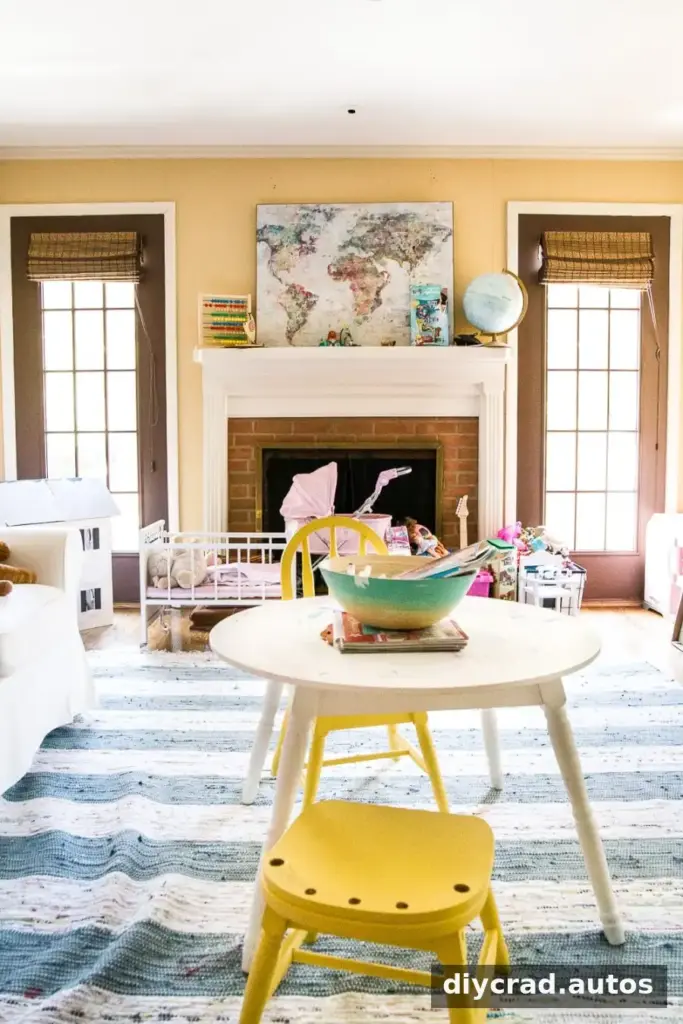
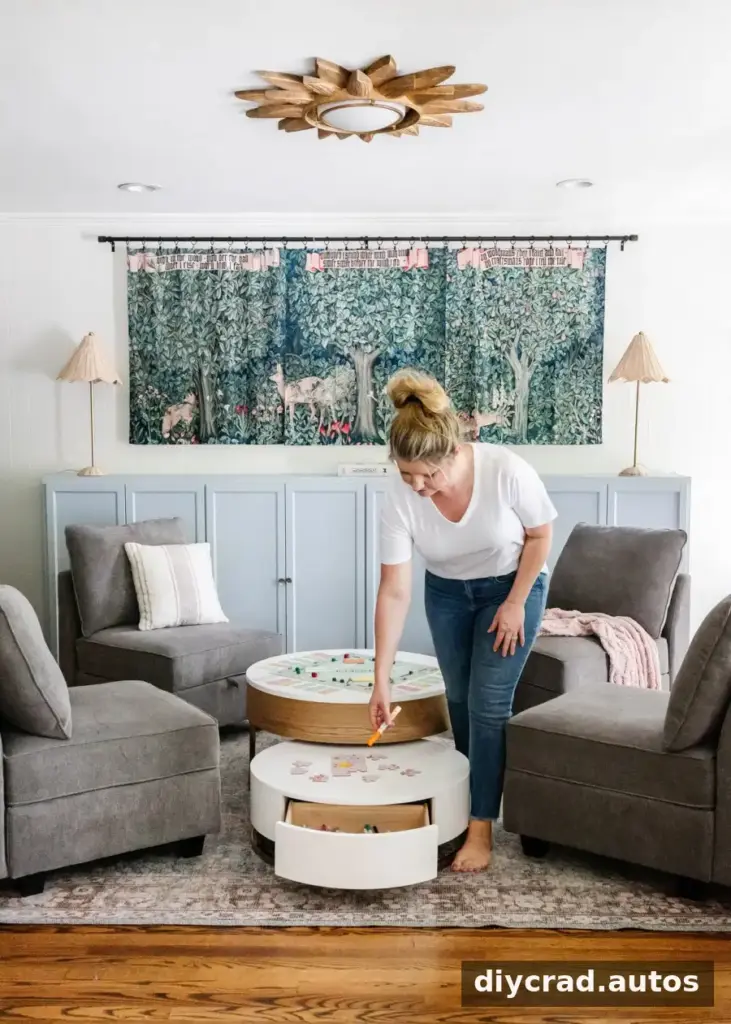
Toys are easier to manage when they have a designated place. Bins and baskets can gather smaller pieces, while storage furniture can keep frequently used items close at hand. For children who have many toys, putting one-third or one-half away and rotating the selection every three months can reduce visible clutter and make stored toys feel fresh again.
Review toys before birthdays or holidays and consider donating items that are no longer used. Keep storage easy for children to reach and use, and choose containers that suit the size and type of toys.
Conclusion: Avoiding Common Home Decorating Mistakes
Good decorating is a process of noticing what works in your home and making practical adjustments. Test paint before committing, leave room to move, choose furniture and rugs that fit, and use lighting and accessories with intention. Avoiding these home decorating mistakes can help create a space that feels more comfortable, personal, and functional without requiring a complete makeover.

