

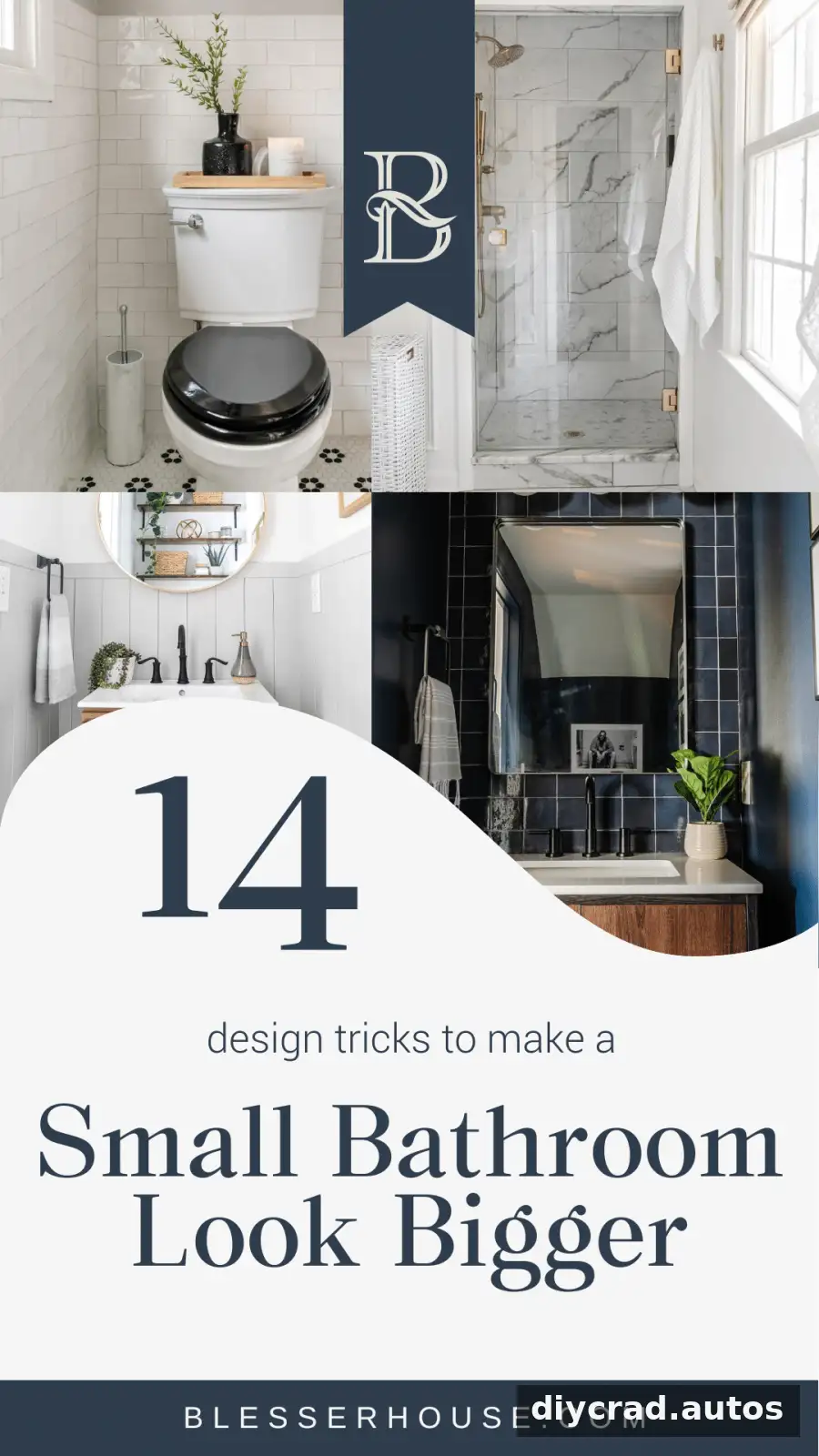
To make a small bathroom look bigger, focus on how light, color, and visual lines shape the room. A thoughtful choice of paint, mirrors, tile, storage, and fixtures can make a compact bathroom feel brighter and less crowded without changing its footprint. These practical ideas can be adapted to different layouts and budgets.
How to Make a Small Bathroom Look Bigger
In a small bathroom, every visible surface affects the overall impression of space. A crowded counter, heavy shower curtain, or poorly distributed lighting can make the room feel tighter than it is. The ideas below help create a more open appearance while keeping everyday items accessible.
1. Choose Very Light Colors
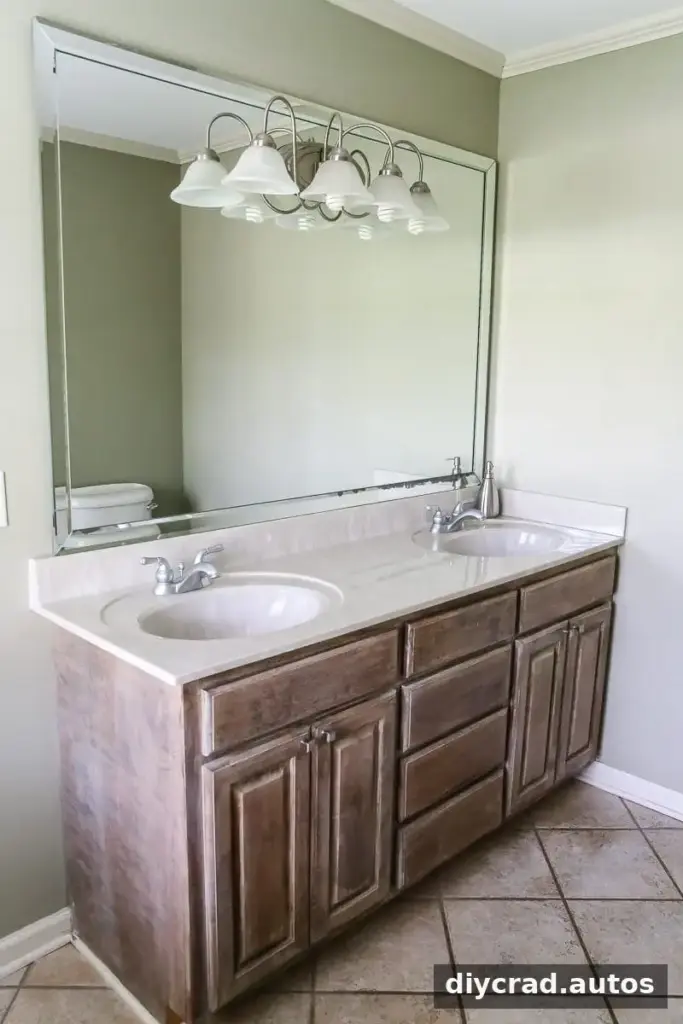
Light shades such as white, pale pastels, and soft gray reflect more light and can make walls feel less imposing. Consider using a light palette on walls, tile, and larger fixtures for a brighter, more connected look.
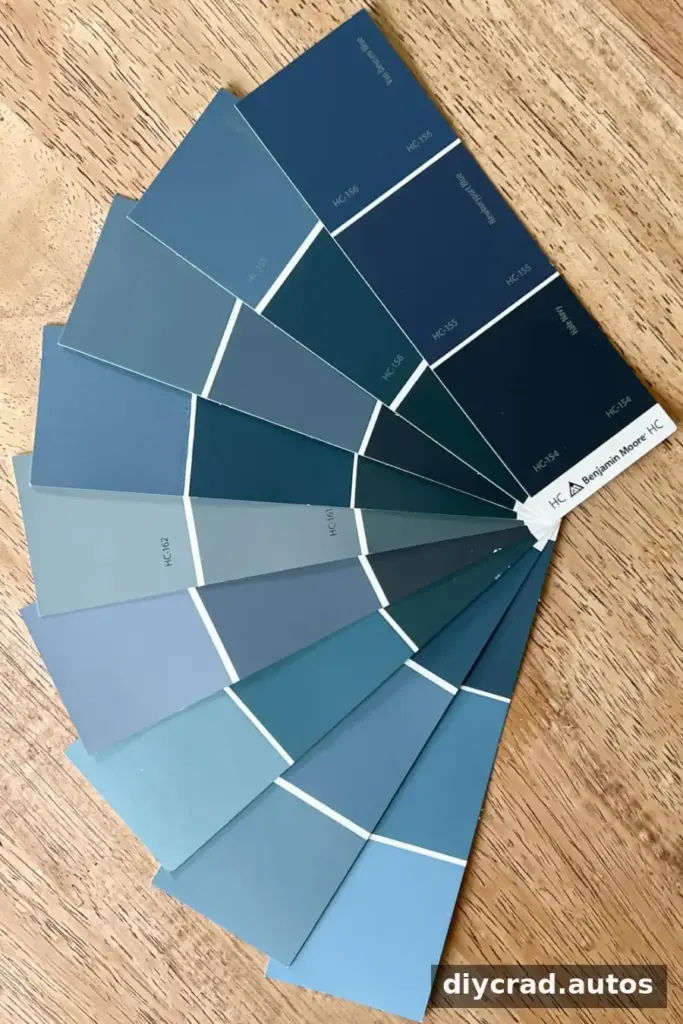
When comparing paint samples, look at them in the bathroom’s actual lighting. A shade may appear different under daylight and artificial light, so test a small area before painting the entire room.
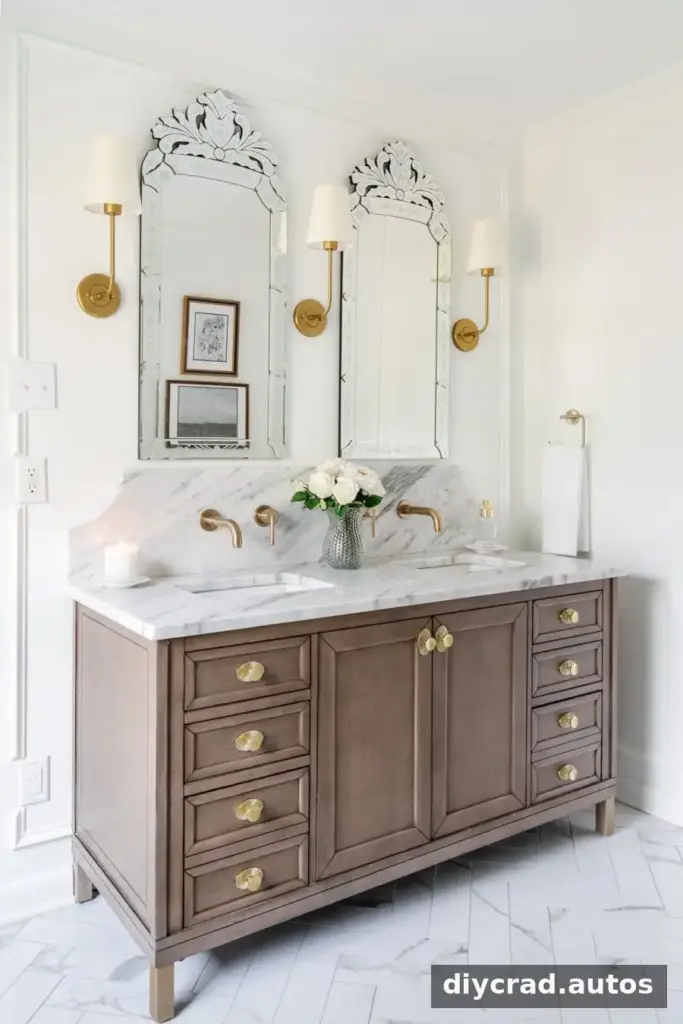
A light wall color can make a compact room feel more open than a mid-tone shade, particularly when it works with the floor and fixtures.
2. Or Choose Very Dark Colors
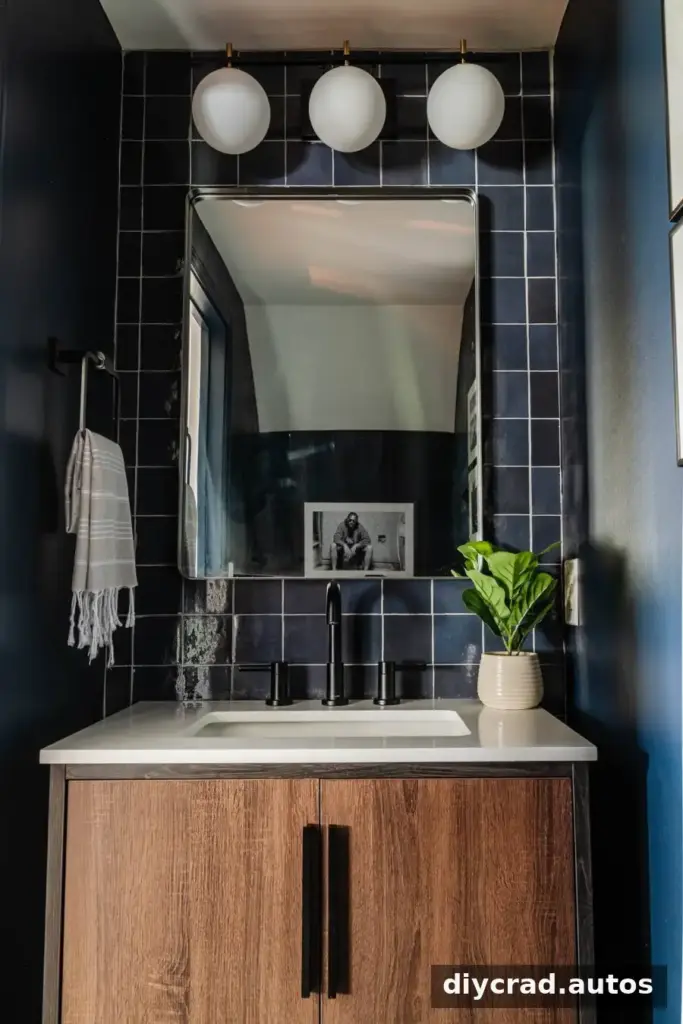
Dark colors are not automatically unsuitable for small bathrooms. Deep navy, black, and rich jewel tones can soften the visual boundaries between walls and ceiling, making the room feel less defined. This effect depends on the layout and lighting, so consider testing a sample before committing.
A deep navy accent or a consistent dark palette can create a dramatic, enveloping look. To avoid a gloomy result, make sure the room has adequate lighting and consider reflective surfaces to help distribute light.
3. Use Large Mirrors
A large mirror above the vanity or across a wall reflects light and gives the impression of additional depth. Frameless mirrors can keep the look simple, while a tall mirror can draw attention upward.
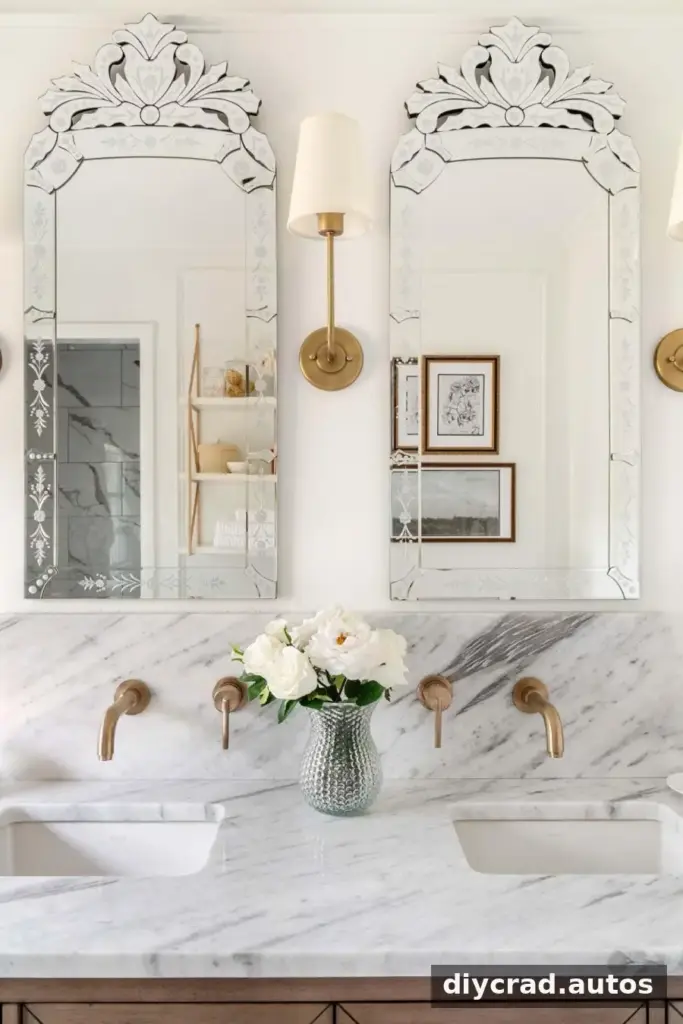
Before choosing a mirror, check that it reflects a useful view, such as a window or a well-lit part of the room. This can make the reflected space feel brighter.
4. Keep It Clutter-Free
Too many items on the counter make a small bathroom feel busy. Use recessed cabinets, wall-mounted shelves, or a floating vanity to keep everyday toiletries organized and clear more visible surface area.
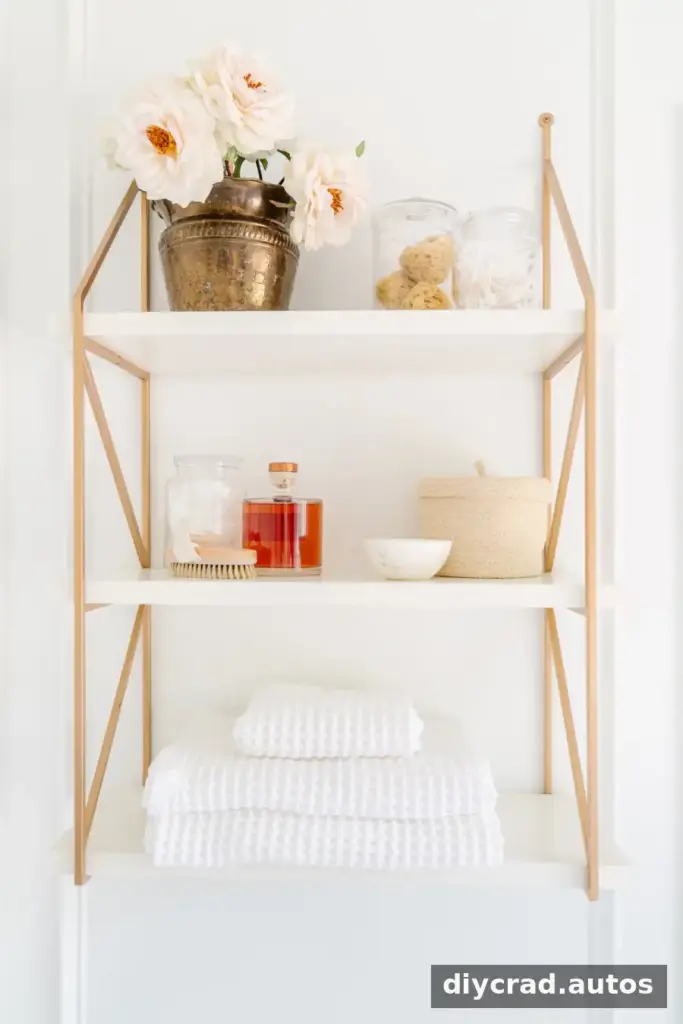
Store less-used supplies out of sight and leave only frequently needed items within easy reach. This makes it easier to keep the room tidy between cleanings.
5. Opt for a Glass Shower Enclosure
Clear glass lets the eye travel through the shower area, making the room feel more continuous than an opaque curtain or frosted enclosure. A frameless glass door can also create a streamlined appearance.
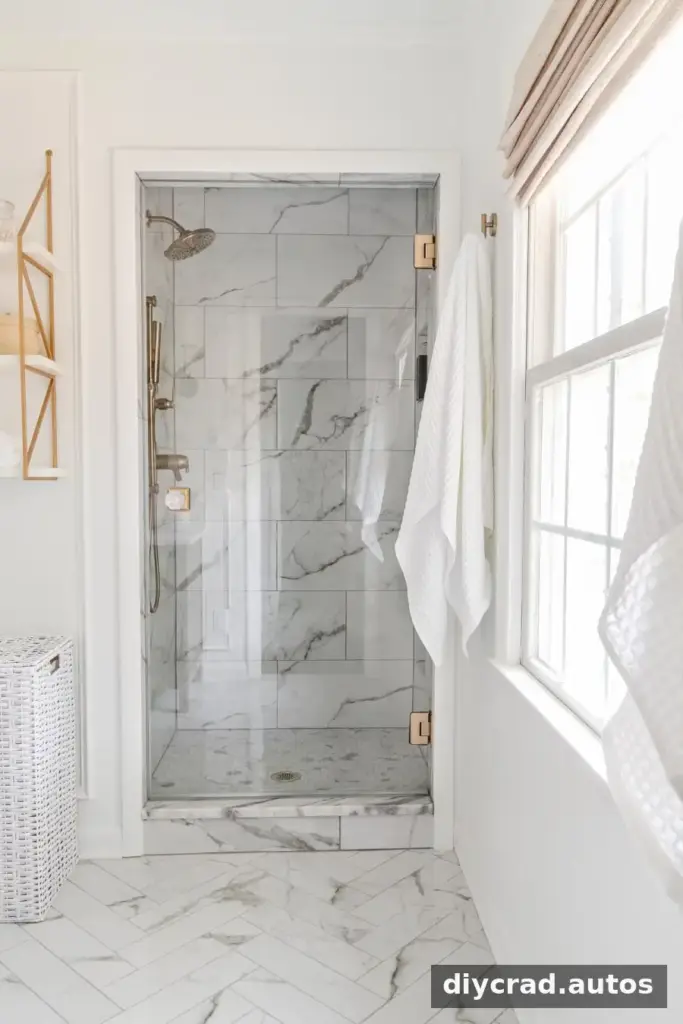
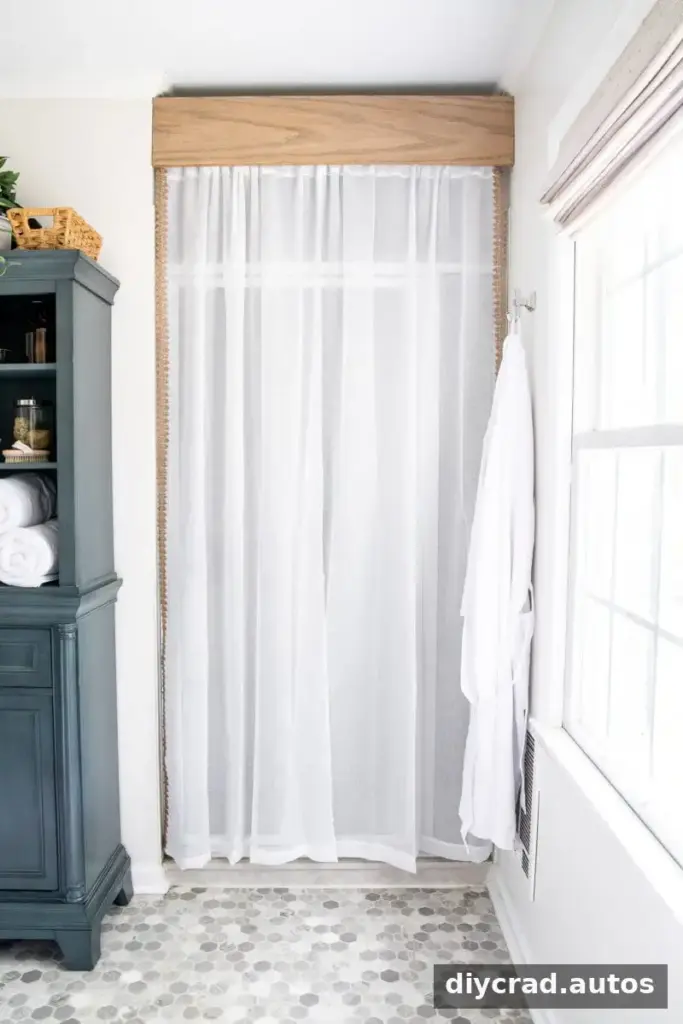
Keep glass clean so water spots and residue do not obscure the view. If privacy is a concern, consider how the bathroom is positioned before choosing a fully transparent enclosure.
6. Use Vertical Space
Tall cabinets and shelves can add storage without taking up much floor area. Storage that reaches toward the ceiling also draws the eye upward and can make the room feel taller.
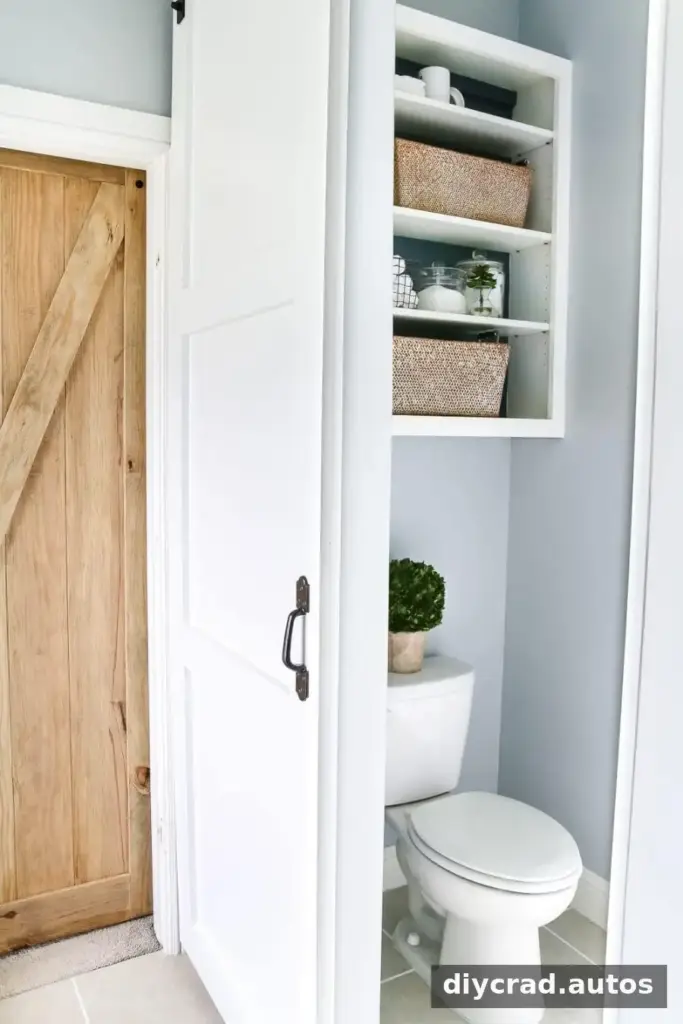
Use higher shelves for items you do not need every day, and keep frequently used essentials at a comfortable height. Secure wall-mounted storage properly, especially in a bathroom where surfaces may be exposed to moisture.
7. Incorporate Stripes and Patterns
Horizontal stripes can emphasize width, while vertical lines can draw the eye upward. Striped wallpaper, towels, or tile can add visual interest, but a restrained pattern usually works best in a compact room.
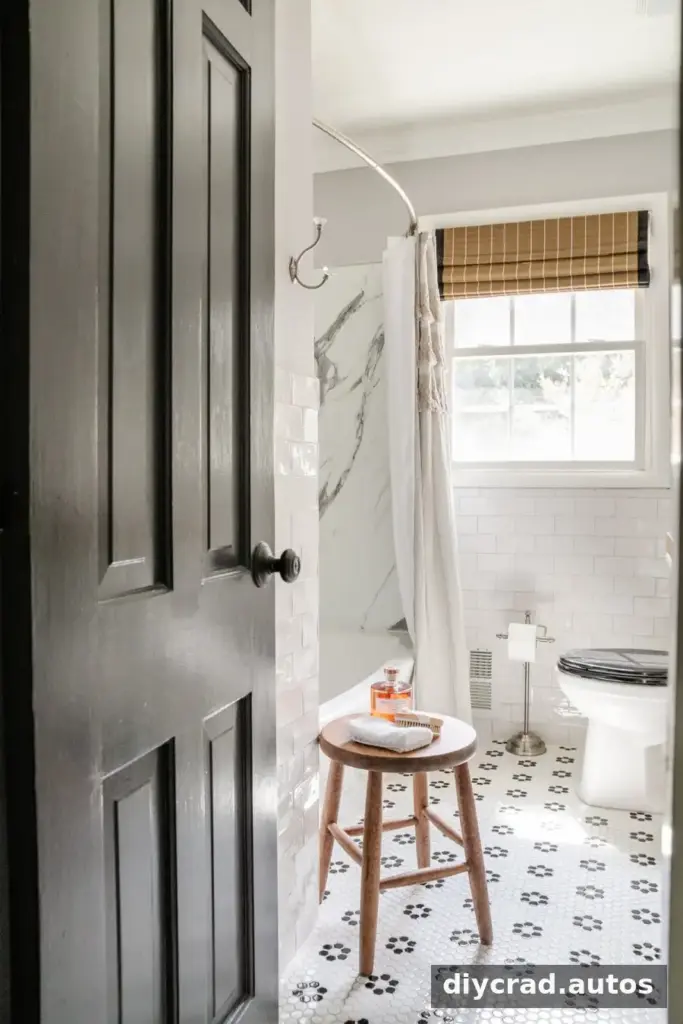
Tile layout also affects how a floor is perceived. A patterned arrangement, such as a hexagonal or herringbone design, can add direction and character without changing the room’s dimensions.
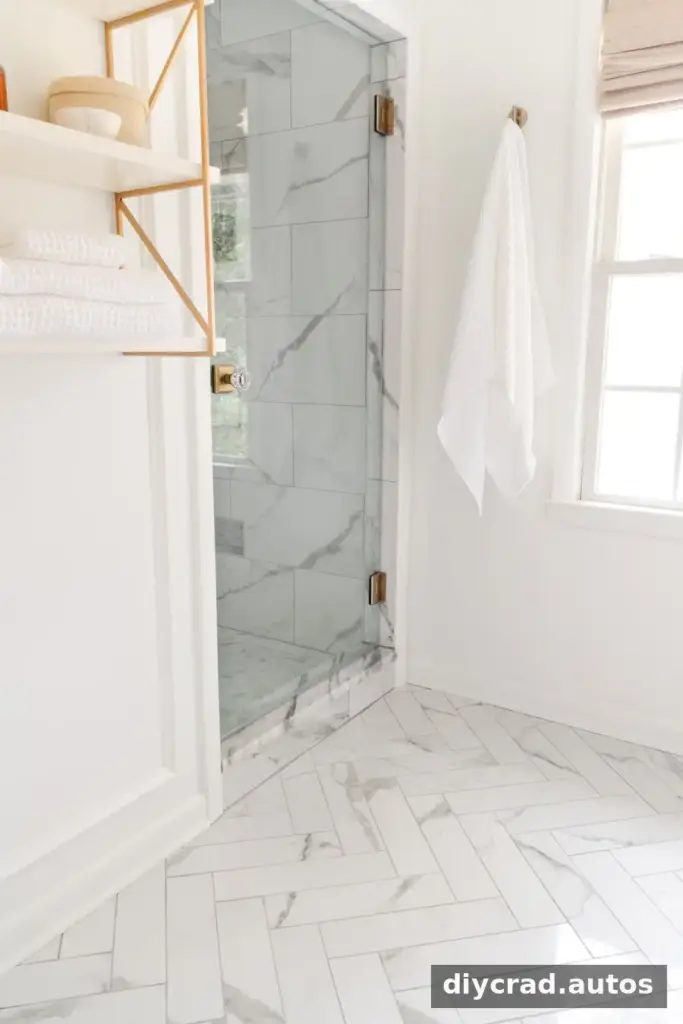
Before selecting a busy pattern, consider the size of the room and the other finishes. Using a consistent color palette can help the design feel intentional rather than visually crowded.
8. Select Minimalist Fixtures
Simple, compact fixtures help preserve clear sightlines. Wall-mounted sinks and toilets expose more floor area, while narrower designs can leave more room to move.
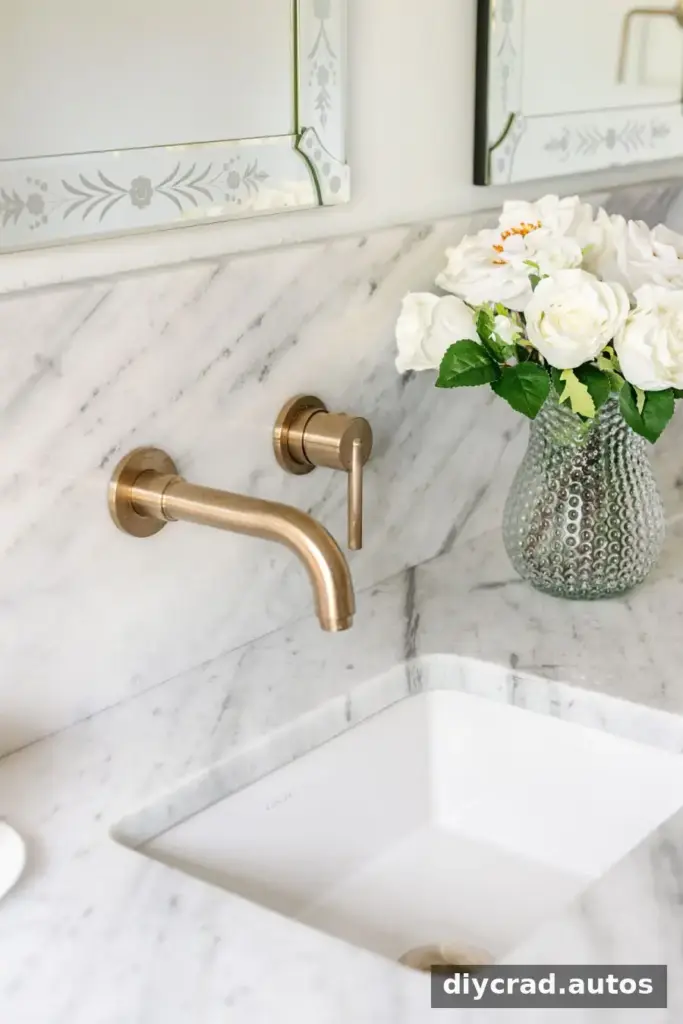
Check the fixture dimensions and clearances against your bathroom layout before purchasing. A space-saving design should still be comfortable and practical to use.
9. Make the Most of Natural Light
Natural light can make a bathroom feel more open and welcoming. If the layout allows, a larger window or skylight can bring daylight deeper into the space.
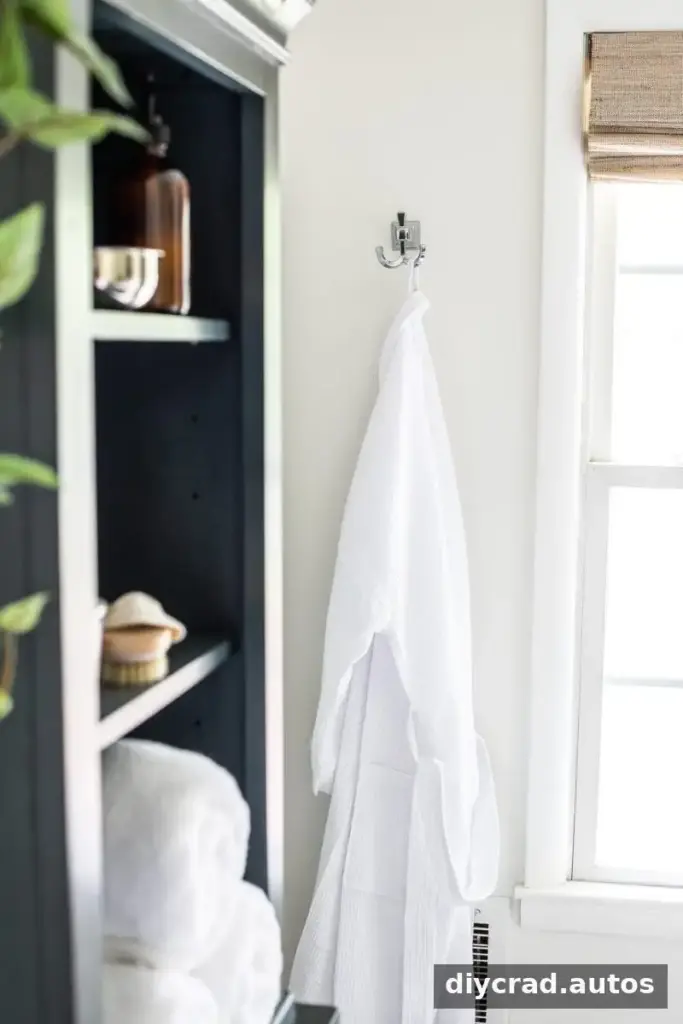
When adding or changing a window is not practical, avoid blocking existing daylight with bulky window coverings. Choose privacy solutions that still allow light to enter where appropriate.
10. Consider Open Vanities or Shelves
An open vanity or open shelving can feel lighter than a large, closed cabinet. Neatly arranged towels and everyday items can provide useful storage while keeping the room visually airy.
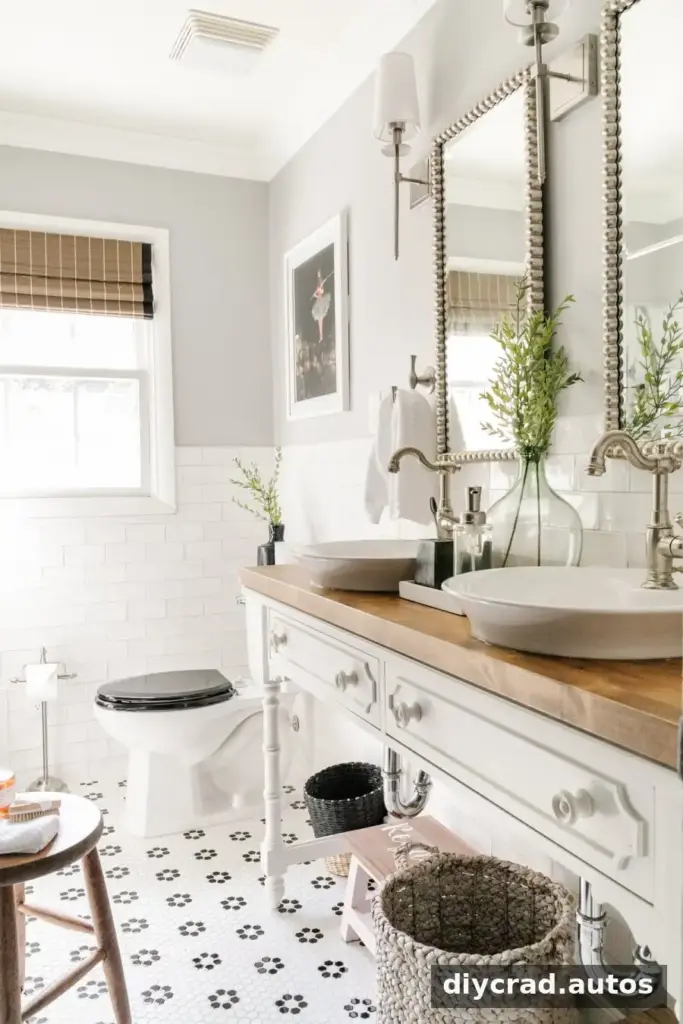
Open storage also puts belongings on display, so limit what you keep there and use baskets to group smaller items. This helps prevent shelves from becoming a source of clutter.
11. Layer the Lighting
Evenly distributed lighting can reduce dark corners and make the whole room easier to see. Combine general lighting with vanity lighting rather than relying on a single source.
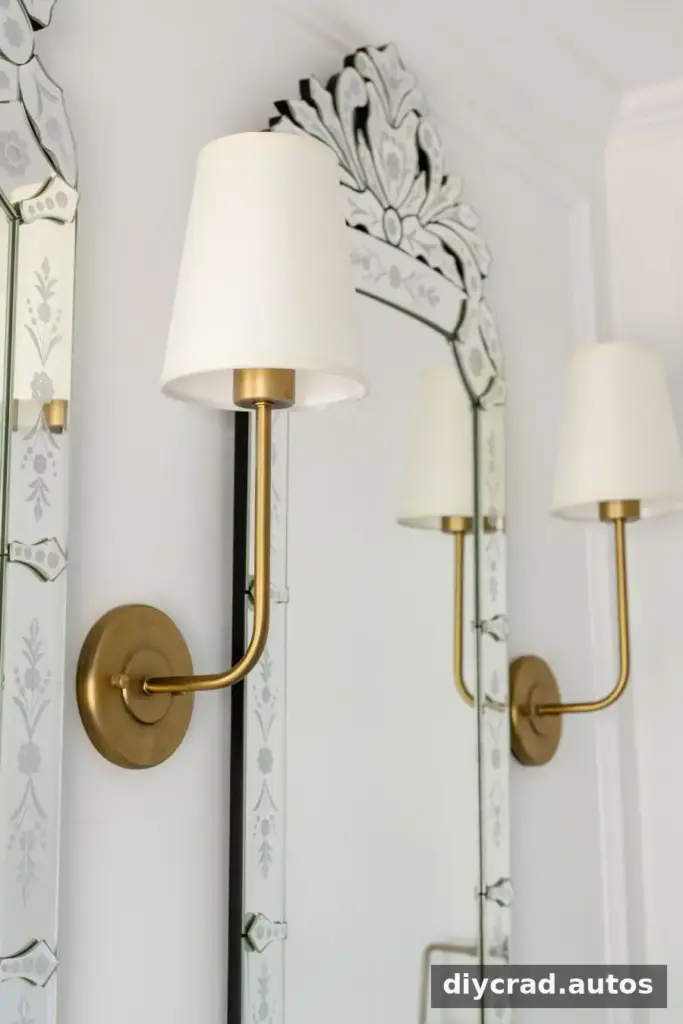
Lights positioned on either side of a mirror can provide balanced illumination for grooming. Choose fixtures designed for bathroom use and have electrical work handled according to local requirements.
12. Add Reflective Surfaces
Glossy tile, glass accents, mirrors, and metallic fixtures can bounce light around the room. Used selectively, these finishes can make a compact bathroom feel brighter.
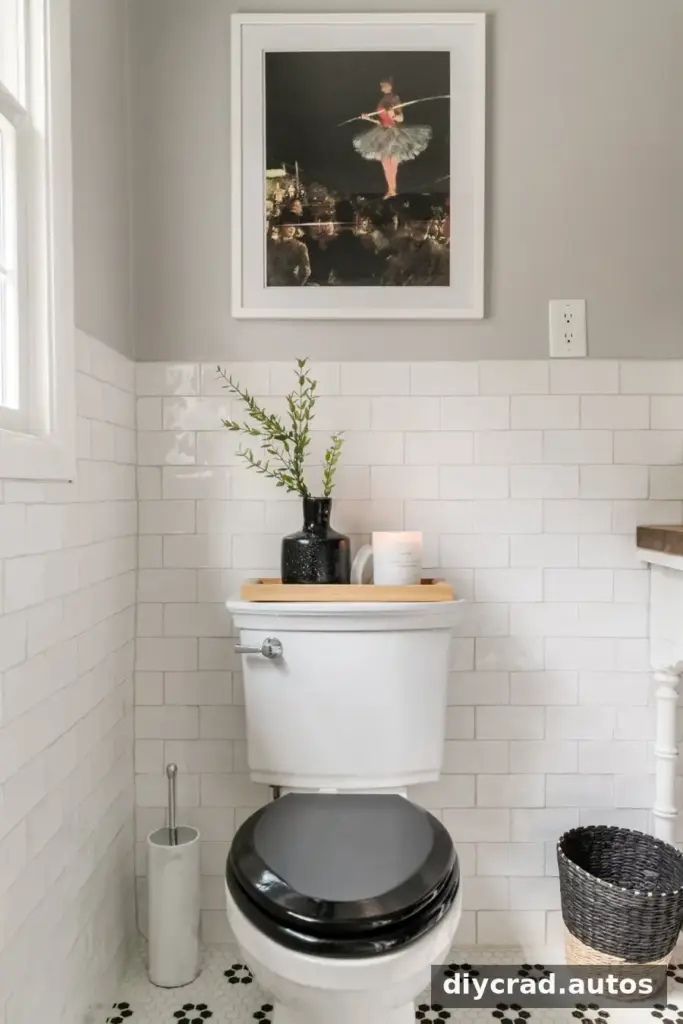
Reflective surfaces show fingerprints and water marks more readily than some matte finishes. Consider where they will be used and how much upkeep you are comfortable with.
13. Choose Large, Glossy Tile for Small Showers
Large-format glossy tiles can reduce the number of visible grout lines and reflect more light than small matte tiles. This may help a shower feel less visually crowded, and fewer grout lines can make routine cleaning simpler.
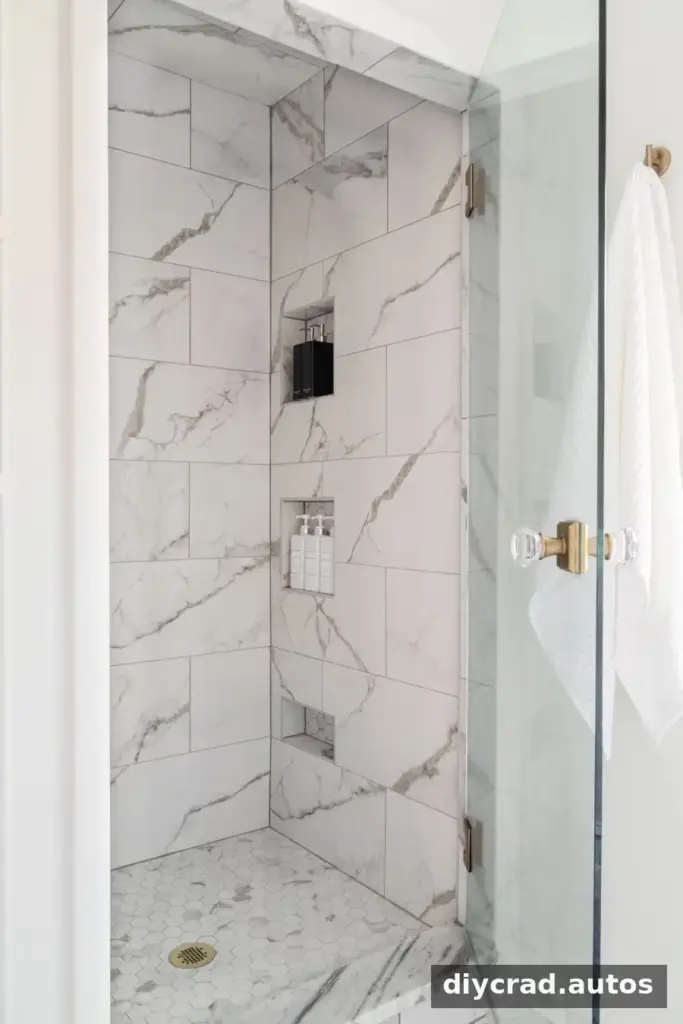
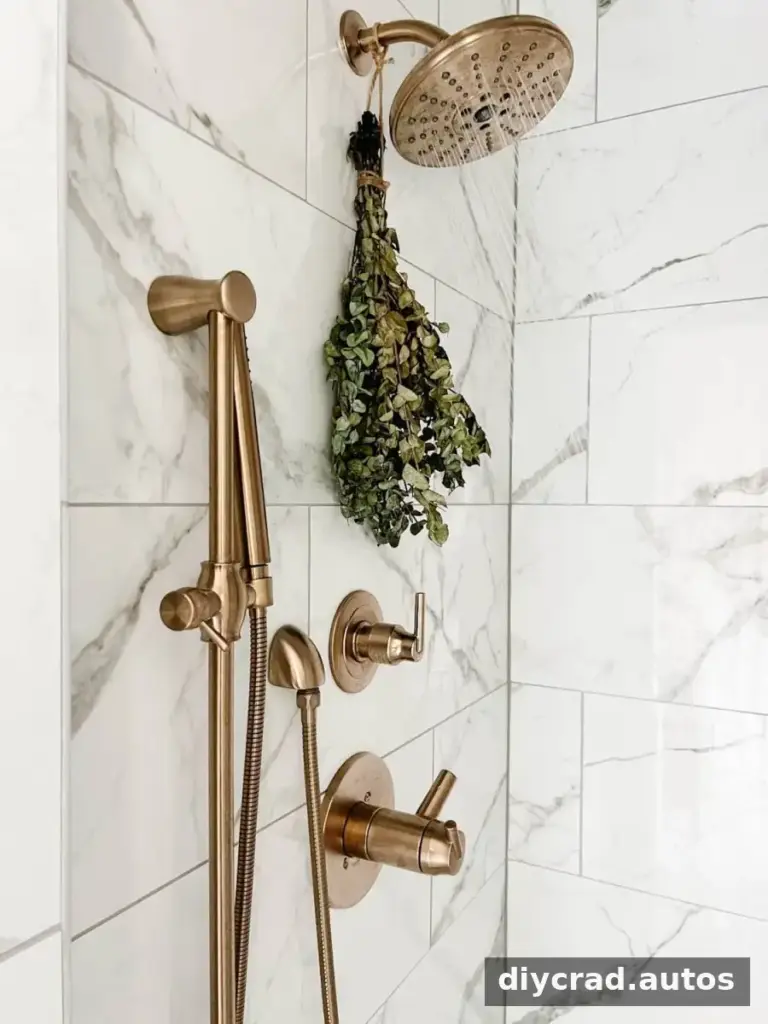
Use tile and grout suitable for wet areas, and follow installation guidance for the surface. The right finish should balance appearance, maintenance, and practical use.
14. Consider Beadboard or Shiplap Wainscoting
Beadboard and shiplap create repeated lines that can guide the eye across or up a wall. Like striped wallpaper, this detail can add visual structure to a small bathroom without requiring a major layout change.
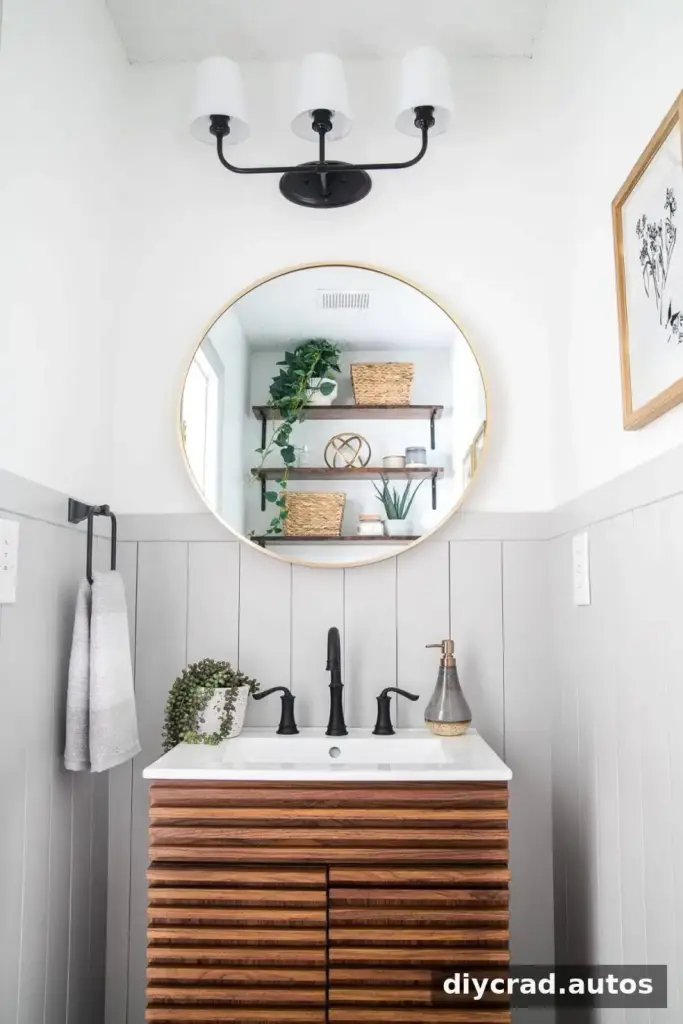
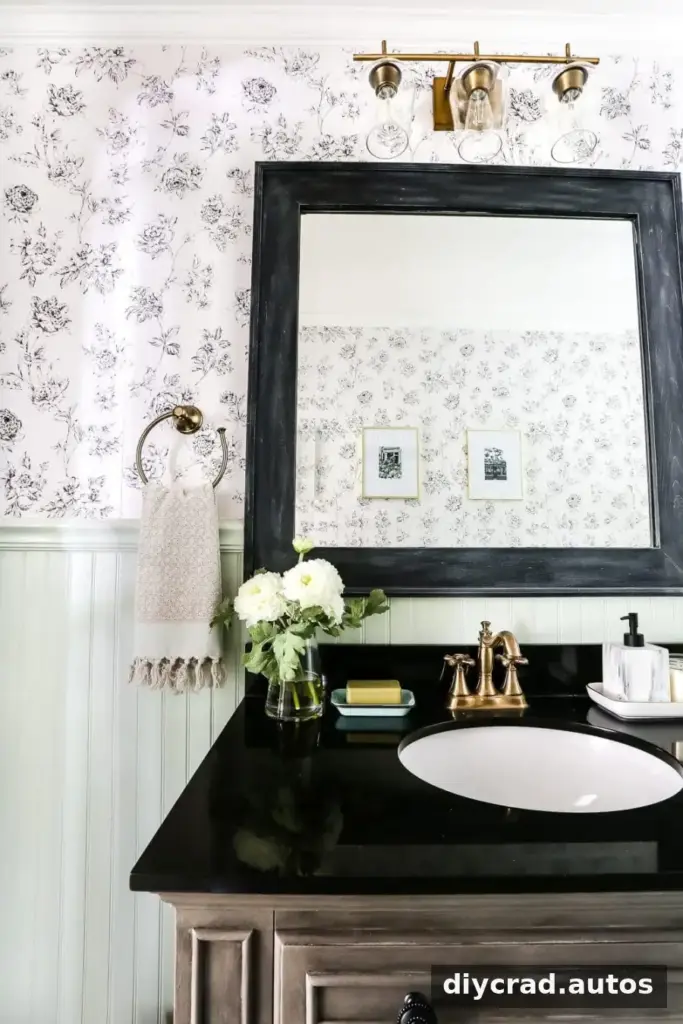
Choose moisture-appropriate materials and finishes for bathroom walls, especially near sinks and showers. Keep the trim and surrounding colors coordinated so the wall detail supports a cohesive look.
Conclusion
To make a small bathroom look bigger, start with the changes that suit your room best: clear clutter, improve lighting, add a generously sized mirror, or choose finishes that reflect light. Light and dark colors, patterns, and open storage can all work, but the most successful choices depend on the room’s natural light, layout, and daily needs. Test finishes in place and prioritize comfortable circulation as you plan.

