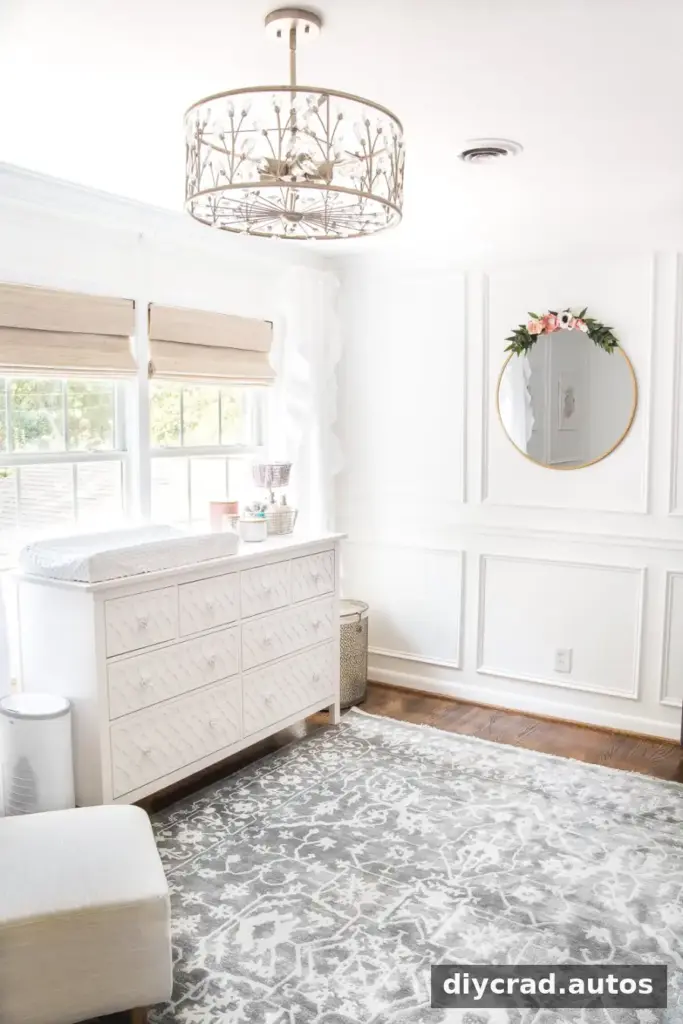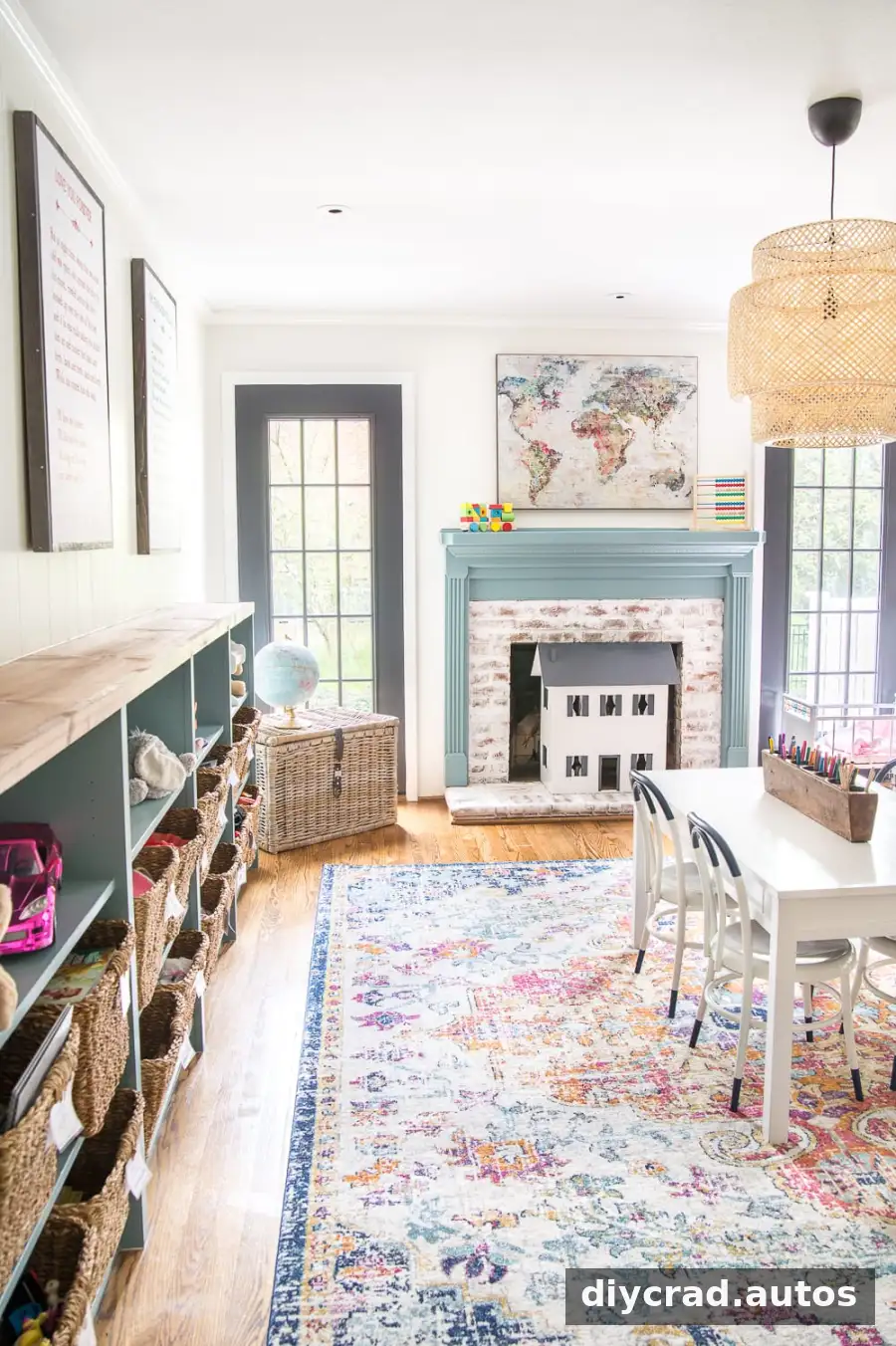
No toys in kids’ bedrooms is one way some families reduce clutter and make a sleep space feel calmer. Instead of keeping playthings in every room, toys can have a designated home in a playroom or shared living area. This approach will not suit every child or household, but it may be worth trying if toys make a bedroom feel busy or encourage play when it is time to wind down.
No toys in kids’ bedrooms: how the boundary works
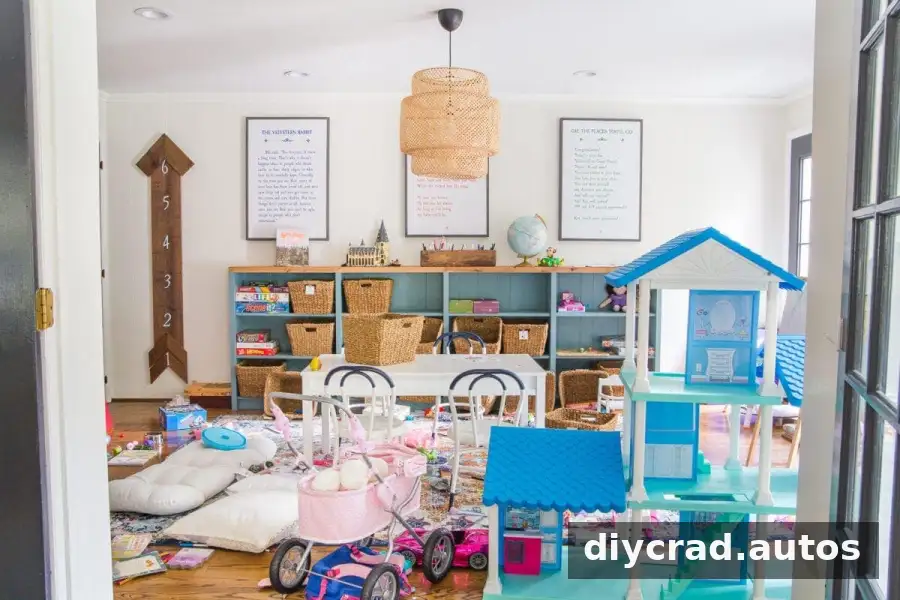
In one family, this routine began when Olivia was a toddler and has remained part of daily life for the past seven years. The bedroom is treated mainly as a place for sleep and rest, while toys are stored in a playroom or in a basket in the living room. The idea is not to make play a problem; it is simply to give toys a clear place to live.
A child can still bring a toy into the bedroom sometimes. The main expectation is that it returns to its usual storage spot when play is over. A predictable routine can make tidying easier because children know where items belong, rather than having to search for a different place for each toy.
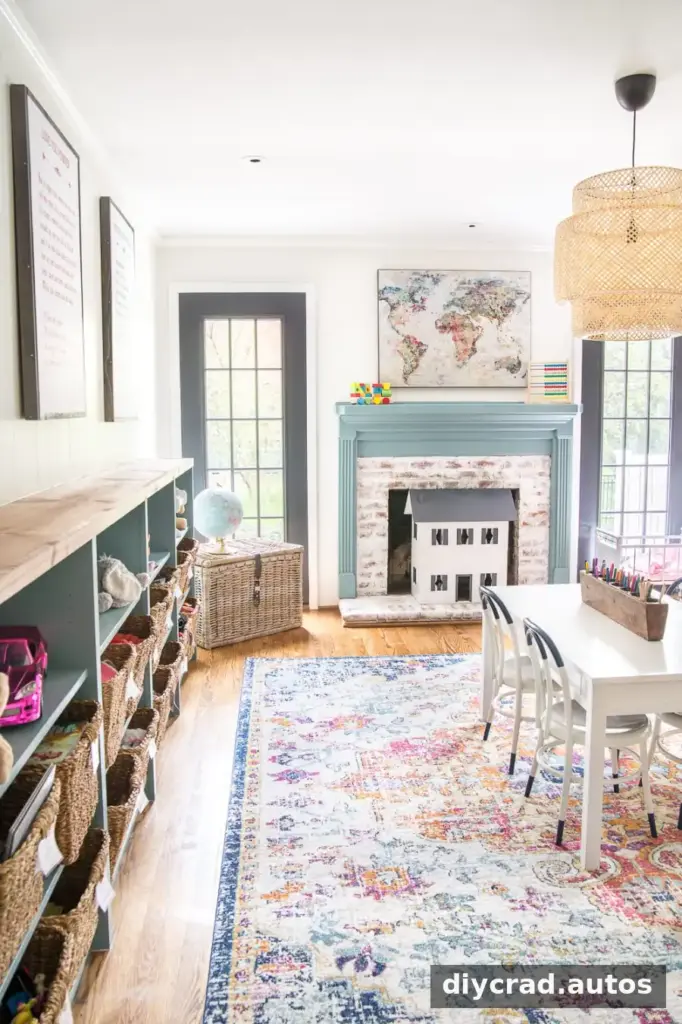
Play areas will not stay perfectly neat throughout the day. Children may empty baskets or spread toys across the floor, and that is a normal part of using the space. Storage is most practical when children can reach it easily and put things away with age-appropriate help. Aim for a system that works during everyday play, not one that depends on the room looking perfect all the time.
Why a toy-free bedroom may feel more restful
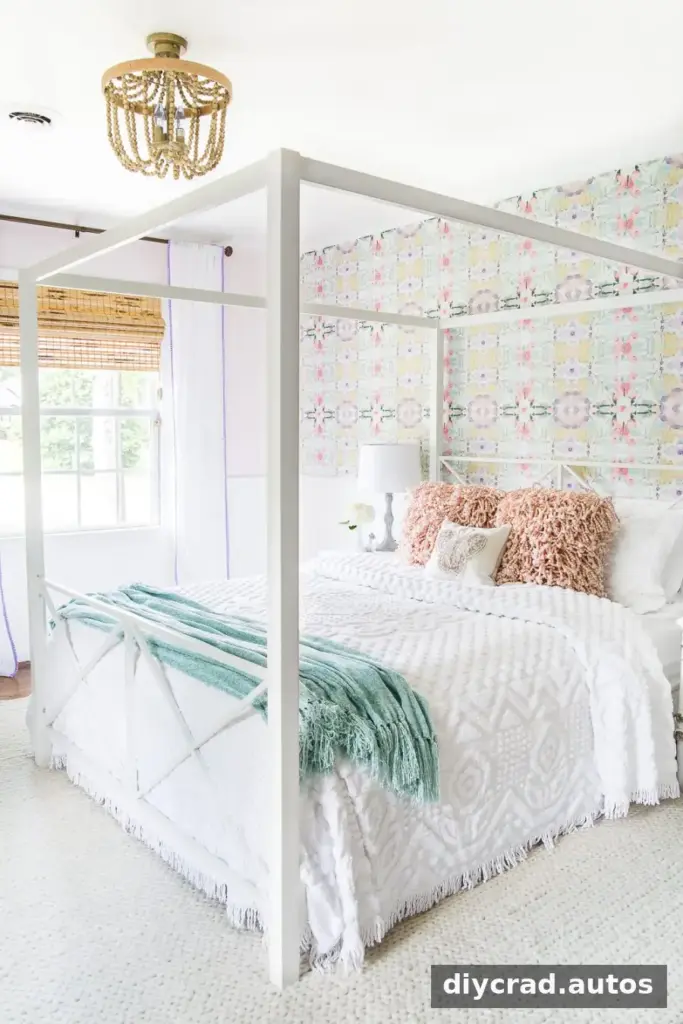
For this family, keeping most toys out of bedrooms has made the rooms feel less visually busy and helped distinguish playtime from bedtime. Toys can invite children to begin playing when they are expected to settle down, while a simpler room may make its purpose easier to understand. Some families may also find that fewer items on display make it easier to keep the room organized.
These are household observations, not a guarantee that removing toys will resolve sleep difficulties or anxiety. Children have different preferences, and a familiar toy may provide comfort. If a child is persistently distressed or has significant difficulty sleeping, consider discussing the concern with a qualified professional. Keep any changes responsive to the child’s needs rather than treating the rule as more important than their comfort.
What can stay in the bedroom?
A toy-free bedroom does not have to mean removing every enjoyable or comforting item. In this family, books remain in the bedrooms, and Olivia has a small trunk of dress-up clothes. The distinction is that toys do not have a permanent home in the room. Families can decide what belongs there based on how the child uses the space and what supports a comfortable bedtime routine.
- Keep books or a comfort item in the room if they help your child feel settled.
- Choose a clear storage place for toys, such as a playroom shelf or living-room basket.
- If a toy goes into the bedroom, agree on where it will return after playtime.
- Make the routine simple enough for your child to follow with suitable help.
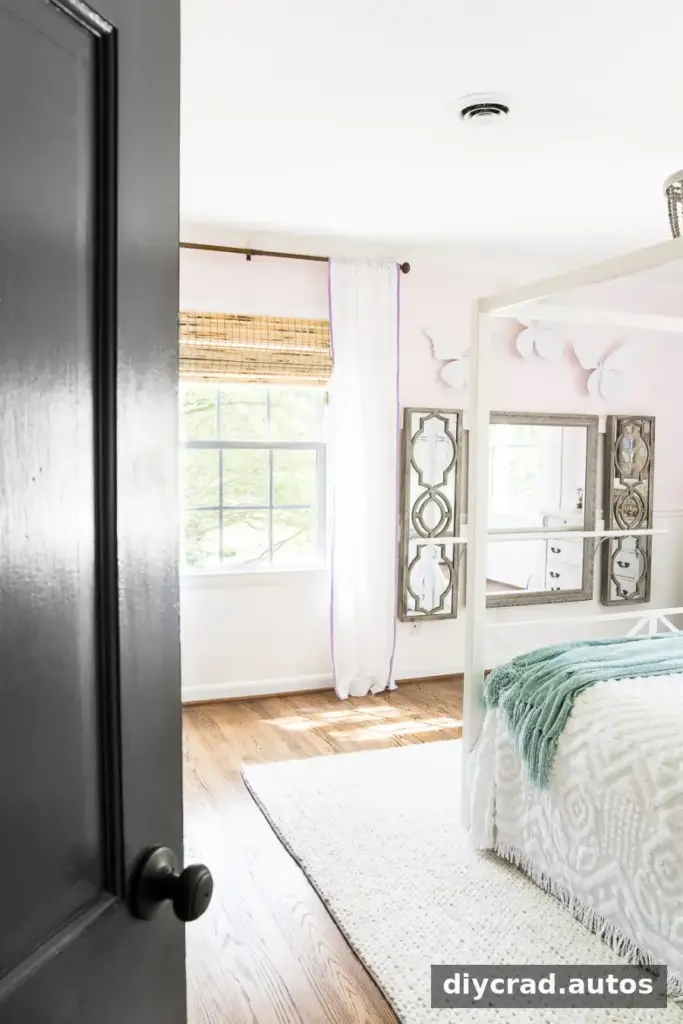
If you want to try this arrangement, begin with one category of toys or test the change for a short period. Explain the reason in calm, practical language: the bedroom is for resting, and the play area is where toys are kept. Pay attention to whether the new routine works for your household, and adjust it if it creates unnecessary stress.

Make toy storage easier to maintain
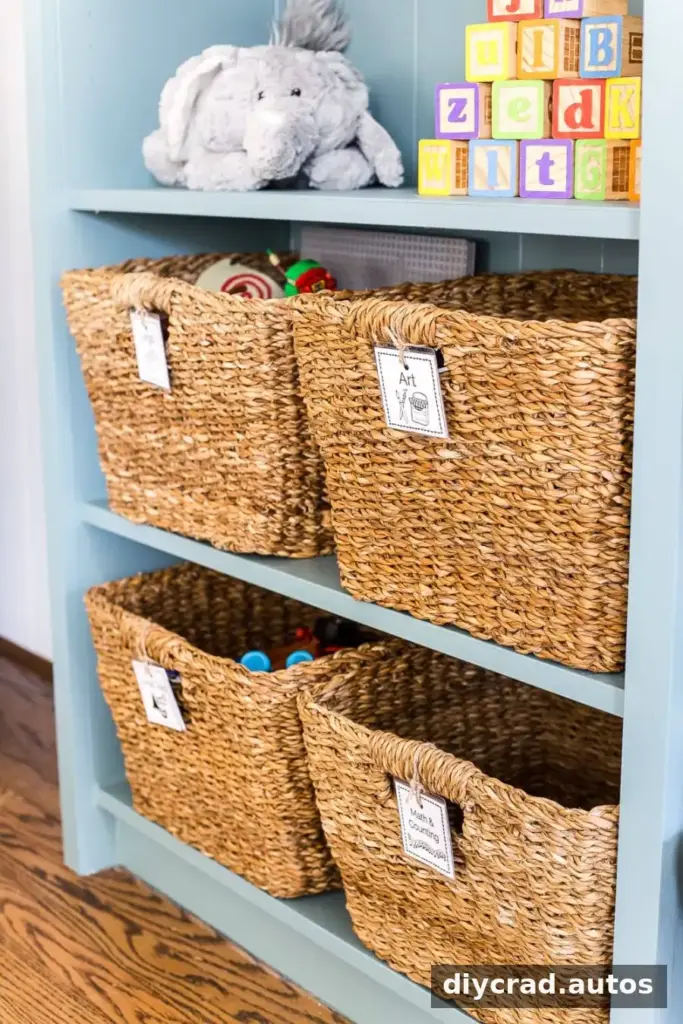
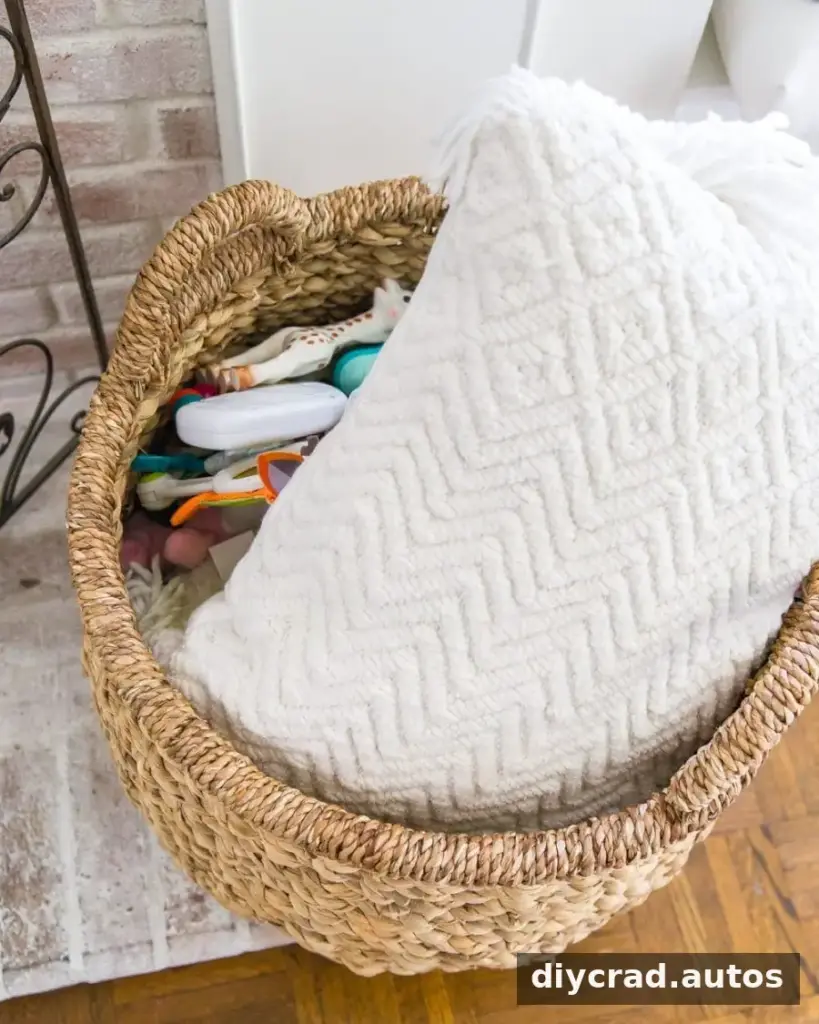
Organizing toys does not need to involve complicated systems. A few easy-to-reach baskets or clearly designated shelves can help children put things back without an adult sorting every item. Keep frequently used toys accessible, and avoid filling containers so tightly that putting things away becomes difficult. From time to time, review which toys are still used and whether the storage space is still practical.
Clear storage also helps adults and children understand where toys belong. Labels or picture cues may be useful for younger children, while older children can help decide how to group their toys. Keep walkways and exits clear, and choose storage that is stable and appropriate for the room.
Is keeping toys out of bedrooms right for your family?
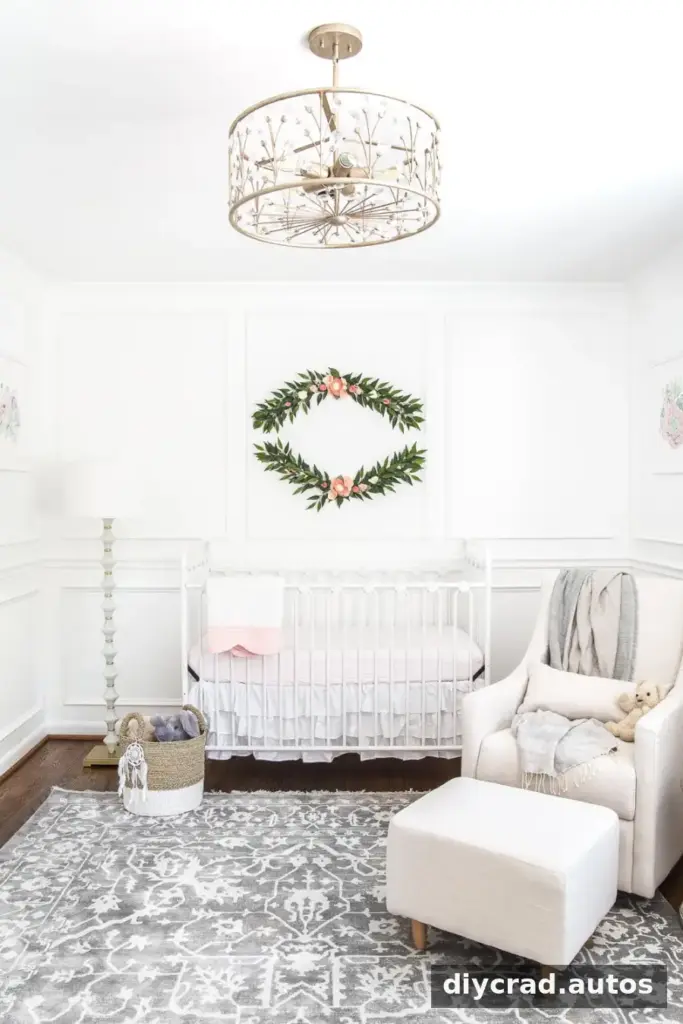
No toys in kids’ bedrooms is one possible way to reduce clutter and make the purpose of a sleep space clearer. In this family, toys return to the living-room basket or playroom after use, while books and a small amount of dress-up clothing can remain in the bedrooms. The routine is flexible, and occasional exceptions do not have to undo it.
If your child seems overwhelmed by a busy room or is tempted to play when it is time to rest, try a small, consistent change and see how it feels. Keep the parts that help and adapt the parts that do not. Ultimately, no toys in kids’ bedrooms is an option—not a universal rule—and the best setup is one that is safe, comfortable, and manageable for your family.