

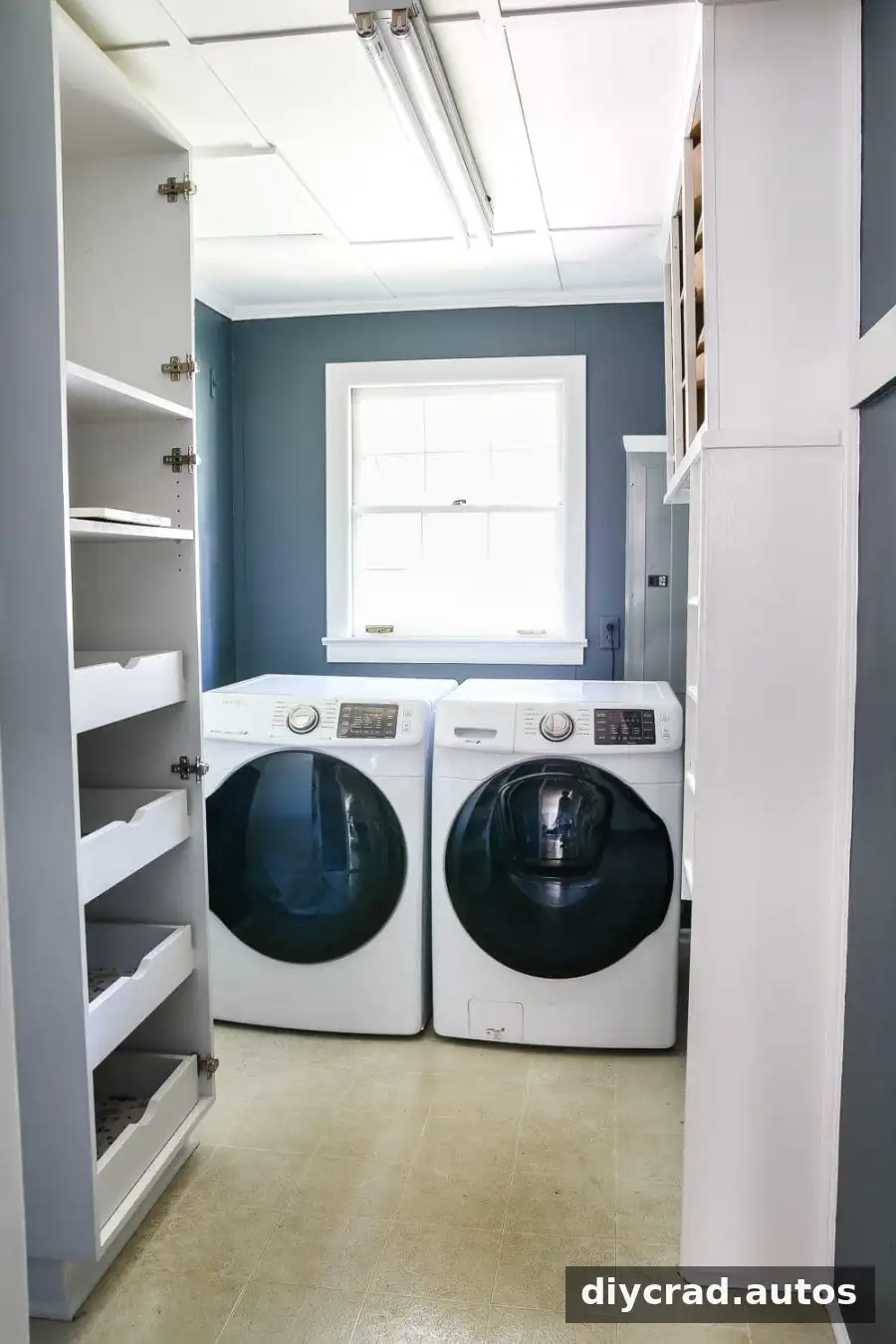
Peel and stick vinyl tiles offer a straightforward way to refresh a floor without the mess of a larger renovation. This collection features 18 options in wood-look, stone-look, and patterned styles, making it easier to compare designs for a laundry room, mudroom, or other suitable space. Before choosing a tile, check its product details and make sure it is appropriate for the room and the condition of the existing floor.
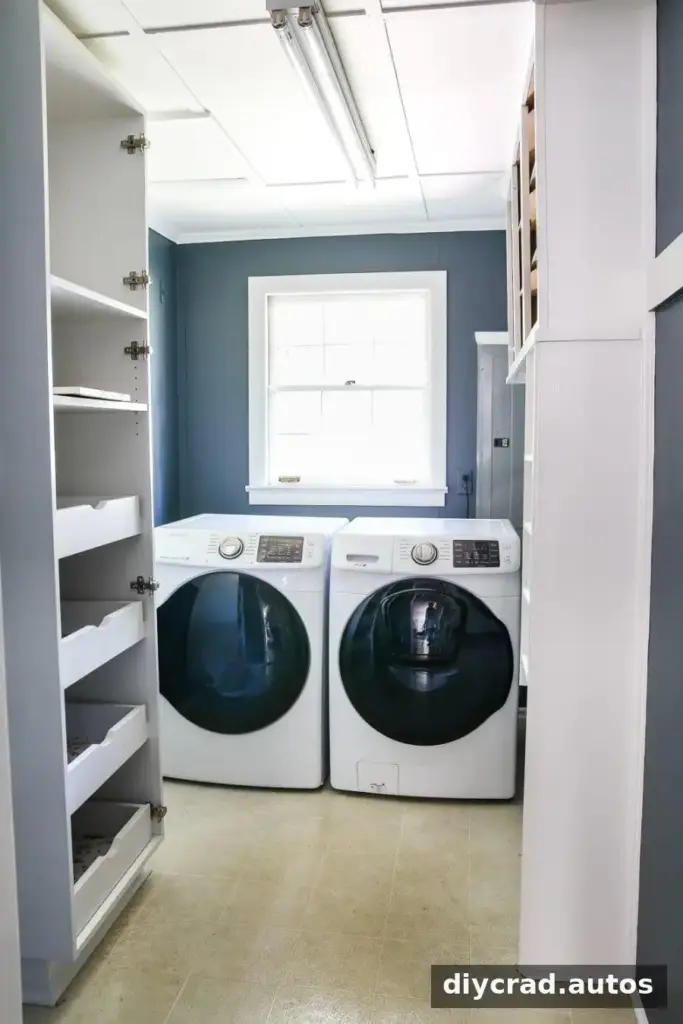
Why consider peel and stick vinyl tiles?
When a full flooring replacement is not on the immediate project list, self-adhesive tiles can provide a simpler cosmetic update. They are designed to stick to a prepared surface, so installation generally avoids the extra materials and wet work associated with some other flooring projects. That can make them appealing for a small room where a quick visual change is the main goal.
They also come in a broad range of finishes. Wood-inspired designs can create a warmer look, stone-like patterns offer a more classic feel, and bolder prints can add character to a utility area. Patterned floors may also make everyday dust and small marks less noticeable, though they do not replace regular cleaning.
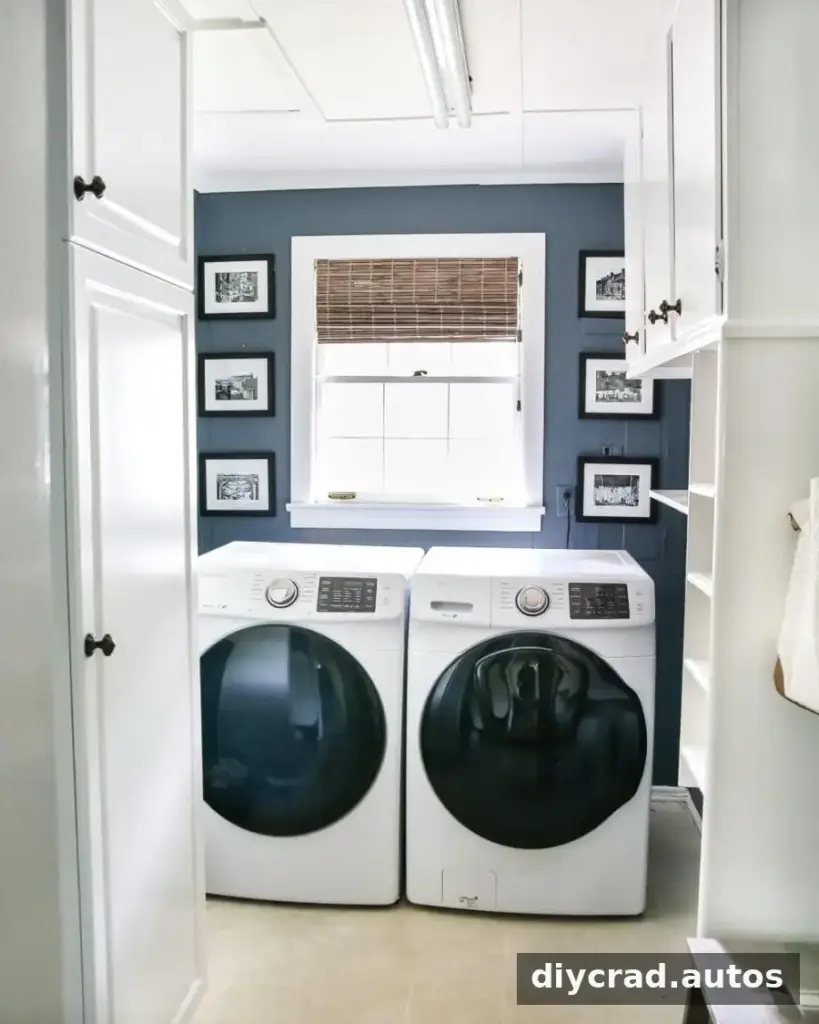
18 peel and stick vinyl tiles to explore
The numbered selection below brings together 18 styles across wood looks, stone looks, and current patterns. Use the images to compare color, pattern scale, and the overall effect each design may have in your room. A busy print can become a strong focal point, while a quieter finish may be easier to pair with existing cabinets and walls.
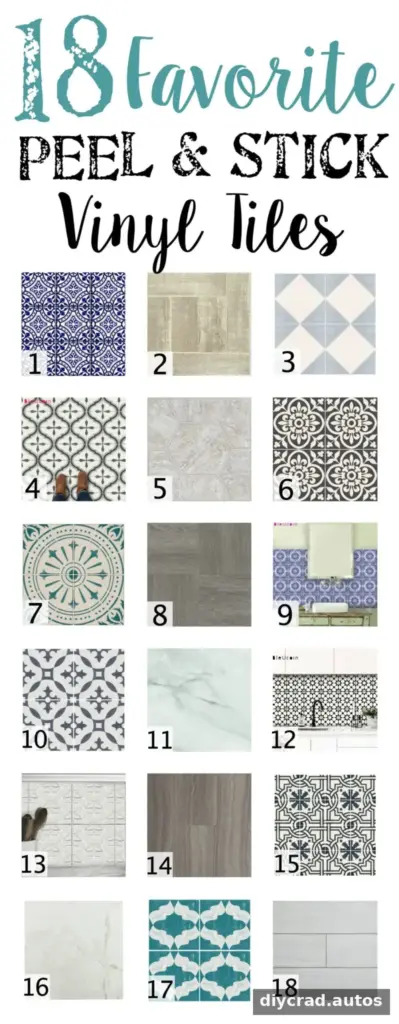
1 | 2 | 3 | 4 | 5 | 6 | 7 | 8 | 9 | 10 | 11 | 12 | 13 | 14 | 15 | 16 | 17 | 18
Check the room and surface before buying
Not every vinyl tile is suitable for every location. Some products can be used in wet areas, while others are not intended for bathrooms or places exposed to frequent moisture. Read the individual product specifications before purchasing, and follow the manufacturer’s guidance for installation and care.
The condition of the existing floor matters, too. Self-adhesive tiles need a suitable surface to adhere properly. Review the product instructions for requirements such as cleanliness, smoothness, and compatibility with the flooring underneath. If the surface is damaged or uneven, address that issue before installing tiles rather than assuming the new layer will conceal it.
Practical tips for choosing and laying the tiles
- Measure the area: Work out the room’s floor area before ordering, and check the package coverage so you can estimate how many tiles are needed.
- Compare samples or images: Tile color and pattern can look different depending on lighting and nearby finishes. Compare the style with the room’s cabinets, walls, and trim.
- Plan the layout: Consider where the first tile will go and how the pattern will meet the edges of the room. A little planning can help avoid awkward-looking cuts in prominent areas.
- Keep the instructions handy: Follow the product’s preparation, placement, and maintenance directions. Adhesive performance and suitability can vary by product.
- Think about future changes: Some peel and stick tiles may be easier to remove than permanent flooring, but removability is not guaranteed for every product or surface. Check the manufacturer’s information before relying on a temporary installation.
In the featured project, option #10 was selected, and the initial progress was described as promising. The numbered choices are a useful starting point, but the right tile depends on your room, the existing floor, and the product’s intended use.

Choosing peel and stick vinyl tiles for your space
Peel and stick vinyl tiles can be a practical option when you want to update a suitable floor without taking on a major renovation. Compare the 18 styles for color and pattern, then verify moisture suitability, surface requirements, and care instructions before buying. Careful product selection and preparation can help you choose peel and stick vinyl tiles that fit both the room and the project.

