

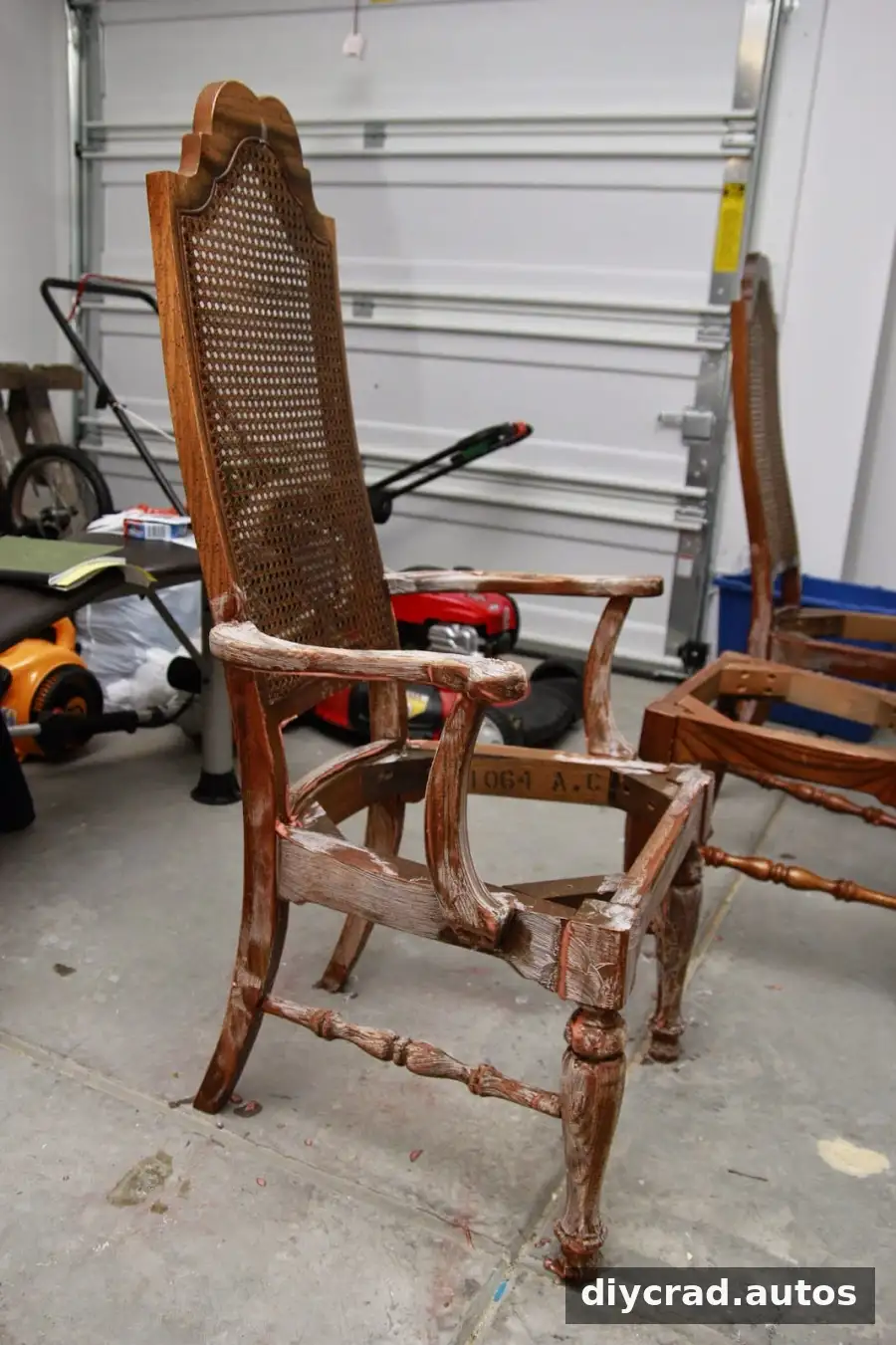
Sticky, gummy Citristrip residue can make a furniture refinishing project frustrating, especially when scraping and the cleanup method on the product label do not seem to work. The right approach depends on the type and age of the finish, how much stripper remains, and the wood’s condition. The steps below explain one method used to clean stubborn residue, along with precautions to help protect both the furniture and the person doing the work.
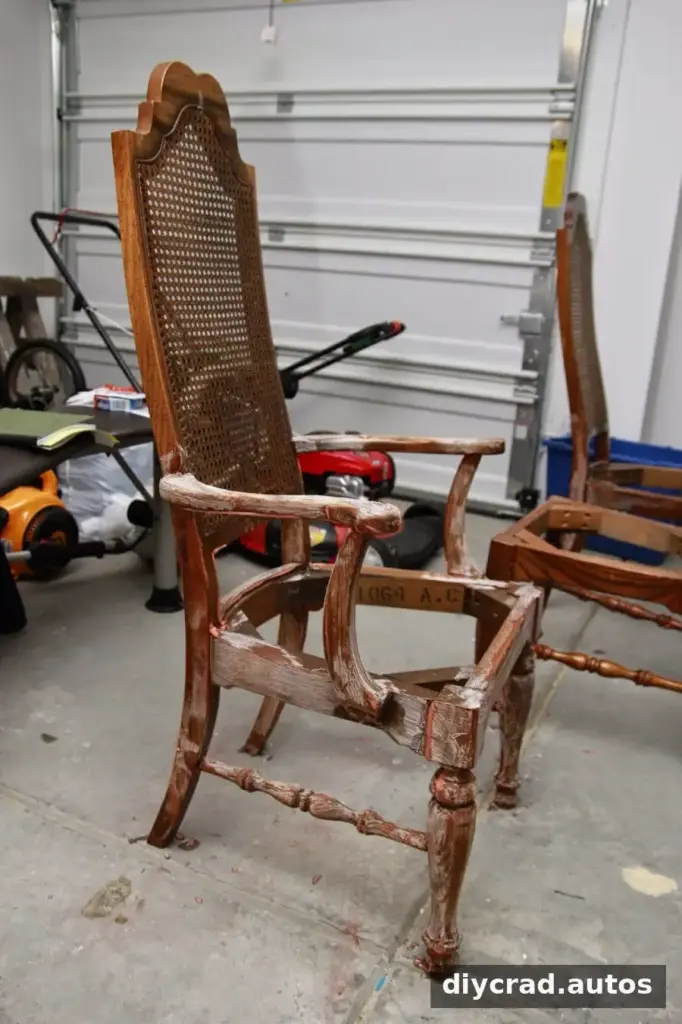
When to Use Citristrip on Wood Furniture
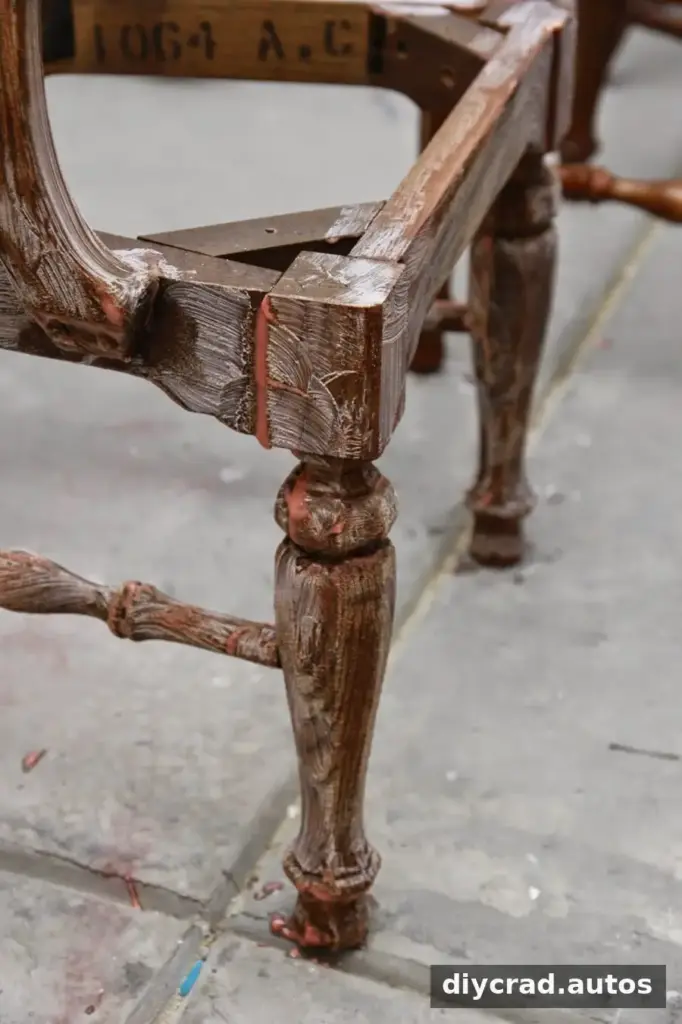
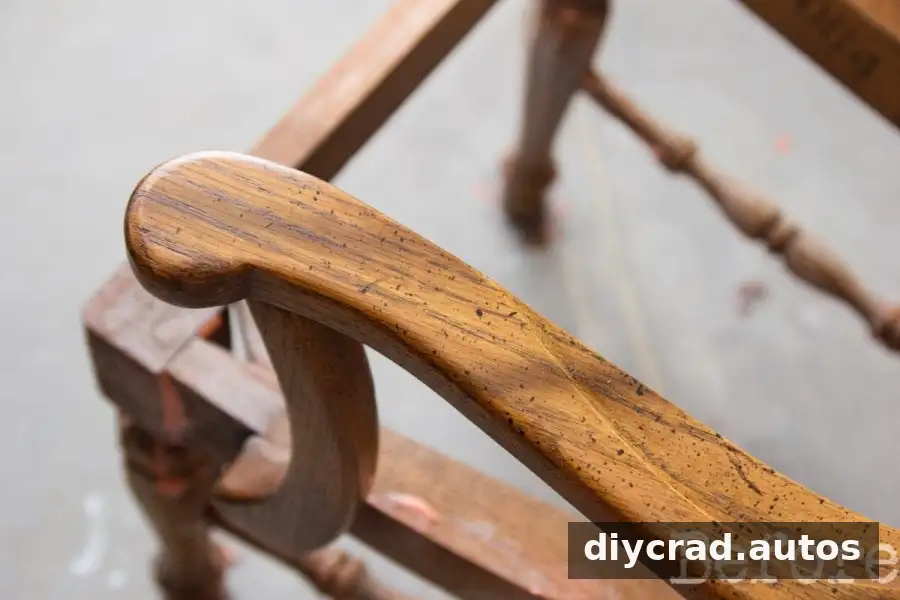
A gel paint stripper may help remove layers of dried latex paint or oil-based coatings, but results vary with the finish and the number of layers. In one furniture project, the stripper lifted latex paint effectively but struggled with decades-old varnish, leaving a gummy layer that was difficult to scrape away.
Always read the product label before starting. It specifies suitable surfaces, application and dwell times, cleanup methods, and safety requirements. If a finish remains stubborn, avoid assuming that more product or longer exposure will solve the problem; test a small, hidden area first and follow the label’s directions.

How to Remove Citristrip Residue
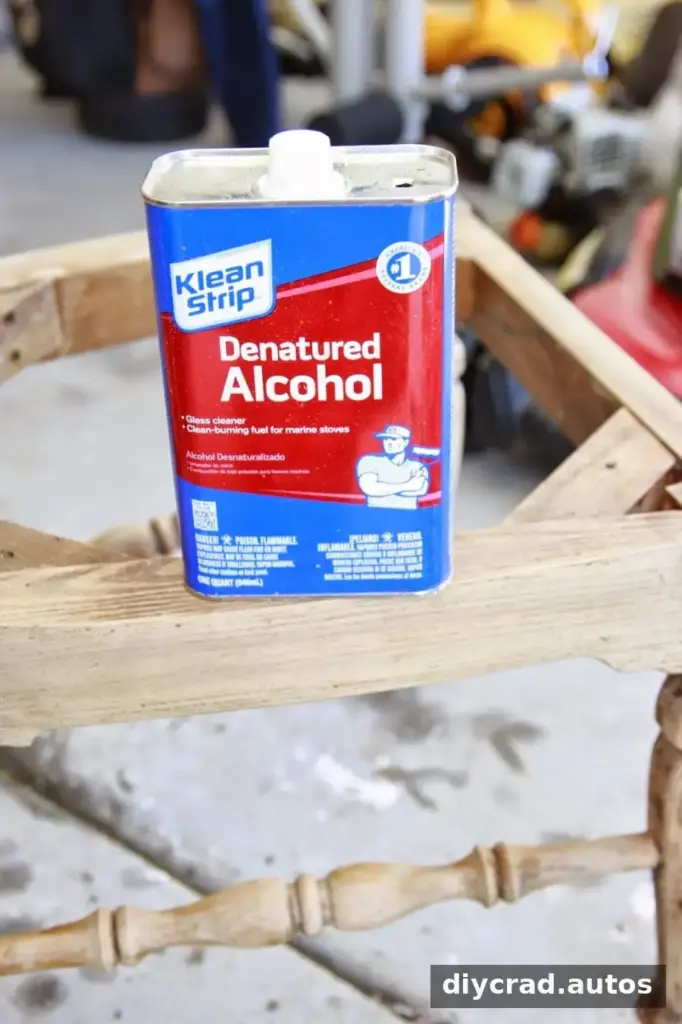
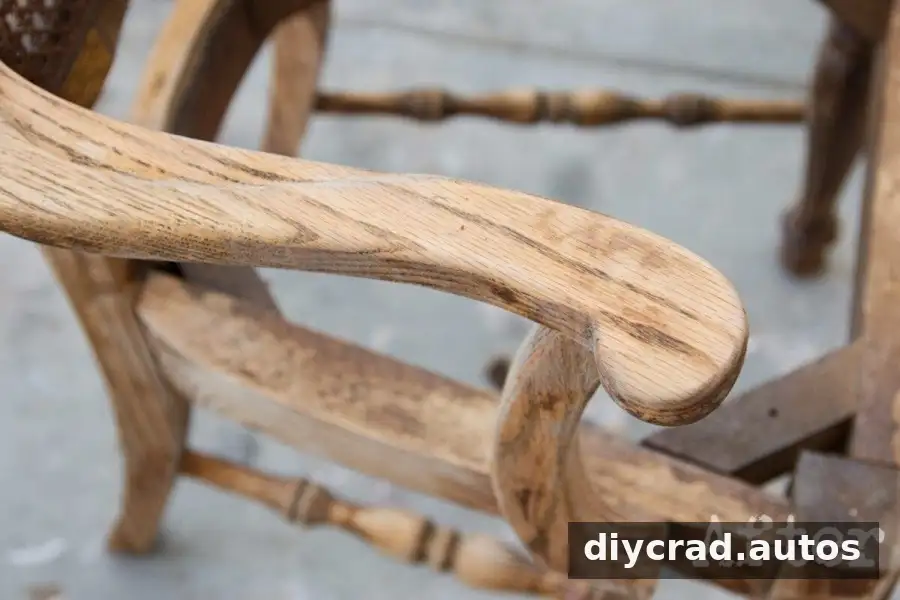
For the project described here, odorless mineral spirits did not remove the remaining sticky residue. A small amount of denatured alcohol worked better on the affected wood. This is not a universal solution, so test it in an inconspicuous spot before treating a larger area. Alcohol can affect some coatings, stains, adhesives, or wood treatments.
- Remove loose material first. Use a plastic scraper or putty knife to lift away softened paint and stripper without gouging the wood.
- Check compatibility. Apply a little denatured alcohol to a hidden area using a cloth, then inspect the surface for color change, damage, or other unwanted effects.
- Work in small sections. If the test is successful, dampen a clean cloth with alcohol and wipe the residue. Avoid pouring the solvent directly onto the furniture or soaking the wood.
- Use a suitable brush for details. Fine steel wool was used on flat areas in this project, while a small brass brush helped reach crevices. Work gently, since abrasive tools can scratch or mark wood.
- Wipe and inspect. Use a clean cloth to lift loosened residue and check the surface before repeating. Let the wood dry fully before applying primer or another finish.
For this particular project, mineral spirits, other adhesive-cleaning products, sanding, and hot water did not solve the problem. Adding more stripper made the gummy mess worse. Those results can differ on other furniture, so use the stripper manufacturer’s recommended cleanup method first and avoid mixing cleaning chemicals.
Safety Before Using Denatured Alcohol
Denatured alcohol is a flammable solvent and can be harmful if inhaled or absorbed through the skin. Work outdoors or in a well-ventilated area, wear chemical-resistant gloves and eye protection, and keep the solvent away from flames, sparks, heat, and smoking. Follow the container’s handling and disposal instructions, and keep it away from children and pets. Do not use it near other chemicals or cleaners.
If residue remains in the wood or the surface has a few varnish spots, let the piece dry completely and assess its condition before choosing the next step. In the project described, an oil-based primer was applied afterward. Check that any primer or topcoat is compatible with the remaining finish and the preparation method, and follow its label.
Tips for Better Citristrip Results
- Cover the floor and nearby surfaces with a drop cloth before applying stripper.
- Wear safety glasses and chemical-resistant gloves, and follow all label precautions.
- Apply the product as directed; a consistent layer can help it work evenly.
- Use a covering only if the product instructions recommend it, and observe the stated wait time rather than guessing.
- Lift softened finish with a plastic scraper to reduce the chance of scratching the wood.
- Wipe away loosened material with disposable towels or a clean cloth, following the label’s cleanup guidance.
- For thick or multiple layers, repeat only as the product directions allow.
- Before sanding, priming, or refinishing, make sure the surface is clean and fully dry.
Final Thoughts on Citristrip Residue
Removing Citristrip residue may take patience, and a method that works on one piece of furniture may not suit another. Start with the product label’s cleanup instructions, test any alternative solvent in a hidden area, and use gentle tools to avoid damaging the wood. Careful ventilation, protective equipment, and allowing the surface to dry before refinishing are important parts of a safer, more reliable cleanup.

