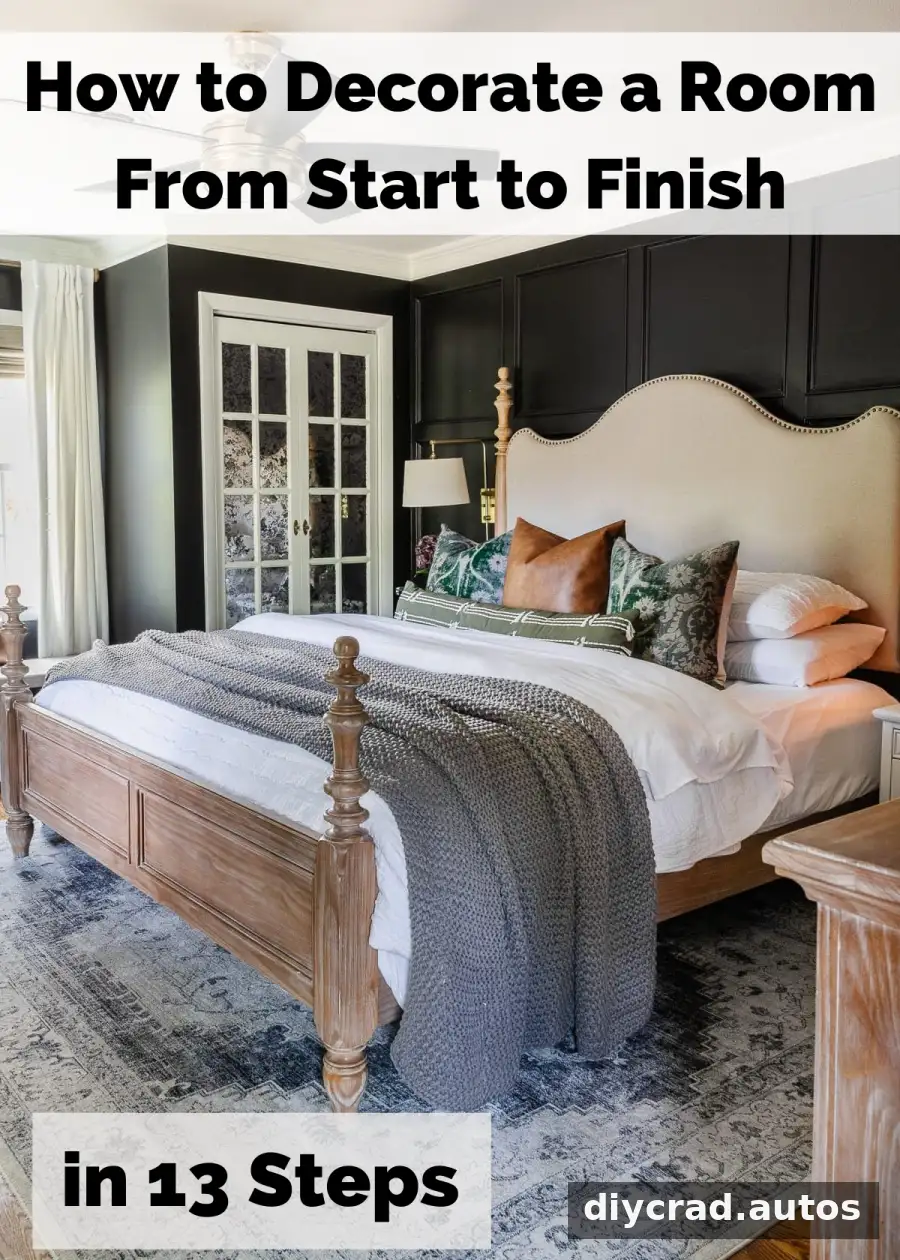
Learning how to decorate a room is easier when you follow a clear plan instead of trying to choose paint, furniture, and accessories all at once. Whether you are refreshing a bedroom or planning a larger renovation, a step-by-step approach can help you make confident decisions, manage costs, and create a space that suits the people who use it.
It is tempting to start shopping as soon as you picture a new space. But planning first helps prevent mismatched purchases and makes it easier to see how each choice supports the overall design.
Before buying anything, decide what the room needs to do, how you want it to feel, and what will fit. Use the following 13 steps as a practical blueprint, adapting them to your room and budget.
How to Decorate a Room in 13 Steps
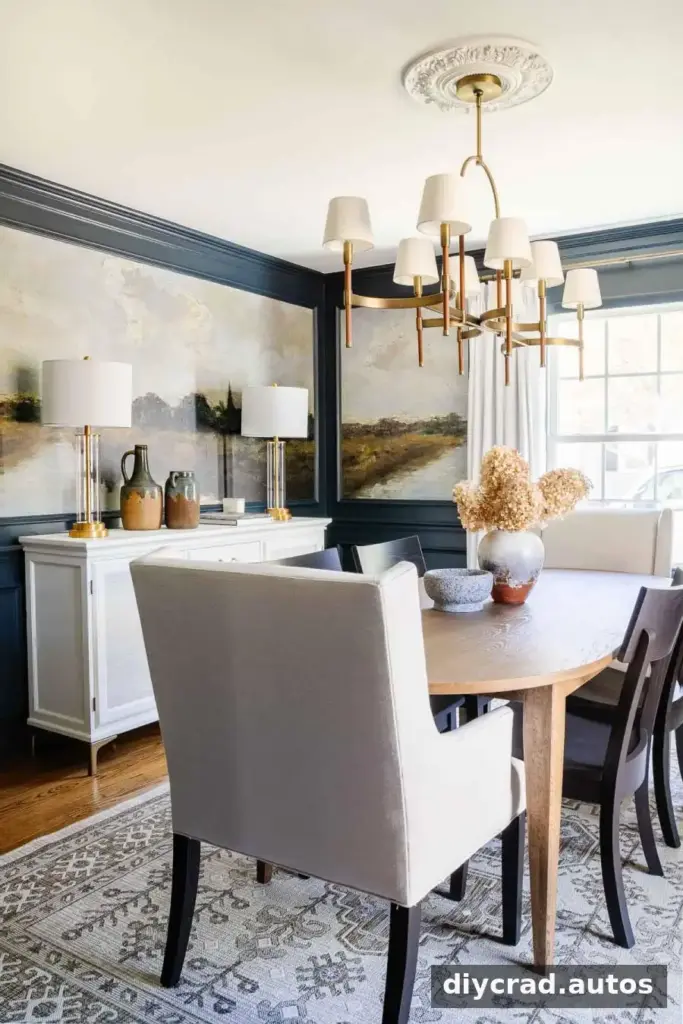
1. Identify Your Decorating Style
Gather clues about the colors, patterns, and furniture you are naturally drawn to. Your personal style does not need a formal label; the goal is to identify a few preferences that can guide your choices.
Ways to find your style
- Notice your clothing preferences. Think about the colors, patterns, and level of formality you wear most often. These preferences can offer useful inspiration for a comfortable home palette.
- Review saved room images. Collect interior ideas that appeal to you, then look for recurring features such as similar furniture shapes, colors, materials, or architectural details.
- Choose two or three words for the mood. Consider whether you want the room to feel serene, cheerful, inviting, minimal, casual, bold, timeless, or airy. Use those words to check whether future choices suit your vision.
2. Define the Room’s Functional Needs
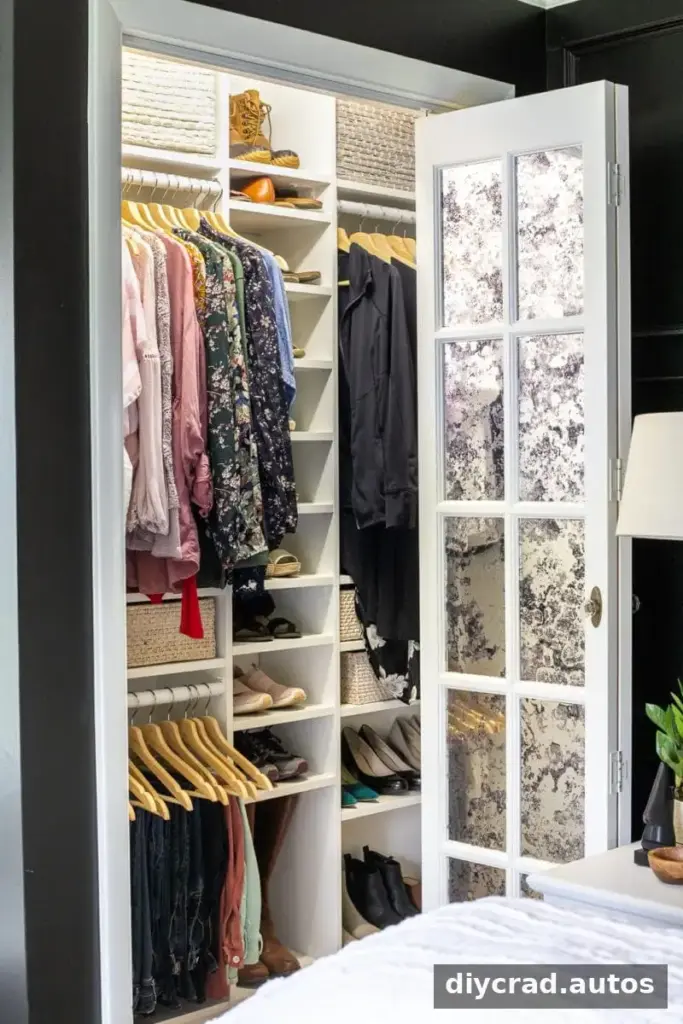
Start by listing what would make the room work better in everyday life. Consider storage, routines, and whether a piece of furniture could serve more than one purpose.
- What items need convenient storage?
- How do household members use the room each day?
- What change could make a routine easier?
- Could a desk, table, or seating piece serve two functions?
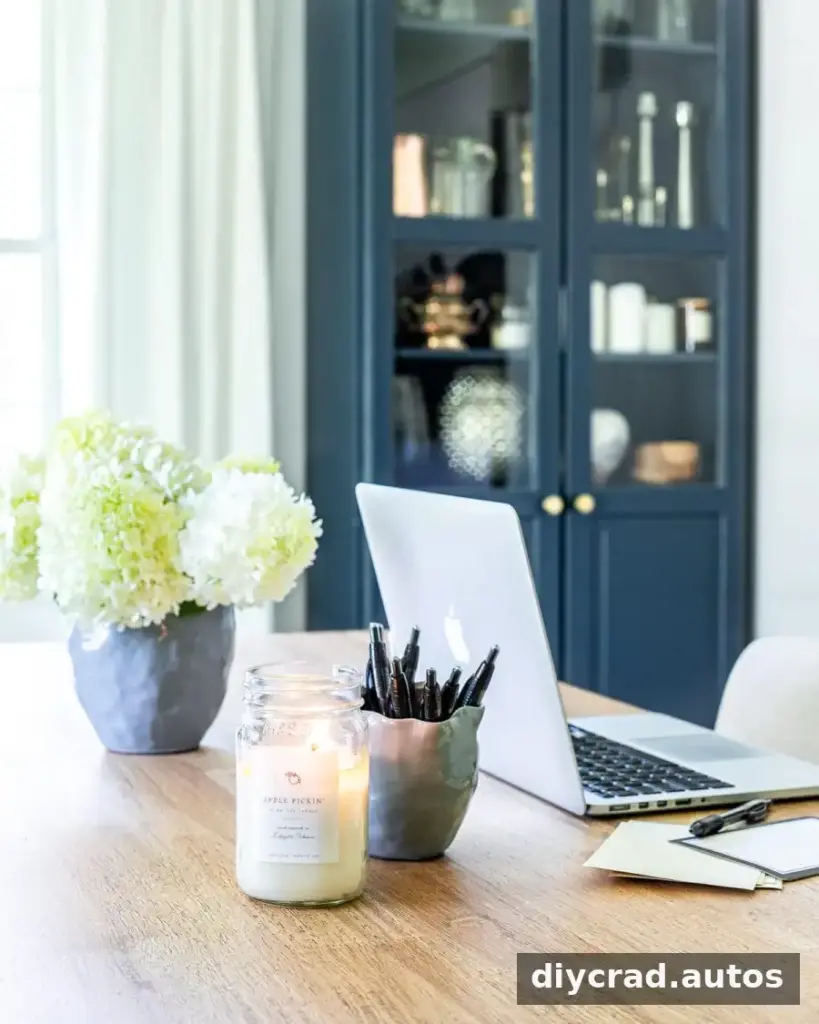
For example, a dining room might also be used as a home office, making concealed storage useful. A coffee table with storage can help keep toys or blankets out of sight in a family living room. Write down your priorities before choosing furniture.
3. Consider Who Will Use the Space
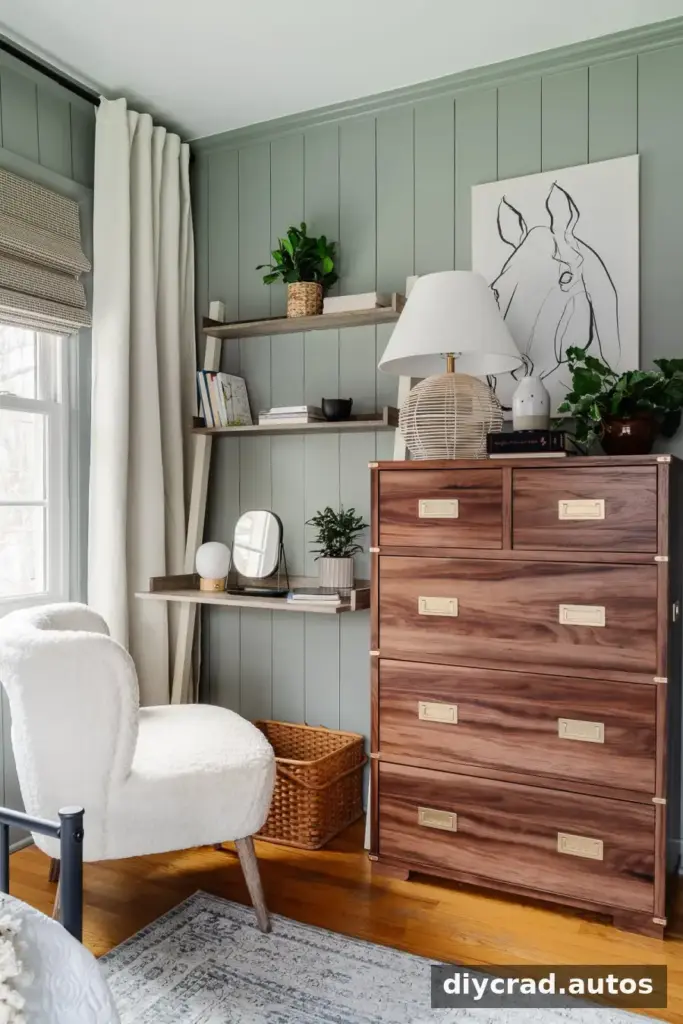
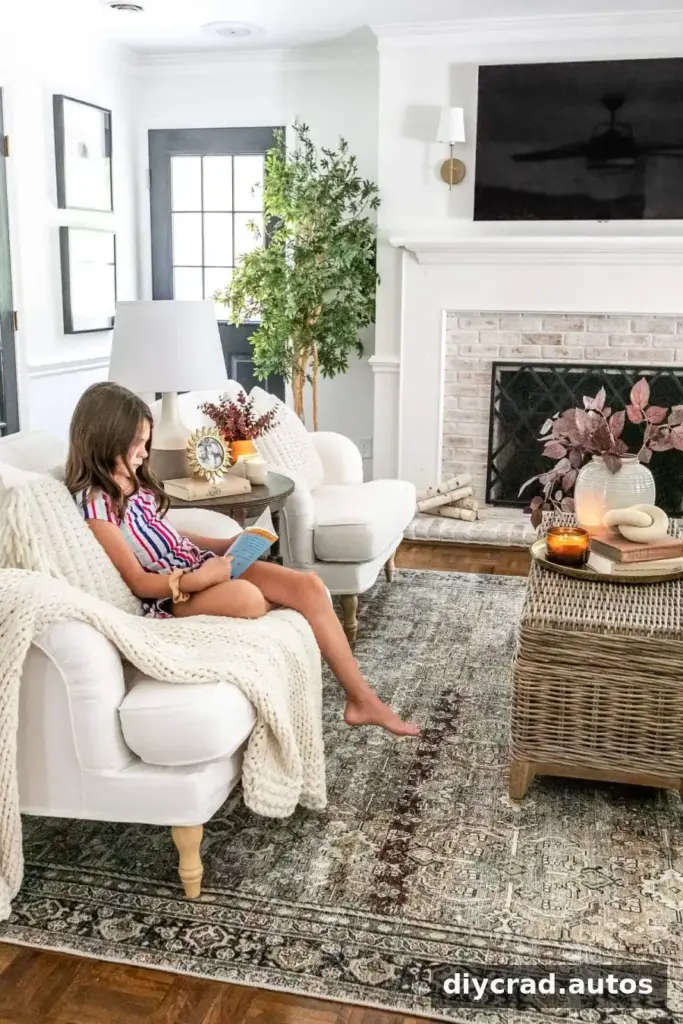
Children, pets, and the room’s main users all affect which materials and furnishings are practical. In a frequently used living room, washable upholstery and sturdy surfaces may be easier to maintain than delicate fabrics or glass furniture. A quieter room used by adults may allow for more delicate choices.
Consider comfort as well as appearance. For instance, think about whether the people using the room prefer a ceiling fan, particular lighting, or specific seating. Add these requirements to your plan so they are not overlooked later.
4. Make and Prioritize a Wish List
Write down everything you would like to include, especially for a kitchen, bathroom, or other major renovation. Then rank the items from essential to optional. If more than one person is involved, compare priorities before setting the final scope.
A ranked list makes it easier to adjust the plan if costs rise. Agreeing on priorities early can also help household members and contractors work toward the same goals.
5. Measure the Room and Plan the Layout
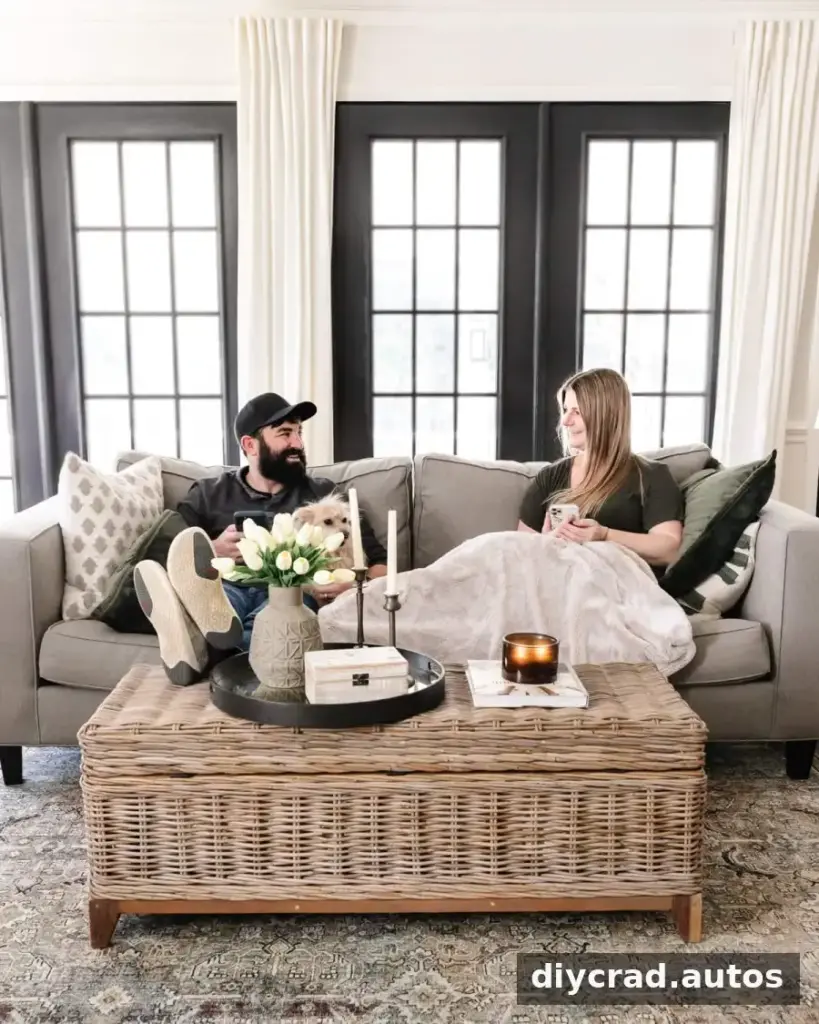
Record the room’s dimensions before shopping. Include window sizes, wall space between doors, door swings, outlets, and architectural details that could affect furniture placement or movement through the room.
Sketch a basic floor plan and test possible furniture arrangements. Painter’s tape can help outline furniture dimensions on the floor, but check that it is safe for your flooring first. A free online room-planning tool can also help you compare layouts. Leave enough space for doors to open and for people to move comfortably.
6. Create an Inspiration Board
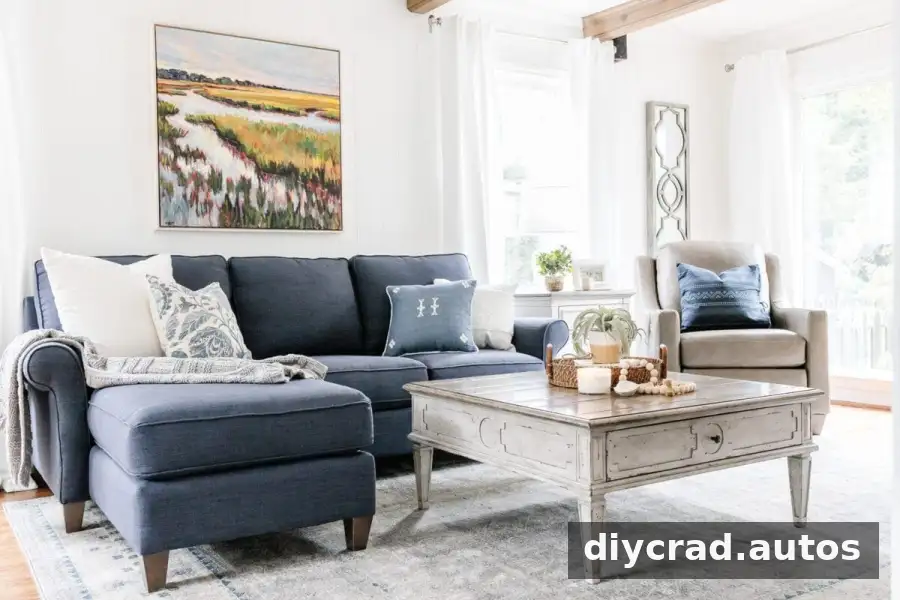
Collect images, colors, fabric ideas, and furniture references in one place. An inspiration board makes it easier to see whether your ideas work together and to explain your preferences to anyone helping with the project. Keep the collection focused on this room so the main direction stays clear.
7. Set a Realistic Budget
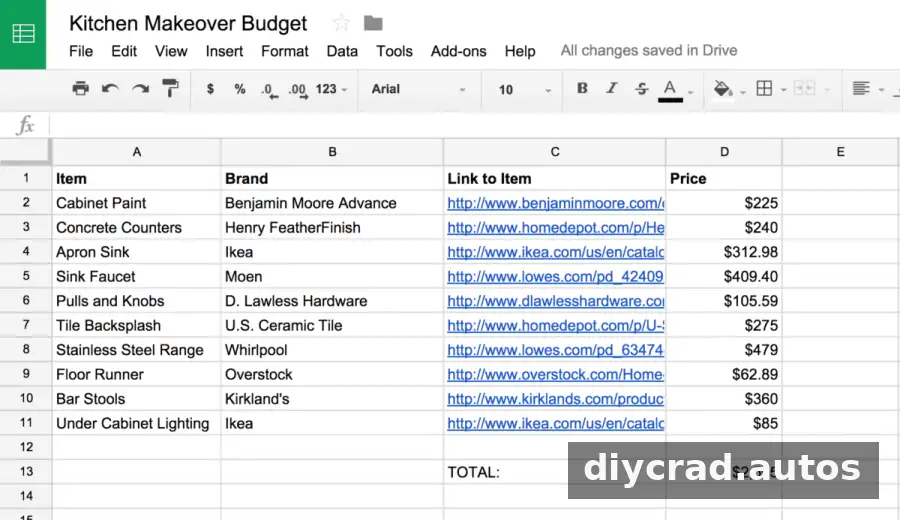
Decide which elements matter most and where you can save. Consider secondhand finds, existing furniture, or projects you can complete yourself. Include supplies such as brushes, drop cloths, nails, and other small items, since these costs can add up.
Whenever possible, keep about 20% of the budget available for unexpected expenses or changes. If the total exceeds your limit, return to your prioritized wish list and postpone lower-priority items rather than compromising on essential needs.
8. Consider the Rest of Your Home
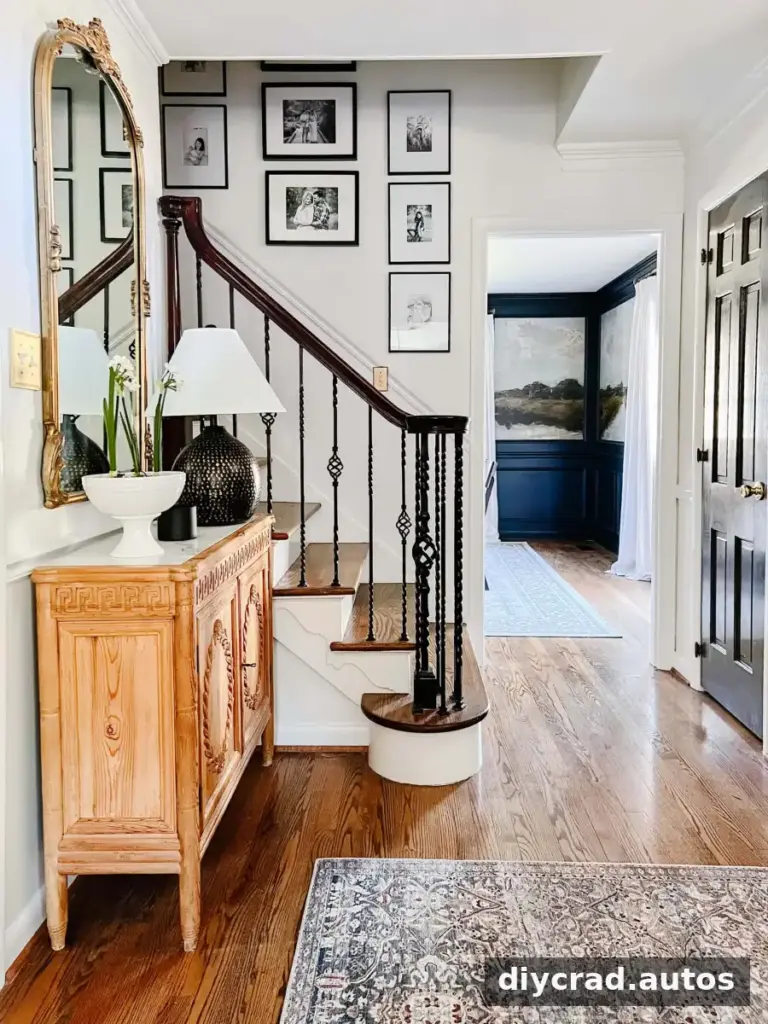
A room does not have to match every other room, but a related palette or decorating style can help the home feel cohesive. Look at nearby spaces and decide which colors, materials, or finishes can carry through. This is especially helpful if you are decorating one room while leaving the rest of the home unchanged.
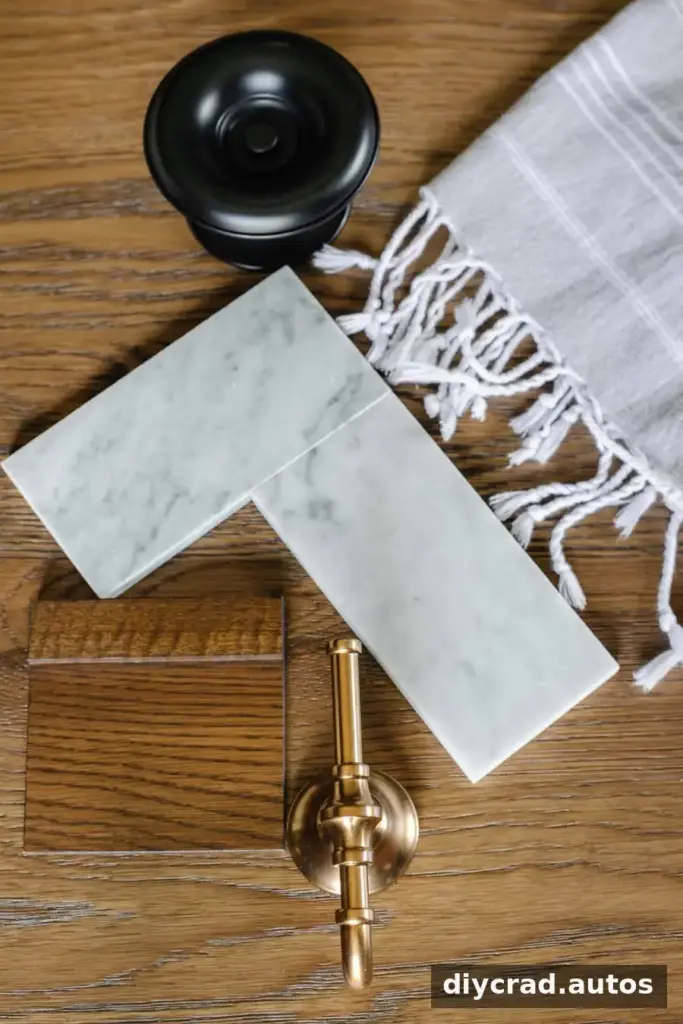
9. Choose an Inspiration Piece Before Paint
Begin with a piece of art, wallpaper, or textile that captures the direction you want. It is often easier to select paint that complements a rug or fabric pattern than to find textiles that suit a paint color chosen first.
Use the inspiration piece to guide coordinating colors, wood tones, and metal finishes. Look at patterns and textures together, and check that they support the mood words you chose. For example, warmer metal finishes can contribute to a warm, classic look, while pale wood can suit an airy, casual scheme.
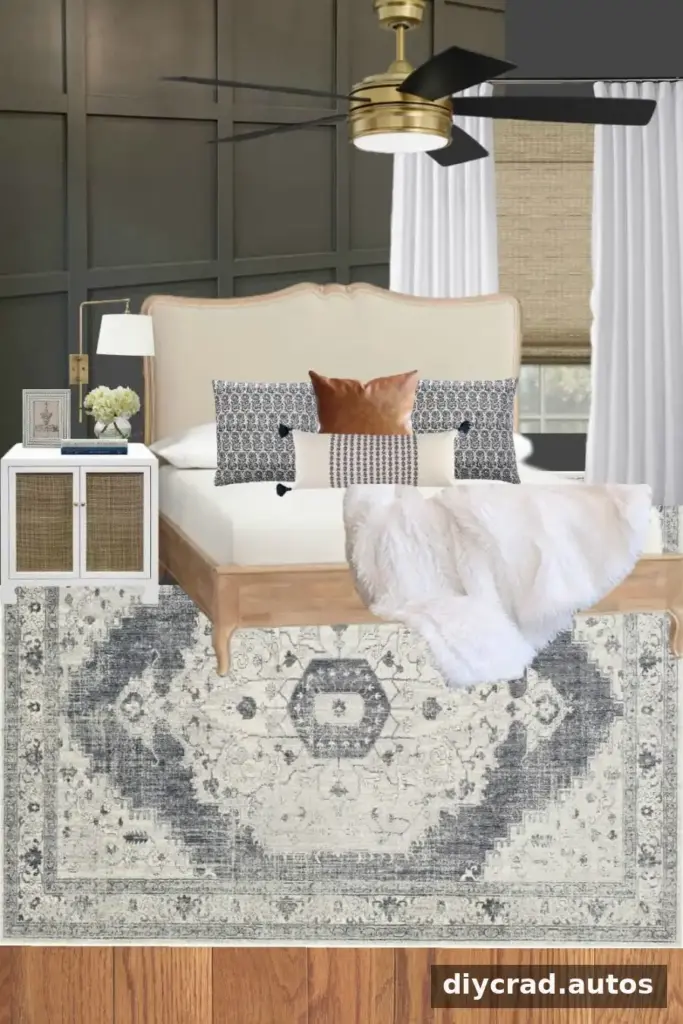
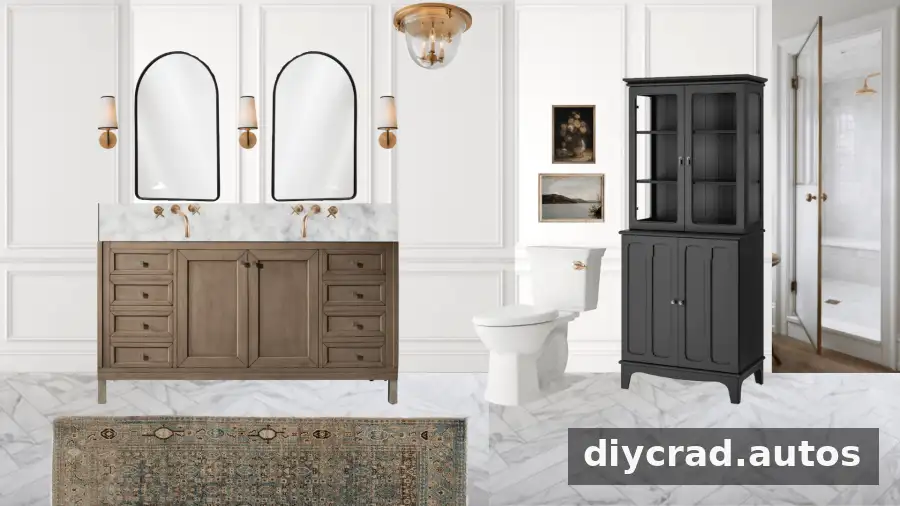
10. Test the Plan With a Mood Board
A mood board lets you preview the room before committing to purchases. Arrange images of the main furniture, paint colors, fabrics, lighting, and accessories together using a digital tool or a simple presentation. Seeing the elements side by side may reveal that a color or pattern does not fit as well as expected.
Make adjustments on the board first. This can help reduce costly changes after items have been purchased or installed.
11. Choose Large Furniture First
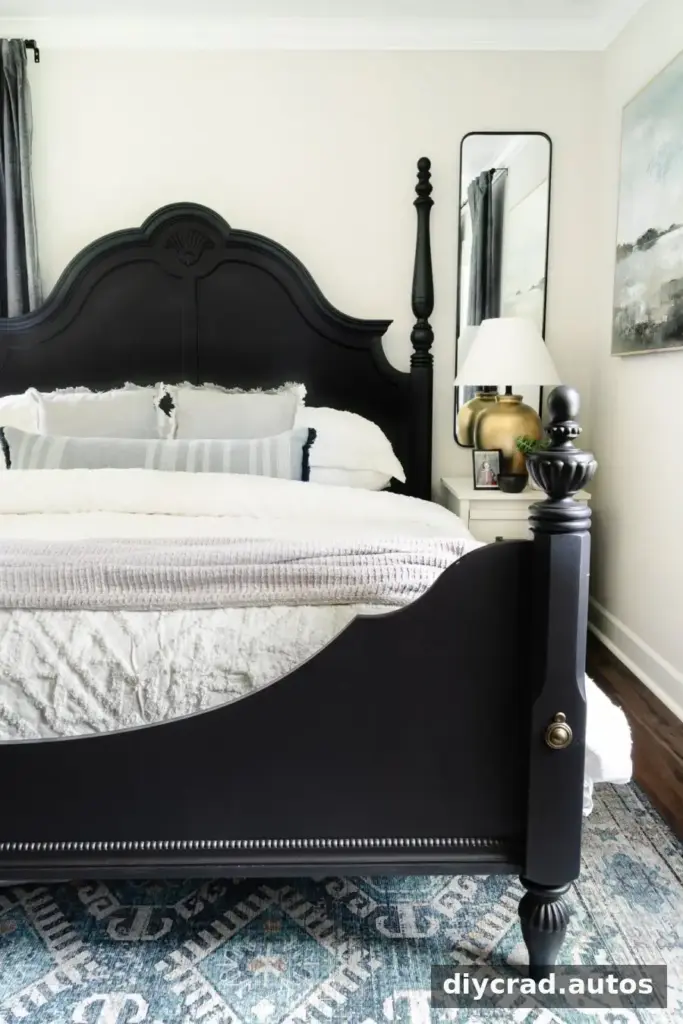
Start with the pieces that anchor the room, such as a sofa and chairs in a living room or a dining table and chairs in a dining area. Check each item’s dimensions against your floor plan, doorways, and traffic paths before ordering or bringing it home.
Choose furniture that meets your functional needs and fits the style, colors, and budget you have already established. Smaller decor can be selected afterward to complement these larger pieces.
12. Add Accent Pieces Thoughtfully
Lamps, side tables, pillows, and accessories bring character to a room. Before buying new items, look around your home to see whether existing decor could work in a different space. When shopping, keep room measurements and paint or fabric samples handy so you can compare size and color accurately.
Practical ways to style accents
- Choose lighting that suits the room’s activities as well as its appearance.
- Use pillows and throws to introduce color or texture without replacing large furniture.
- Group a few related objects on a table or shelf, leaving some open space so the display does not feel crowded.
- Check that accessories support the room’s chosen mood and do not obstruct everyday use.
13. Add Personal Touches That Tell Your Story
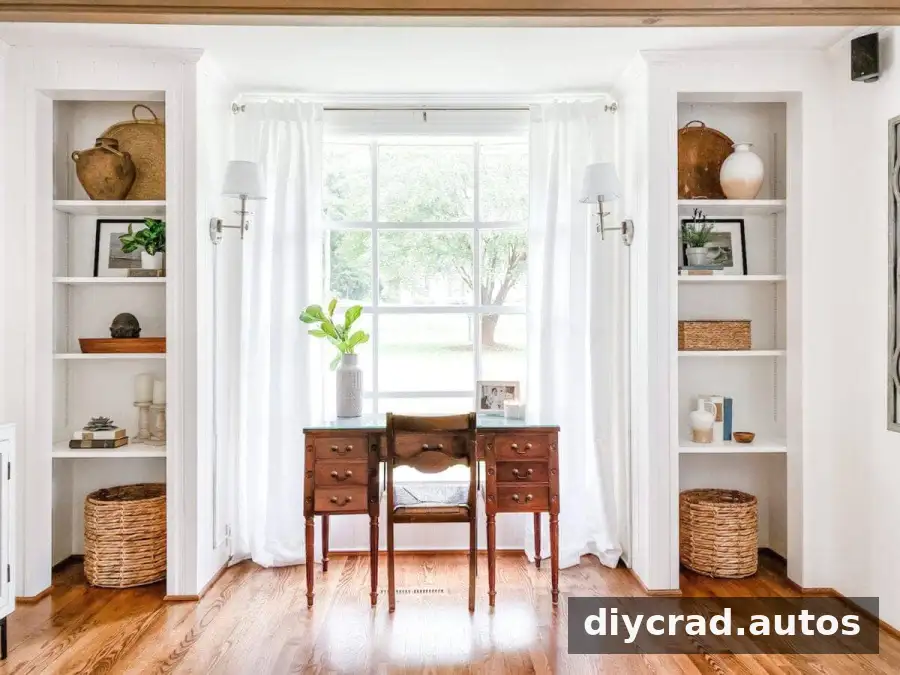
Personal items help a room feel connected to the people who live there. Consider displaying family photographs, meaningful artwork, travel mementos, or objects with family history. Shelves, tabletops, and gallery walls can all provide space for these pieces.
Choose a few items that matter to you rather than filling every surface. A thoughtful display can make a room feel individual while keeping it comfortable and functional.
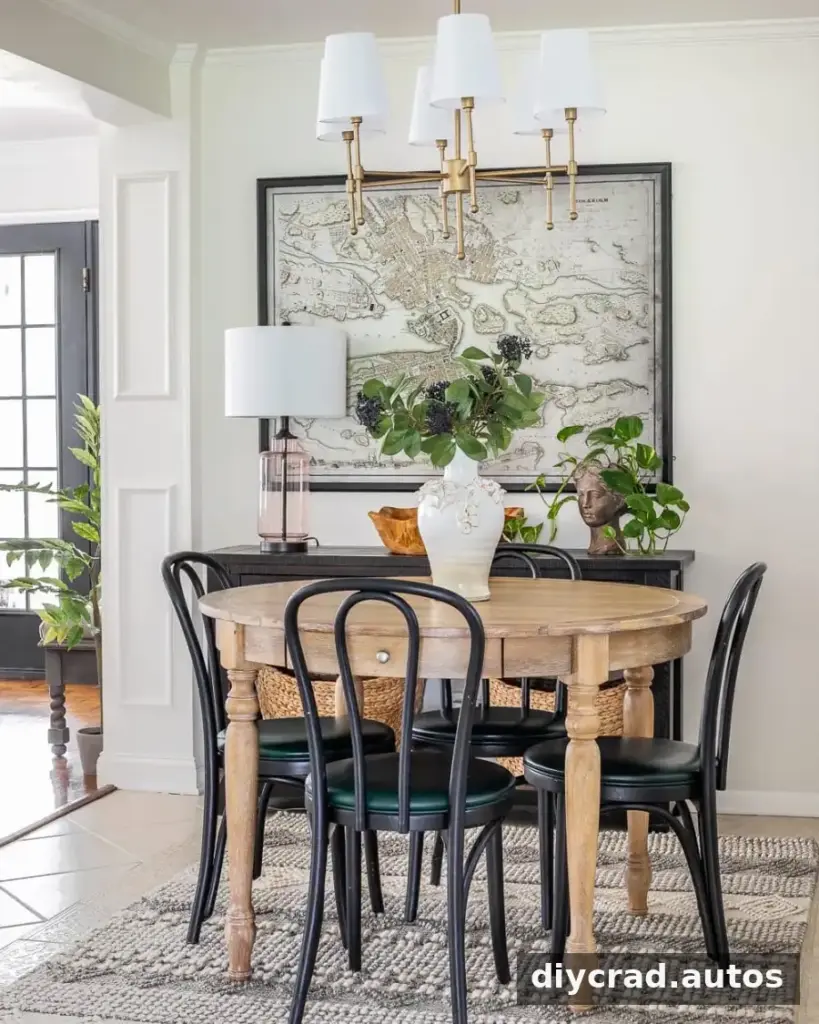
Finish the Room One Step at a Time
A well-planned decorating project does not require every decision to be made on the first day. Work through the priorities, check measurements, and make purchases in an order that suits your budget. Once the essentials are in place, take time to live with the room before adding more accessories.
The best result is a space that reflects your needs and preferences, not simply a collection of popular trends.
Frequently Asked Questions
When decorating a new house, where should I start?
Start with the room your household uses most often, then move on to less-used spaces. Completing one room before starting another can make the work feel more manageable and lets you enjoy a finished area while other rooms are still being planned.
How can I redecorate on a tight budget?
Try these lower-cost updates before buying a full set of new furnishings:
- Rearrange the furniture to test a different layout.
- Move existing decor to another room and see whether it works in a new setting.
- Look for secondhand furniture through local listings or thrift stores.
- Use paint for a noticeable refresh; one or two gallons may transform a room for around $100, depending on the product and project.
- Declutter and reorganize before deciding what storage or furniture you need.
- Refresh a few textile items, such as pillows, bedding, or a shower curtain.
- Try moving rugs or swapping decor with friends before purchasing new pieces.
- Add plants if they suit the room’s light and care requirements.
Following a plan for how to decorate a room can help you avoid rushed purchases, make better use of your budget, and create a space that feels cohesive and personal.