Planning a small bedroom layout can be challenging when the room has an off-center window and needs to serve more than one purpose. For a compact guest room, the right arrangement can make space for comfortable sleeping while leaving room to read, work, or store extra linens. These three furniture plans offer different ways to balance function, comfort, and available floor space.
Small Bedroom Layout Ideas for a Guest Room
Before choosing a plan, measure the room and note the location of doors, windows, outlets, and any furniture that must stay. Sketching the options to scale can help reveal whether there is enough room to move around the bed and open drawers or doors. It is also helpful to decide which need matters most: accommodating more sleepers, adding a work surface, or fitting a larger bed.
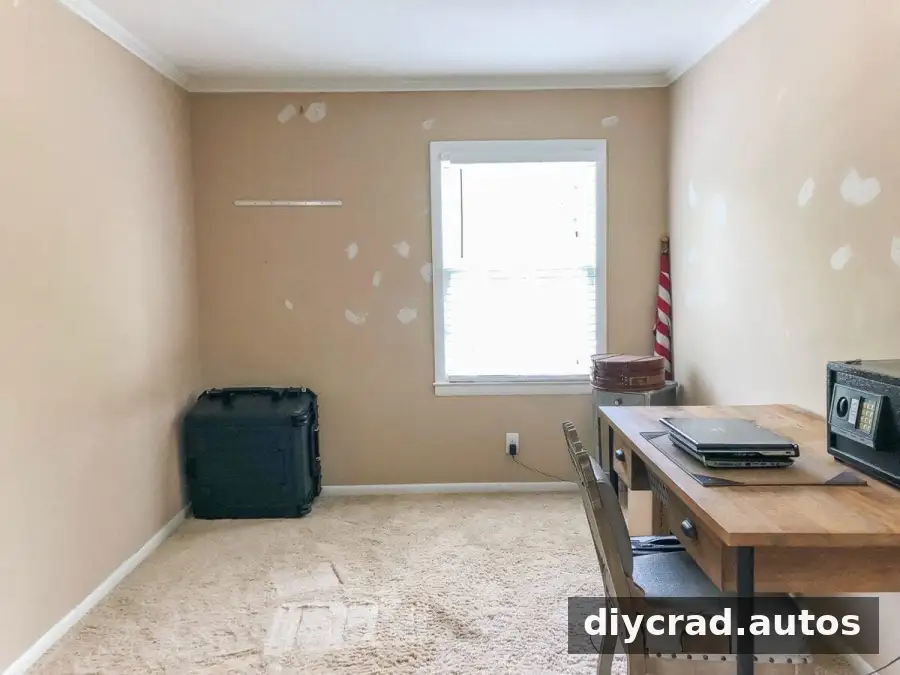
The room was previously used as a home office and is being considered for use as a guest bedroom. Since the existing office is rarely needed, the plan is to share office space elsewhere and keep the guest-room makeover practical and budget-conscious.
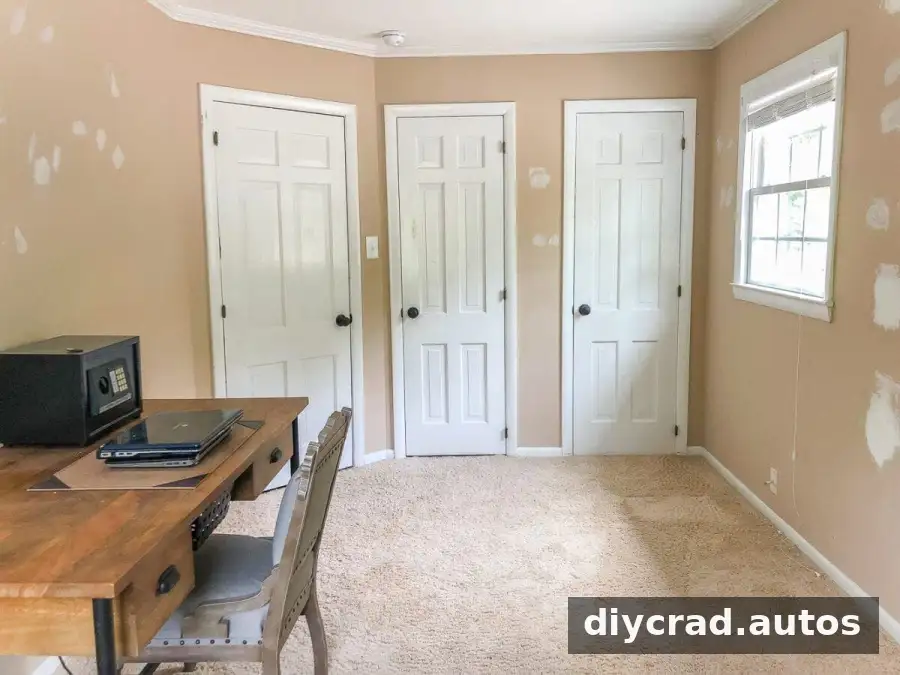
An unusually shaped room and an off-center window make furniture placement less straightforward. The following layouts show how different bed sizes and multifunctional pieces could address those constraints.
1. Full-Size Daybed with a Twin Trundle
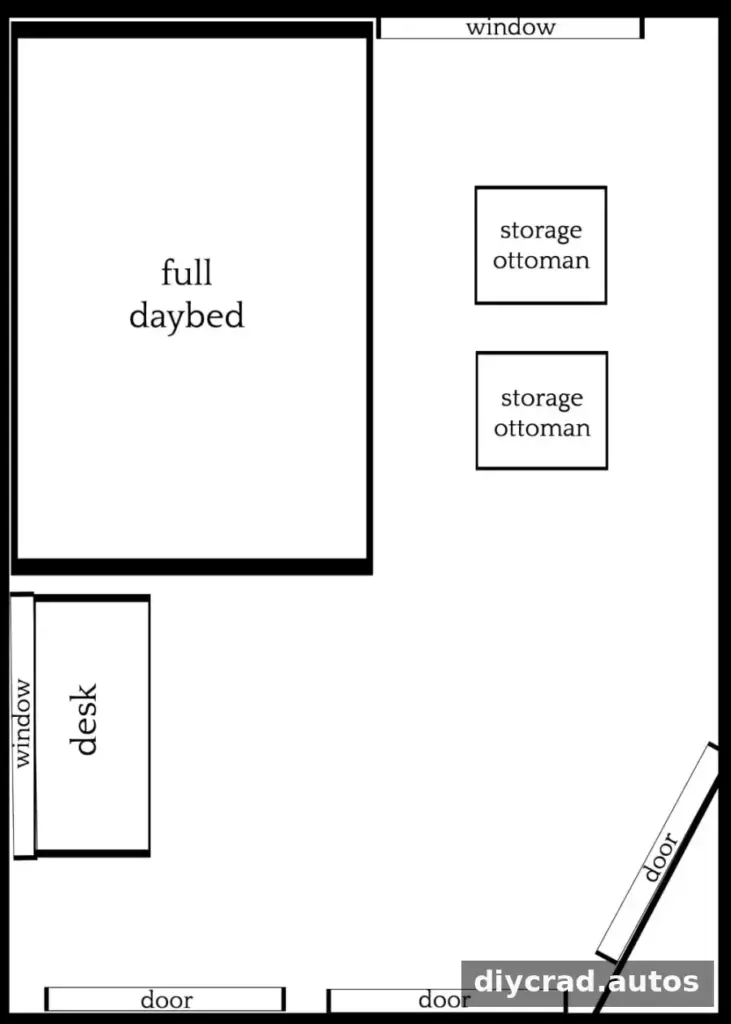
Place a full-size daybed against the long, blank wall, with a twin trundle underneath. This arrangement can provide two separate sleeping surfaces when guests need them, while the daybed remains useful as seating when the room is not being used overnight.
A daybed can help a guest room double as a reading nook or quiet study area. Keep the space in front of the trundle clear so it can be pulled out easily. Small storage ottomans nearby can hold spare linens without requiring a full dresser; check that they do not block the main walking path.
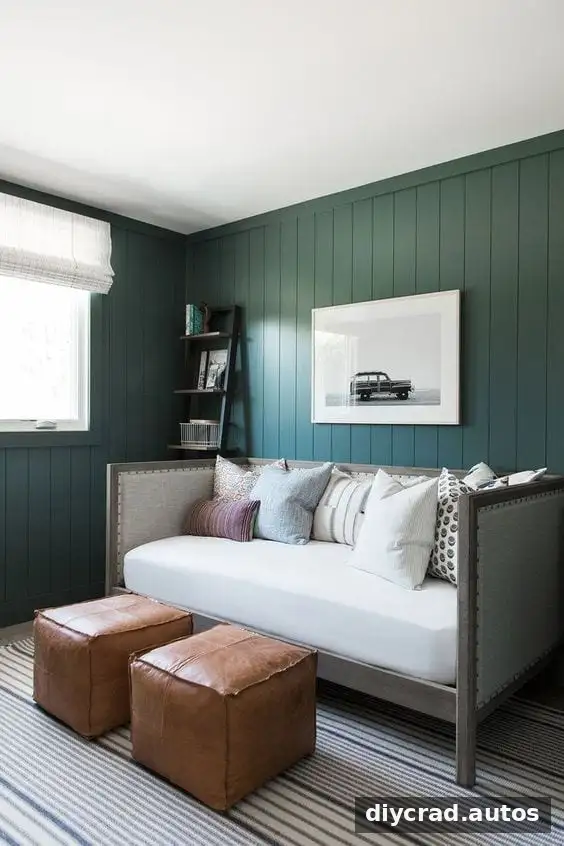
Design inspiration credit: Studio McGee.
2. Full Bed Against the Wall with a Desk as a Nightstand
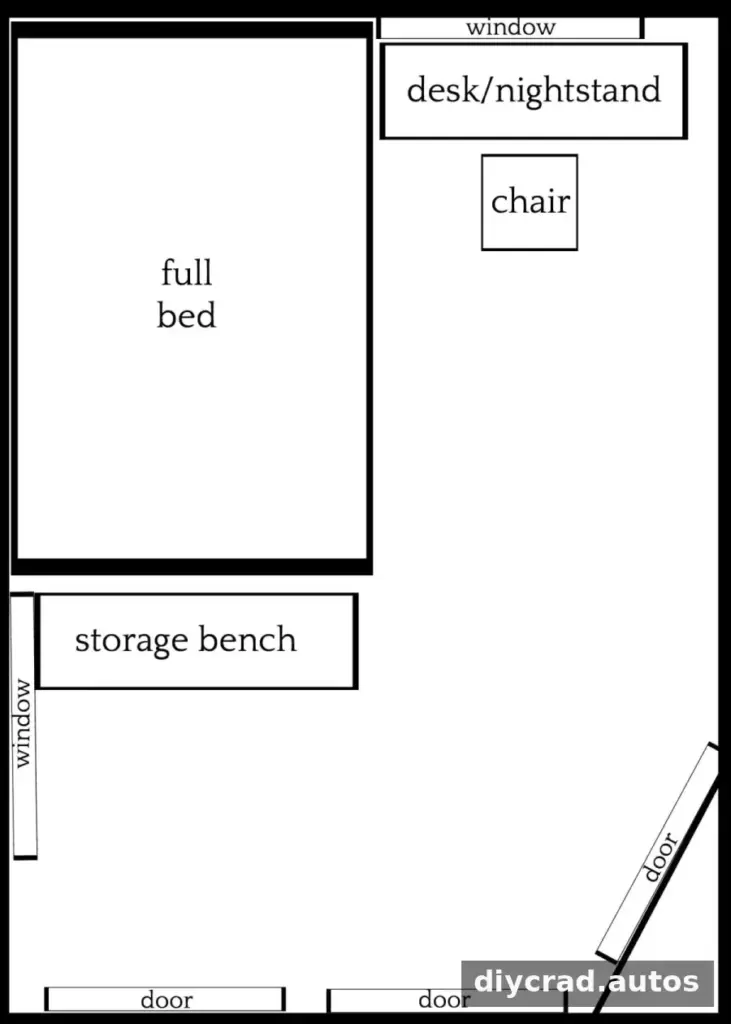
A compact writing desk can serve as both a work surface and a bedside table. This may be especially useful when a guest occasionally needs to work from the room. Choose a desk with a footprint that fits beside the bed, and consider whether its surface will remain convenient for a lamp, phone, or other nighttime essentials.
The trade-off is that placing a full bed against a wall can make access less convenient for the person sleeping on that side. It may also leave insufficient space for a trundle if the desk or another bedside piece sits in the way. Before settling on this plan, consider how many people will use the room and whether easy access to both sides of the bed is important.
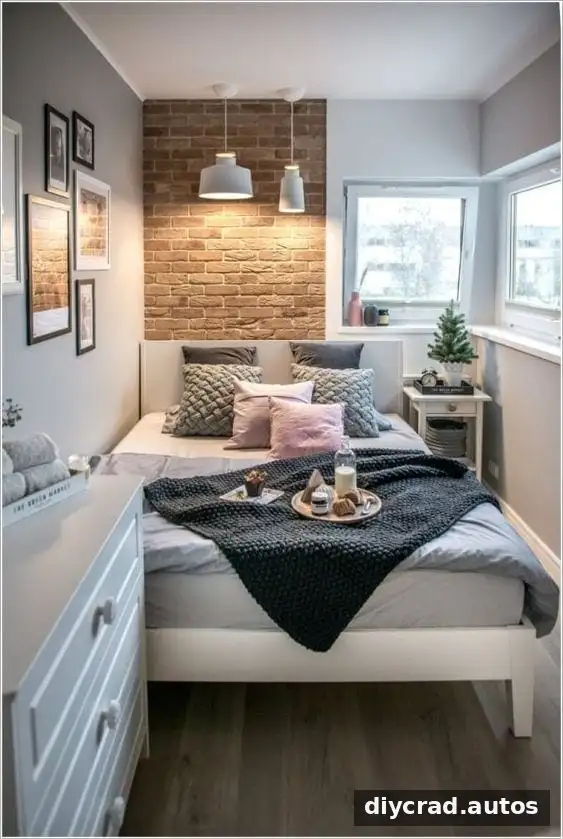
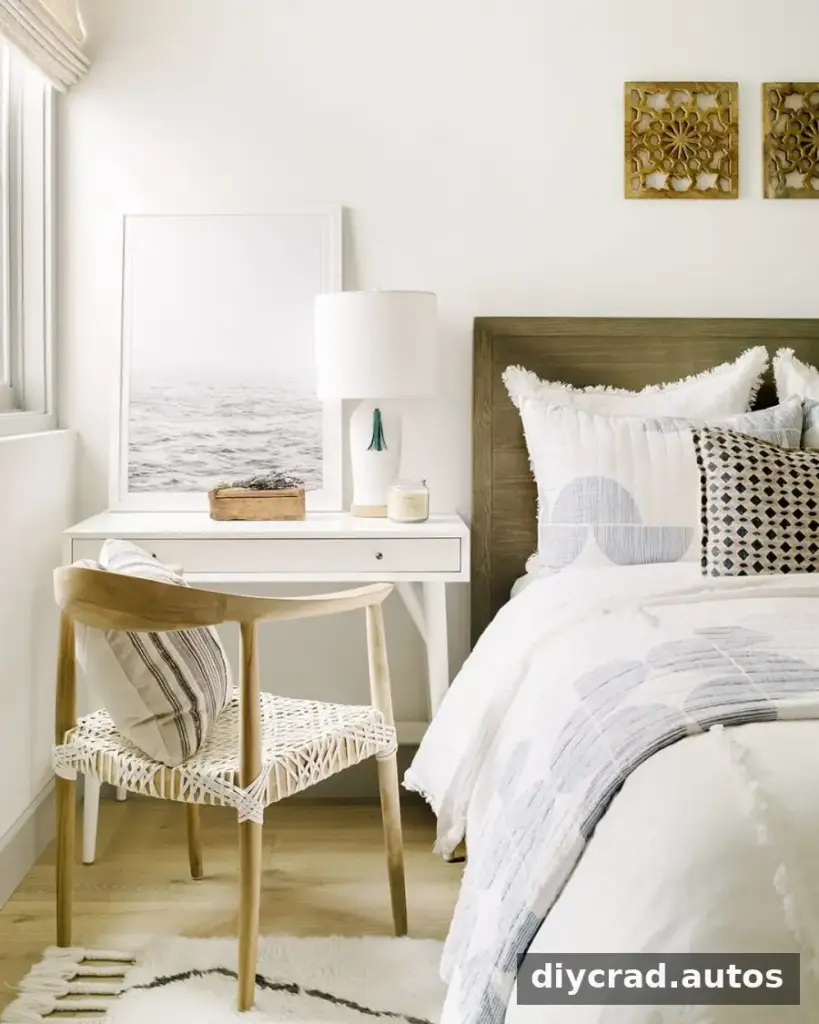
Design inspiration credit: Kate Lester Interiors. A desk-and-nightstand combination can make efficient use of a limited footprint, provided there is enough clearance to sit and move comfortably.
3. Queen Bed in Front of an Off-Center Window
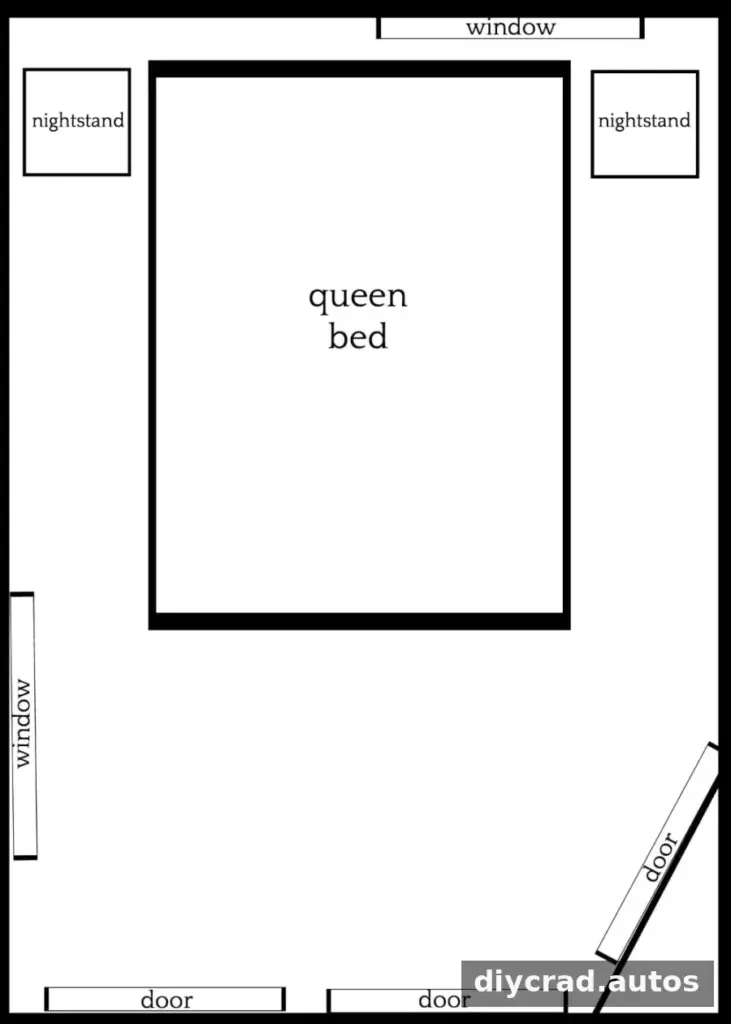
A queen bed offers more sleeping space for guests, but it may leave less room for a desk or other furniture. Positioning it in front of an off-center window could make the layout feel more balanced. A full-width curtain treatment can visually unify the wall and draw attention away from the window’s placement.
Before using this arrangement, check that the bed will not interfere with the window’s operation, access, or any nearby heating or cooling equipment. Choose curtain hardware and fabric that suit the room, and make sure the bed can be made without difficulty. If a desk is also essential, map both pieces in the room before purchasing either one.
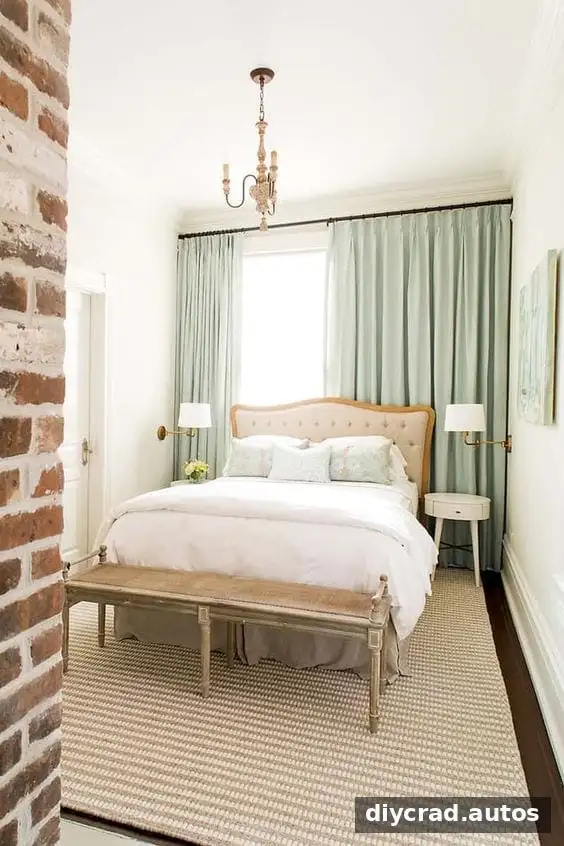
Design inspiration credit: Rethink Design Studio.
How to Choose the Best Small Bedroom Layout
The best plan depends on how the room will be used most often. Choose the daybed and trundle for flexible seating and separate sleeping spaces, the full bed with a desk for occasional work needs, or the queen bed when guest comfort and a larger sleeping surface take priority.
- Measure first: Include the bed, desk, storage, and the space needed to walk around them.
- Keep access clear: Check door swings, window access, and the path to the bed before arranging furniture.
- Use multifunctional pieces: A desk that also works as a nightstand or storage ottomans can reduce clutter.
- Prioritize the main purpose: Avoid adding furniture that makes the room harder to use.
Each small bedroom layout solves a different problem, so the right choice comes down to the room’s measurements and the needs of its guests. Compare the daybed, desk-and-full-bed, and queen-bed arrangements on a simple floor plan before making a decision.