

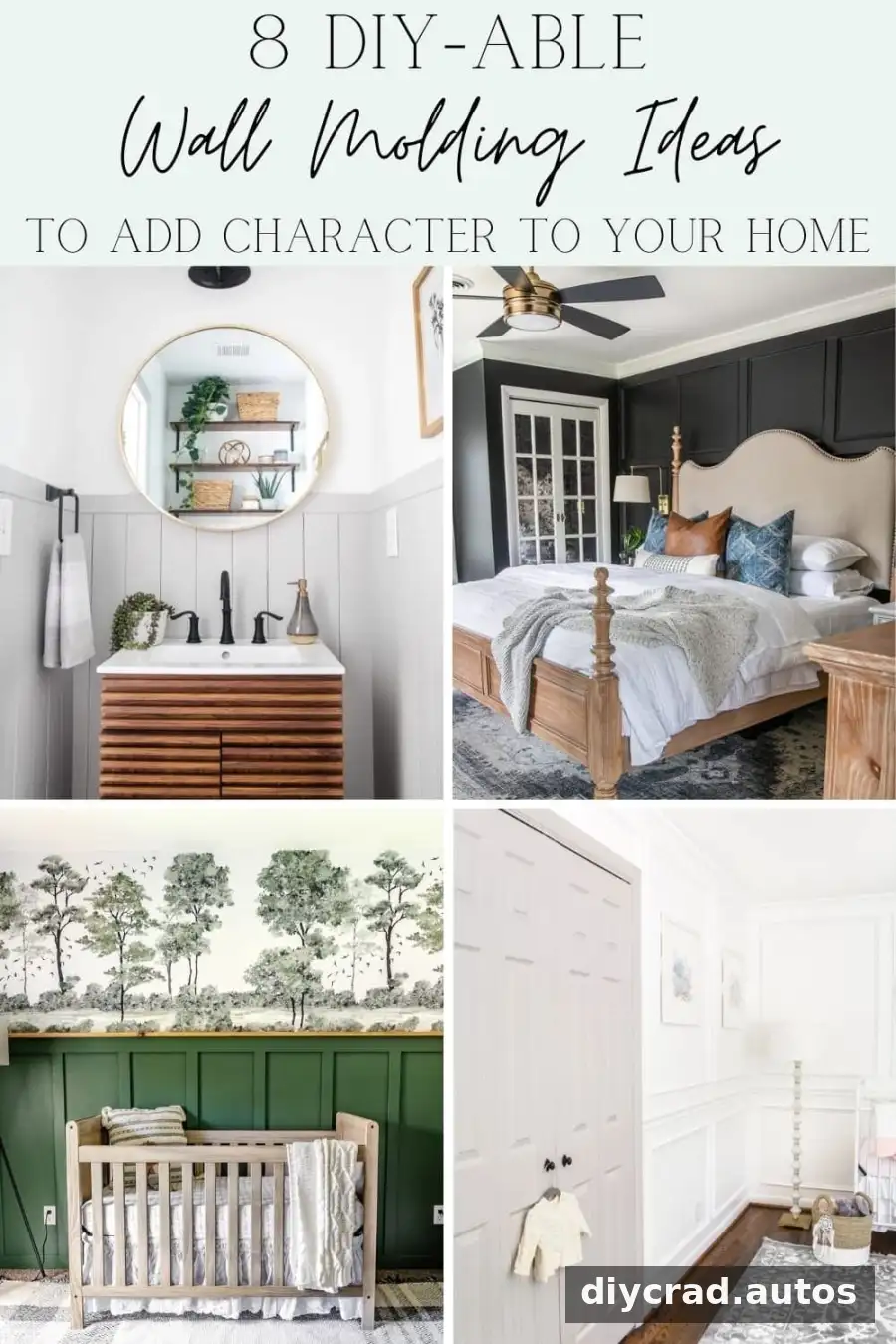
Wall molding ideas can bring architectural detail and a more finished look to rooms with plain walls, without requiring a major renovation. Options range from simple grid designs to classic beadboard, and many projects are approachable for DIYers who plan carefully and use the right tools.
Decorative trim can add depth, define a focal point, or give a newer home a more traditional character. Before choosing a style, consider the room’s size, existing trim, ceiling height, and how much time you want to spend on installation and finishing.
Measure the wall and sketch the design before buying materials. A small sample or painter’s tape layout can help you assess spacing and proportions before making cuts.
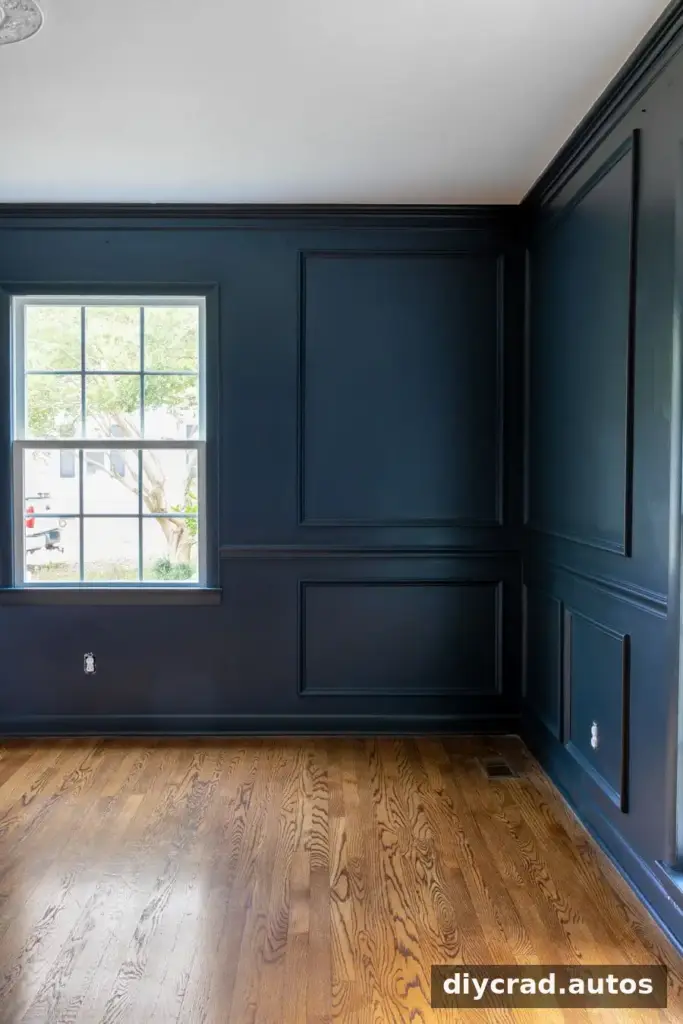
9 Wall Molding Ideas to Elevate Your Home
These nine wall treatments offer a range of looks, from formal and traditional to relaxed and modern. Match the design to the room’s existing details, and remember that careful measuring and consistent spacing make a noticeable difference.
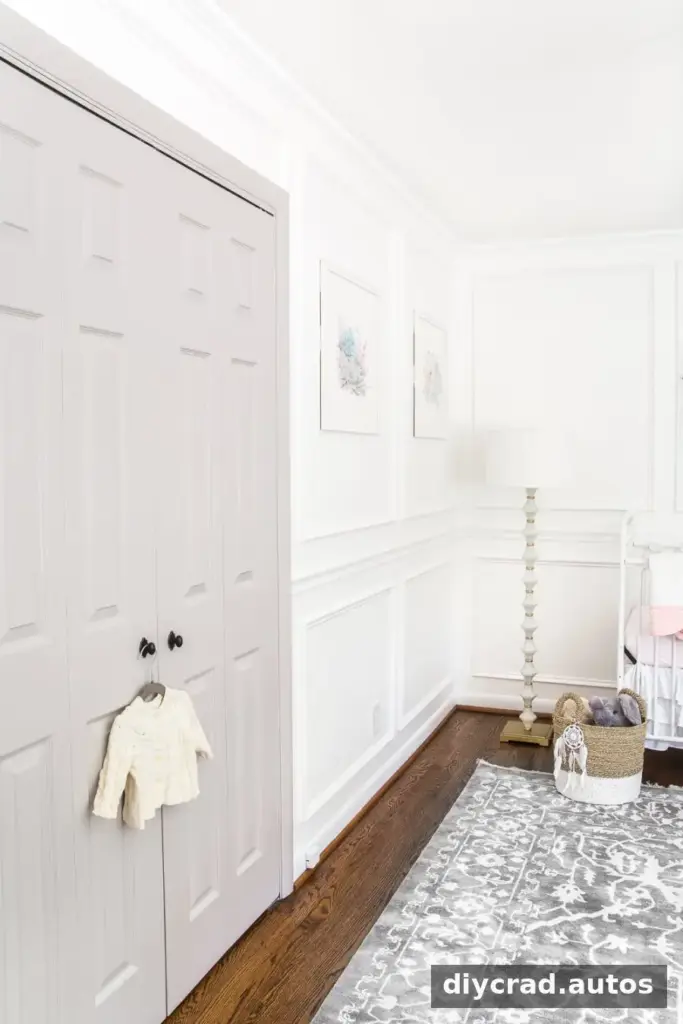
1. DIY Picture-Frame Molding
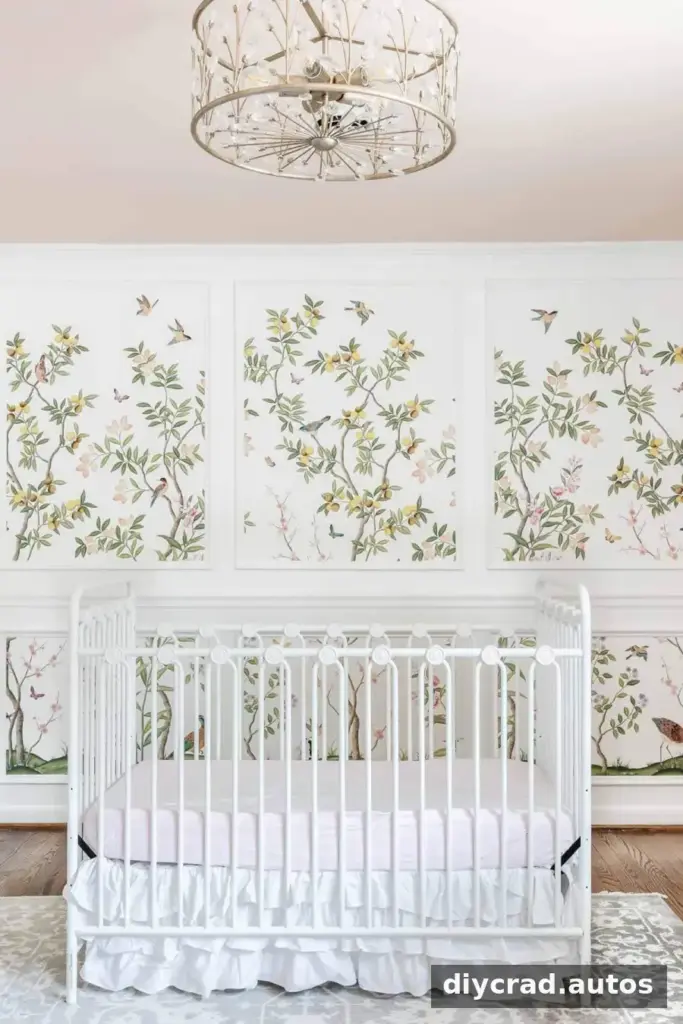
Picture-frame molding creates rectangular sections on a wall and is a good fit for rooms that would benefit from a formal, tailored look. It can also add interest to a long hallway or provide a decorative backdrop behind a bed or dining table.
For a subtle, cohesive effect, paint the wall and trim the same color. A satin finish is a common choice for interior trim; check the paint label and prepare the surface as directed.
Design tip: Wallpaper can be used inside selected molding panels to create a focal point. Plan the panel dimensions around the wallpaper pattern so that important parts of the design are not awkwardly cropped.
2. Fuller-Looking Crown Molding and Baseboards
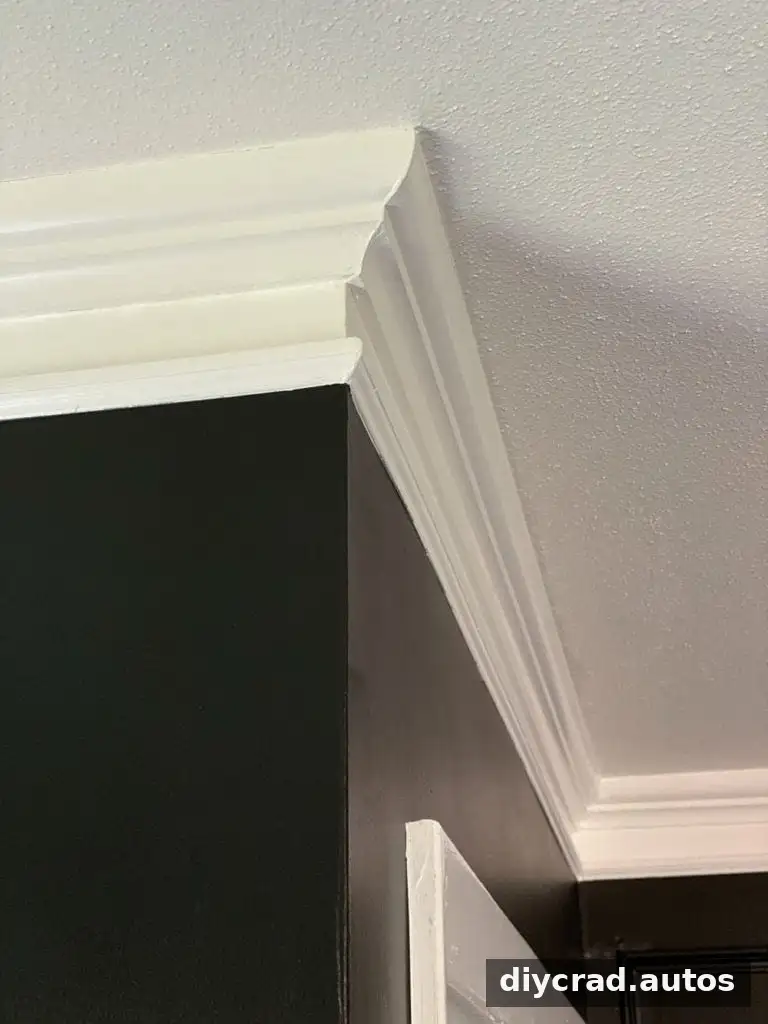
If existing crown molding or baseboards look narrow, adding a slim trim piece nearby can make the overall profile appear more substantial. This approach can also work with Craftsman-style trim.
One option is to add a narrow strip about an inch or two below the crown molding, then paint the new trim and the wall area between the pieces to match the crown. Test the layout first, especially where walls meet at corners or around doors.
3. Grid Molding
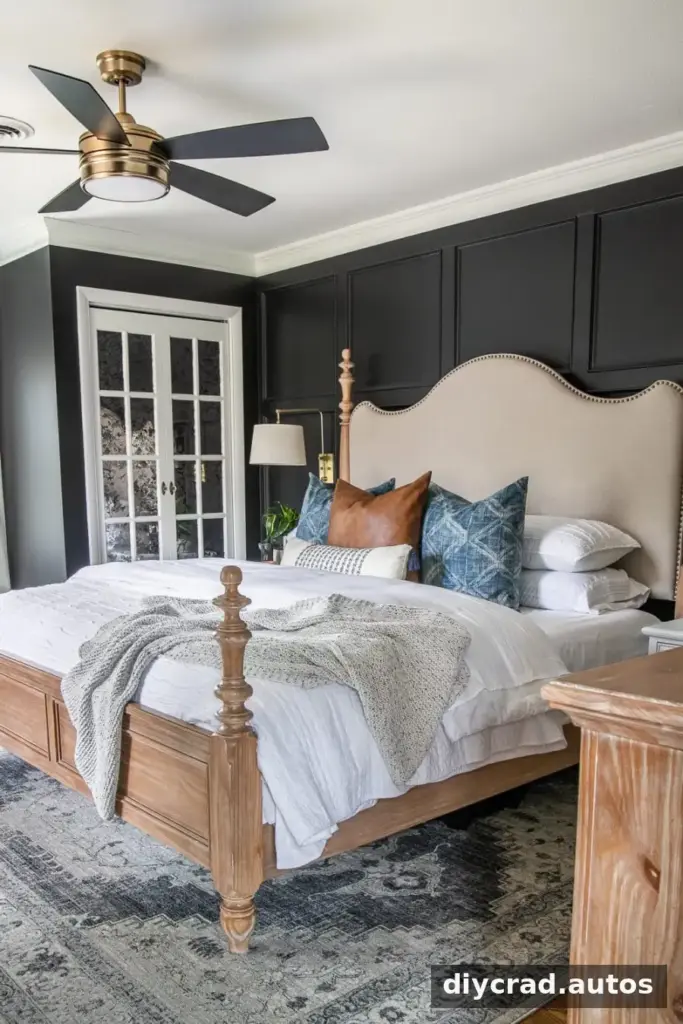
A grid pattern can turn a large, empty wall into a feature behind a sofa, bed, or stairway. The repeating rectangles provide visual structure, so additional wall art may not be necessary.
This can be a suitable first trim project because a straightforward grid may avoid angled miter cuts. Measure each section carefully and use a level to keep the lines straight and evenly spaced.
4. Vertical Shiplap
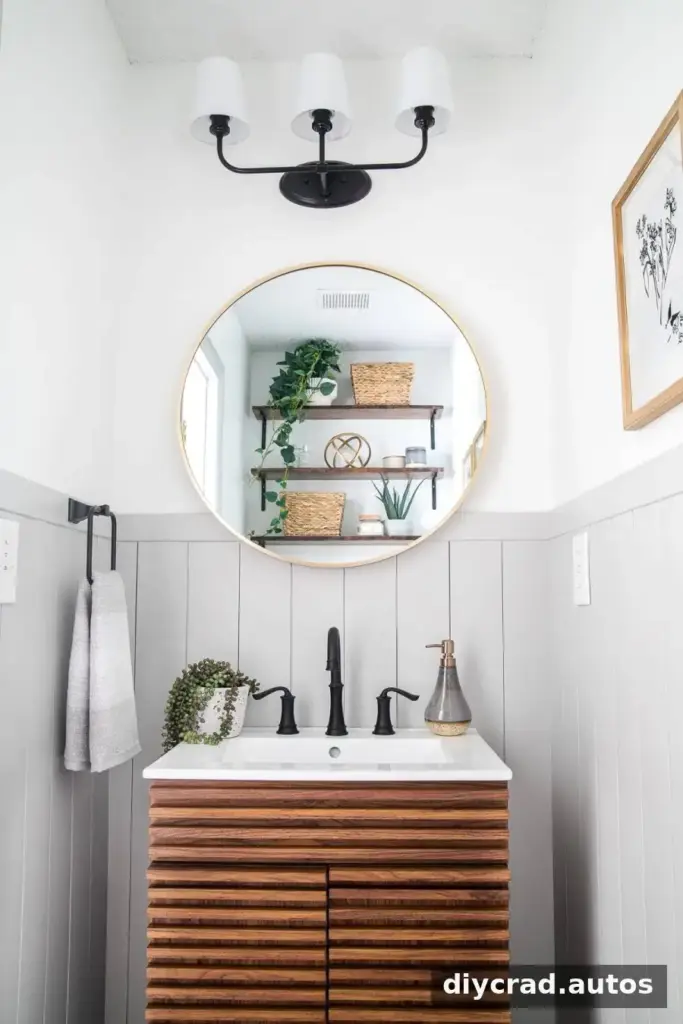
Vertical shiplap offers a fresh variation on the familiar horizontal treatment. It can add texture to hallways and bathrooms, including when used as wainscoting in a smaller space.
Vertical boards can also be incorporated into a coffered ceiling. Before installing boards in a bathroom or other humid area, select materials and finishes suitable for the conditions and follow the manufacturer’s installation guidance.
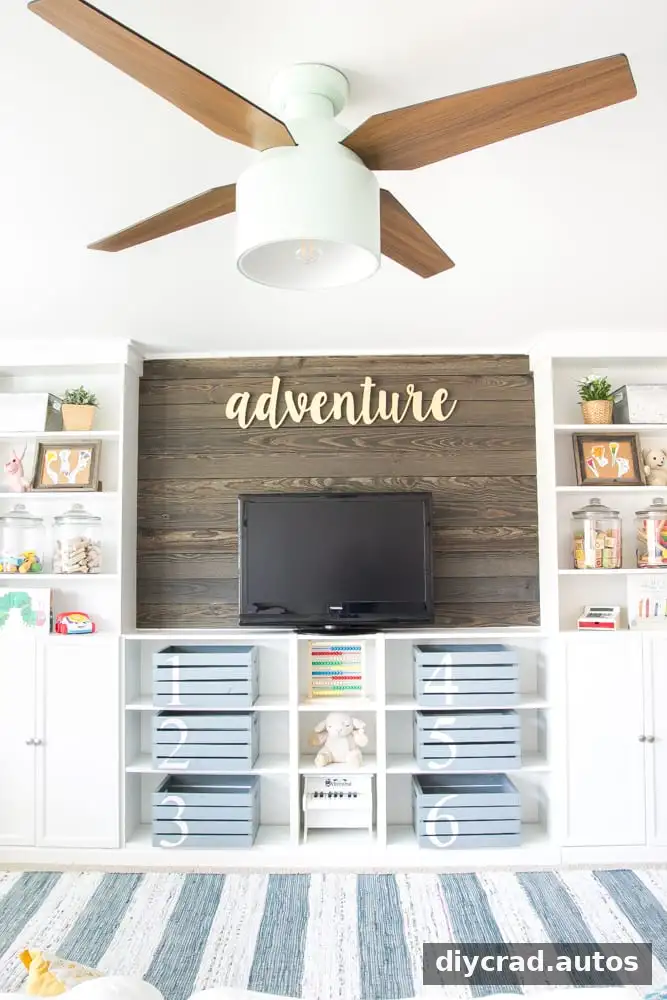
5. Stained Wood Planking
A stained plank wall brings natural texture and a rustic feel to a room. The final color depends on both the stain and the wood species, so test samples on the same type of wood you plan to install.
Staining boards before installation can make it easier to reach edges and keep the surrounding wall clean. Allow the finish to dry according to its product instructions before attaching the planks.
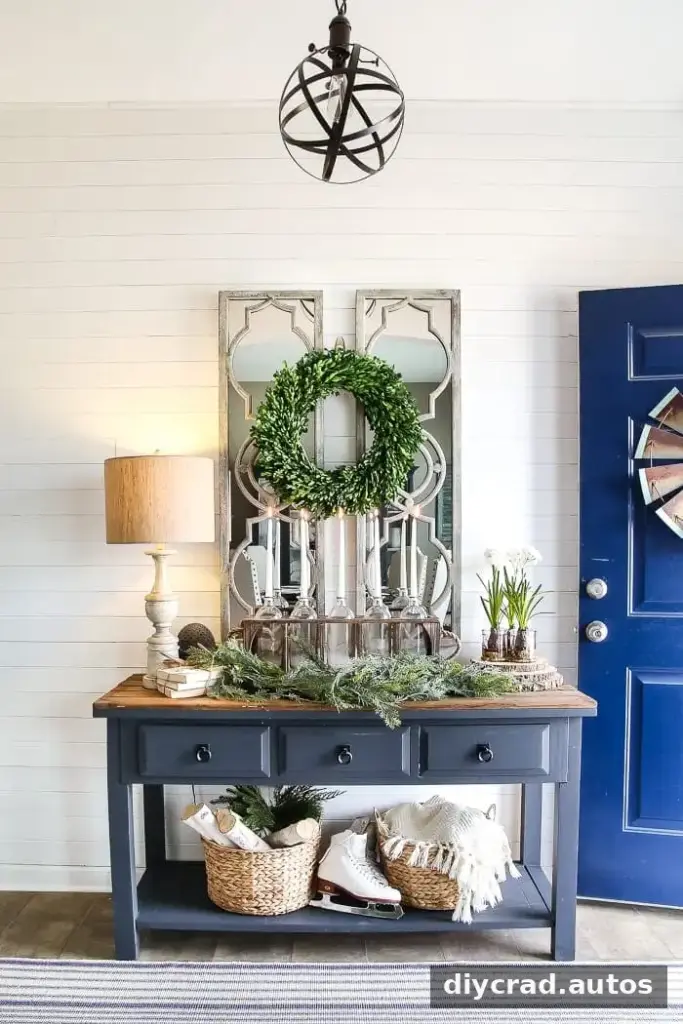
6. Traditional Shiplap
Tongue-and-groove boards are one option for creating a traditional shiplap look. They can be painted light for a classic, airy style or a darker color for a stronger, more contemporary contrast.
Check the wall for obstructions and locate framing or suitable anchors before fastening boards. Follow the product instructions for spacing and installation, since board profiles and wall conditions can vary.
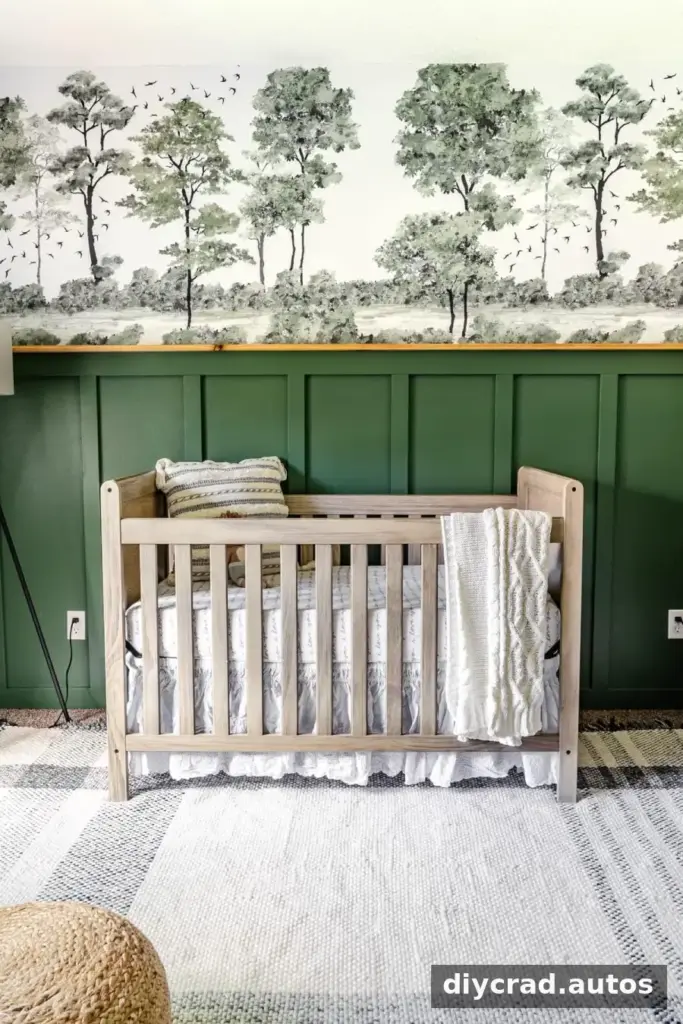
7. Traditional Board and Batten
Board and batten works well in entryways and mudrooms, but it can also add definition to bedrooms and living spaces. Install it partway up the wall for a wainscoting effect or extend the design closer to the ceiling for a more dramatic feature.
Decide on the height and batten spacing before installation. If the treatment meets existing baseboards, doors, or windows, account for those details in the layout.
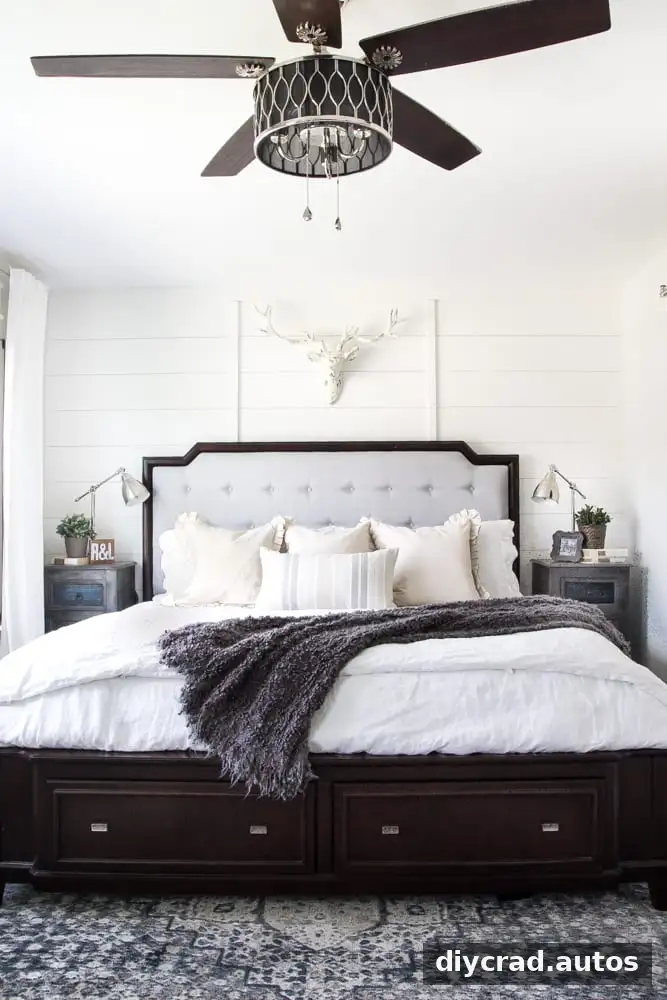
8. Planked Board and Batten
Combining planking with board and batten brings together the texture of boards and the structure of applied trim. It can be used on an accent wall or, with suitable materials and planning, as a ceiling feature.
To keep the combined design from feeling crowded, test the proportions with a simple drawing or tape layout. Consistent spacing helps the two patterns look intentional together.
9. Beadboard
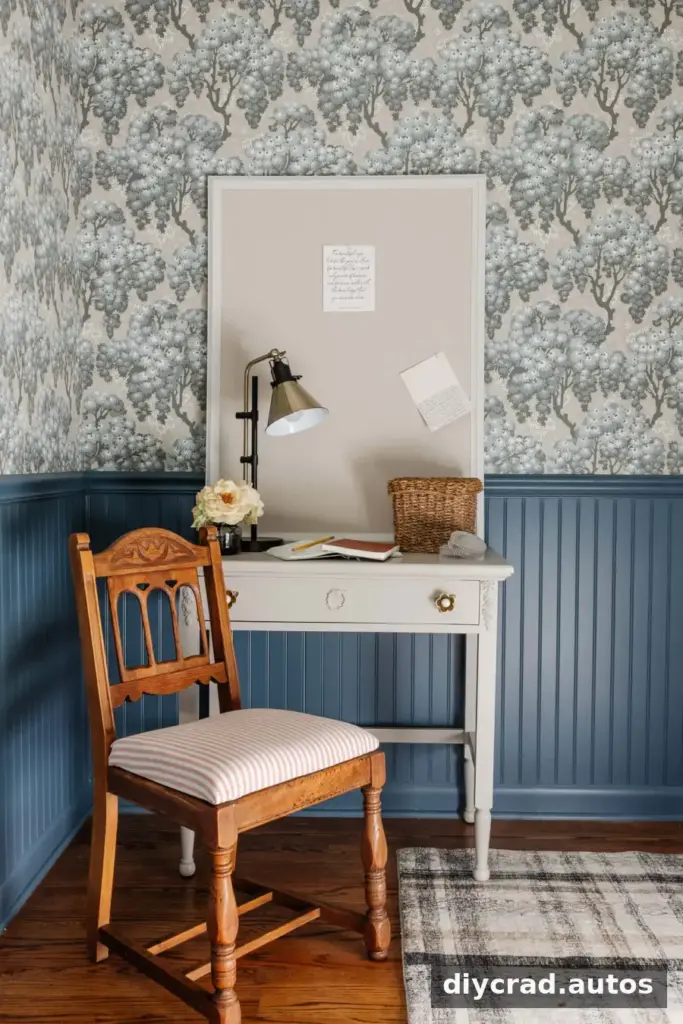
Beadboard is a classic option that can be installed as panels or as tongue-and-groove boards. It is often used as wainscoting and can complement existing chair-rail molding.
Beadboard may also be used to cover some textured ceilings, but first confirm that the existing ceiling is sound and that the chosen installation method is appropriate. Avoid covering damaged materials without addressing the underlying problem.
Frequently Asked Questions
What paint finish is commonly used on molding and trim?
Satin is a commonly chosen finish for interior trim because it has a modest sheen. The best finish depends on the room, the look you want, and the paint product. Clean and prepare surfaces according to the manufacturer’s directions for a durable result.
What tools are useful for installing molding?
Depending on the design and materials, common tools and supplies include:
- Compound miter saw, coping saw, or jigsaw, as required for the cuts
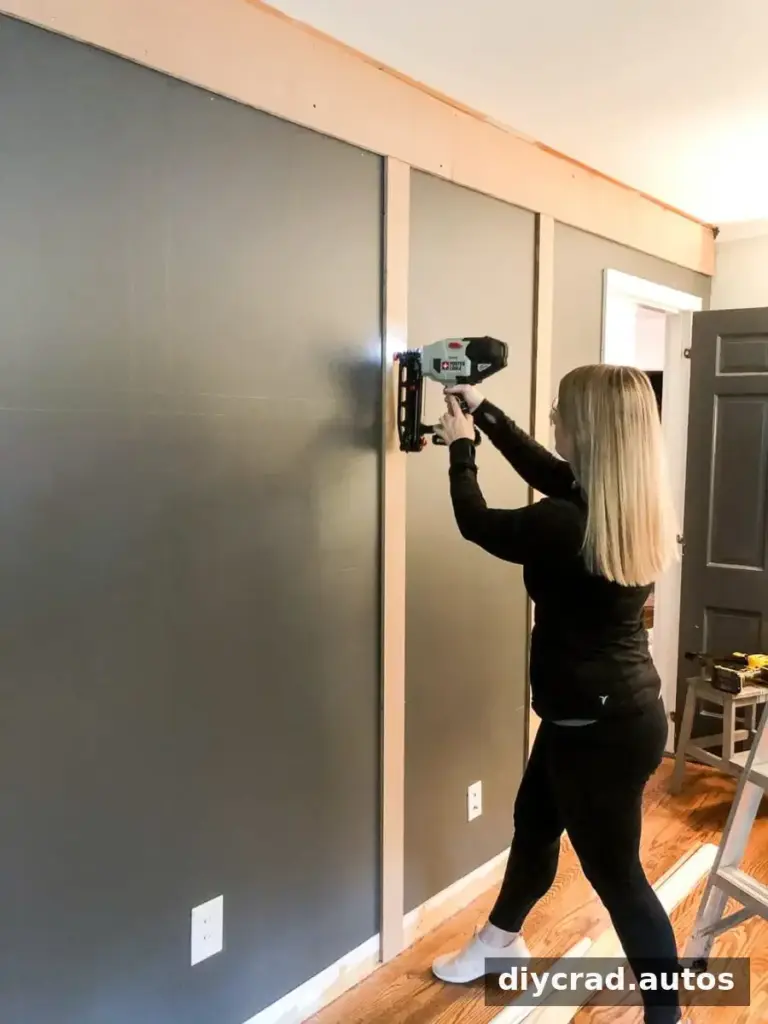
- Cordless finish nailer and construction adhesive where appropriate
- Level and tape measure
- Wood filler, caulk, and fine-grit sandpaper for finishing
Wear suitable eye and hearing protection when using power tools, and follow the tool and material instructions. For simple square layouts, the required cutting tools may differ from those needed for detailed corners.

How should you choose a paint color for trim?
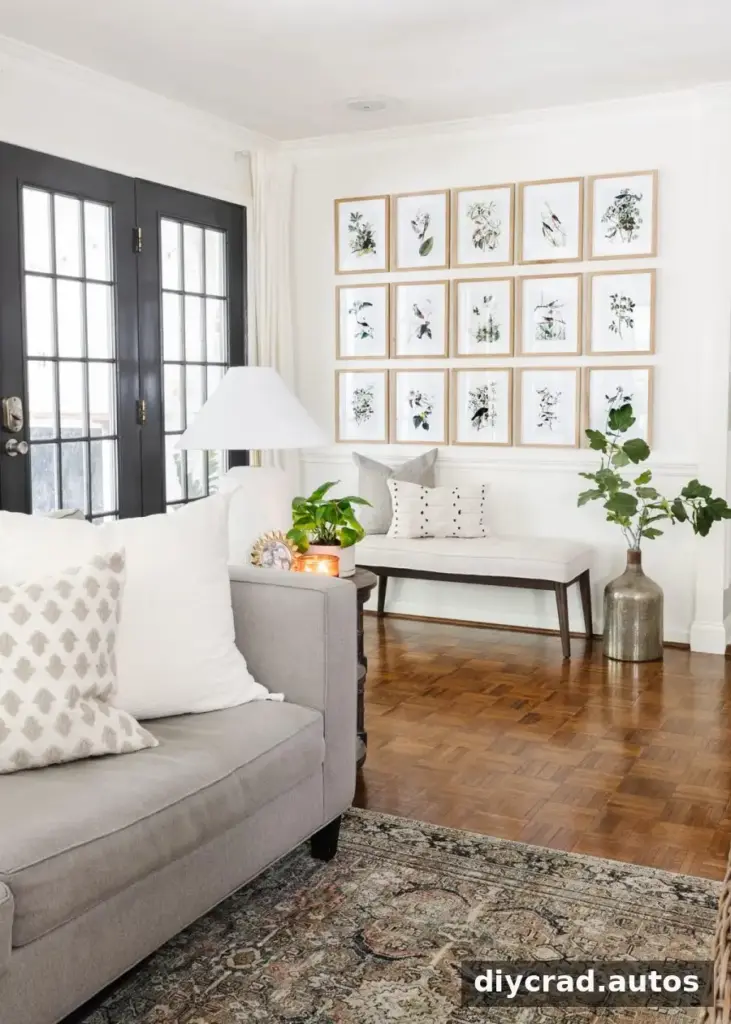
White is a versatile choice, while gray or another contrasting shade can make the trim more prominent. Consider the wall color, flooring, natural light, and existing doors or baseboards. Test paint samples in the room before committing to the full project.
Is it spelled molding or moulding?
Both spellings are correct. “Molding” is more common in the United States, while “moulding” is often used in the United Kingdom and Canada.
Choosing the Right Wall Molding Ideas for Your Room
The best wall molding ideas are those that suit the room’s proportions, existing features, and the level of detail you want. Picture-frame molding and board and batten create defined patterns, while shiplap, planking, and beadboard add texture. Start with accurate measurements, test the layout, and select materials and finishes suited to the space. With thoughtful planning, wall molding can add character without overwhelming the room.

