
Single panel drapes can give a media room the nostalgic look of a vintage movie theater while helping block daylight during daytime viewing. With blackout-lined velvet curtains, a suitable curtain rod, and a simple tieback, one panel can cover each window and pull neatly to the side when the room is not in use.

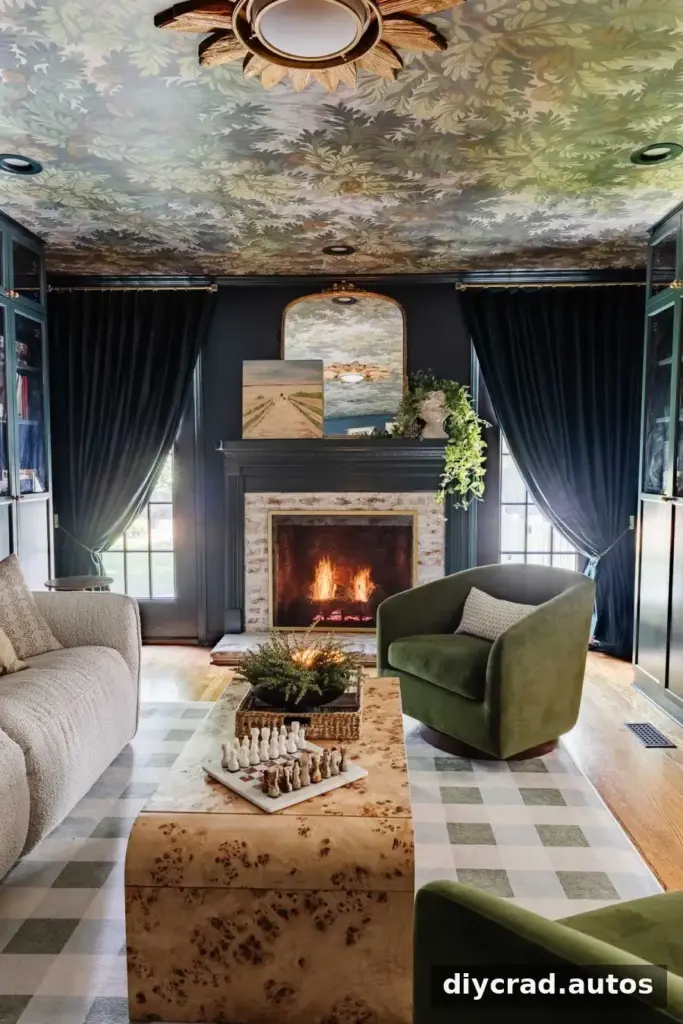
In a home theater or media room, uncovered windows can make it harder to see a projected image, especially during long summer evenings. A lined curtain can reduce incoming light, and heavier fabric may also soften some outside noise. The result depends on the curtain construction and how well it covers the window, so consider both the fabric and the finished dimensions before ordering.
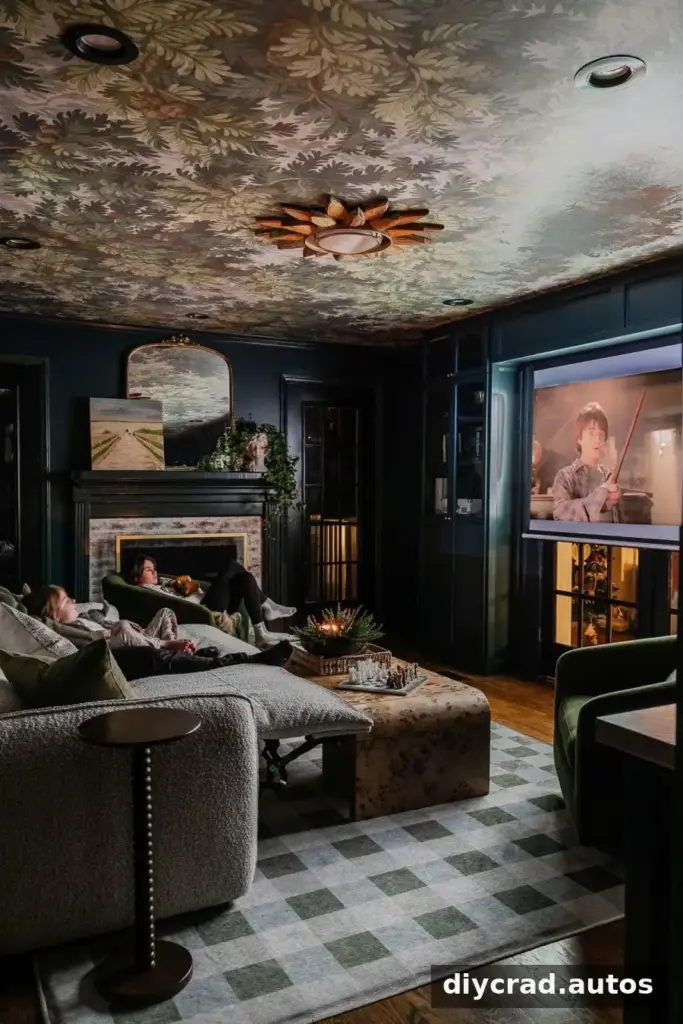
Choosing Single Panel Drapes for a Home Theater
Velvet curtains with a blackout liner are one option for creating a darker viewing space. In this room, the curtains were selected in a deep green shade to coordinate with the existing wall color. Using fabric samples can make it easier to compare colors in the room’s actual lighting before choosing a full set.
The curtains used here came with hooks attached to a pleated header and rings ready for hanging. They were also available in 29 color options. When comparing curtains, check the header style, included hardware, lining, and available widths and lengths. These details affect both how the curtains hang and what additional components you may need.
How to Measure for Single Panel Drapes
Start by measuring the window width. For a fuller, gathered appearance, the method used for this project was to multiply the window width by 2.5. For example, a 30-inch-wide window gives a target curtain width of 75 inches:
30 inches × 2.5 = 75 inches
For a pair of panels, divide the total target width between the two panels. For a single-panel arrangement, use one panel per window. Check the seller’s sizing increments and whether the listed width refers to one panel, since sizing conventions can vary.
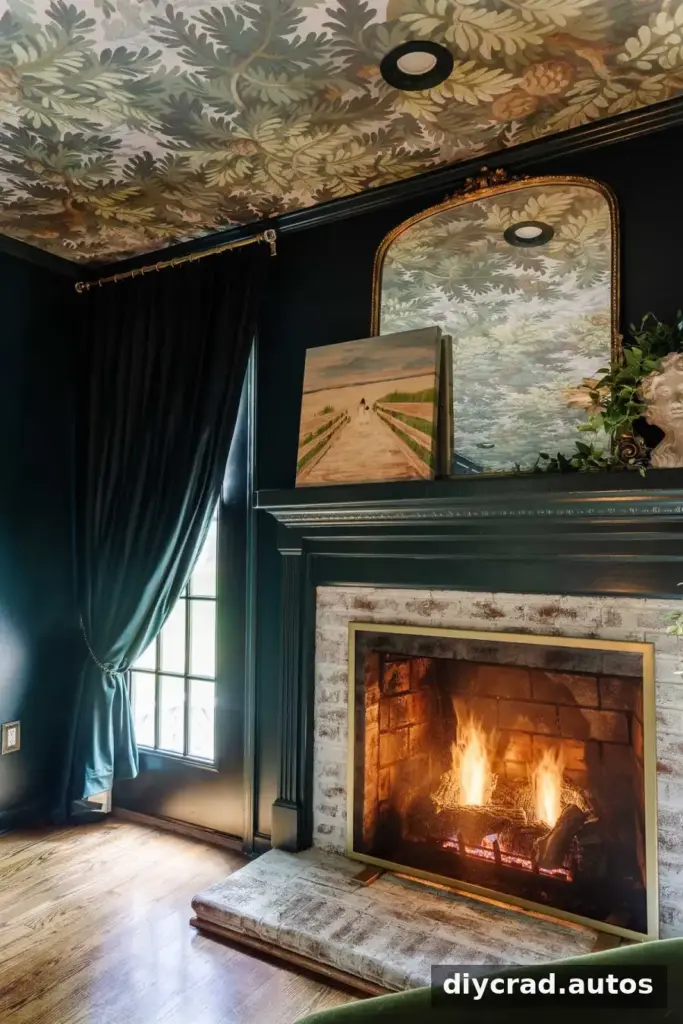
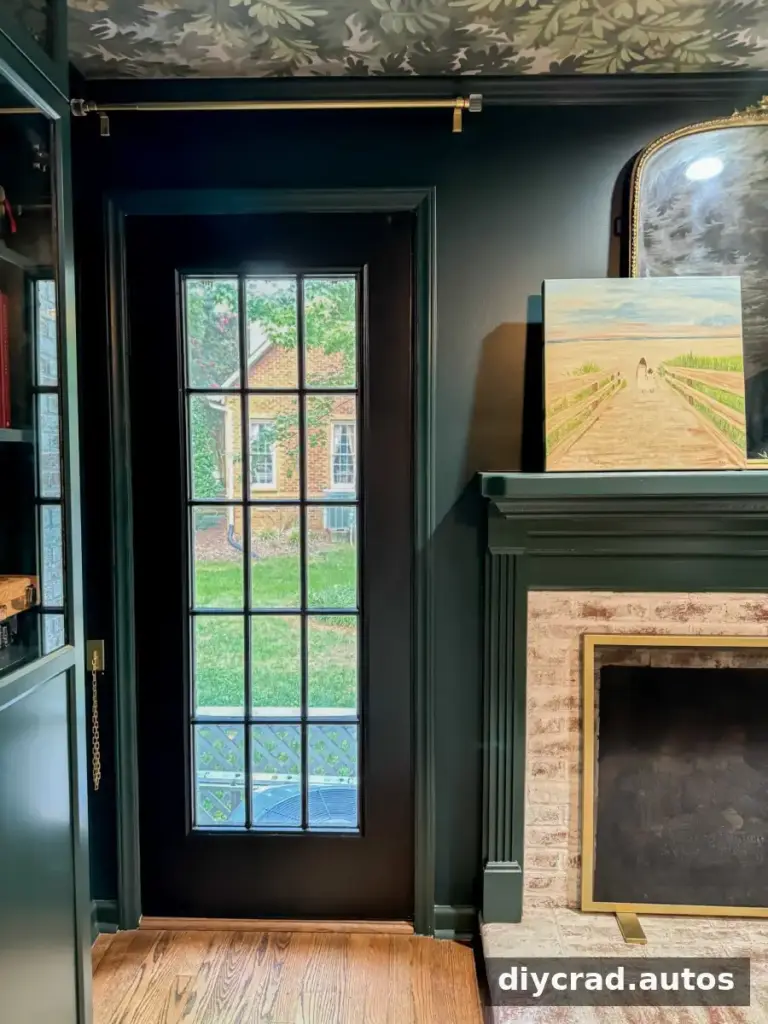
To determine curtain length, measure from the planned rod position to the floor. In this room, the ceiling was 8 feet high, and the rod was placed just below the crown molding. A 90-inch curtain length allowed the fabric to just meet the floor for a tailored finish. Measure each window separately, and account for the type of rings or hooks used, as those can affect where the fabric begins.
Where to place the rod and tieback
For conventional paired curtains, a rod is often extended beyond both sides of the window trim so the panels can stack outside the glass when open. For a single panel pulled to one side, the rod in this project extended about 2–3 inches beyond each side of the window. Make sure there is enough room for the curtain to sit beside the window without obstructing the opening.
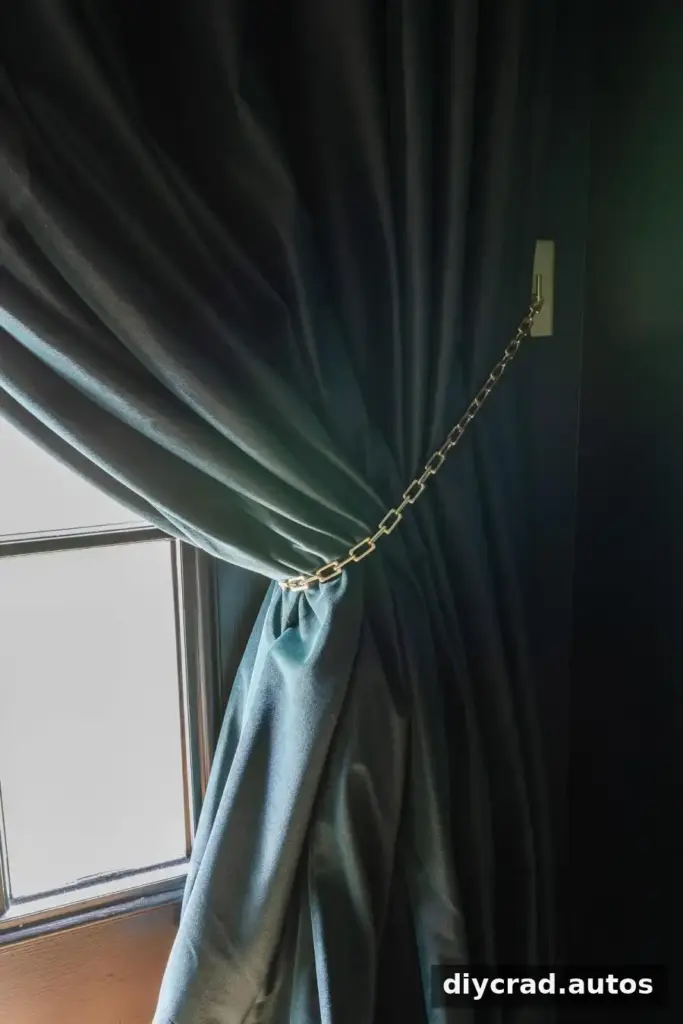
The tieback was positioned about one-third of the way up from the bottom of the curtain and attached to a wall hook. This placement gathers the fabric while leaving much of the window visible. Before installing the hook, hold the curtain in the intended position and mark the spot; adjust the height to suit the panel’s length and the look you want. To darken the room for a movie, release the tieback so the curtain can cover the window.
What Is Curtain Training?
Curtain training is the process of encouraging fabric to fall into consistent folds so the panels look orderly when hanging. Pleated curtains may arrive folded into an accordion shape to help establish those lines. If curtains are not pre-trained, arranging and securing their folds for a period of time can help them hang more evenly.
Training can make basic curtains look more polished, but follow the fabric care instructions and avoid clips or ties that could mark delicate material. Once the curtains are hanging, check that the pleats fall straight and adjust them by hand if needed.

Finishing the Home Theater Look
A single panel on each window can create a distinctive theater-inspired style without requiring a pair of curtains at every opening. The arrangement also makes it easy to switch between an open, decorative look and a darker room for viewing. For the best fit, confirm the window measurements, panel width, curtain length, and hardware placement before installing the rod.
With thoughtful measuring and a well-positioned tieback, single panel drapes can add softness, help control daylight, and bring a cozy vintage theater feel to a media room.