
Choosing the best light bulbs for every room means balancing brightness, color temperature, and the activities that take place there. A warm, gentle glow can make a bedroom feel restful, while brighter, clearer light can help with cooking or getting ready in the bathroom. Understanding a few basic bulb specifications makes it easier to create comfortable, functional lighting throughout your home.

Light affects how a space looks and feels. Cool, bright lighting can seem crisp and practical, while warmer light often creates a more relaxed atmosphere. Dimmable LED bulbs with adjustable color temperature can be a flexible option when you want to change the mood without replacing the bulb. A useful starting point is to choose the color temperature for the room, then select brightness based on the task and fixture.
How to Choose the Best Light Bulbs for Every Room
Before comparing bulbs, check the fixture’s requirements and decide how the light will be used. A ceiling fixture that illuminates an entire room may need a different brightness level from a bedside lamp. If you want more control, look for dimmable bulbs and confirm that they are compatible with the dimmer switch.
How Lumens, Kelvin, and Watts Affect Lighting
Lumens: How Bright a Bulb Is
Lumens measure light output: a higher lumen number means a brighter bulb. As a general comparison, 450 lumens is roughly equivalent to the light from a 40-watt incandescent bulb. For many kitchens or home offices, around 800–1,100 lumens can provide useful brightness. Bedrooms and living rooms may feel more comfortable with roughly 450–800 lumens, depending on the fixture and the amount of light needed.
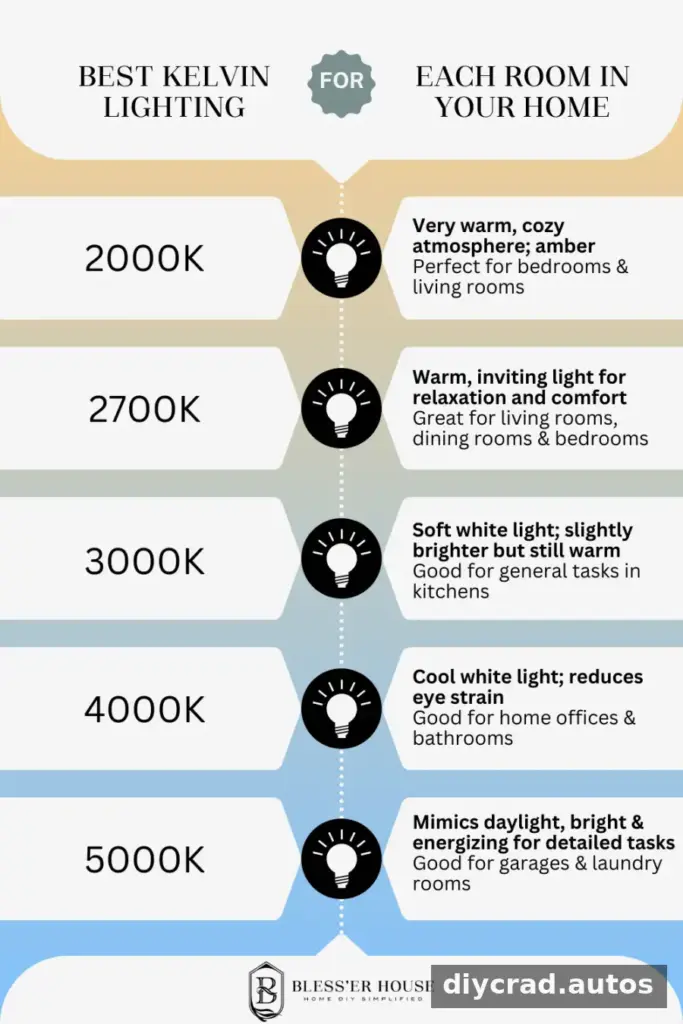
For rooms with several fixtures, consider the combined light they provide rather than choosing each bulb in isolation. Multiple lamps can create a more even, adaptable result than relying on one very bright source.
Kelvin: The Color of the Light
Kelvin (K) describes a bulb’s color temperature. Lower values look warmer and more yellow or orange; higher values appear cooler and more white or blue. A range of 2,700–3,000K is a common choice for a cozy feel in living rooms and bedrooms. Task-focused areas may benefit from 3,500–5,000K, though the cooler end of that range can look distinctly blue to some people.
For example, 3,000K soft white lighting can make a media room feel comfortable, while 5,000K daylight bulbs can provide a cooler look when more visibility is needed. If a space feels too blue, trying 4,000K may be a useful adjustment.


Watts: Energy Use
Watts measure how much energy a bulb uses. With LEDs, compare lumens to judge brightness rather than relying on wattage alone. LED bulbs commonly use about 5–15 watts to produce light comparable to a 40–100 watt incandescent bulb. Always check the bulb and fixture specifications to ensure they are compatible.
Recommended Light Bulbs by Room
Living Room
For a relaxed atmosphere, consider warm light around 2,000–3,000K. Dimmable bulbs in the 800–1,100 lumen range can offer flexibility for reading, conversation, and watching television. If the room has several lamps, use them to create comfortable pools of light rather than depending on one overhead fixture.

Kitchen
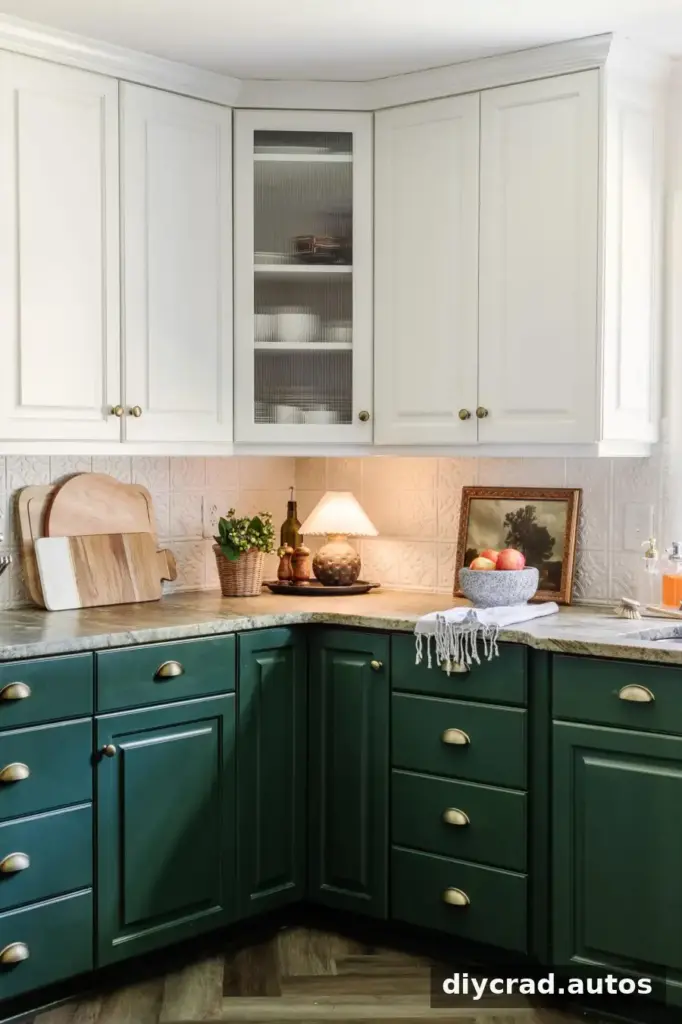
Meal preparation often calls for brighter, clearer lighting. A range of 1,100–1,600 lumens and 3,000–4,000K can suit kitchen areas. Check that counters and work surfaces are well lit, and consider how the bulbs look alongside natural daylight.
Dining Room
Warm light around 2,700–3,000K can help create a welcoming dining space. Dimmable bulbs of about 800–1,100 lumens work well in many chandelier or pendant fixtures. Make sure the bulb’s shape and base match the fixture before buying.

Bedroom
Soft, warm lighting around 2,000–2,700K can support a restful mood. Consider dimmable bulbs in the 450–800 lumen range, especially for bedside lamps. A lower setting can be useful in the evening, while a brighter setting can help with reading or tidying.

Bathroom
For grooming and other close-up tasks, try clear lighting around 3,000–4,000K and 800–1,100 lumens. Windowless bathrooms may need enough artificial light to illuminate the whole space evenly. Check that bulbs are suitable for the fixture and its location.

Home Office
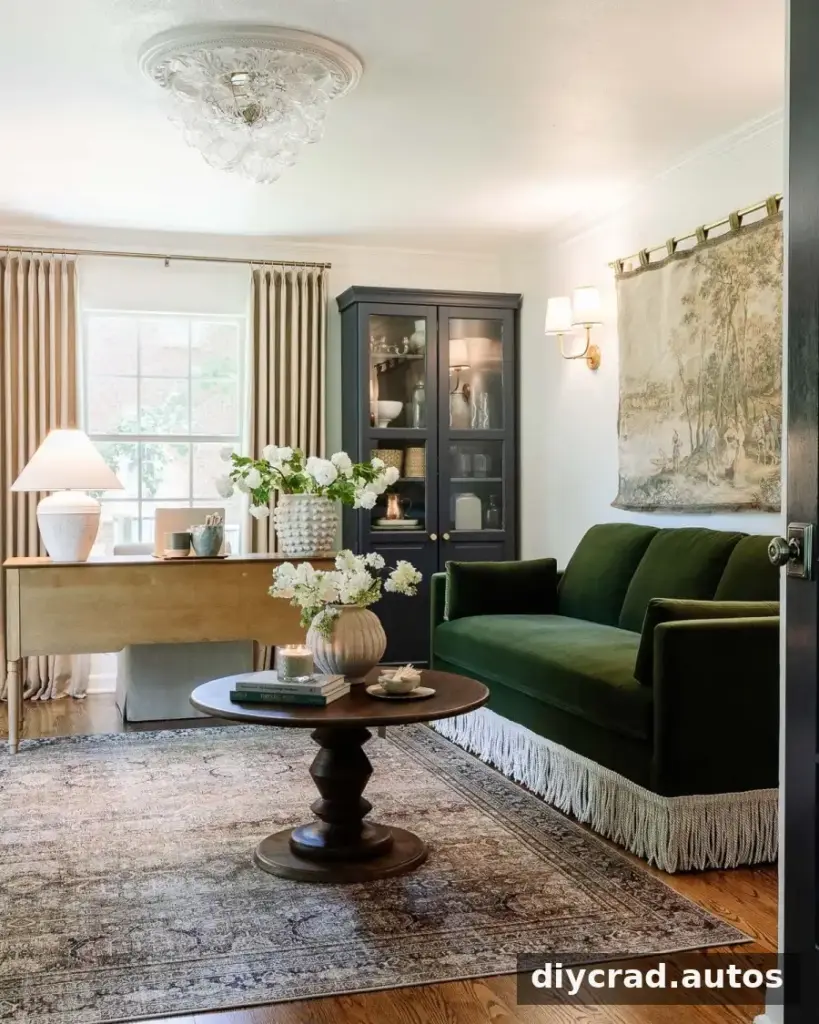
Brighter light around 4,000–5,000K can provide a daylight-like appearance for work areas. A range of 800–1,600 lumens may be appropriate across desk lamps and overhead lighting, depending on the room and fixture. Position task lighting to reduce harsh shadows on your work surface.
Hallways and Entryways
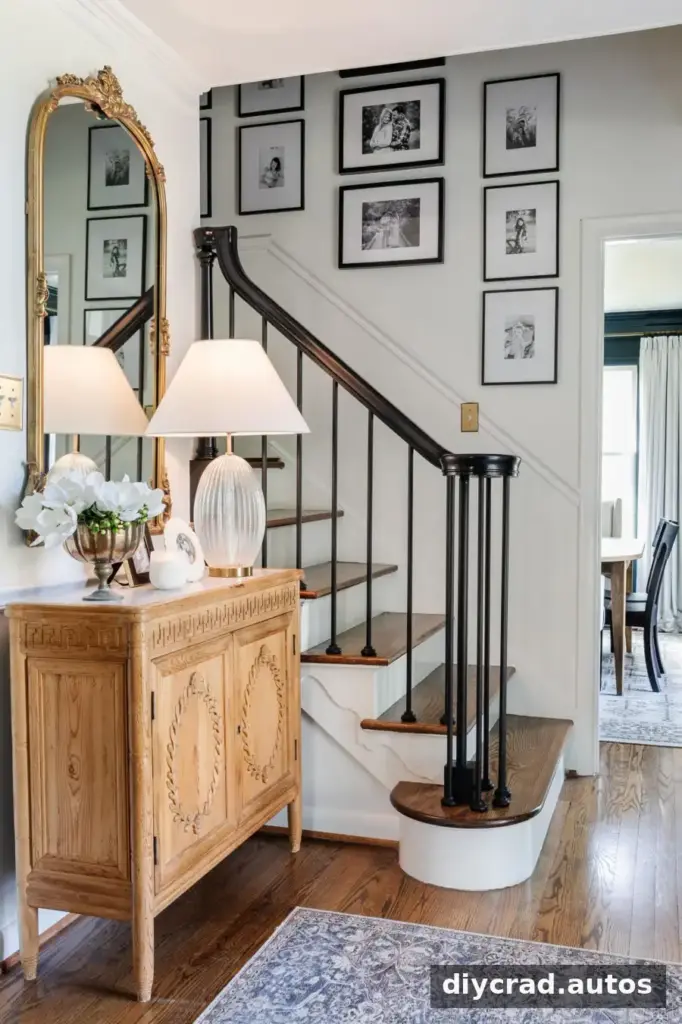
Warm light around 2,700–3,000K and 450–800 lumens can make entrances and corridors feel inviting without being overly bright. LEDs are an energy-efficient option for areas where lights are used regularly. If a hallway is long or has several fixtures, check for consistent color temperature along its length.
How Much Light Does a Room Need?
The right amount depends on room size, natural light, fixture placement, and the activities taking place there. A room-lighting calculator can help estimate brightness and the number of lights needed. Use its result as a starting point, then consider whether the room feels comfortable in both daylight and evening conditions.

A Simple Approach to Choosing Bulbs
If you are unsure where to begin, 3,000K is a practical starting point for many rooms. Then choose lumens according to the task: softer light for relaxing spaces and brighter output for areas where clear visibility matters. Dimmable, adjustable-color LED bulbs can provide added flexibility, and bulbs priced around $3 each may be available; prices can vary.
The best light bulbs for every room are the ones that suit the space, fixture, and way you use it. Compare lumens for brightness, Kelvin for light color, and watts for energy use. Small, deliberate choices can make home lighting more comfortable and functional.