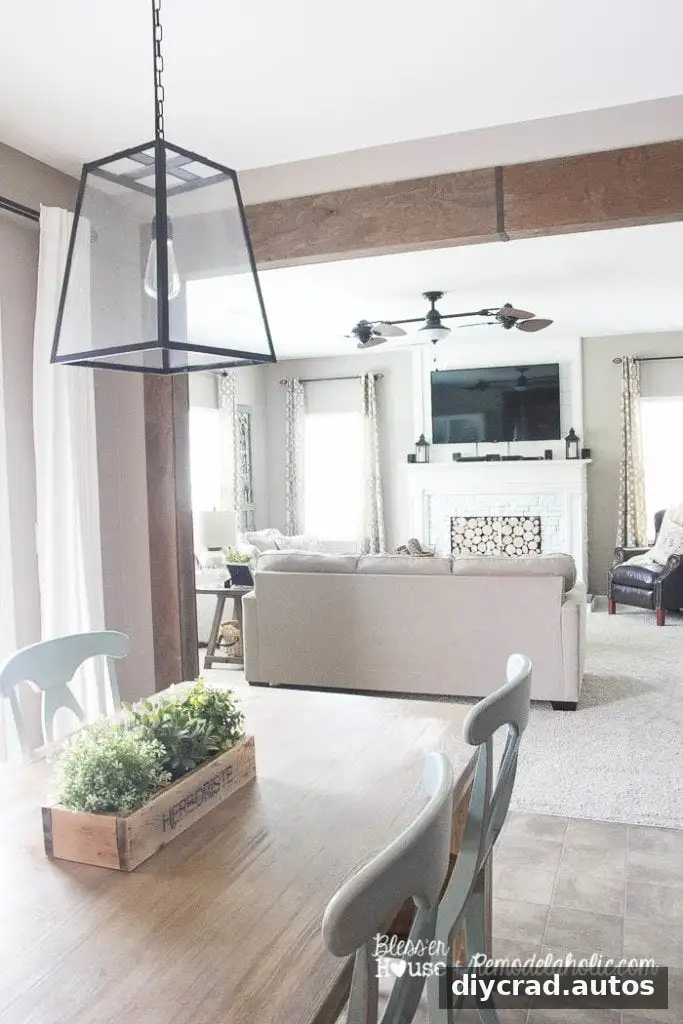
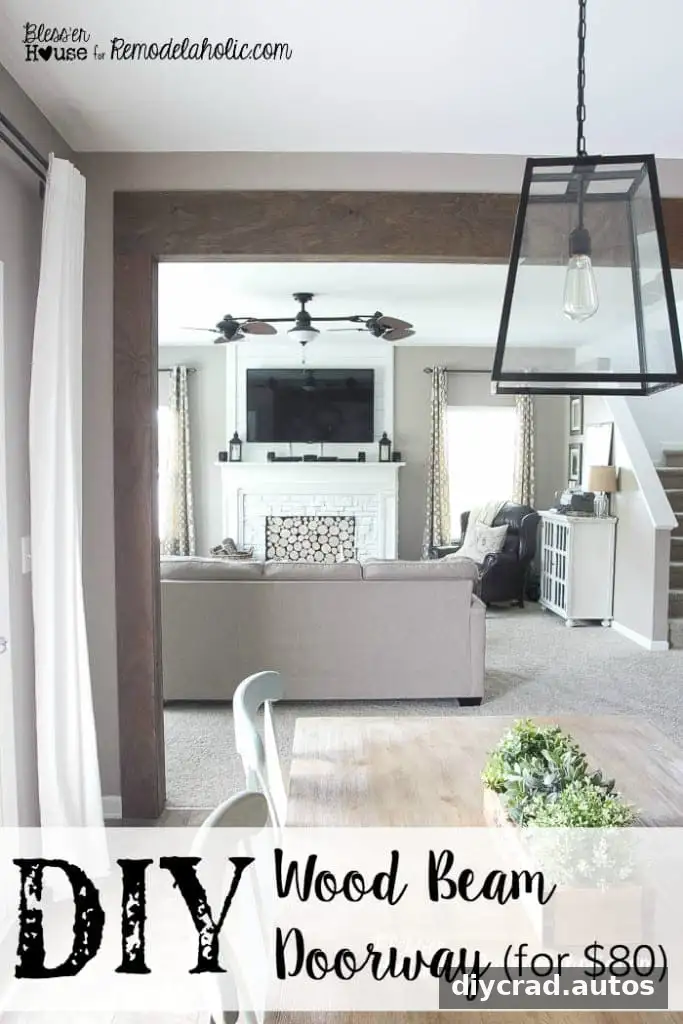
A DIY wood beam doorway can add warmth and architectural character to an otherwise plain opening. In this living room and breakfast area, a faux beam became a statement feature without the expense of a genuine reclaimed timber. The project took three days and cost about $80, while a real reclaimed beam was estimated to cost $1,000 or more.
Why choose a DIY wood beam doorway?
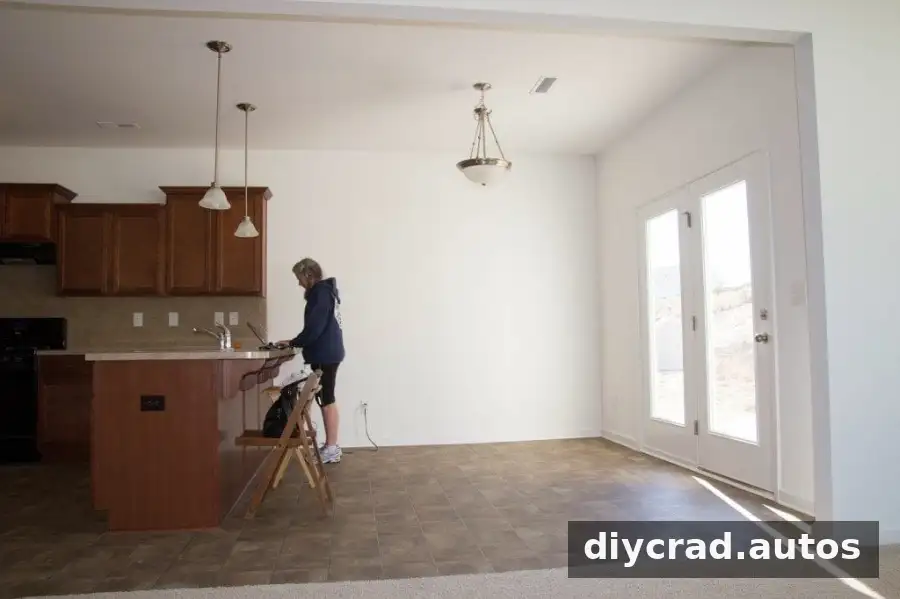
Many builder-grade homes have simple, unadorned doorways that do little to connect the surrounding rooms. Adding a beam-style detail can make the transition between spaces feel more intentional and give the opening a stronger visual presence. It can also tie in with other architectural features, such as window trim or a fireplace surround.
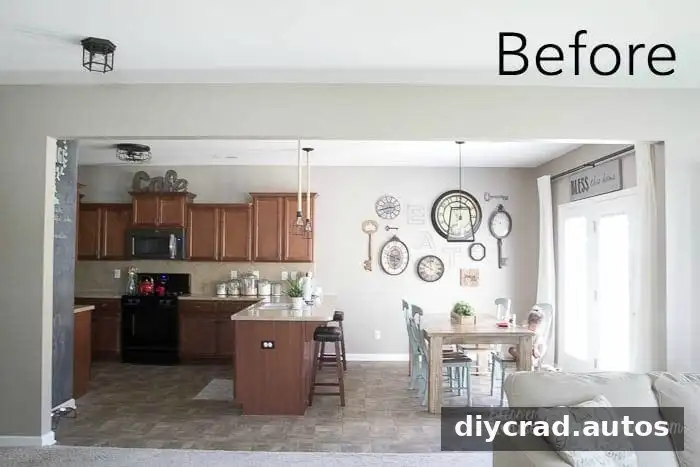
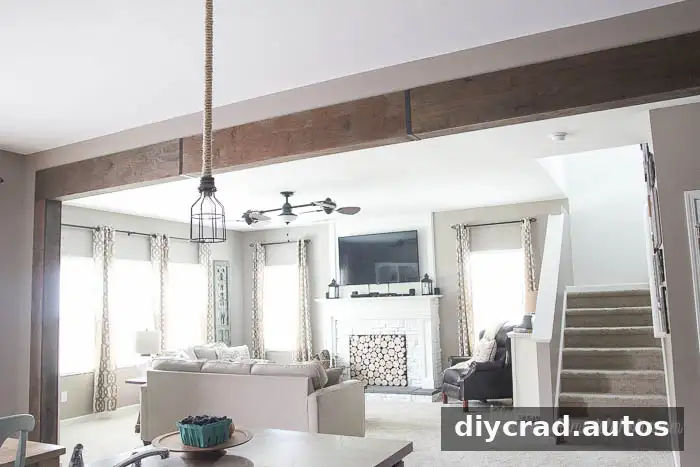
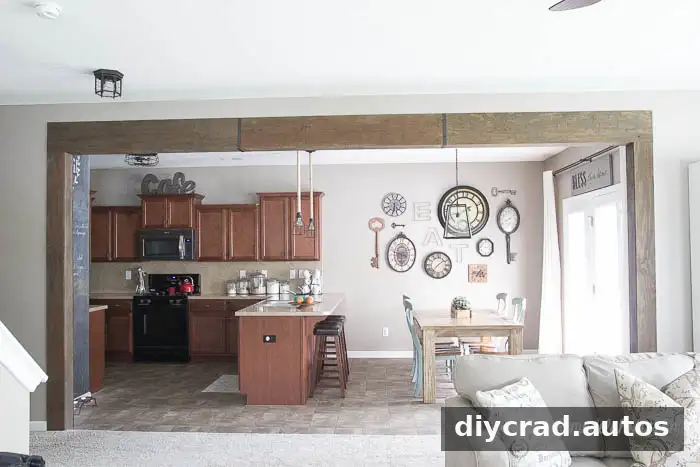
In this home, the doorway separates the living room from the breakfast area. The rooms had already received updates, but the opening still felt plain compared with the character the homeowners wanted to introduce. A faux beam offered a way to create a similar visual effect to reclaimed wood at a much lower reported project cost.
Budget and project expectations
The reported cost for this project was approximately $80, and the work took three days. These figures describe this particular project, not a guaranteed price or schedule. Costs can vary depending on local material prices, the size and condition of the opening, and whether extra preparation is needed.
Before starting, measure the doorway and decide how prominent you want the finished feature to look. Also check whether the existing trim, ceiling, and nearby finishes can remain in place. Planning these details early helps avoid unnecessary work and makes it easier to estimate materials. For any cutting, fastening, or work above shoulder height, use appropriate safety equipment and follow the product instructions for the materials you choose.
Planning a faux beam around an existing doorway
A faux beam is intended to create the appearance of a substantial timber feature; it should not be assumed to support the structure of the house. If you are unsure whether a wall or opening is structural, consult a qualified professional before making changes. Keep the project focused on the decorative finish unless a professional has assessed the construction.
- Check the opening: Look for uneven surfaces, loose trim, or other conditions that could affect how the finished feature sits.
- Plan the finish: Consider how the wood tone will work with nearby flooring, furniture, cabinetry, and trim.
- Allow time for detail work: Measuring, fitting, and finishing can take longer than expected, so plan for more than just the installation itself.
The finished beam brought a focal point to the doorway and complemented the home’s developing modern farmhouse style. It also made the existing cherry wood cabinets stand out more, highlighting how a new architectural detail can change the way surrounding finishes look.
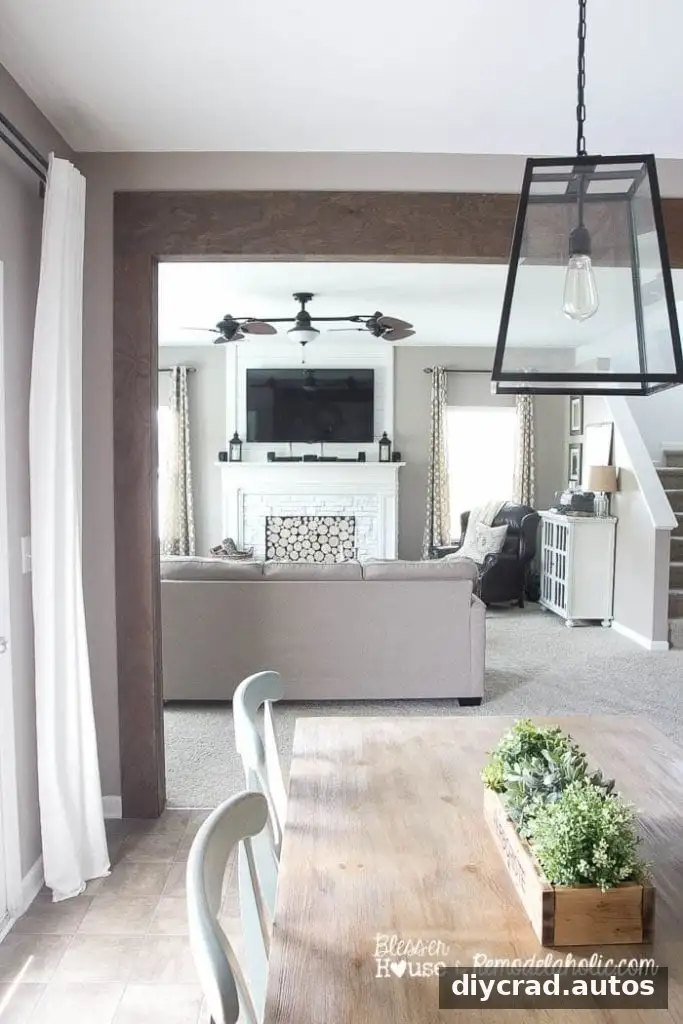
Making the new feature work with the room
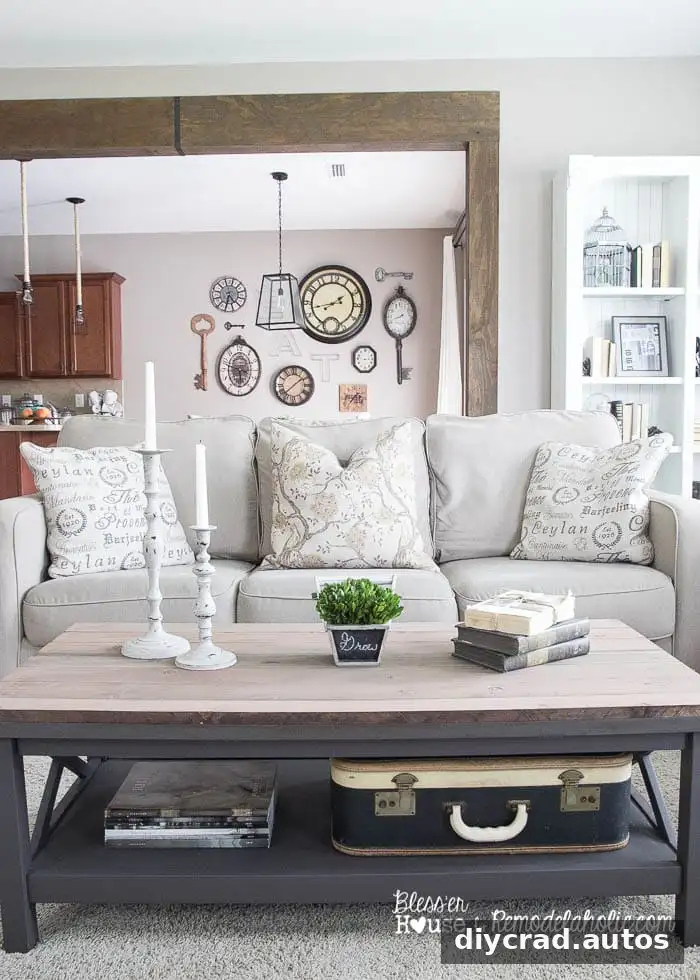
A strong doorway detail can influence what stands out elsewhere in a room. After the beam was installed, the homeowners were even more interested in eventually replacing the cherry wood cabinets. They also considered adding a console table behind the sofa. These ideas were future projects, not part of the beam installation, but they show how one update can help clarify the next priorities for a space.
When planning a similar change, take time to view the doorway from both rooms and from the usual seating areas. This helps you judge whether the beam feels balanced with the opening and whether its finish complements the surrounding décor. A simple design can still have a noticeable impact when it is placed where people naturally look.
Is a DIY wood beam doorway right for your home?
A DIY wood beam doorway may suit a home that needs more definition between adjoining rooms, especially when a real reclaimed beam is outside the budget. The example here shows how a decorative feature can change a plain opening using a reported $80 budget and three days of work. Treat those numbers as project-specific, and assess your own measurements, materials, and installation conditions before beginning.
With careful planning and a finish that fits the surrounding rooms, a wood-look beam can become a distinctive focal point without requiring a major redesign. For homeowners looking to add farmhouse character, this DIY wood beam doorway is one way to give an ordinary passage a more considered appearance.