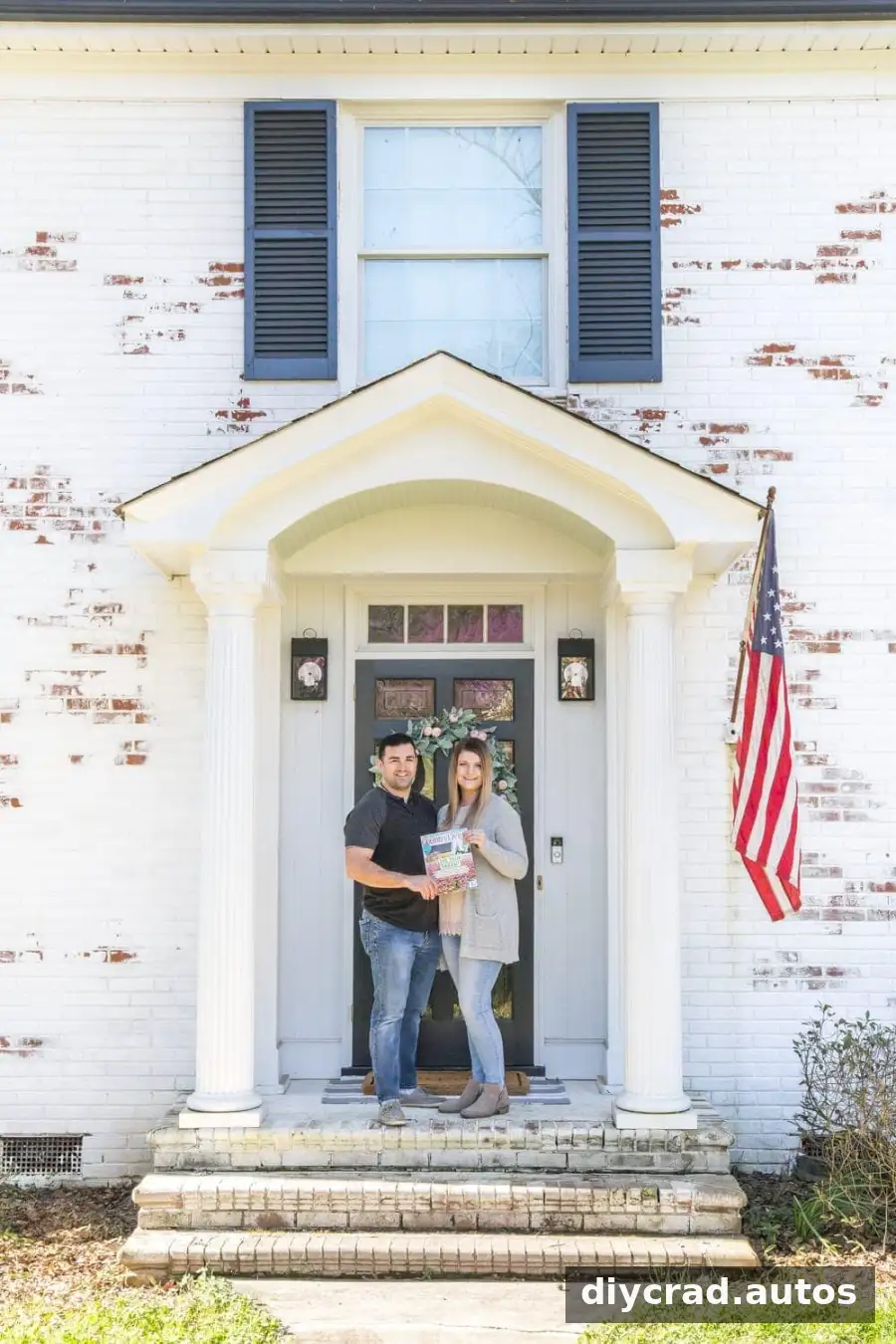
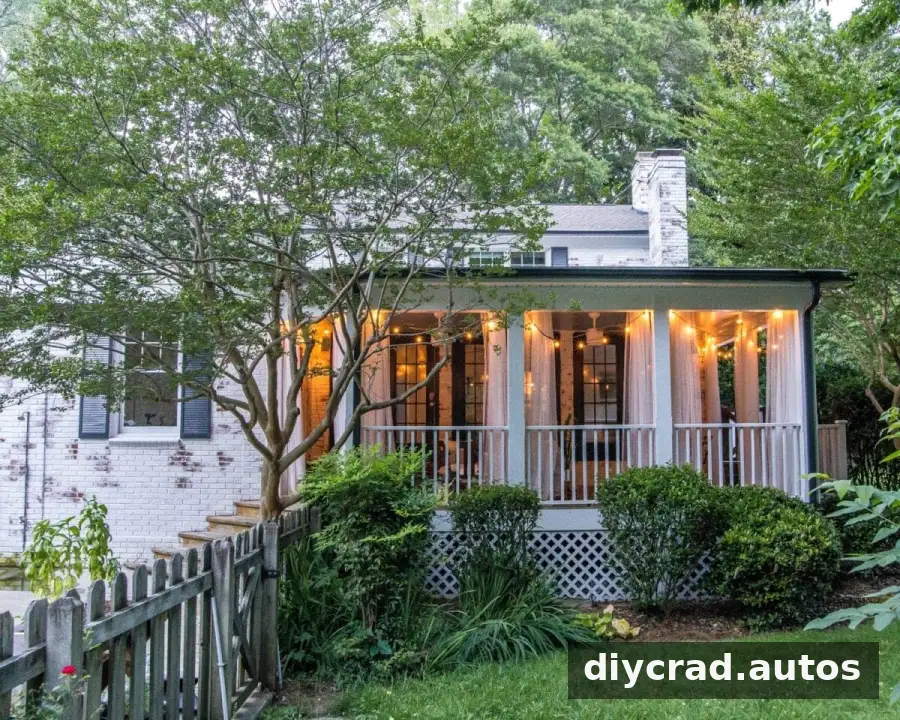
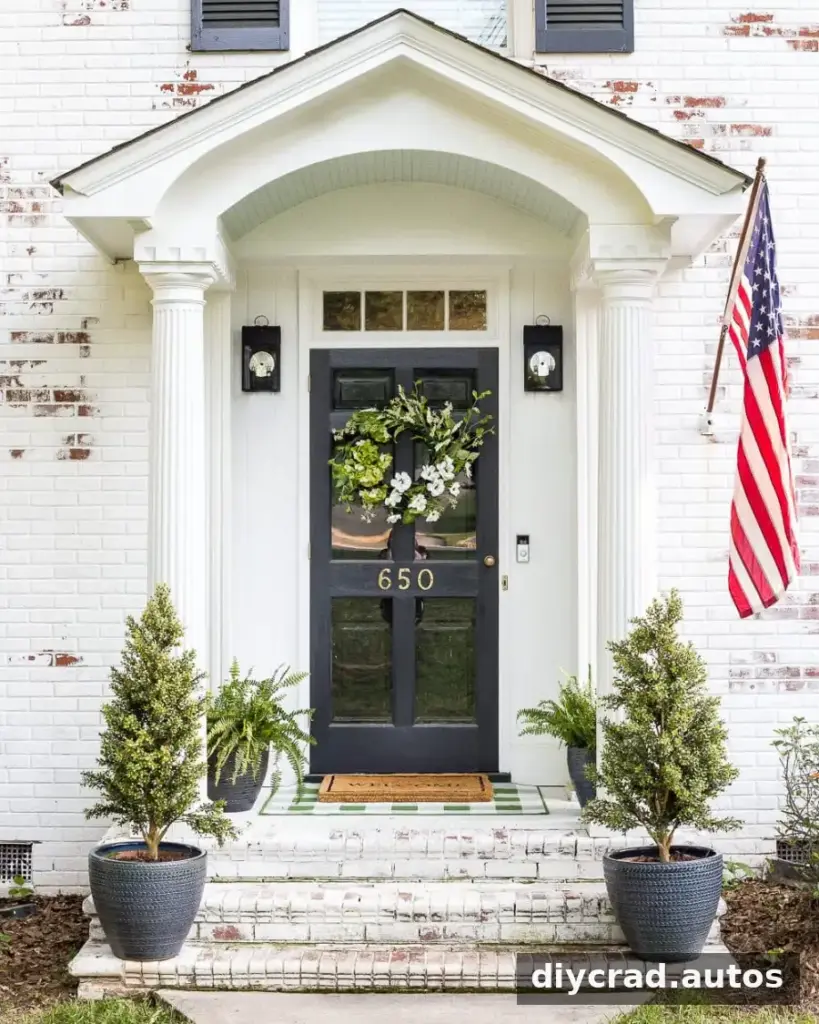
Brick limewash can refresh a home’s exterior or fireplace while leaving some of the brick’s natural character visible. A home featuring limewashed brick was recently highlighted in Country Living Magazine, prompting common questions about neighborhood approval, long-term style, and whether the work is suitable for DIY. These answers offer practical points to consider before deciding whether brick limewash is right for your project.
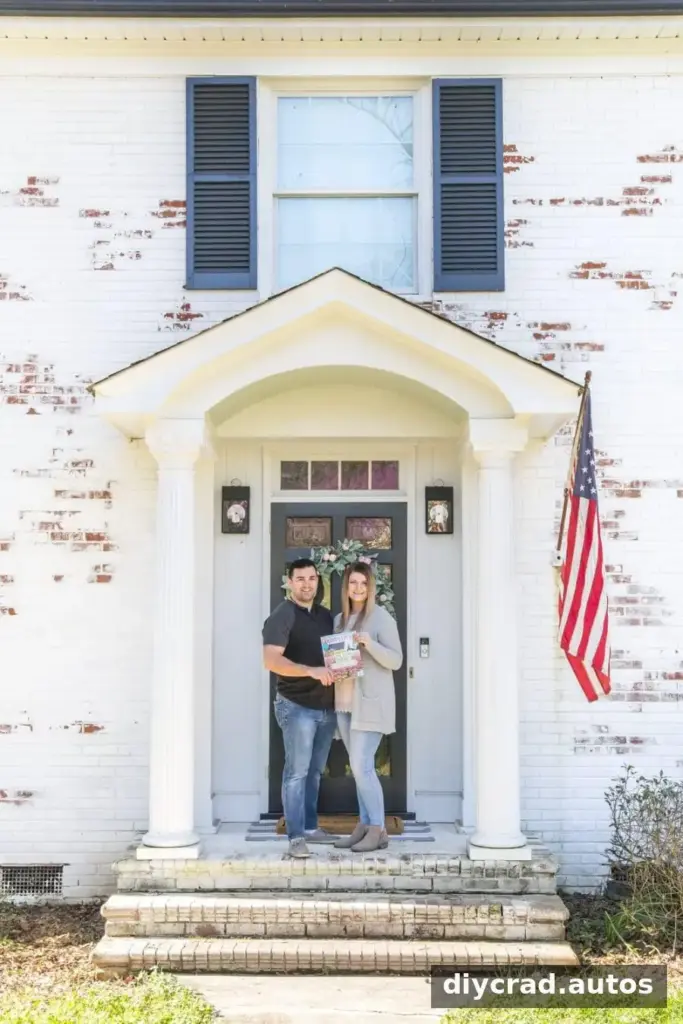
The exterior project described here was completed the previous January, and the homeowners remained pleased with its appearance more than a year later. The same approach can also be used on brick fireplaces, though the project size, surface condition, and finish you want will affect the planning involved.

Brick Limewash FAQs
1. How might neighbors respond to a limewashed brick house?
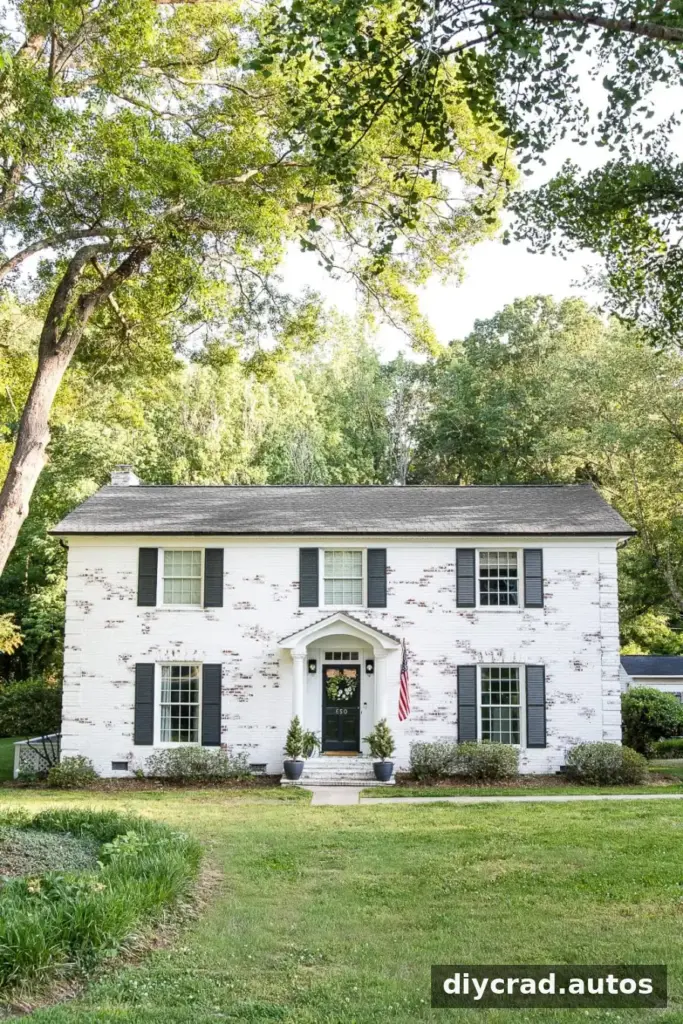
Responses to a home’s exterior are personal and can vary by neighborhood. In this case, the homeowners received positive comments from neighbors. The house was in an older area where homes had varied styles, including several with painted brick, so a different finish fit the neighborhood’s mix of appearances.
Before starting, consider the character of nearby homes and check whether your homeowners’ association (HOA) has rules about exterior changes. Confirm any approval requirements in writing before buying materials or arranging work.

2. Should you limewash or paint brick?
If you are uncertain, testing a small, inconspicuous section can help you assess the color and coverage before committing to a larger area. Follow the product instructions carefully: limewash can look pinkish while wet and may need two coats, so judge the result only after it has dried as directed.
The project described used a limewash that could be removed with a power washer within a five-day period, before it fully calcified. After that point, removal may require more specialized methods, including muriatic acid. Because acidic products and pressure washing can damage surfaces or cause injury, do not attempt removal without checking the manufacturer’s safety guidance and consulting a qualified professional.
Limewash can also be painted over later, but painting brick is generally a less reversible choice. Think about how much of the brick’s texture you want to retain and how important future changes are before choosing a finish.
3. Is limewashed brick just a passing trend?
Limewash has been used in Europe for centuries, and the material described for this project was made with authentic Dolomite lime from Italy. Although the finish has become more popular in recent years, its long history means it is not a newly invented look.
That history does not guarantee that every application will suit every home. Look at examples on houses with similar brick, architecture, and surroundings. A sample patch is also useful for seeing how the finish works with your home’s natural light and other exterior colors.
4. Can brick limewash be a DIY project?
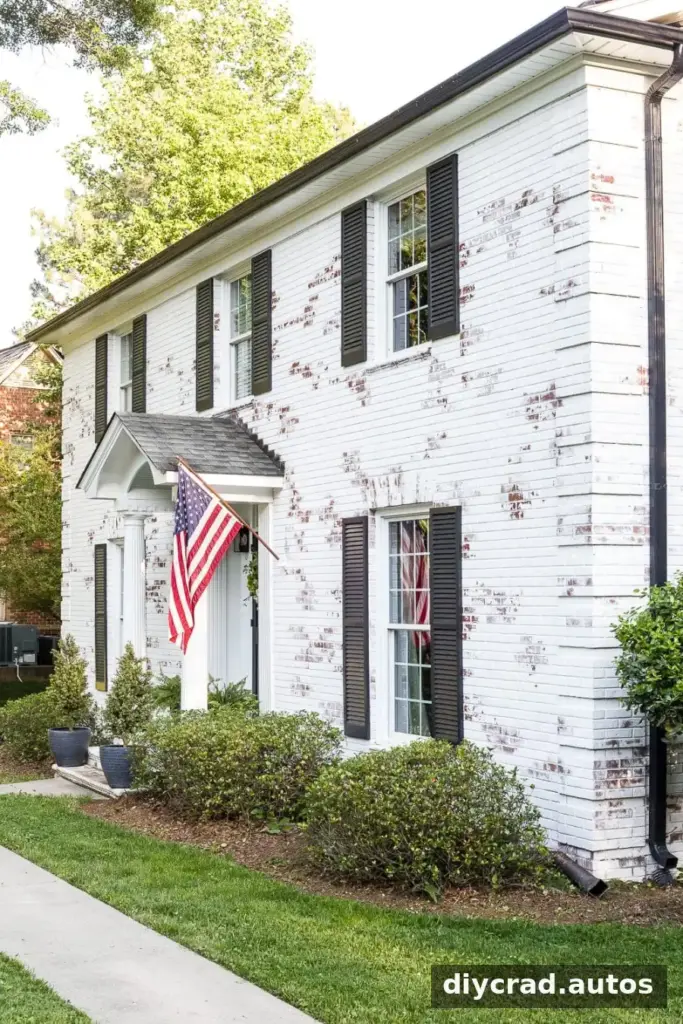
Small projects, such as a fireplace, may be manageable for a confident DIYer. The homeowners completed two fireplaces in an afternoon. For a large exterior, the right choice depends on the home’s size, access, surface condition, and your experience working with finishes.
For this nearly 3,000-square-foot, two-story home, the owners hired a specialist. Their decision came down to three practical considerations:
- Safety: Working at height on a two-story exterior involves ladder and fall risks. Consider whether you have the equipment and experience to work safely.
- Time: A whole-house application can take substantially longer than a small interior project. The specialist spent weeks completing and refining the exterior.
- Skill: Limewashing is not the same as applying ordinary paint. The finish often relies on varied, natural-looking coverage, so a uniform or overly regular pattern may not create the desired effect.
A trained artisan studied the home’s architecture and considered where weathering would naturally occur. This kind of judgment can make a difference to the finished appearance. If hiring help, ask to see examples of completed limewash work, discuss the intended finish, and confirm that the contractor understands the material rather than treating it like standard brick paint.
How to plan a limewash project
Whether you are considering a fireplace or an entire exterior, begin by checking the condition of the brick and reading the product instructions. Test a small area, allow it to dry fully, and review the result at different times of day. For exterior work, also plan for safe access and confirm any HOA requirements before work begins.
DIY may suit a small surface and an experienced homeowner, while a large or elevated project can call for professional help. Compare the cost of hiring a specialist with the time, equipment, and safety considerations involved in doing the work yourself.
Is brick limewash right for your home?
Brick limewash offers a historic finish that can work on both exteriors and fireplaces, but the best choice depends on your home, desired look, and comfort with the work involved. Testing a sample, checking local rules, and weighing DIY safety against professional skill can make the decision clearer. For homeowners seeking a character-rich finish, brick limewash may be worth considering as a lasting alternative to paint.