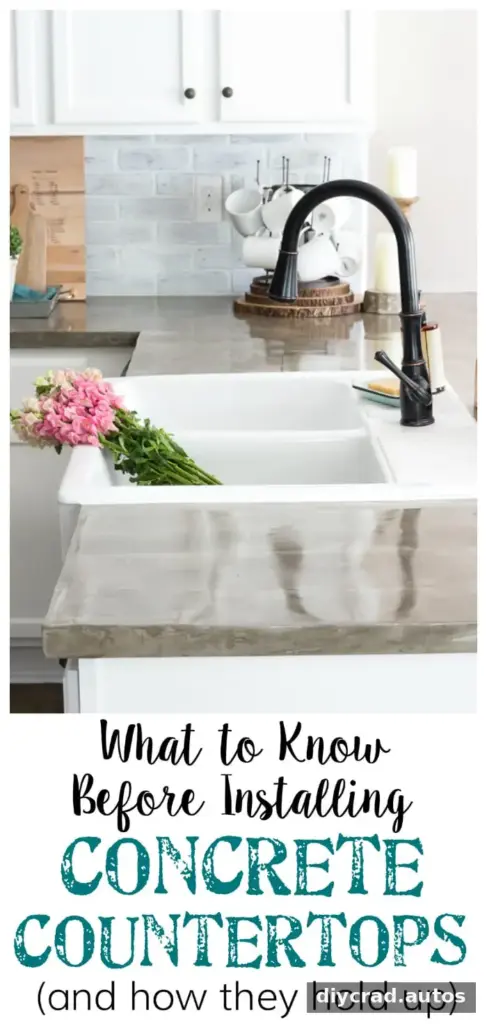
Concrete countertops can give a kitchen or bathroom a distinctive, handcrafted look without the cost of some traditional surfaces. Before choosing them, consider the trade-offs: they can be budget-friendly and approachable for a DIY project, but scratches and stains may require careful use and maintenance. This review reflects how one set of concrete countertops performed during its first five months of everyday kitchen use.
Concrete Countertops: What to Expect
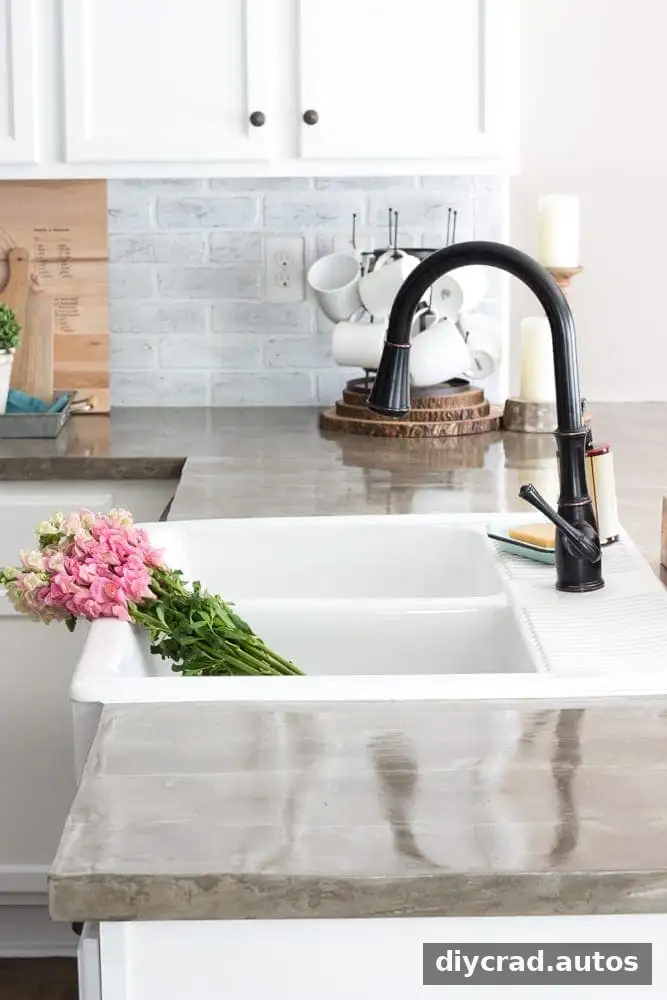
When first installed, these countertops had a smooth, glossy finish. Regular cooking and cleanup soon put that surface to the test. The household used the kitchen frequently, so the counters experienced the kind of everyday wear that can reveal practical strengths and weaknesses.
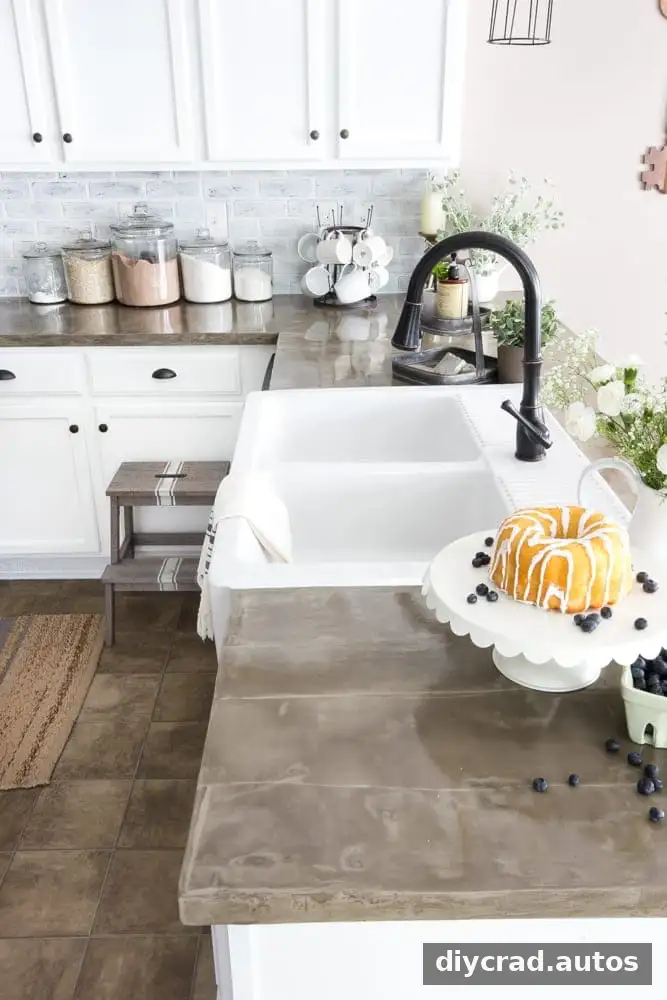
The finish and any marks that develop are part of the surface’s character. That may suit farmhouse, industrial, or modern interiors, but it may be less appealing if you expect a perfectly uniform, flawless appearance. Looking at samples and understanding that concrete can vary can help set realistic expectations.
The Pros of Concrete Countertops
They can be a lower-cost update
For this particular kitchen project, replacing all the countertops cost less than $300. That was possible for this installation and should not be treated as a standard price: costs depend on the size of the space, materials, preparation, and local prices. Still, the project shows why concrete may appeal to homeowners looking for a more affordable change.
A DIY installation may be manageable
The homeowners found the work accessible to do themselves. The process was messy and time-consuming, but it did not require power tools apart from a sander. Plan for enough time to prepare the work area and finish the surface properly; careful preparation and patience matter more than rushing to complete the job.
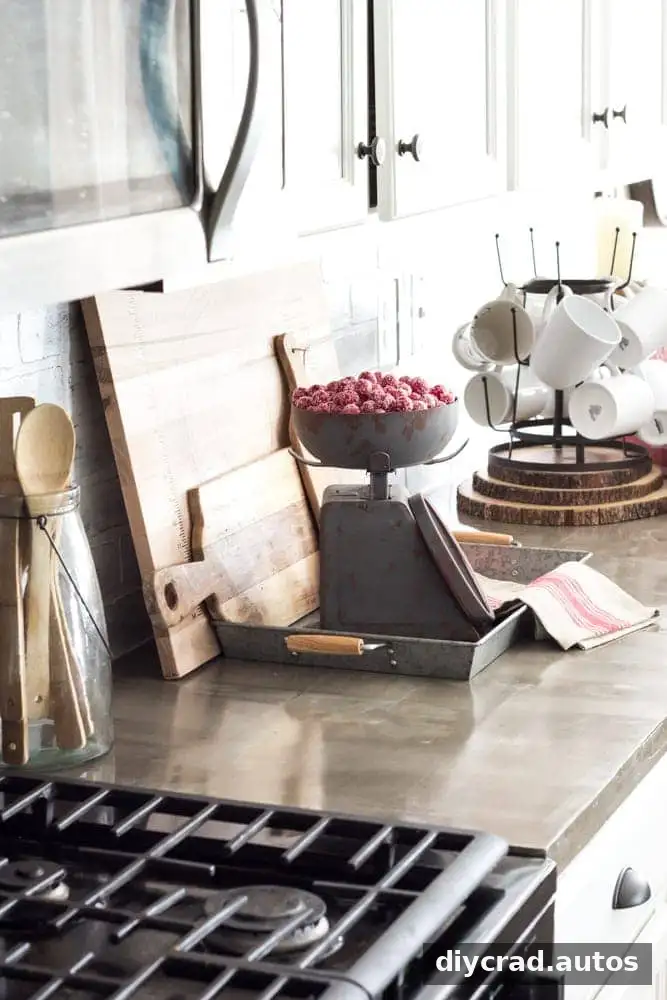
The finish has a distinctive look
Concrete’s handmade appearance can add visual character and suit several design styles. Small variations may be considered attractive texture by some people and imperfections by others, so think about how much surface variation you are comfortable with before committing.
The Cons: Scratches and Sealer Upkeep
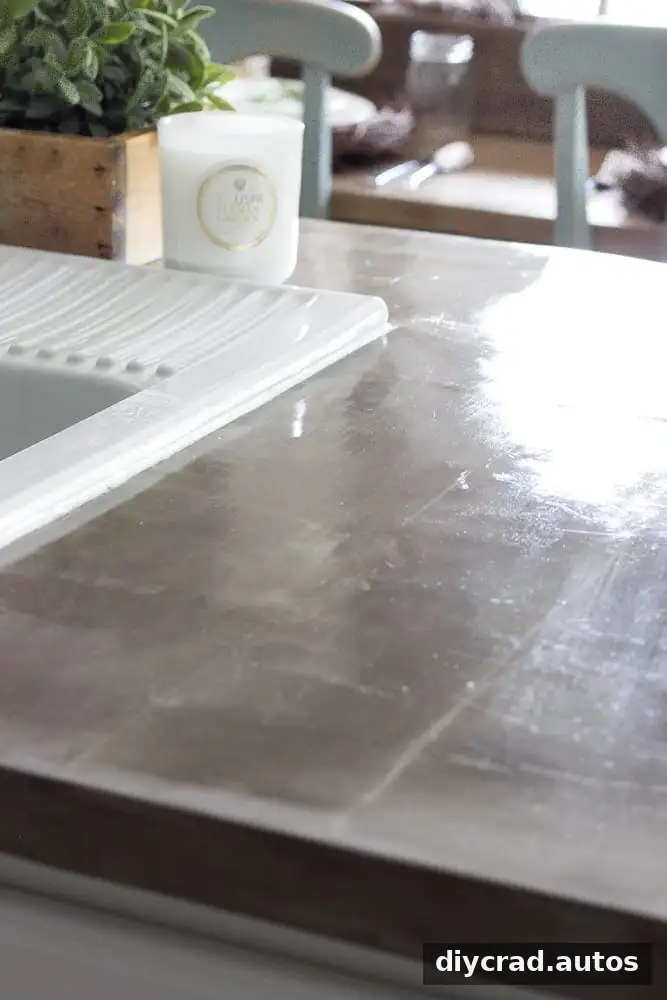
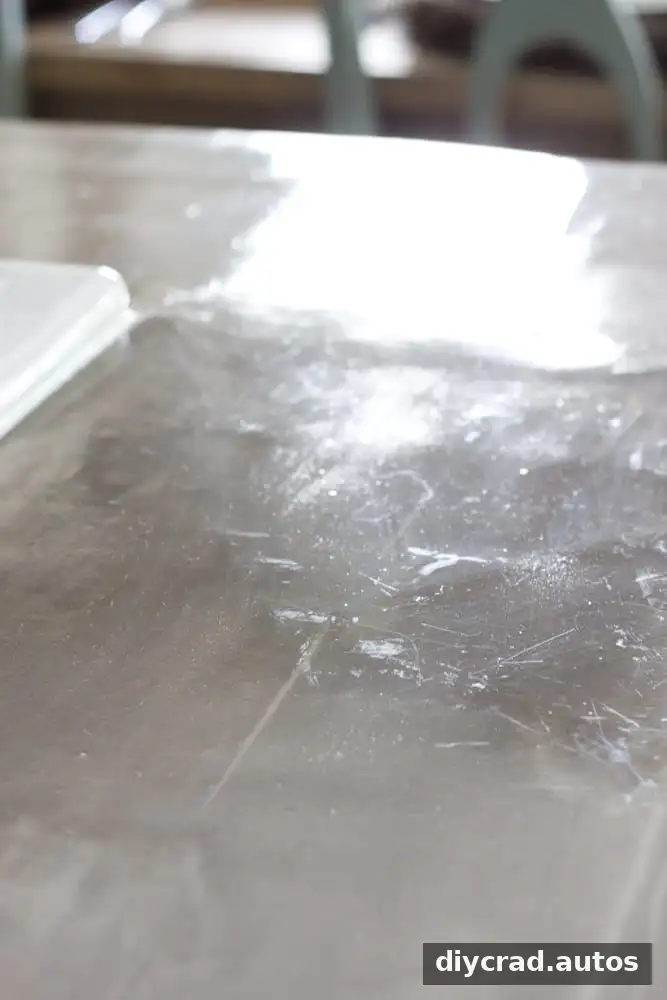
Scratching was one of the main drawbacks during the first five months. Even with a sealer selected after research, the surface showed marks where dishes and other items were moved around. The result may vary depending on the materials, sealer, installation, and daily use.
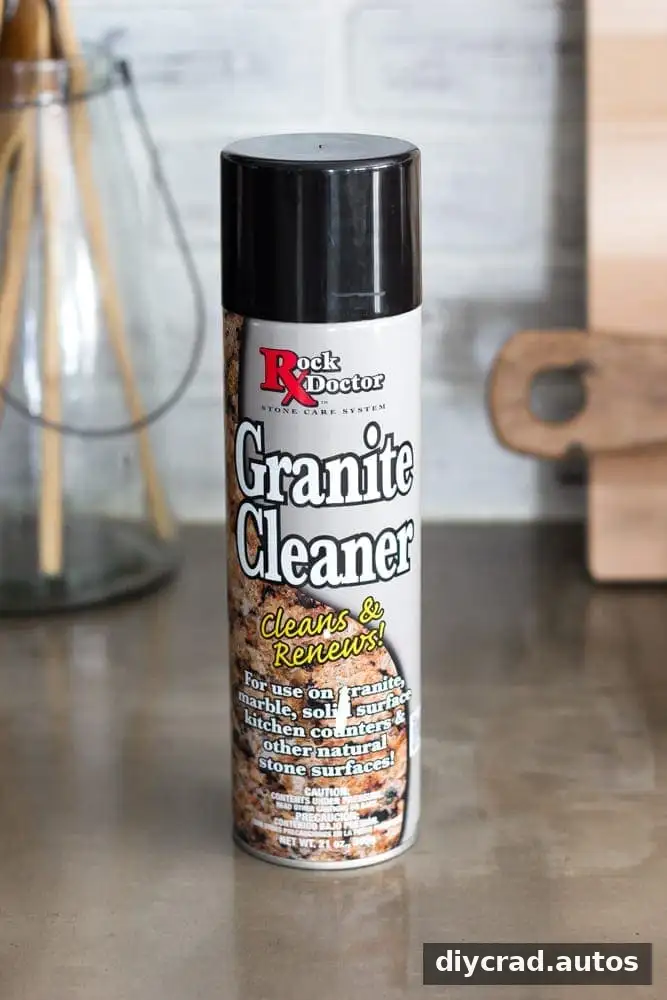
Use care when sliding cookware or dishes across the counter. A cutting board and protective mats can help limit direct contact with sharp or abrasive items. In this installation, applying another coat of sealer was considered a way to refresh scratched areas. Follow the product instructions and confirm that the existing surface is suitable before resealing.
For routine cleaning, use a cleaner suitable for the countertop’s sealer and avoid assuming that every product is compatible. Test an unfamiliar cleaner on a discreet area first, and follow the sealer manufacturer’s care guidance.
Grease Stains and Everyday Protection
Cooking grease left visible spots on both sides of the stove, especially where oil and bacon were used regularly. The marks were concentrated rather than spread across the entire counter, but they affected the appearance of the finish.
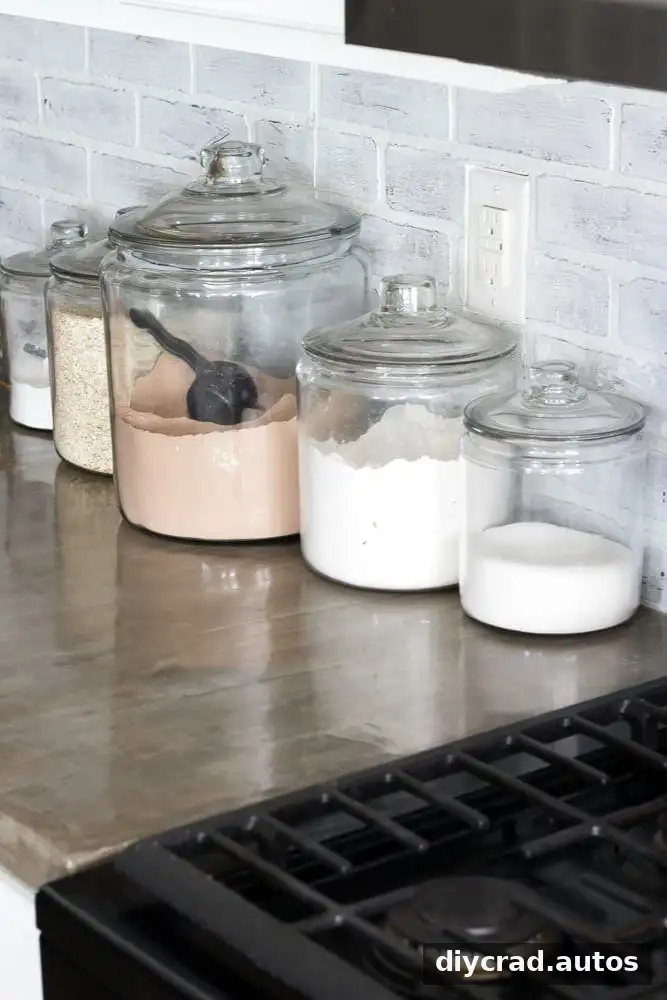
A simple precaution helped reduce further staining: placing a dish towel beside the stove while cooking. A splatter guard or other protective surface can serve the same practical purpose, provided it is safe for the heat and the counter finish. Wipe up oil and food spills promptly instead of letting them sit.
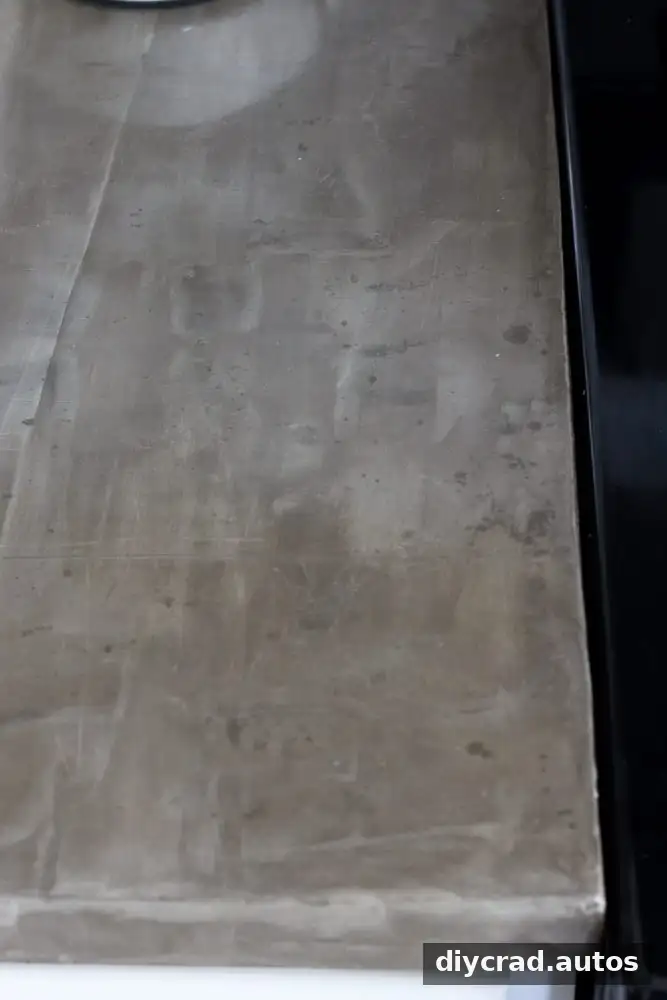
One section had particularly noticeable dark spots. The homeowners considered applying another thin layer of concrete and resealing that area. Any repair should be tested and carried out according to the materials used in the original installation.
How the Surface Held Up
Despite the scratches and grease marks, the homeowners reported no other major problems during the five-month update. Water beaded on the surface, and food spills and drips—including some that were not cleaned immediately—could be wiped away. These observations describe one installation, not a guarantee that every concrete countertop will perform the same way.
Are Concrete Countertops Worth It?
For this household, the low project cost and distinctive appearance outweighed the need to manage scratches and stains. The owners would choose the counters again, while recognizing that they did not view them as a permanent, 20+ year solution comparable to granite or marble.
Concrete countertops may be a good fit if you value a customizable look, are comfortable with some surface variation, and are willing to protect and maintain the finish. If you prefer a consistently pristine surface with minimal upkeep, compare other countertop materials before deciding. In short, concrete countertops can be a worthwhile update when their character, cost, and care requirements match your expectations.
Keep this guide for reference as you plan your countertop project: