

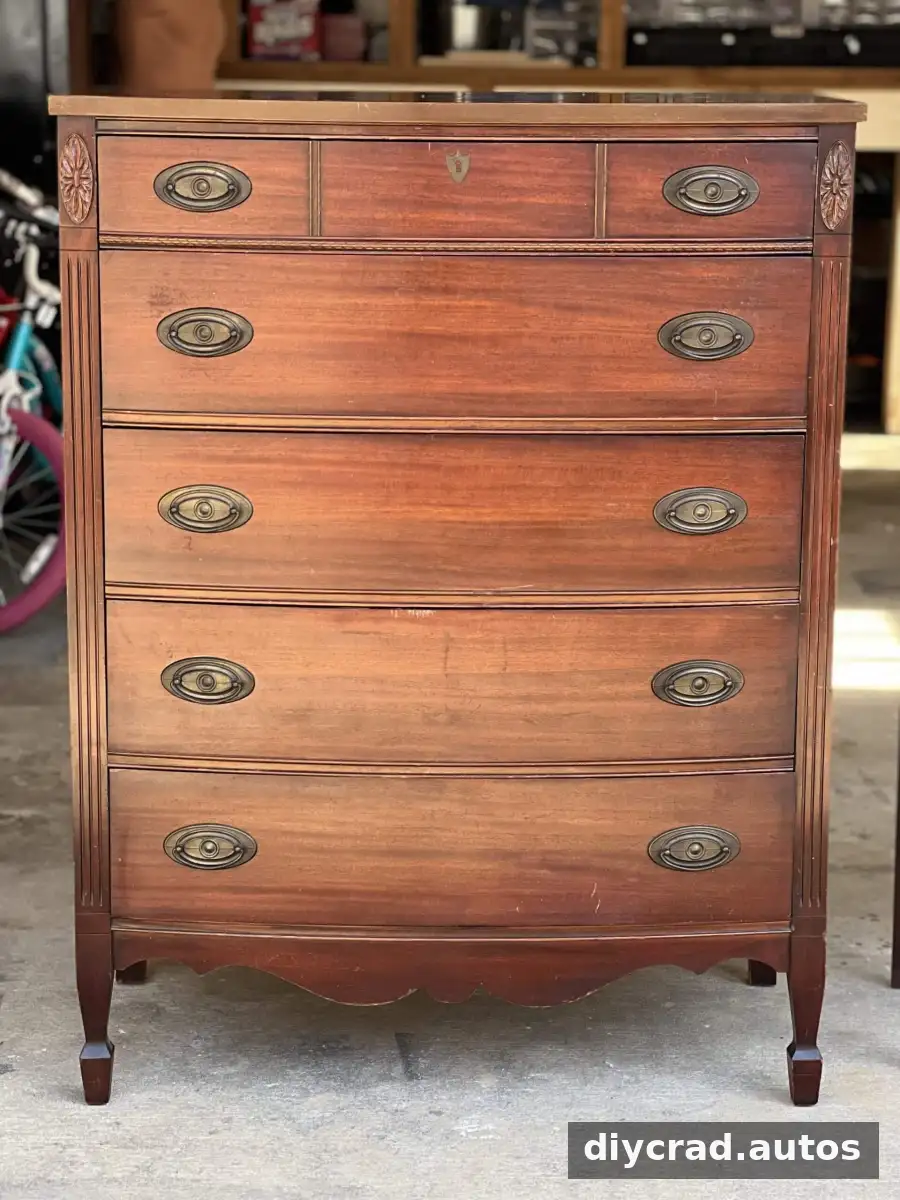
Learning how to clean wood furniture can help lift dirt, sticky residue, and surface buildup while bringing out the natural character of a well-loved piece. Whether you have a secondhand find or an older dresser at home, work gently: finishes vary, and moisture or the wrong product can cause damage.
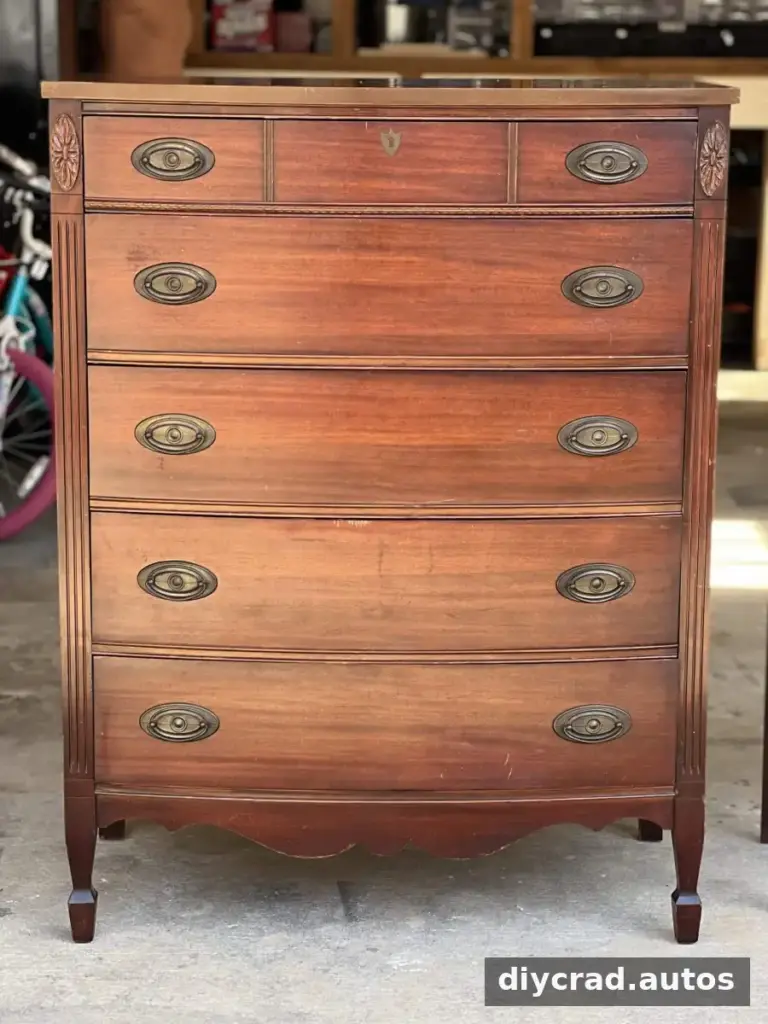
Before cleaning, check whether the piece is solid wood, veneer, or laminate. The steps below are intended for finished wood furniture; test every product on a hidden spot first and avoid soaking the surface.
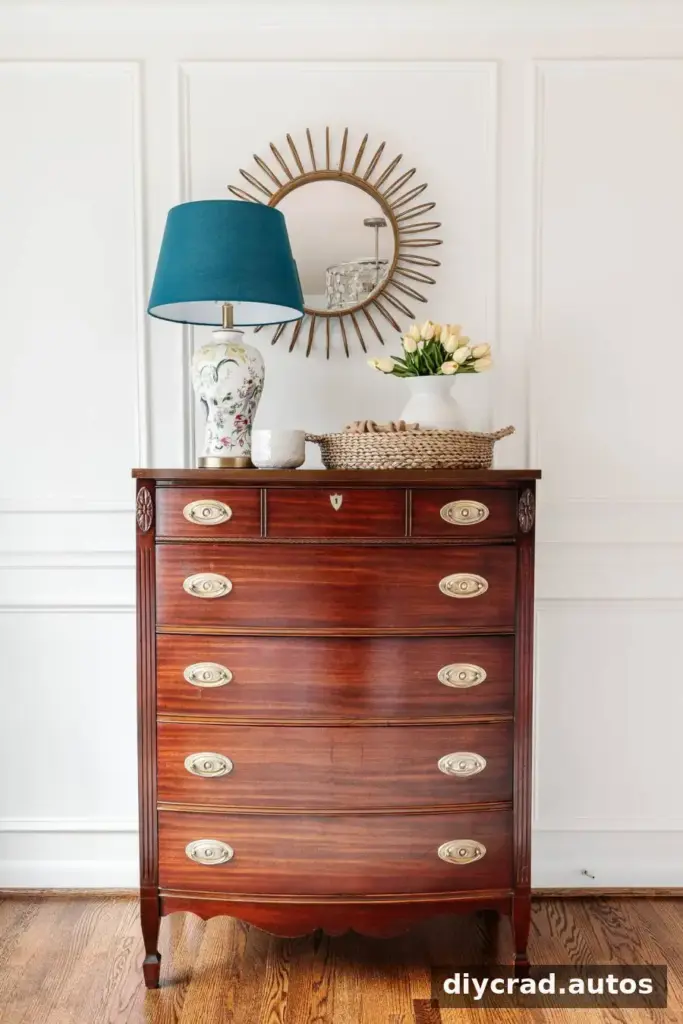
A careful clean can make a dull piece look fresher without painting or stripping it. The key is to remove residue in stages, dry the surface promptly, and use polish sparingly.
Why Wood Furniture Is Making a Comeback
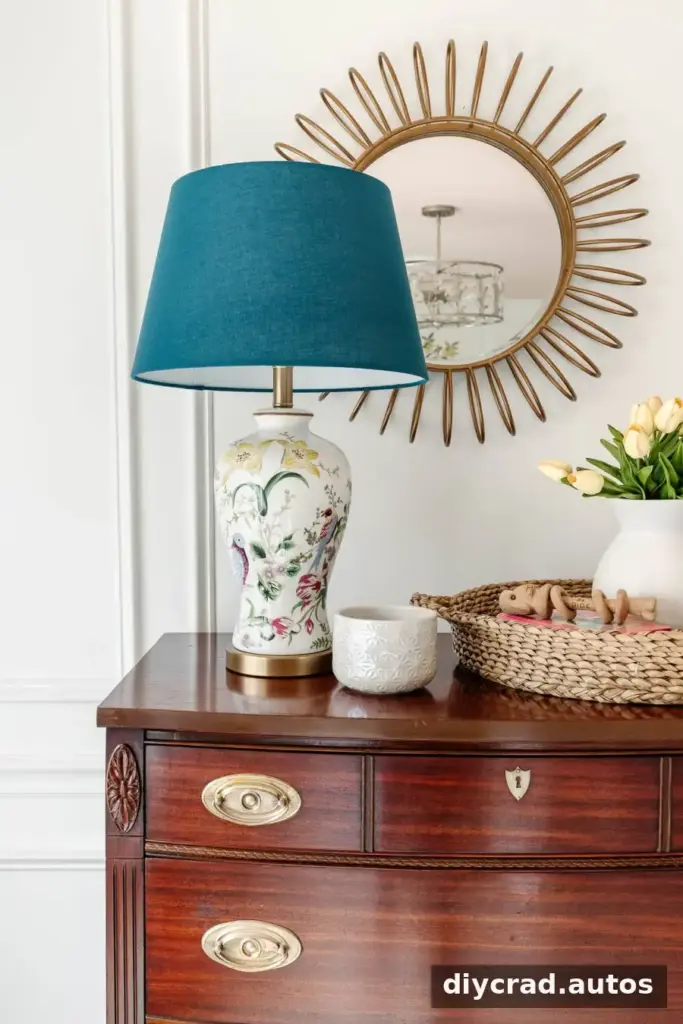
Traditional furniture and visible wood grain are popular choices in many interiors. Rich wood tones can add warmth and texture, while a well-maintained vintage piece can complement cottagecore, classic, or contemporary rooms.
Design preferences change over time. After years of distressed finishes and painted furniture, many people are choosing to let the original wood grain take center stage. Cleaning can be a useful first step before deciding whether a piece needs any more significant restoration.
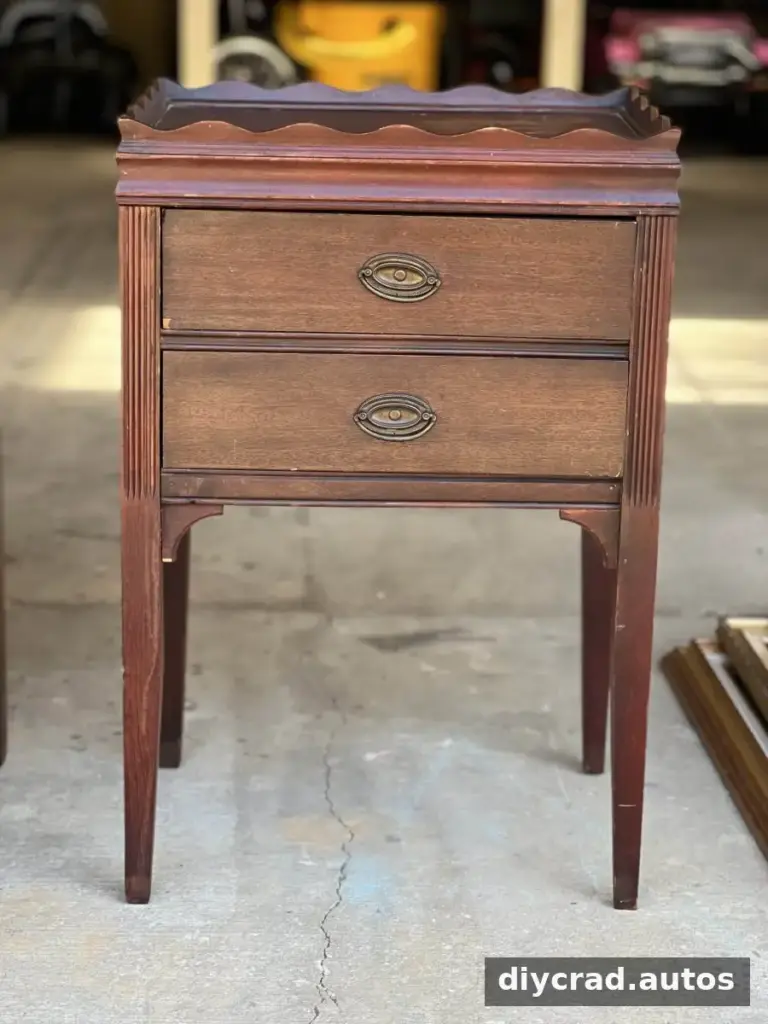

How to Clean Wood Furniture
Older furniture may have accumulated dust, cleaner residue, wax, or polish. Begin with the mildest suitable method and do not assume that every finish can tolerate the same products. If the finish is cracked, peeling, or unknown, seek advice from a furniture-restoration professional before using solvents or oils.
Supplies
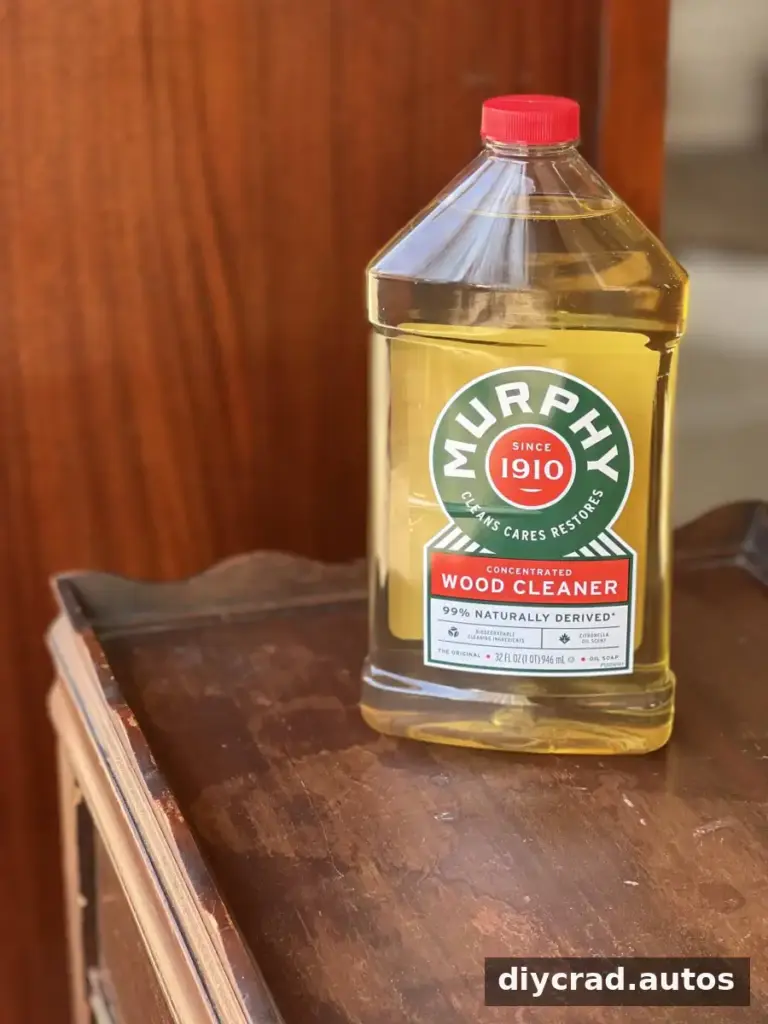
- Murphy Oil Soap
- 1.5-gallon bucket
- Two clean, soft cloths
- Mineral spirits, for stubborn stains or sticky residue, if suitable for the finish
- Vaseline or mayonnaise, for attempting to improve some water marks
- Old English Wood Furniture Polish or Howard Restore-A-Finish
- Bar Keepers Friend
- An old toothbrush
- Protective gloves
Test products separately on a hidden area with a cotton swab or cloth, following the label directions. Let the spot dry and check for changes in color, sheen, or texture before treating the visible surface. Never mix cleaning products.
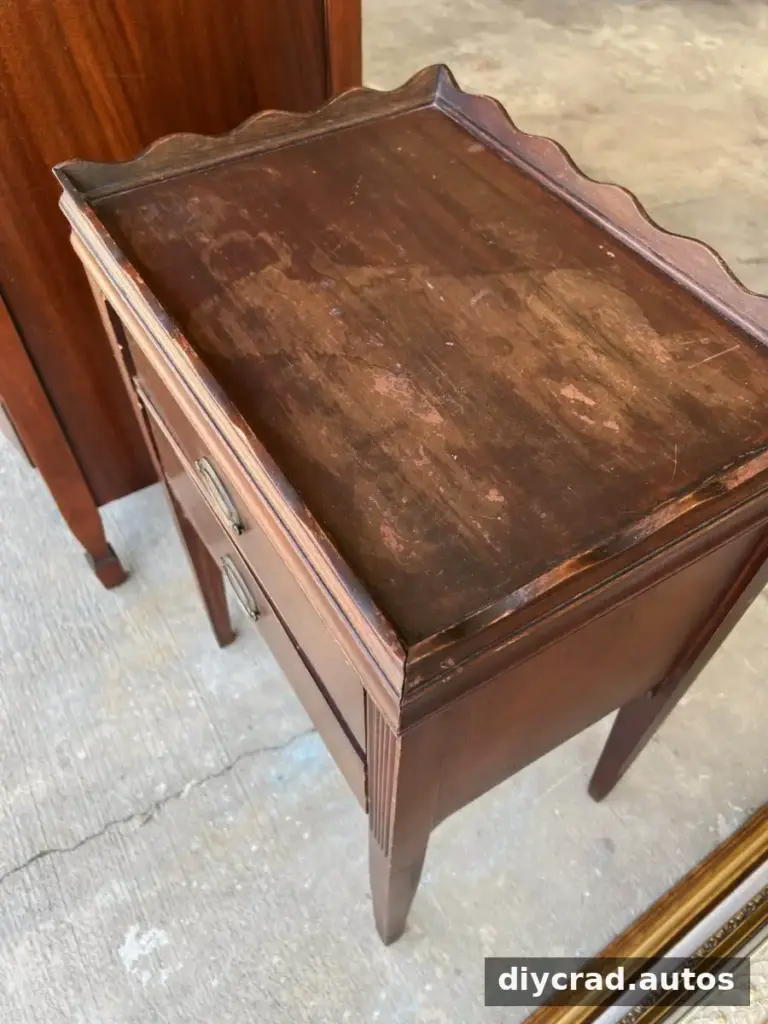
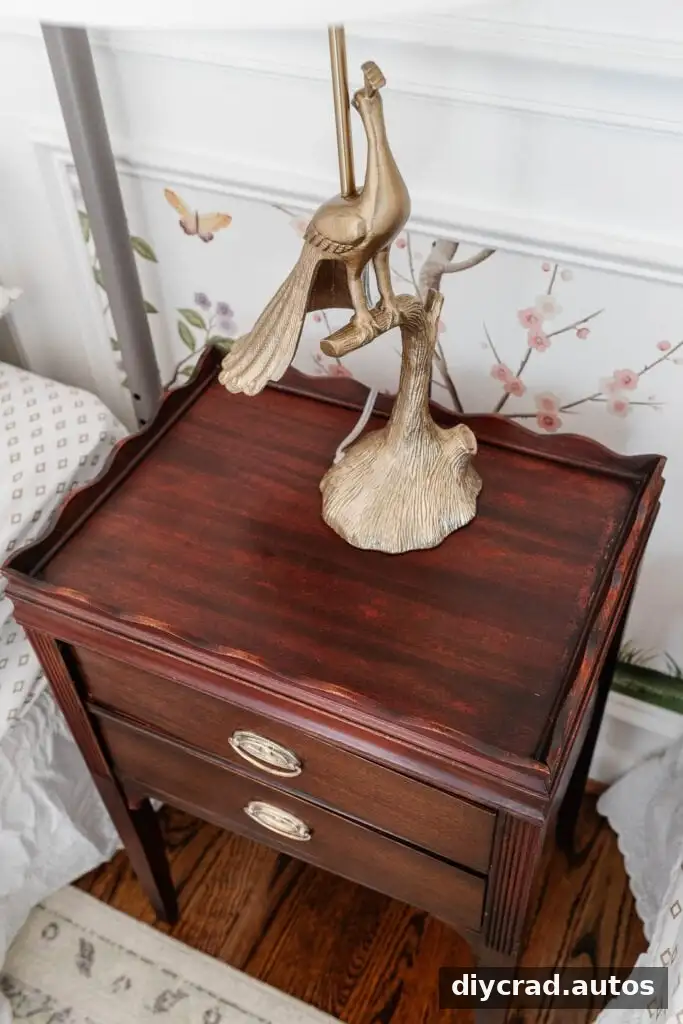
Step-by-Step Cleaning
- Wash with oil soap
Work in a well-ventilated area. Mix 1/2 cup of Murphy Oil Soap into one gallon of warm water, following the product label if its directions differ. Put on protective gloves and use a soft cloth that is damp, not dripping, to wipe the furniture. Pay attention to corners and decorative details.
Wipe away soap residue with a separate cloth dampened with clean water, then dry the surface immediately. Avoid leaving standing water on wood or allowing moisture to collect in seams.
If an odor remains, air out the furniture in a dry, well-ventilated place. A short period in gentle sunlight may help, but prolonged direct sunlight can fade or dry the finish. For stubborn spots, mineral spirits may be used only if the finish and product directions allow it. Ventilate the area, keep the solvent away from flames or heat, and test first. A treated spot may look temporarily different, so do not continue rubbing if the finish changes.
- Address water marks cautiously
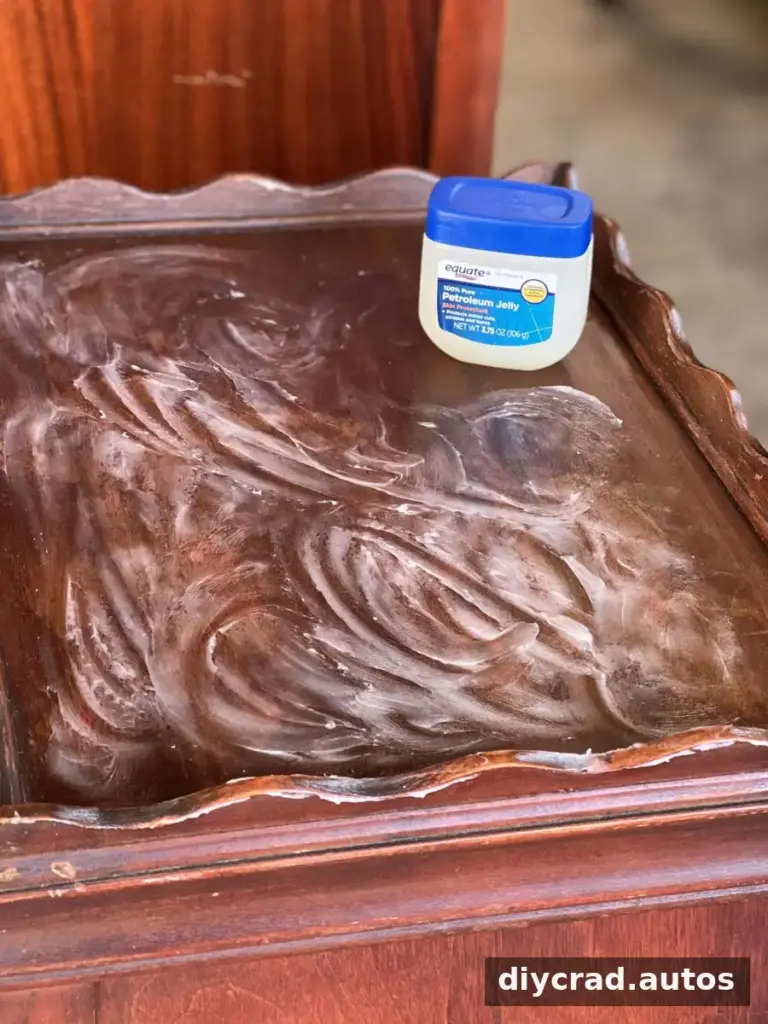
For some surface water marks, a modest amount of Vaseline or mayonnaise may help improve the appearance. Apply a thin layer with a lint-free cloth and leave it for several hours, or up to 24 hours, only after testing an inconspicuous area. Wipe it away and assess the result; repeat only if the finish remains unaffected. Deep water damage may need professional repair.
- Remove any oily residue
If you used Vaseline or mayonnaise, wipe the area clean before polishing. A small amount of the oil-soap solution on a cloth can help remove residue, but follow with a clean, barely damp cloth and dry promptly.
- Polish the wood
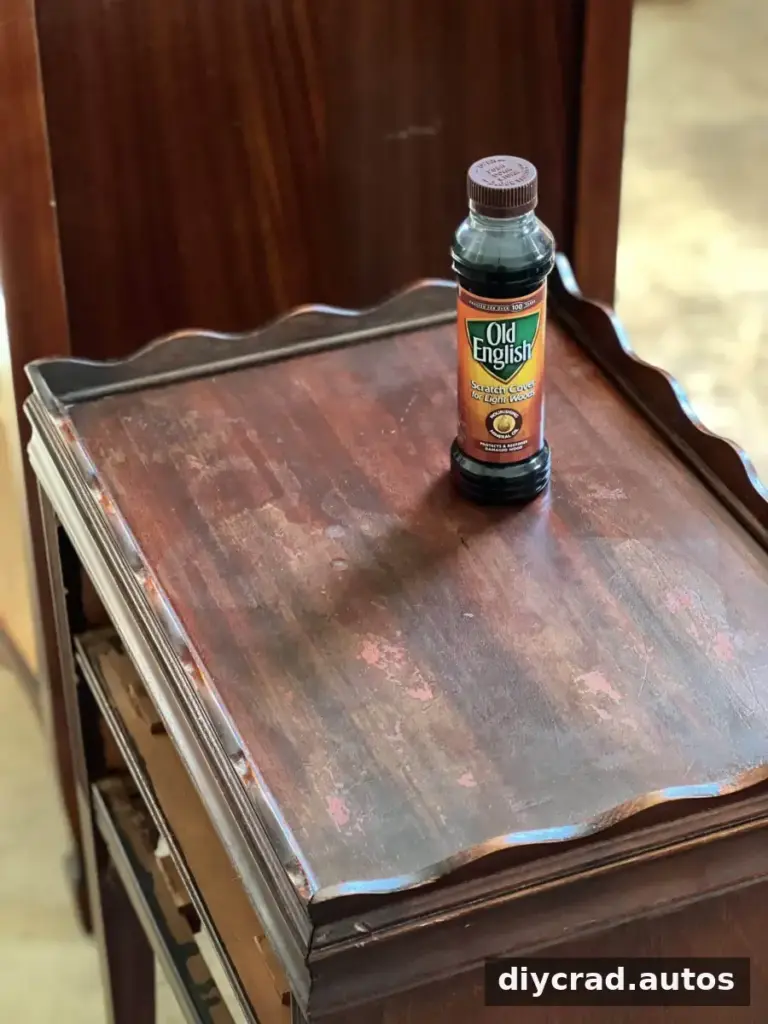
Apply Old English Wood Furniture Polish or Howard Restore-A-Finish according to its label, using a soft cotton cloth. Howard Restore-A-Finish was the preferred option in the original method, with Old English as an alternative. Do not apply both products together. Linseed oil is another option only when appropriate for the furniture’s finish and used according to its label.
Work gently over scratches and small marks rather than saturating them. After 2–3 minutes, or the time stated on the product label, wipe away excess product with a clean cloth.
- Clean the hardware separately
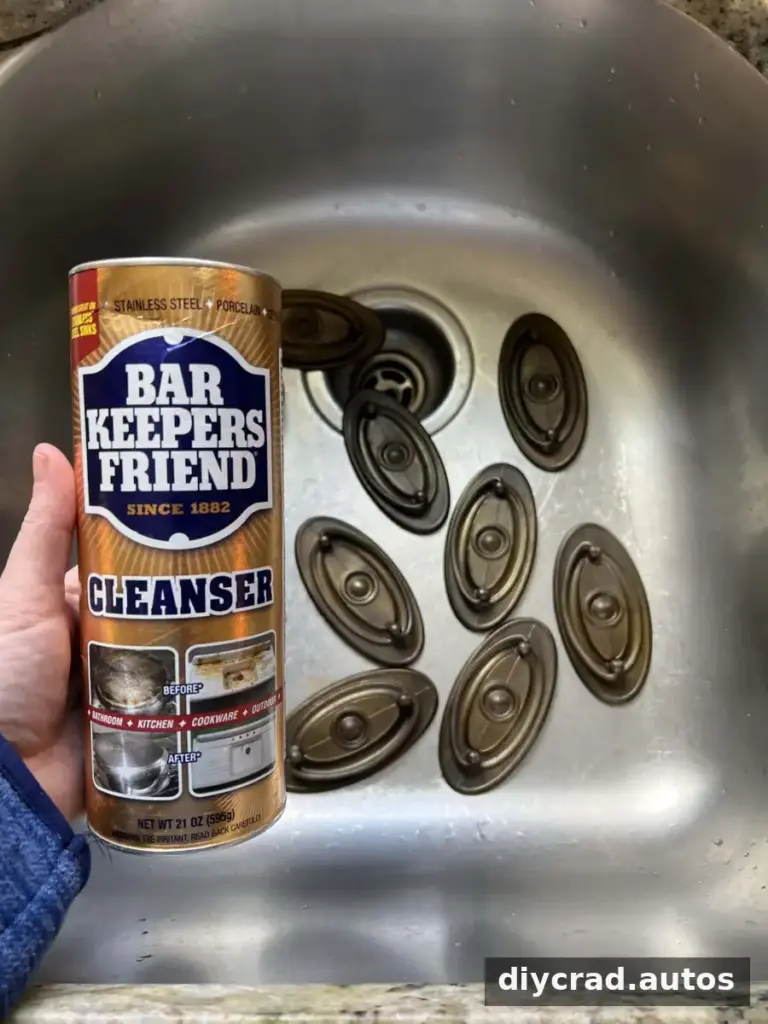
For removable hardware, follow the cleaner’s label and test a hidden area. Bar Keepers Friend can be used on suitable metal hardware with a little water and an old toothbrush; keep it off the wood and avoid using it on delicate or coated finishes unless the label permits. Rinse the hardware as directed, dry it fully, then reattach it.
Dust regularly with a soft cloth and repeat a deeper clean only when needed, rather than polishing on a fixed schedule. Too much moisture, abrasive scrubbing, or repeated product buildup can harm a finish. Laminate furniture may require different care, so use its manufacturer’s cleaning guidance instead of applying wood treatments.
After Cleaning: Keep the Finish Looking Its Best
Once the furniture is clean and dry, check the surface in natural light. If the finish looks even and feels smooth, further treatment may not be necessary. Use coasters and wipe up spills promptly to reduce the chance of new marks, and keep furniture away from prolonged direct sunlight and damp areas.
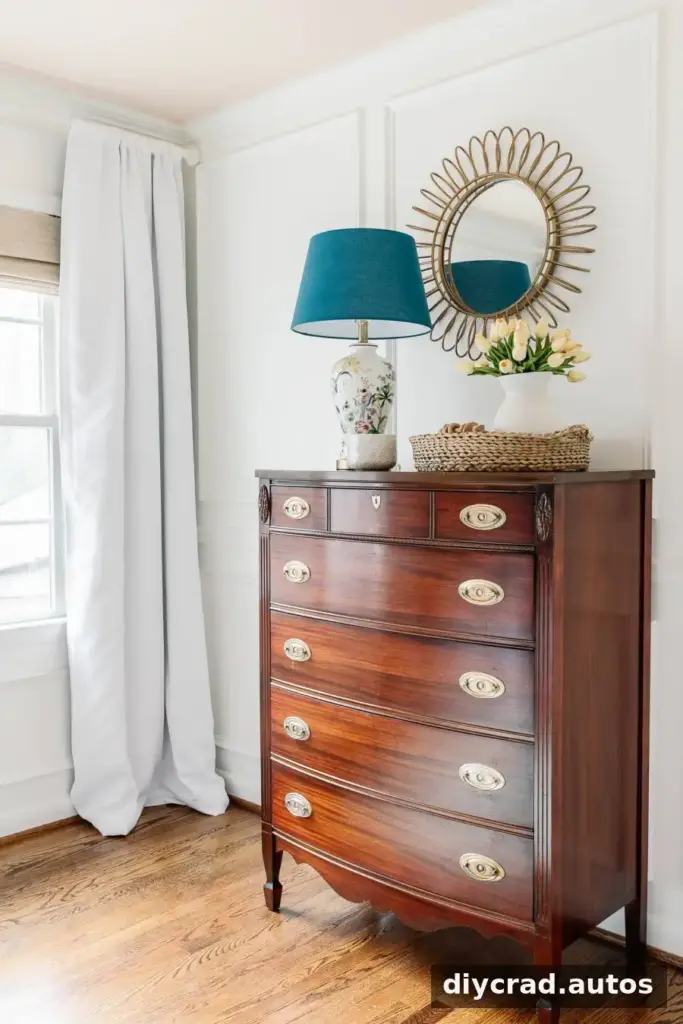

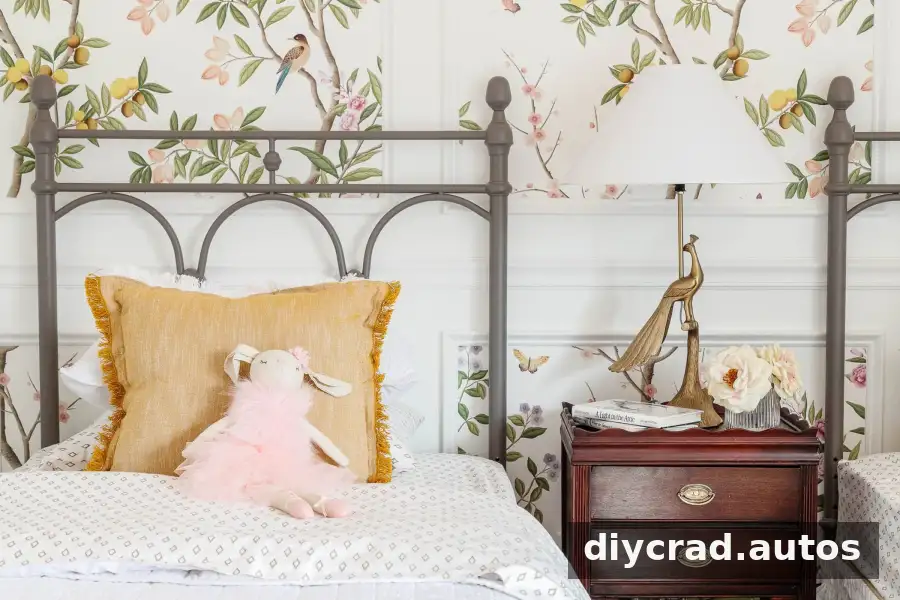
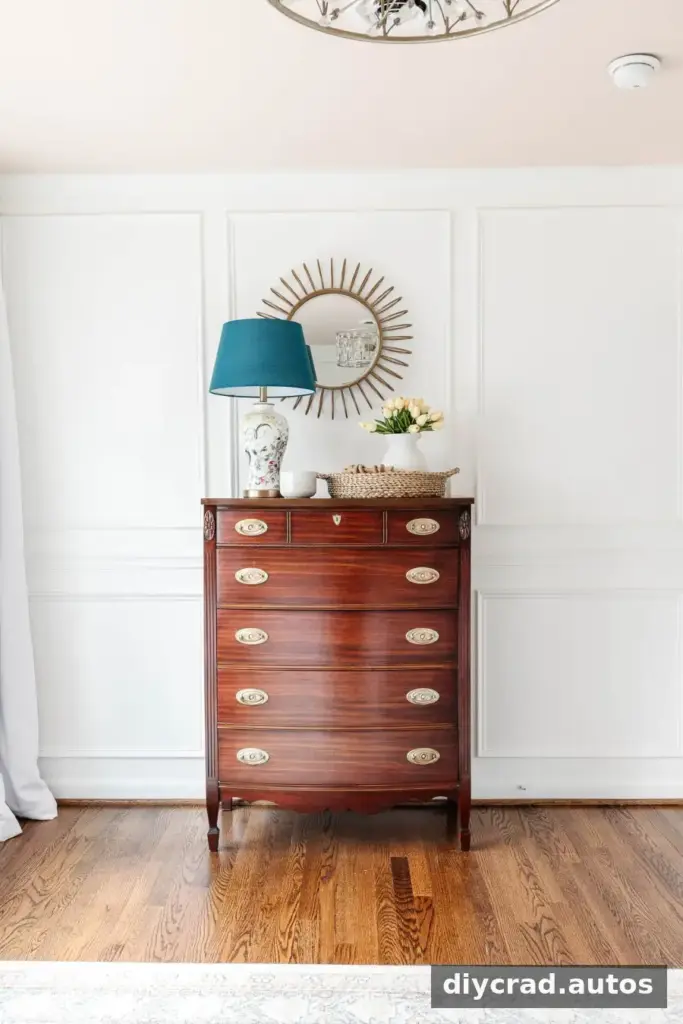
Cleaning can reveal the warmth and grain of older furniture without changing its style. Whether you prefer natural wood or painted pieces, choose the finish that suits your room and maintain it with products compatible with its surface.

Frequently Asked Questions
How can I get a musty smell out of drawers?
Empty the drawer and let it air out in a dry, ventilated place. An activated-charcoal bag can be left inside for several days to help absorb odors. Baking soda in an open, stable container may also help; keep powders away from the wood surface and out of reach of children and pets. If the smell persists or there are signs of dampness or mold, address the source rather than masking the odor.
What is an alternative wood furniture cleaner?
A mild cleaner labeled as suitable for the furniture’s finish is a safer starting point than a homemade mixture. Vinegar can affect some wood finishes, and oil may leave residue, so do not spray a water, vinegar, and olive-oil mixture over the whole piece. Test any proposed cleaner on a hidden area first and dry the surface promptly.
Conclusion
To clean wood furniture safely, test products first, use as little moisture as possible, and dry each area promptly. Gentle washing, cautious treatment of marks, and compatible polish can refresh a piece while helping protect its finish.

