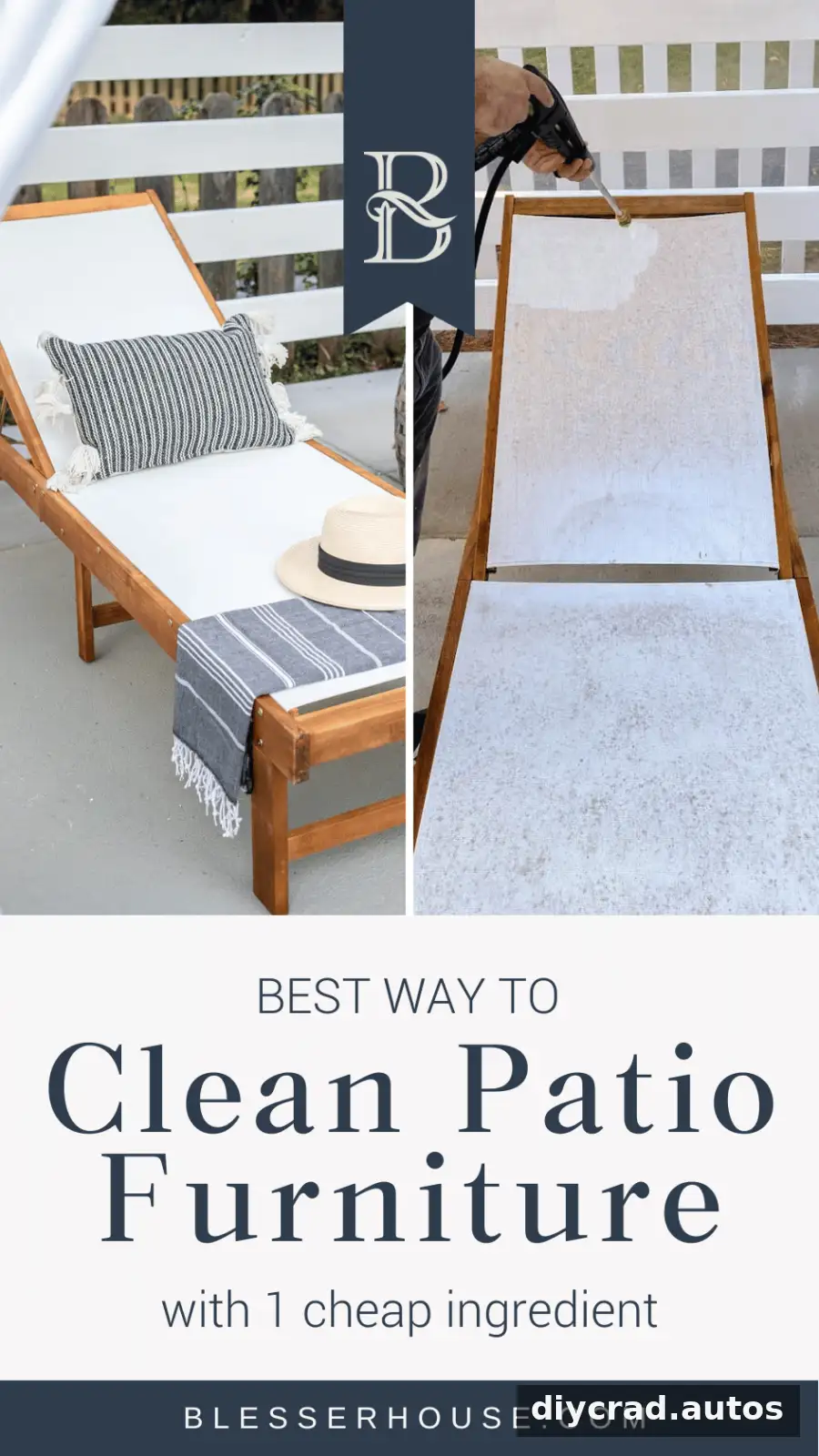
After a wet or cold season, outdoor cushions and patio furniture can collect loose dirt, mildew, tree sap, and bird droppings. To clean outdoor cushions effectively, start with the fabric care label, choose a suitable cleaning method, and allow plenty of time for rinsing and drying. The five steps below explain how to freshen outdoor fabrics while reducing the risk of damage.

How to Clean Outdoor Cushions and Patio Fabrics
Removable covers can often be washed according to their care instructions, but cushions that cannot go in a washing machine need a different approach. A soft brush, an appropriate cleaner, and a thorough rinse can help remove everyday grime. Before treating a whole cushion, test the solution on a small, inconspicuous area and let it dry to check for discoloration or damage.
Gather these supplies before you begin:
- Soft-bristled brush or vacuum with an upholstery attachment
- White vinegar, if the fabric care instructions allow it
- Spray bottle
- Garden hose with a spray nozzle, or a pressure washer that can be set to a gentle spray
- Hydrogen peroxide and baking soda for certain stubborn stains, if compatible with the fabric
- Mild dish soap for oil stains
Wear gloves and eye protection when handling concentrated cleaning products. Work outdoors or in a well-ventilated area, and keep cleaners away from children and pets.
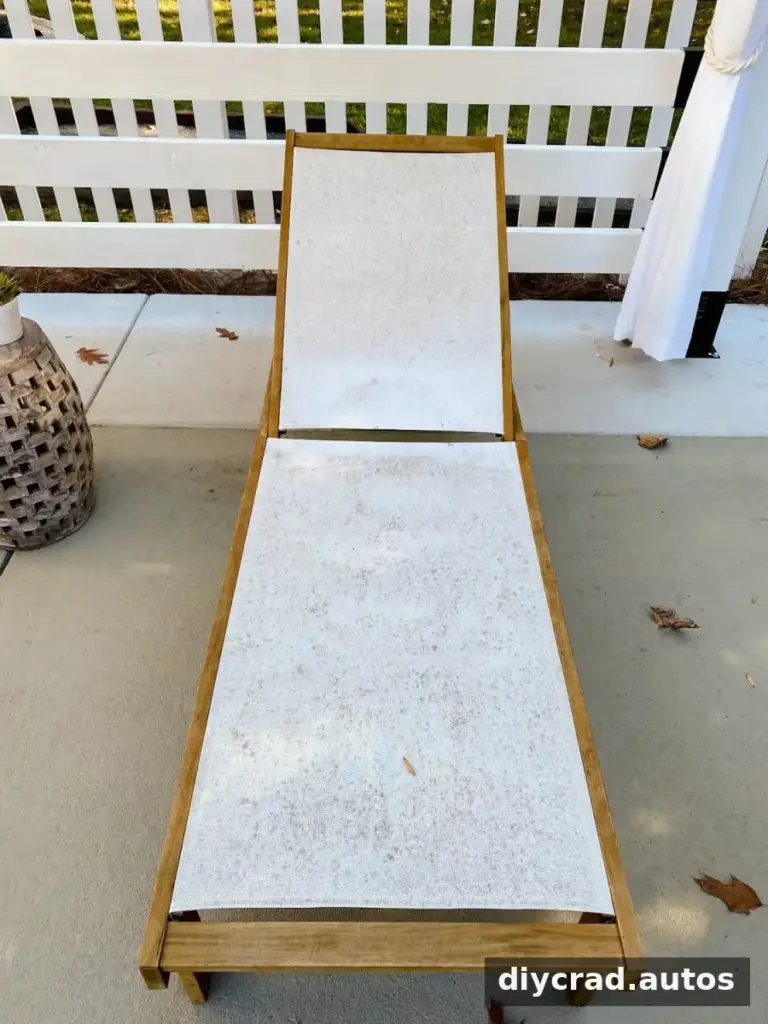
Can Vinegar Help Clean Outdoor Cushions?
White vinegar is sometimes used to treat mildew odors and surface grime, but it is not suitable for every outdoor fabric or furniture material. Check the manufacturer’s care guidance first, especially for solution-dyed fabrics, coated materials, metal parts, and decorative trim. Test a hidden spot before cleaning a visible area.
Concentrated vinegar, including 30% vinegar, is much stronger than ordinary kitchen vinegar. It can irritate or burn skin and eyes, damage some fabrics and finishes, and corrode certain metals. Do not assume that stronger vinegar is safer or more effective. Follow the product label; if it does not give directions for the material you are cleaning, choose a fabric-safe cleaner instead.
Never mix vinegar with hydrogen peroxide or other cleaning products. Mixing cleaners can create hazardous substances or cause unexpected reactions. Use one product at a time and rinse thoroughly before considering another treatment.
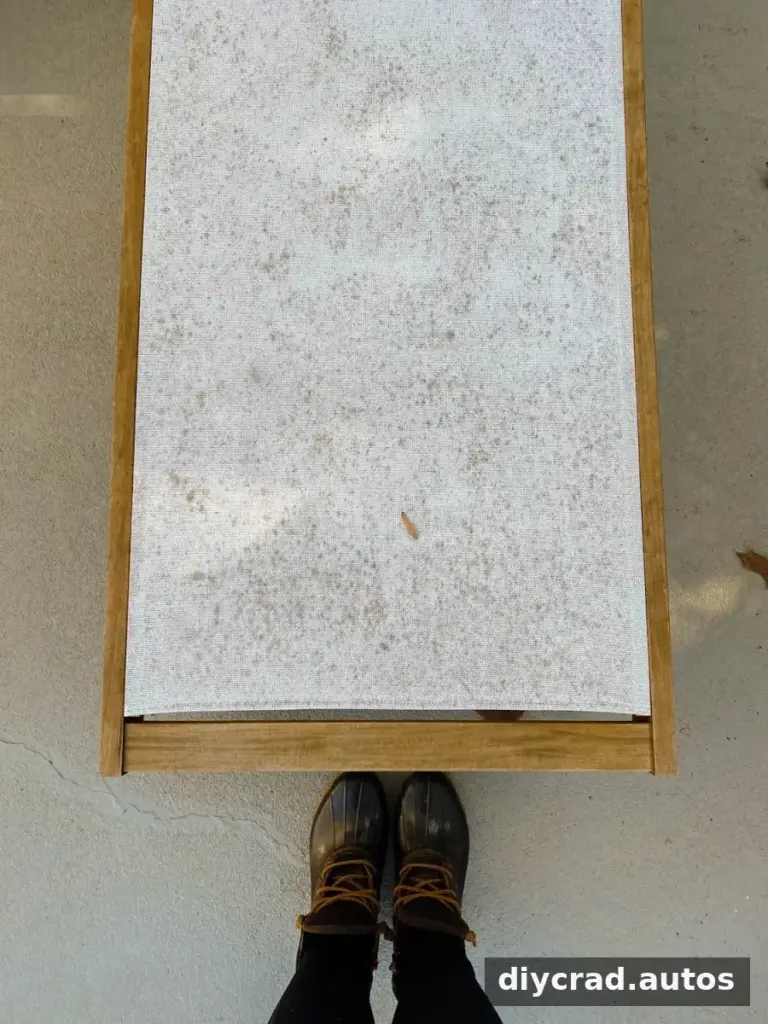
How to Clean Outdoor Cushions in 5 Steps
Step 1: Brush Away Loose Dirt
Use a soft-bristled brush to remove leaves, dust, and other loose debris. Brush gently in short strokes so grit does not get rubbed deeper into the fabric. A vacuum with an upholstery attachment can also help, particularly along seams and in cushion creases.
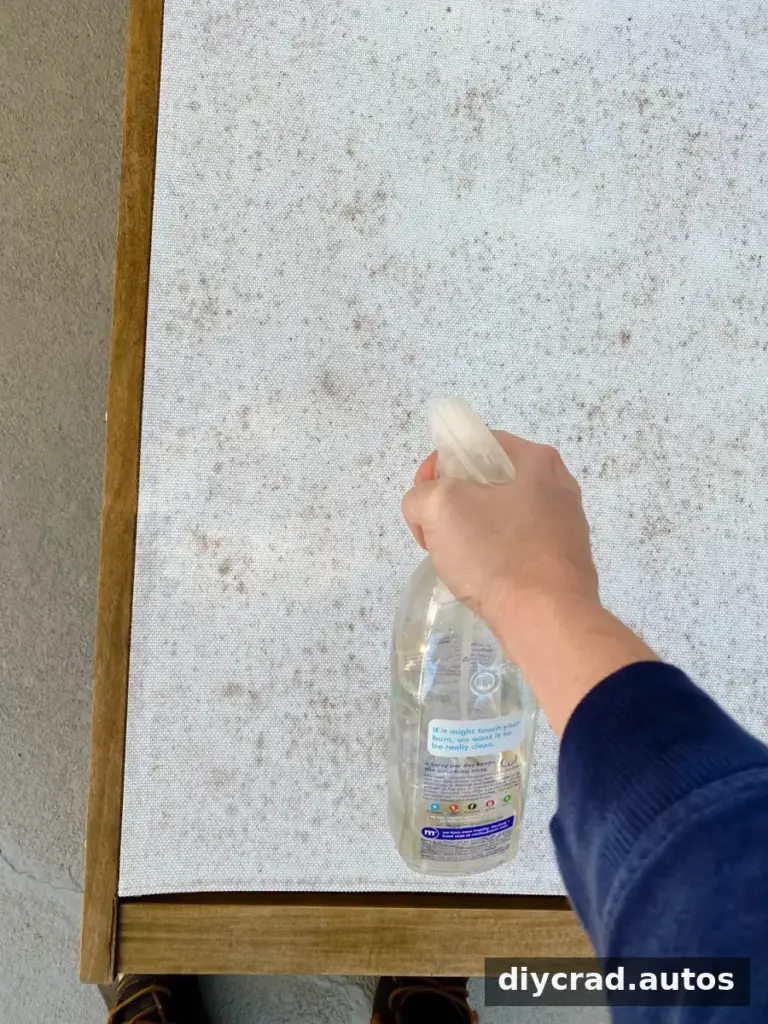
Step 2: Check the Fabric and Apply a Cleaner
Read the care label before wetting the cushion. If vinegar is permitted, apply only a product strength and method that its label recommends. Avoid soaking the fabric, and keep the solution away from unprotected metal and nearby plants. Leave it on only for the time stated on the product directions; do not rely on a fixed dwell time for every fabric or cleaner.
Step 3: Spot-Treat Stubborn Marks
For grass or red wine stains, first blot up excess liquid with a clean cloth—rubbing can spread the stain. Some fabrics may tolerate a baking-soda and hydrogen-peroxide treatment, but check the fabric instructions and test a hidden area first. Keep peroxide completely separate from vinegar, and rinse the treated area before using any other cleaner.
For oil stains, apply a small amount of mild dish soap if the care label allows it. Work gently from the outside of the mark toward the center, then rinse well to remove soap residue.
Step 4: Rinse Carefully
Rinse the fabric thoroughly with clean water. A garden hose is often sufficient and gives you more control over the water pressure. If using a pressure washer, choose a low-pressure setting, keep the nozzle well away from the fabric, and test an inconspicuous area first. A strong jet can damage stitching, coatings, or cushion filling.
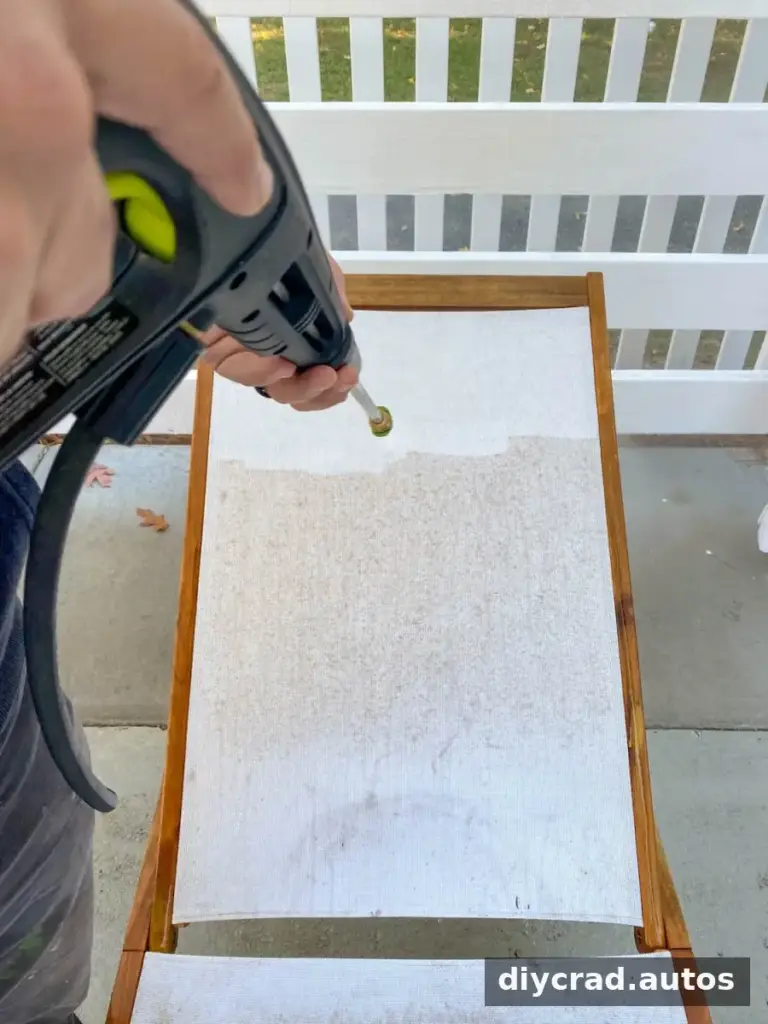
Move across the cushion in even passes rather than holding the spray in one place. Check seams and folds, where cleaning solution can remain trapped.
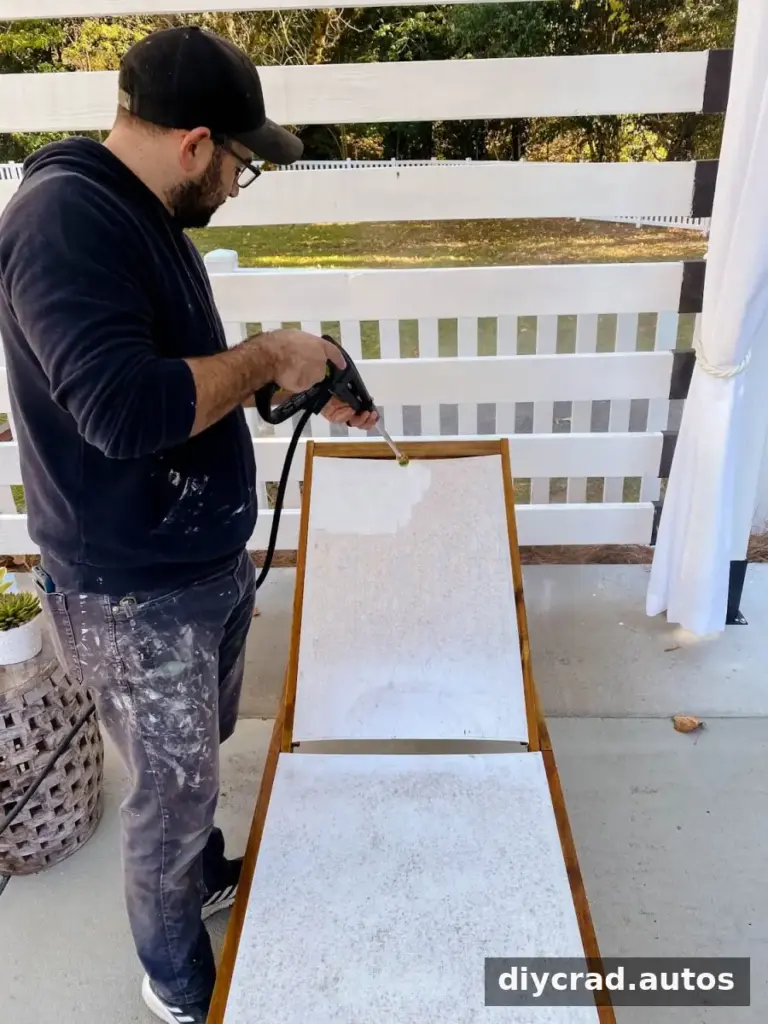
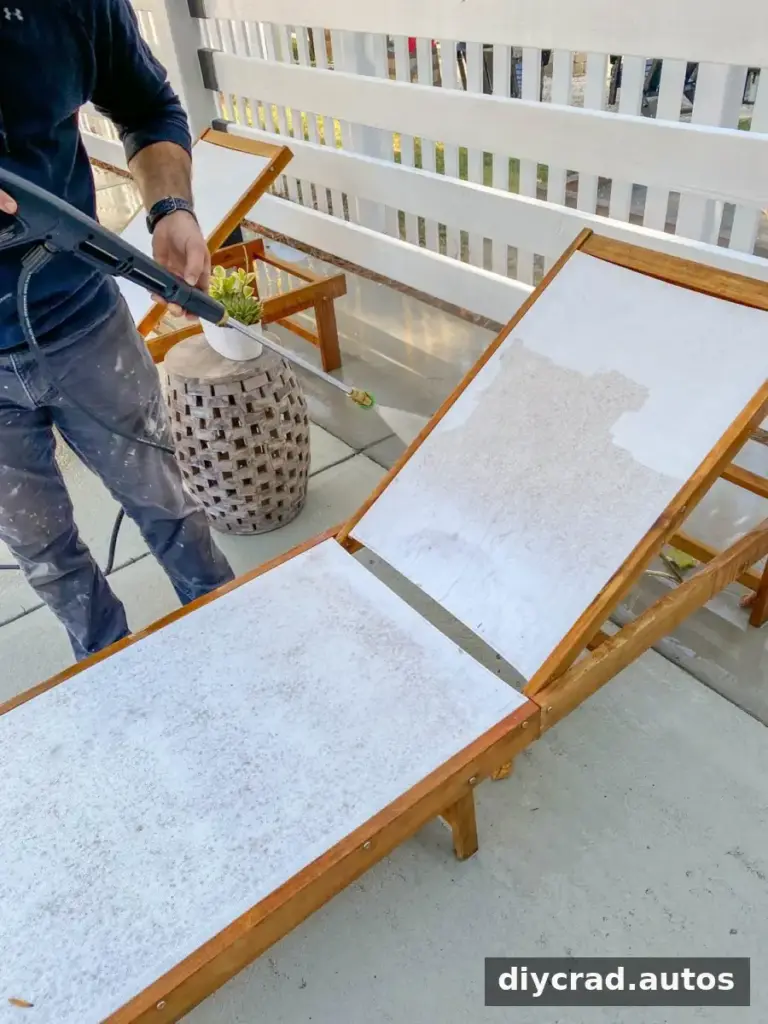
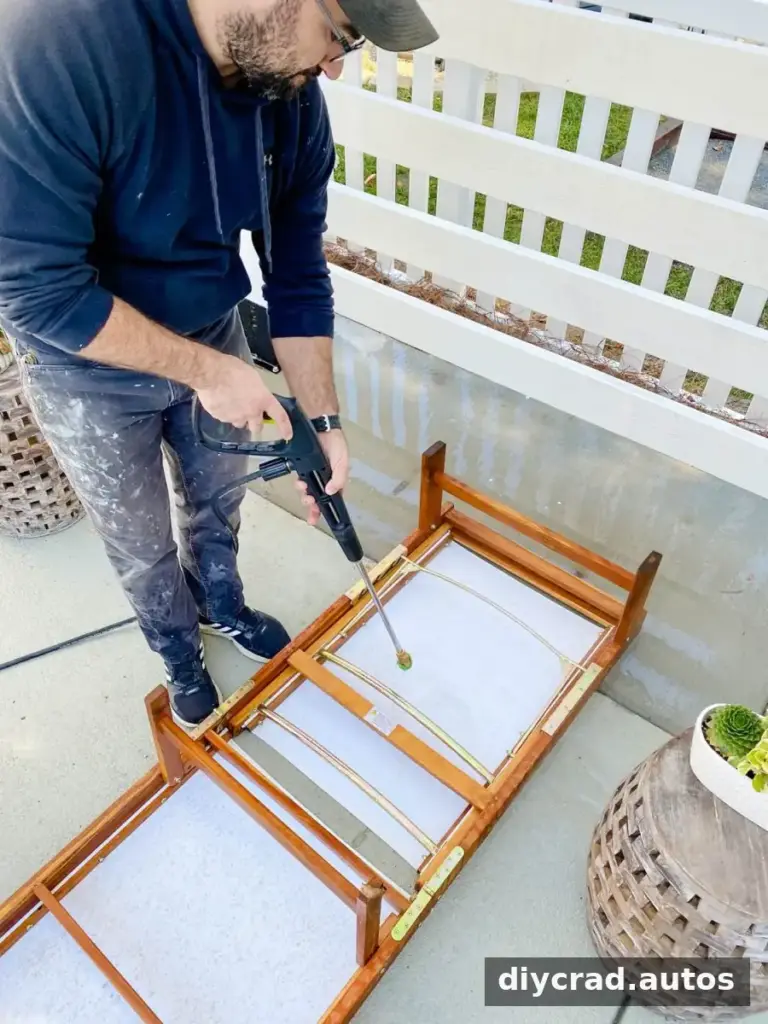
Turn each cushion and clean the underside as well. Treating both sides helps remove accumulated dirt and gives the cushion a more even finish.
Step 5: Let the Cushions Dry Completely
Stand cushions on an edge or place them in a sunny, well-ventilated spot so water can drain and air can circulate. Follow the care instructions about direct sunlight, since some fabrics may fade. Do not put cushions back on furniture or store them while damp; trapped moisture can encourage mildew and create unpleasant odors.
Keeping Patio Cushions Cleaner
Regular light maintenance makes seasonal cleaning easier. Brush off leaves and dirt, wipe spills promptly, and use weatherproof covers when furniture is not in use. If cushions will be stored for winter, let them dry fully first and keep them in a clean, dry place.
To clean outdoor cushions safely, match the cleaner to the fabric, test it before full application, rinse away residue, and dry every surface completely. These precautions help refresh patio furniture without relying on harsh pressure or a stronger cleaner than the material can handle.