


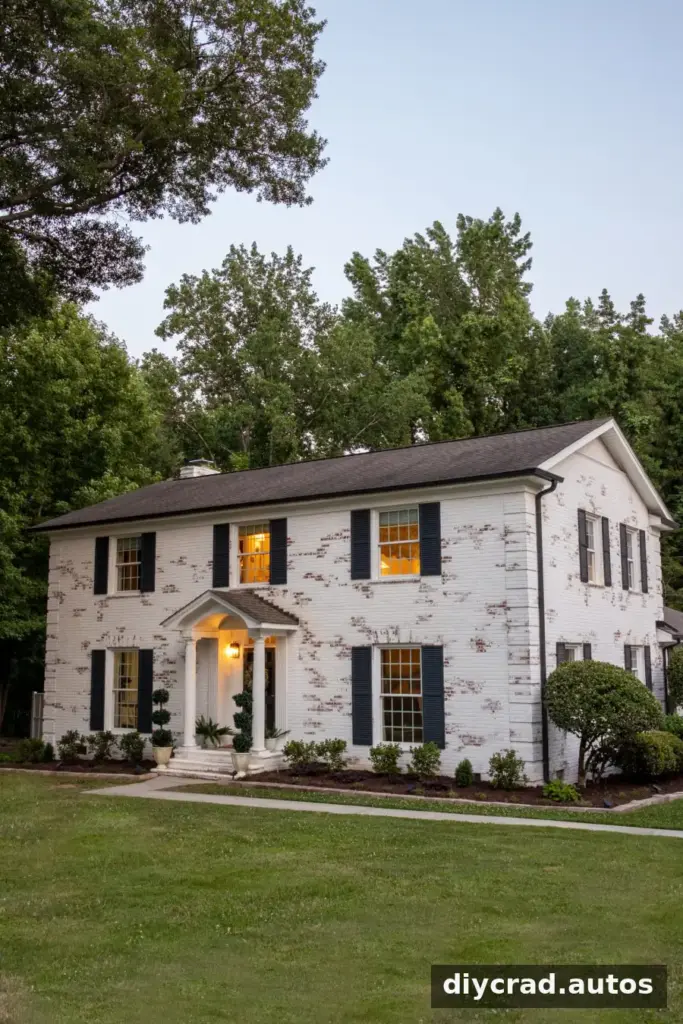
Knowing how to clean limewashed brick helps preserve its soft, weathered appearance without damaging the finish. With gentle cleaning, careful touch-ups, and suitable protection, a limewashed exterior can stay attractive for years. The right approach depends on the type of dirt, the condition of the surface, and the care instructions for the products used.

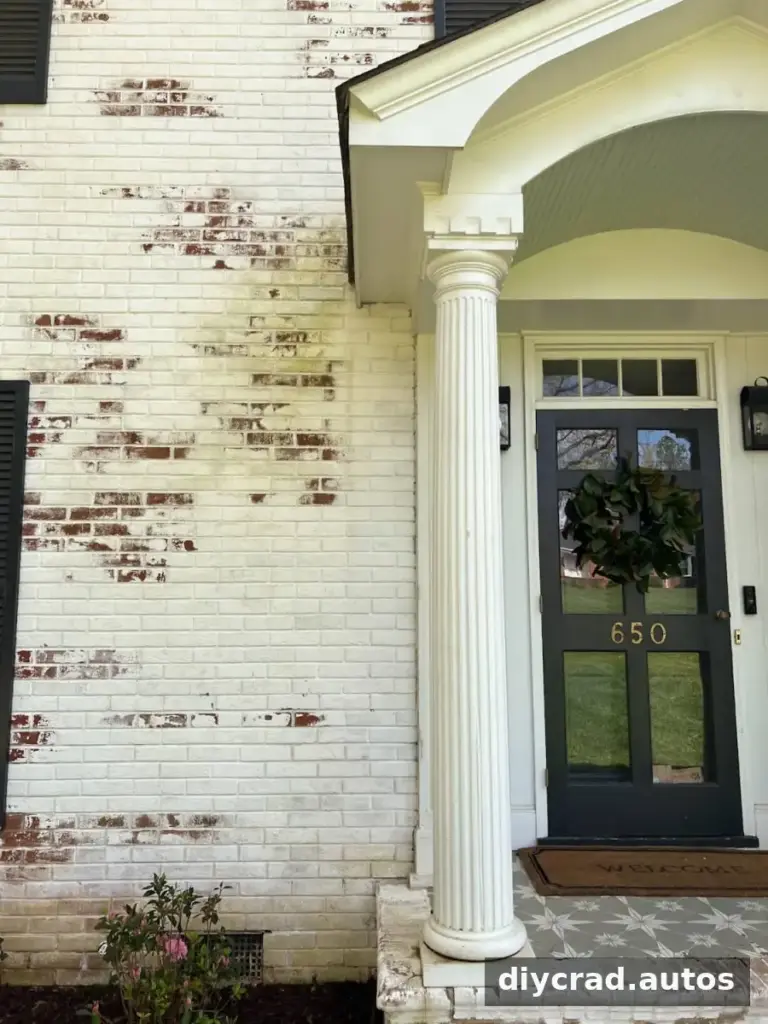
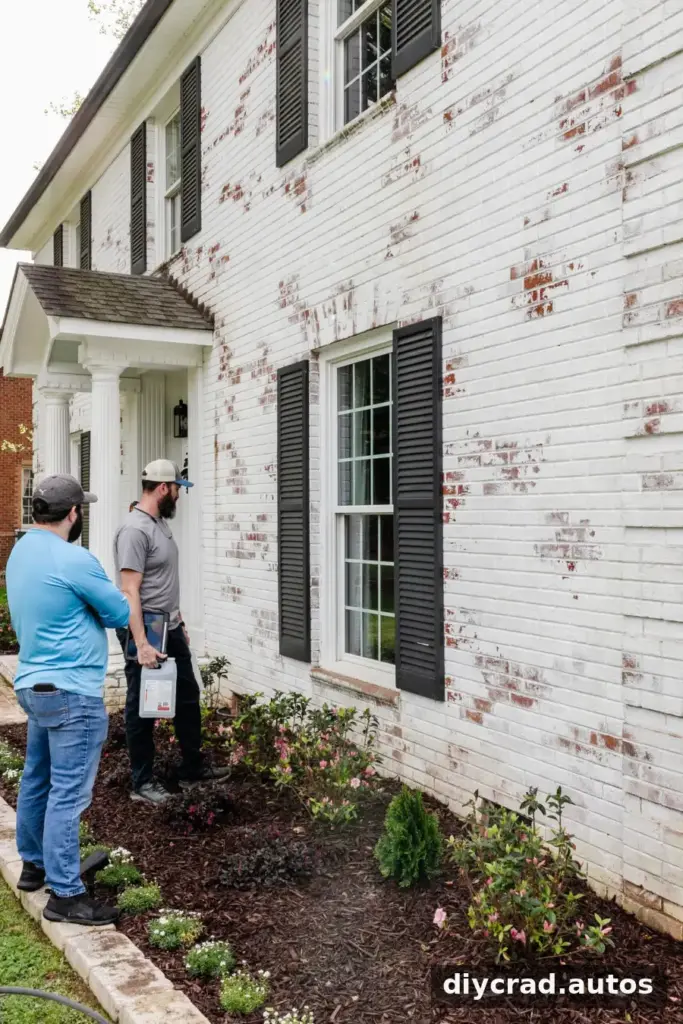
After more than five years, a limewashed brick exterior may still look appealing but can develop dirt, algae, moss, or marks from nearby repairs and landscaping. A low-pressure wash may be enough for light grime, while more established growth could call for a cleaner made for masonry. Test any cleaning method on a small, inconspicuous area first.

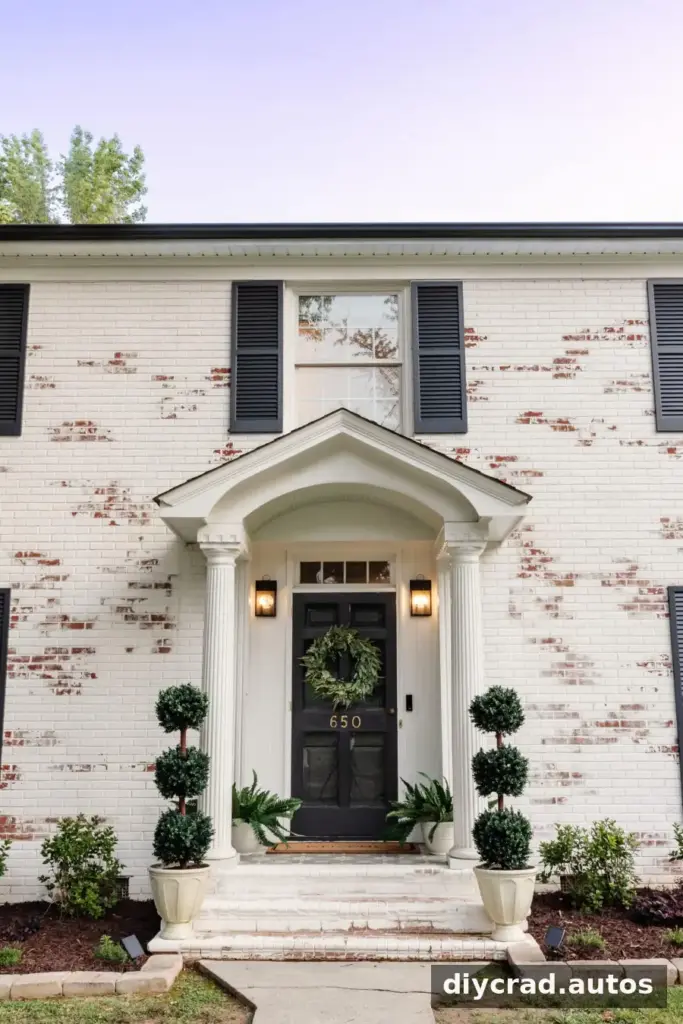
Limewash creates a natural, matte finish that allows masonry to breathe. It can soften the appearance of older brick and leave some of its texture visible. Because the coating is mineral-based, cleaning should be gentle: aggressive scrubbing or high-pressure washing may remove or unevenly wear the finish.
What Is Limewash?
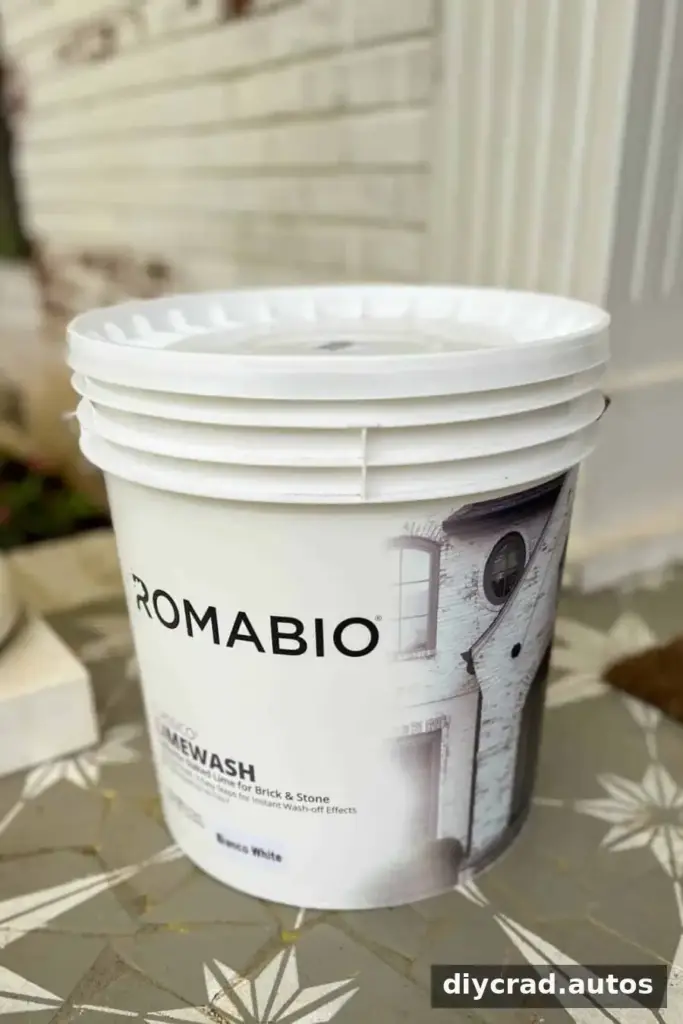
Limewash is made from slaked lime and has been used on masonry for centuries. Unlike a conventional film-forming paint, it bonds with porous materials such as unpainted brick and stone. Its chalky, breathable finish can develop a subtly aged appearance over time.
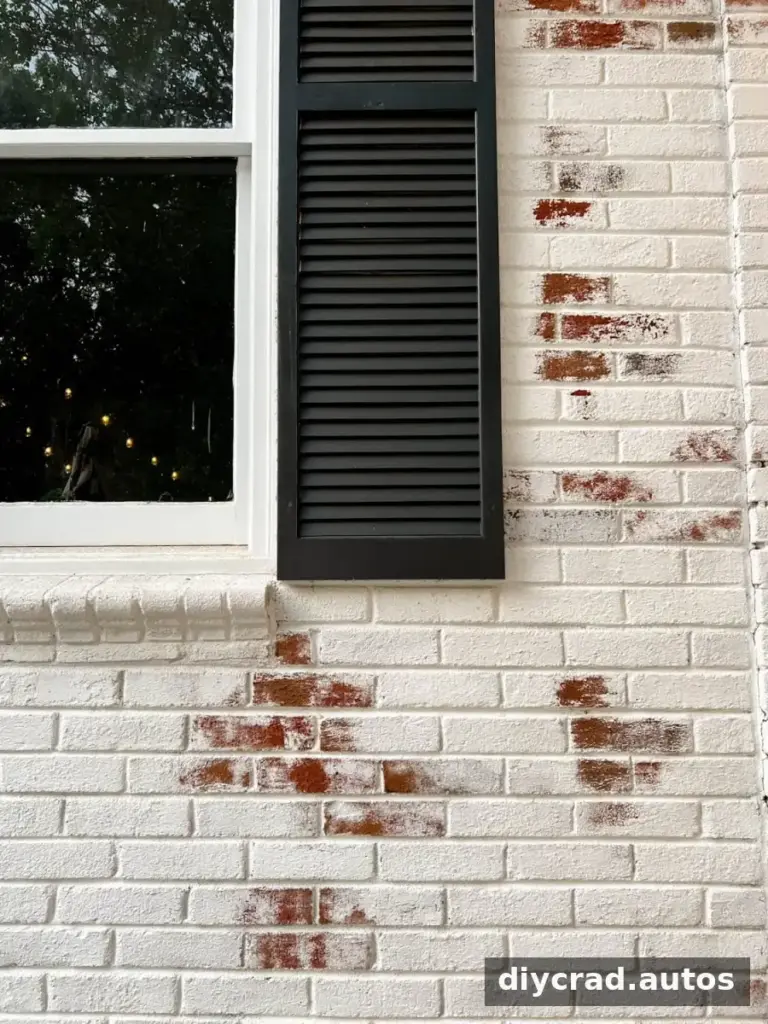
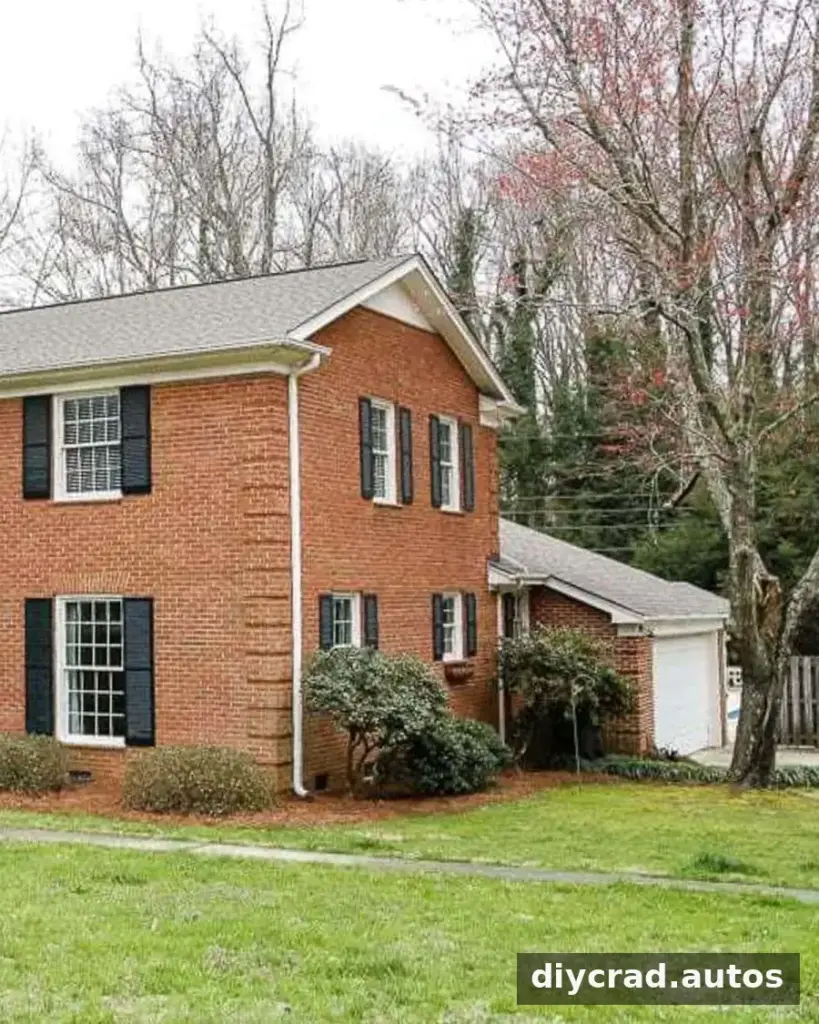
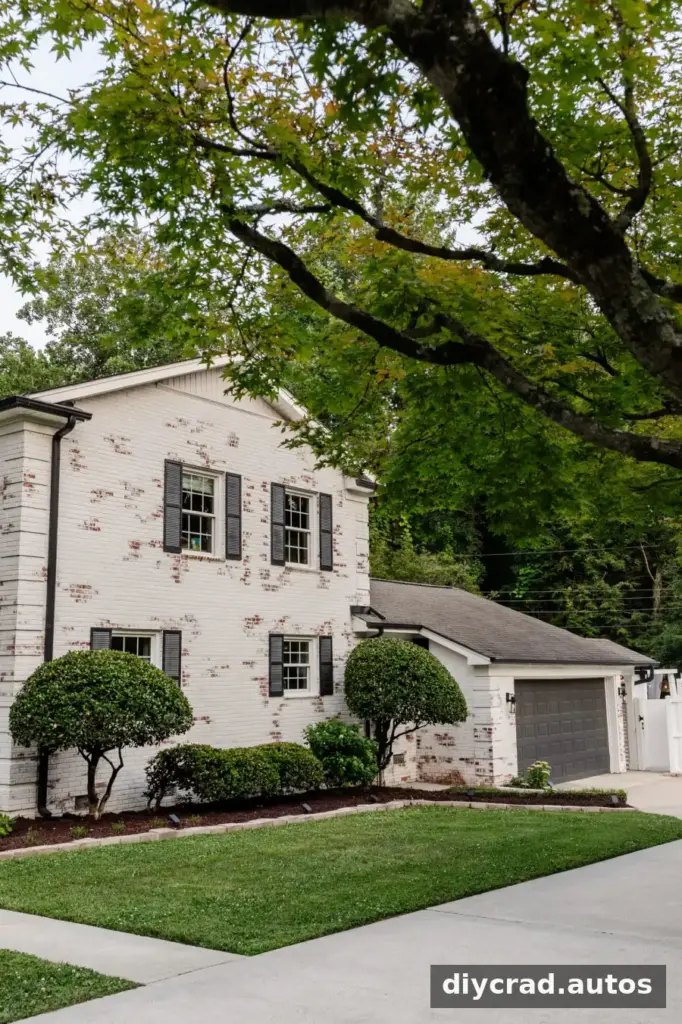
The final look can vary according to how the limewash is applied and whether some of it is washed back to reveal the brick beneath. It is not the same as whitewash or German smear, which use different materials and application methods. Limewash is generally intended for porous, unpainted masonry; it may not adhere properly to previously painted brick.
Practical tip: Before cleaning, check for loose or damaged mortar and identify whether the brick has been sealed or painted. If the surface has an unusual coating or significant damage, ask a masonry professional for advice.
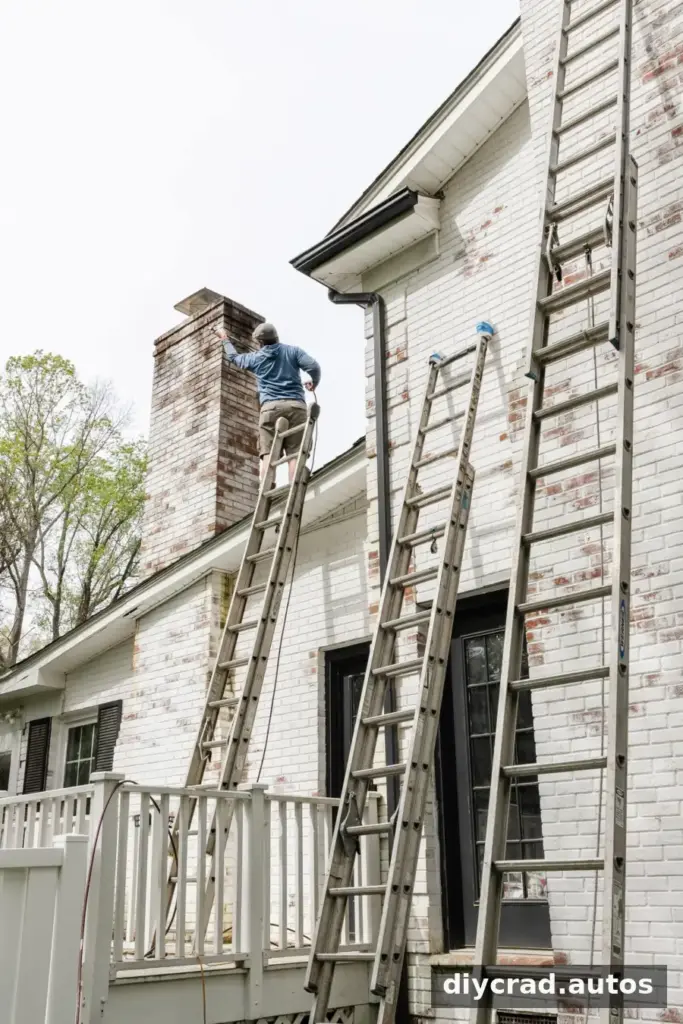
Supplies for Limewashed Brick Maintenance
- A soft brush or small masonry brush
- Mild soap for light spot cleaning
- A garden hose with a low-pressure setting
- A pump sprayer, if required by the cleaner’s instructions
- A cleaner specifically labeled for algae and moss on masonry, if needed
- A compatible limewash for small touch-ups
- A compatible protective treatment, if recommended for the surface
Use protective equipment and follow the labels for all cleaning and coating products. Do not mix cleaners, and keep people, pets, plants, and nearby materials protected as directed by the product instructions.
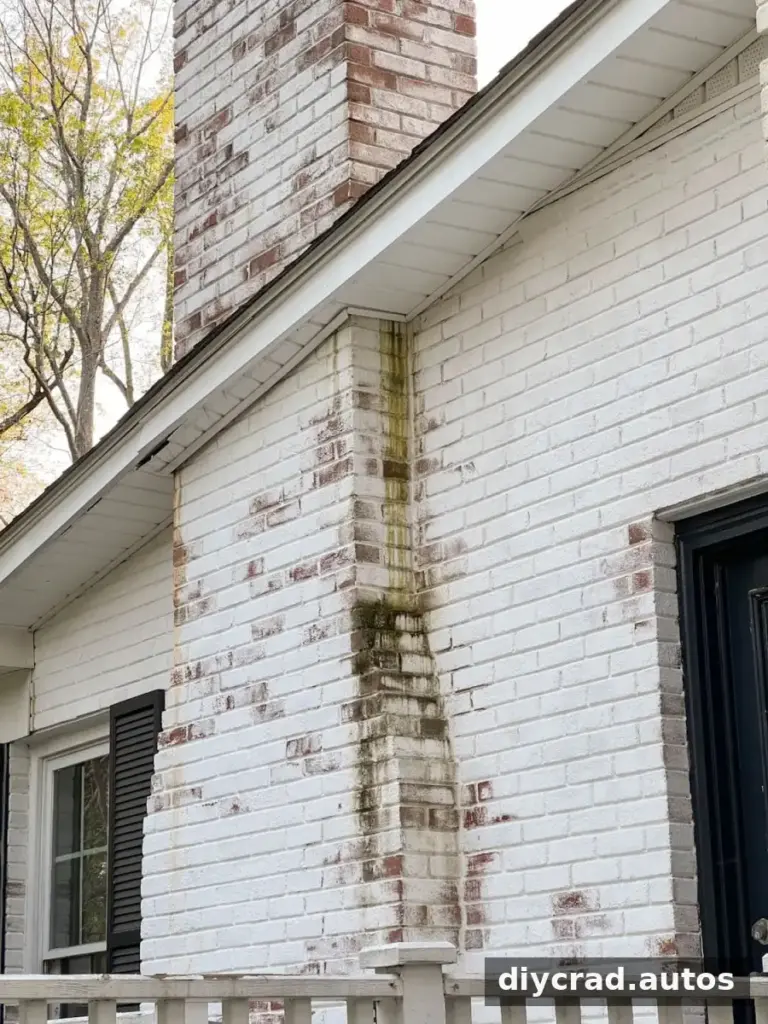
How to Clean Limewashed Brick
For small marks, start with the least aggressive method. Brush gently with mild soap and rinse using low-pressure water from a garden hose. Avoid aiming a concentrated stream at mortar joints or areas where the limewash is already flaking.
Step 1: Treat Algae, Moss, and Stubborn Dirt
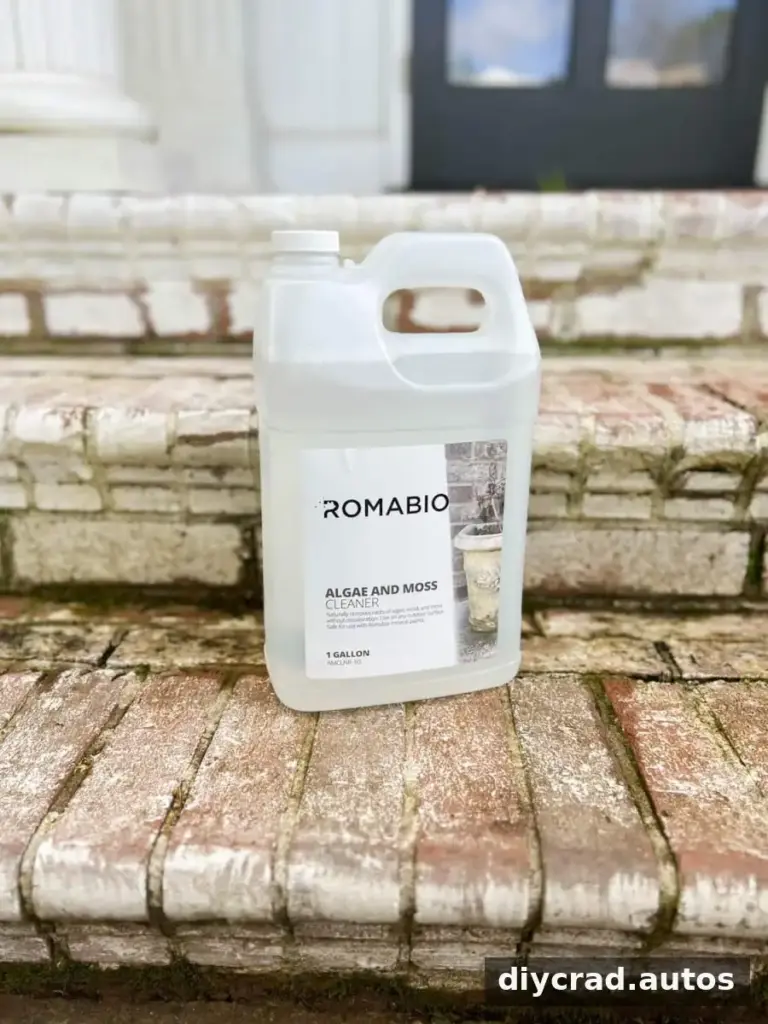
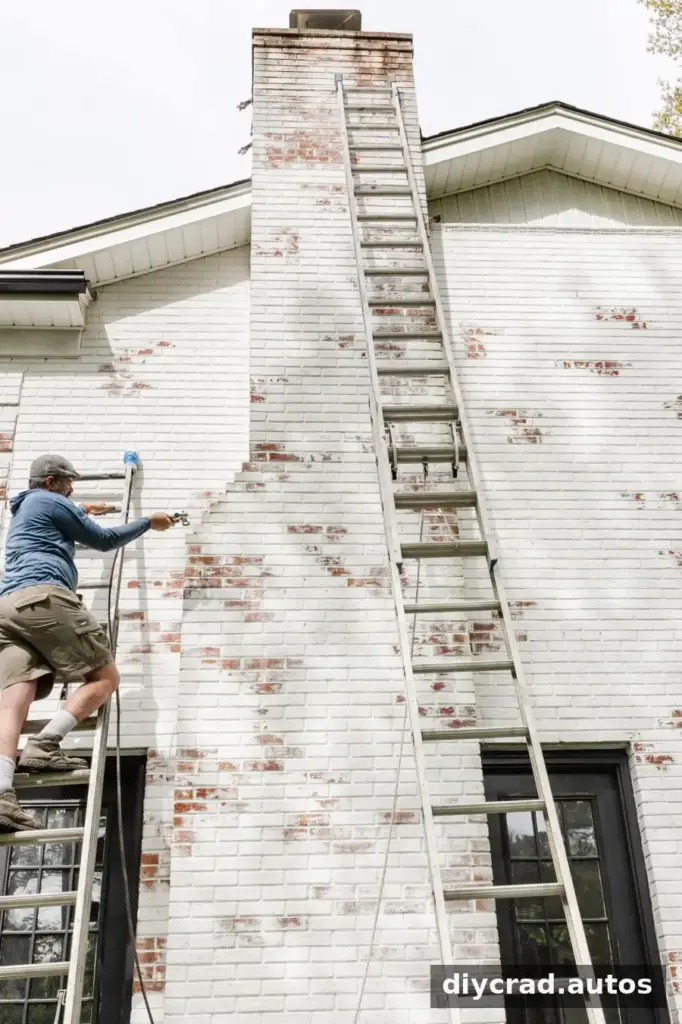
Where growth or staining covers a larger area, use a cleaner specifically intended for masonry and follow its label. In one exterior cleaning, a masonry-safe algae and moss treatment was applied with a pump sprayer and left for 48 hours before rinsing. That is an example of one product’s directions, not a universal waiting time: always use the contact time stated on the cleaner you choose.
Apply the treatment only to the areas specified by its instructions. Protect adjacent surfaces and landscaping, and avoid letting runoff reach places that the label advises protecting. If the stain remains, do not immediately increase water pressure; check the product guidance or consult a professional.
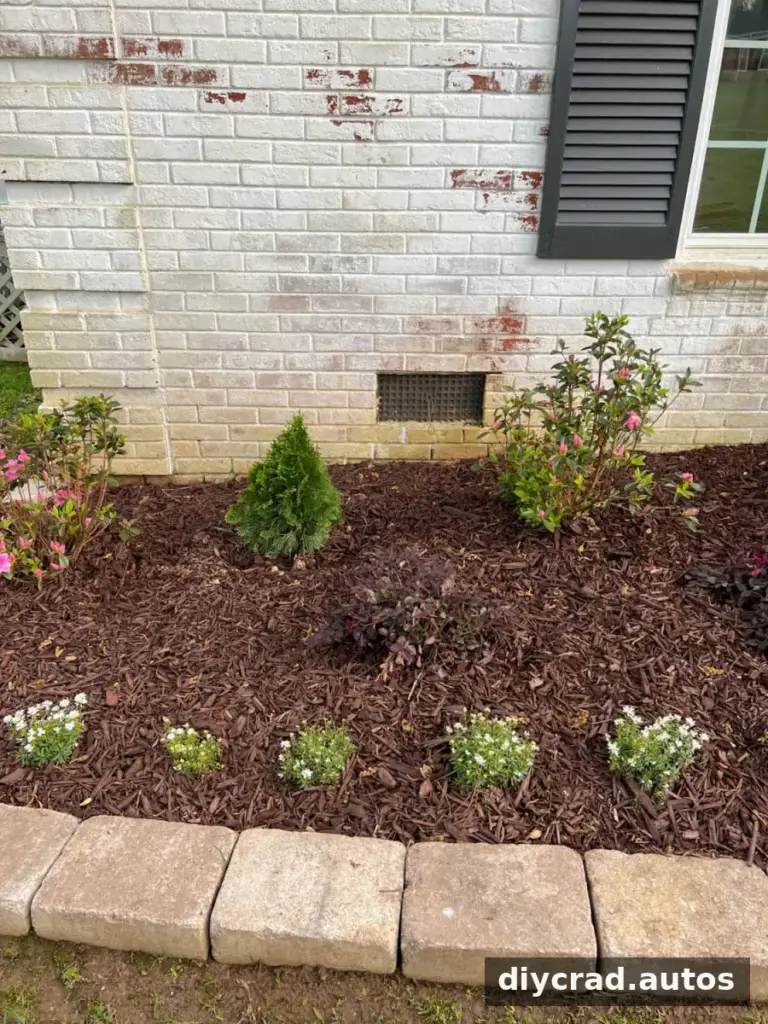
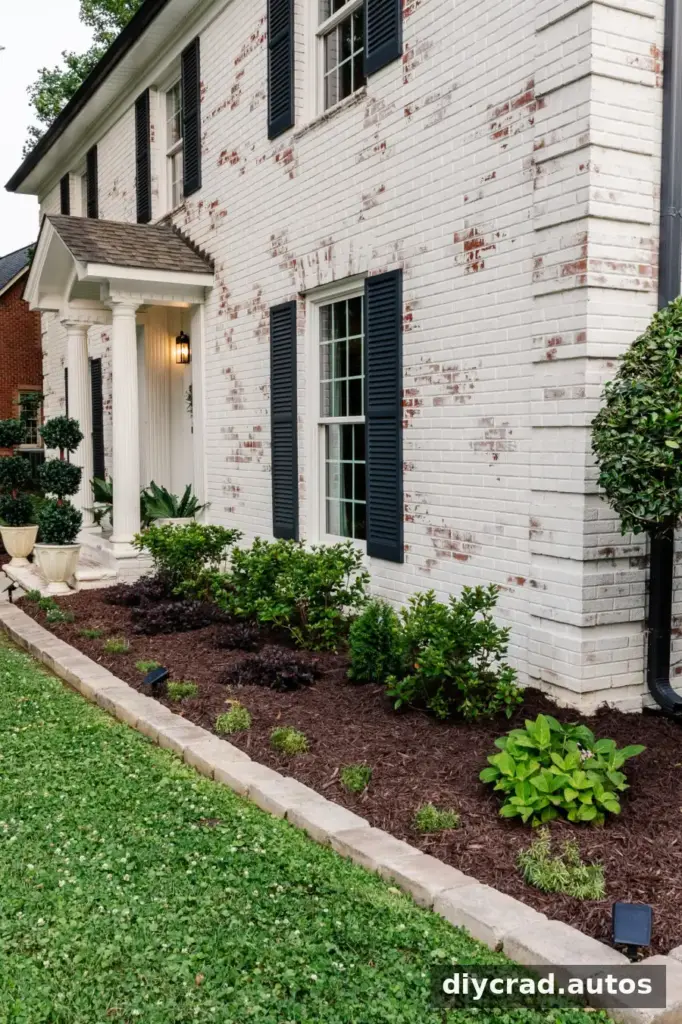
After the stated treatment time, rinse gently with a hose. Allow the masonry to dry enough to assess the finish before deciding whether a touch-up is needed. A small test area can help show how the limewash responds to cleaning.
Step 2: Touch Up Worn Areas
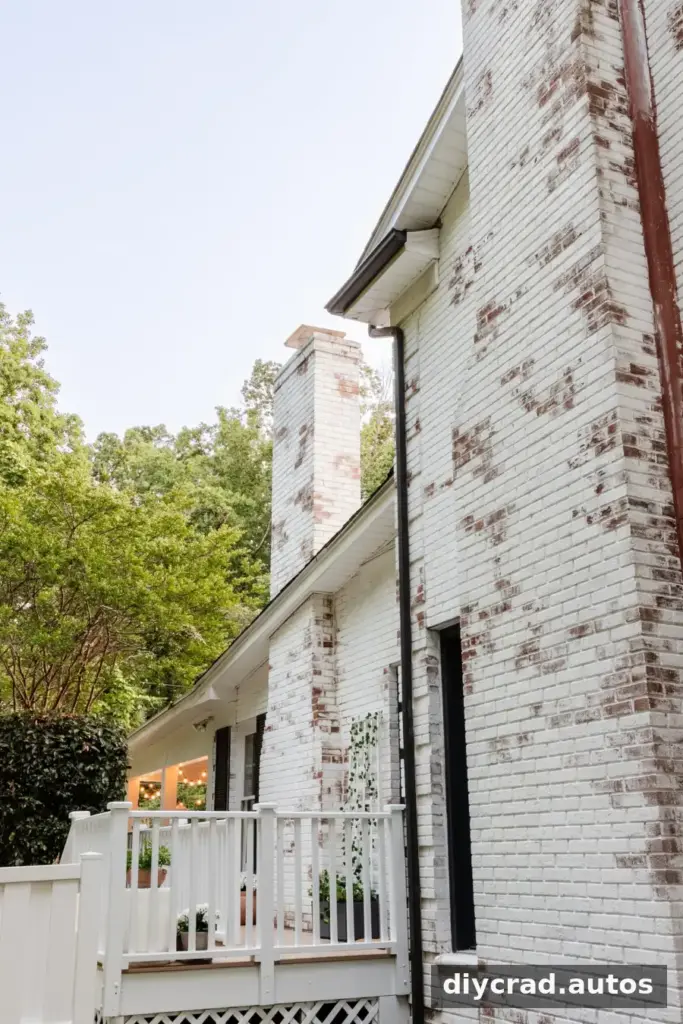
Cleaning may reveal spots where the limewash has worn away or where repairs have changed the surface. Use a compatible limewash and a small masonry brush to blend minor areas, following the application instructions. The result can vary with the age and condition of the existing finish, so test the color and texture in a discreet location first.
Do not apply limewash over ordinary painted brick unless the product is specifically designed for that surface. Limewash generally needs a porous, suitable masonry substrate to bond as intended.
Step 3: Consider Surface Protection
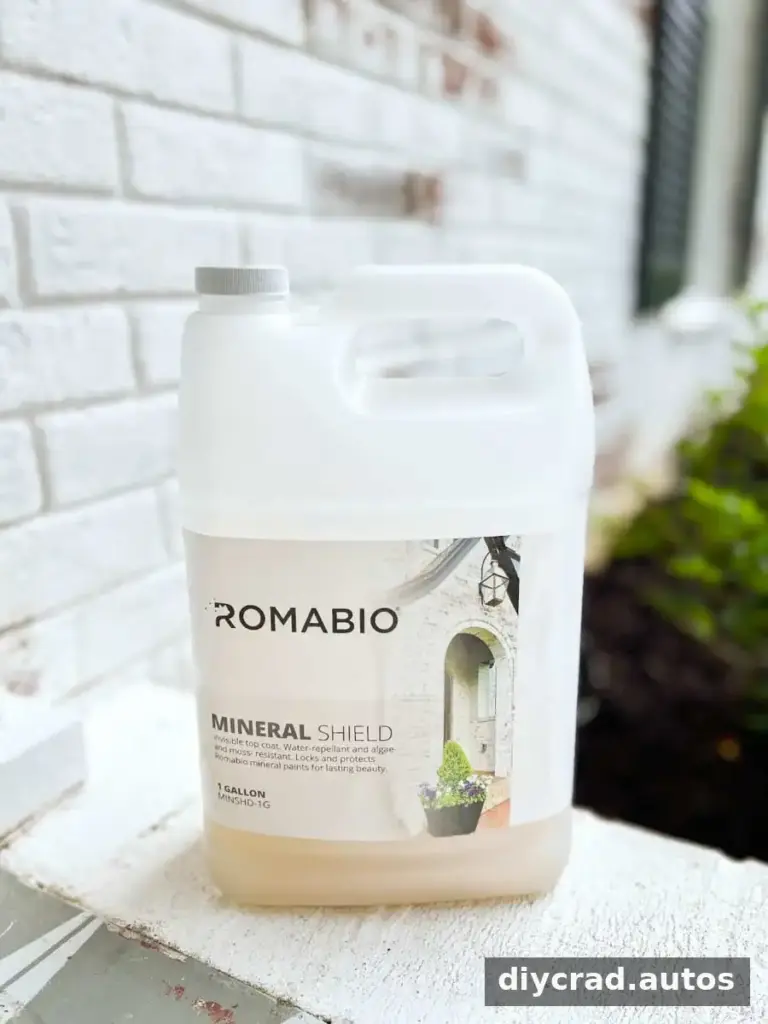
A compatible breathable protective treatment may help reduce water absorption and staining, depending on the masonry and product. In the example described here, protection was applied one week after cleaning and touch-ups. Allowing a week is not a rule for every situation; follow the limewash and protective-treatment manufacturers’ drying and application instructions.
Horizontal or frequently splashed areas, such as steps and ledges, may show wear sooner than sheltered vertical walls. Check these locations periodically and address small stains before they become difficult to remove.
How Long Does Limewashed Brick Last?
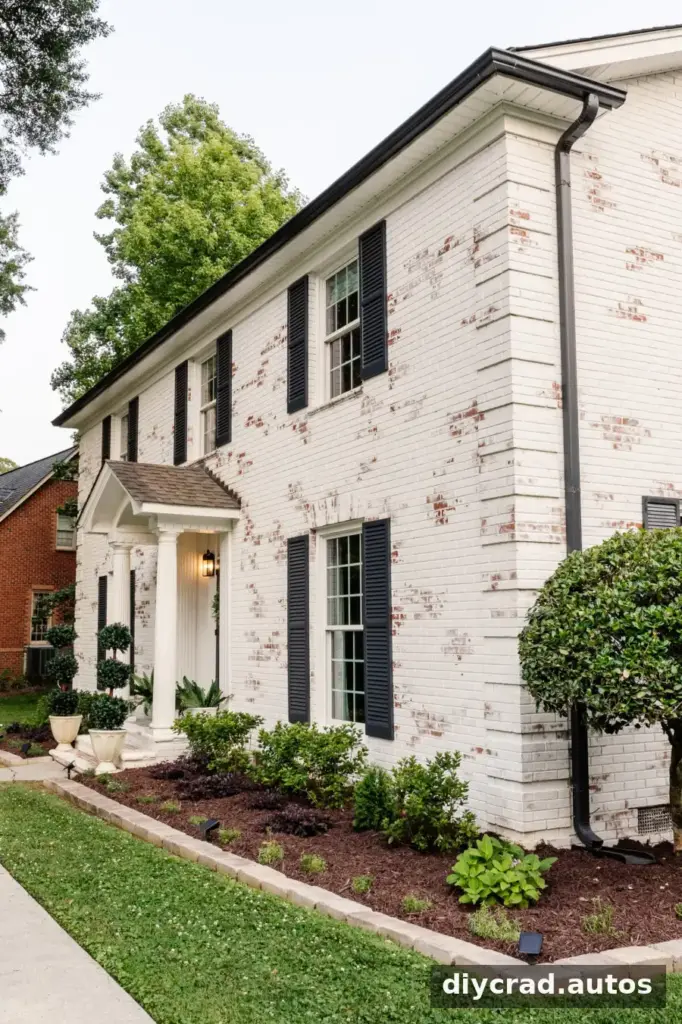
A limewashed brick exterior may last around 20 to 30 years in mild climates, although the actual lifespan depends on weather exposure, the masonry, application quality, and ongoing care. Severe rain and snow can increase wear. Inspect the exterior occasionally for staining, peeling, or areas where the coating has become uneven, and seek professional guidance if damage extends beyond minor touch-ups.

Frequently Asked Questions About Limewashed Brick
Does limewash turn brick pink?
Limewash typically dries to a matte, opaque finish rather than a pink one. It may look milky while wet and change as it dries. The finished appearance depends on the specific product, the brick, and the application, so test a small area if the color is important to your project.
Can limewash be applied over painted brick?
Generally, limewash is intended for unpainted, porous brick and other suitable masonry. A painted surface may prevent proper bonding. Check the product specifications before starting, or consult a masonry professional about alternatives for painted brick.
Can a house painter apply limewash?
Limewashing has different preparation and application requirements from standard house painting. Choose a contractor with demonstrated experience applying limewash to masonry, and ask how they will prepare the surface, manage drying conditions, and handle touch-ups.
Conclusion: Keep Limewashed Brick Looking Its Best
To clean limewashed brick safely, begin with gentle spot cleaning, use masonry-appropriate treatment for stubborn growth, and rinse without excessive pressure. Touch up worn areas only with a compatible limewash, and consider protection according to the product directions and the exposure of your home. Regular, careful checks can help maintain the finish and identify problems before they spread.

