
Knowing how to deep clean a fabric couch can help remove everyday dust, pet hair, odors, and grime while keeping upholstery in good condition. Before using water or a homemade cleaner, check the care label: the right method depends on the fabric, and some sofas should only be vacuumed or professionally cleaned.

A thorough clean is useful once or twice a year, while monthly vacuuming and prompt attention to spills can help prevent dirt and stains from building up. This seven-step approach also works for many upholstered chairs, but always follow the furniture maker’s care instructions first.
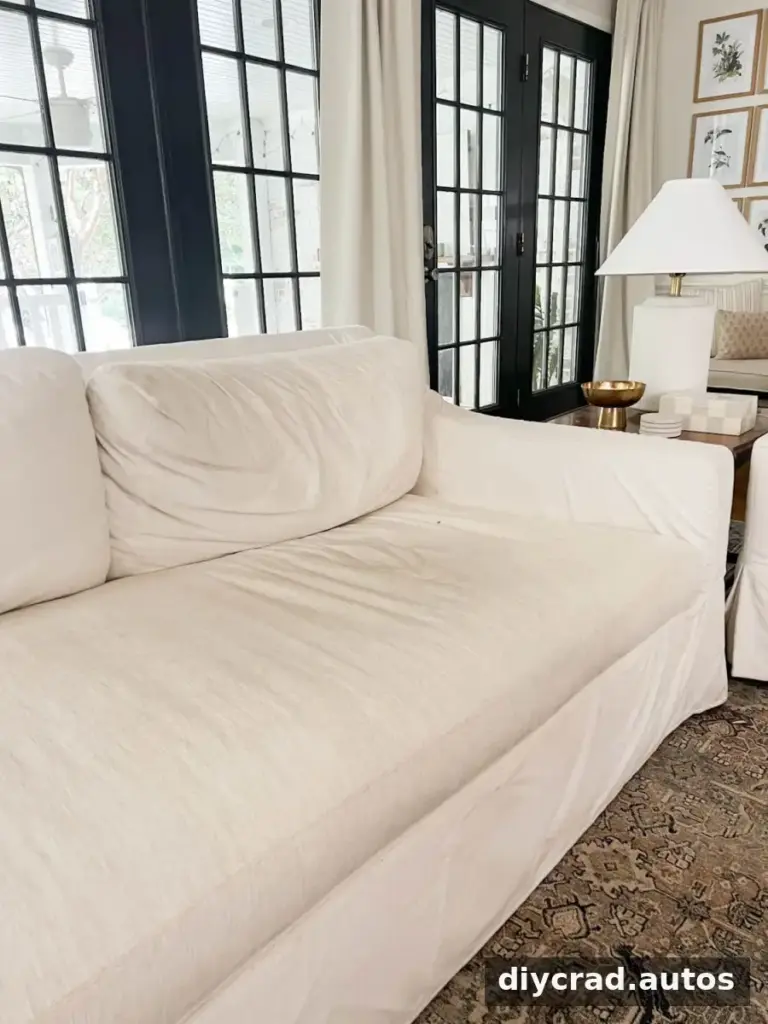
Removable cushion covers may be washable, but do not assume that every cover can go in a washing machine. Shrinkage, fading, or damage can occur if the fabric or care label does not allow machine washing.

How to Deep Clean a Fabric Couch
Gather a vacuum with an upholstery attachment, baking soda, a spray bottle, a clean lint-free cloth, and—only if the care label permits water-based cleaning—a mild cleaning solution. An upholstery cleaning machine is optional.
Check the Upholstery Cleaning Code
Look for the cleaning code on the furniture label and follow the manufacturer’s directions. Codes commonly indicate which cleaning methods are suitable:
- W: Water-based cleaning agents or foam may be used. Distilled water is a suitable option when water is needed.
- S: Use only the water-free cleaning solvents specified for the fabric.
- W/S or S/W: Water-based or solvent-based methods may be allowed; check the label for specific instructions.
- X: Vacuum or lightly brush only. Do not apply liquid cleaners.
Test any permitted cleaner on a hidden area first. Dab or gently wipe a small patch with a clean cloth, then check for color transfer or changes to the fabric before proceeding.
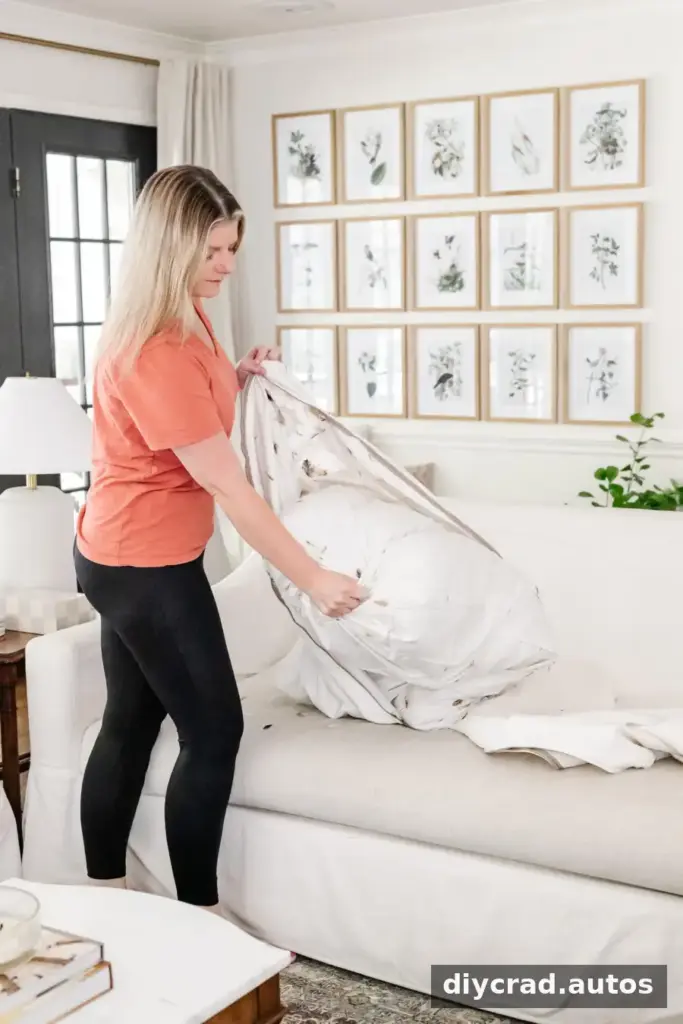
Step 1: Remove Cushion Covers if Possible
Unzip and remove covers only if they are designed to come off. Shake them outdoors or over a bin to loosen crumbs and other debris. Fluff the cushions and check them for stains. If the covers are not removable, leave them in place and continue to vacuum the sofa.
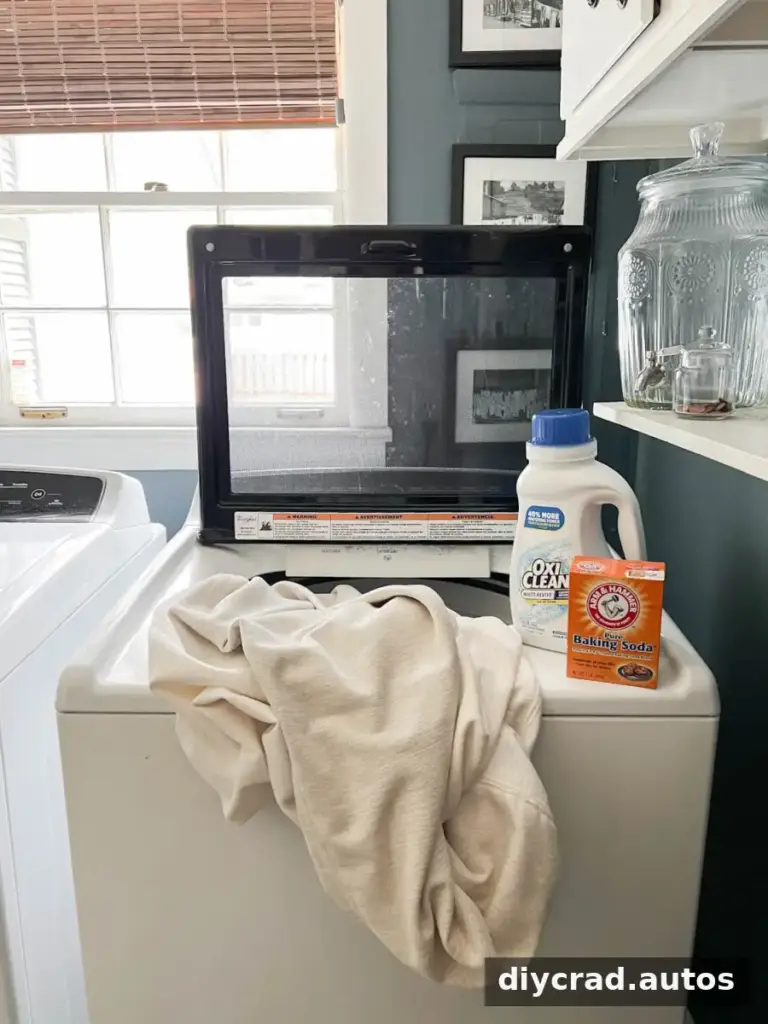
Step 2: Wash Removable Covers Carefully
If the care label permits machine washing, use cold water and a gentle cycle to reduce the risk of shrinkage. For white washable covers, the original method uses one capful of oxygen-based laundry whitener and one cup of baking soda; check the product label and fabric instructions before adding laundry products.
Air-dry the covers rather than tumble-drying them. When the instructions allow, putting them back on while slightly damp can make them easier to fit and may help smooth wrinkles. Do not wash a large slipcover together with cushion covers if doing so would overcrowd the machine.
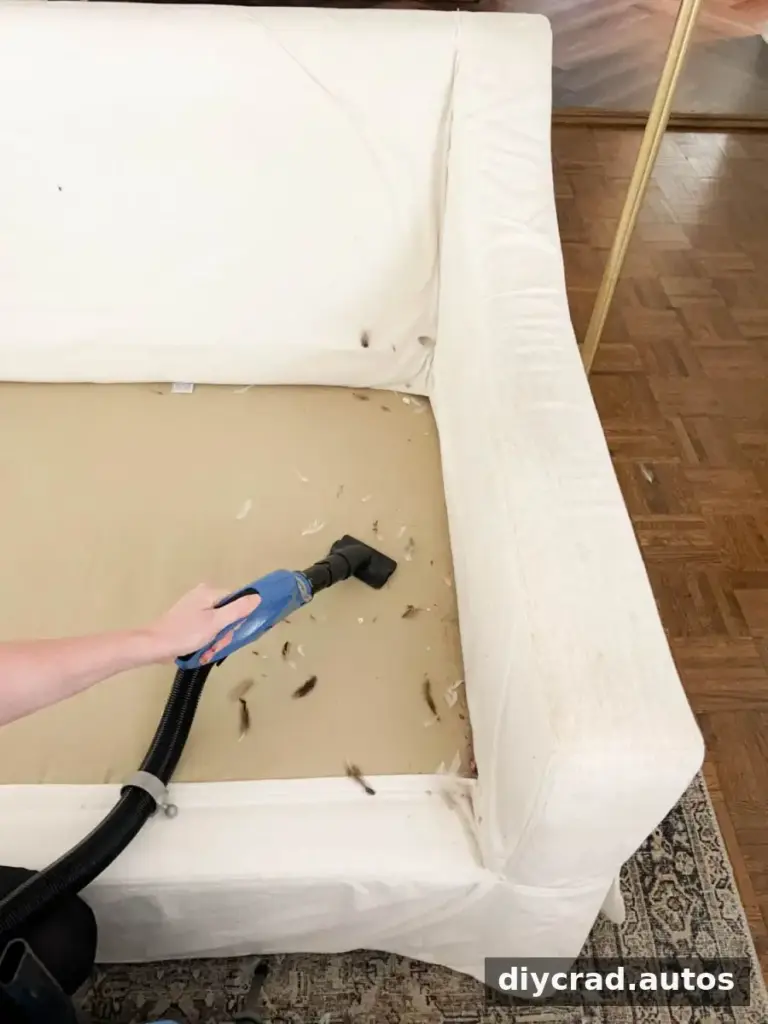
Step 3: Vacuum the Sofa Thoroughly
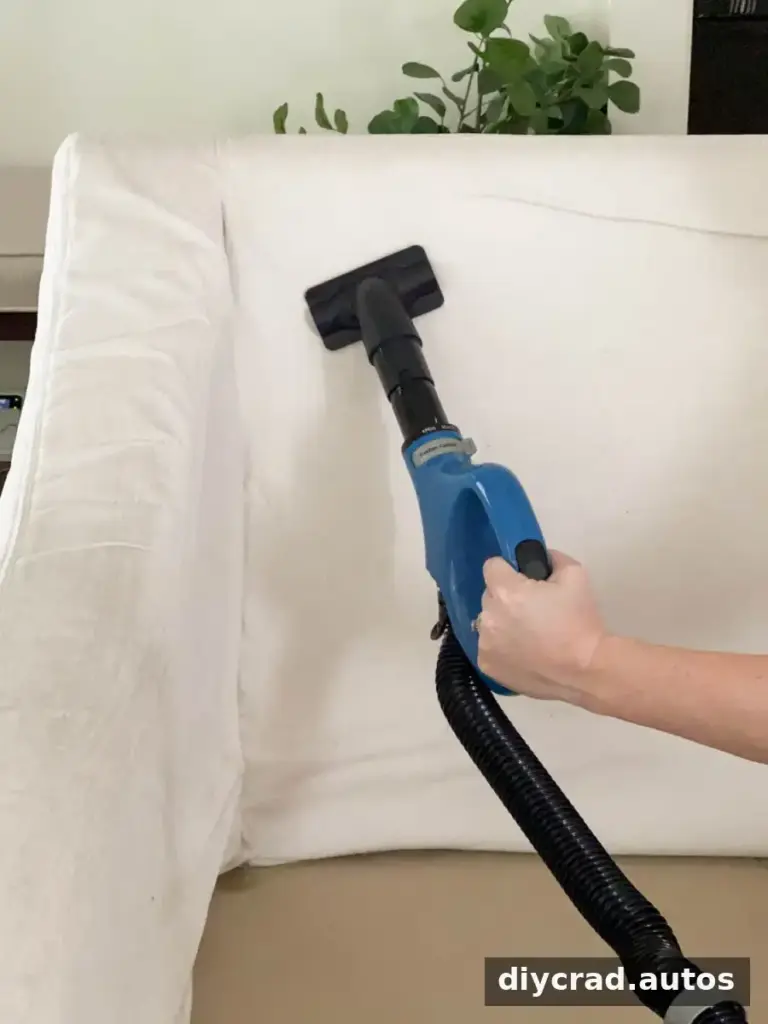
Remove cushions and vacuum beneath them, along seams, and in crevices. Use the upholstery attachment on the seat, back, and arms to lift loose dirt, dust, and pet hair. Take time with the corners, where debris often collects.
Step 4: Use Baking Soda to Help Reduce Odors
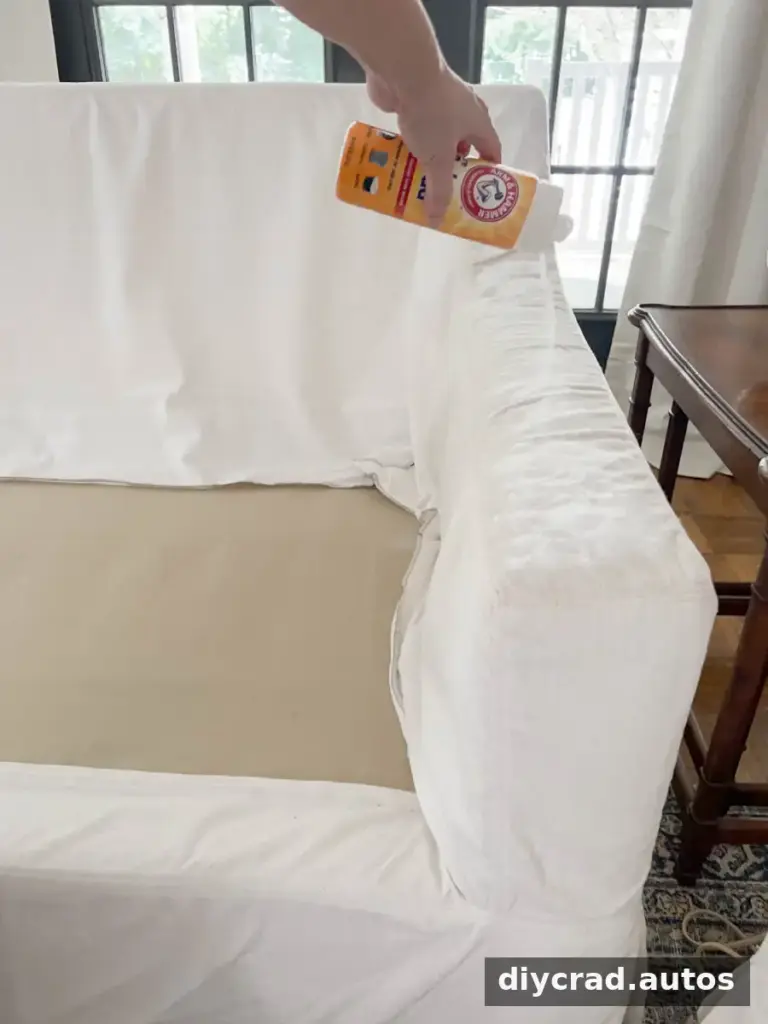
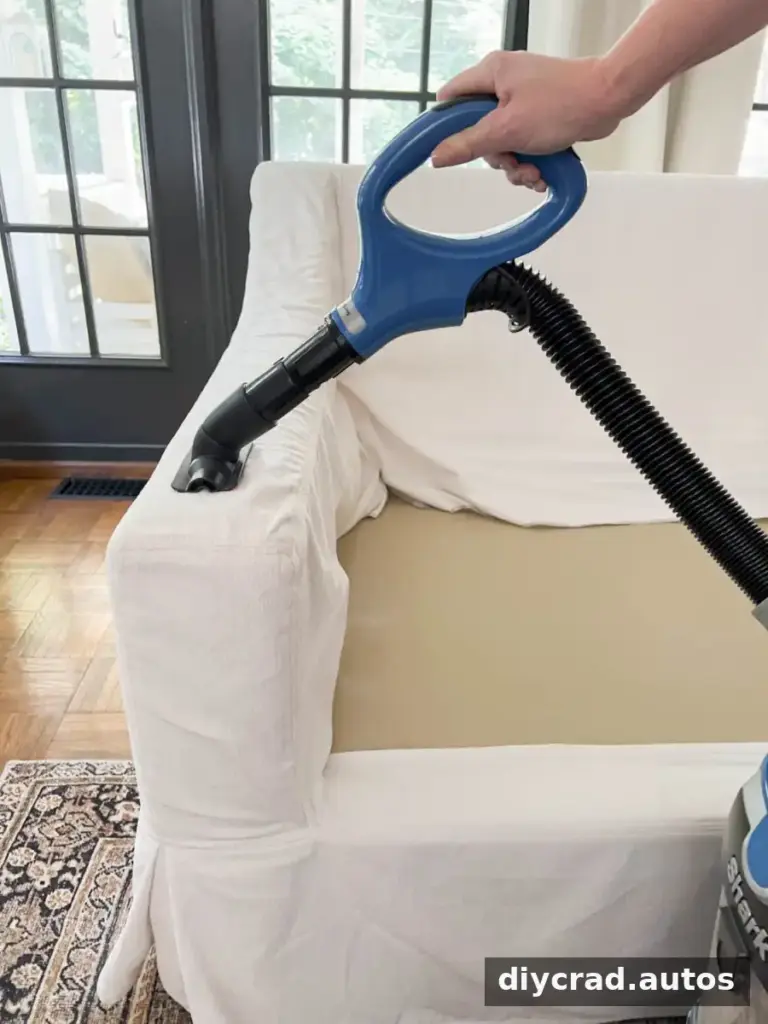
Sprinkle baking soda over the dry upholstery, focusing on frequently used areas such as the arms and seats. Leave it for at least 30 minutes, then vacuum it up completely. Avoid this step if the care instructions advise against powders or if the fabric is damp.
Step 5: Mix a Water-Based Cleaner
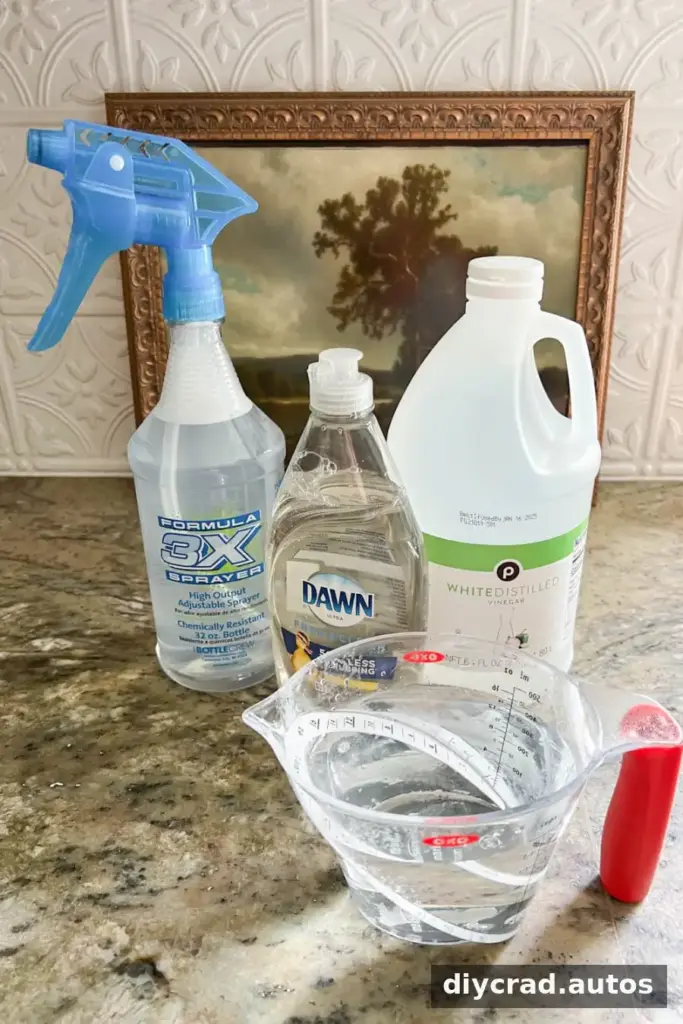
For upholstery labeled for water-based cleaning, mix the following in a spray bottle:
- 2 cups distilled water
- 2 tablespoons clear dish soap
- 2 tablespoons distilled white vinegar
Use this mixture only when the sofa label allows water-based cleaners. Do not use it on S- or X-coded upholstery. Make only what you need, and keep the solution away from unfinished wood and other surfaces that may be affected by moisture.
Step 6: Apply the Cleaner Sparingly
Lightly mist the approved cleaner onto the fabric so it becomes damp, not soaked. Applying too much liquid can leave the upholstery wet for longer and may cause water marks or affect the cushion filling. Work in small sections rather than saturating the entire sofa at once.
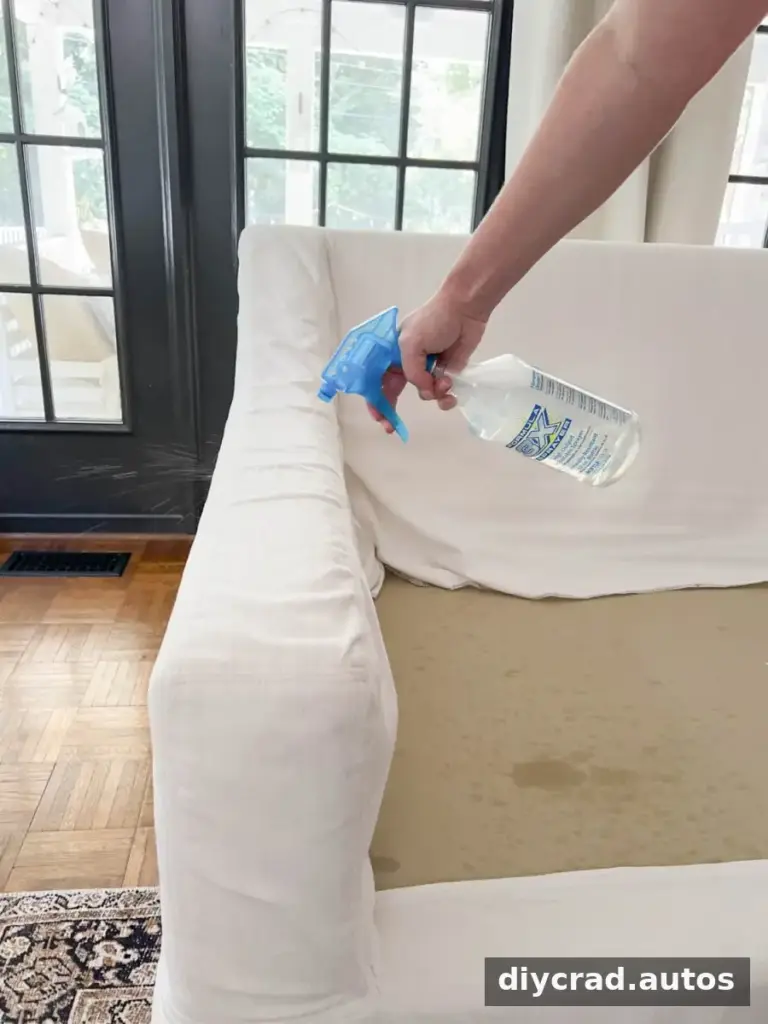
Step 7: Wipe and Let the Sofa Dry
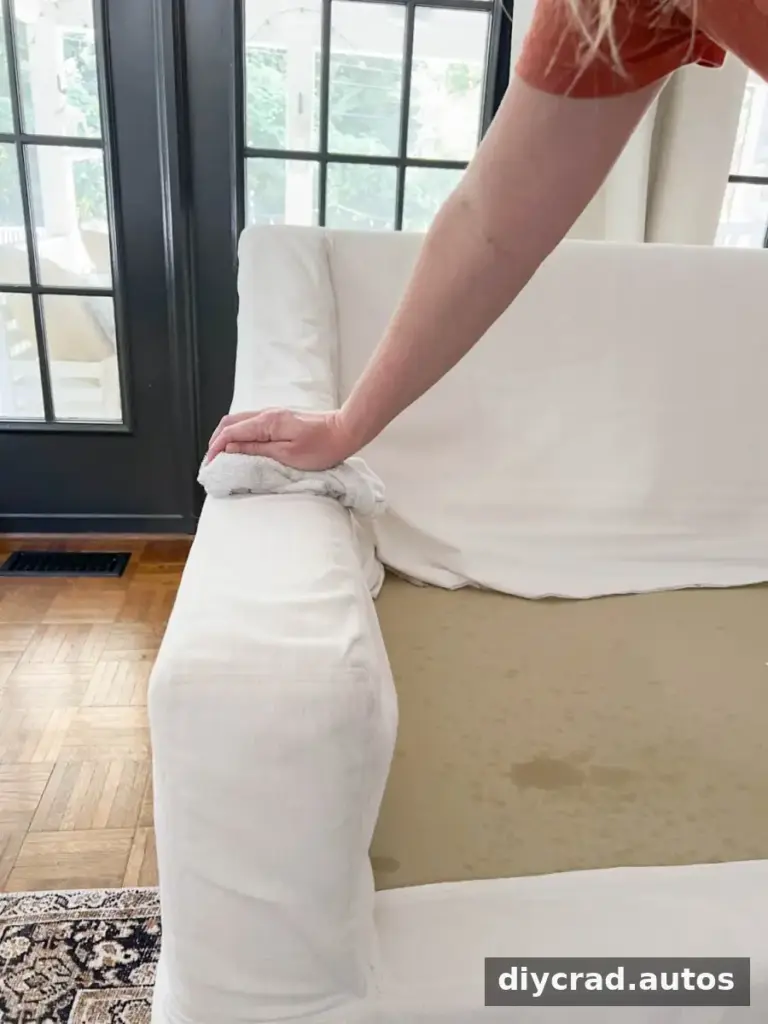
Use a clean, dry, lint-free cloth to gently wipe the fabric and lift loosened dirt. Avoid aggressive scrubbing, which may damage fibers or spread a stain. If desired, use an upholstery cleaning machine according to its instructions and the sofa’s care label.
Let the sofa air-dry fully before replacing cushions or using it. Good airflow can help the fabric dry evenly; do not apply heat unless the manufacturer specifically recommends it.
After-Cleaning Care and Maintenance
Once the couch is dry, check for any remaining marks and follow the care label before treating them again. For regular upkeep, vacuum about once a month and blot spills promptly with a clean cloth instead of rubbing them. A small, hidden-area test is wise whenever you try a new cleaning product or method.
Repeat a deeper clean once or twice a year if the fabric’s care instructions allow it. Homes with children or pets may need more frequent vacuuming, but cleaning frequency should not override the sofa maker’s guidance.
Frequently Asked Questions
What type of fabric couch is easiest to clean?
Synthetic microfiber is often considered relatively easy to maintain, but cleaning suitability depends on the specific fabric and its care code. Check the label before applying water or any cleaning product.
How can I deodorize a fabric couch?
Vacuum the sofa, including its crevices, to remove dust and pet hair. If the care instructions allow it, sprinkle baking soda over dry upholstery, leave it for at least 30 minutes, and vacuum it up thoroughly.
Can I use the same cleaner on every couch?
No. A water-based DIY solution is not suitable for every upholstery type. Check the cleaning code, follow the manufacturer’s instructions, and spot-test an approved product before cleaning a larger area.

With careful label checks, thorough vacuuming, and a light touch when applying cleaner, how to deep clean a fabric couch becomes a manageable part of regular home care. Choose methods that suit the upholstery, allow it to dry completely, and address spills promptly to help keep the sofa fresh.