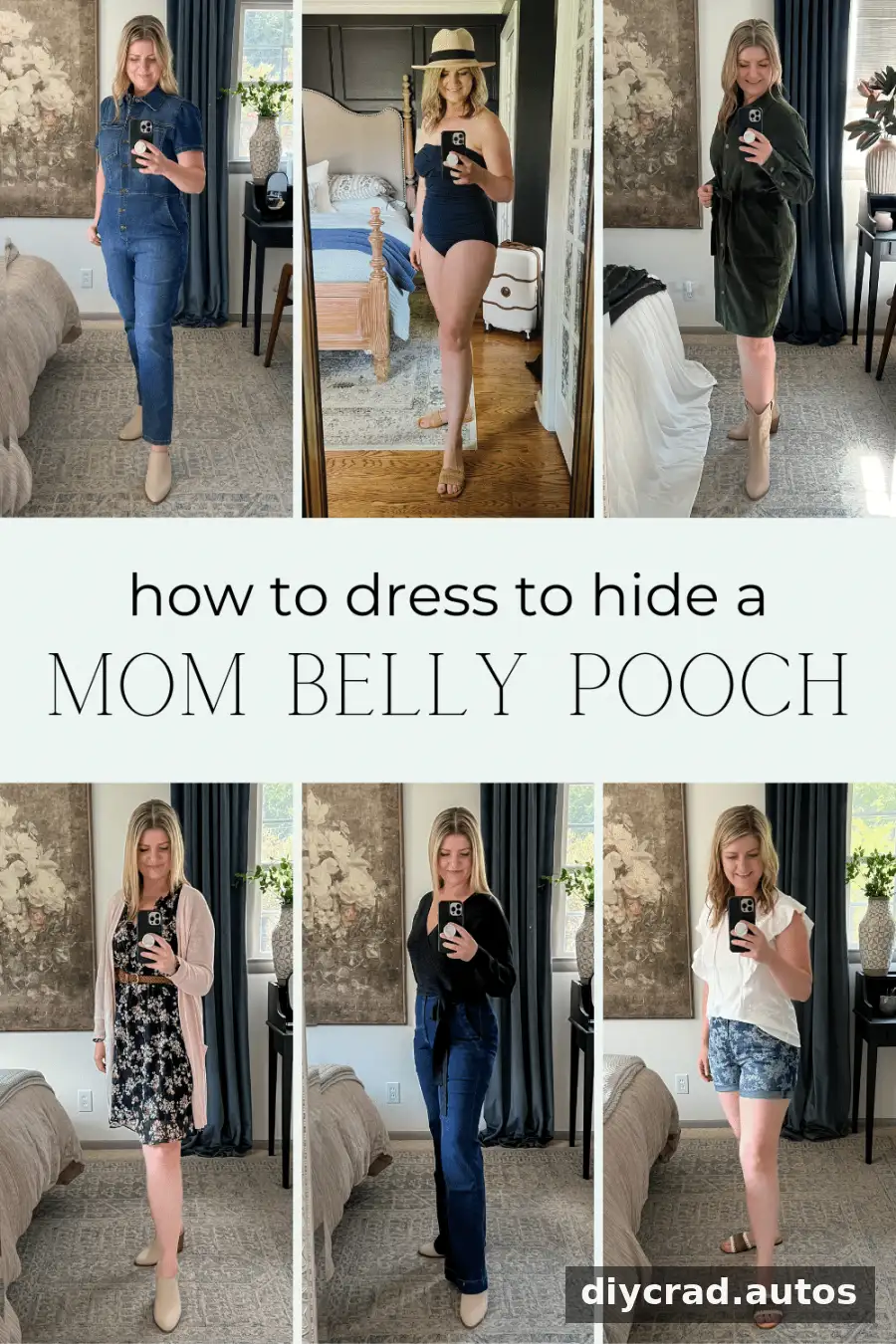
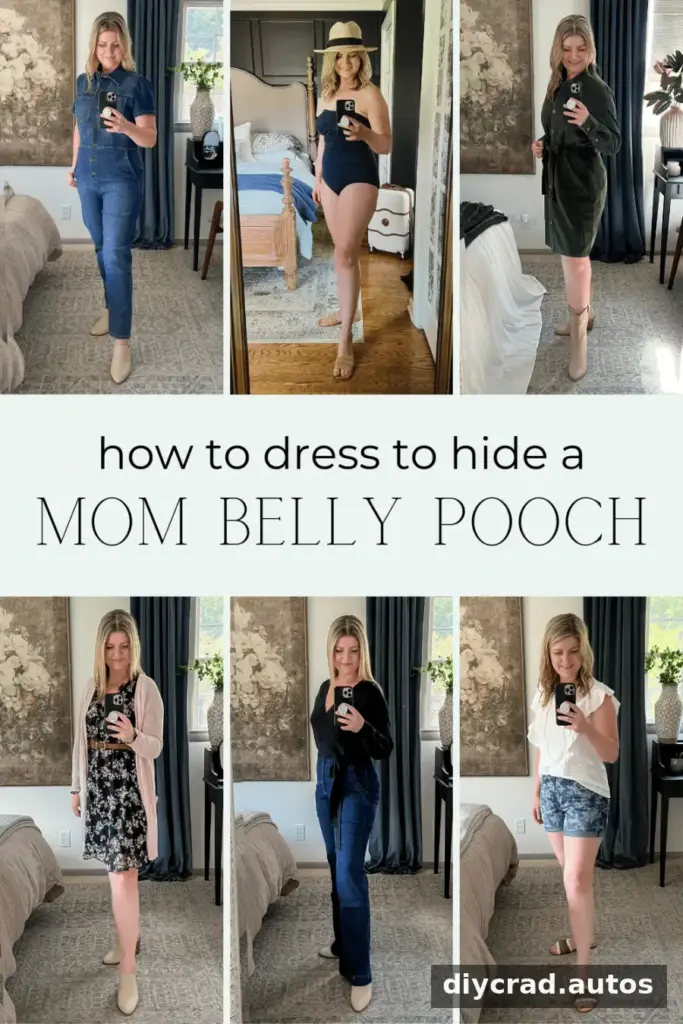
Learning how to dress to hide a mom belly can be less about covering up and more about finding comfortable clothes that help you feel like yourself. After pregnancy, bodies and clothing needs can change; these styling ideas offer flexible ways to create outfits that feel good without expecting any particular body shape.
How to Feel Confident With a Mom Pooch
Postpartum bodies vary, and there is no single right way to dress them. If you prefer clothes that skim rather than cling to your midsection, small choices in cut, fabric, and layering can make getting dressed easier. Aim for pieces that fit comfortably when you sit, move, and go about your day.
These ideas can work whether you recently had a baby or simply prefer a little more room around your middle. Try one change at a time, and prioritize fit and comfort over a clothing size or a trend.
How to Dress to Hide a Mom Belly: Outfit Ideas
The following 11 ideas use waist details, layers, and balanced proportions to create different silhouettes. They are options, not rules—choose the looks that suit your taste and routine.
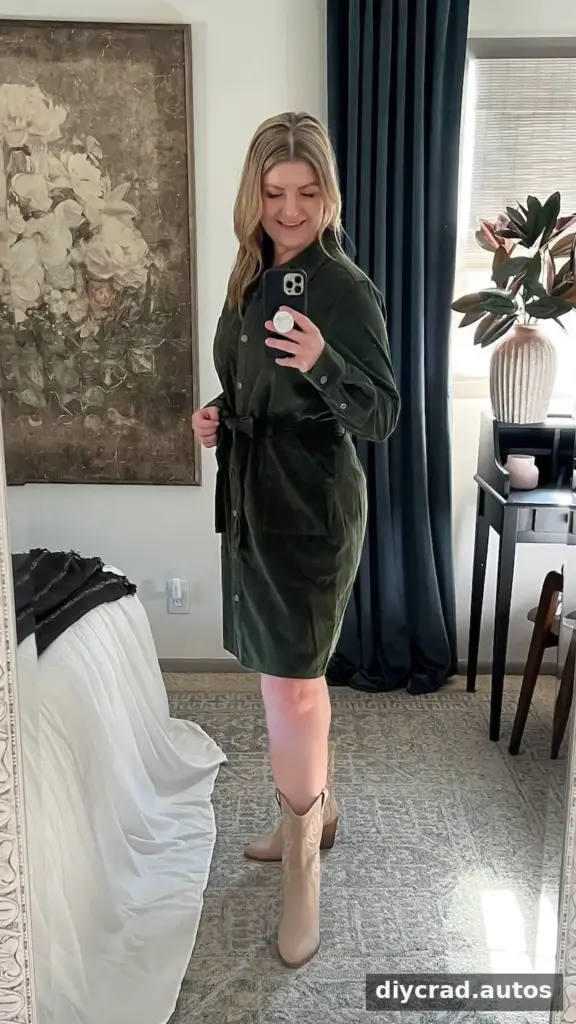
1. Try Tie-Waist Tops and Dresses
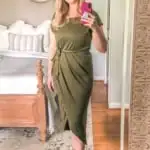
A tie-waist blouse, shirt dress, or wrap dress lets you adjust the fit around your waist. Tie it loosely if you want more ease through the middle, and check that the fabric does not pull when you move.
Practical tip: A button-front tie-waist dress can make access easier for nursing or pumping, if that is relevant to you.
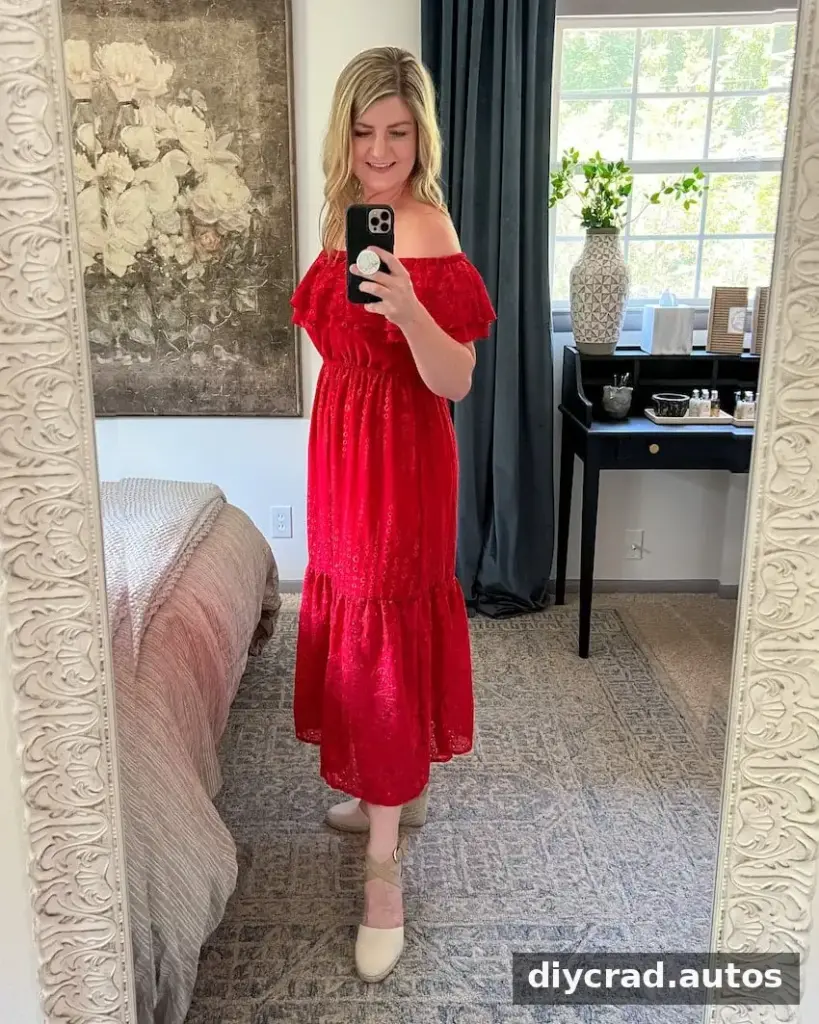
2. Choose Midi or Maxi Dresses
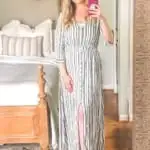
Midi and maxi dresses can be comfortable choices when you want a longer, flowing silhouette. Look for soft fabrics and a cut that allows you to walk and sit easily. A defined waist or a gentle A-line shape can add structure without feeling restrictive.
Practical tip: Consider the dress length with the shoes you plan to wear so the hem does not drag or get in your way.
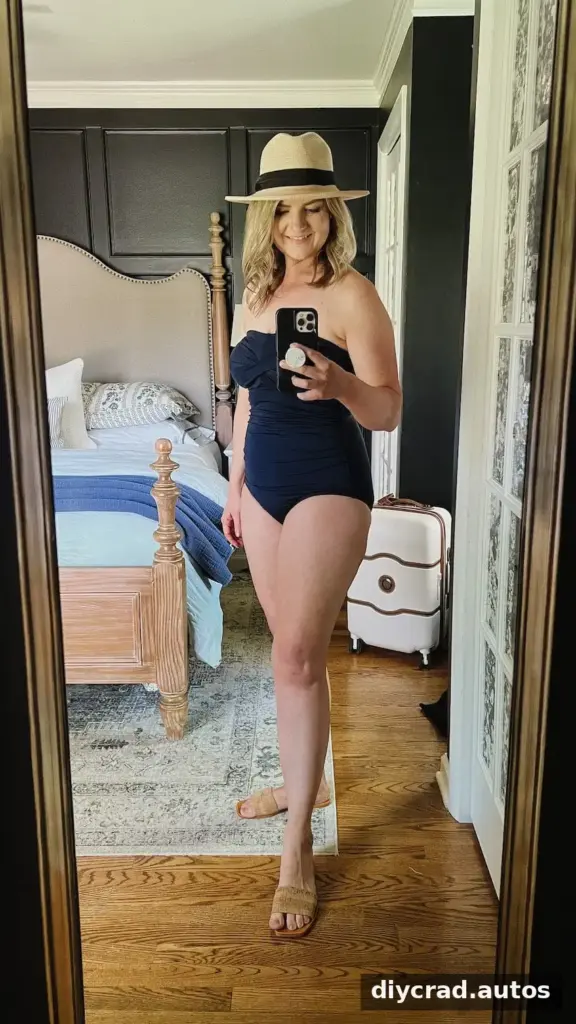
3. Look for Ruching
Gathered or ruched fabric creates texture across a garment and can make the outline of the midsection less noticeable to the wearer. This detail appears on dresses, tops, and swimwear. Some designs also include supportive lining, but features and compression levels vary.
Practical tip: Check the garment’s care and fit details, and choose a level of support that feels comfortable rather than tight.
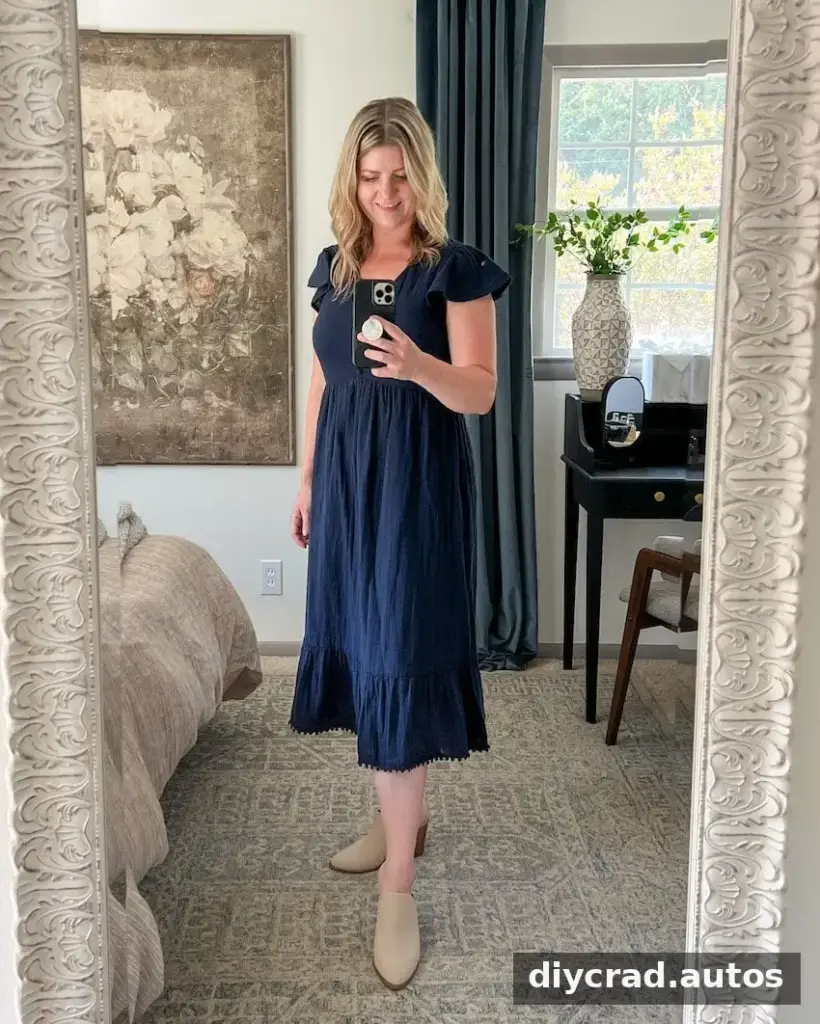
4. Wear Dark Colors If You Like Them
Black, navy, and other deep shades are easy to coordinate and may make fabric folds and shadows less prominent. You do not need to dress in dark colors from head to toe; a dark top or dress can simply be one option in your wardrobe.
Practical tip: An empire-waist design, with a seam or shaping just below the bust, can provide extra room through the abdomen.
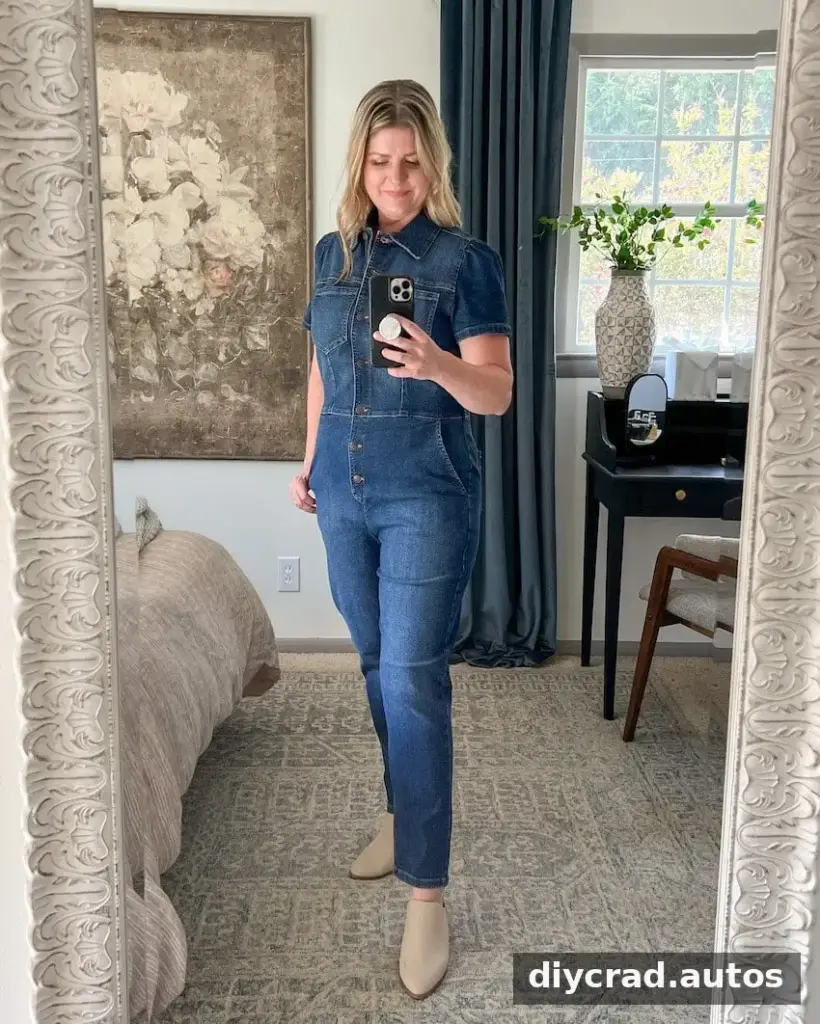
5. Consider a Jumpsuit
A jumpsuit creates one continuous line from top to bottom and can be a convenient alternative to pairing a top and trousers. A button-front style adds a vertical detail, while a slightly relaxed leg can help balance the overall silhouette.
Practical tip: Check the torso length and ease of the waist before buying. A jumpsuit should allow you to sit and move comfortably, and bathroom access should be practical for your routine.
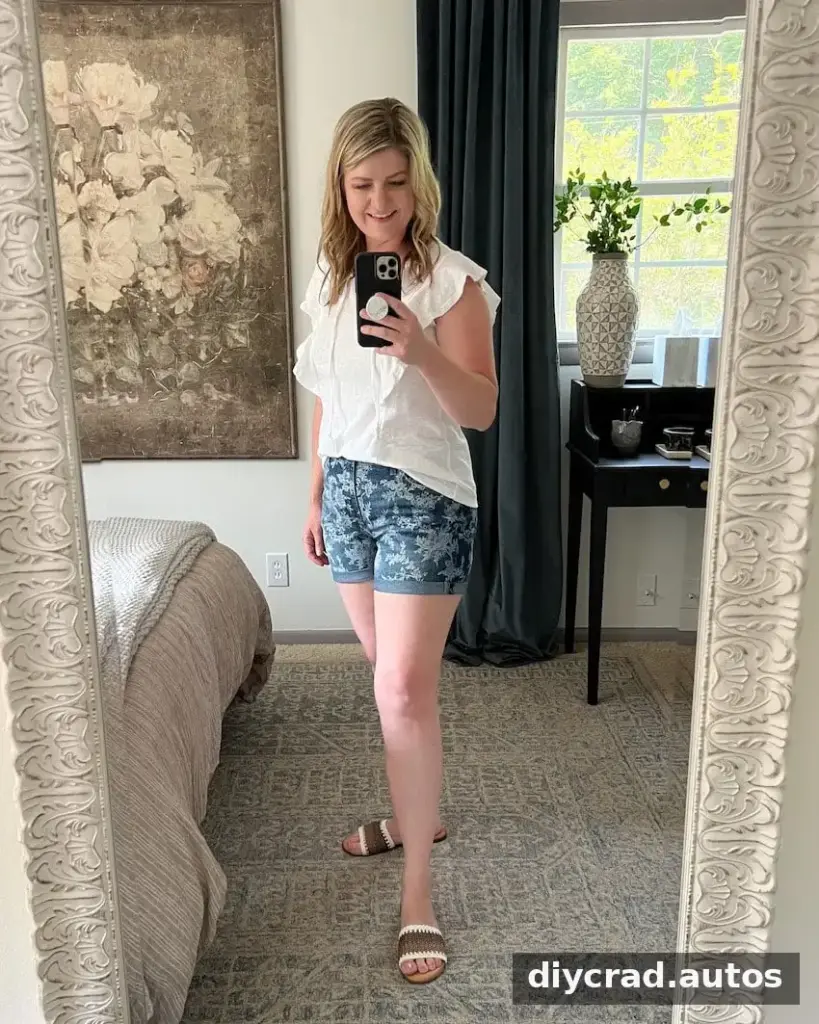
6. Use a Front Tuck
Tucking just the front of a longer, loose top into mid-rise jeans or shorts can add shape while leaving extra fabric at the sides and back. This simple styling technique also helps define where the top meets the bottoms.
Practical tip: If you want additional support, tummy-control underwear is an optional choice. Look for a comfortable fit that does not restrict breathing or movement.
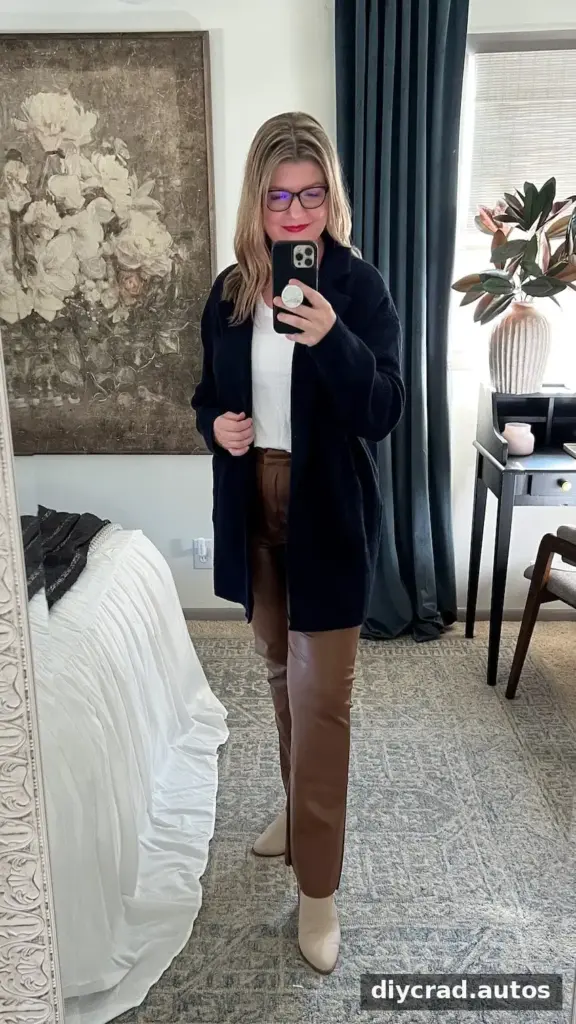
7. Layer With Wraps, Kimonos, or Cardigans
An open cardigan, kimono, or wrap worn over a simple top creates vertical lines along the body and adds a light layer. These pieces can be useful in changing temperatures and can be taken off easily when you get warm.
Practical tip: Choose a length and fabric that work with your outfit; a lightweight layer is often easier to wear over a relaxed top.
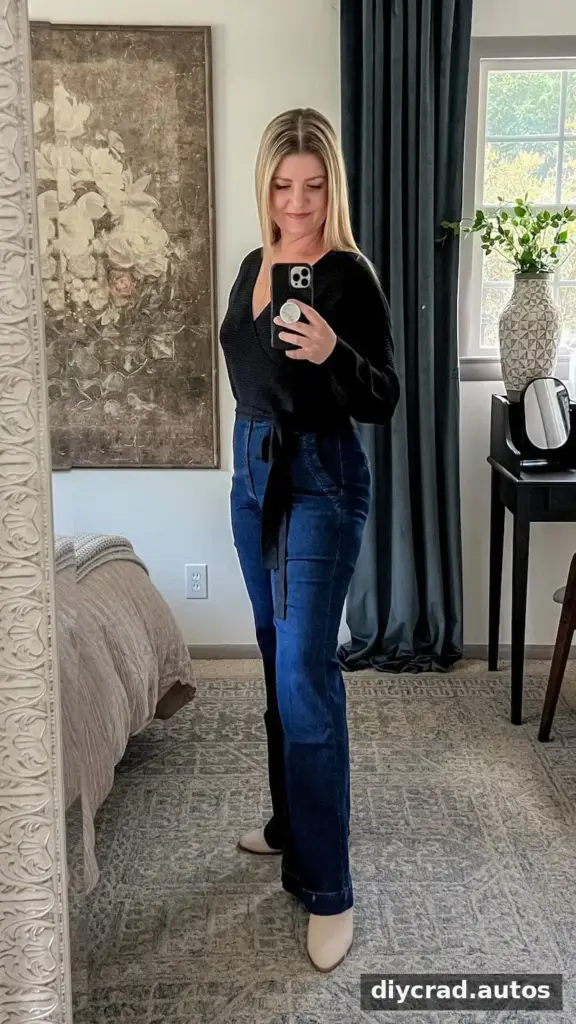
8. Try V-Neck or Wrap Tops
V-necklines draw the eye upward, while wrap-style tops can suggest a waistline and drape across the middle. A cropped wrap top can also pair well with high-waisted jeans or trousers if you prefer that combination.
Practical tip: Check the neckline and wrap coverage when you bend or reach, especially if you want a secure fit throughout the day.
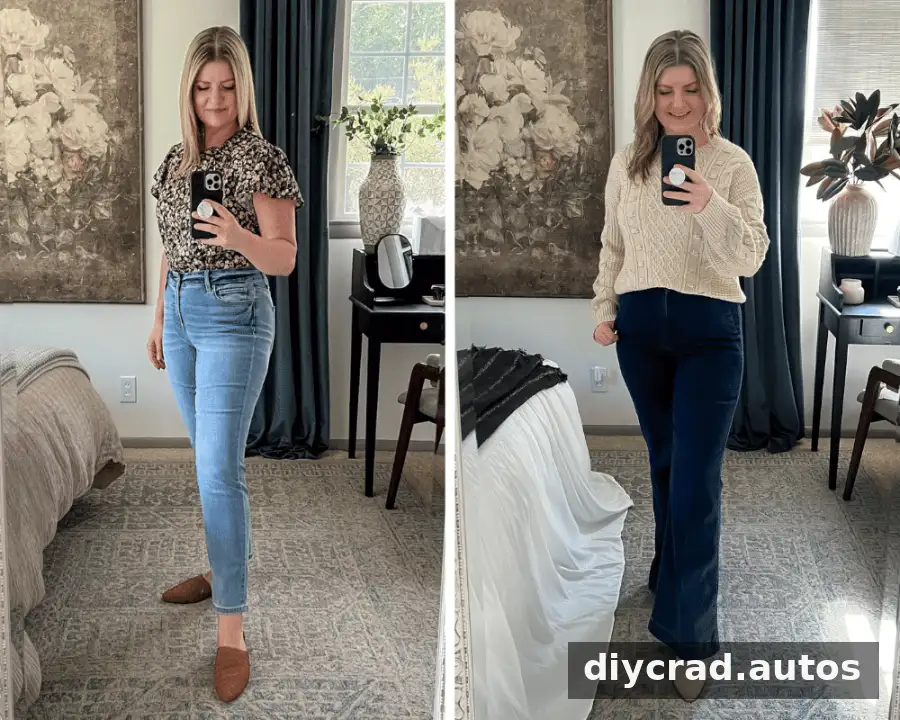
9. Balance Dark-Wash Jeans With a Straight or Wider Leg
Dark-wash jeans with straight, flare, or bootcut legs offer alternatives to a narrow leg shape. The best cut depends on your proportions and comfort, so try different rises and leg shapes rather than relying on a fixed rule.
Practical tip: Make sure the waistband sits comfortably when seated. The right rise is the one that feels secure without digging in.
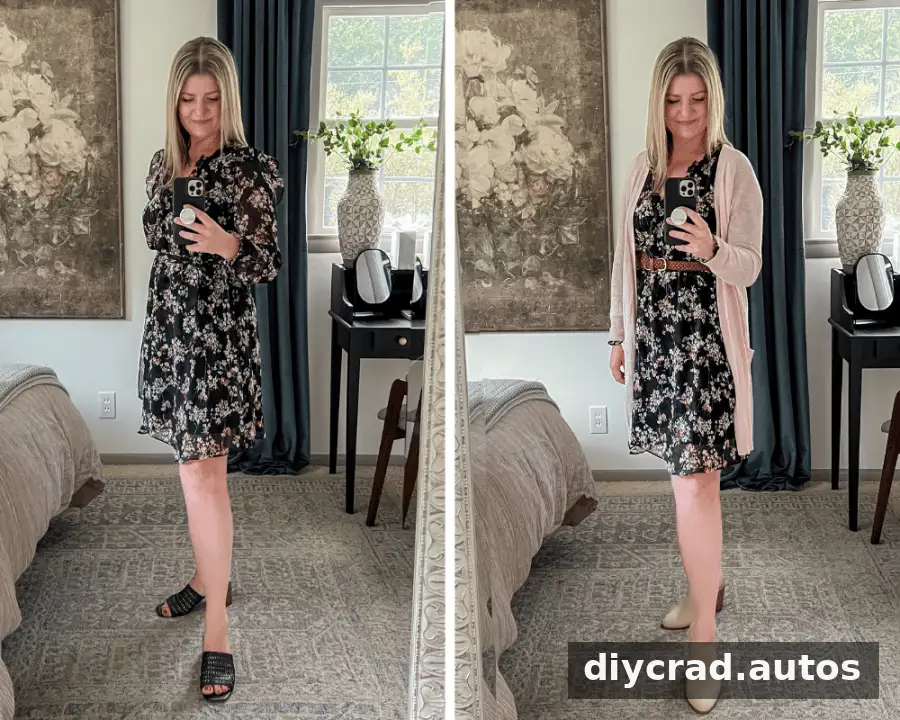
10. Add a Belt and Choose Shoes You Enjoy Wearing
A belt can define the waist of a flowing dress or loose outfit. Pointed-toe shoes may create a longer visual line, but comfortable flats, boots, or other styles work just as well if they better suit your day.
Practical tip: Adjust the belt so it feels comfortable, and consider adding an open cardigan if you want another easy layer.
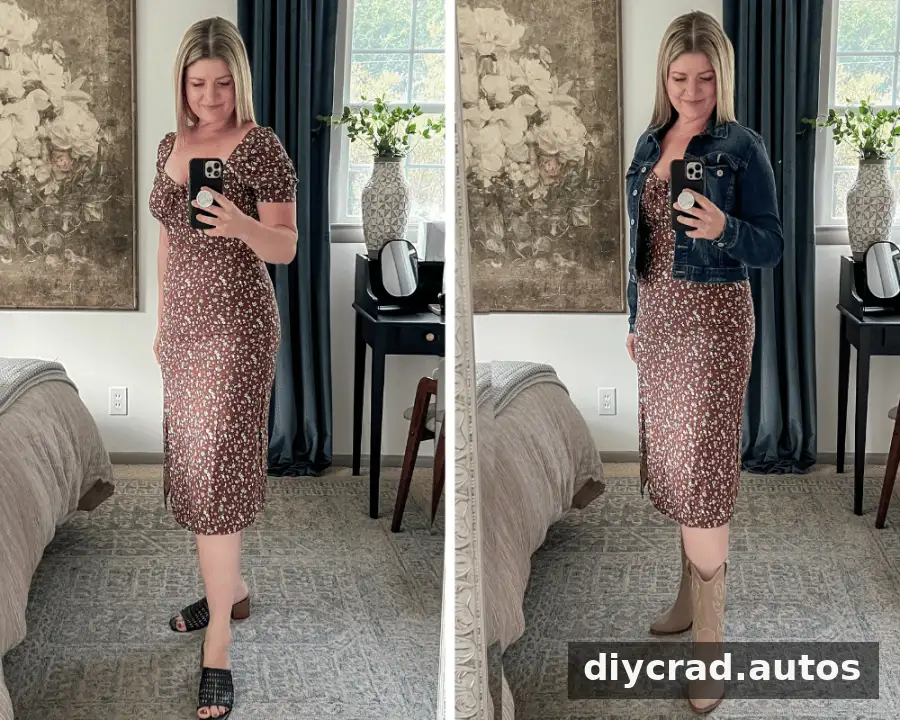
11. Try a Cropped Jacket
A cropped jacket or cardigan that ends near the waist can add structure and create a clear break between your top and bottoms. Wear it over a simple dress or a top-and-trouser combination to add a finishing layer.
Practical tip: Try the jacket with the shoes and bottoms you plan to wear; the proportions can look different depending on their length and fit.
Finding how to dress to hide a mom belly is ultimately a matter of personal preference, not a requirement to conceal your body. Experiment with these outfit ideas, keep the pieces that feel comfortable, and leave behind anything that makes you feel restricted. A well-fitting outfit should support your confidence and your everyday needs.