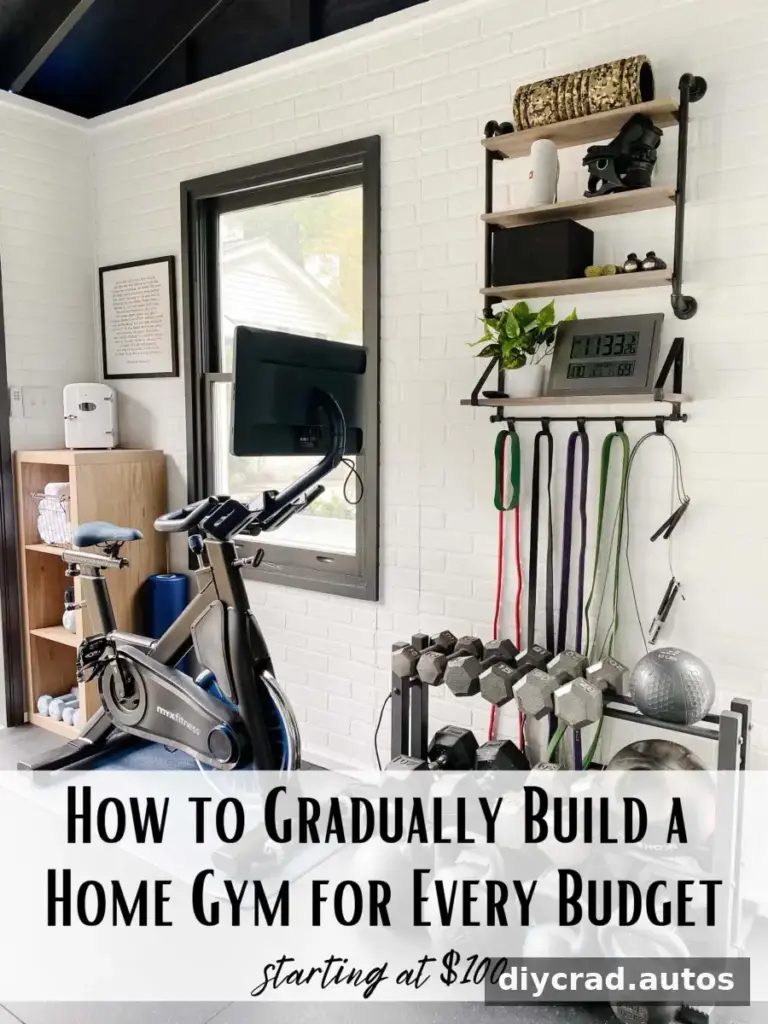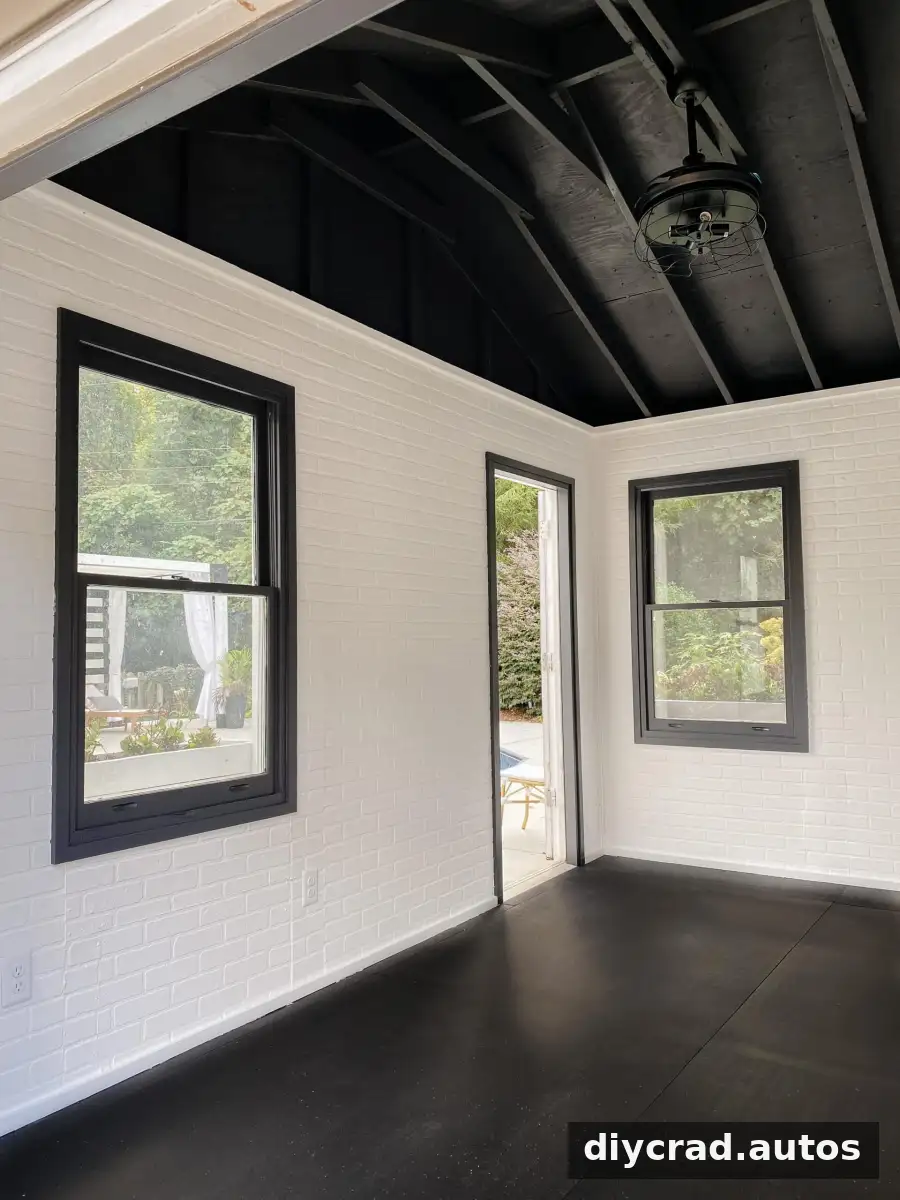
Building a home gym on a budget is easier when you add equipment gradually instead of buying everything at once. Start with items that support both strength and cardio, then choose upgrades based on your available space, workout goals, and what you actually use. The price examples below show how a setup can grow from basic essentials to a more complete training space.
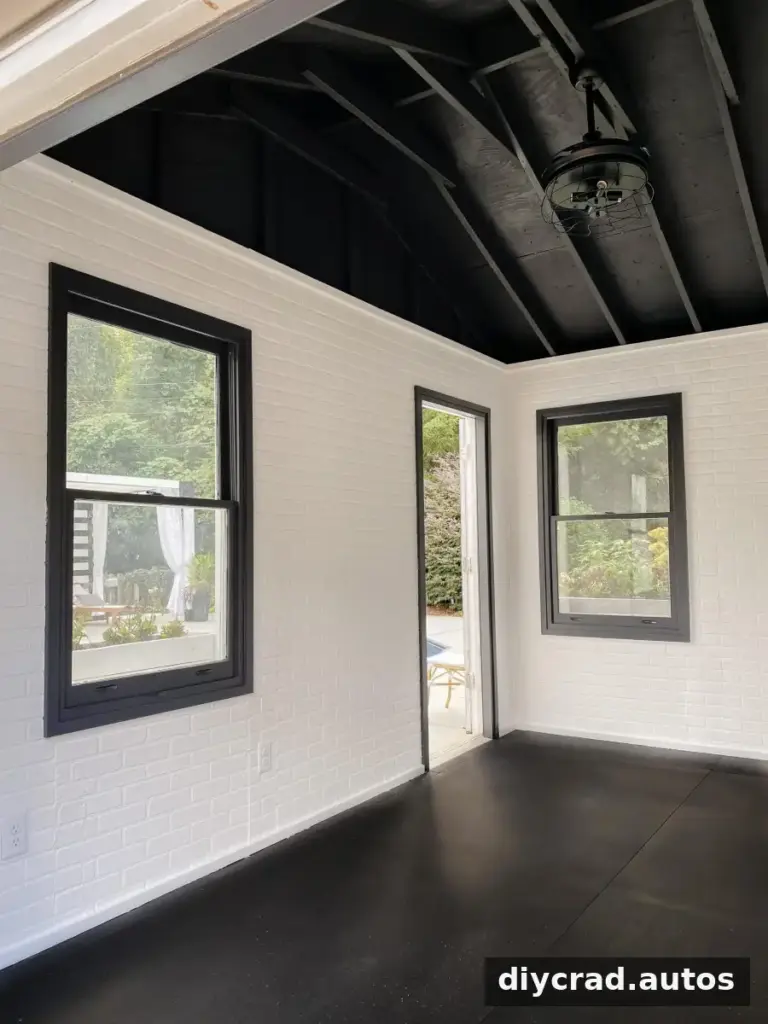
You do not need a dedicated gym room or shed. A small, clear area in a bedroom, garage, or family room may be enough for bodyweight movements, resistance-band exercises, and a yoga mat. Before buying bulky equipment, measure the space and consider storage, flooring, ventilation, and noise.
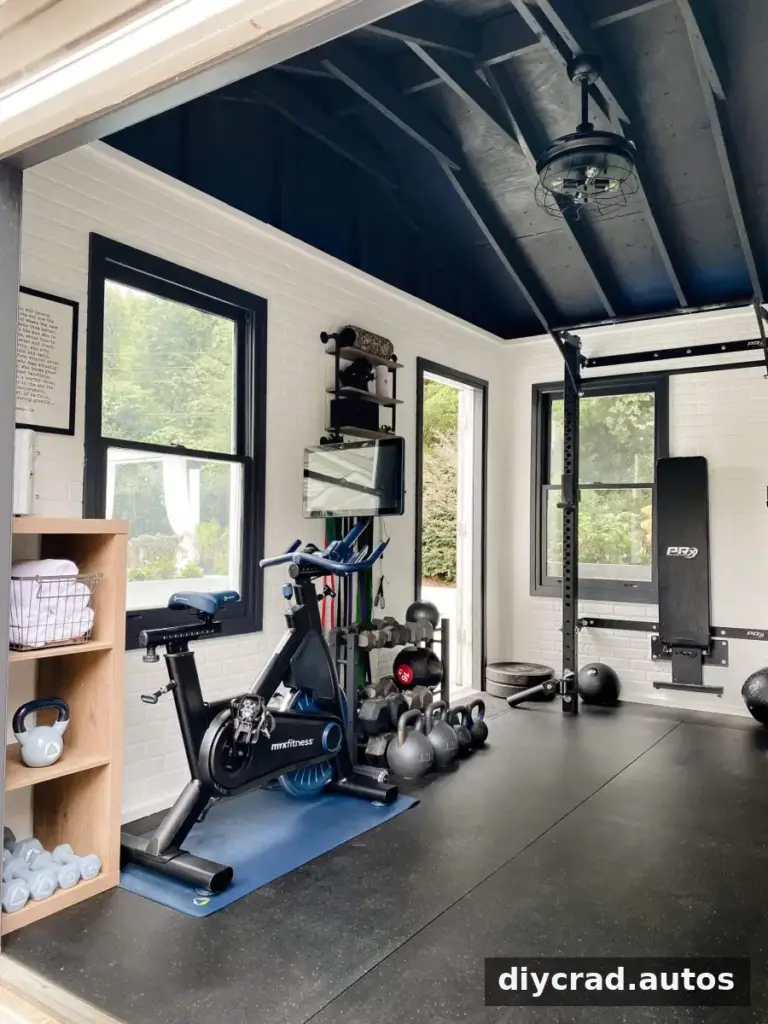
The equipment is organized into approximate budget levels. Prices are the figures provided for this list, not guaranteed current prices. At the lowest level, choose either the women’s or men’s shoe option rather than purchasing both.
Home Gym on a Budget: Under $100
This starter setup covers basic cardio and resistance training without requiring a large area. Supportive running shoes can make walking, jogging, and jump-rope sessions more comfortable, while resistance bands offer a portable option for a range of strength exercises.
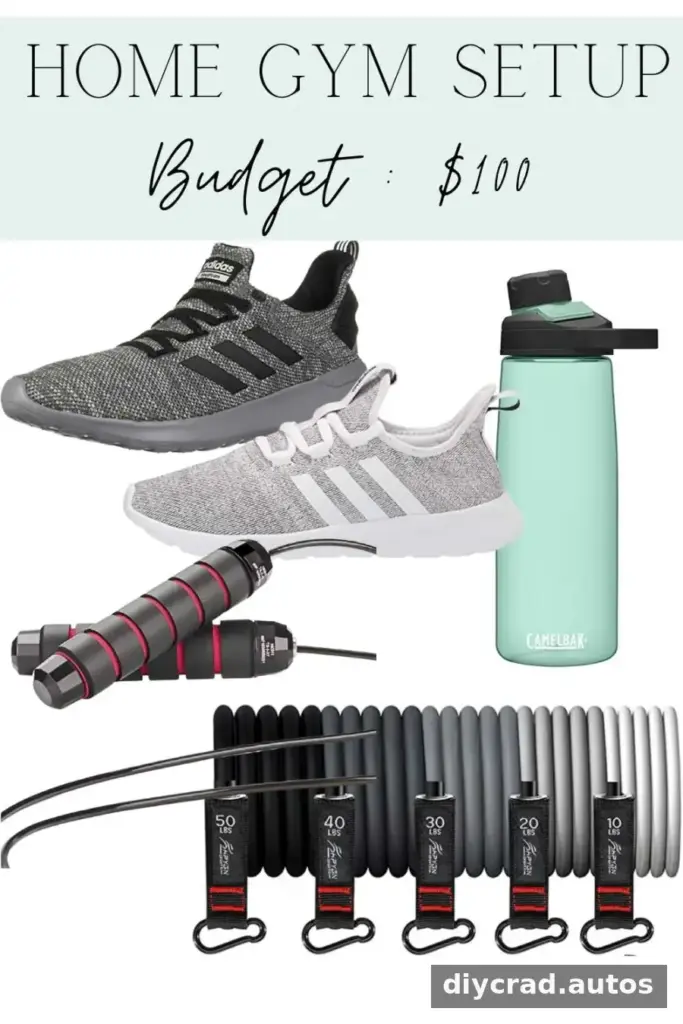
- Running Shoes (Women) – $52
- Running Shoes (Men) – $56
- Water Bottle – $15
- Resistance Bands – $18
- Jump Rope – $8
Choose one shoe option to keep the total within the stated budget. Check that bands are suitable for the exercises you plan to do, and leave enough clear floor space to jump safely.
Home Gym Equipment Under $500
With a larger budget, add tools for strength, mobility, and better workout organization. A pull-up bar and hand weights broaden exercise choices, while a mirror can help you observe your form. Make sure any mounted equipment is installed according to its instructions and attached to a suitable surface.
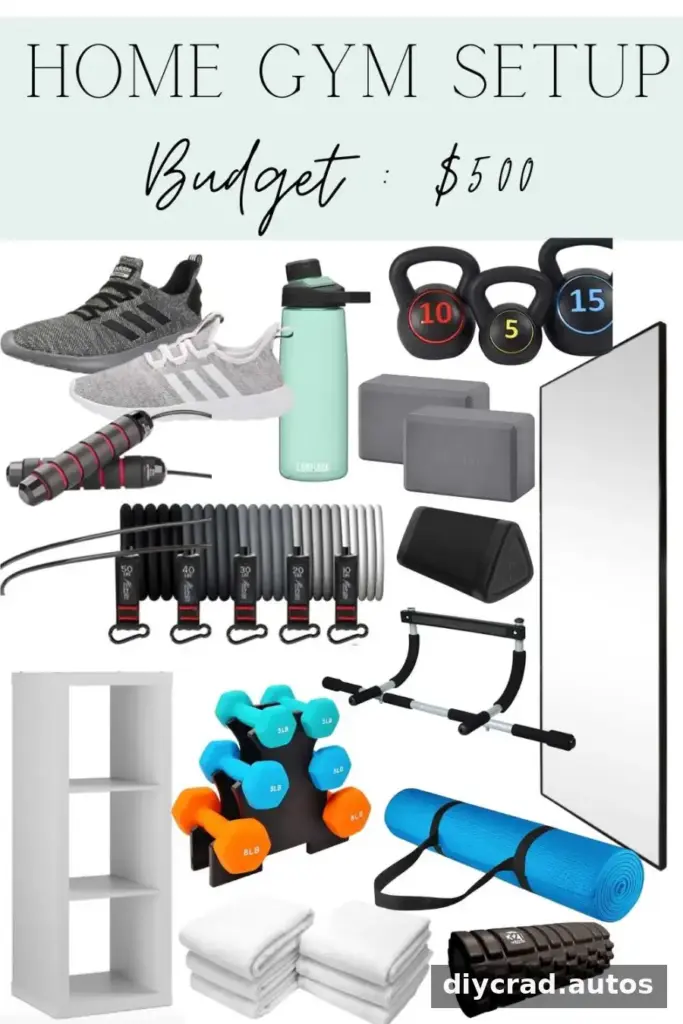
The starter items remain part of this setup:
- Running Shoes (Women) – $52
- Running Shoes (Men) – $56
- Water Bottle – $15
- Resistance Bands – $18
- Jump Rope – $8
Additional equipment:
- Hand Weight Set – $50
- Cube Shelf – $50
- Gym Towels – $17
- Kettlebell Set – $30
- Yoga Mat – $18
- Yoga Blocks – $19
- Full Mirror – $90
- Pull Up Bar – $27
- Bluetooth Speaker – $26
- Foam Roller – $27
Use the shelf to keep smaller items off the floor, and store weights where they cannot tip or obstruct walkways.
Home Gym Equipment Under $1,500
Adjustable weights and a bench can make it easier to vary resistance and train different muscle groups. A used bench or dumbbell set may help manage costs, but inspect secondhand equipment for damage and confirm that moving parts work smoothly. A rubber floor mat can help protect the floor and soften impact, while a fan may improve comfort in a warm garage.
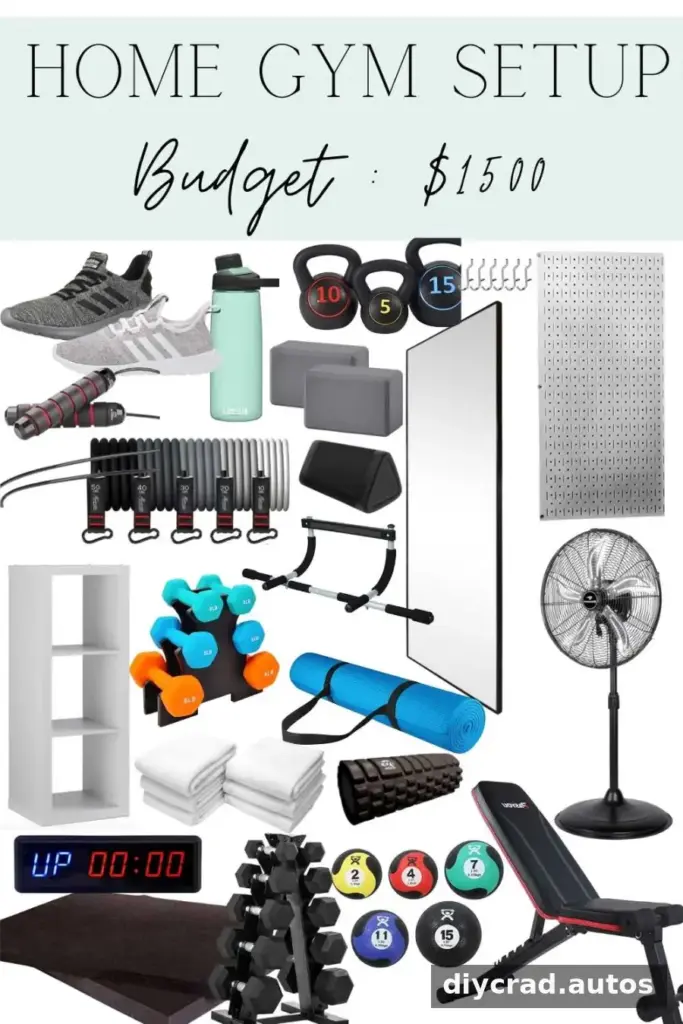
This level includes the earlier items, plus the following additions:
- Dumbell Set – $346
- Wall Pegboard – $45
- Pegboard Hooks – $15
- Gym Floor Mat – $150
- Weight Lifting Bench – $90
- Interval Timer – $55
- Medicine Ball Set – $151
- Stand Fan – $150
An interval timer can help structure work and rest periods. Check that a mat is large enough for the exercises and equipment you intend to use.
Home Gym Equipment Under $4,000
A larger budget can support a broader mix of strength and cardio equipment. You can still build this setup in stages: prioritize the pieces that match your routine, then add larger machines only if you have enough space and expect to use them regularly. Buying locally or from secondhand sports-equipment stores can sometimes reduce costs; inspect items carefully before purchase.
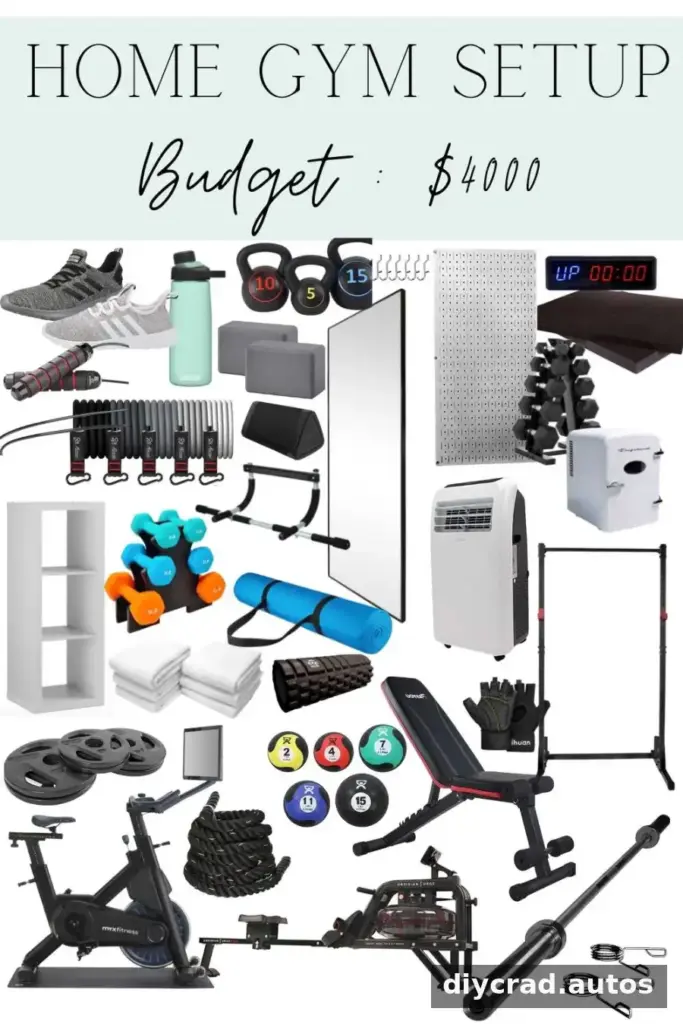
The listed setup carries forward the earlier equipment, with these additional items:
- Lifting Gloves – $18
- Barbell Rack – $166
- Mini Fridge – $35
- Barbell – $93
- Weight Plates – $77
- Cardio Bike – $1400
- Portable Air Conditioner – $354
- Hydro Rowing Machine – $474
- Battle Rope – $38
Large machines need a stable, level area and enough clearance for safe use. Before adding a barbell and plates, confirm that the rack and floor are appropriate for the load, and learn proper lifting technique. The rowing machine and portable air conditioner are optional additions, so consider your priorities and available space before setting aside money for them.
Plan a Setup You Can Keep Using
A useful home gym does not have to be completed in one purchase. Begin with a few versatile essentials, note which workouts you do consistently, and expand with equipment that solves a real need. Keep a clear path around your training area, store weights securely, and make sure your setup suits the room and the people using it.
Whether you are creating a home gym on a budget of around $100 or working toward a more equipped space, a gradual approach makes it easier to manage costs and avoid buying unused gear. Revisit your goals before each upgrade, compare prices, and let your routine guide what comes next.
Save this guide for later: