

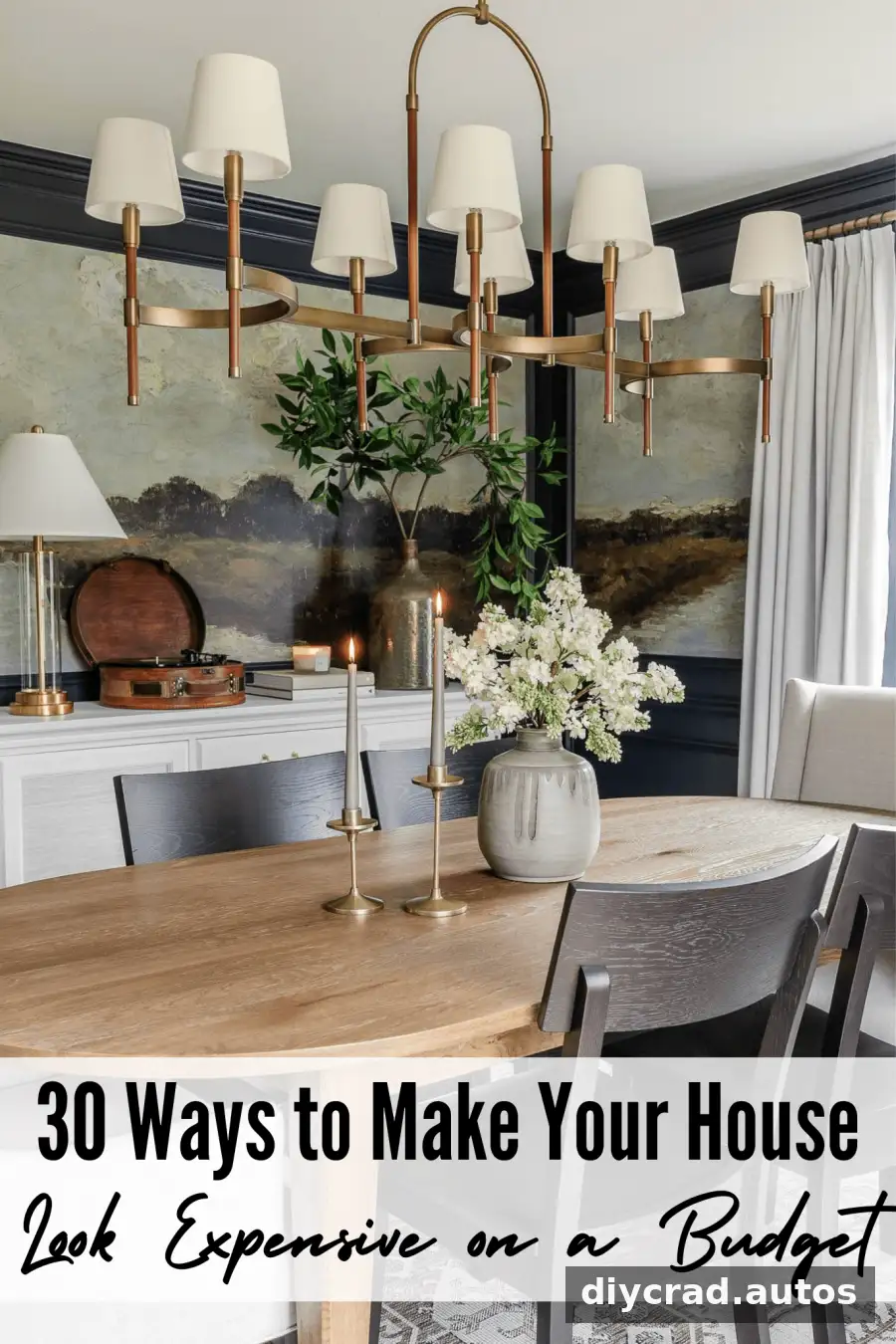
You do not need a large renovation budget to make your home feel polished and thoughtfully put together. Small changes to lighting, color, storage, and furnishings can make a noticeable difference. These 30 practical ideas show how to make your house look expensive while working with what you already own and choosing upgrades carefully.
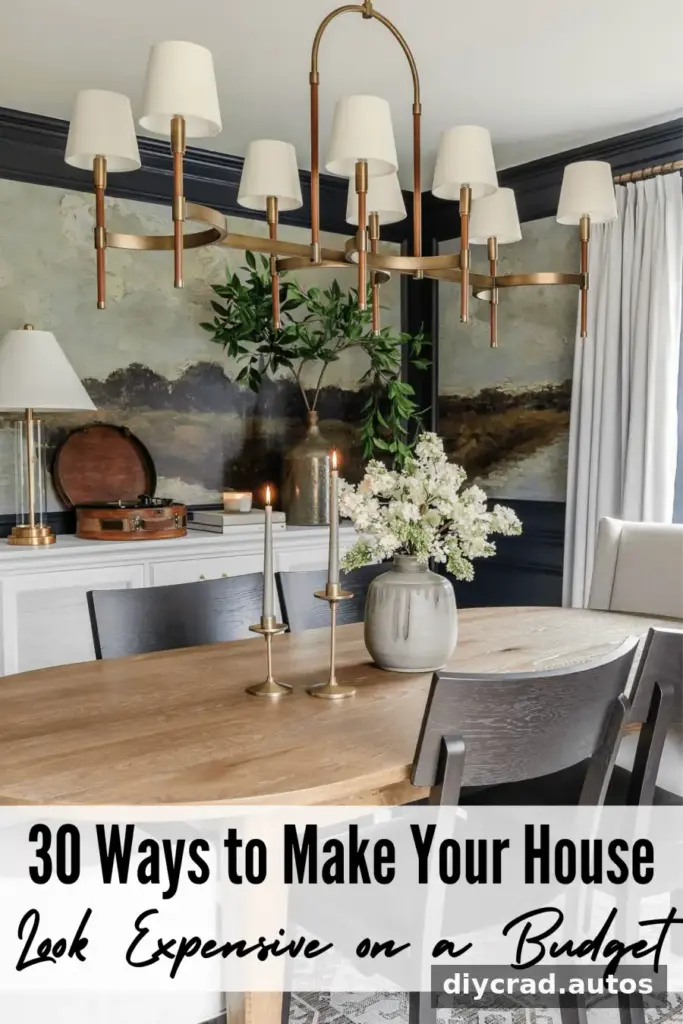
How to Make Your House Look Expensive on a Budget
1. Paint Doors a Contrasting Color
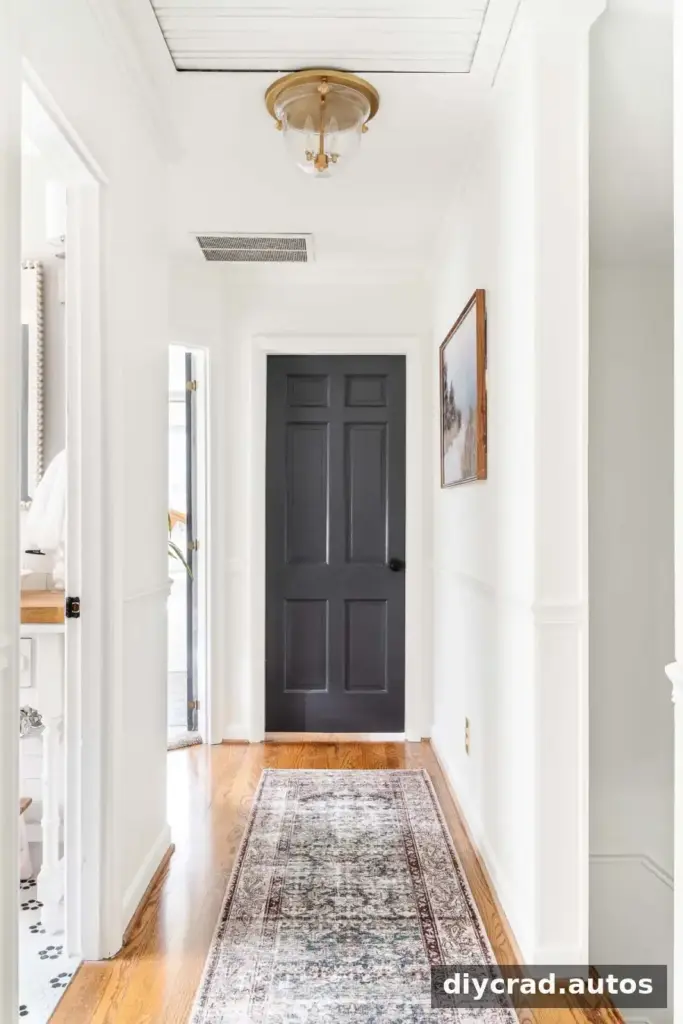
A door color that contrasts with the walls can make a room feel more considered than a standard all-white scheme. Try charcoal, soft gray, warm taupe, or a bold shade that suits your palette. Test a sample in different lighting before painting, and use painter’s tape for crisp edges.
2. Add Molding or Wall Trim
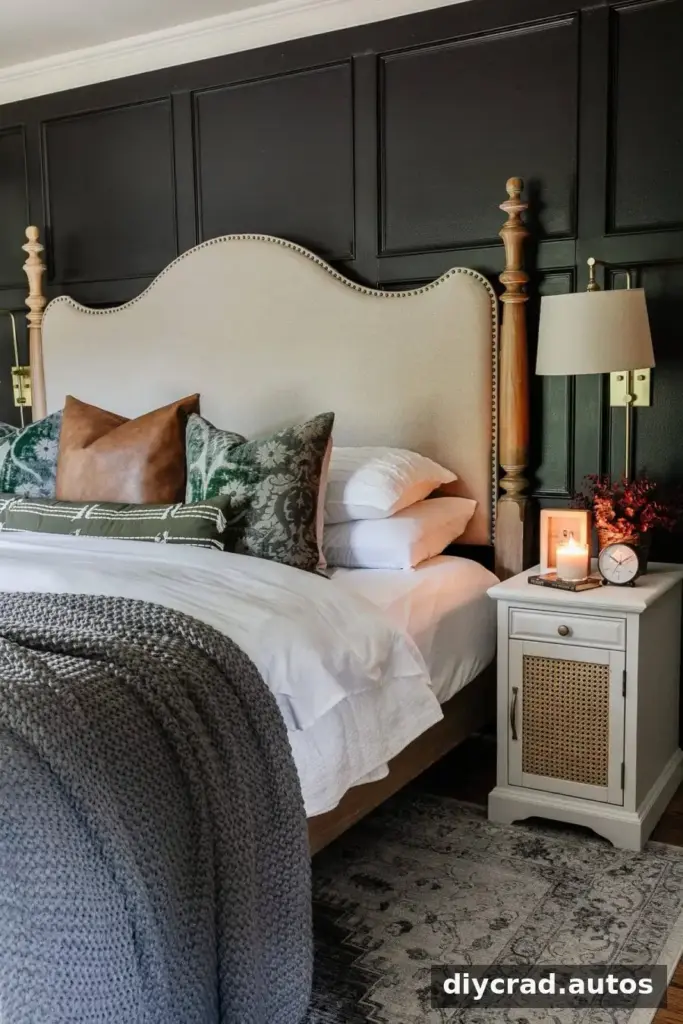
Wall trim, picture-frame molding, or a simple grid treatment can add architectural interest to a plain room. Choose a design that works with the proportions of the space, and measure carefully before cutting materials. Even a single accent wall can create a more finished look.
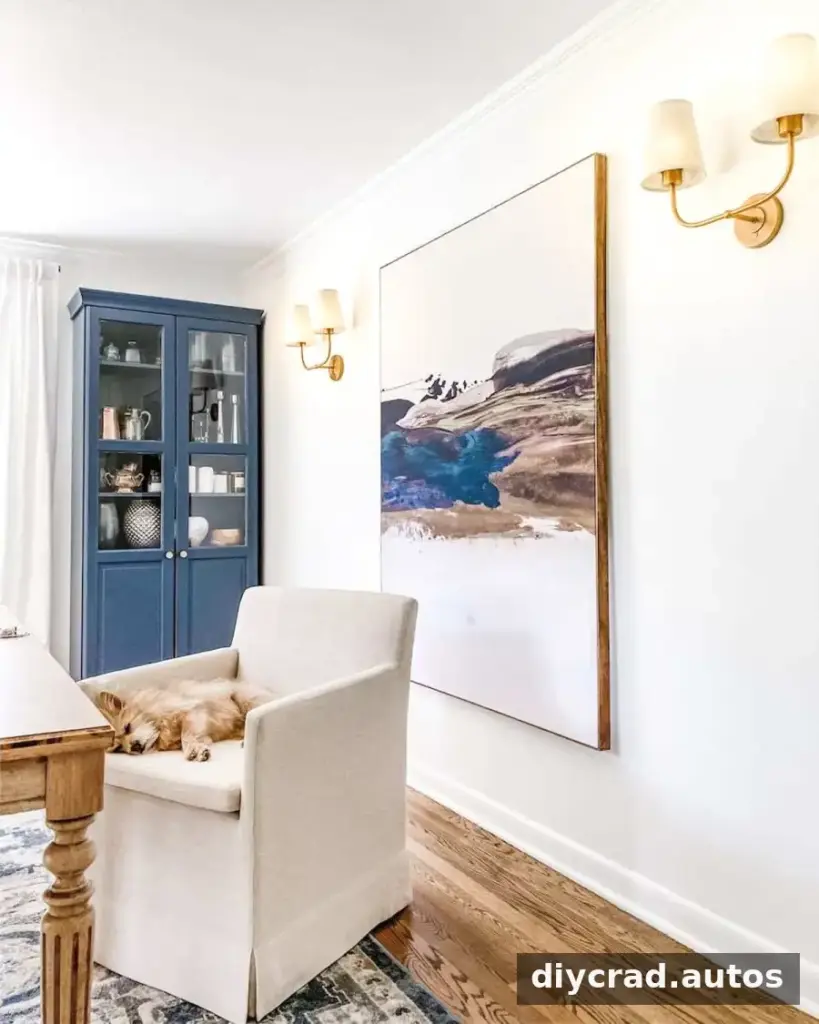
3. Choose Large-Scale Wall Art
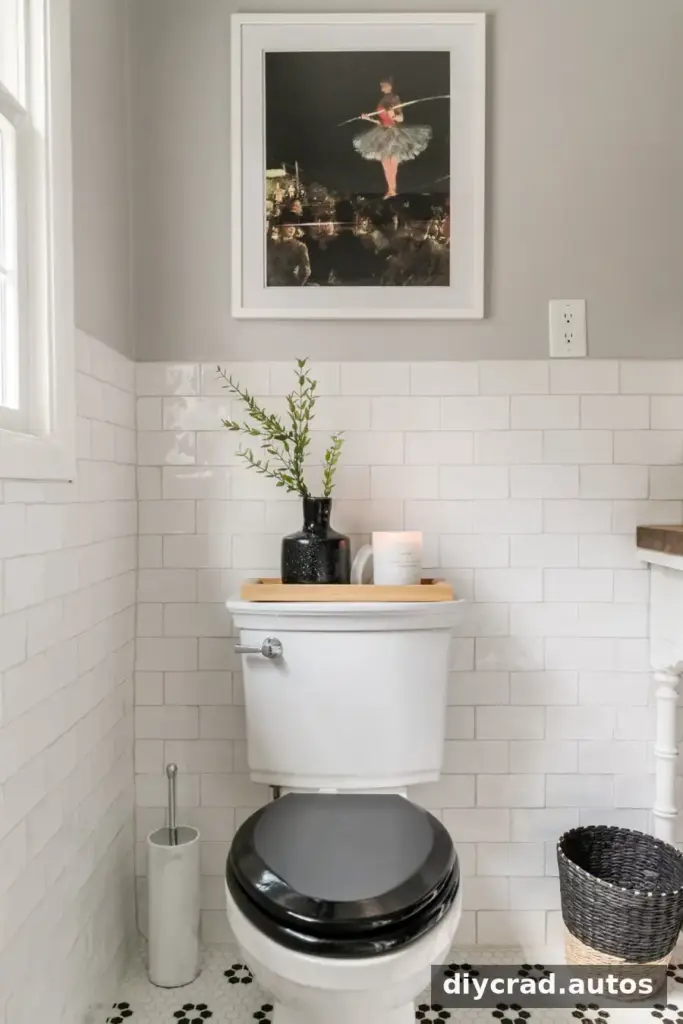
A generously sized artwork can make a room feel more balanced and intentional. It does not have to be costly: consider painting over a secondhand canvas or creating a piece with plywood and lattice strips. Hang artwork at a comfortable viewing height and make sure its scale suits the furniture below it.
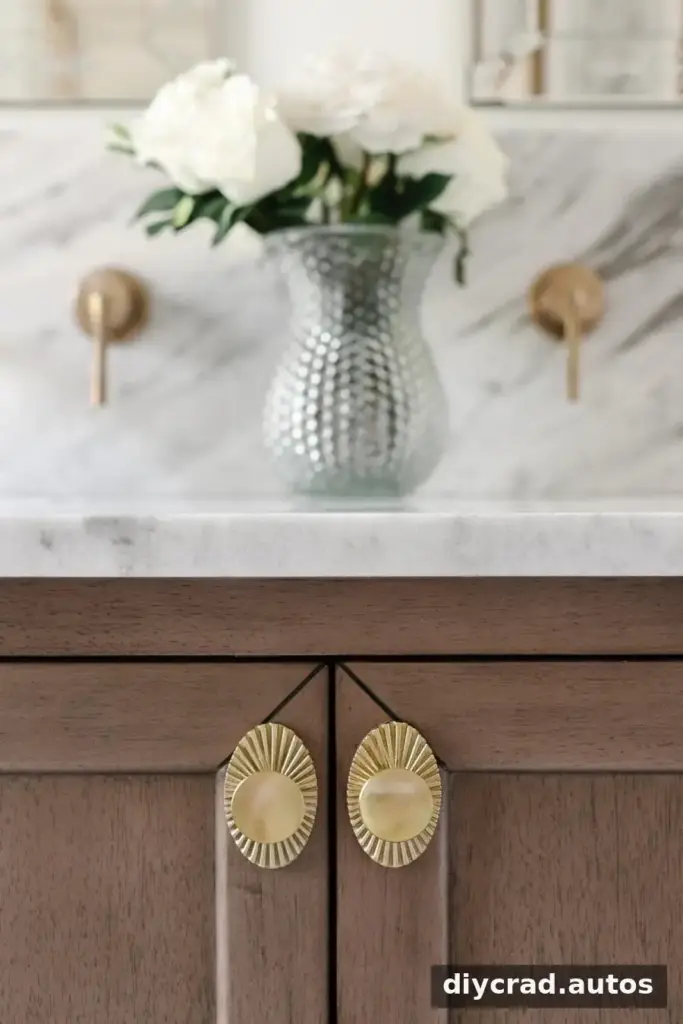
4. Update Cabinet and Door Hardware
Replacing basic knobs, drawer pulls, or doorknobs is a relatively small change with a visible effect. Select finishes that coordinate across the room, while allowing for a little variation where it feels appropriate. Check the existing hole spacing before buying replacement pulls.
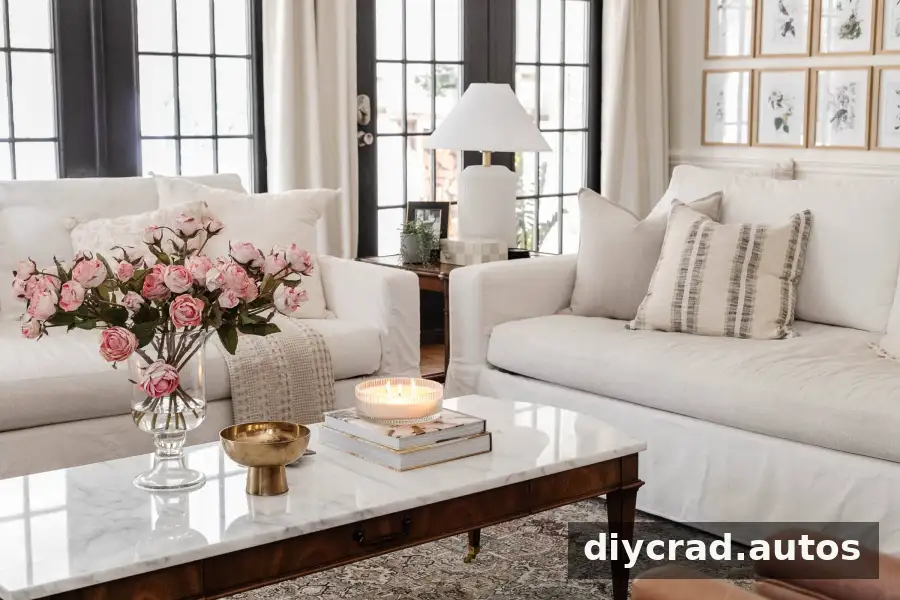
5. Declutter Surfaces
Clearing unnecessary items costs nothing and helps a room feel calmer, especially in a small home. Give everyday belongings a designated storage place, and leave some open space on shelves and counters. A quick edit of visible surfaces can make the items you keep feel more special.
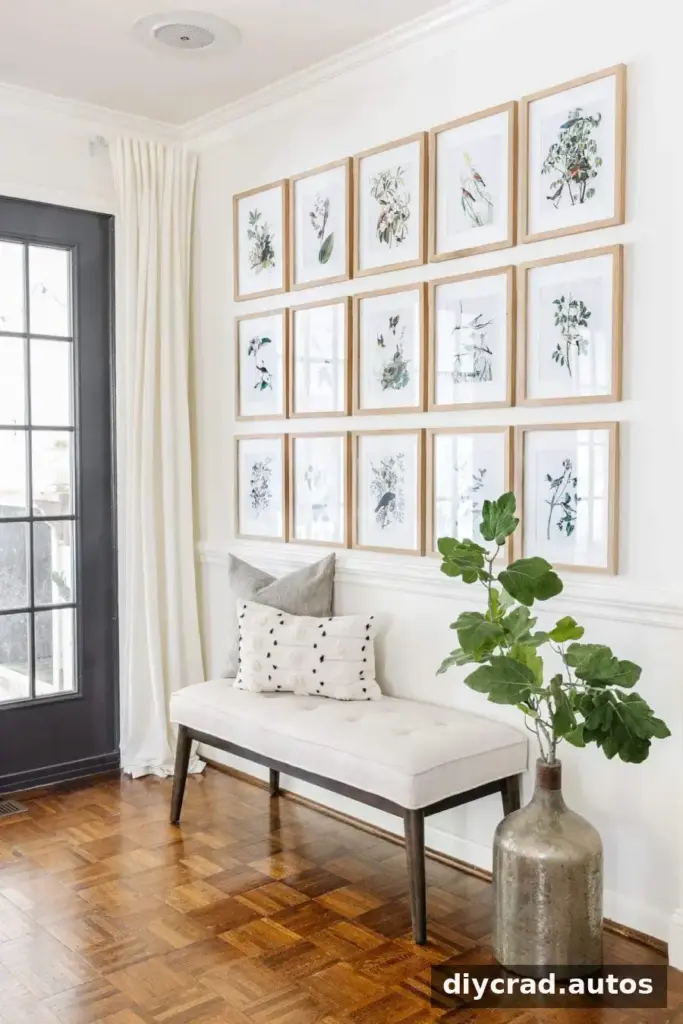
6. Make Gallery Walls More Cohesive
For a streamlined gallery wall, use artwork within a related color palette and frames with similar shapes or finishes. A grid or other simple arrangement can make the display feel orderly. Lay out the pieces on the floor first, then measure the spacing before hanging them.
7. Add Flowers or Plants
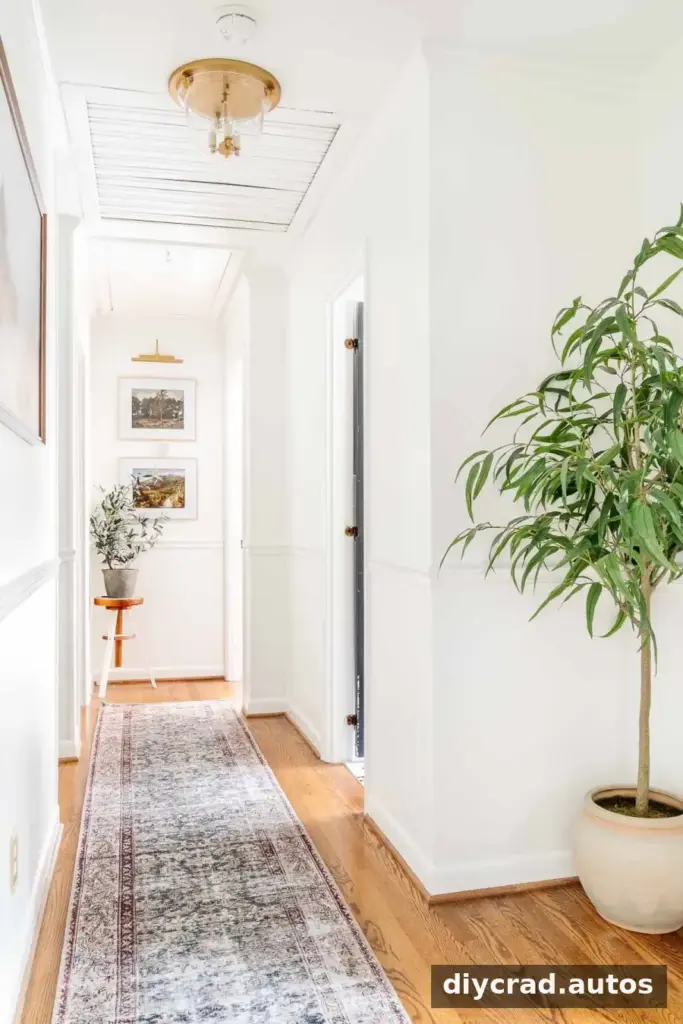
Greenery or flowers bring color and life to a room. Use a plant that suits the amount of available light, and avoid overcrowding surfaces. If live plants are not practical, realistic artificial stems can offer a low-maintenance alternative.
8. Use White Bed Linens
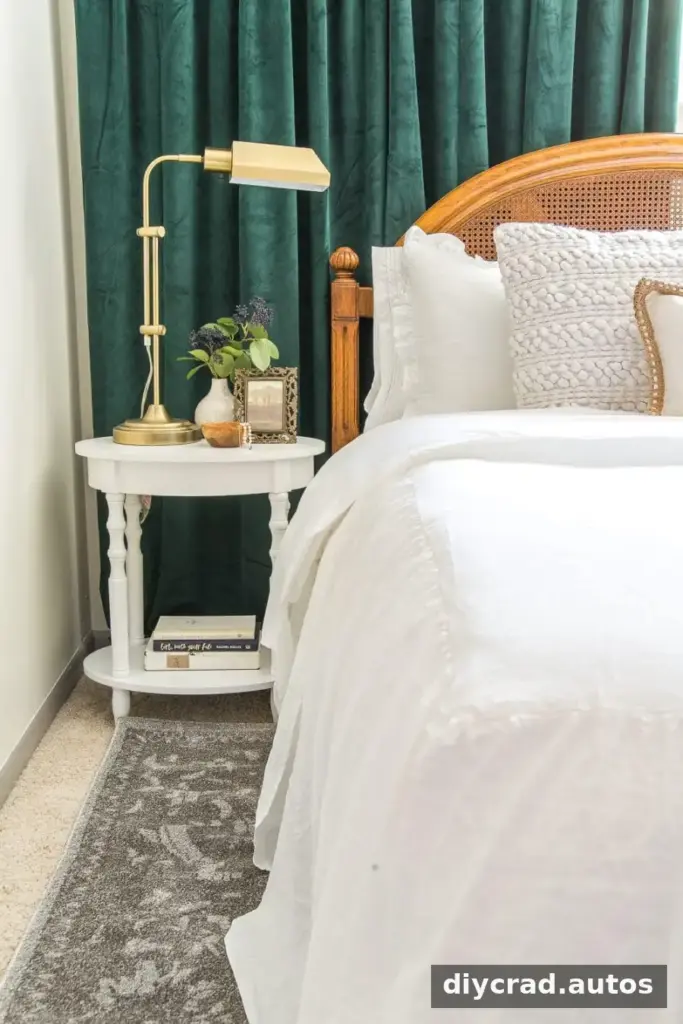
White sheets and duvet covers create a crisp, simple bedroom look and can be easier to coordinate with changing decor. Check washing instructions before buying, and choose a fabric and weave that feel comfortable for your needs. Layering a textured blanket can add warmth without making the bed look busy.
9. Choose White Towels
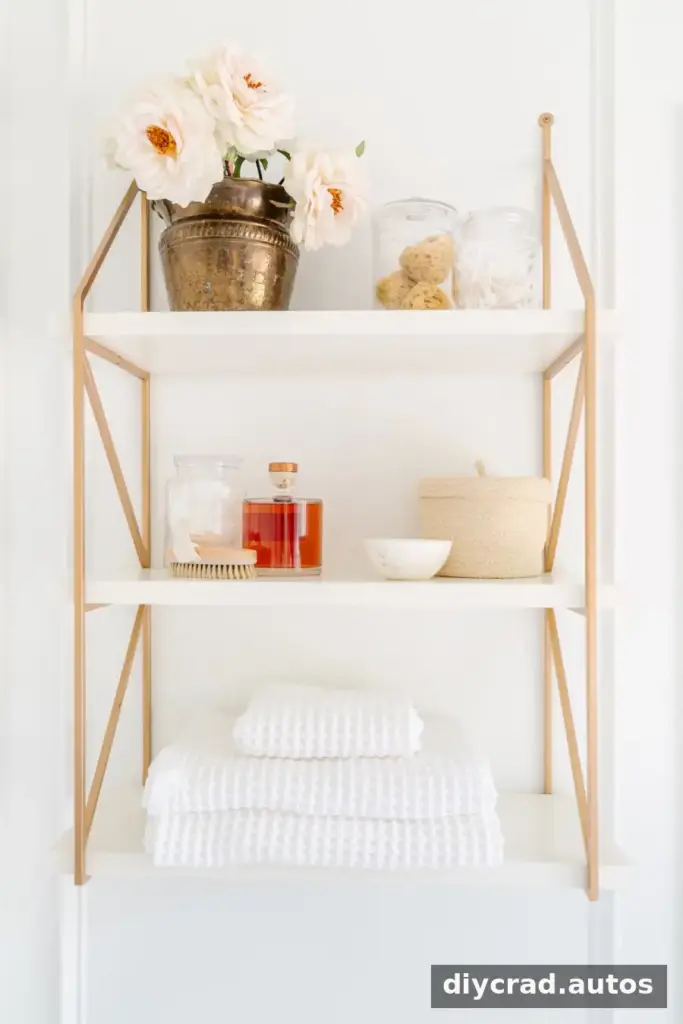
White towels can give a bathroom a clean, spa-like feel and are easy to coordinate with different color schemes. Wash them according to their care labels and keep a separate set for guests if that suits your household. A neat stack or simple basket helps the room feel organized.
10. Hang Curtains High and Wide
Positioning curtain rods above and wider than the window frame can make windows appear larger and ceilings feel taller. Choose panels long enough to reach the floor, where the hem can just touch or lightly puddle. Before installing the rod, check that the curtains will still open freely and clear nearby furniture.
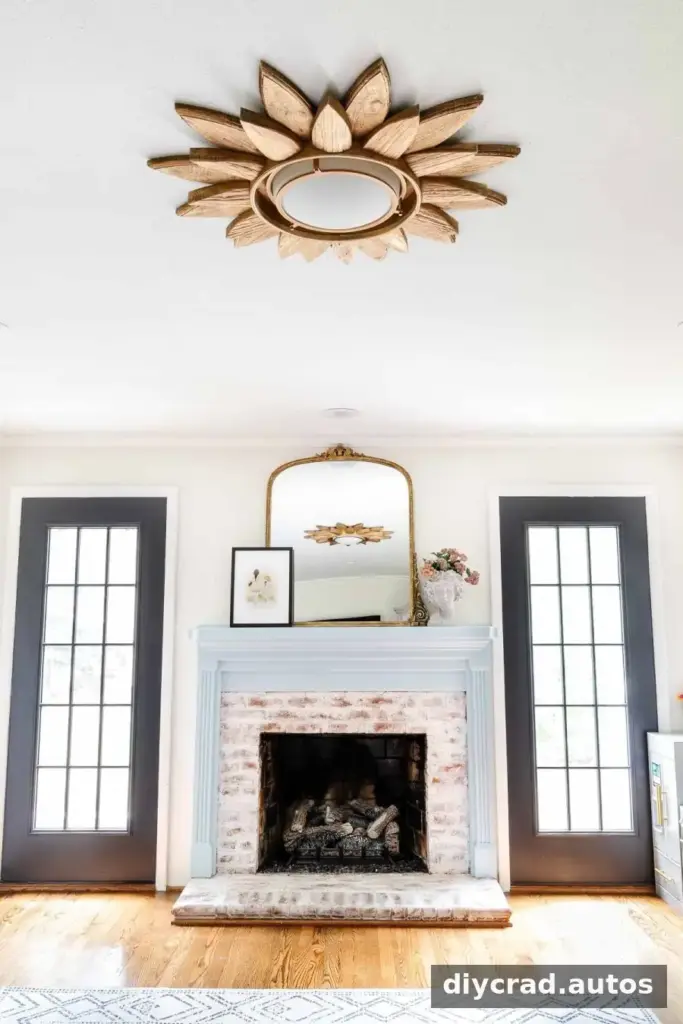
11. Choose Well-Proportioned Light Fixtures
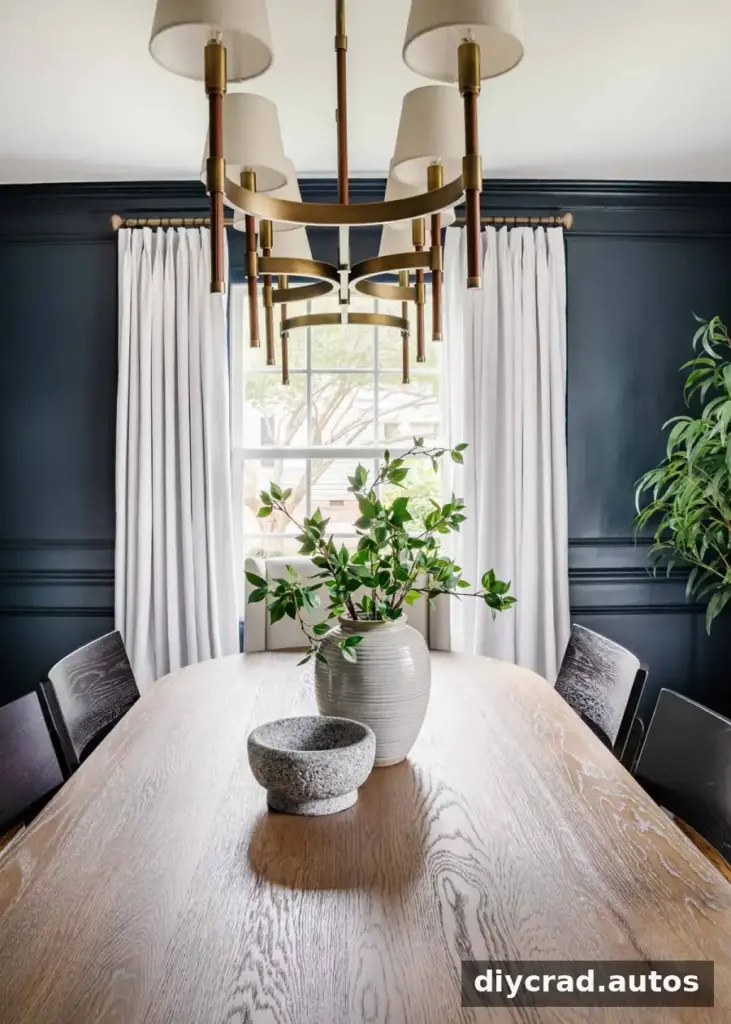
Replacing an outdated ceiling fixture can change the character of a room. Select a fixture that suits the room’s size and ceiling height; a slightly larger fitting can work better than one that looks undersized. Turn off power at the breaker and consult a qualified electrician when a lighting installation is beyond your experience.
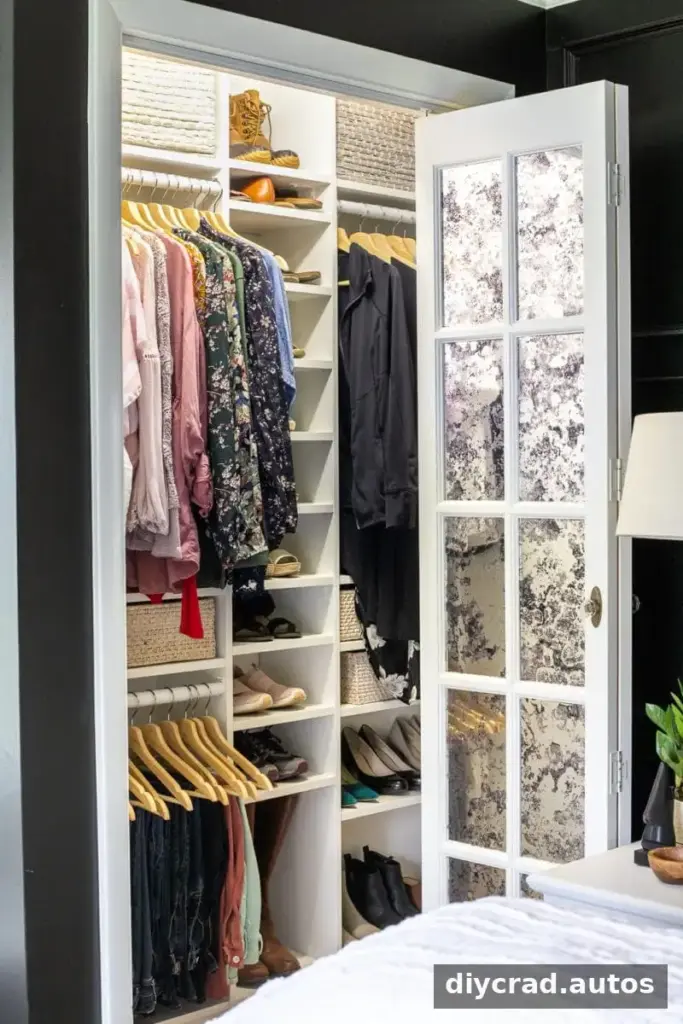
12. Create the Look of Built-Ins
Built-in shelves, window seats, and closets add useful storage and a custom appearance. Modular shelving can be adapted with trim or paint to suit a room without the cost of fully custom carpentry. Secure tall units to wall studs, particularly in homes with children.
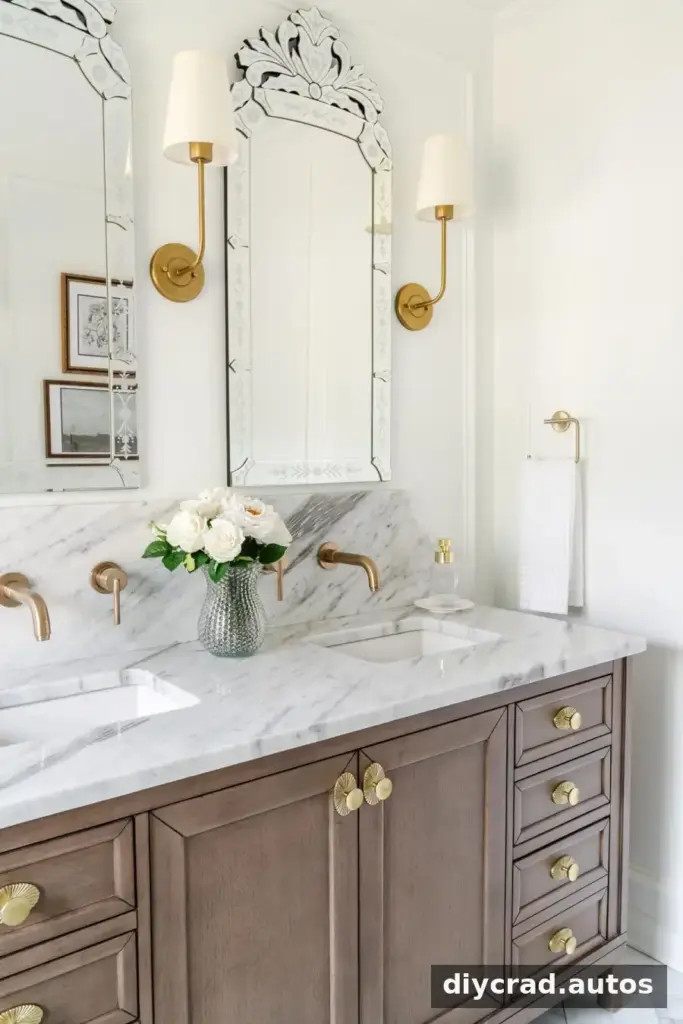
13. Include Natural Materials
Wood, leather, stone, brass, and glass can bring texture and visual depth to a room. Consider secondhand solid-wood furniture or smaller natural-material accents if a full-room update is not in the budget. Check used pieces for damage and clean them with products appropriate to their material.
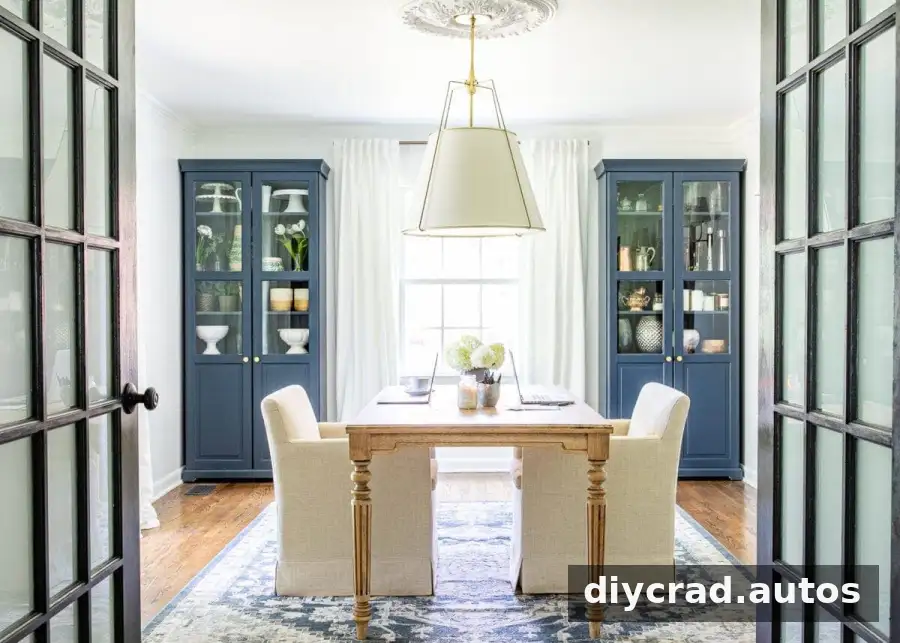
14. Pick the Right Rug Size
A rug that is too small can make a seating area feel disconnected. In a living room, aim for a size that allows at least the front legs of key furniture pieces to sit on the rug. In an open-plan space, rugs can also help define separate areas. Check measurements before purchasing, including the room’s door clearance.
15. Layer Different Types of Lighting
Combining ambient, task, and accent lighting makes a room more flexible and welcoming.
- Ambient lighting: General illumination from ceiling fixtures, chandeliers, or recessed lights.
- Task lighting: Focused light for activities such as reading, cooking, or working at a desk.
- Accent lighting: Softer light from picture lights, sconces, or candles that adds atmosphere.
Use lamps and fixtures to balance light around the room. Dimmers can make it easier to adjust brightness, provided the bulbs and switches are compatible.
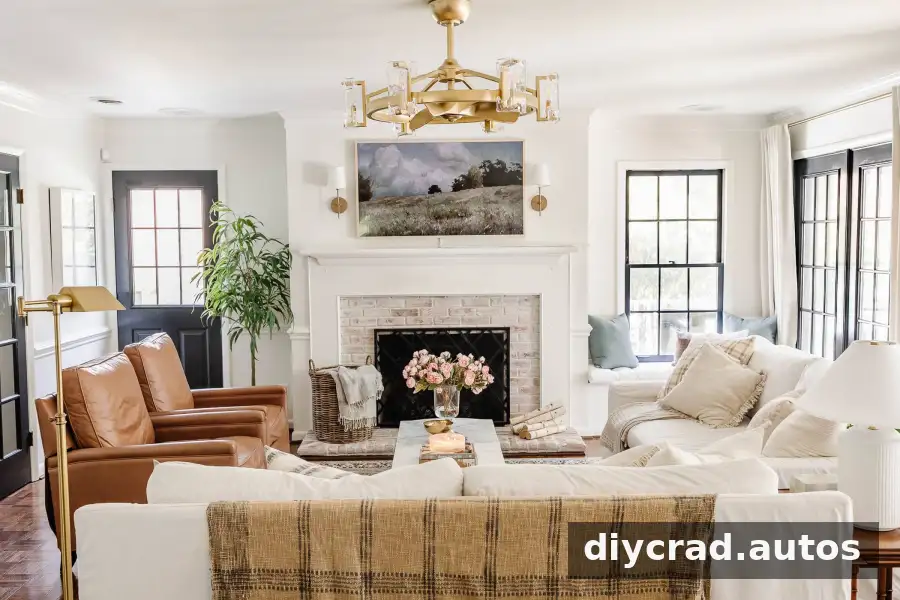
16. Use Fuller Throw Pillows
Down or down-alternative inserts can give sofa and bed pillows a fuller appearance than loosely filled inserts. When the insert is one size larger than the cover, check that the fabric and seams can accommodate it without strain. Clearance and secondhand finds can reduce the cost; inspect used inserts and follow their cleaning instructions.
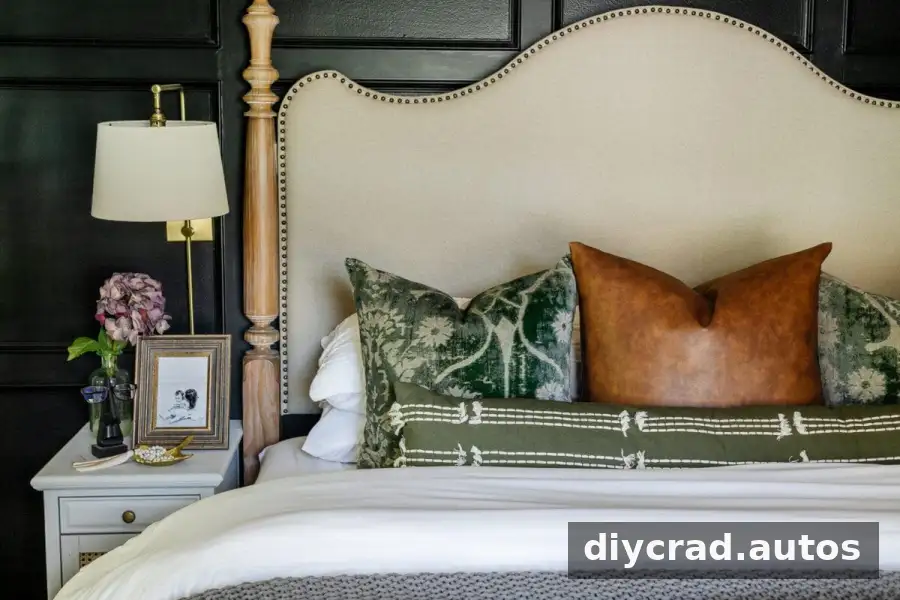
17. Paint Walls and Trim the Same Color
Painting walls and trim in one color creates a continuous, enveloping effect. Extending the color to the ceiling can make the room feel especially cohesive. Test paint samples on more than one wall, and use the right primer and finish for each surface.
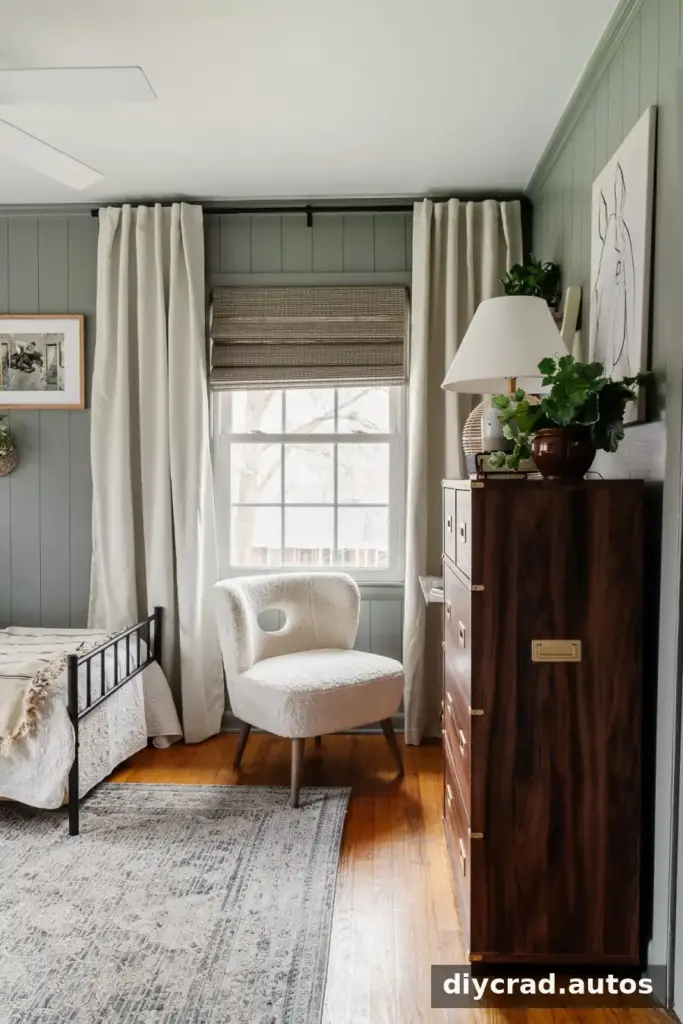
18. Look for Well-Made Secondhand Pieces
Estate sales, flea markets, and secondhand listings can be sources of sturdy furniture and distinctive decor. Look for solid construction, functional drawers, and repairable finishes rather than judging a piece by surface marks alone. Clean or refinish items carefully, and check that older furniture is safe and stable for its intended use.
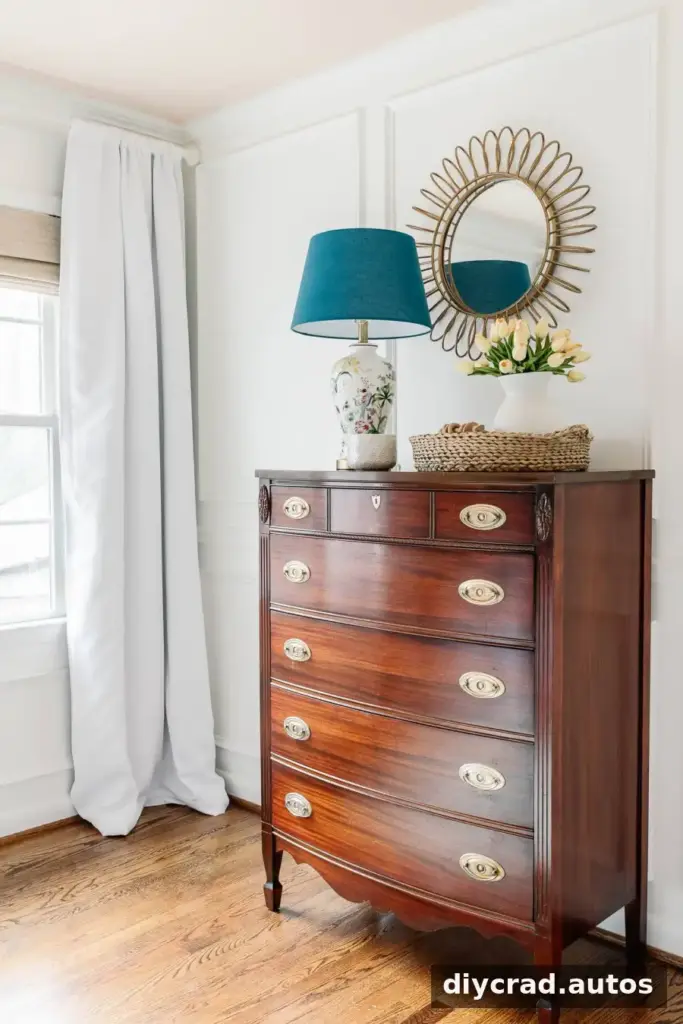
19. Refresh Lampshades
A new lampshade can update an existing lamp without replacing its base. Check the shade’s fitting type and proportions before buying, and choose a material that allows the desired amount of light through. Bulbs around 2700 Kelvin generally produce a warm, cozy tone.
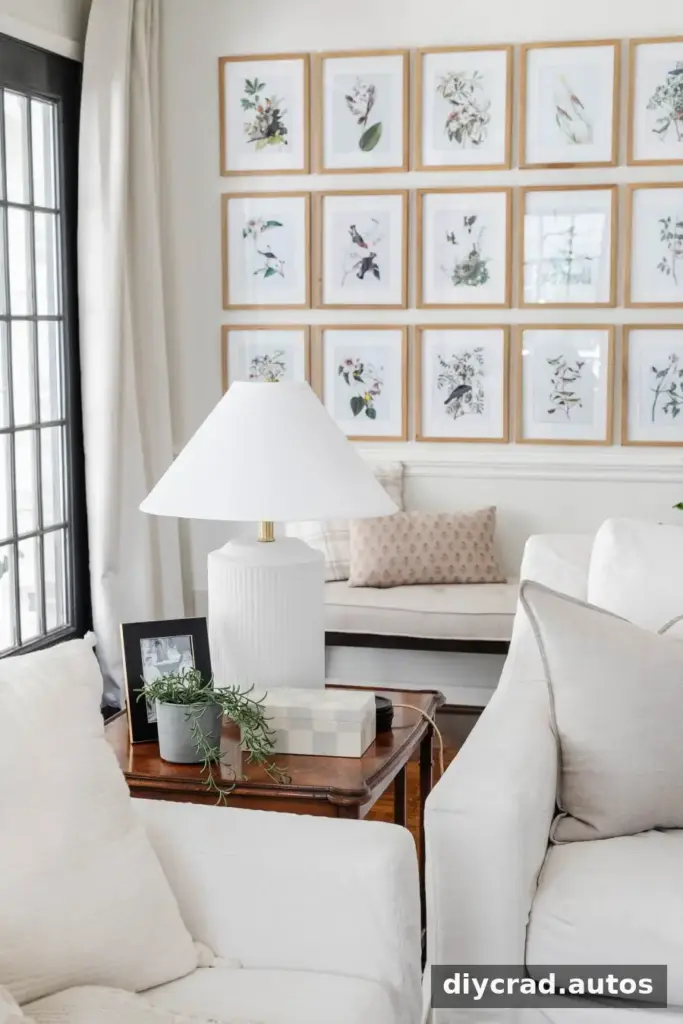
20. Use Neutrals as a Base
Neutral colors on larger items such as walls, curtains, rugs, and furniture can make a room easy to update over time. Add personality with smaller accents, artwork, and textiles that are simpler to replace. This approach can be useful when decorating on a limited budget or when your preferences change.
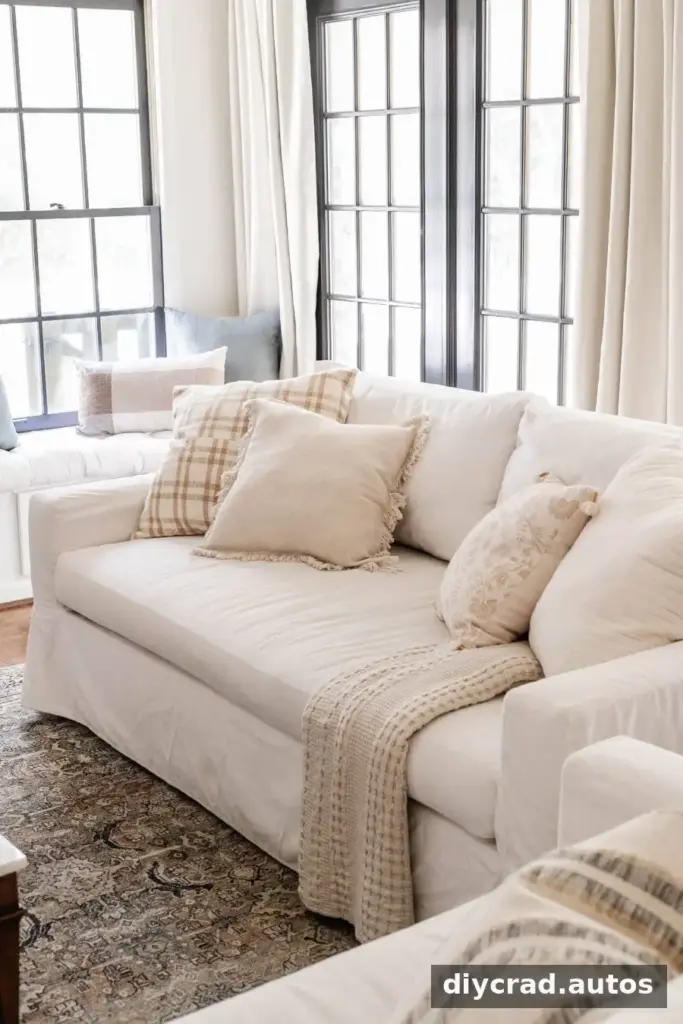
21. Try a Rich, Bold Color
Deep colors such as navy can bring drama and sophistication to a room, whether used on an accent wall or throughout the space. Strong color can be effective when it is used consistently and balanced with suitable lighting and furnishings. Test paint samples in daylight and evening light before committing.
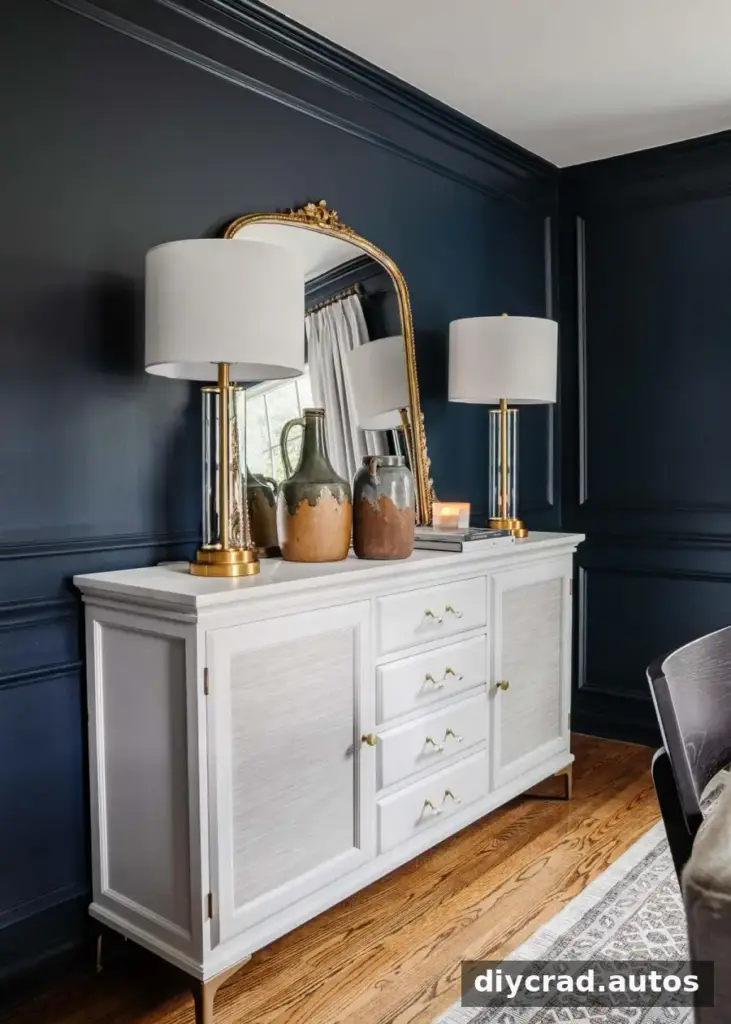
22. Add Mats to Photographs
A wide mat around a photograph or print creates breathing room and gives it a more finished presentation. Some ready-made frames include mats, or you can buy a separate mat for around $5–10. Measure the artwork and frame carefully, and use archival materials for pieces you want to protect over time.
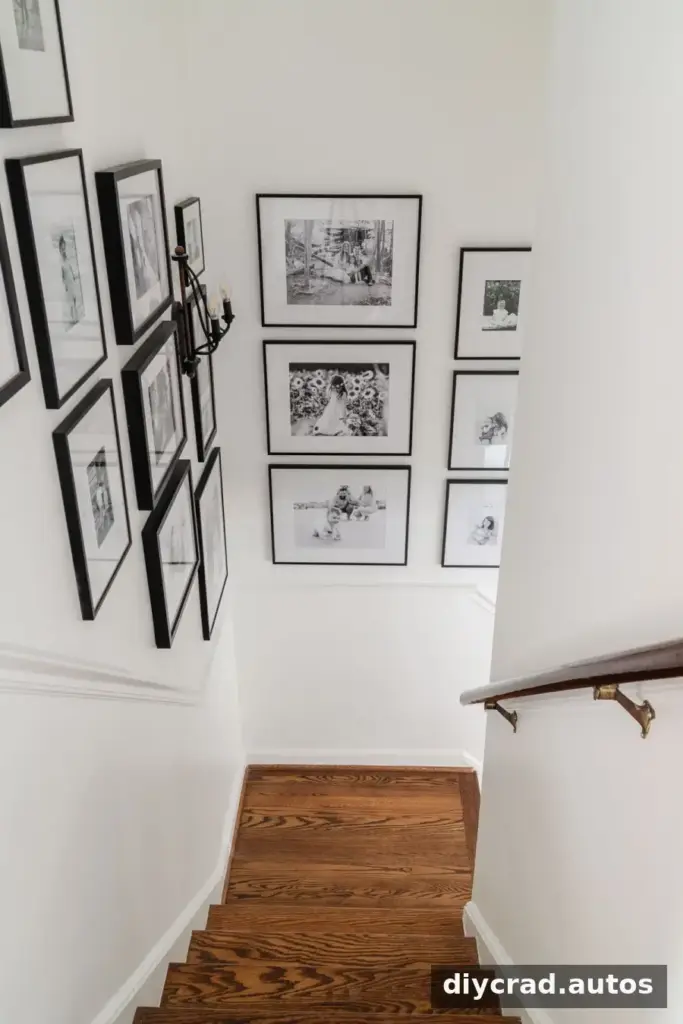
23. Use Wallpaper for a Focal Point
Wallpaper can make a room feel distinctive and tailored. If you are unsure about a permanent pattern, removable wallpaper may be a more flexible option, but check the manufacturer’s instructions and test a small area first. A feature wall can deliver impact while using less material.
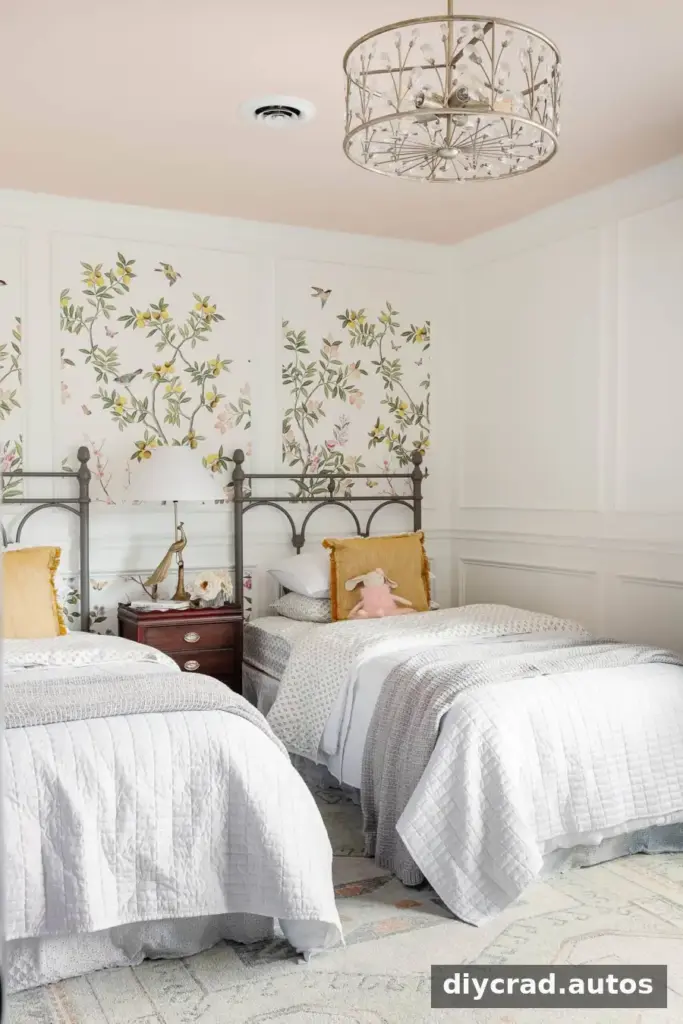
24. Add a Kitchen Backsplash
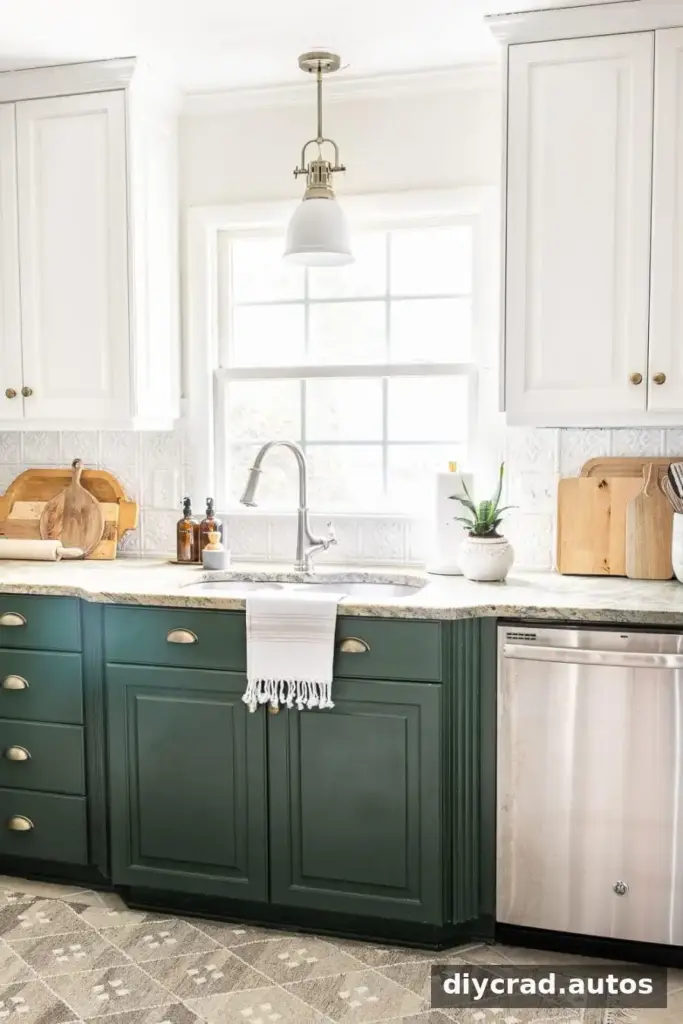
A backsplash can protect the wall behind a counter while adding color and texture to a kitchen. Tile is one option; pressed-tin panels can be an alternative for some projects. Check that any chosen material is suitable for the location, especially near heat or water, and follow installation instructions closely.
25. Pay Attention to Home Fragrance
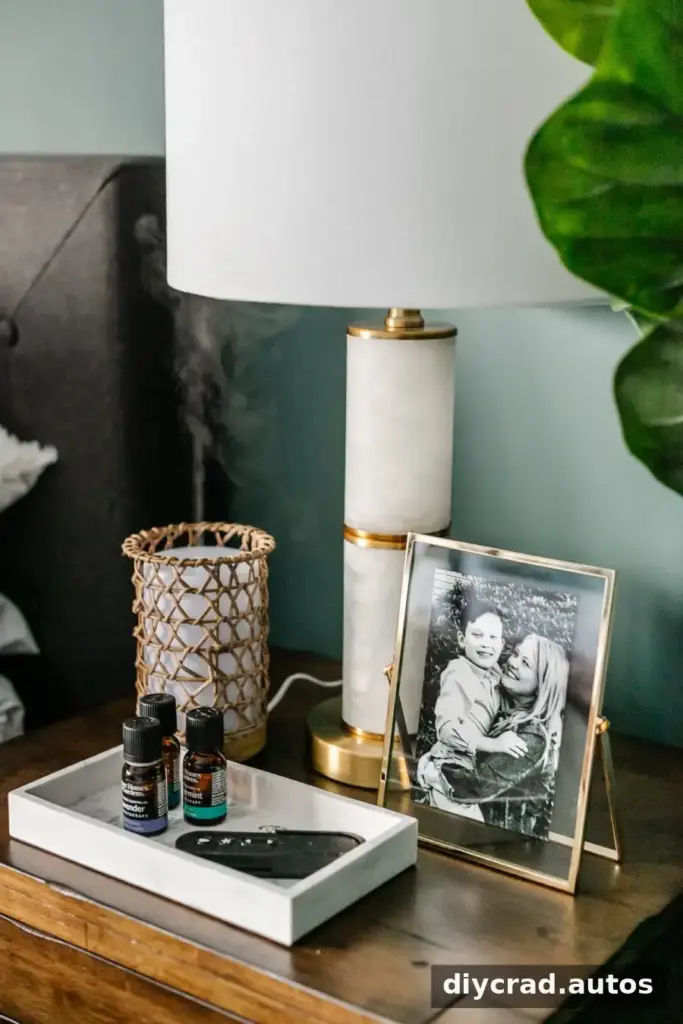
A pleasant, subtle scent can contribute to a welcoming home, but fresh air and cleanliness matter most. Ventilate rooms and address the source of persistent cooking or musty odors rather than masking them. If using candles, wax melts, or diffusers, follow safety directions and keep them away from children and pets.
26. Mix Furniture Instead of Buying Matching Sets
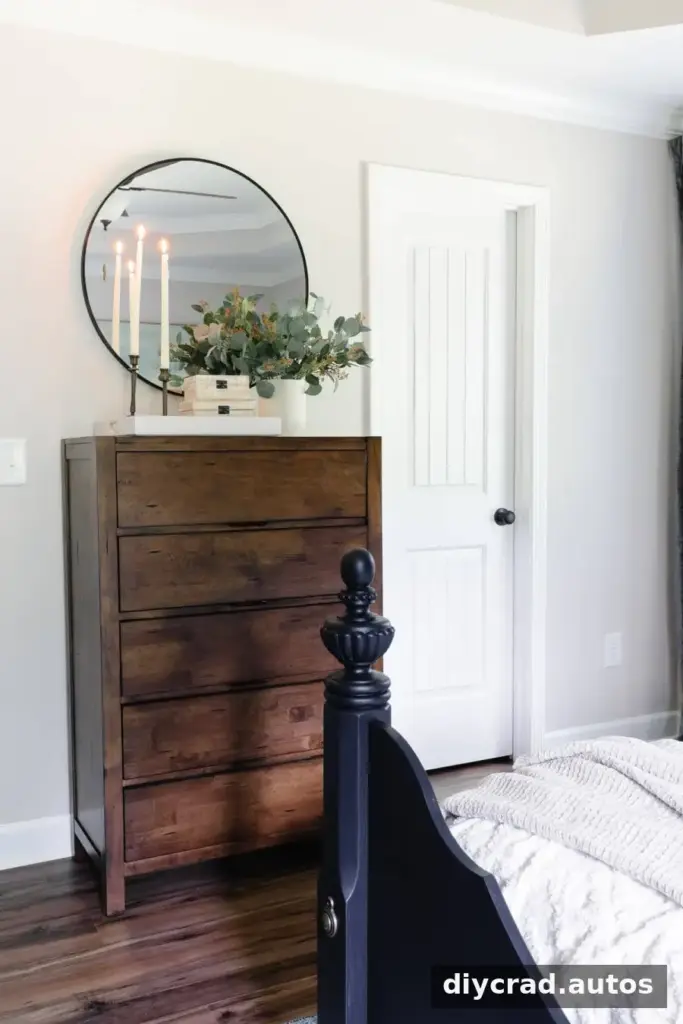
Furniture does not need to come as a matching set to feel cohesive. Combine pieces with a shared color, material, or style while varying their shapes and finishes. Moving a dresser or side table from another room can be a no-cost way to try a new arrangement.
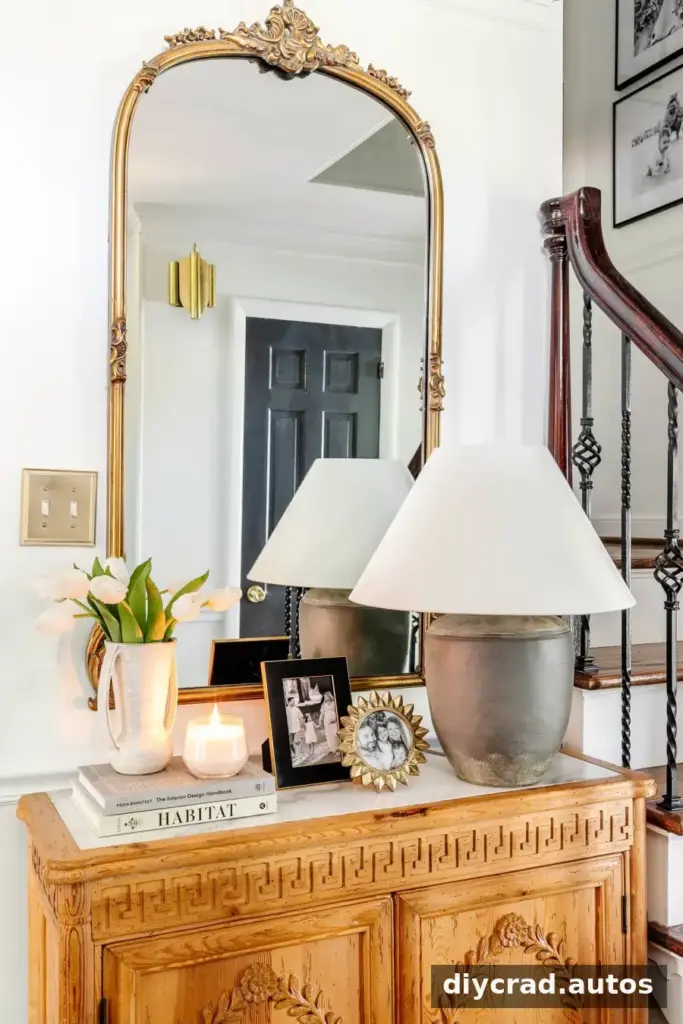
27. Use a Large Mirror to Reflect Light
A mirror placed opposite or near a window can help bounce daylight into a darker area and make a room feel more open. Choose a size that suits the wall and secure heavier mirrors using appropriate fixings. Avoid placing a mirror where it creates distracting glare.
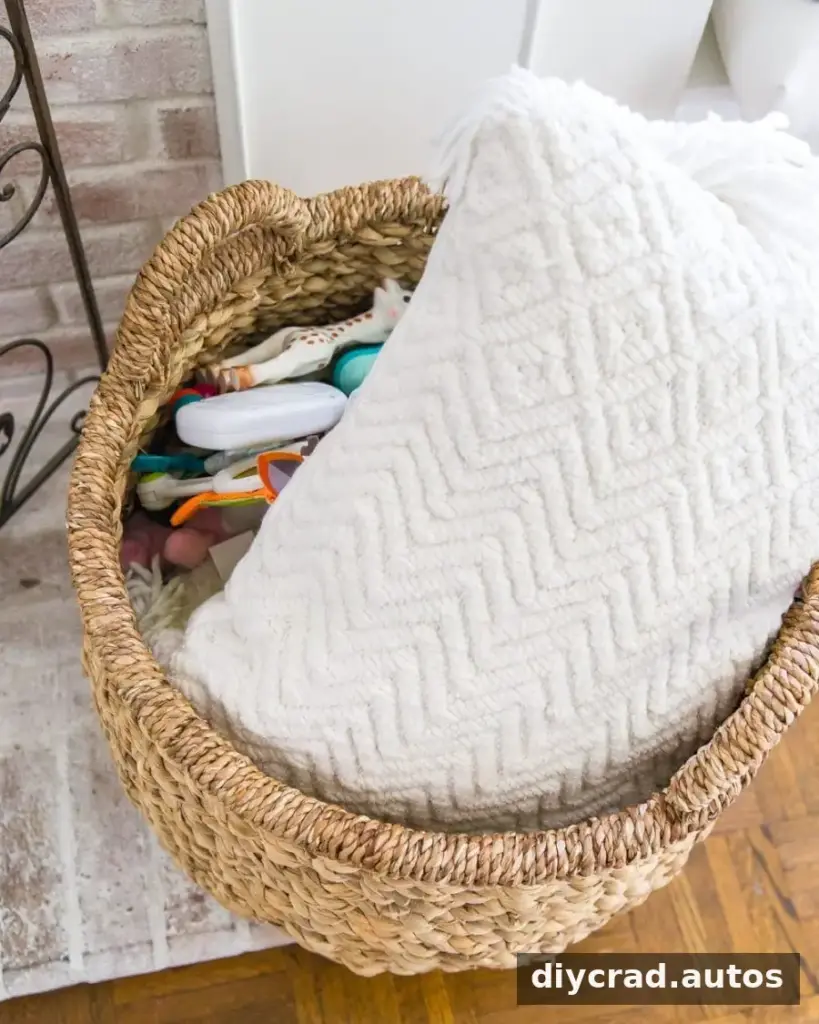
28. Store Toys in Bins or Cabinets
Baskets, bins, closets, and cabinets make it easier to clear toys away after playtime. Choose storage that children can reach safely and label containers to simplify tidying. Keeping a few favorite toys accessible can make the system practical rather than overly restrictive.
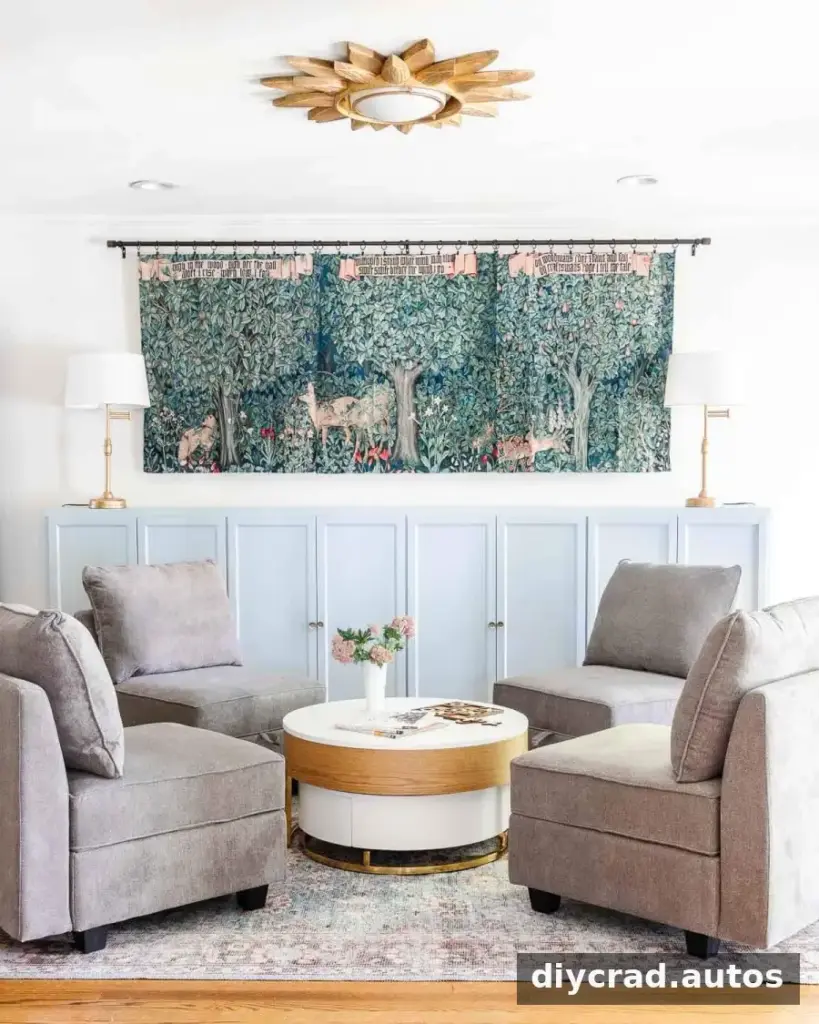
29. Add Vintage Finds
Mixing vintage objects with newer furnishings can give a room a sense of character and history. Look for small decor, frames, or furniture that suits the room and does not require costly repairs. A single distinctive piece can have more impact than filling shelves with many unrelated items.
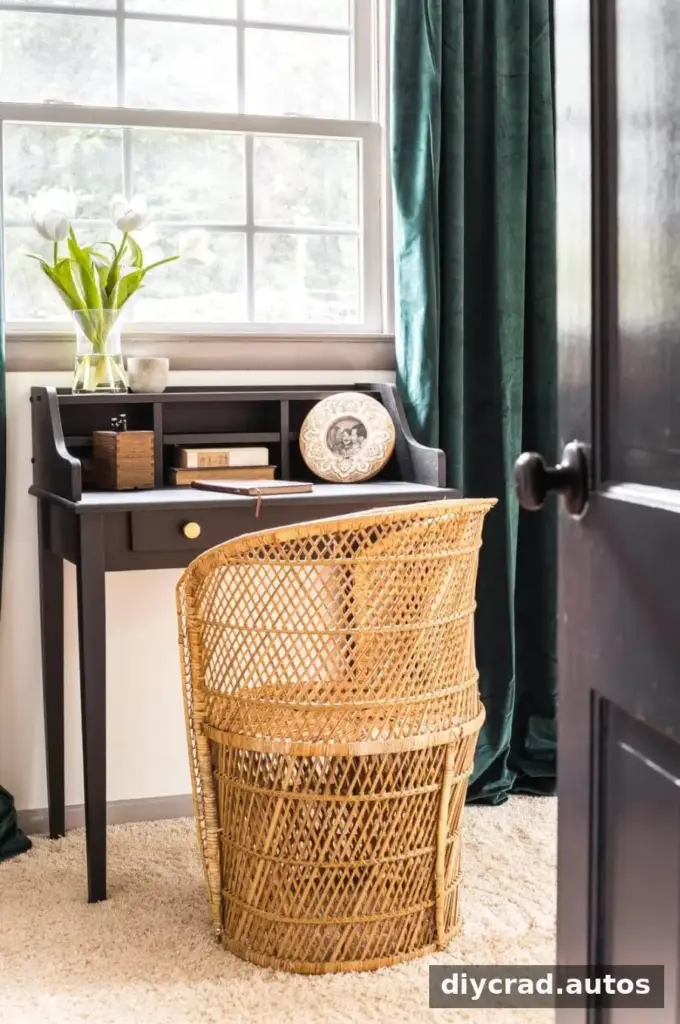
30. Make Everyday Items Look Intentional
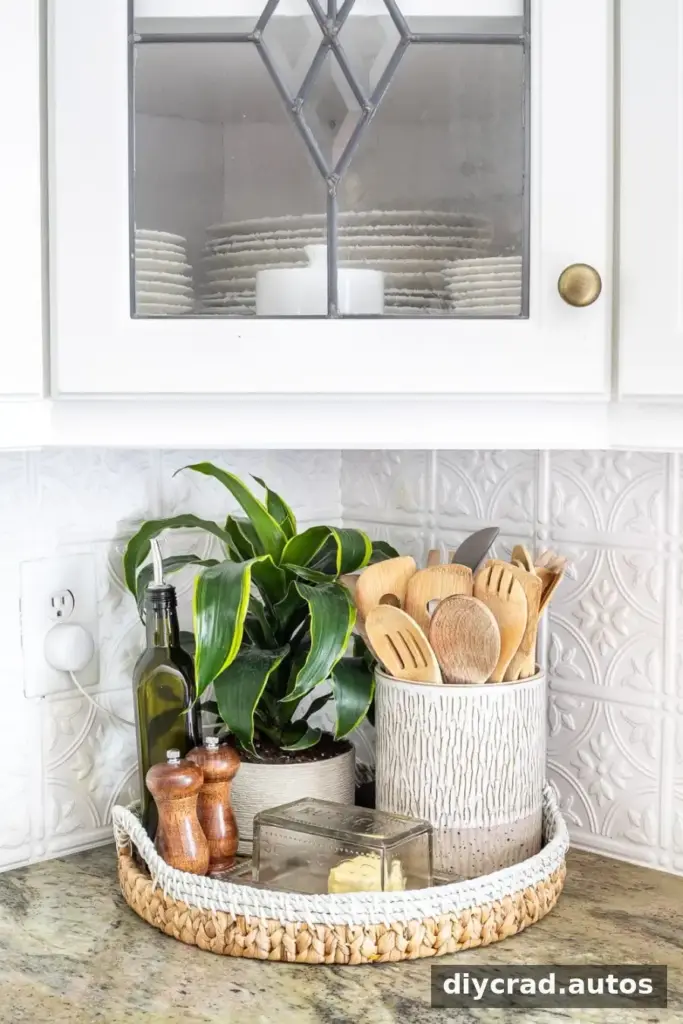
Small household items contribute to the overall appearance of a room. Refill a glass soap dispenser, keep cooking utensils in an attractive container, or store cotton swabs in a lidded jar. Choose containers that are easy to clean and practical for daily use; reducing visible packaging can also make surfaces feel less cluttered.
Final Thoughts
To make your house look expensive on a budget, focus on a few changes that improve how a room looks and functions: clear clutter, use suitable lighting, pay attention to scale, and mix materials thoughtfully. Start with the updates that solve an everyday problem, then add decorative details gradually. A home feels most polished when it is organized, comfortable, and personal—not simply filled with costly items.

