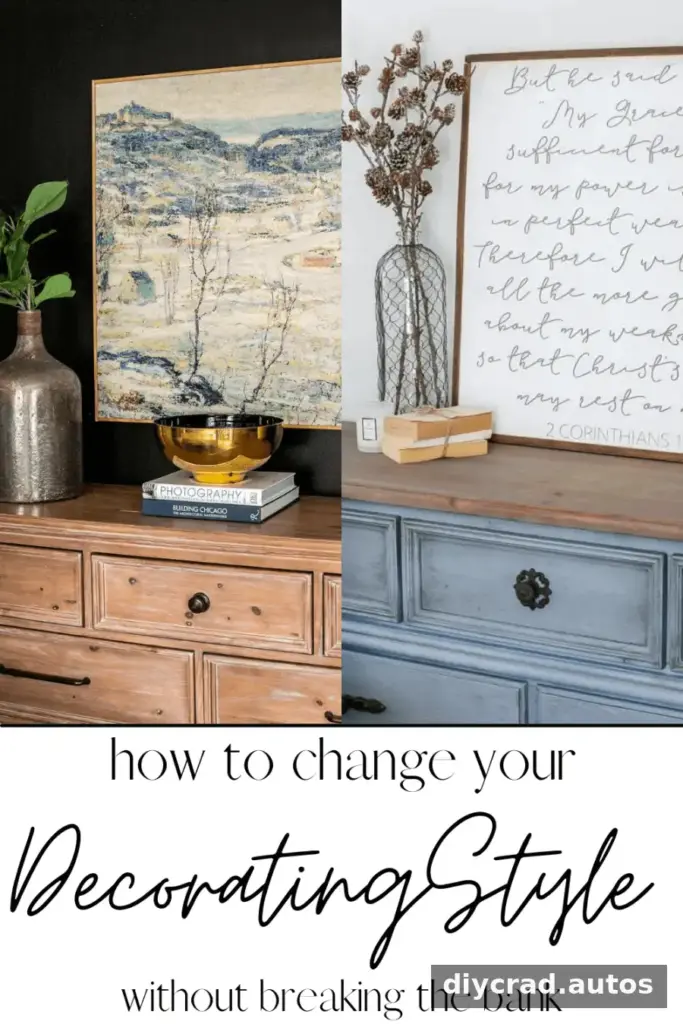
Choosing to transition away from farmhouse style does not mean the style was a mistake or that you need to replace everything at once. Your home should reflect what feels comfortable to you, and decorating preferences can change over time. With a clear plan, you can update your rooms gradually, reuse pieces you already own, and avoid spending on decor that does not fit your new direction.
A thoughtful transition is less about removing every farmhouse detail and more about deciding what still works, what can be refreshed, and what should make way for something new. These eight steps can help you make changes at a manageable pace.
How to Transition Away from Farmhouse Style
1. Identify the decorating style you want next
Before buying anything, consider what you want your rooms to feel like and which colors, materials, and shapes appeal to you now. Save examples that consistently catch your eye, then look for patterns. You may find that you prefer cleaner lines, traditional details, brighter colors, or a mix of several styles.
Knowing your direction makes it easier to assess purchases and reduces the risk of spending money on items that do not work together. A useful tip is to describe your desired room in a few words, such as calm, colorful, and classic, before making a shopping list.
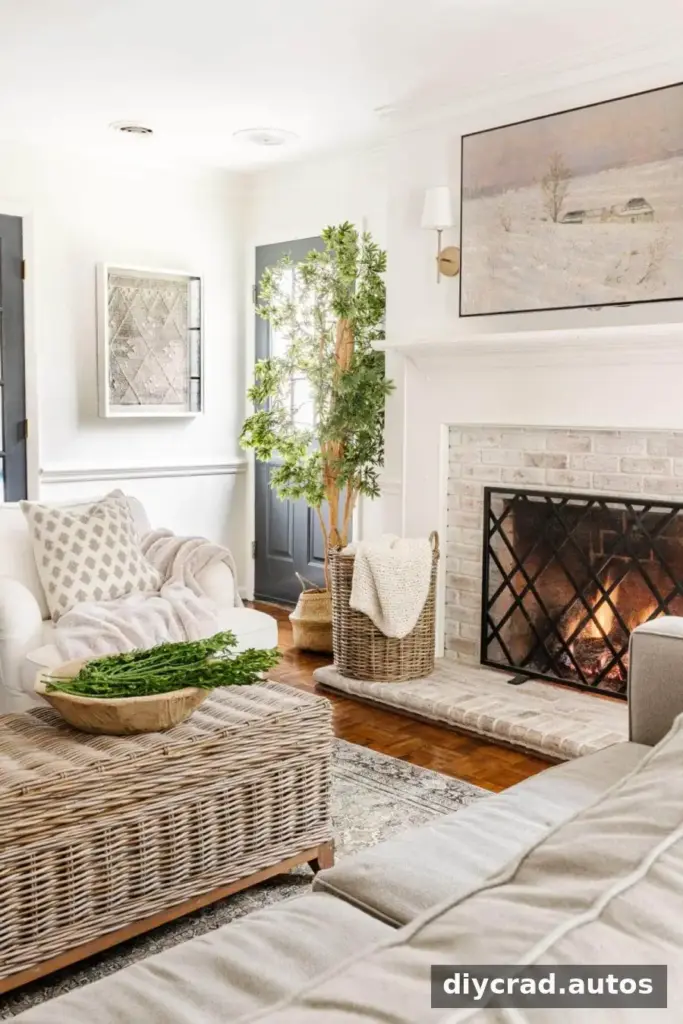
2. Take inventory of your current decor
Walk through each room and note the pieces that no longer feel right. These might include distressed furniture, galvanized metal accents, wooden word signs, reclaimed architectural details, rugs, or graphic throw pillows. Separate items you still enjoy from those you are ready to change.
Try not to make decisions based only on whether an item is currently fashionable. Ask whether it suits your home, serves a purpose, or has a look you still appreciate. This helps you avoid discarding useful pieces simply because your overall style is changing.
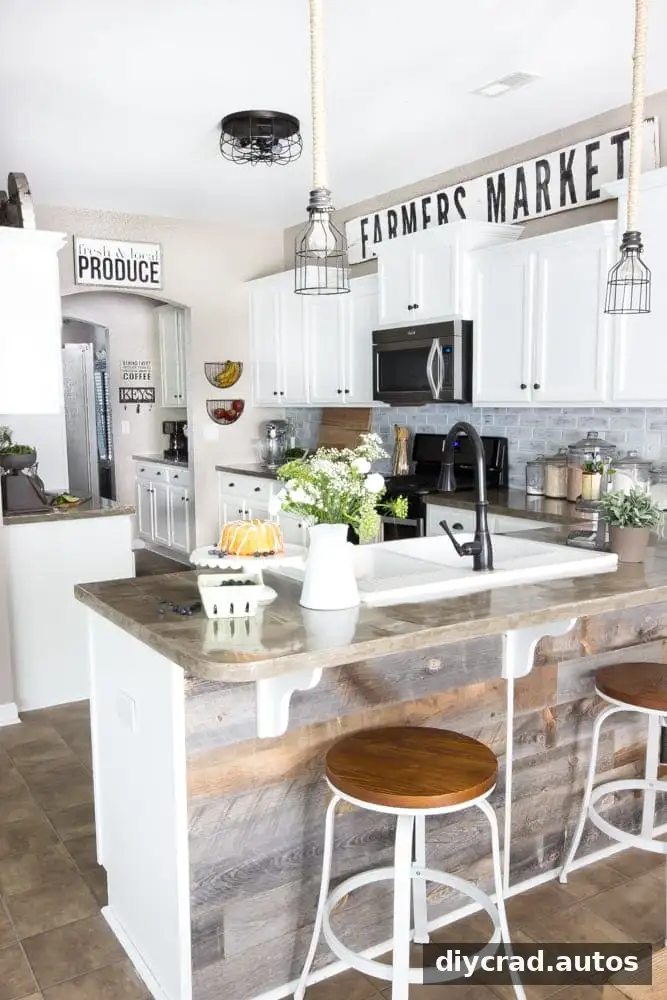
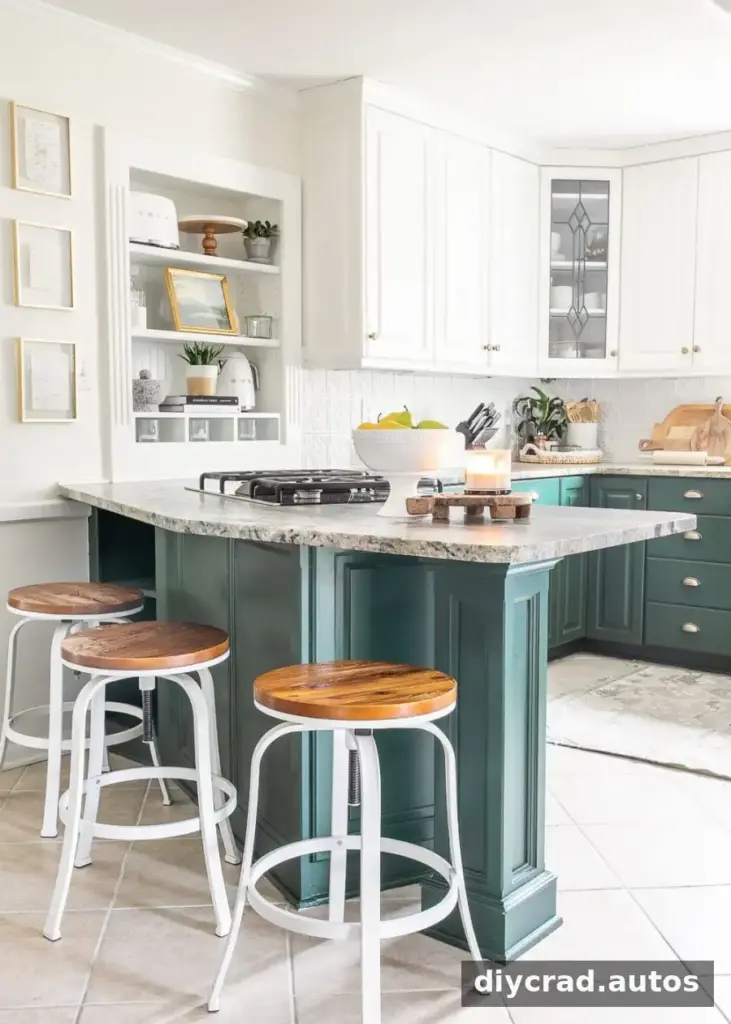
A room can evolve through a few focused updates. For example, changing cabinet color or replacing several decorative accents may shift a space toward a more classic, contemporary look without requiring a complete renovation.
3. Decide what can be repurposed
Before selling or donating an item, consider whether a simple update could help it fit your new style. Repurposing often costs less than replacing furniture and accessories, and it can prevent usable items from going to waste.
- Refresh distressed furniture: A new coat of paint can give a piece a cleaner, more contemporary appearance. Prepare the surface properly and choose a finish suited to the furniture’s material and intended use.
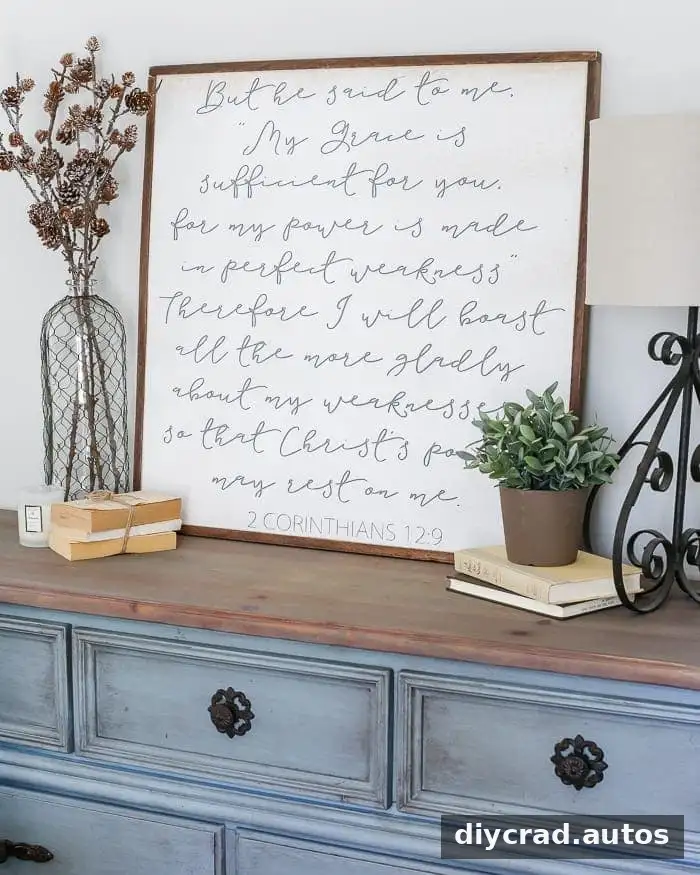
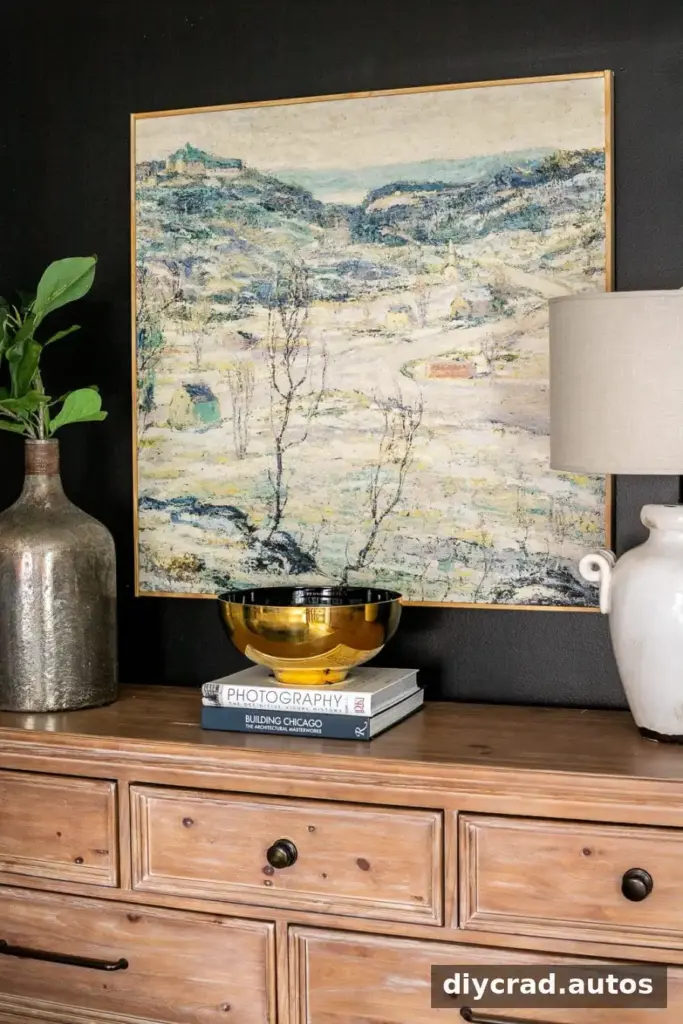
- Update word art: A frame or sign may be reusable if you replace its message or artwork with an image that better suits your current taste.
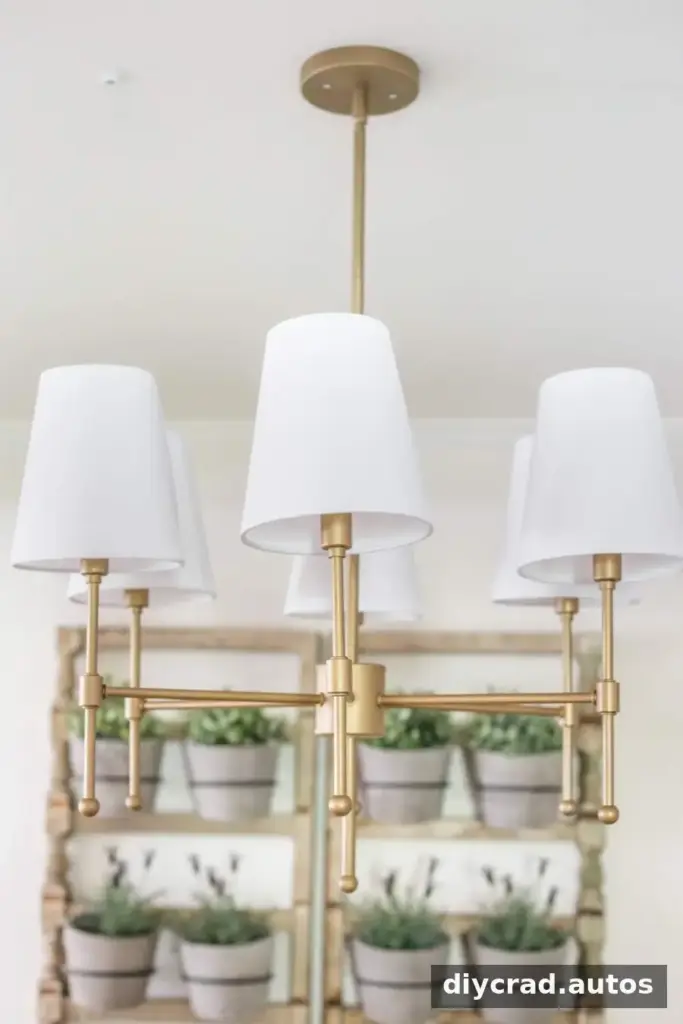
- Change a light fixture’s appearance: Depending on its construction, a fixture may work with a new shade or an appropriate finish. Follow the manufacturer’s instructions and switch off power before handling electrical components; hire a qualified professional when needed.
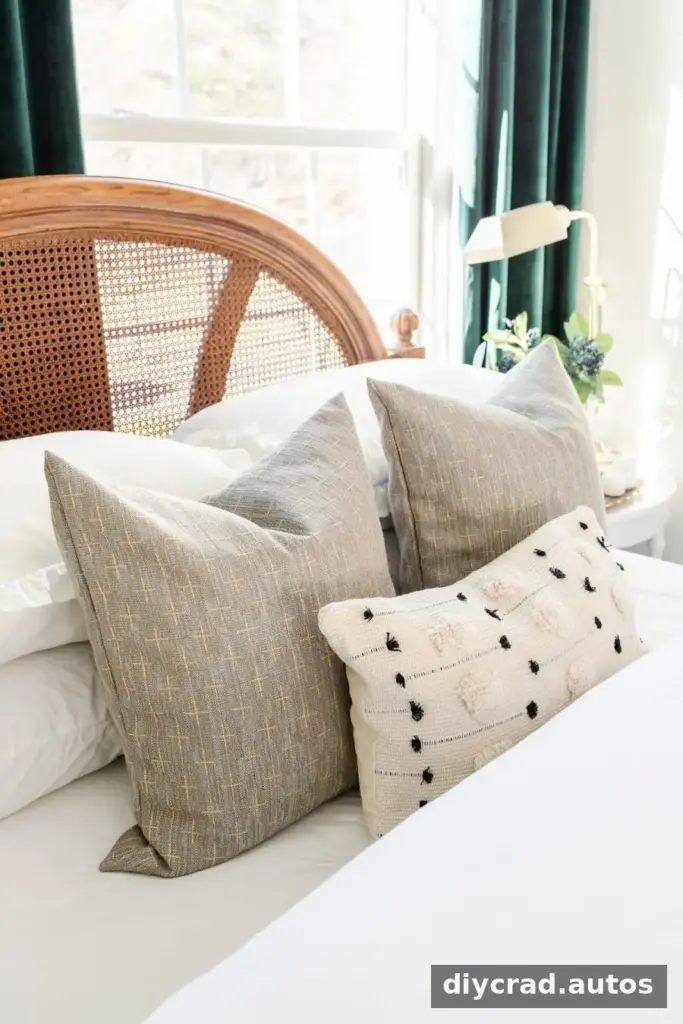
- Reuse pillow inserts: New covers can change the color and pattern of existing cushions at a lower cost than buying complete replacements.
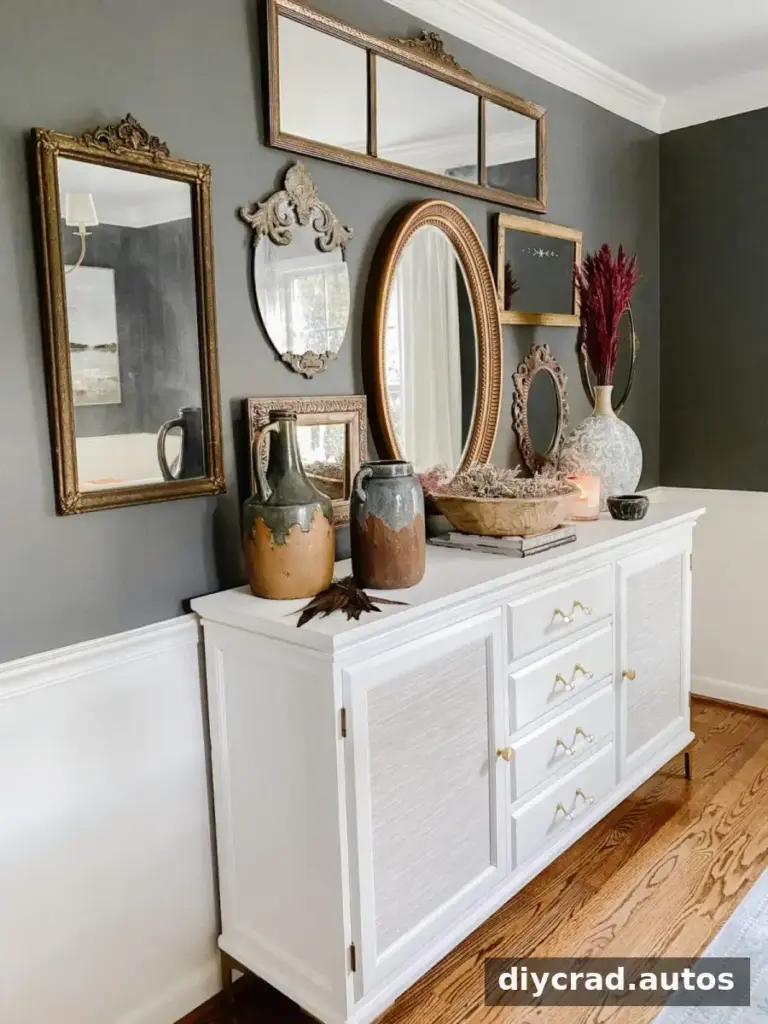
Test changes on a small area or with a temporary arrangement first. You may discover that a piece you planned to remove works well after a modest update.
4. Sell or pass on pieces you will not reuse
For items in good condition that cannot be repurposed, consider a yard sale, a local resale marketplace, or donating them. Take clear photographs, describe the condition honestly, and check that the item is safe and complete before offering it to someone else.
If you sell decor, set the proceeds aside for your transition. Waiting before buying replacements gives you time to confirm what the room actually needs.

5. Give the room time to breathe
After removing pieces that no longer suit you, a room may feel sparse for a while. That is not necessarily a problem. Open wall space and uncluttered shelves can make it easier to see the room’s proportions and decide which gaps genuinely need to be filled.
Live with the simpler arrangement for a few days or weeks if practical. Notice how you use the space, where lighting is lacking, and whether a surface needs an item for function or merely out of habit.
6. Collect ideas for each room
Create a separate inspiration collection for each room, using saved images, color samples, or notes. Grouping ideas helps you identify recurring materials and colors while keeping each room’s needs in view. A simple mood board can also show whether proposed pieces are likely to work together.
Include practical details, not just attractive images: room dimensions, existing furniture, natural light, and the amount of storage you need. This makes inspiration more useful when you compare real products.
7. Start with one or two larger pieces
When you are ready to buy, begin with one or two substantial items that establish the direction of the room. A rug, a large piece of art, or a light fixture can have more visual impact than several small accessories. Choose a size and color that suit the room rather than buying something simply because it is in style.
Place the item in the room and live with it before adding more. If it supports the look you want, use it to guide later choices. If it feels out of place, pause and reconsider before making additional purchases.
8. Build around versatile classics
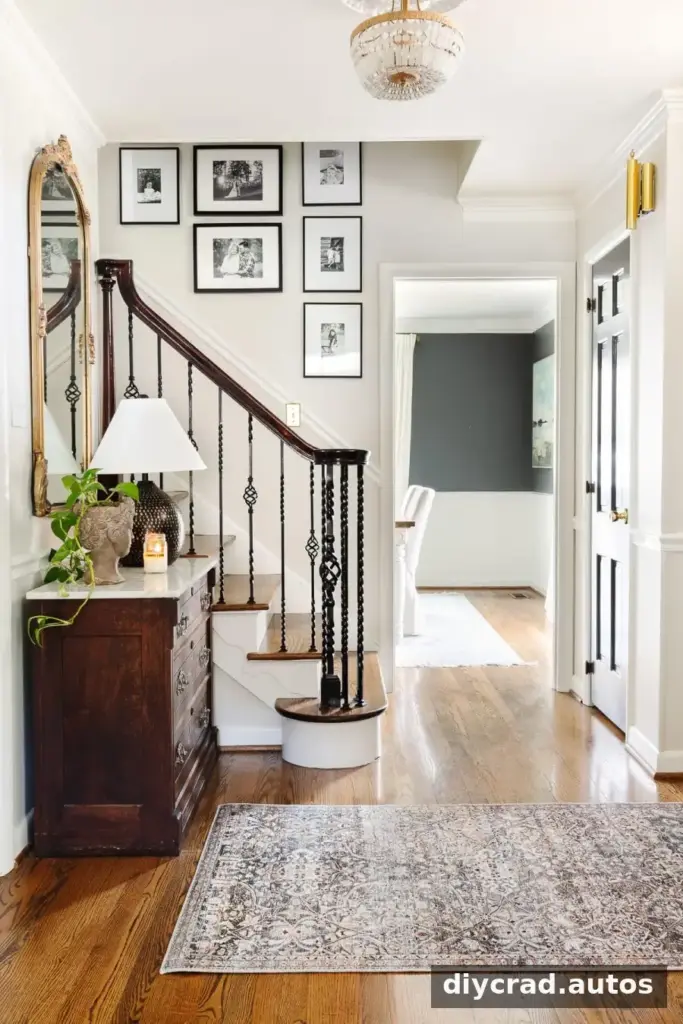
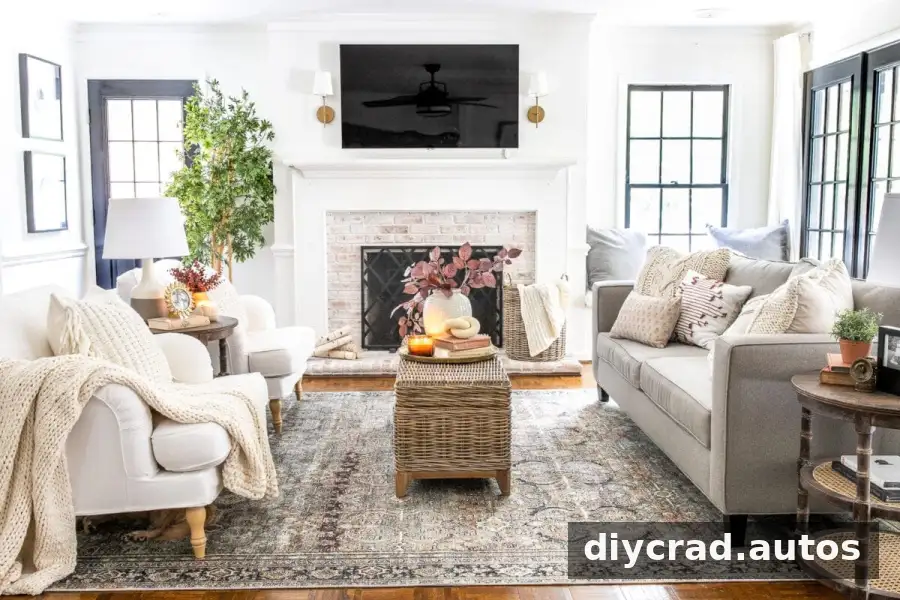
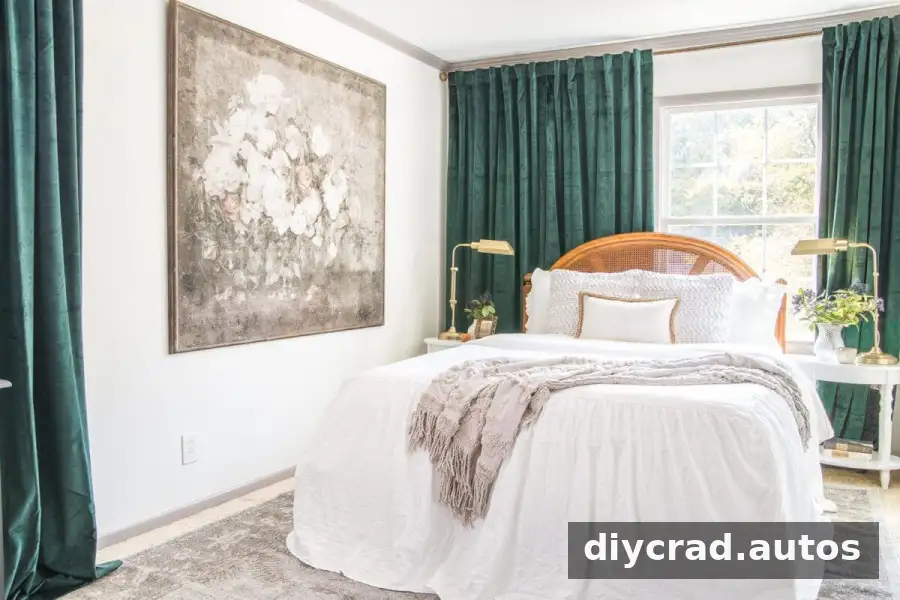
Timeless, adaptable pieces can help a home feel cohesive even as tastes change. Consider items such as solid curtain panels, natural woven baskets, black-painted furniture, marble accents, stripes, navy blue details, Oriental or Persian-style rugs, Venetian or brass mirrors, bentwood or Windsor chairs, clean white bedding, furniture with simple lines, and real houseplants.
Use these as options rather than a checklist. Choose materials and colors that suit your household, maintenance preferences, and budget. For example, plants need suitable light and care, while rugs should be sized for the furniture layout and the room’s traffic.
Make the transition at your own pace
To transition away from farmhouse style successfully, begin with a clear idea of what you want, take stock of what you own, and update or rehome pieces thoughtfully. Leave room for experimentation, buy gradually, and prioritize items that work well in daily life. Your home does not need to follow a single trend; the most useful decorating choices are the ones that make the space feel comfortable and personal to you.