


Hanging picture frames can look simple, but small mistakes in height, spacing, scale, or hardware can make a room feel unbalanced. A few reliable measurements can help you plan a single artwork or gallery wall before making holes in the wall.

Use the guidance below as a starting point, then consider the room, furniture, and people who use it. Planning the layout on paper—or with paper templates on the wall—makes it easier to adjust the arrangement before you install anything.
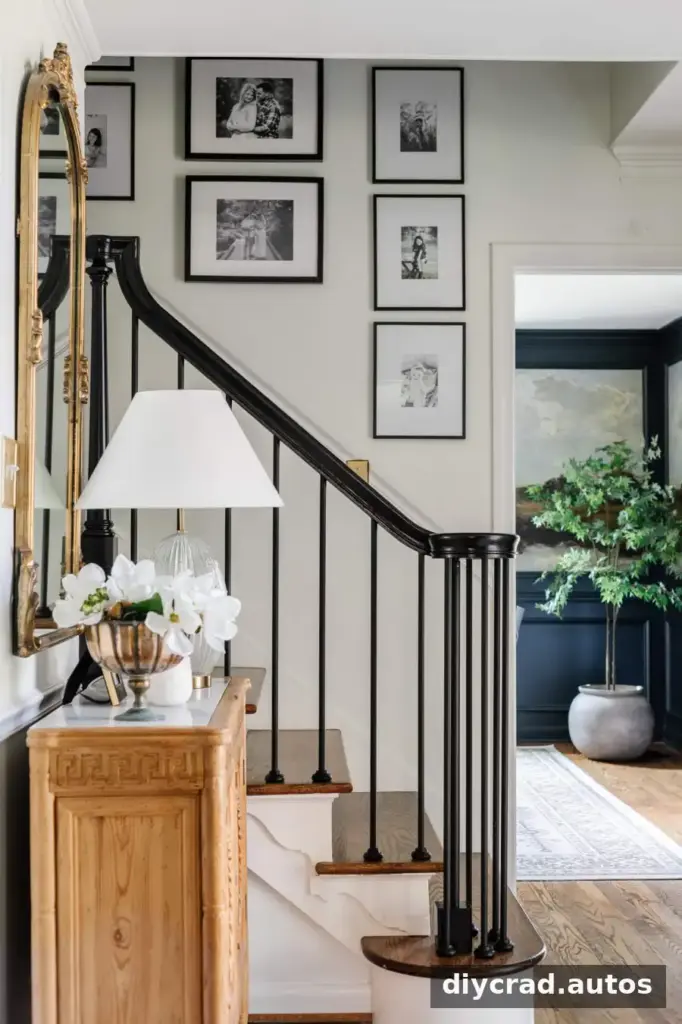
Common Mistakes When Hanging Picture Frames
These five common issues can affect both the appearance and safety of a display. Measure carefully, use suitable fixings, and check that each frame is secure before placing furniture or people beneath it.
1. Hanging Artwork Too High
Guessing the height is a common reason artwork ends up too close to the ceiling. A consistent eye-level guideline helps make a picture easier to view and keeps it visually connected to the room.
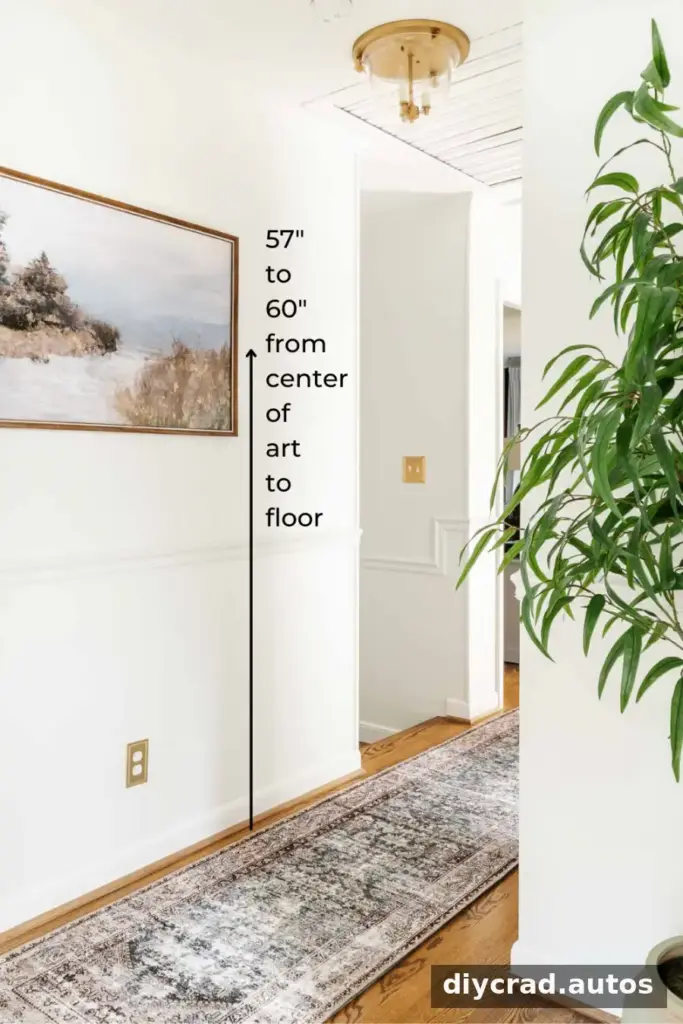
How High to Hang a Single Piece of Art
A widely used guideline is to place the center of the frame or artwork 57 to 60 inches (145 to 150 cm) above the floor. This measurement is generally considered eye level and can still work in rooms with high ceilings. If the people in the household are taller than average, you can adjust the height slightly, but avoid raising the artwork too much.
Measure to the artwork’s center, not to the top edge of the frame. For a frame with a wire or offset hanger, account for the distance between the hanging point and the frame’s center when marking the wall.
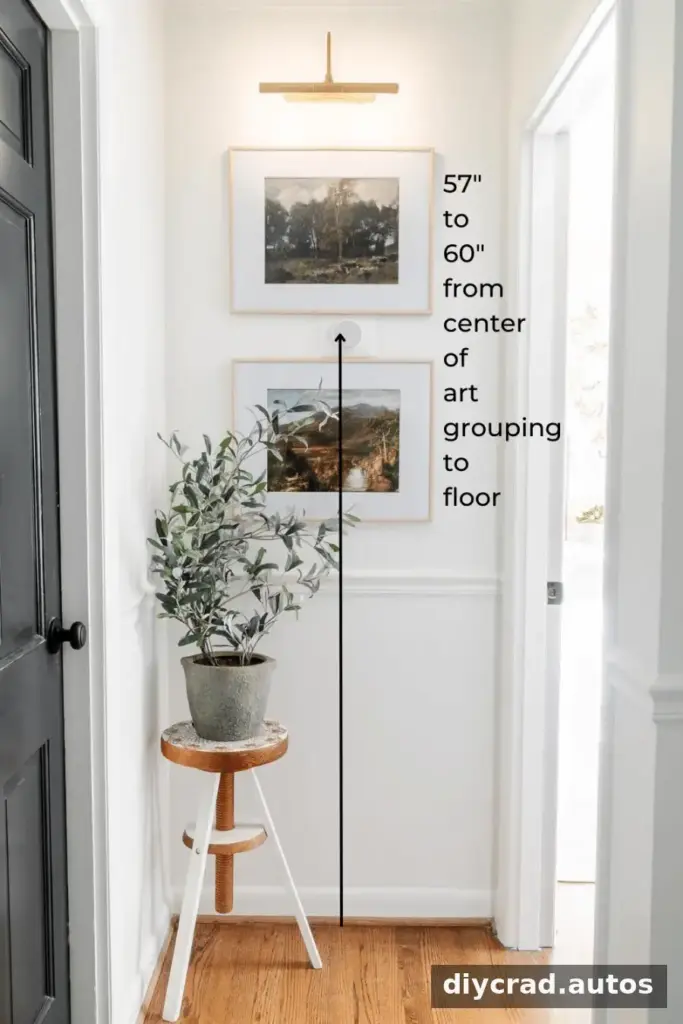
How High to Hang a Gallery Wall
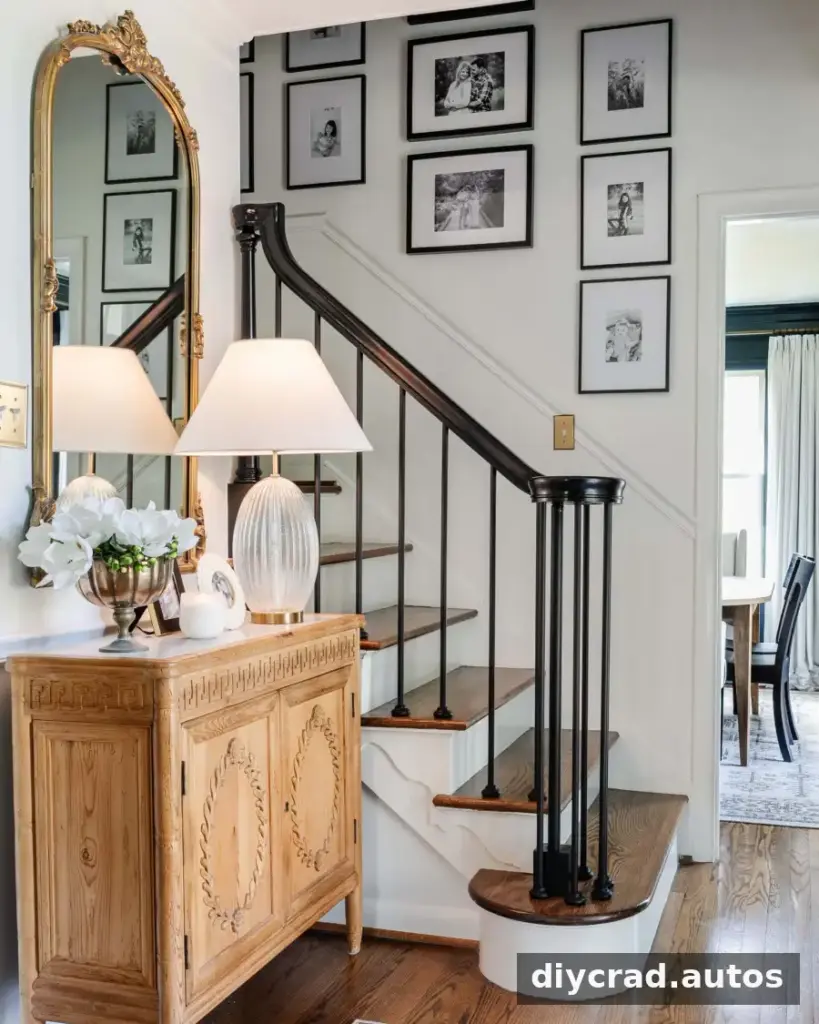
Think of a group of frames as one larger composition. Aim to place the center of the overall arrangement about 57 to 60 inches (145 to 150 cm) from the floor, rather than aligning every frame’s center at the same height. This keeps the group visually cohesive.
Practical tip: For a simple hanging-point guide, dab a small amount of toothpaste on the frame’s hanger and gently press it against the wall. The mark can indicate where to place a nail or screw. Test this in an inconspicuous spot first, and wipe away any residue.

2. Leaving Too Much or Too Little Space Between Frames
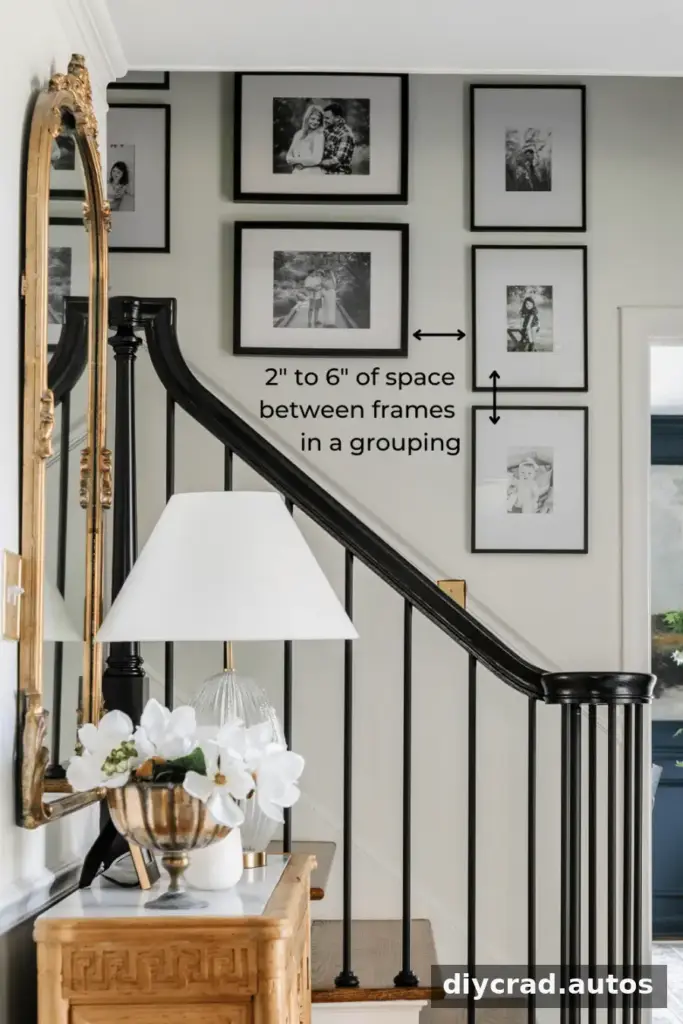
Frames that are far apart can look like separate pieces rather than a gallery. If they are packed too closely, the display may feel crowded and the individual works can be harder to appreciate.
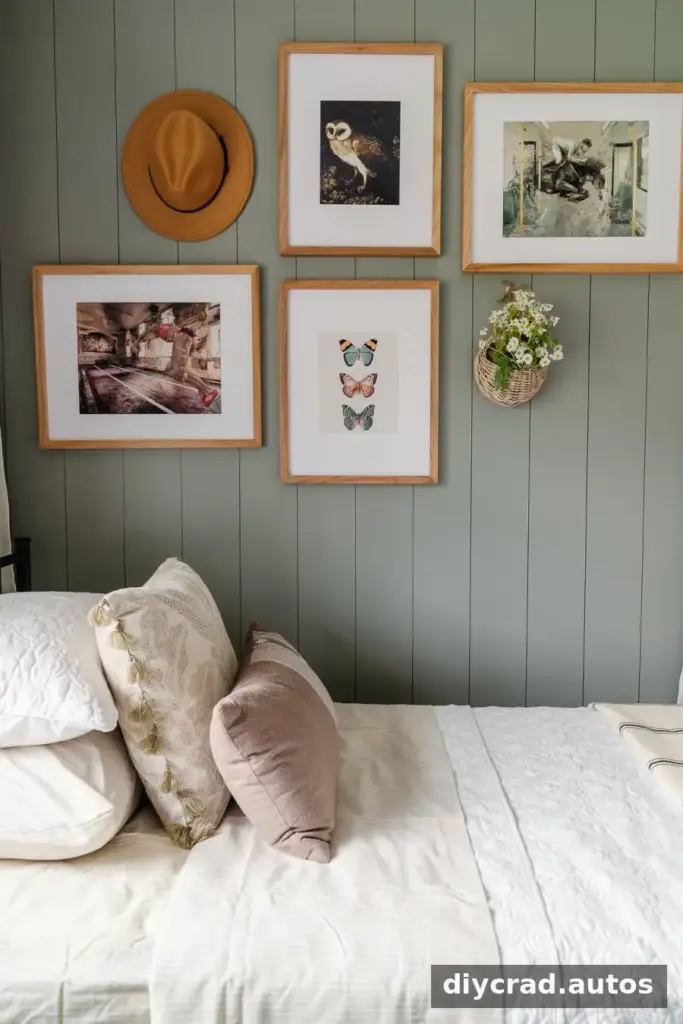
How Far Apart to Hang Picture Frames
For a group of frames, leave approximately 2 to 6 inches between each frame. Use consistent gaps throughout the arrangement so the display feels deliberate. Smaller frames or compact walls may suit the lower end of this range; larger pieces and wider layouts can often accommodate more space.
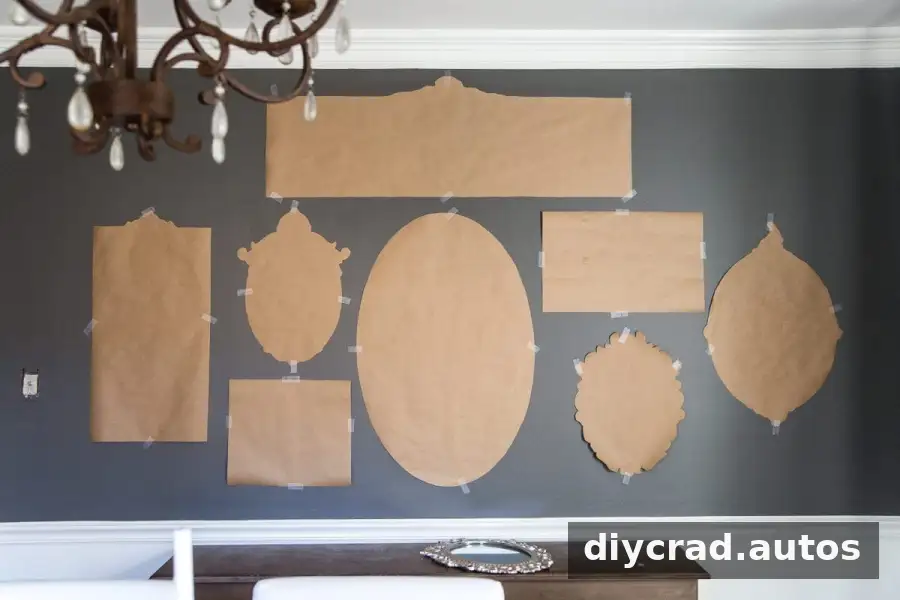
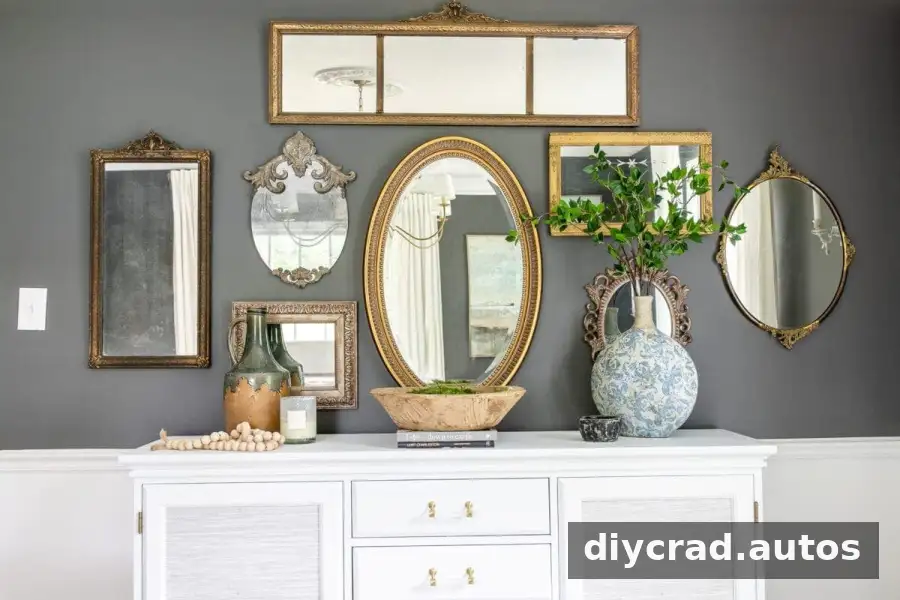
Measure the wall area and use a level to check your marks before drilling. A useful planning method is to trace each frame onto wrapping paper, cut out the shapes, and tape them to the wall. Mark the hanging points on the templates, then move the pieces around until the layout feels balanced.
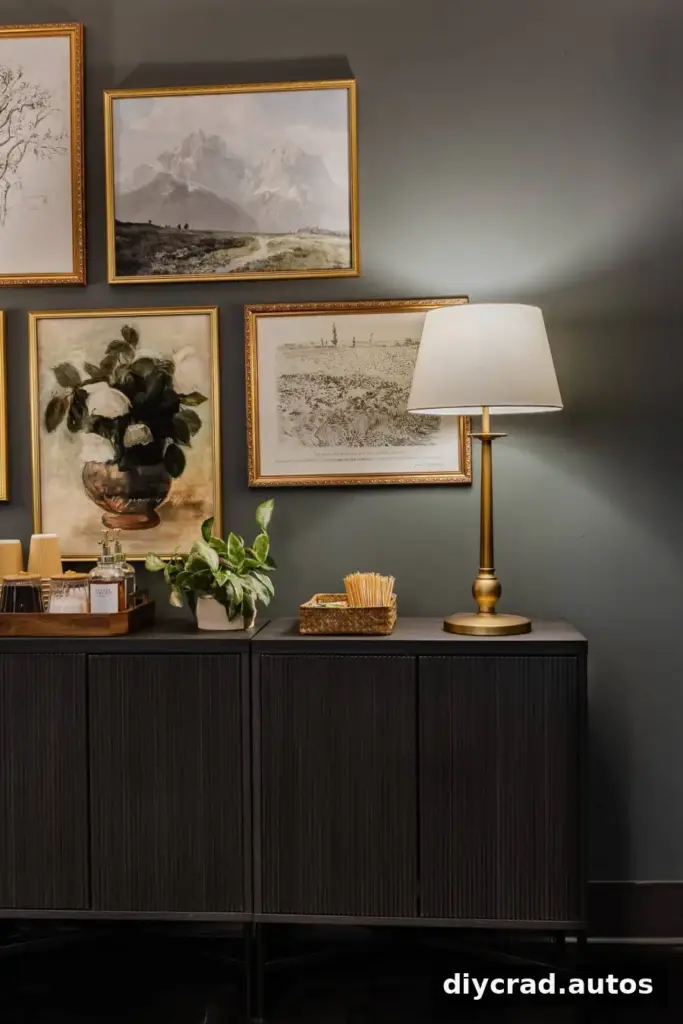
When arranging different frame sizes, begin with the largest piece and place smaller works around it. Step back regularly to assess the overall balance, and keep the spaces between frames consistent. This approach makes it easier to spot an uneven layout before installing the hardware.
3. Hanging Art Too High Above Furniture
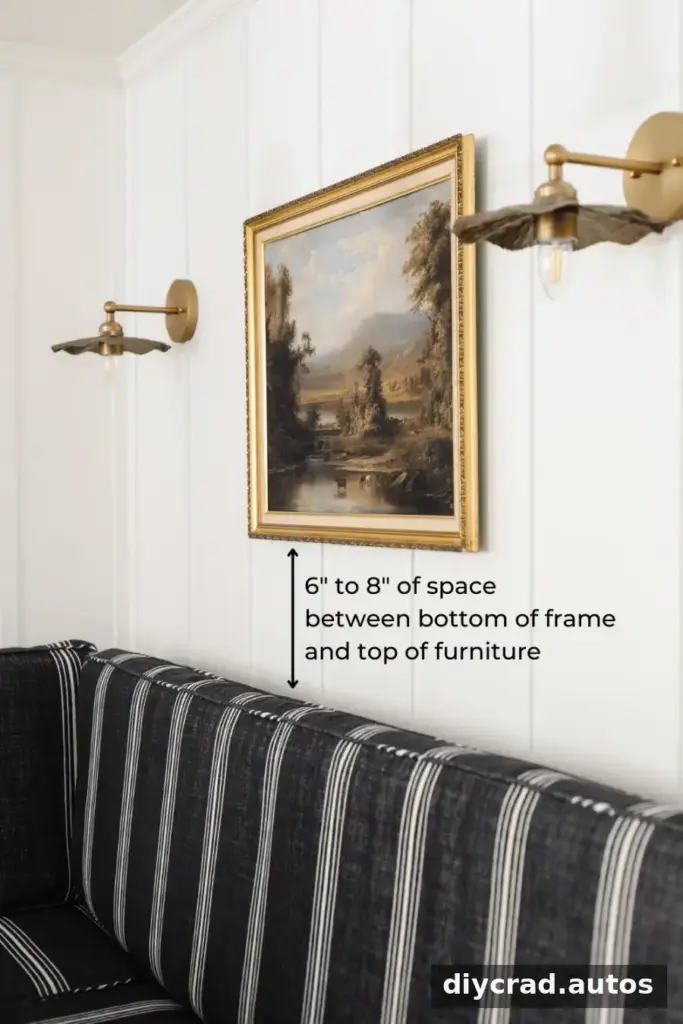
Artwork above a sofa, dresser, or headboard should relate visually to the furniture below it. If the gap is too large, the art can appear disconnected from the rest of the room.

How High to Hang Wall Art Over Furniture
Leave about 6 to 8 inches between the top of the furniture and the bottom of the frame. This helps the artwork and furniture read as one arrangement instead of two unrelated elements.
For low-profile furniture, the usual eye-level guideline may conflict with the furniture spacing. In that situation, use both measurements as a guide: aim for a position between about 57 inches from the floor and 8 inches above the furniture. Check the result from the main viewing position before fixing the frame in place.
If a frame hangs from a single nail and tends to shift, removable museum putty at the lower corners can help reduce movement. Use a product suitable for the wall finish and frame, and avoid relying on putty to support the frame’s weight.
4. Choosing Artwork That Is the Wrong Scale
What Size Art Works Above Furniture?
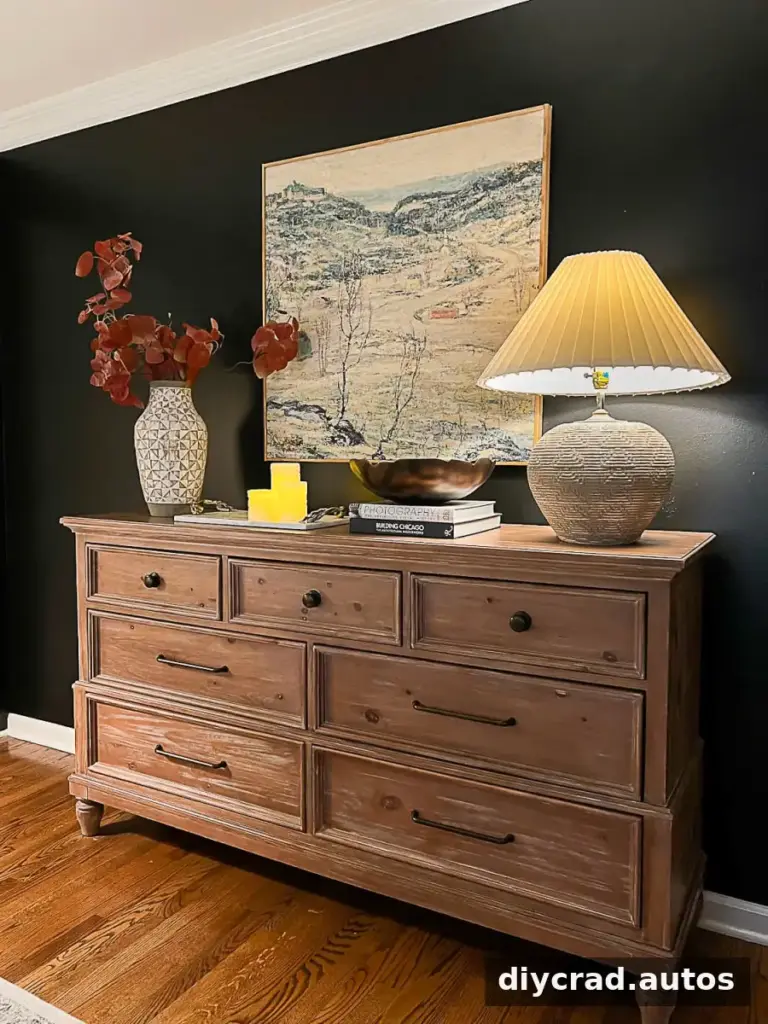
Artwork should feel proportionate to the furniture beneath it. A very wide piece above a small dresser can make the arrangement feel top-heavy, while a tiny frame above a large sofa may look lost.
As a general guide, choose artwork that is about two-thirds the width of the furniture below it. This is a starting point rather than a strict rule: a carefully arranged group of frames can also create a suitable overall width.
What Size Art Suits a Blank Wall?
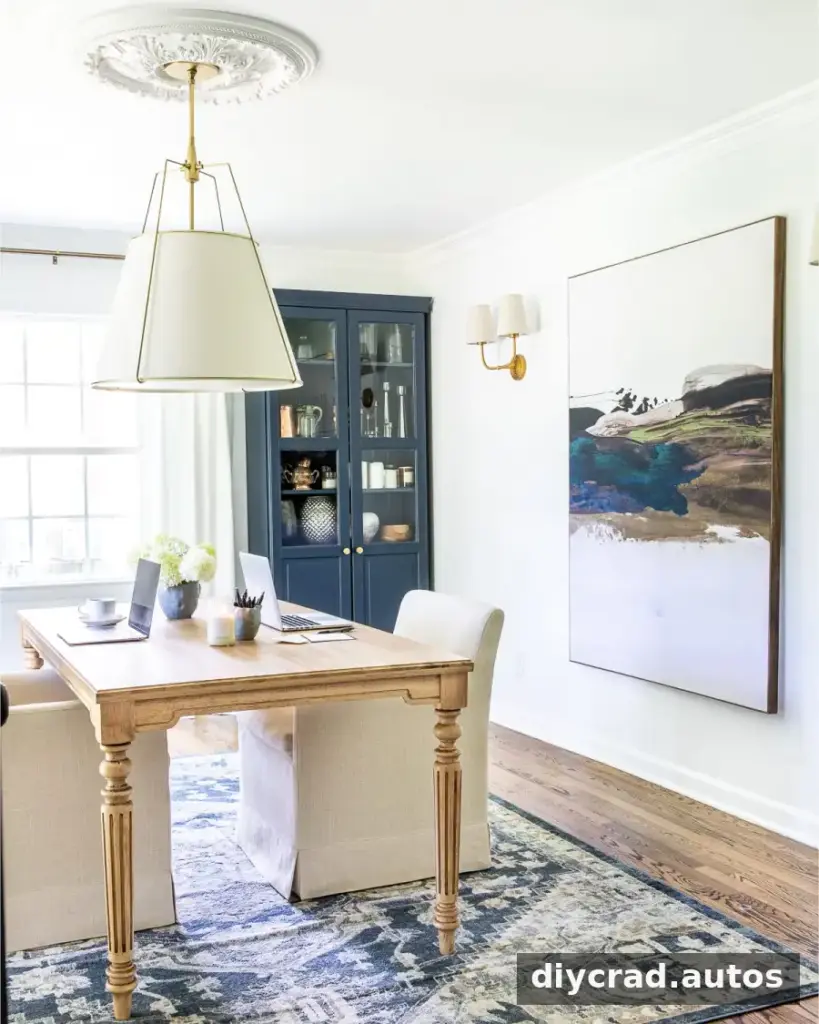
A large, empty wall can often support a substantial statement piece or a larger gallery arrangement. A very small frame may appear isolated on a broad wall unless it is part of a deliberate grouping. Consider the viewing distance and the other furnishings in the room when deciding how much wall space the artwork should occupy.
5. Using the Wrong Hanging Hardware
The right fixing depends on the frame’s weight, the wall material, and whether the item has a wire, sawtooth hanger, or another attachment. Check the hardware’s stated weight limit and follow its installation instructions. When the wall type or load is uncertain, seek appropriate fixing advice rather than relying on a small nail.
Options for Lightweight Frames
Adhesive picture strips can suit some lightweight frames, especially when avoiding nail holes is a priority. Use them only on compatible surfaces and follow the package directions, including any required pressing time and waiting period before adding weight. Do not assume that every adhesive strip is suitable for every frame or wall finish.
Options for Heavy Artwork and Mirrors
Heavy frames and mirrors need hardware rated for their weight and suitable for the wall. A cleat-style hanging system may be appropriate for some heavier pieces, but check its load rating and installation requirements. For any item above a bed or sofa, take extra care: use secure fixings, verify the frame is stable, and avoid hanging it if you are unsure the wall can support it.

Plan Before You Make Holes
Before installing a display, measure the wall and the frames, mark the proposed arrangement, and check that the layout is level. Paper templates are an easy way to test different positions, while a tape measure and level help keep spacing consistent. Choose hardware for the actual wall and frame weight, not just for convenience.
Conclusion
Successful hanging picture frames comes down to a few practical checks: keep artwork near eye level, use consistent spacing, relate the display to nearby furniture, and select secure hardware. These guidelines make it easier to create a balanced arrangement while reducing avoidable holes and helping frames stay safely in place.

