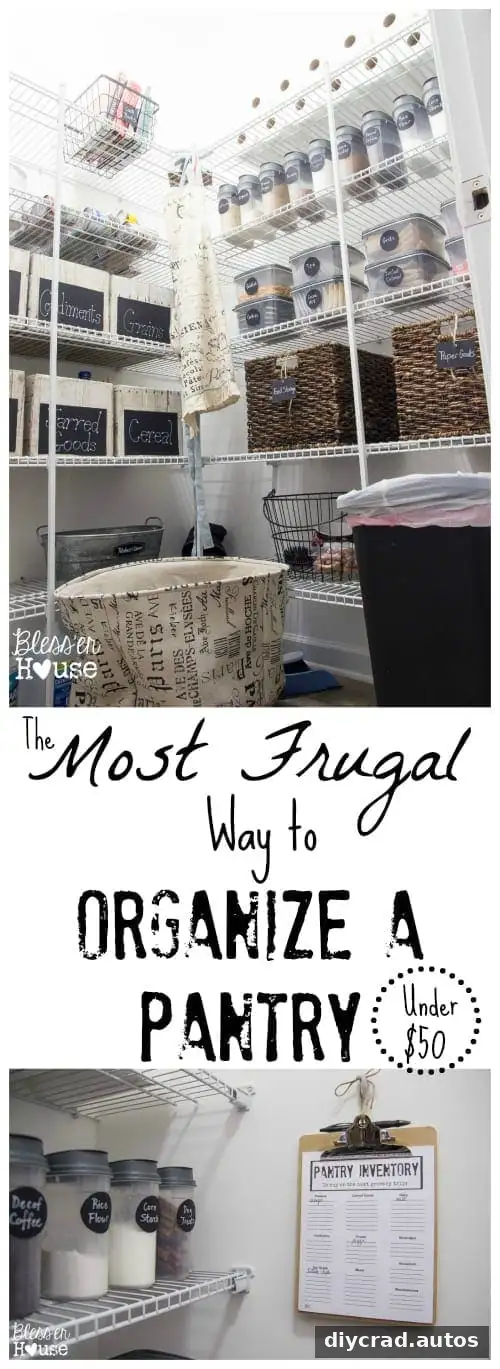
Pantry organization on a budget can make a crowded kitchen easier to use without buying a matching set of expensive storage containers. Recycled boxes, inexpensive plastic tubs, and baskets already around the house can help group groceries and make items simpler to find. A pantry inventory checklist can also make shopping lists more accurate.
Pantry Organization on a Budget: Start by Sorting
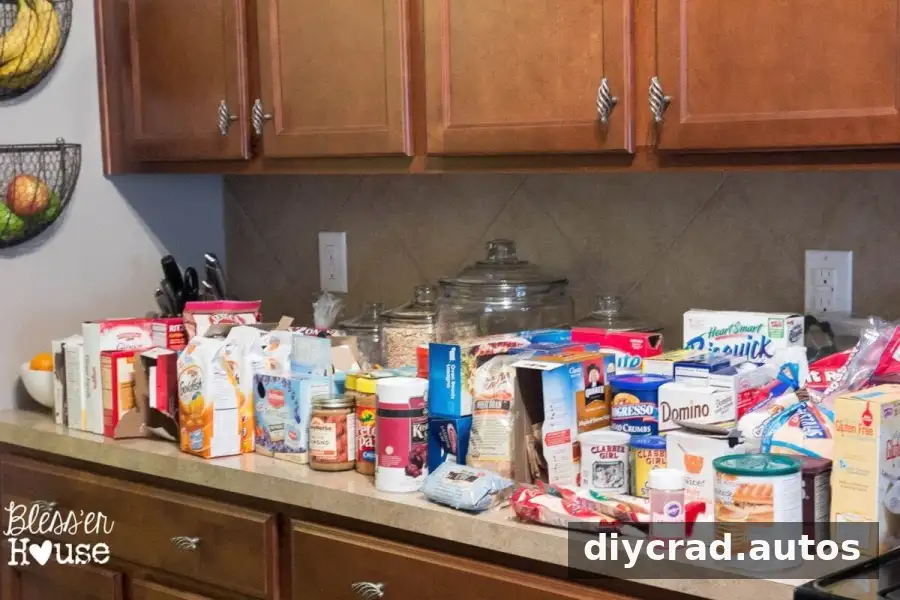
Before choosing storage, take everything out of the pantry and group similar foods together. Check packages as you go, and set aside items that are expired or no longer needed. This gives you a clearer view of how much space each category requires and helps prevent buying containers you do not need.
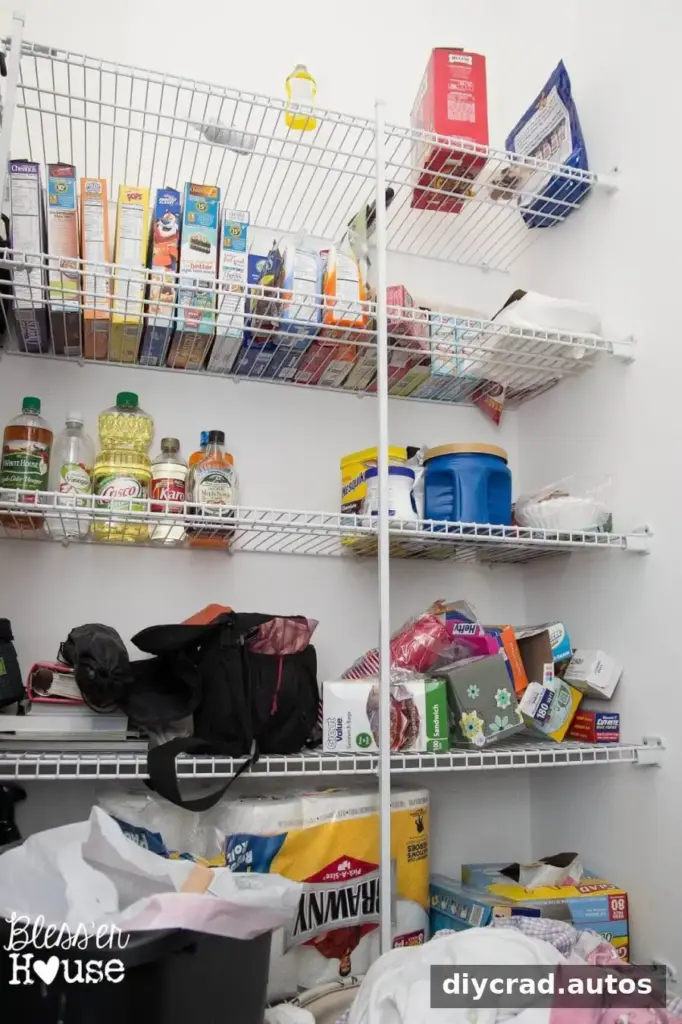
Wire shelves can be tricky because lightweight boxes may tip or slide through the gaps. Bins and boxes can help contain smaller packages. If children can reach the shelves, keep heavy, fragile, or otherwise unsuitable items out of their reach, and choose storage that is stable and easy to handle.
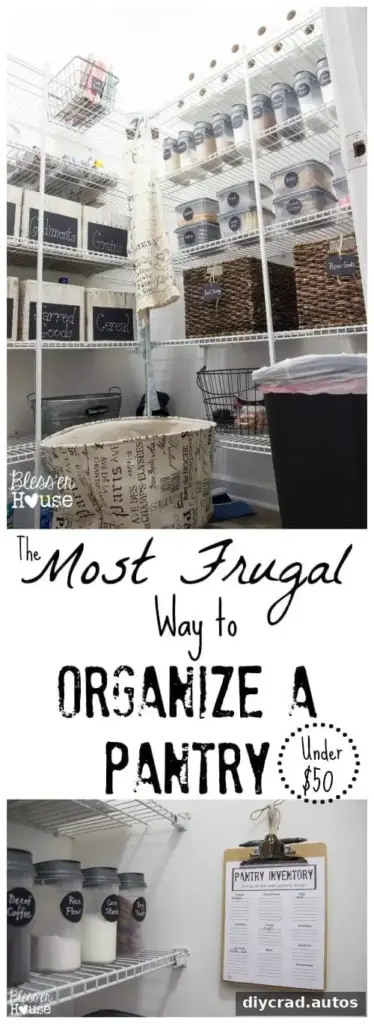
A full pantry reset can take longer than expected, especially when food needs to be moved temporarily. Clear a nearby counter or table before starting, and work one shelf at a time if you cannot leave the entire kitchen occupied for the day.
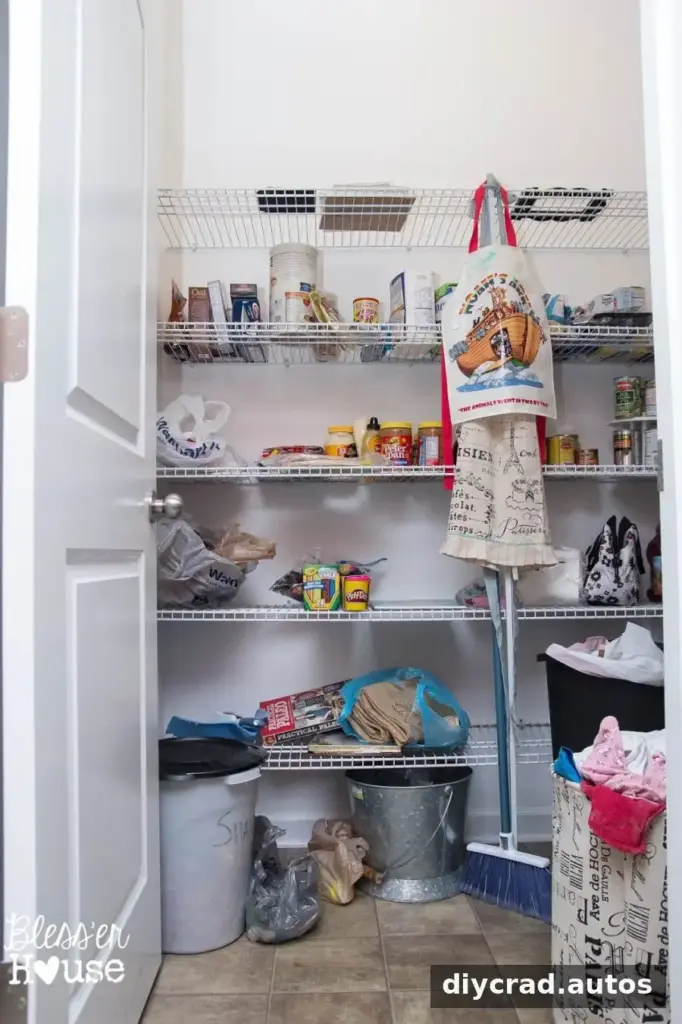
Cluttered shelves make it harder to see what is available, which can lead to forgotten ingredients or duplicate purchases. Simple categories—such as baking supplies, snacks, canned goods, and breakfast items—can make everyday cooking and putting groceries away more straightforward.
Once the shelves are empty, wipe them down and let them dry before returning food. Measure shelf depth and height if you plan to add containers; this practical step helps avoid buying bins that do not fit.
Three Affordable Pantry Storage Ideas
1. Cover and Reuse Cardboard Boxes
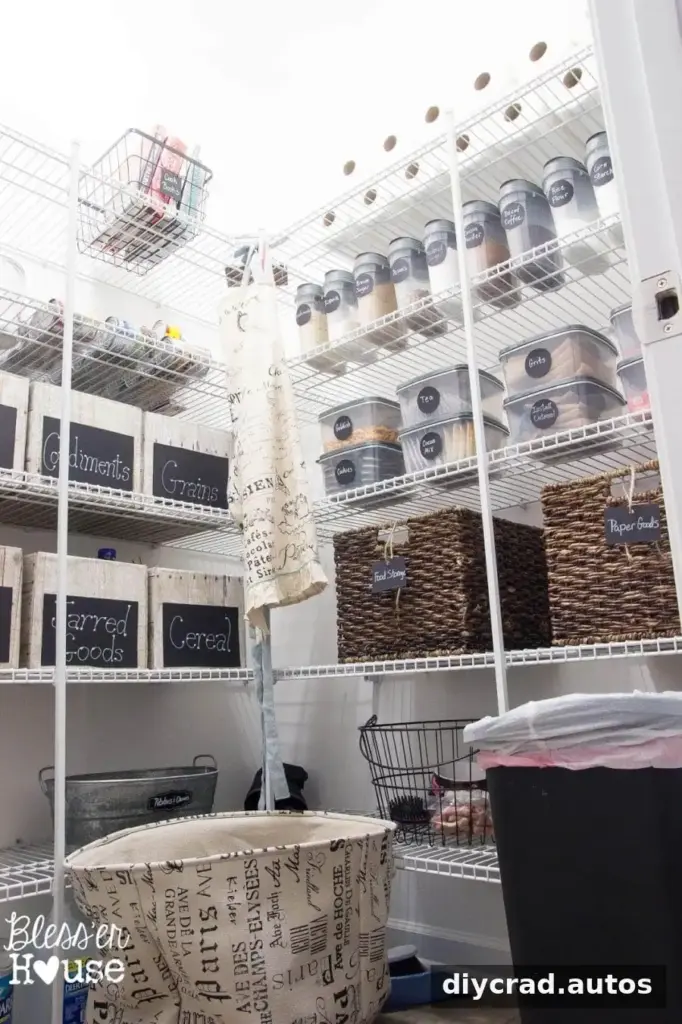
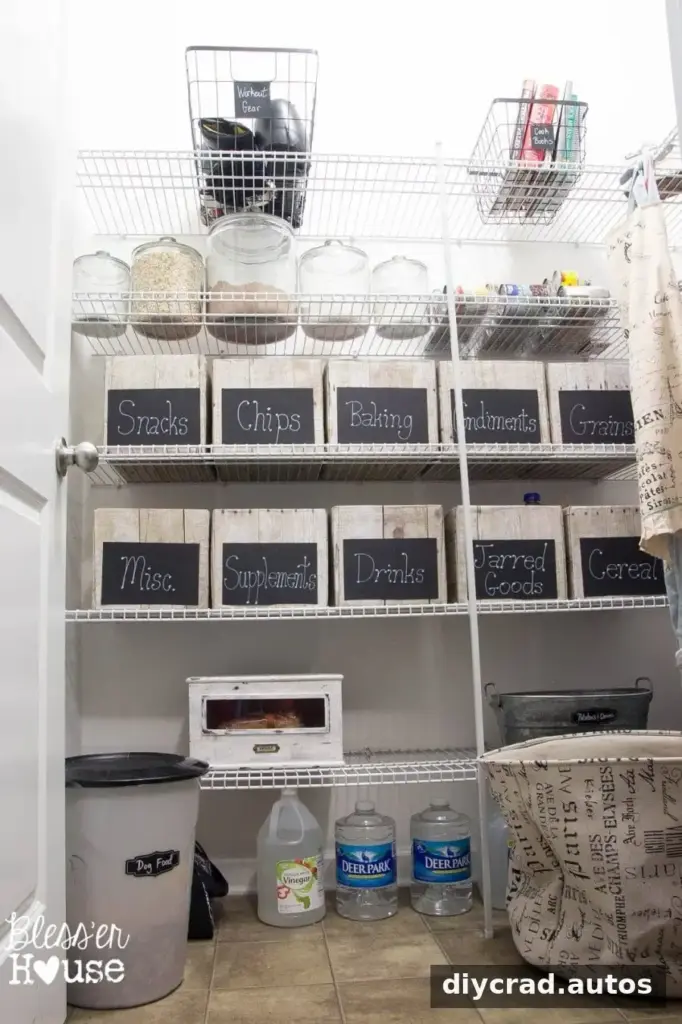
Sturdy diaper boxes can be reused as pantry crates. Covering the outside with paper or fabric gives them a neater appearance, and labels make it easier to identify the contents. The example project used a roll of paper costing $8 to cover 10 large boxes.
Use clean, dry boxes for packaged foods rather than placing unpackaged food directly inside. Cardboard is not washable, so it is best for items that remain in their original sealed packaging. Avoid boxes that are damp, damaged, or soiled.
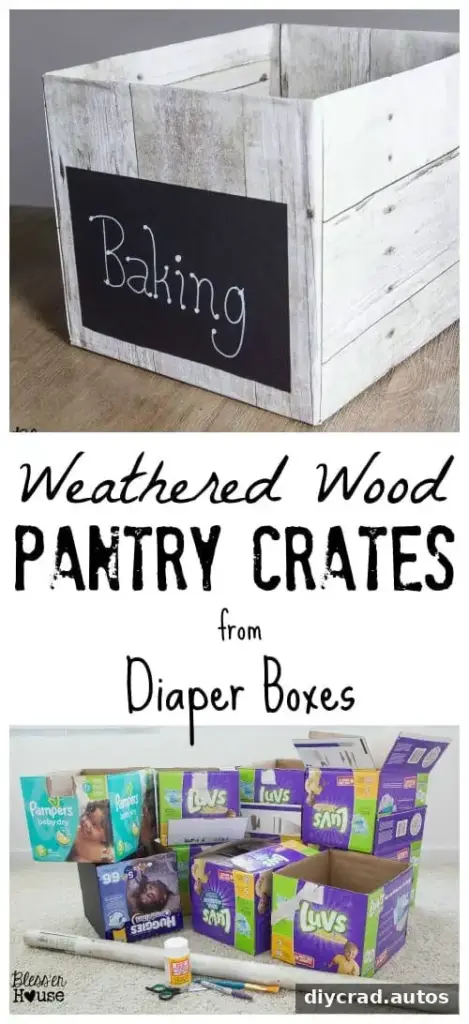
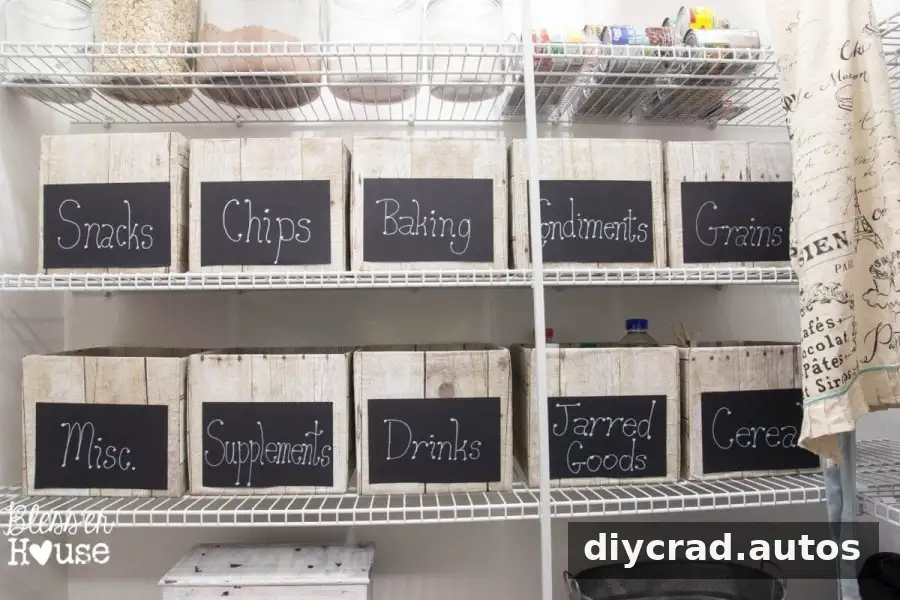
Boxes are especially useful for grouping packets and bags that might otherwise lean or fall over. Keep frequently used categories in easy-to-reach spots, and label each box with a broad category so it remains useful when the exact contents change.
2. Choose Low-Cost Plastic Containers
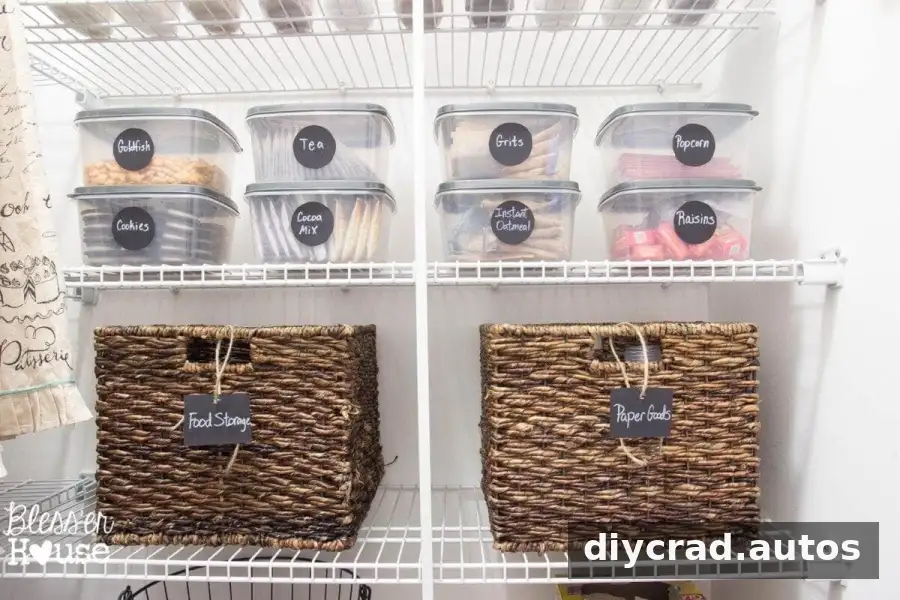
Clear containers can make pantry contents visible at a glance. In this setup, eight tubs and 10 containers with pour spouts were purchased at a dollar store. Labels were cut from black cardstock, written on with a white chalk marker, and attached with tape.
Simple labels are often enough; they do not need to be elaborate to be helpful. For food transferred out of its packaging, use containers intended for food storage, and check that they are clean and completely dry before filling them. Do not assume a container is airtight unless its lid is designed to seal securely. Keeping the original package nearby can also preserve cooking instructions and product information.
3. Repurpose Baskets, Bins, and Jars
Look around the house before purchasing more storage. Baskets and bins that are no longer needed elsewhere can group pantry items, while wire baskets may hold cookbooks or pet supplies. A spare galvanized bucket can serve as a place to store potatoes, provided it is clean, dry, and kept in a suitable cool, dark location.
Repurposing existing items keeps the additional cost at $0. Check that each basket or bin is sturdy, easy to clean, and appropriate for what it will hold. Keep produce separate from cleaning products, pet supplies, and other non-food items.
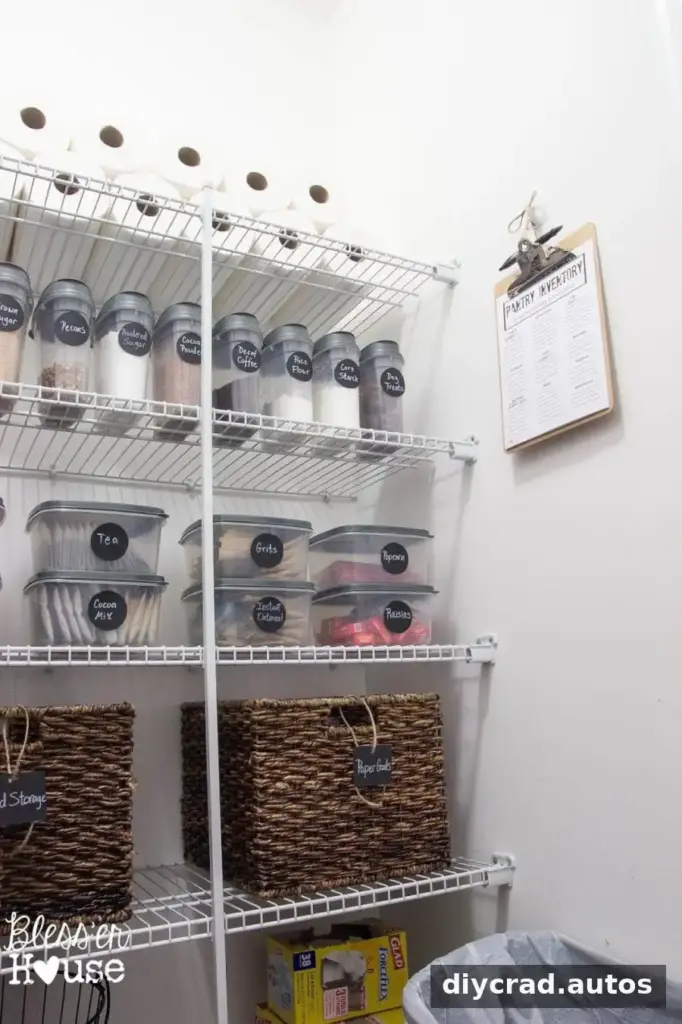
Glass containers can also work well when they fit the shelf and have secure lids. Place heavier glass jars on lower shelves to reduce the chance of them falling, and leave enough room to remove containers without knocking over neighboring items.
Use a Pantry Inventory Checklist
A pantry inventory list can help track staples as they run low. Instead of relying on memory, keep the checklist somewhere convenient near the pantry and mark items when supplies are used up. Before shopping, review the list alongside your meal plans and check the shelves so you do not buy something you already have.
A consistent routine makes the list more useful: update it while putting groceries away or when opening the last package of a staple. The printable pantry inventory checklist is included with this organizing project.
Keeping the inventory list visible can also reduce the time spent rebuilding a grocery list each week. Adjust the categories to match the foods your household regularly buys rather than trying to track every item in the kitchen.
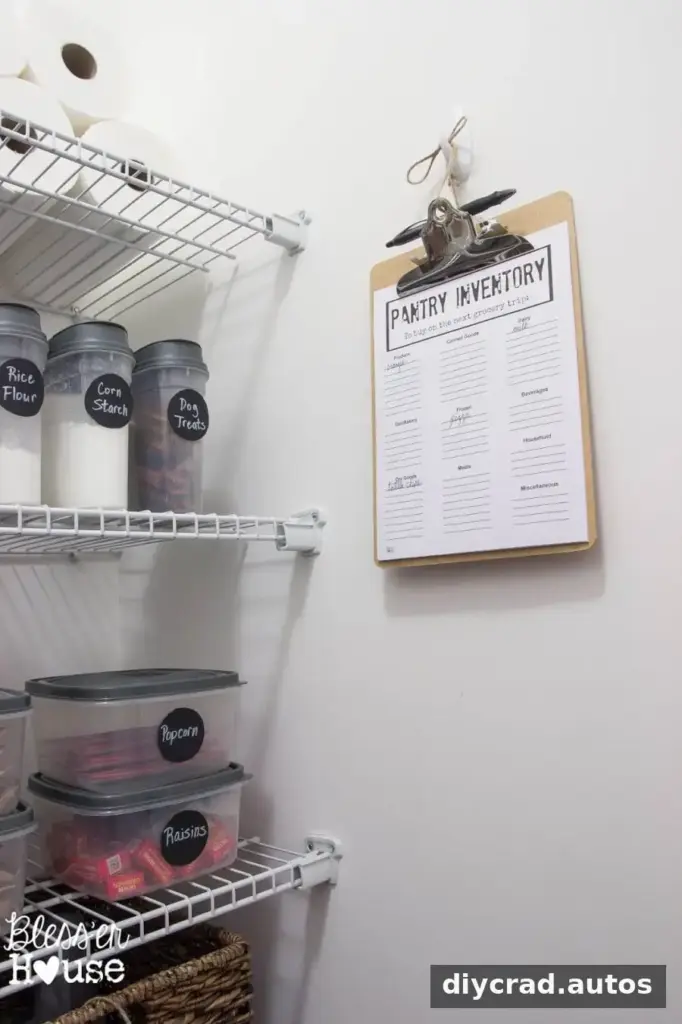
For best results, review the checklist before leaving for the store and make a final pantry check for items that may have been missed.
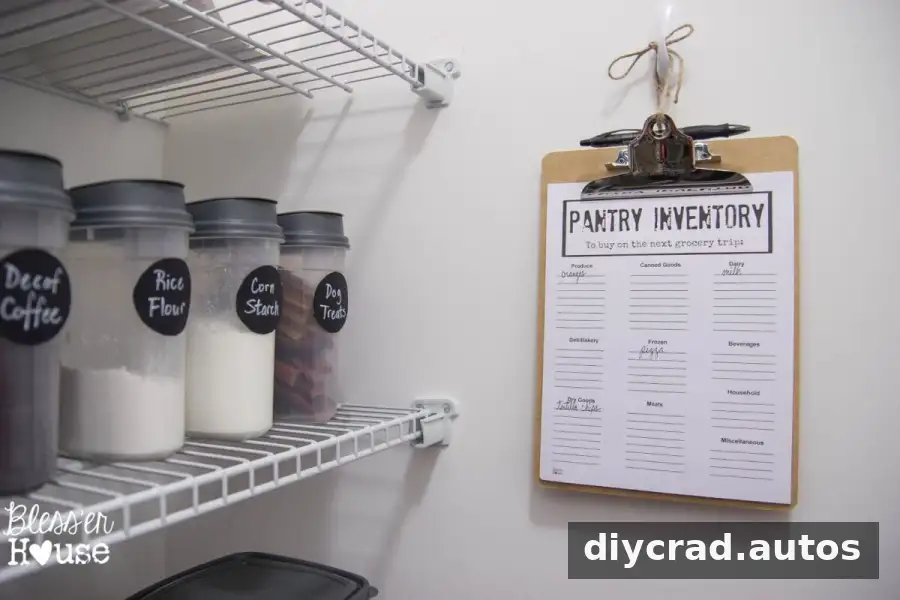
Printable Pantry Inventory Checklist
Use the printable checklist below as a starting point for tracking pantry supplies and planning grocery trips.

Example Budget Breakdown
- Paper-wrapped diaper boxes: $8.00 for the DIY project materials.
- Plastic containers from a dollar store: $18.00.
- Can dispenser containers: $18.00 for three.
- Repurposed baskets and jars: $0.00.
The overall cost will depend on what you already own and which storage items you choose to add. Start with reusable containers and boxes you have at home, then buy only what is needed to solve a specific storage problem.
Keep the Pantry Organized
After eight months, the pantry was still mostly organized. To maintain a similar setup, return items to their labeled groups, avoid overfilling bins, and do a quick shelf check before grocery shopping. A small reset after putting groceries away is usually easier than reorganizing the entire pantry later.
Pantry organization on a budget does not require identical containers or a major renovation. Recycled boxes, inexpensive tubs, repurposed baskets, and a simple inventory checklist can make the space more functional while keeping costs under control.