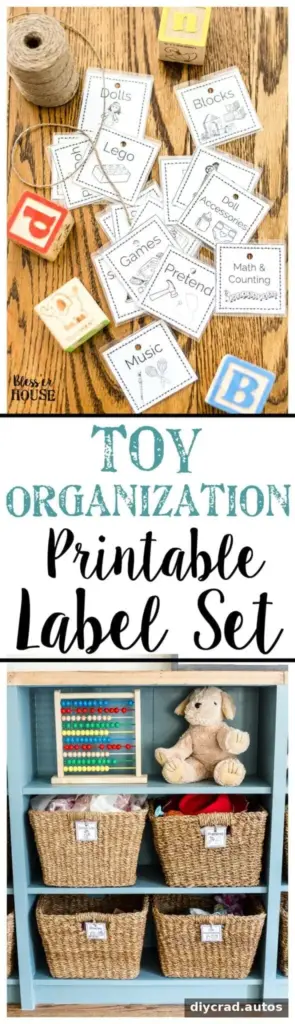
Toy organization printable labels can turn playroom cleanup into a clearer, more manageable routine. When toys have designated places, children can see where items belong and adults have a practical system for putting the room back in order. A few well-chosen baskets, readable labels, and a short introduction to the system can make a noticeable difference.
Why toy organization labels help
A common obstacle to tidying up is not knowing where to put things. Asking a child to put away dolls or building toys is easier when each category has a clear home. Without shelves, baskets, or other defined storage, cleanup can feel confusing rather than straightforward.
Labels make those storage choices visible. For children who are still learning to read, use simple pictures alongside short, easy-to-read words. Choose a clear typeface and a size that can be recognized from a child’s usual height. Function matters more than decorative lettering when the labels are meant to guide everyday use.
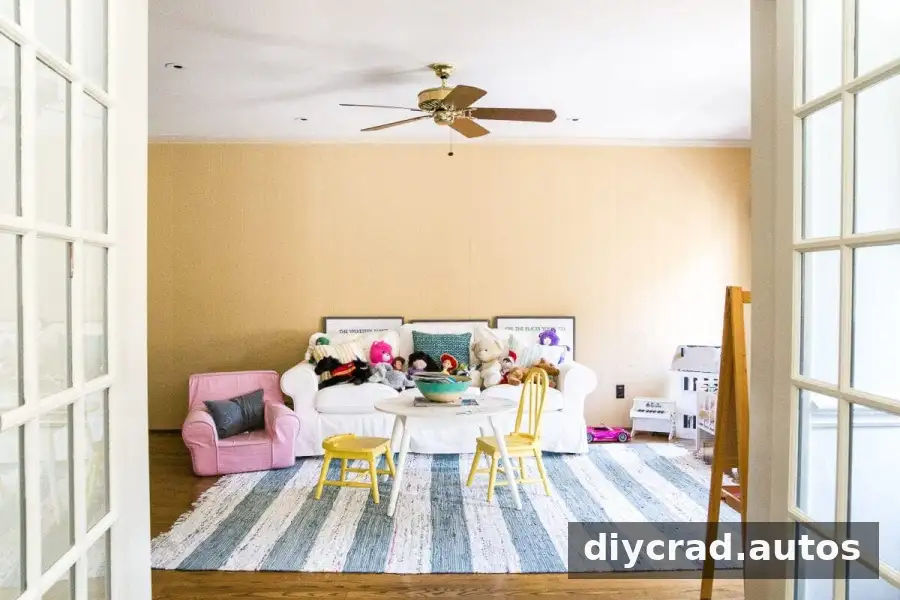
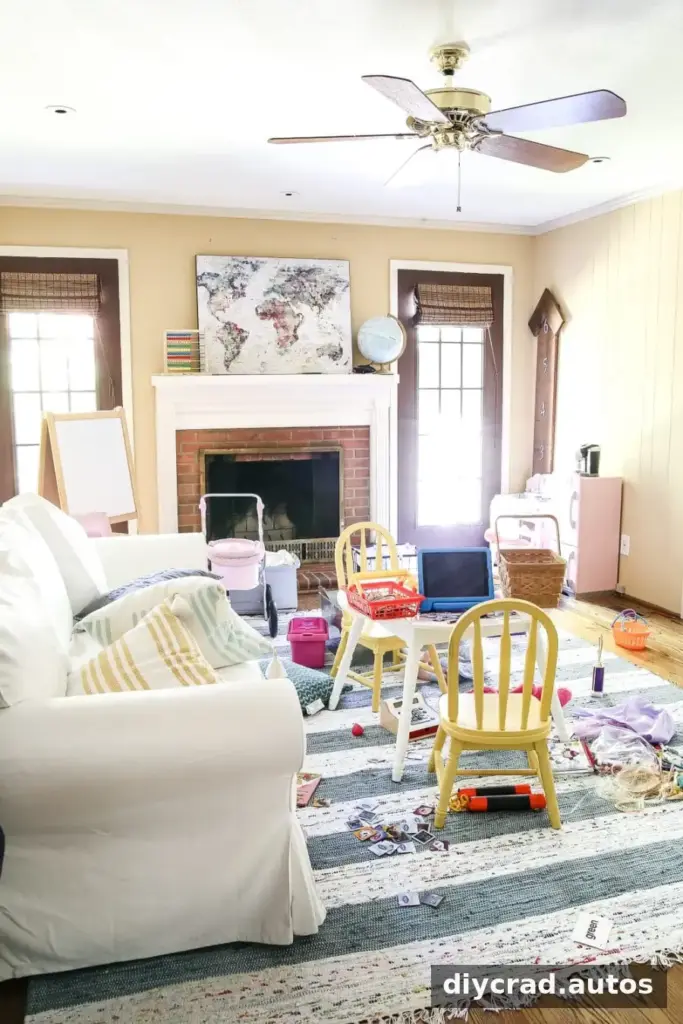
Set up a practical playroom storage system
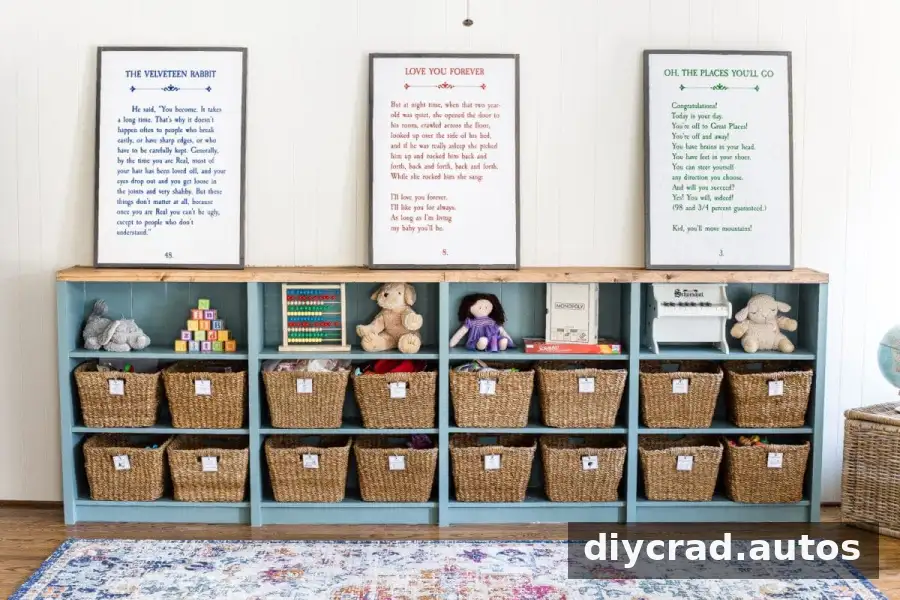
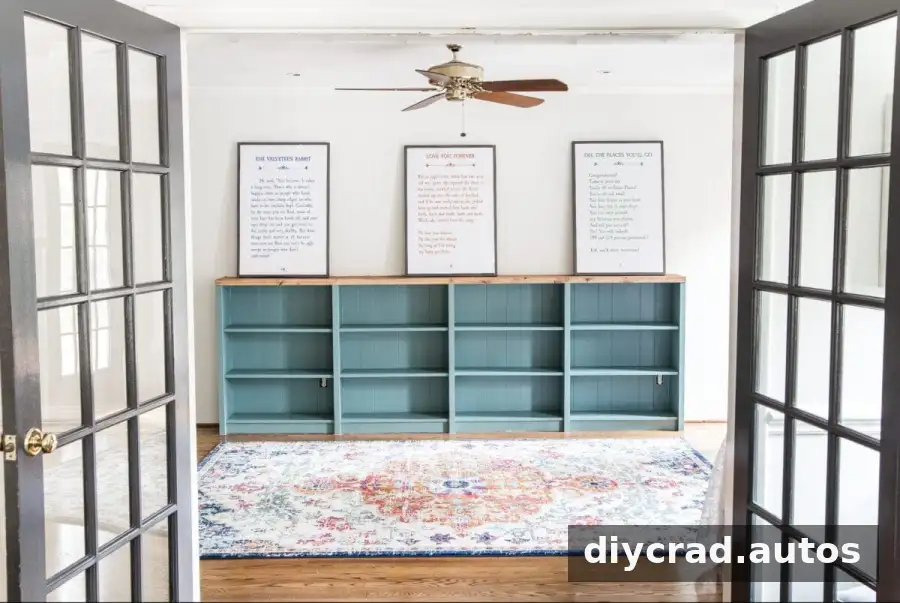
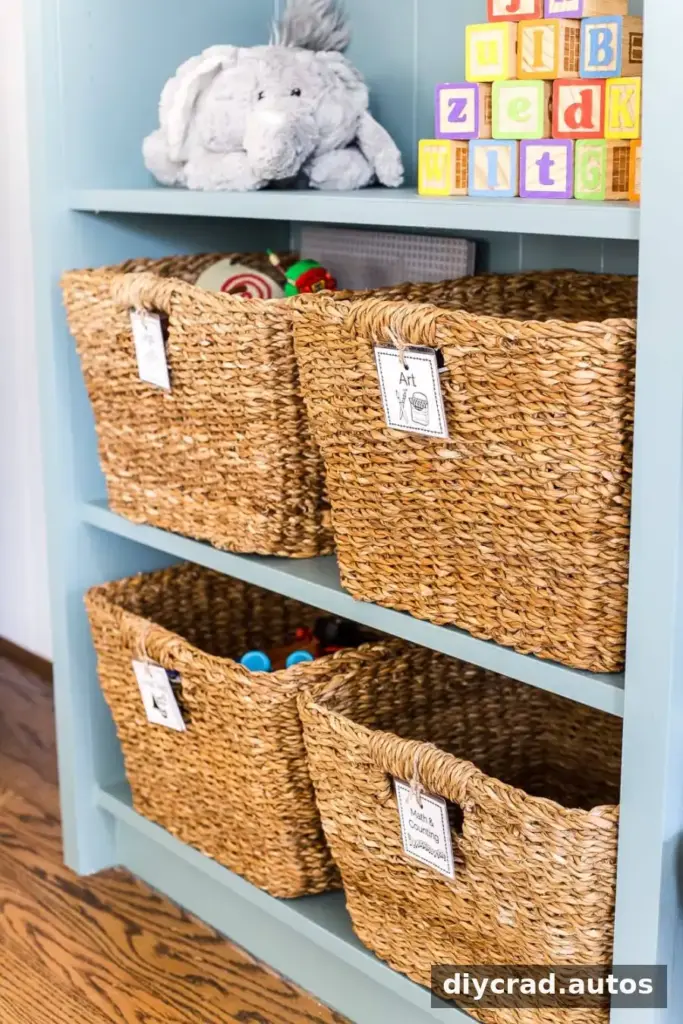
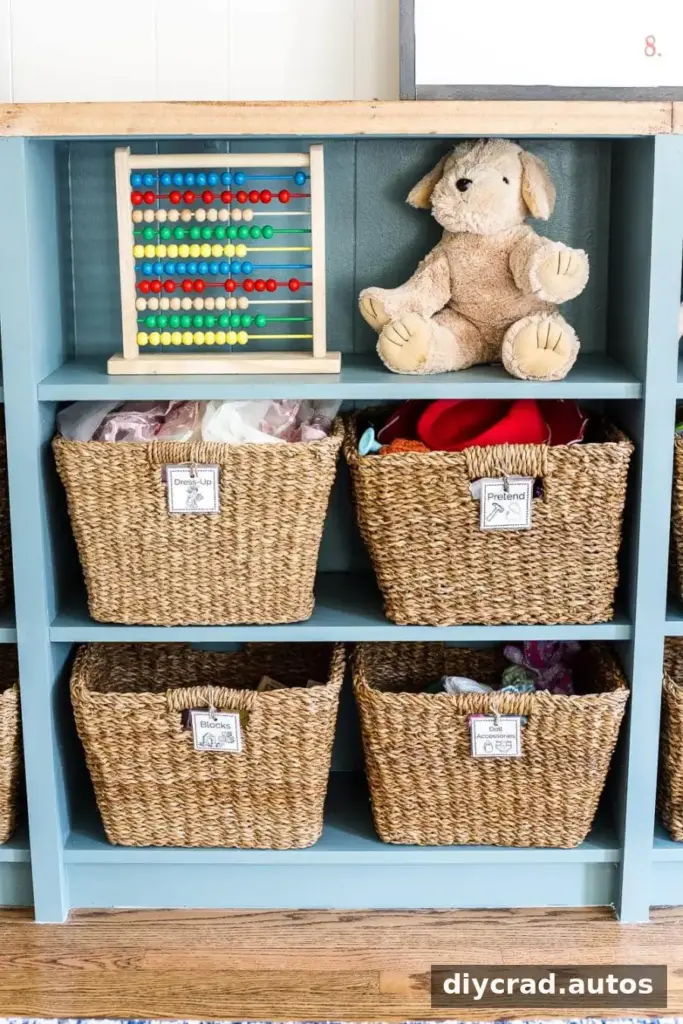
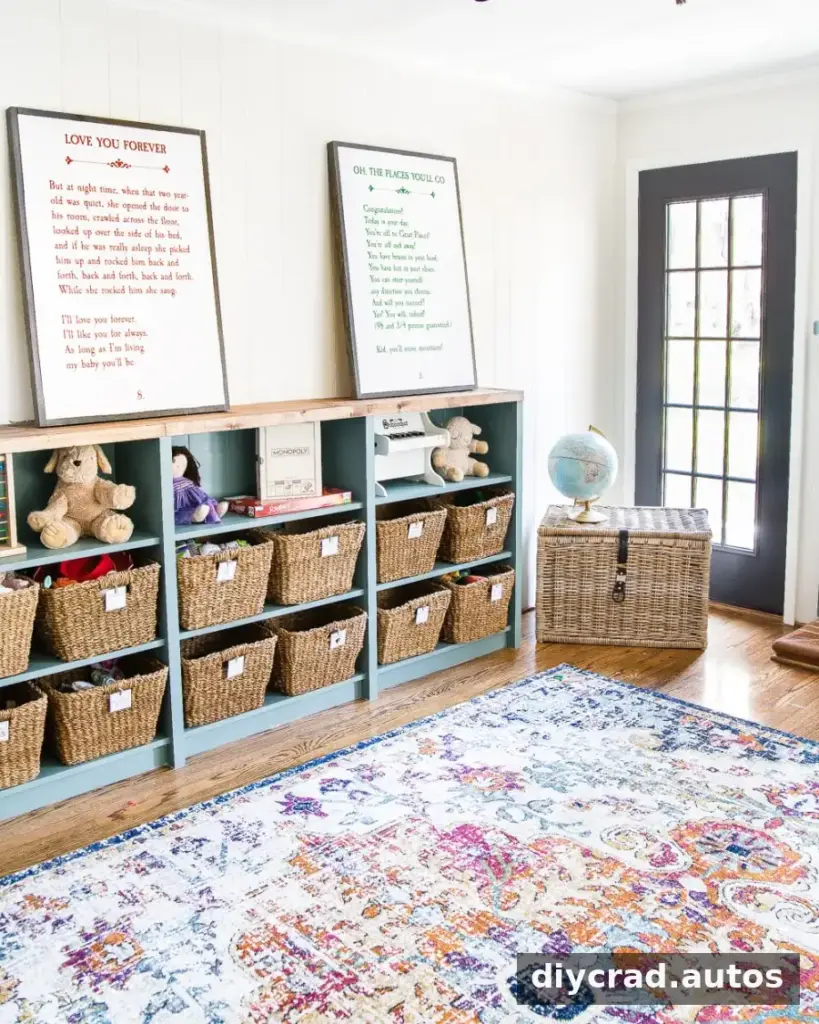
Start by deciding where the toys will be stored, then select containers that fit the available shelves. In this playroom, built-in bookcases made from shelving units provided the structure, and carefully measured baskets filled the spaces without leaving unnecessary gaps.
Before buying containers, measure the inside width, height, and depth of each shelf. Allow enough room to slide baskets in and out comfortably, especially if children will be using them independently. A basket that fits neatly but is difficult to pull out may not work well for daily cleanup.
Sort before labeling
Organize toys into categories that reflect how they are actually used, rather than creating more groups than the storage can support. The collection in this example was reduced first by donating a large storage bin of toys, then divided into 16 categories. Sorting before labeling helps prevent baskets from becoming crowded and makes it easier to choose useful category names.
- Keep related toys together so the category is easy to understand.
- Use pictures and words for children who are not yet confident readers.
- Leave some labels blank if you want to add your own categories.
- Review the groupings as toys change with age and interests.
How to make durable printable toy labels
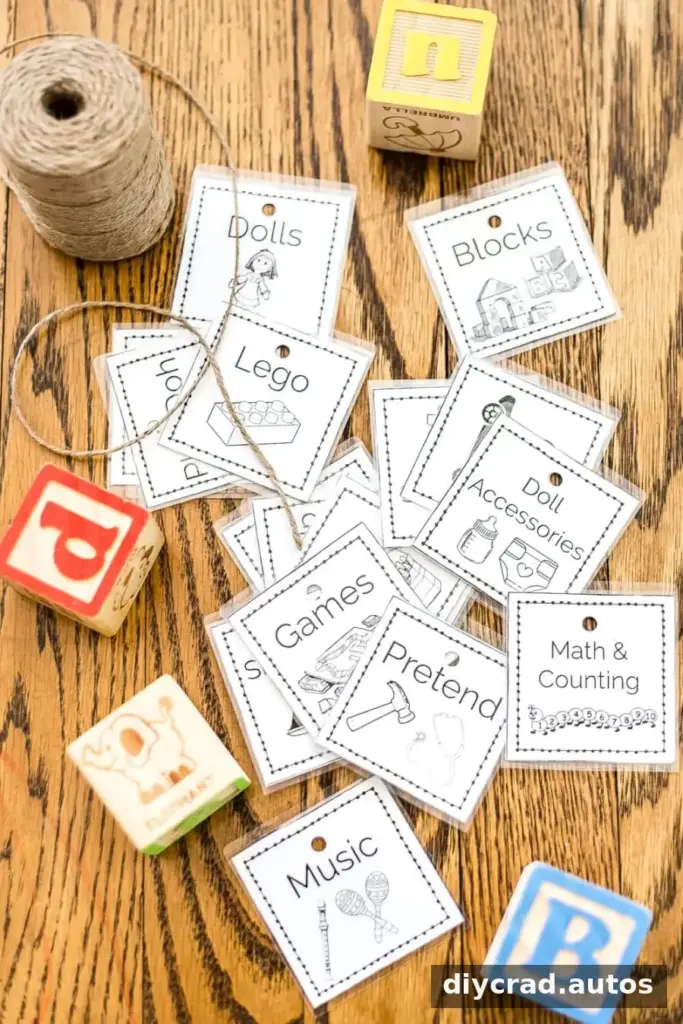
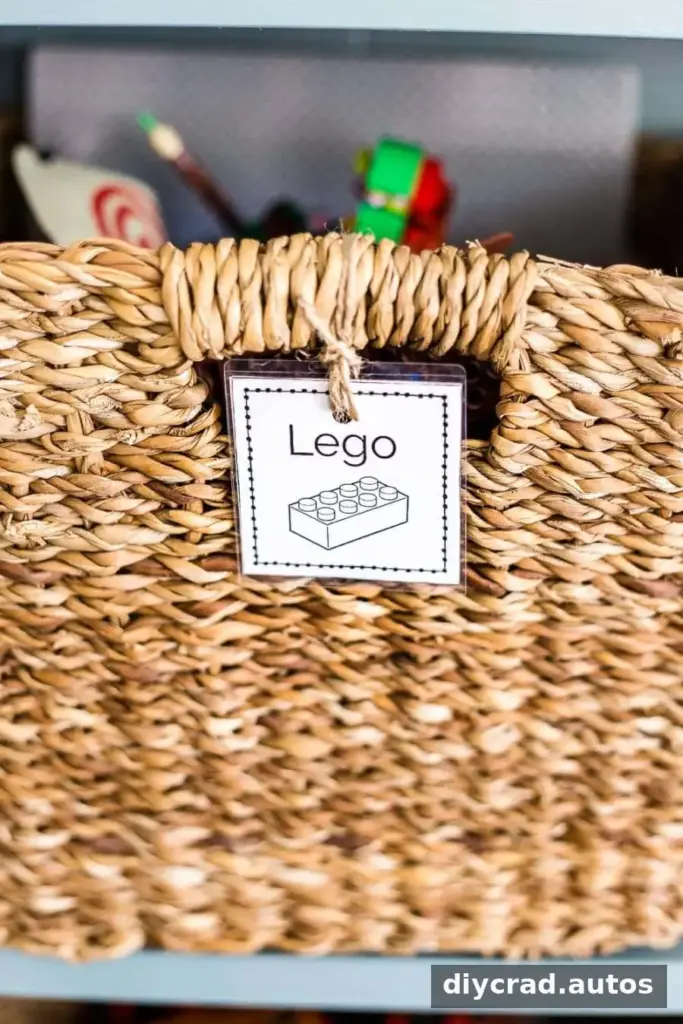
For labels that can handle regular use, print them on heavy cardstock. The labels in this project were protected with self-laminating business card sheets, punched with a hole punch, and attached to basket handles with twine. This method keeps each label easy to see while allowing baskets to be moved around.
Check that the label is securely attached and does not create a snagging hazard. If a basket is used by a young child, place the label where it can be seen without getting in the way of opening or carrying the container. For handwritten or custom labels, keep the wording brief and consistent.

Teach the system through practice
Introducing the labels is an important part of making the system useful. Spend a little time sorting the toys together, pointing out what each label means, and returning a few items to their baskets. A child can learn the routine more easily when the categories are explained and practiced instead of being expected to figure everything out alone.
Keep the first cleanup sessions simple. Offer one instruction at a time, such as putting all dolls in their labeled basket. If a category is difficult to understand, revise the wording or picture. Storage should support play and exploration, not require the room to remain perfect throughout the day.
Organization that supports everyday family life
A playroom storage system is not only about appearance. Clear homes for toys can help children take part in caring for their belongings and make it easier for the whole family to reset the room. The goal is a practical space that welcomes play and can be tidied without guesswork.
As the collection grows through birthdays and holidays, revisit the shelves and baskets. Removing toys that are no longer used can make existing storage more effective. A simple routine of sorting, labeling, and practicing can keep the system manageable without expecting a home to look perfect all the time.
Conclusion: use toy organization printable labels consistently
Toy organization printable labels work best when they match the way toys are sorted, are easy for children to understand, and are attached to containers that fit the room. Measure shelves before choosing baskets, use clear pictures and text, and practice putting items away together. With a consistent system, children can find toys more easily and help return them to their proper places.