

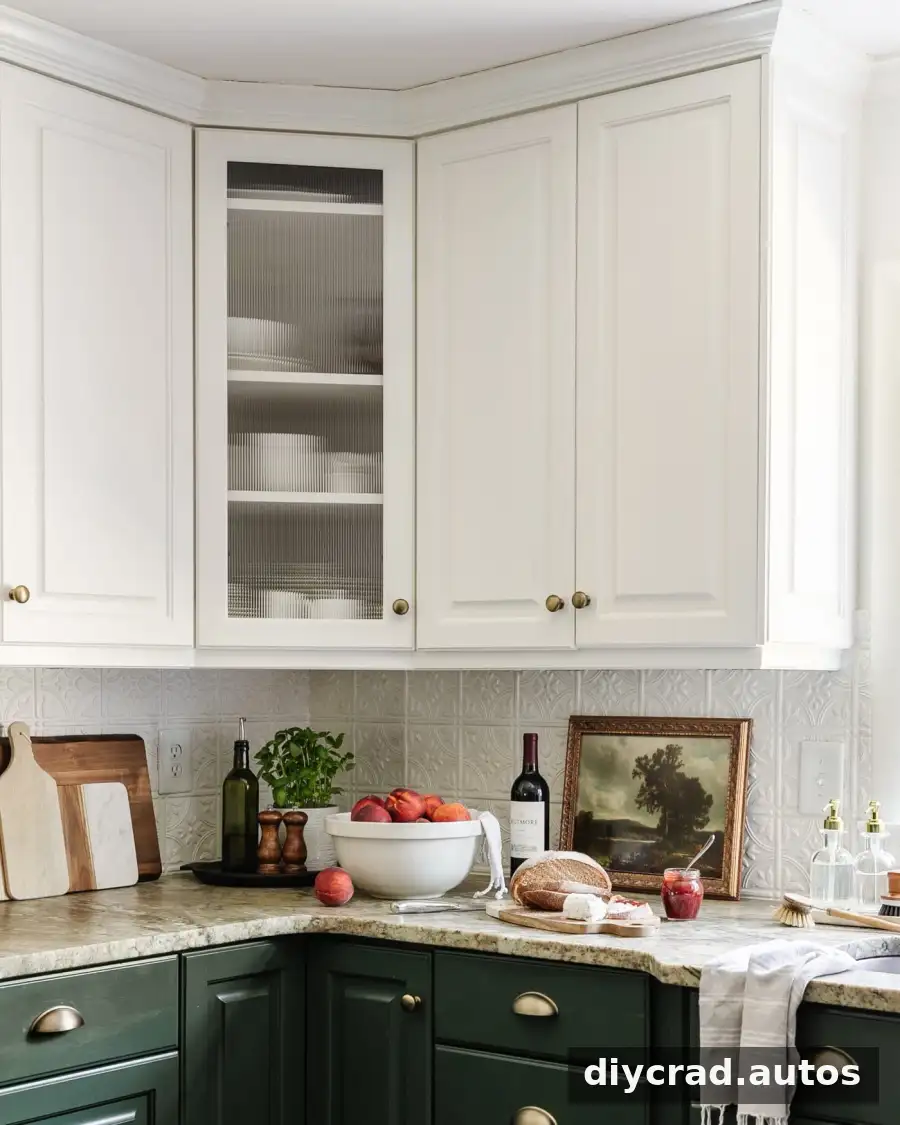
Decorative window film can add privacy, soften the view through clear glass, or create a distinctive design detail without the cost of replacing the glass. Available in patterns, shades, and textures, these self-adhering films can refresh cabinets, doors, furniture, shower enclosures, and windows. They can also be removed if you want to update the look later, making them a flexible option for many home projects.
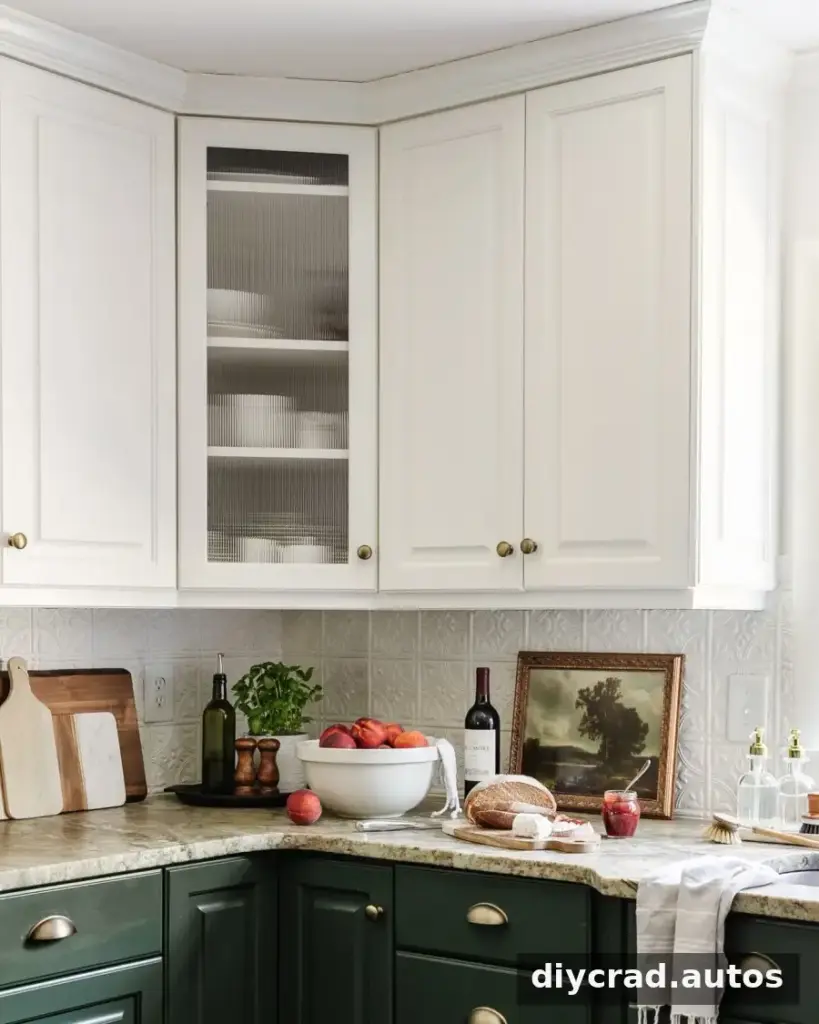
Plain glass can feel exposed or show everything stored behind it. A carefully chosen film helps obscure the view while allowing a glass surface to remain part of the room’s design. Before buying, check the product instructions and confirm that the film is suitable for the specific glass surface and installation method.
What Is Decorative Window Film?
Decorative window film is a thin covering applied to glass. Designs range from frosted and reeded effects to antique mirror, lattice, etched, and stained-glass-inspired patterns. It offers a way to change the appearance of ordinary glass without installing specialty glass.
Film can be a budget-friendly, DIY-accessible choice for updating a home. It may be especially useful where you want to reduce visibility through glass but do not want to replace a door, cabinet front, or window. For a neat result, measure carefully and make sure the glass is clean before applying the film.
Where to Use Decorative Window Film Around the House
One practical use for decorative window film is to conceal items behind clear glass. It can also help create a decorative feature on a surface that would otherwise look plain. Choose a pattern based on both the level of privacy you want and the style of the room.
- French doors: Frosted film can soften the view between rooms while allowing light through.
- Closet doors: Antique mirror film can obscure clothing and supplies while adding a reflective finish.
- Front door sidelights: One-way mirror film is one option to consider for privacy. Check the product details and lighting conditions, as the effect can vary.
- Glass-front furniture: Lattice film can help hide items in a TV console or dining buffet.
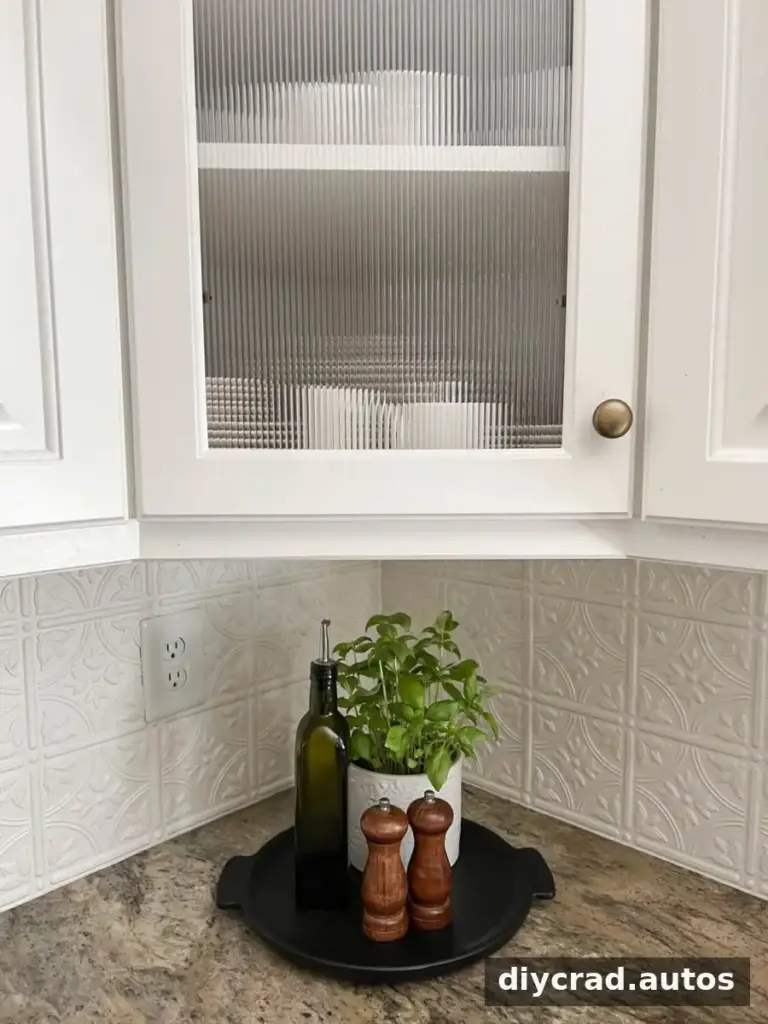
- Kitchen cabinets: Leaded glass film can obscure food storage and add a traditional decorative look.
- Bathroom or shower doors: Reeded glass film can provide a textured appearance and help reduce visibility.
- Transom windows: Stained-glass-style film can add color and pattern above a doorway.
For a cohesive look, consider repeating a similar finish in nearby rooms. In areas that need more privacy, review the film’s specifications before installation rather than relying on its pattern alone.
How to Apply Decorative Window Film to Glass
Many films can be installed with water to help position them on the glass. Always follow the directions supplied with your specific product, since installation requirements may differ.
Supplies
- Decorative window film
- A clean glass surface
- Glass cleaner
- A spray bottle filled with water
- Tape measure
- Scissors
- Utility knife with new, sharp blades
- An old credit card or squeegee
- Safety pin
Installation Steps
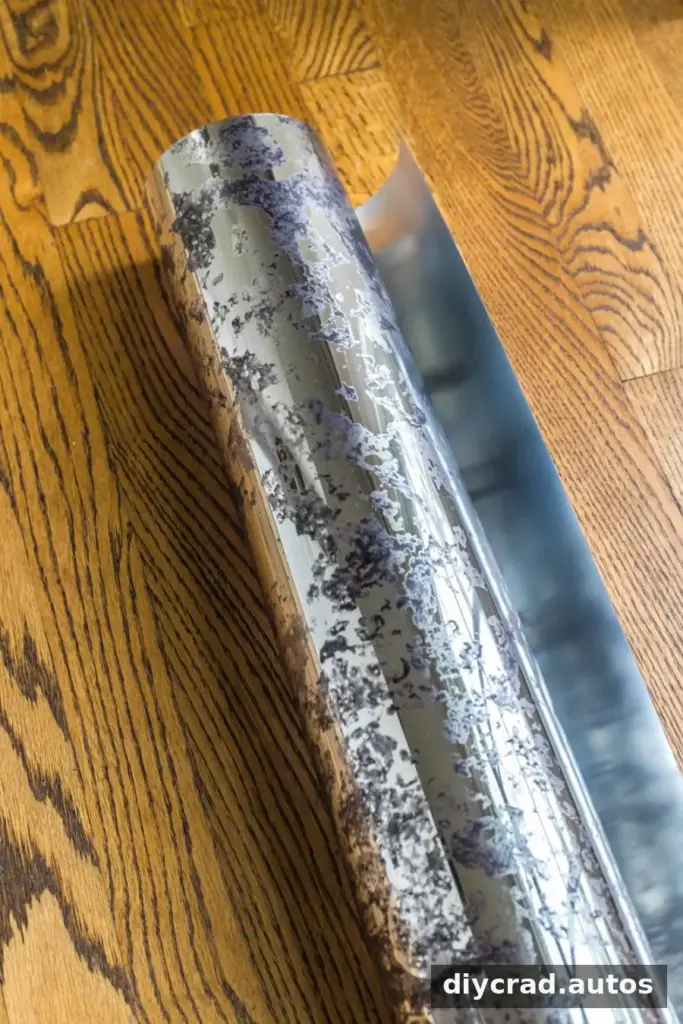
1. Measure and cut the film
Measure the glass area on the cabinet, door, or other surface. Cut the film to those dimensions, adding 4 inches to allow excess material for trimming during installation.
2. Clean the glass
Clean the glass thoroughly with glass cleaner, then let it dry. Dust or residue left behind may affect how smoothly the film sits, so inspect the surface before moving on.
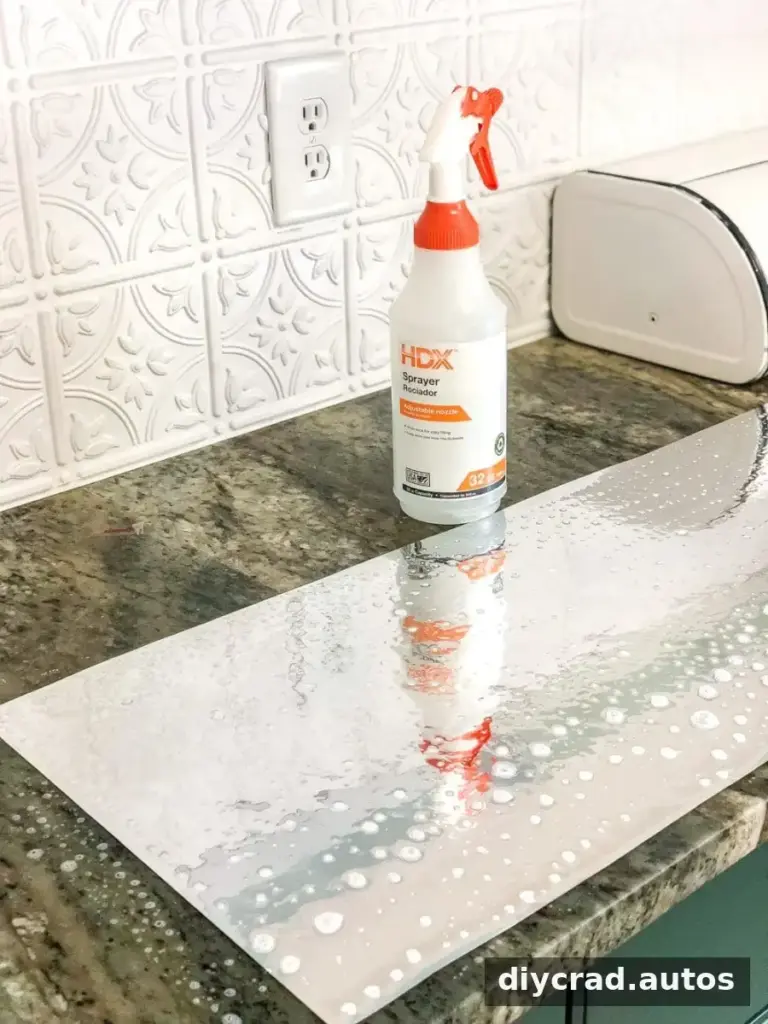
3. Wet the film backing
Unroll the film on a clean, flat surface and spray its backside completely with water.
4. Wet the glass
Spray the glass surface with water as well, following the product’s instructions for application.
5. Position the film
Place the wet backside of the film against the wet glass. Position it so that 1–2 inches of excess film extend beyond each edge.
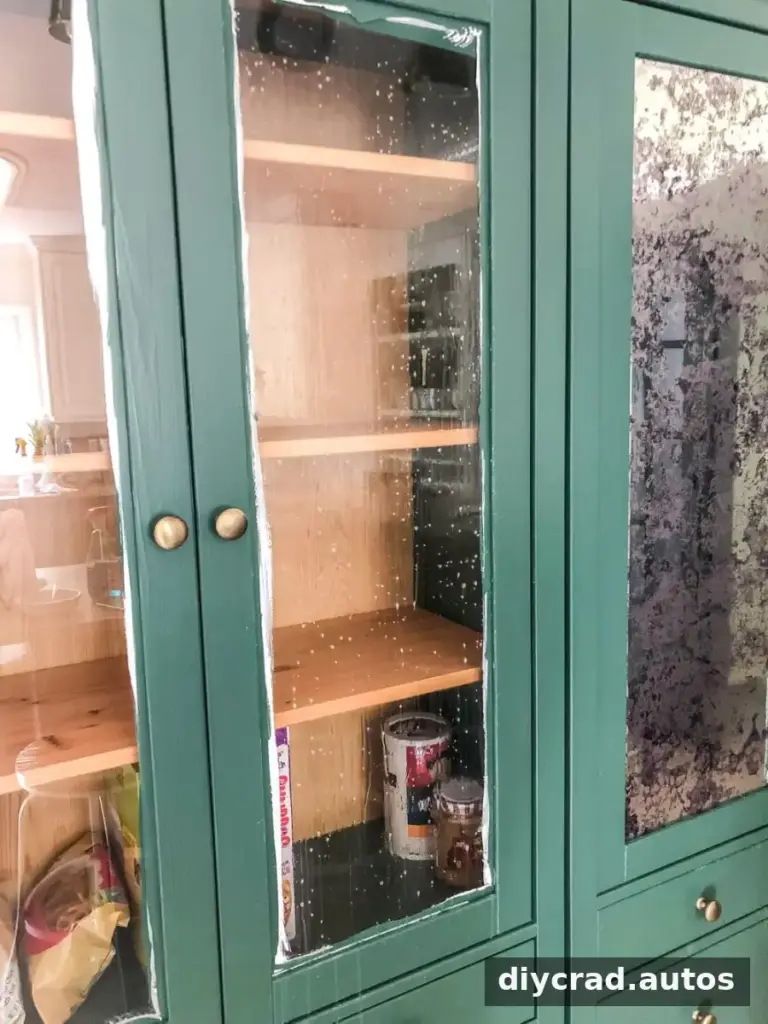
6. Smooth out air bubbles
Use a squeegee or an old credit card to press out air bubbles and smooth the film toward the edges and corners. Work carefully to keep the material aligned.
7. Trim the excess
Press the film firmly against the glass edge with the squeegee or card. Carefully run a utility knife alongside the edge to remove the excess. Use a sharp blade and take care to avoid cutting the frame or scratching the glass.
8. Address bubbles and let the film dry
If small air bubbles remain, prick them with a safety pin and smooth the film again. Let the glass dry fully before touching or adjusting the film so it has time to settle without shifting.
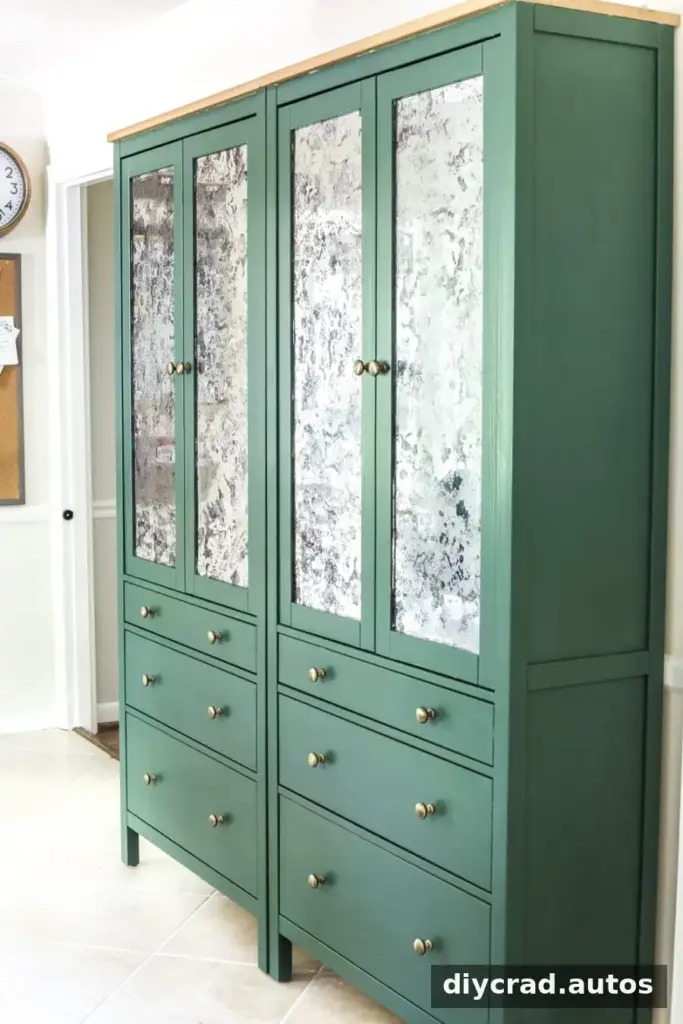
Antique Mirror Glass Window Film
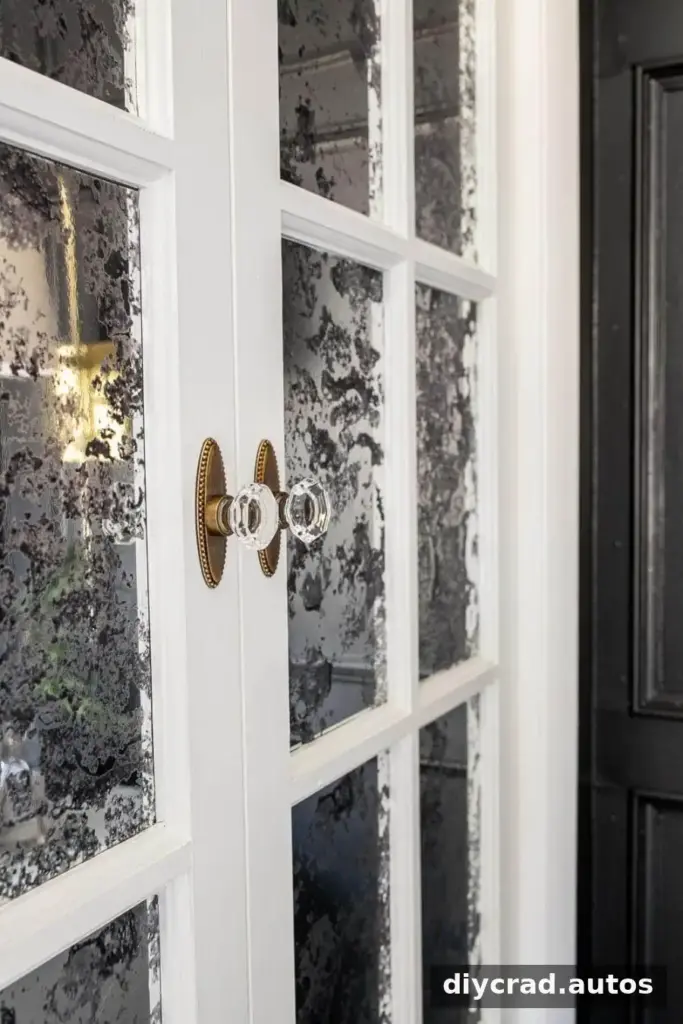
Antique mirror film can help obscure pantry contents while adding a reflective, vintage-inspired finish. It has also been used on an IKEA pantry cabinet and French bifold bedroom closet doors. Reflective designs can bounce light around a room, though the effect depends on the surrounding light and the film itself.
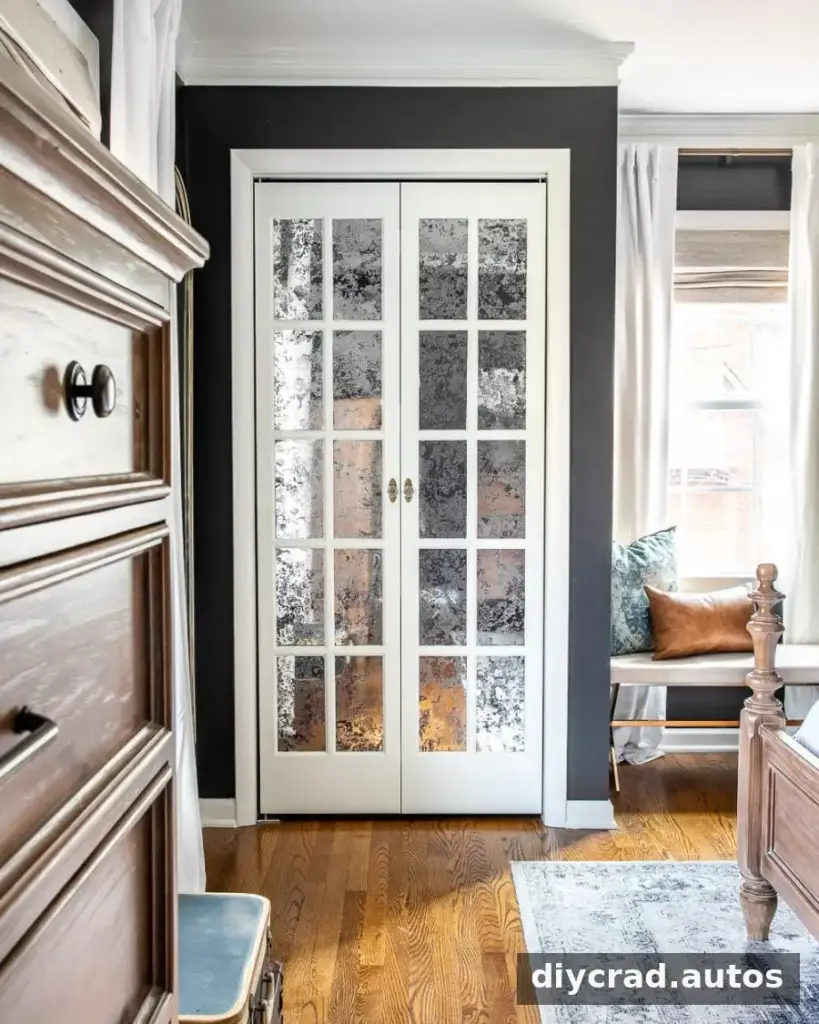
On closet doors, this style can make stored clothing and other items less visible while keeping the doors’ glass panels in use. Measure each panel separately for a more consistent fit.
Frosted Window Film
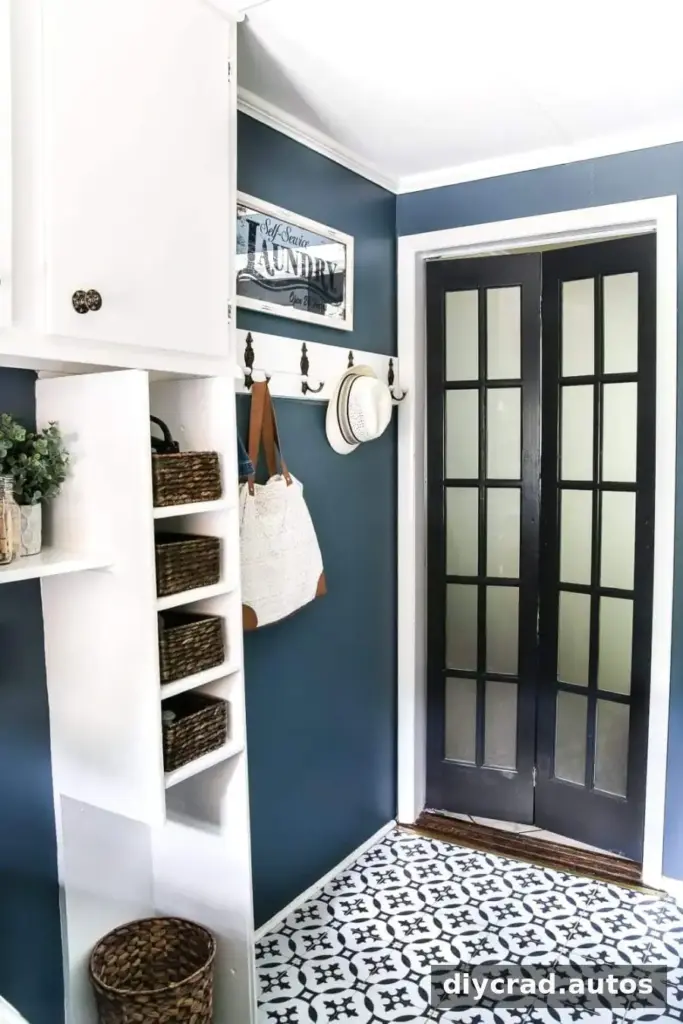
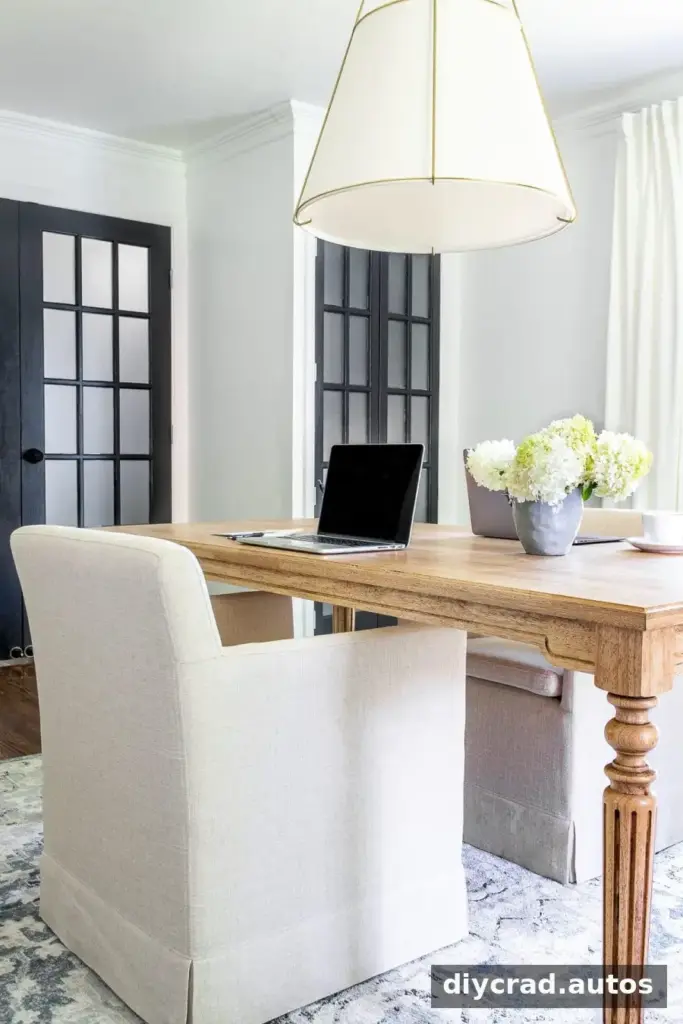
Frosted film is a versatile choice for interior doors and other glass surfaces where a softened view is useful. On French doors between a home office and foyer, it can obscure the office while still allowing natural light to pass through.
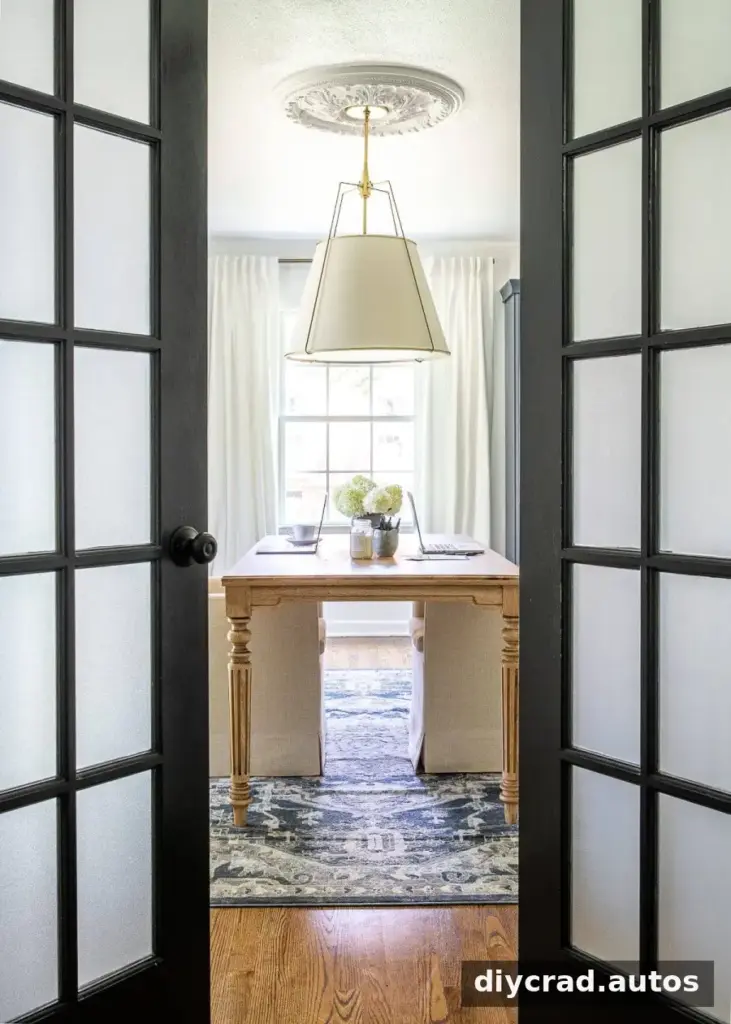
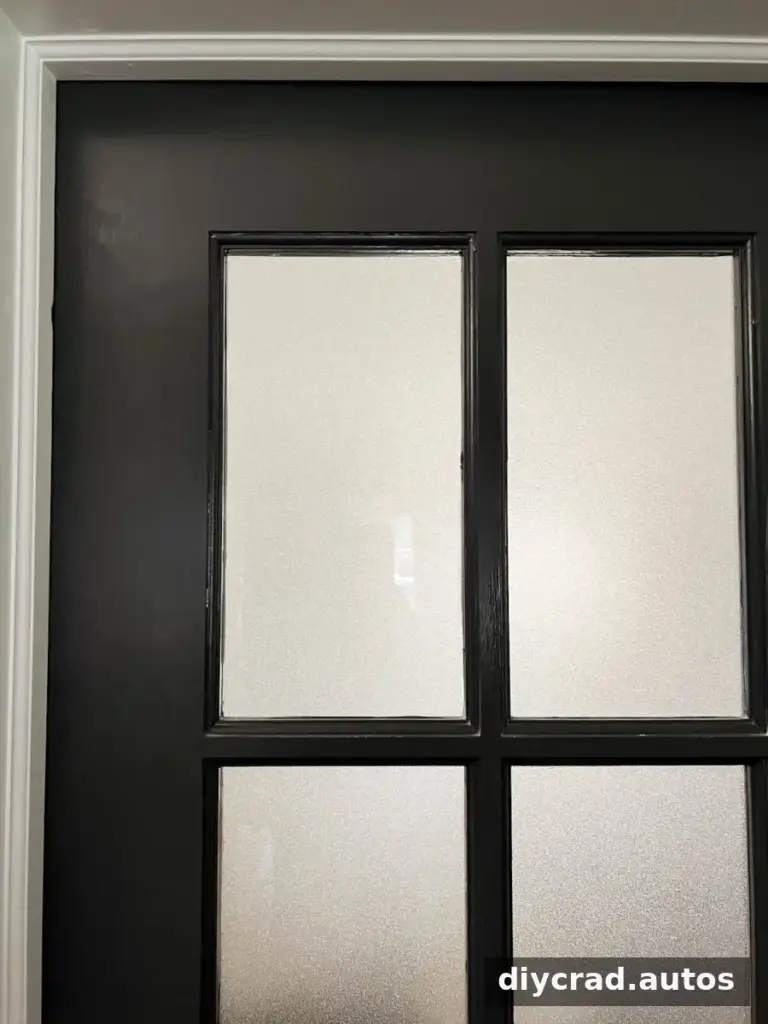
In a laundry room, frosted film can make cleaning supplies and hampers less visible through glass. It can also be applied to closet doors used to store decor or craft supplies. As with any film, check the product directions and test the finish on a small area if you are unsure how it will look.
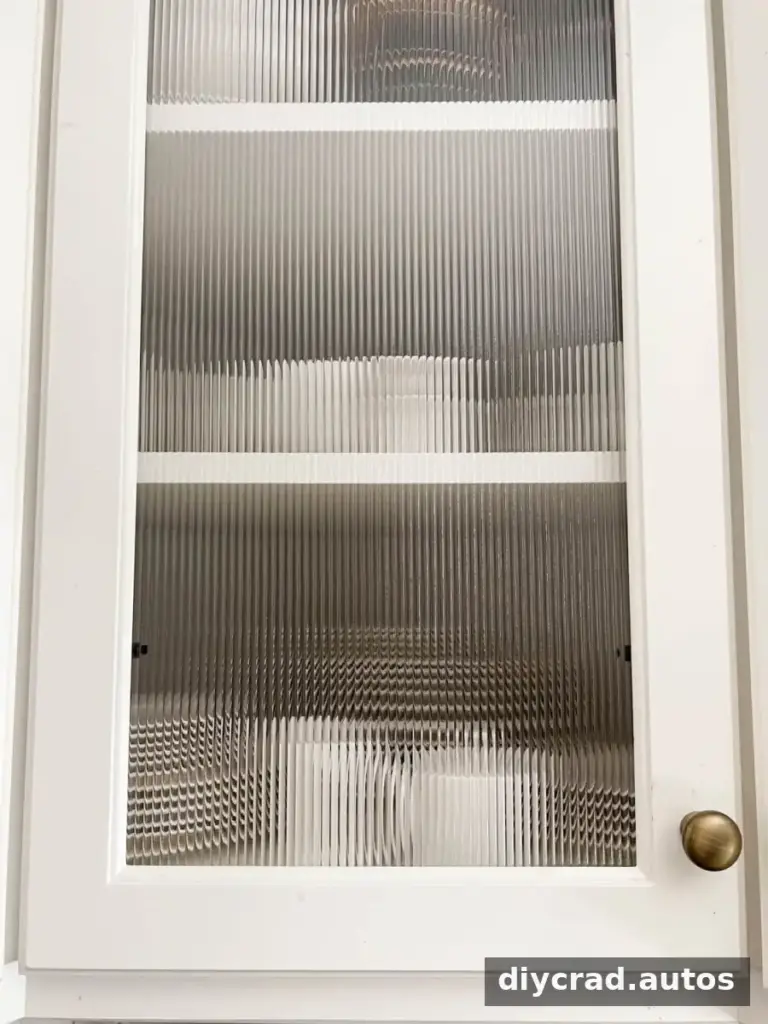
Reeded Glass Film
Reeded glass film creates the appearance of narrow, raised lines and can bring an Art Deco or Mid Century Modern feel to a room. It is one option for kitchen cabinet fronts, bathroom doors, or other glass surfaces where texture and reduced visibility are desired. Align the pattern carefully across neighboring panels for a more unified appearance.
Vintage-Style Decorative Window Film Ideas
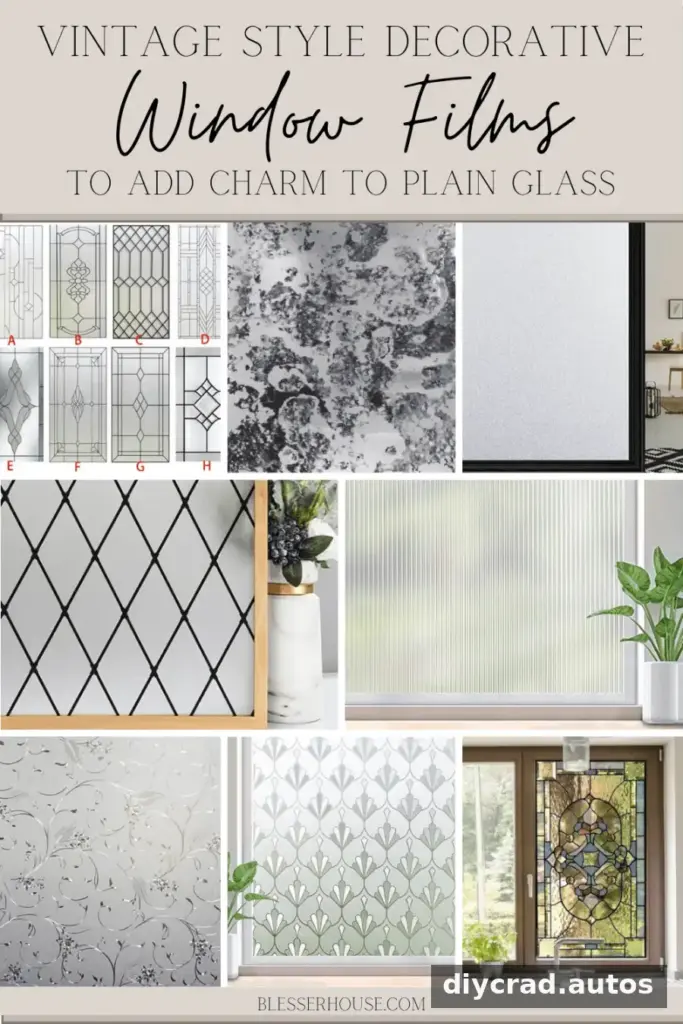
Different film designs can help glass fit a room’s existing style. Consider antique mirror film for a vintage effect, frosted film for a simple and subtle finish, or black lattice film for a stronger geometric pattern. Etched floral, Deco etched, leaded glass, reeded glass, and stained-glass styles offer additional ways to add detail.
Before choosing a design, consider how much of the view should remain visible, how the pattern will look from both sides of the glass, and whether it suits the room’s lighting. A small test piece can help confirm the appearance before covering a larger surface.
Decorative window film is a practical way to refresh glass cabinets, doors, furniture, and windows while adding pattern or privacy. With accurate measuring, careful surface preparation, and a patient installation, it can give plain glass a new look without replacing the glass itself.

